I. Definition and Core Features
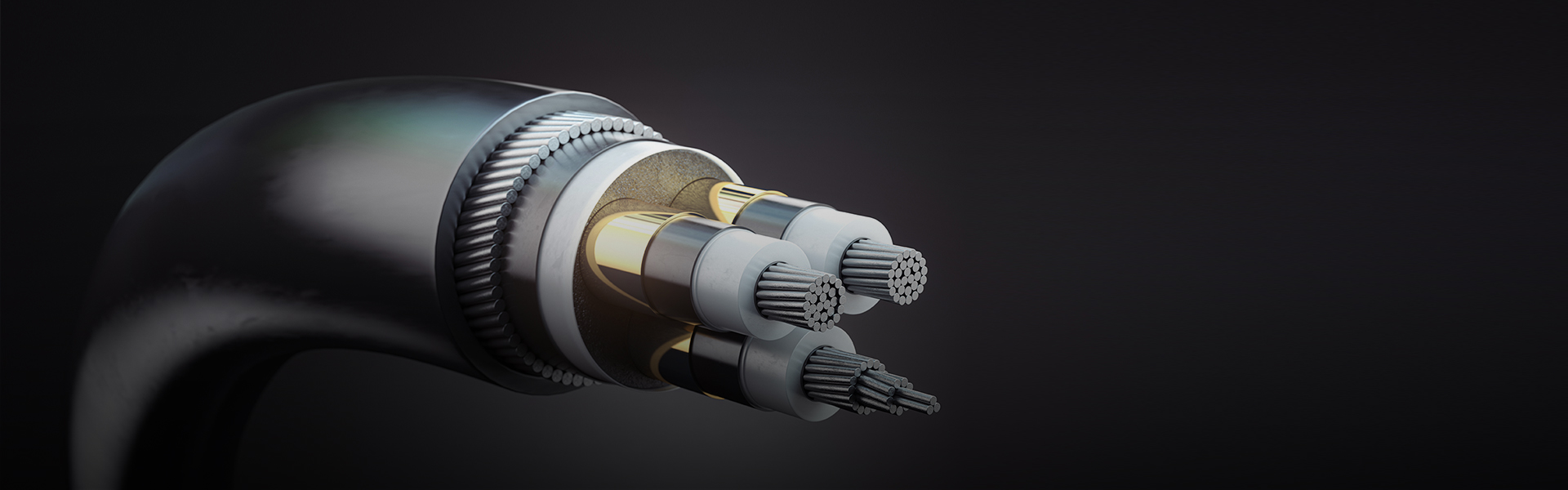
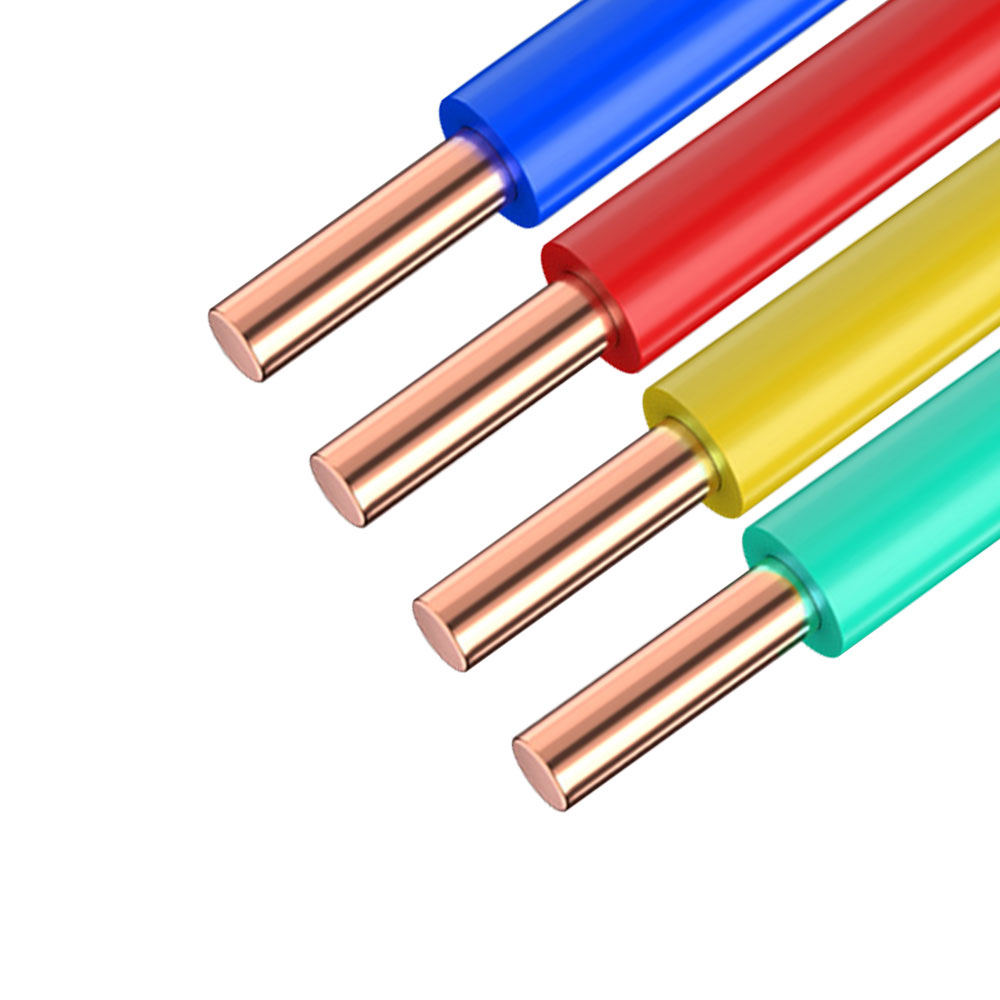
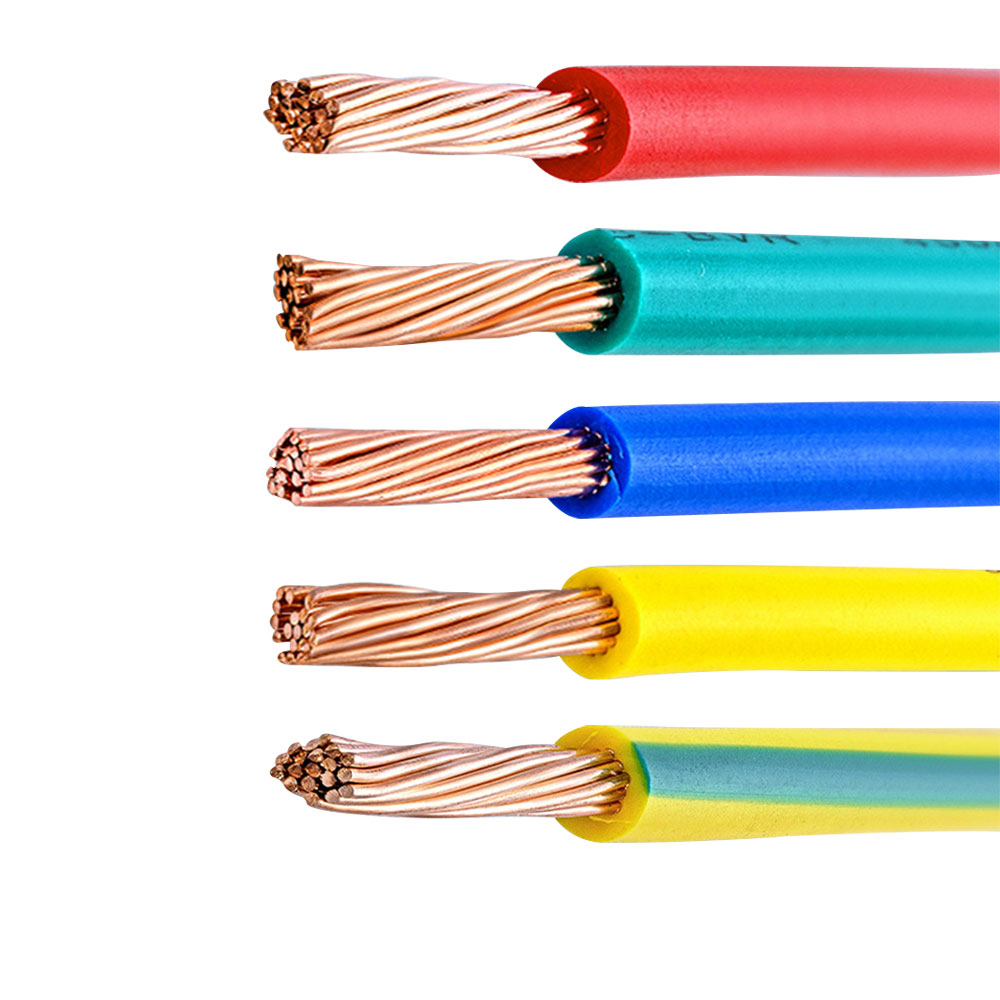
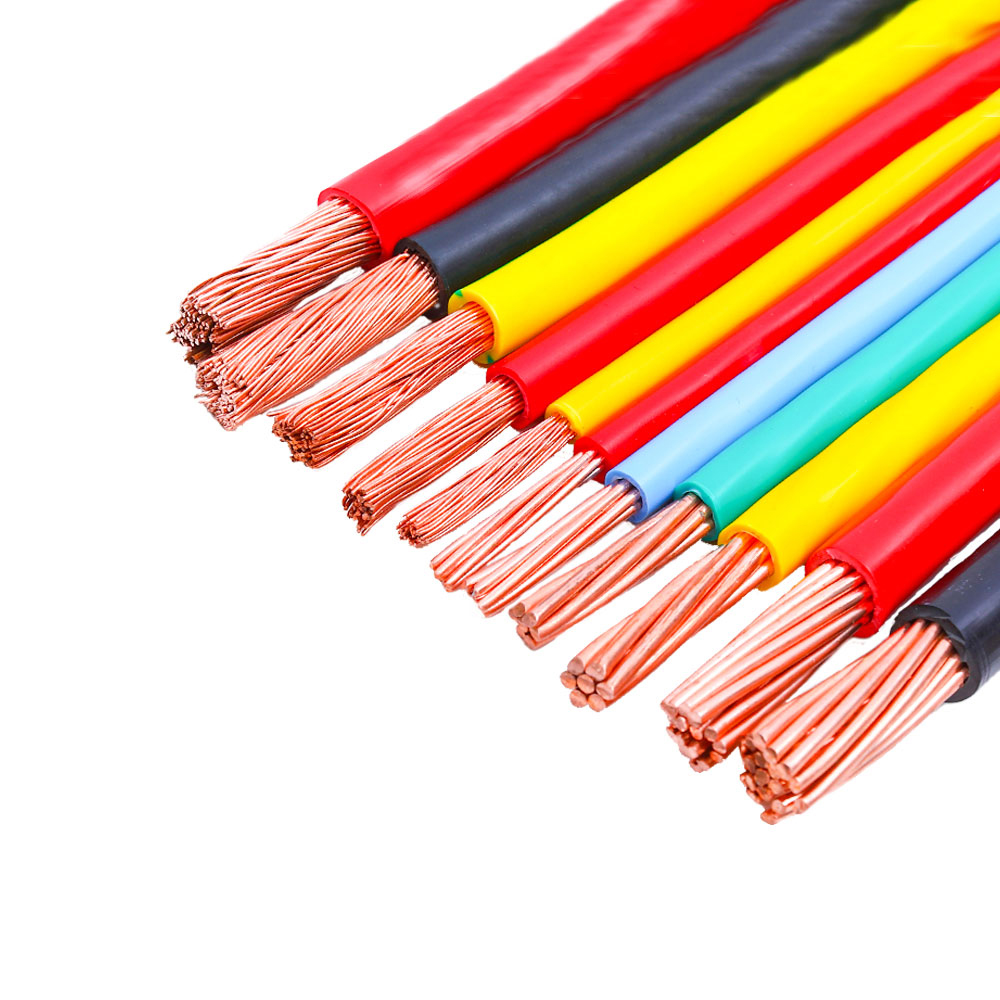
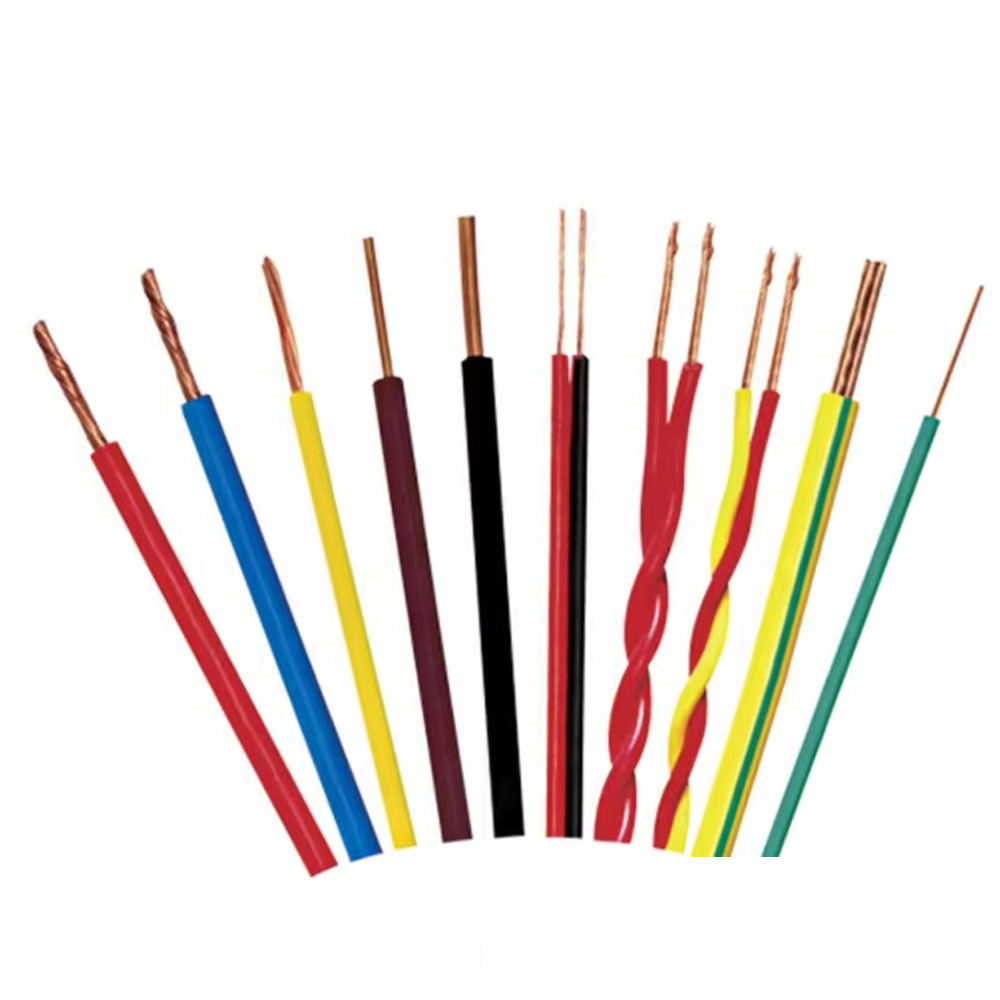
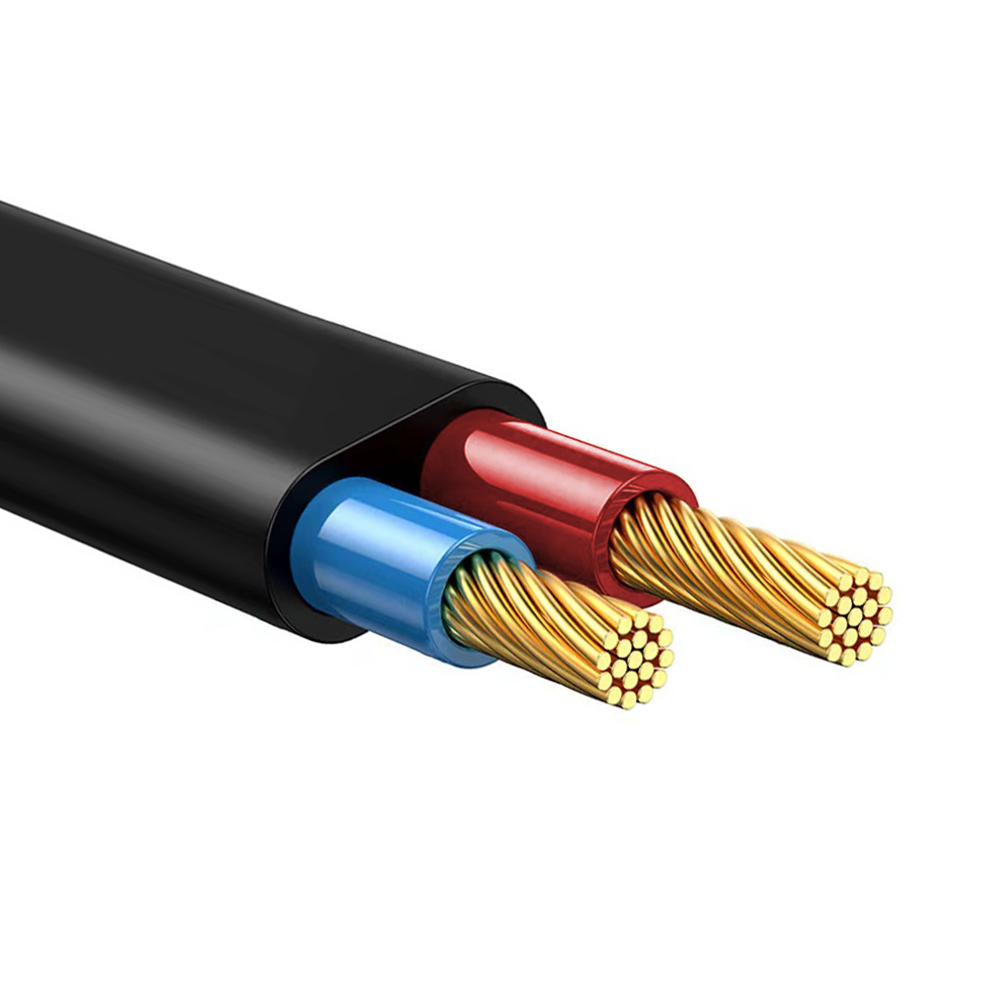
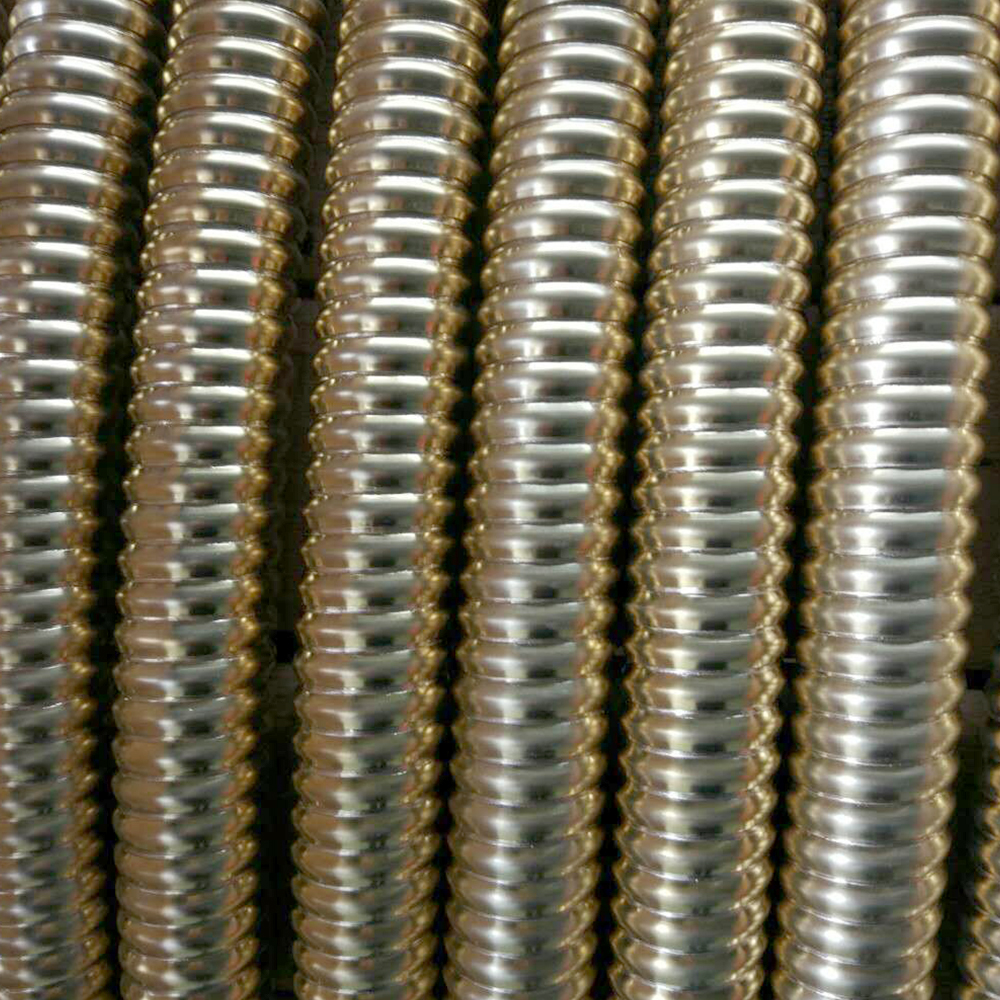
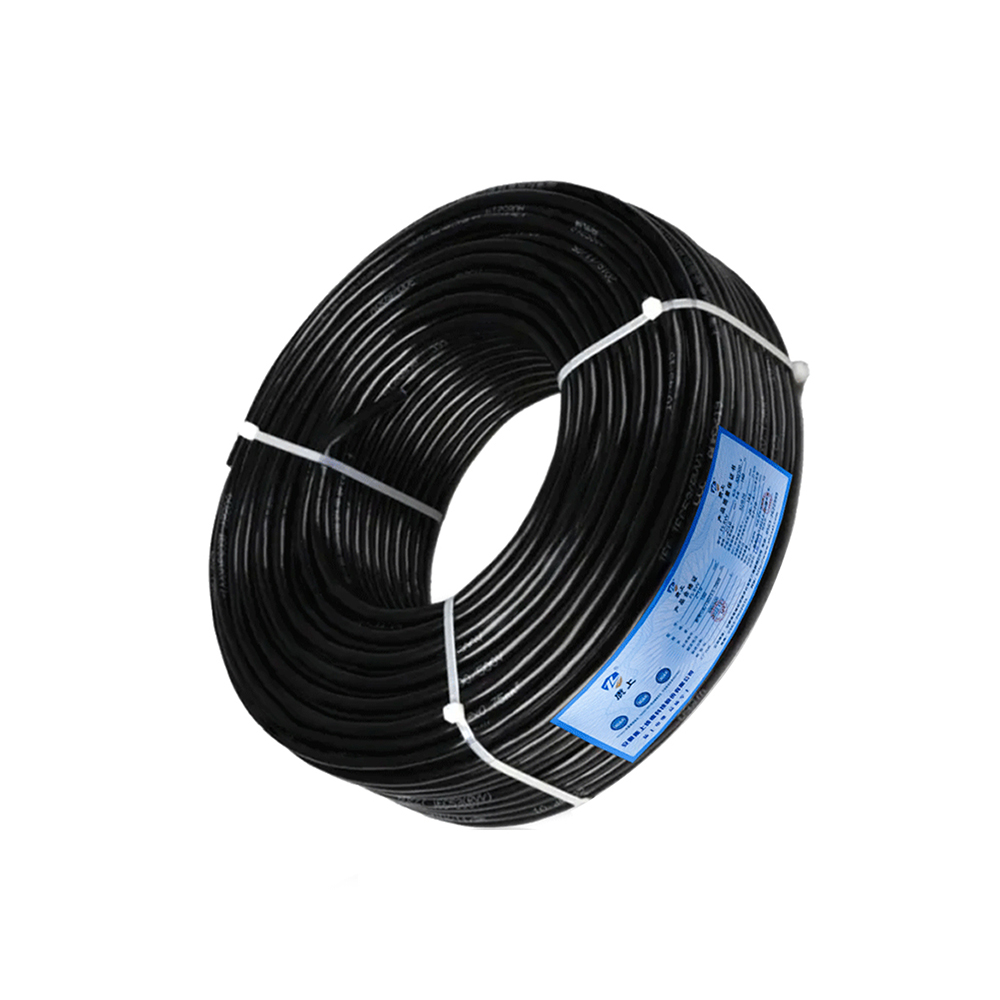
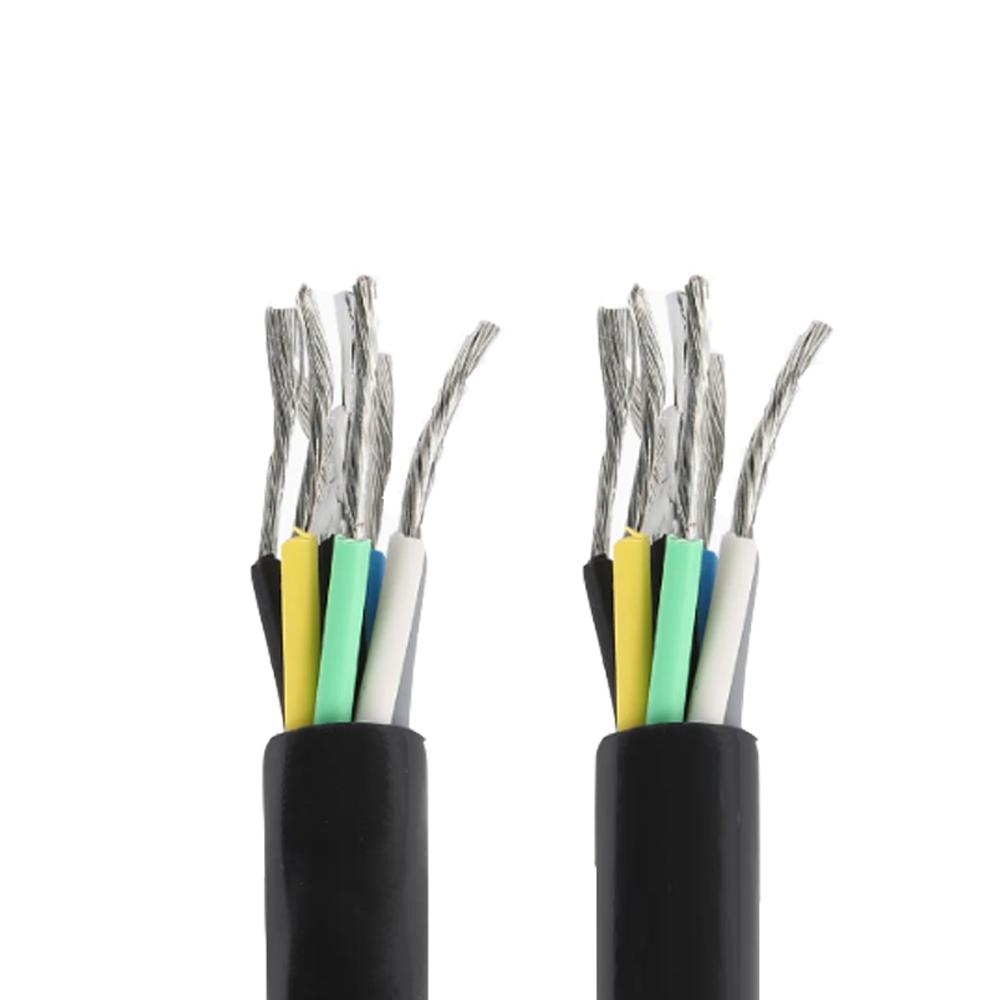
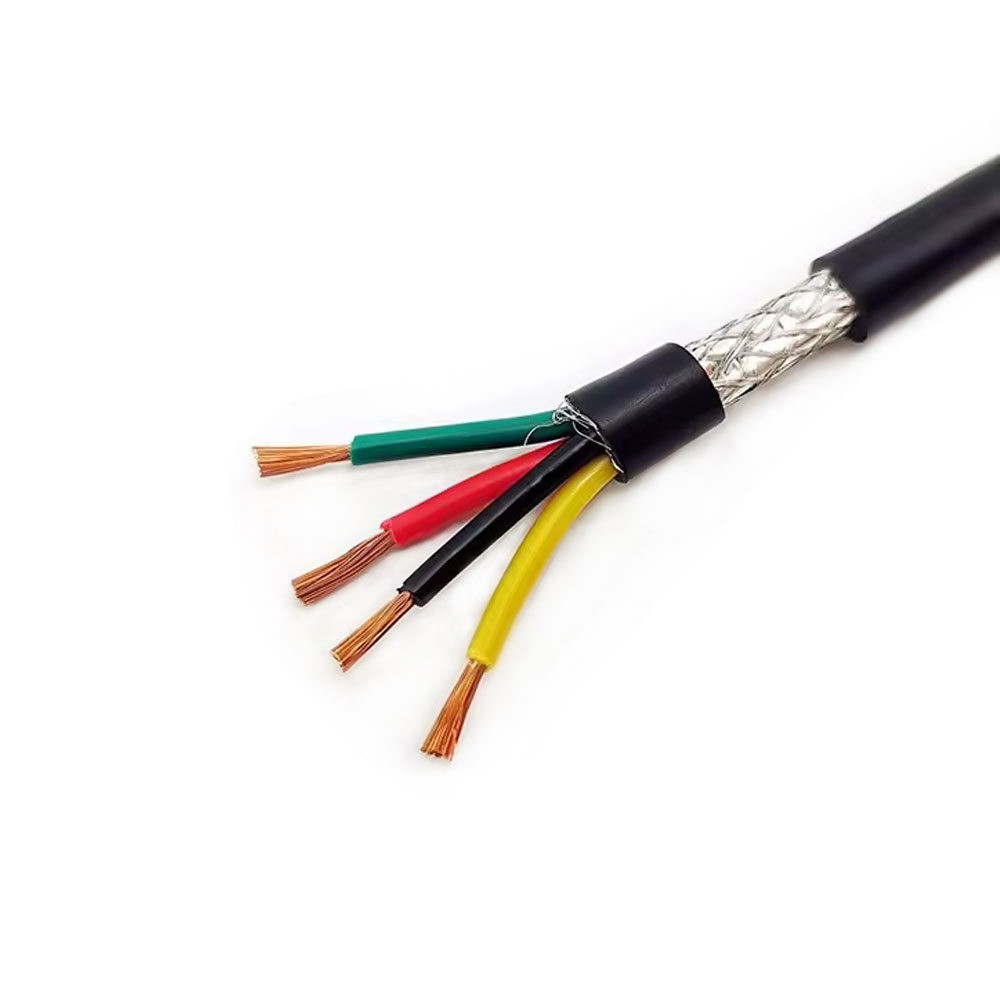
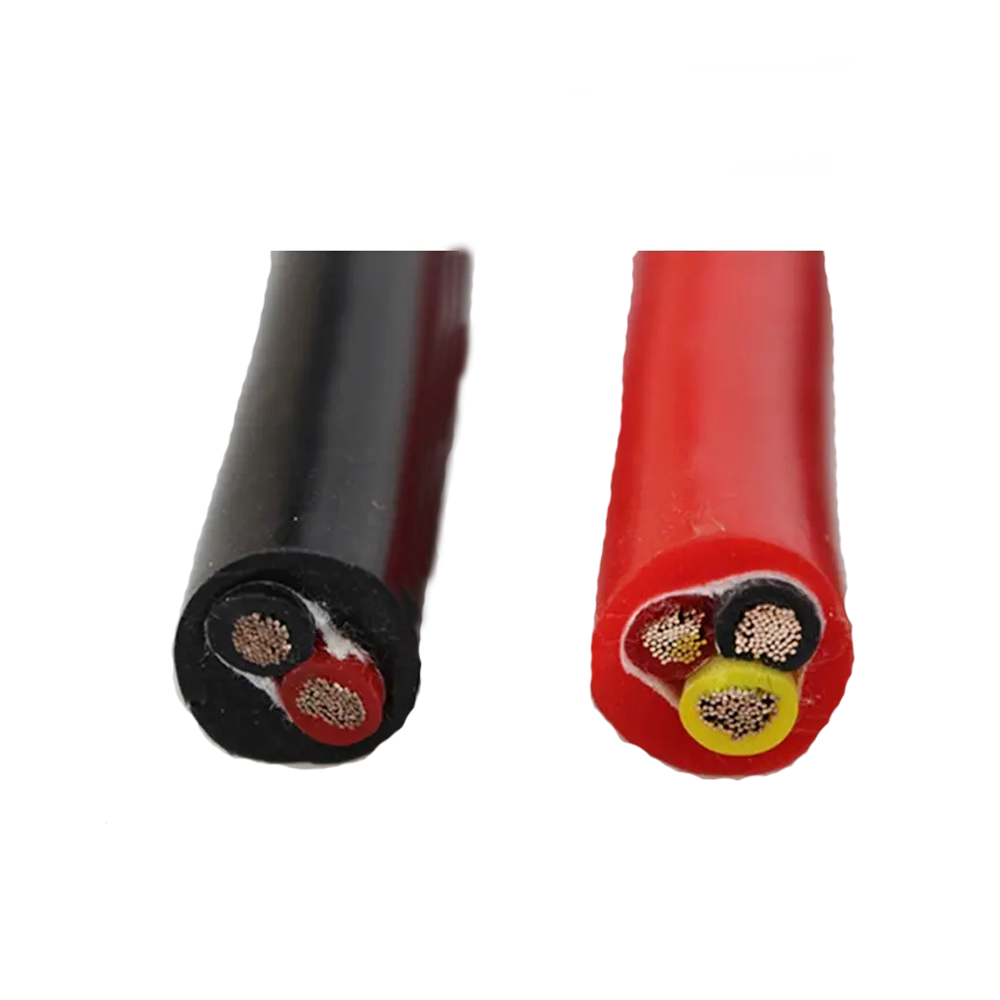
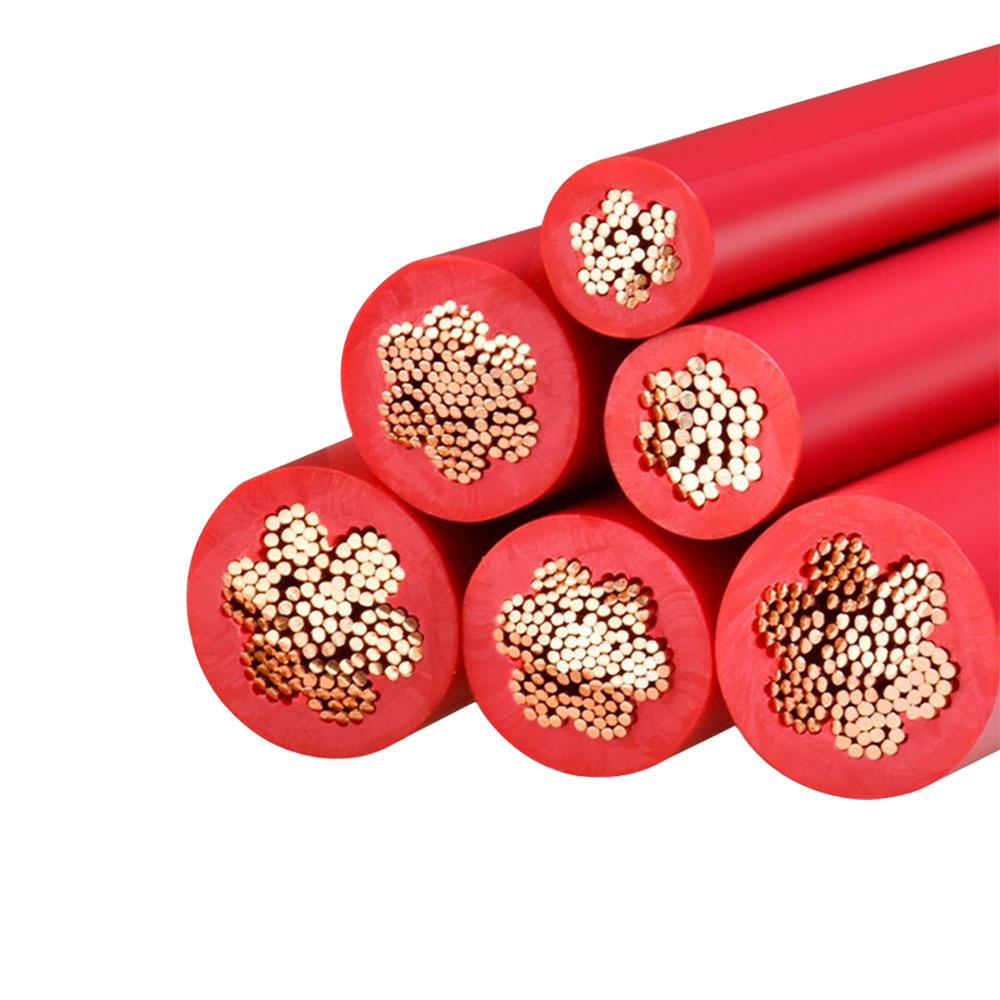
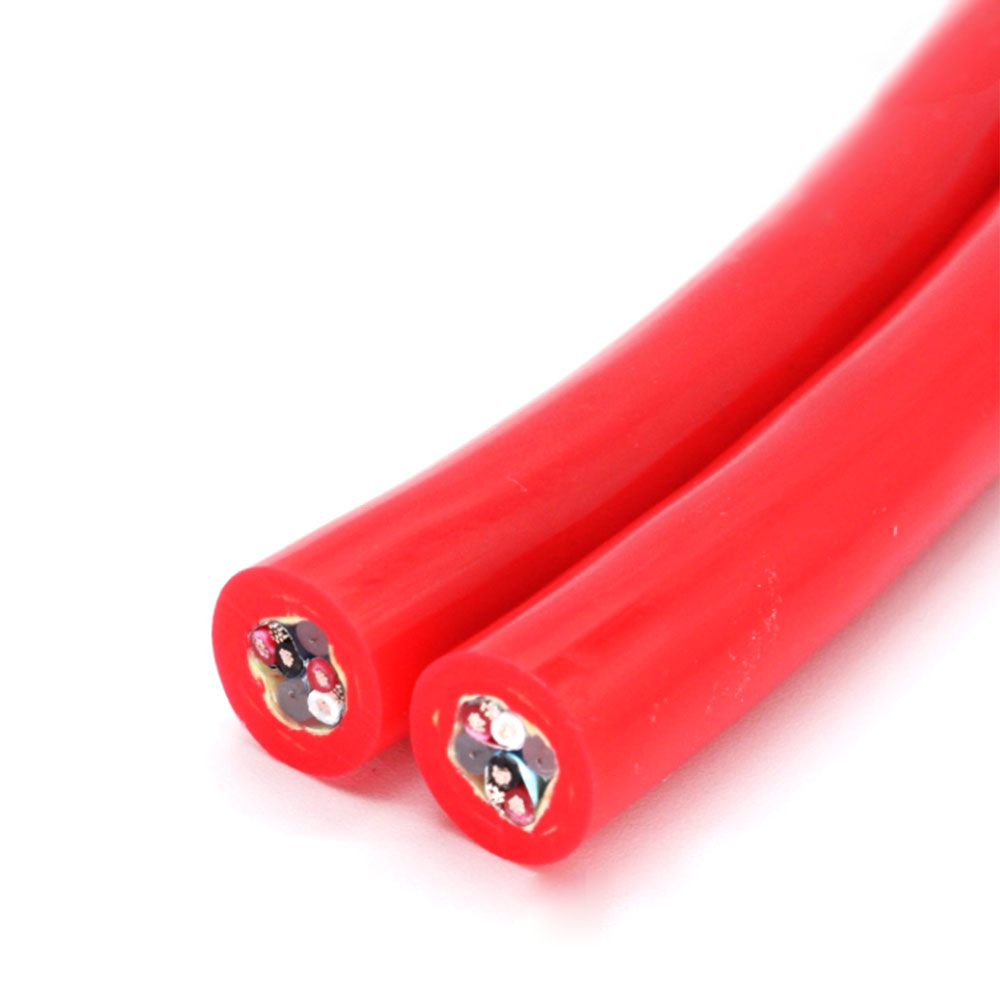
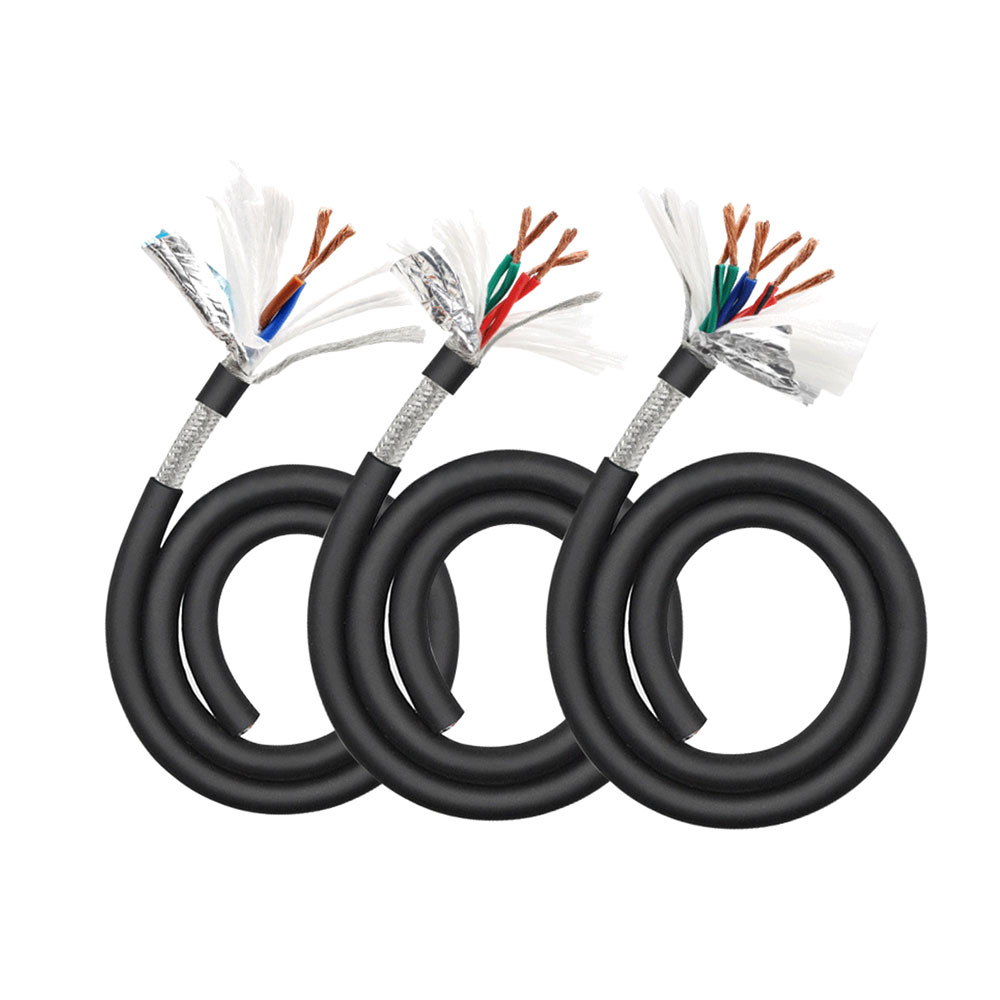
Flexible cables are a type of special cable designed for frequent movement, bending, or twisting applications. Their core characteristics involve the use of multi-stranded fine copper wire conductors and elastomeric insulation/sheathing materials, which ensure excellent mechanical flexibility and fatigue resistance while maintaining electrical performance.
Core Features:
Dynamic Installation: Suitable for continuous or intermittent motion equipment
High Bending Lifespan: Capable of millions of bending cycles (e.g., drag chain cables)
Torsion Resistance: Some models can withstand torsional stress of ±180° to ±720°/meter
Environmental Adaptability: Oil-resistant, wear-resistant, and weather-resistant
II. Main Types and Application Scenarios
Typical Industries:
Industrial Automation: Robotic arms, conveyor belts, inspection equipment
Logistics and Warehousing: Stackers, sorting lines, lifts
Energy Equipment: Wind turbine pitch systems, solar trackers
Special Vehicles: Cable reels for mining vehicles, fire truck ladders
Stage and Film: Moving lights
III. Key Control Points in Production Process
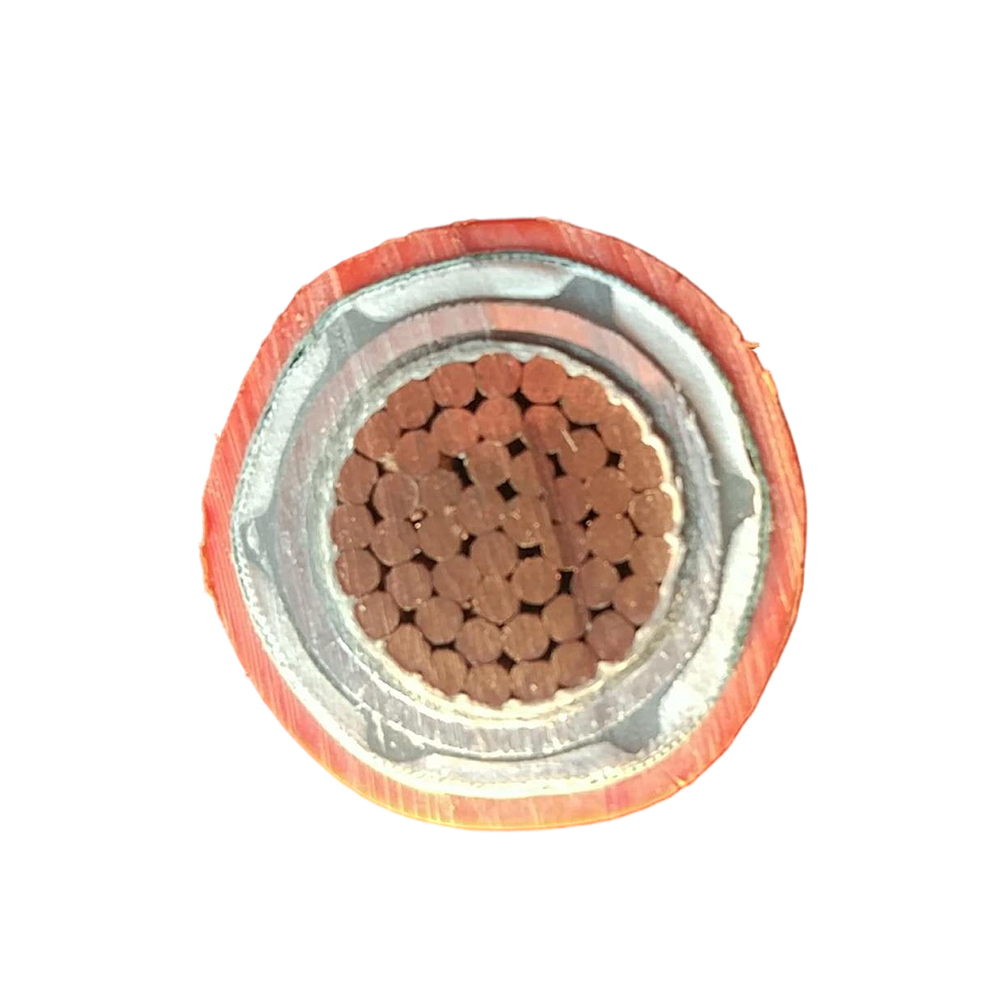
Conductor Stranding Process:
Uses Class 5 or Class 6 conductors (IEC 60228)
Optimized lay ratio to prevent conductor deformation during stretching
Matching of stranding direction with cabling direction
Insulation and Sheathing Materials:
PUR (Polyurethane): High wear resistance, oil resistance, and tear resistance
TPE/TPU (Thermoplastic Elastomer): Good flexibility, environmentally friendly
Special PVC: Economical bending-resistant solution
Shielding and Anti-Interference Design:
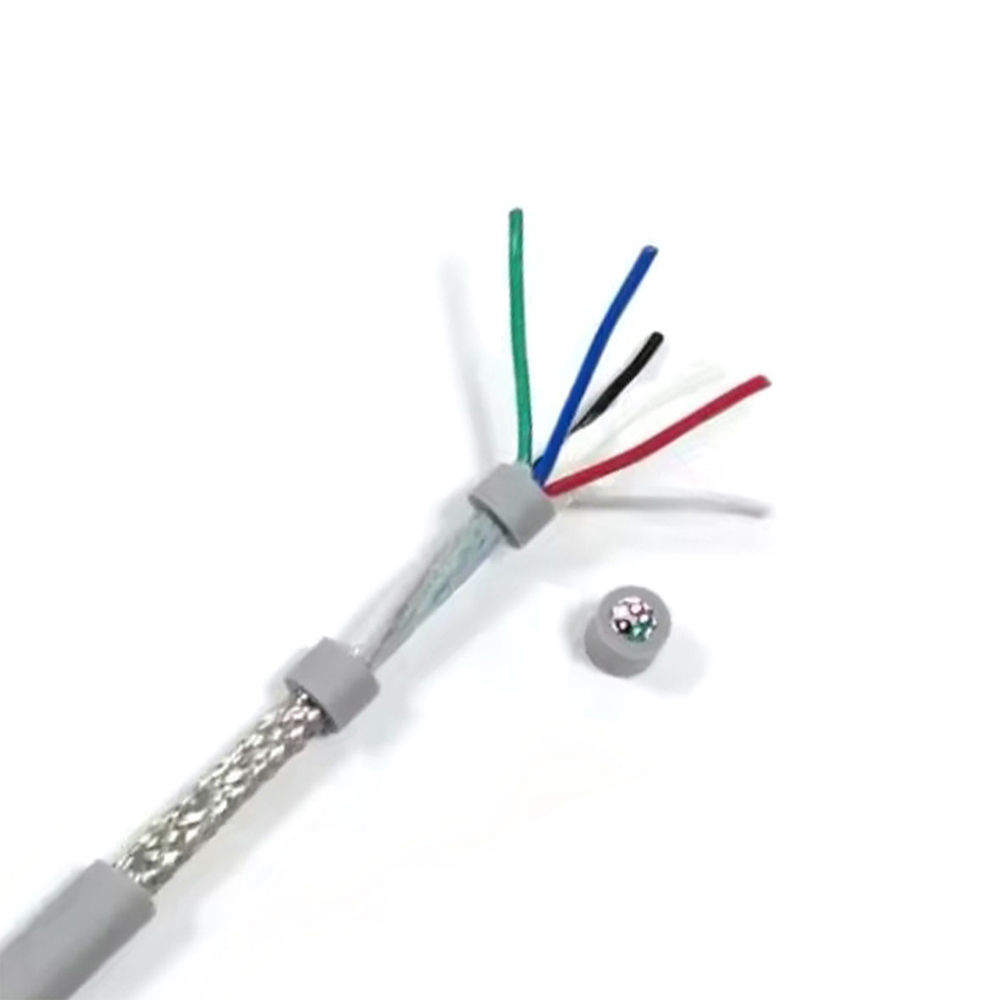
Tinned copper wire braided shielding (coverage ≥85%)
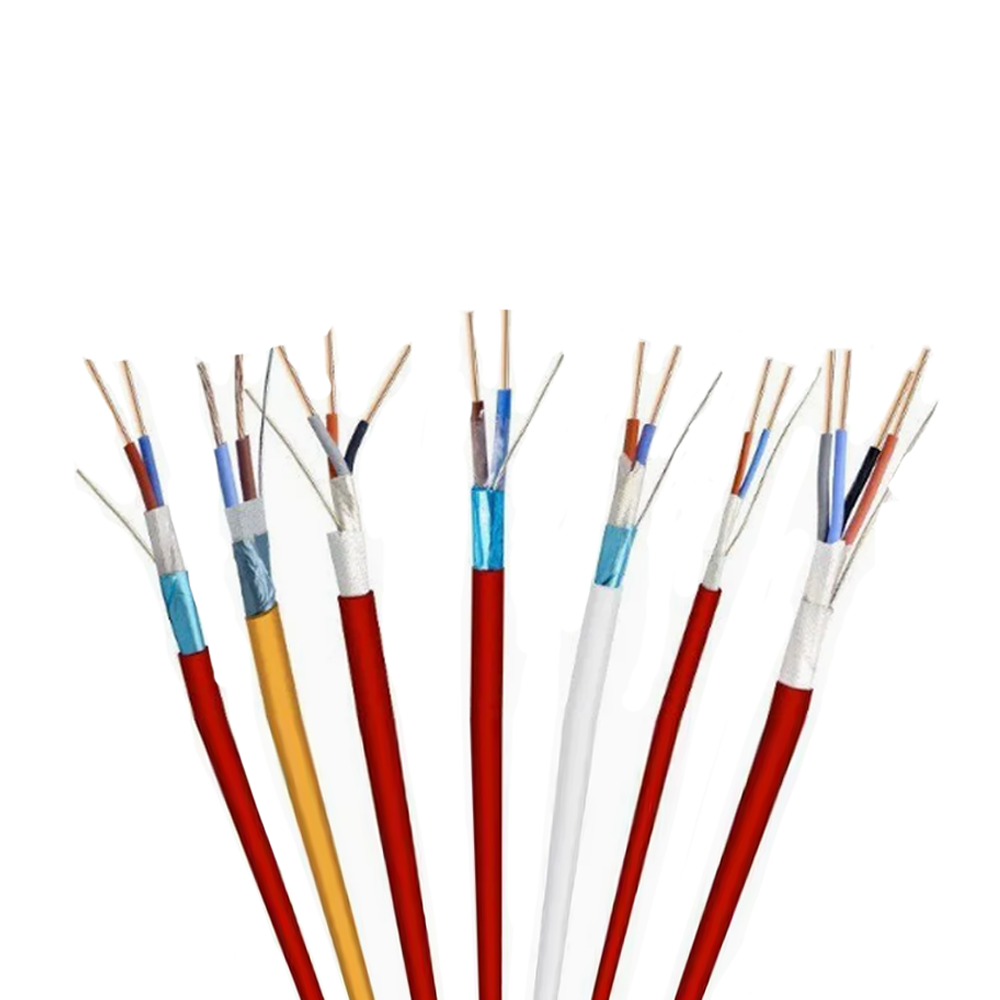
Aluminum foil + drain wire composite shielding
Paired/star quad structure to reduce crosstalk
Specialized Cabling Equipment:
Anti-twist stranding equipment to prevent internal stress
Constant tension payout systems
Online eccentricity detection instruments
IV. Summary of Core Advantages
Dimension | Advantage
Reliability | Mean Time Between Failures (MTBF) can exceed 50,000 hours
Economic Efficiency | Reduces downtime, maintenance costs lowered by 40%-60%
Safety | Complies with flexible flame retardant (e.g., PUR flame retardant) and explosion-proof certifications
Adaptability | Operates in a wide temperature range of -60°C to +125°C
Customization | Customizable length, color, labeling, and integrated connectors
Innovation Directions:
Self-Diagnostic Cables: Embedded fiber optic sensors for real-time strain monitoring
Lightweight Design: Aluminum-magnesium alloy wires replace copper conductors (weight reduced by 30%)
Quick Connection: Modular plug-and-play interfaces, replacement time ≤5 minutes
Eco-Friendly Materials: Bio-based PUR, recyclable TPE

 English
 Español
 عربى
عربى
 русский