Comprehensive Introduction to Mining Communication Cables
I. Definition and Core Characteristics
Mining communication cables are specialized cables designed and manufactured for transmitting telephone, monitoring, control, and data signals in underground environments of coal mines, metal mines, and non-metallic mines. They serve as the "neural network" for mine safety production, dispatch command, and automation systems, ensuring absolutely reliable and uninterrupted communication in extremely harsh and high-risk environments. Their design complies with strict mine safety regulations, with core requirements focused on explosion-proof safety, mechanical protection, and signal reliability.
Core Characteristics:
Intrinsically safe explosion-proof design: Strictly complies with Mining Product Safety Certification (MA) requirements, using special structures to prevent cable faults from generating sparks that could ignite gas or coal dust explosions.
High-strength mechanical protection: Exhibits exceptional resistance to crushing, impact, tearing, and dragging to withstand severe mechanical damage such as falling rocks, mine cart collisions, and equipment impacts underground.
Flame-retardant and low-smoke halogen-free: Cable materials demonstrate extremely high flame retardancy, producing low smoke and releasing no toxic halogen acid gases during combustion, creating conditions for personnel evacuation underground.
Excellent moisture and corrosion resistance: Employs a fully sealed structure to prevent degradation of insulation or short circuits caused by water ingress, humidity, and corrosive gases underground.
Strong anti-interference capability: Ensures clear and stable signal transmission in underground environments with strong electromagnetic interference through effective shielding design.
II. Main Types and Application Scenarios
Primarily classified into two categories by structure:
Armored communication cables: Feature metal (e.g., galvanized steel wire, steel tape) armor layers, providing the strongest mechanical protection.
Model examples: MHYV (coal mine polyethylene-insulated PVC-sheathed communication cable), MHYAV (with aluminum-plastic composite tape shielding).
Applications: Used in main transportation tunnels, fully mechanized mining faces, and other fixed or semi-fixed installation scenarios with high mechanical damage risks.
Lightweight (non-armored) communication cables: Lighter weight and better flexibility, though with relatively lower mechanical protection levels.
Model examples: MHYVR (coal mine polyethylene-insulated PVC-sheathed flexible communication cable).
Applications: Used for connecting moving parts of equipment, underground telephone extensions, and other scenarios requiring certain flexibility.
Main application systems:
Mine dispatch communication system: Connects explosion-proof telephones at various underground workpoints with surface dispatch consoles.
Safety monitoring system: Transmits sensor data (gas, carbon monoxide, wind speed, etc.) to surface monitoring centers.
Personnel positioning system: Serves as signal transmission channels for radio frequency identification (RFID) base stations and card readers.
Industrial television system: Transmits video surveillance signals from key underground areas.
Automation control system: Provides control signal channels for systems such as centralized belt control and automated water pump drainage.
III. Key Production Process Controls
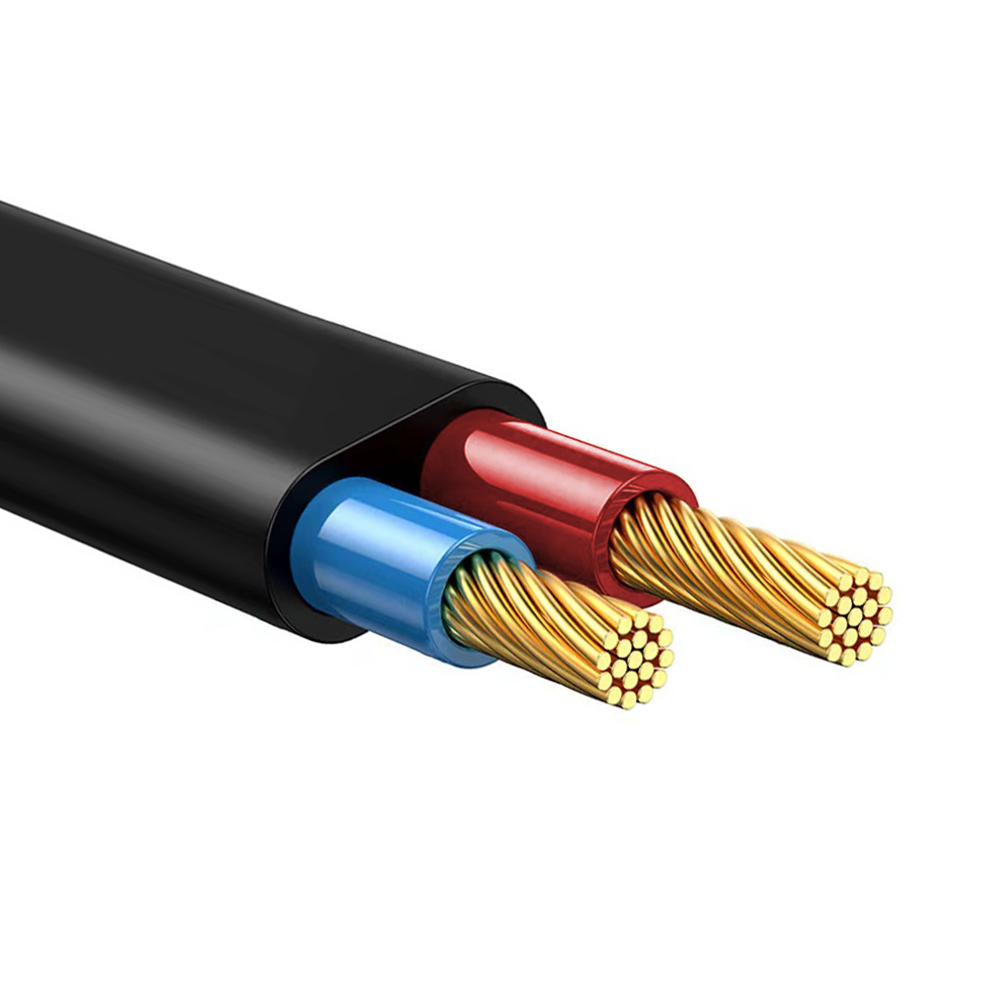
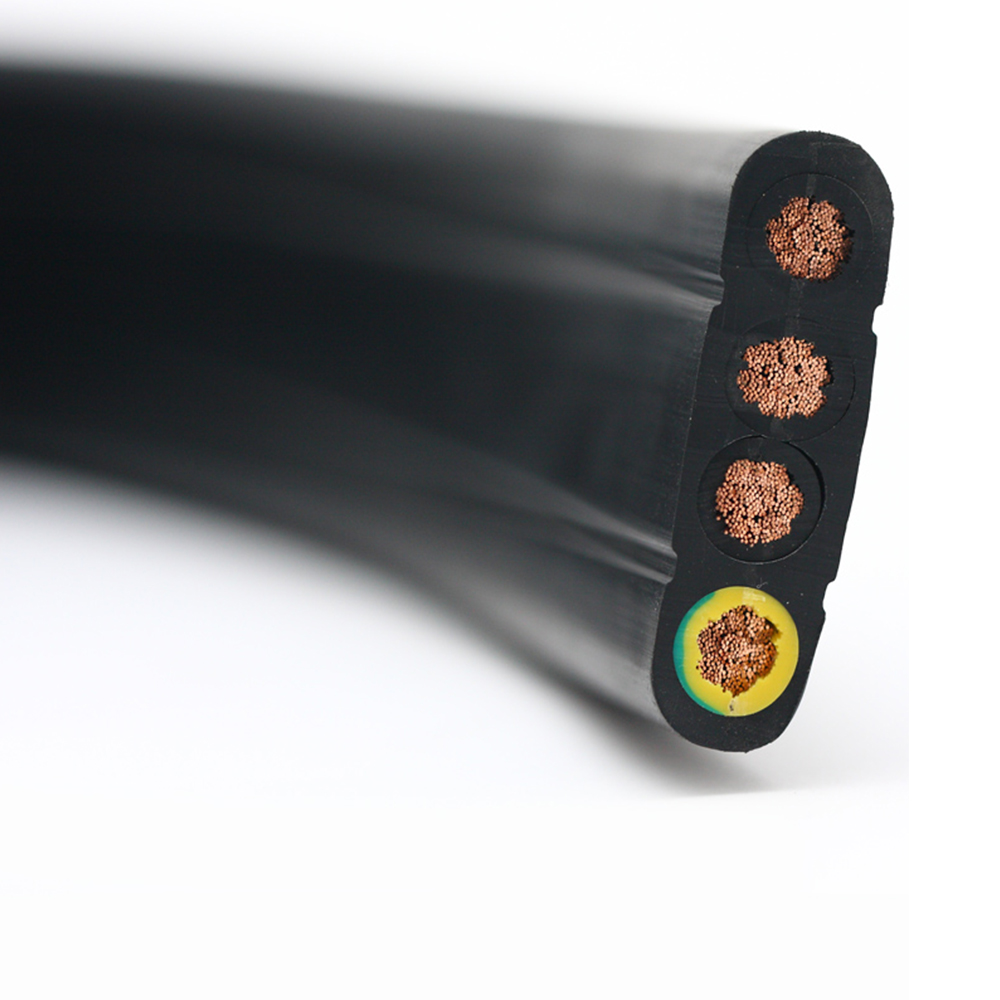
Conductor: Uses high-purity annealed copper wire to ensure conductivity. Conductor surfaces are often tin-plated to prevent oxidation and corrosion.
Insulation: Employs high-density polyethylene or environmentally friendly low-smoke halogen-free polyolefin materials, with uniform extrusion thickness and high insulation resistance.
Pair twisting and cabling: Communication pairs require precise twisting to suppress interference. For multi-pair cables, gaps are filled with water-blocking materials during tightly arranged cabling.
Shielding: Adopts composite shielding structures, such as aluminum-plastic composite tape wrapping (100% coverage) plus tin-plated copper wire braiding (coverage ≥80%), effectively isolating internal and external electromagnetic interference.
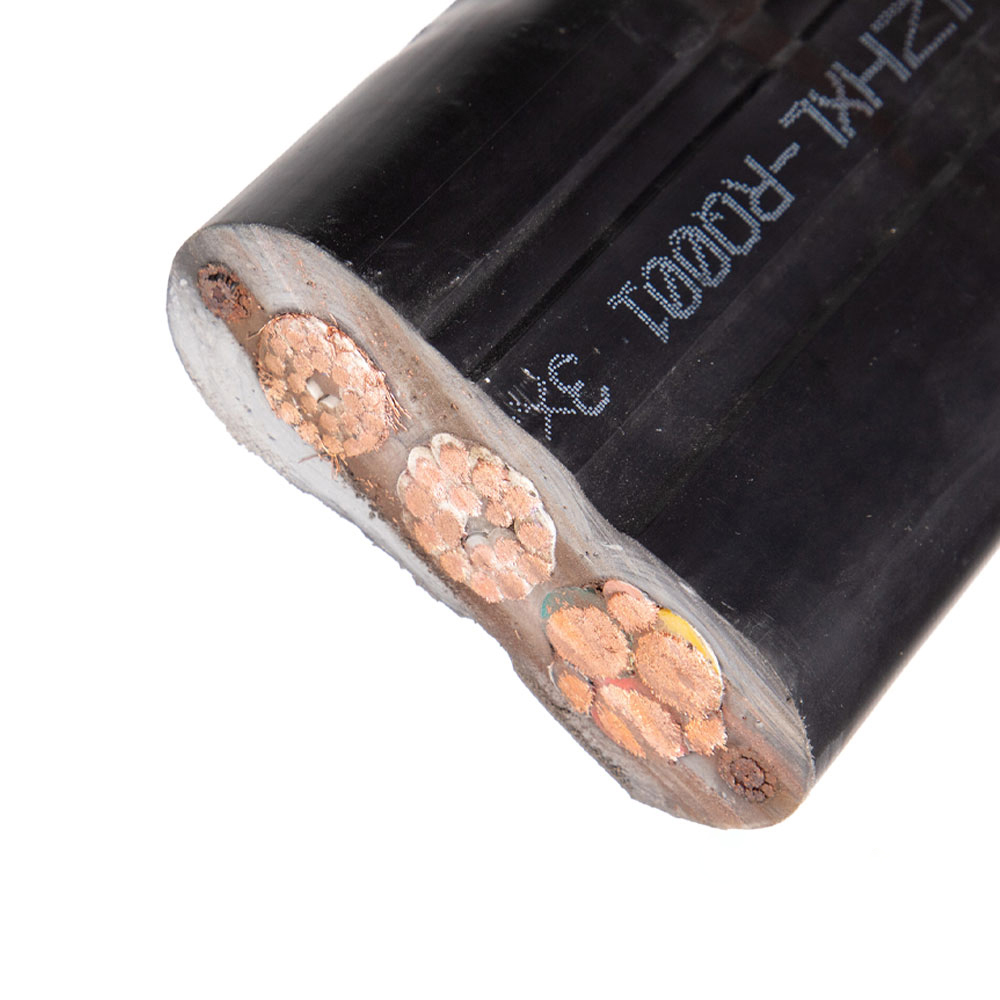
Sheathing and armoring:
Inner sheath: Extrudes an adhesive sheath layer to secure the cable core and enhance protection.
Armor layer (if applicable): Tightly wraps galvanized steel wire or steel tape to provide core tensile and compressive protection.
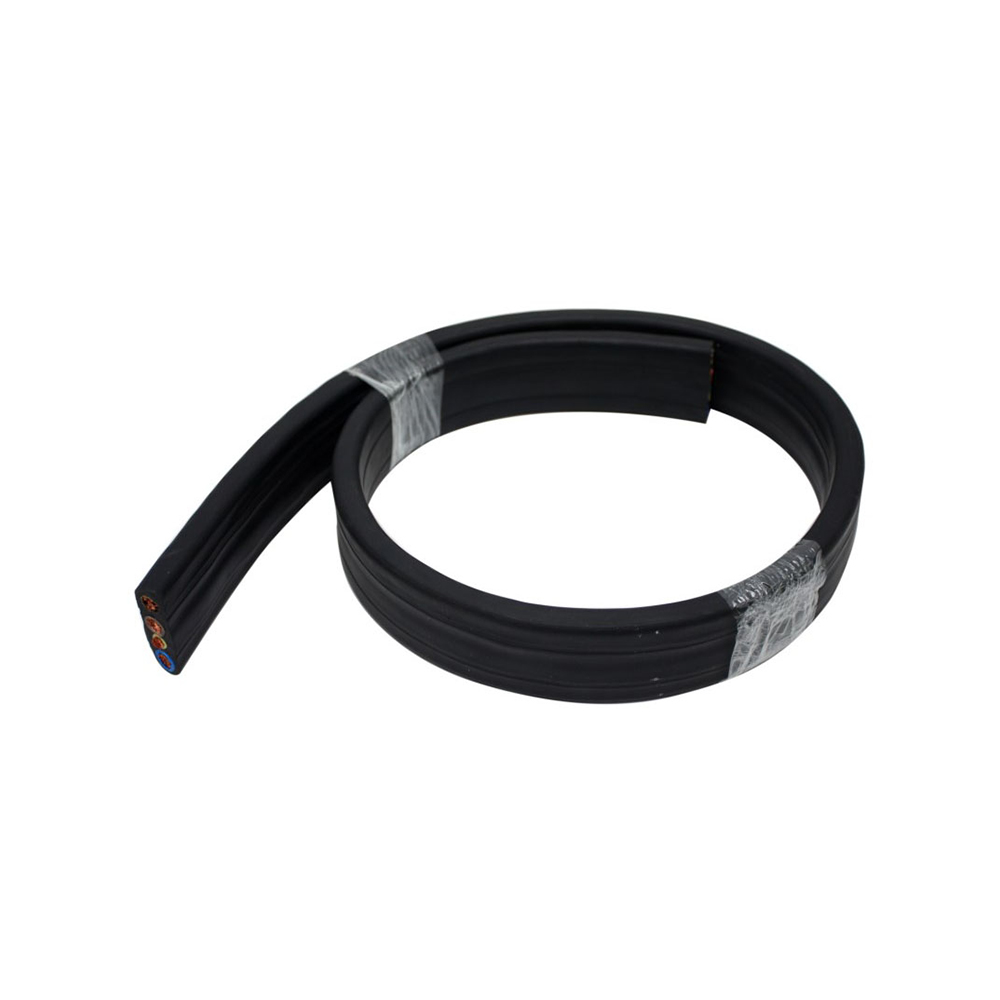
Outer sheath: Extrudes highly wear-resistant, flame-retardant, and anti-static polyvinyl chloride or polyurethane materials, typically in black or orange.
IV. Detailed Core Advantages
Safety and reliability as the lifeline: Achieves mandatory national MA certification, eliminating safety incidents caused by cables at the source, serving as a hard prerequisite for mine safety production permits.
Exceptional mechanical and environmental tolerance: Unique reinforced structural design enables long-term resistance to complex physical and chemical challenges underground, with failure rates far lower than ordinary cables, ensuring uninterrupted communication system operation.
Stable and clear signal transmission: Optimized shielding and insulation systems ensure minimal attenuation and low error rates for voice, data, and monitoring signals transmitted over long distances in high-interference underground tunnels, supporting reliable operation of various critical systems.
Low maintenance costs and long service life: Durable designs significantly reduce repair and replacement frequency caused by environmental damage. Although the initial investment is higher, comprehensive lifecycle costs offer advantages.
Standardization and easy identification: Strict adherence to MT/T standards ensures uniform specifications and models, with clear sheath identification facilitating rapid underground recognition, installation, and maintenance.
Summary
Mining communication cables are an indispensable part of the critical infrastructure in the mine safety production guarantee system. Their value far exceeds ordinary communication products, representing comprehensive safety equipment integrating electrical performance, mechanical strength, materials science, and safety regulations.

 English
 Español
 عربى
عربى
 русский