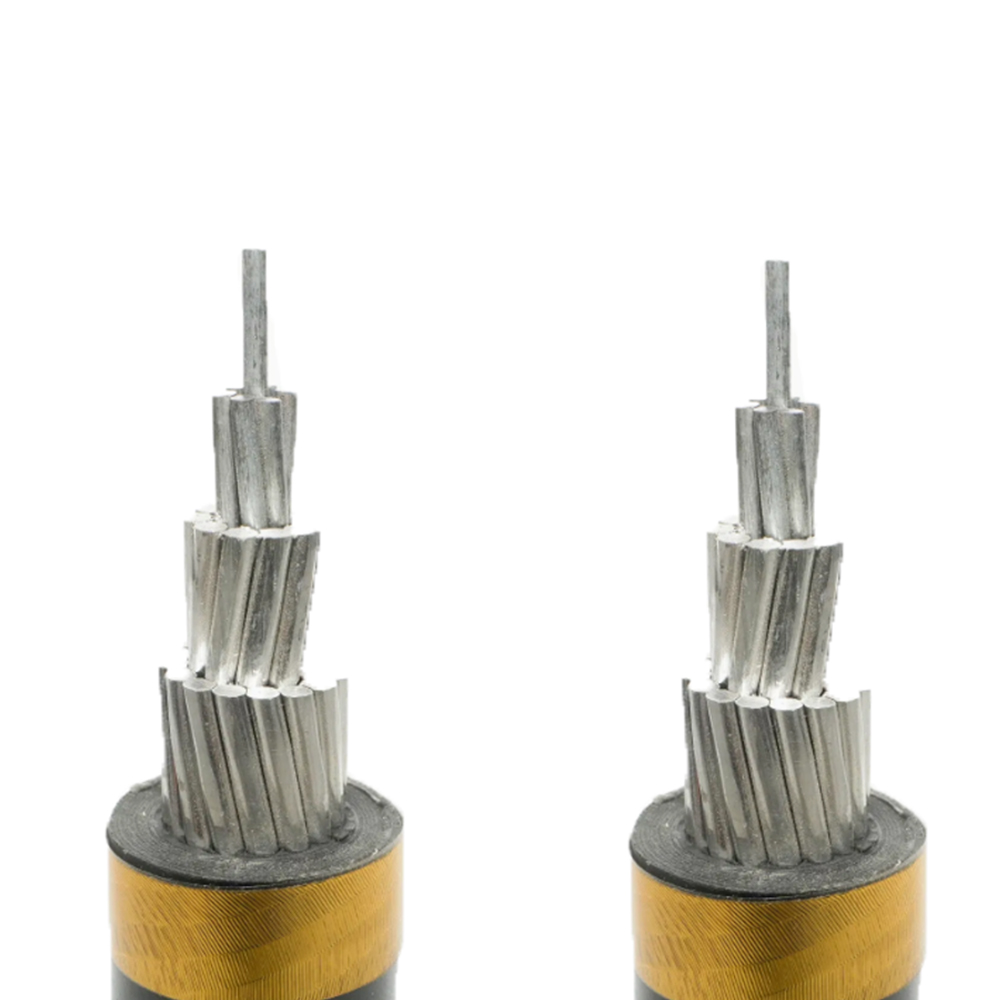
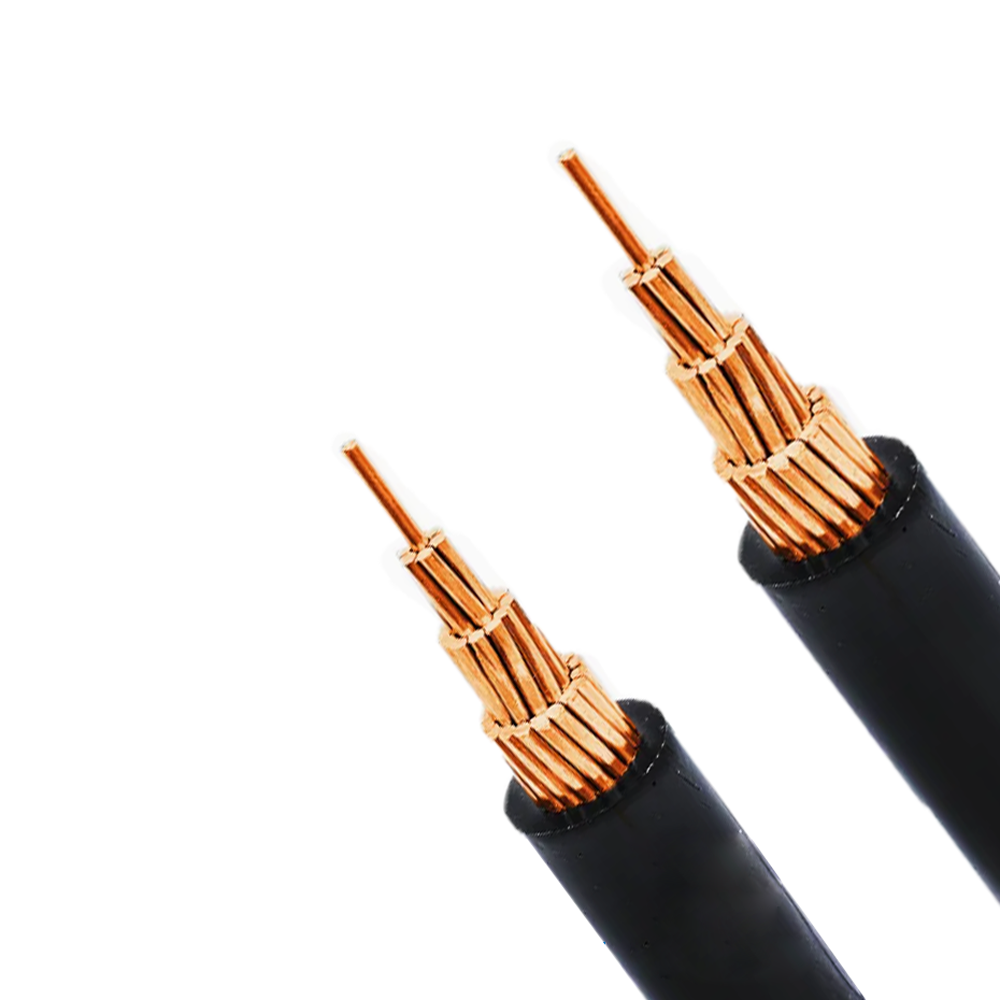
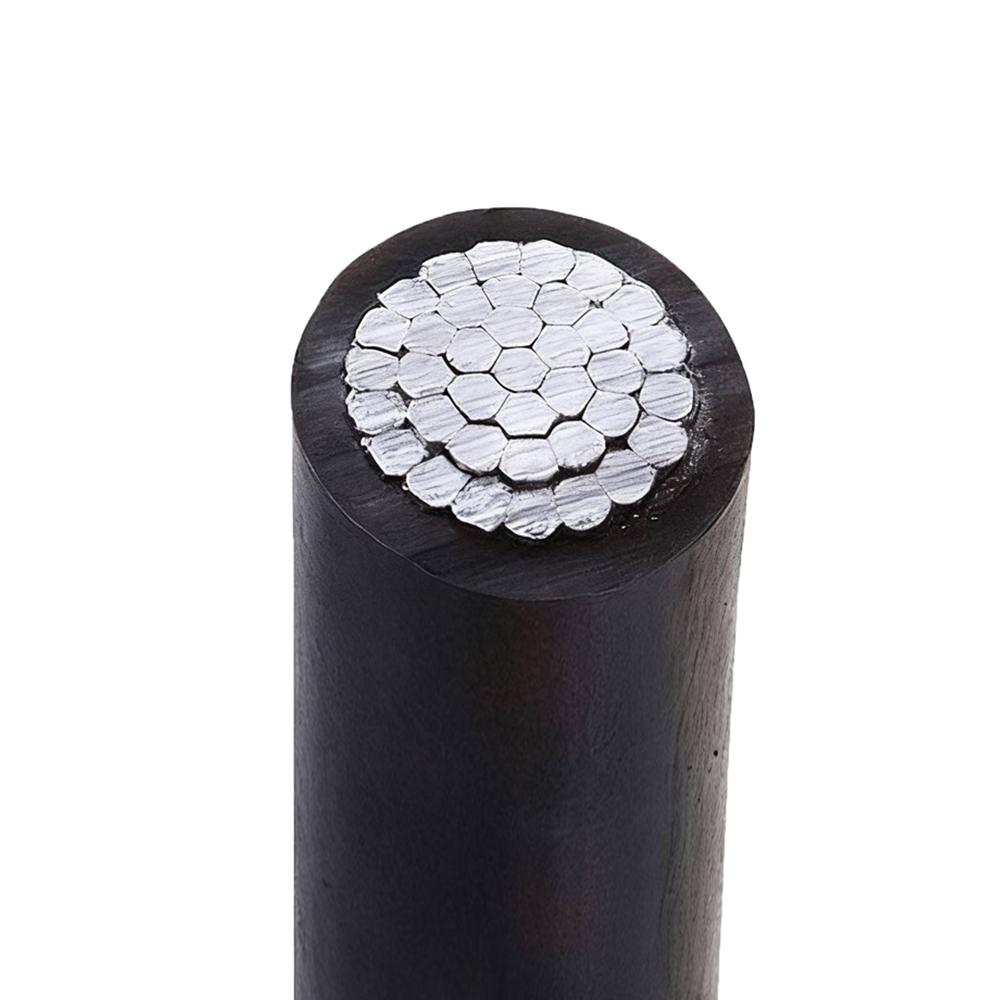
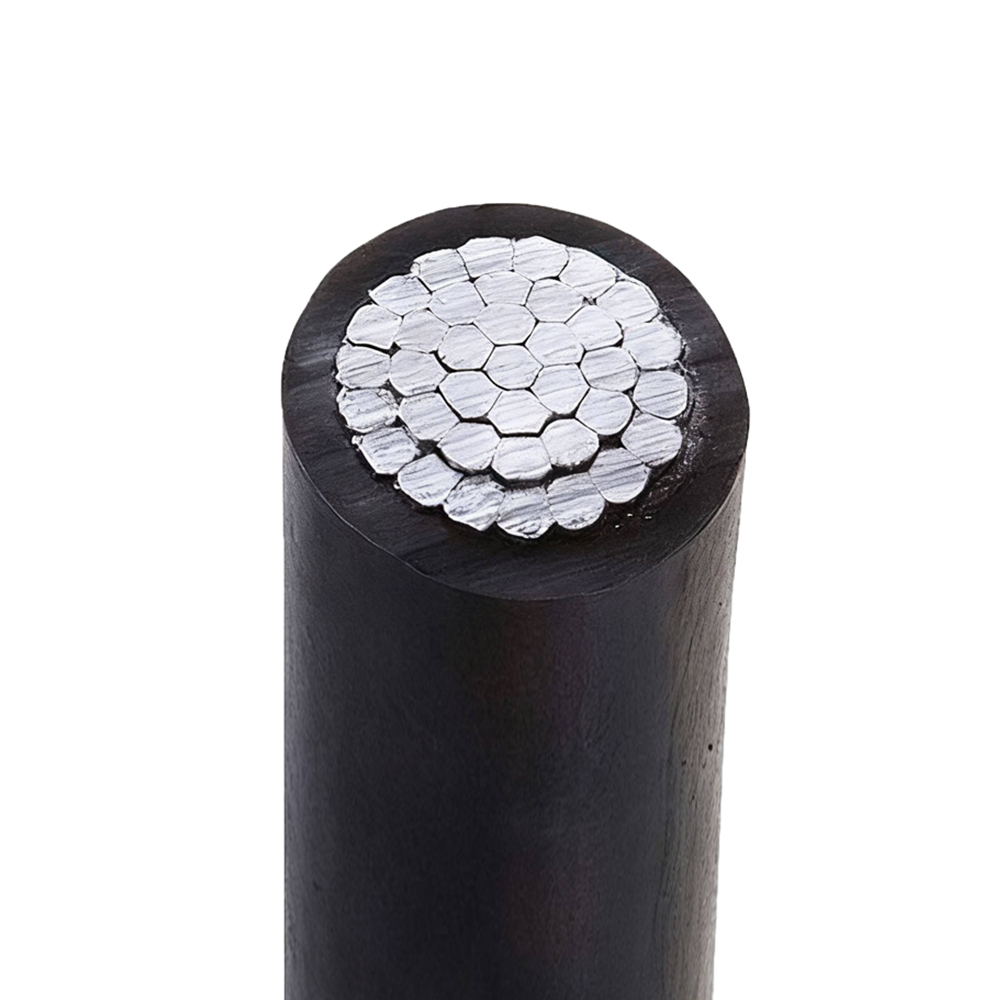
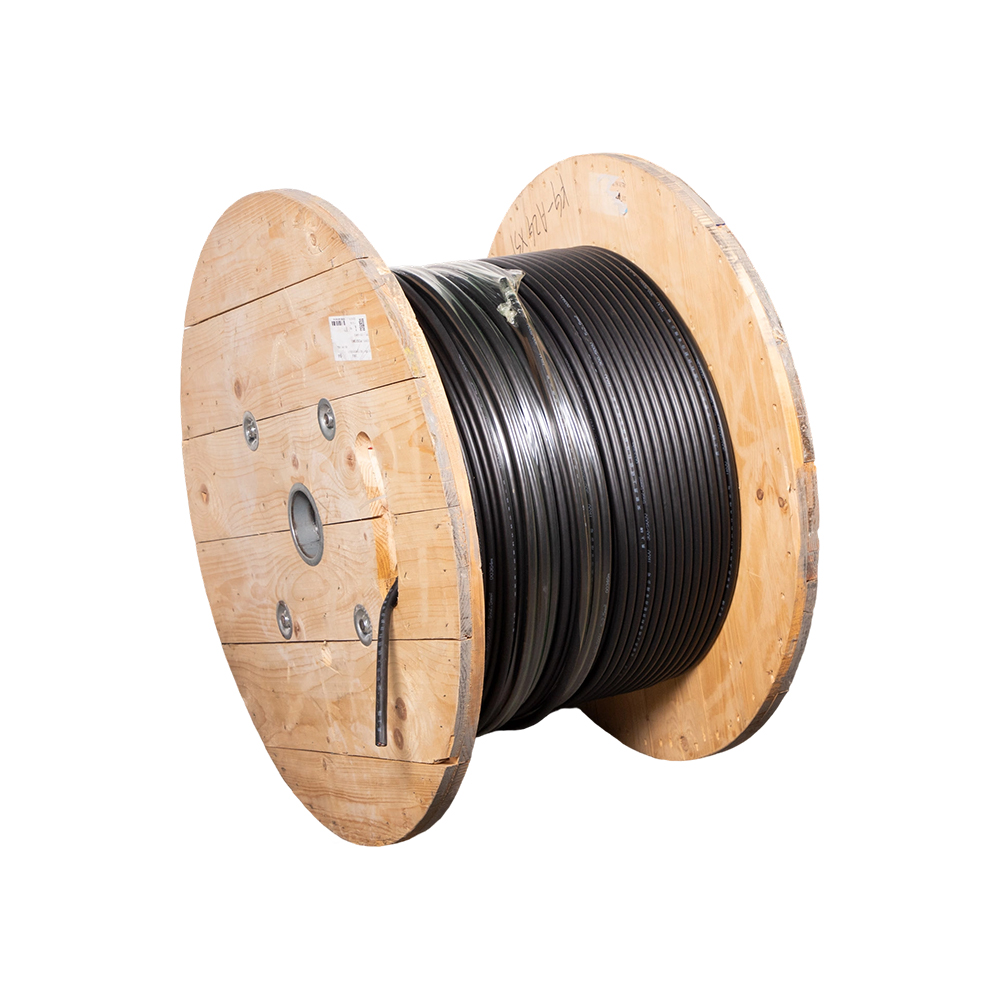
Aerial Insulated Cable Rated 1KV and Below
Introduction
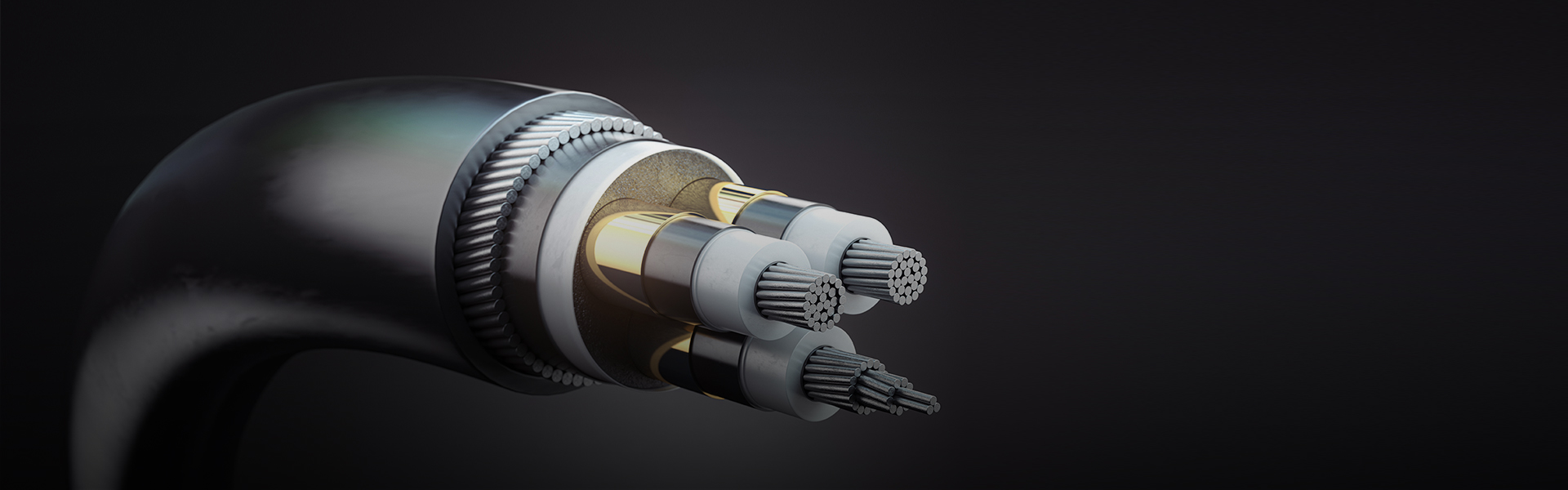
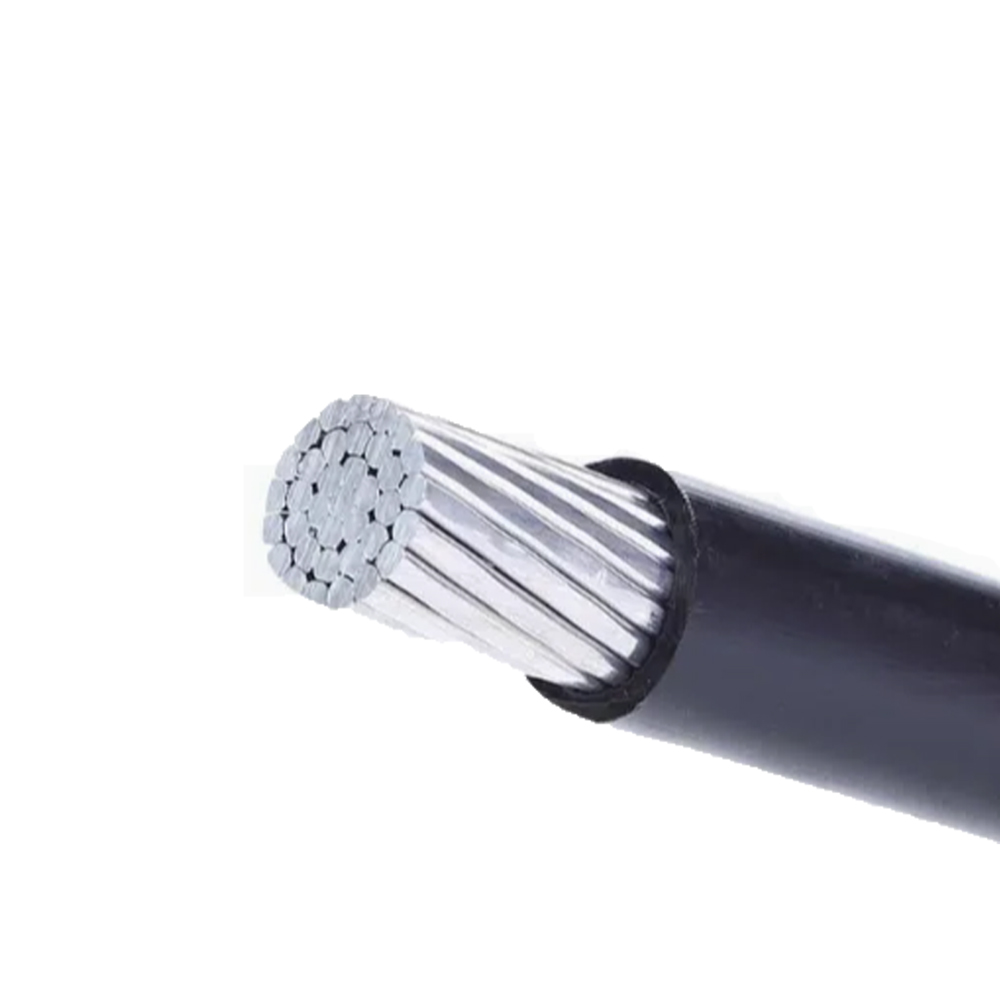
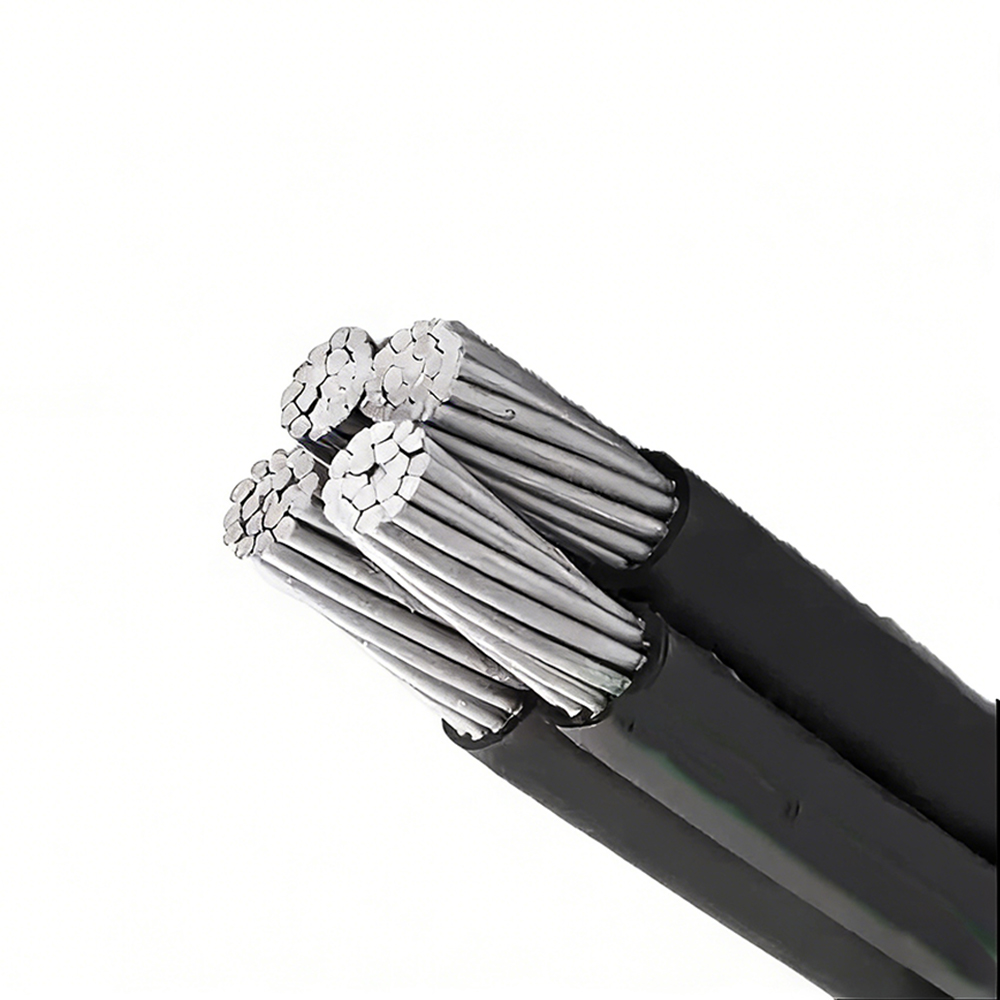
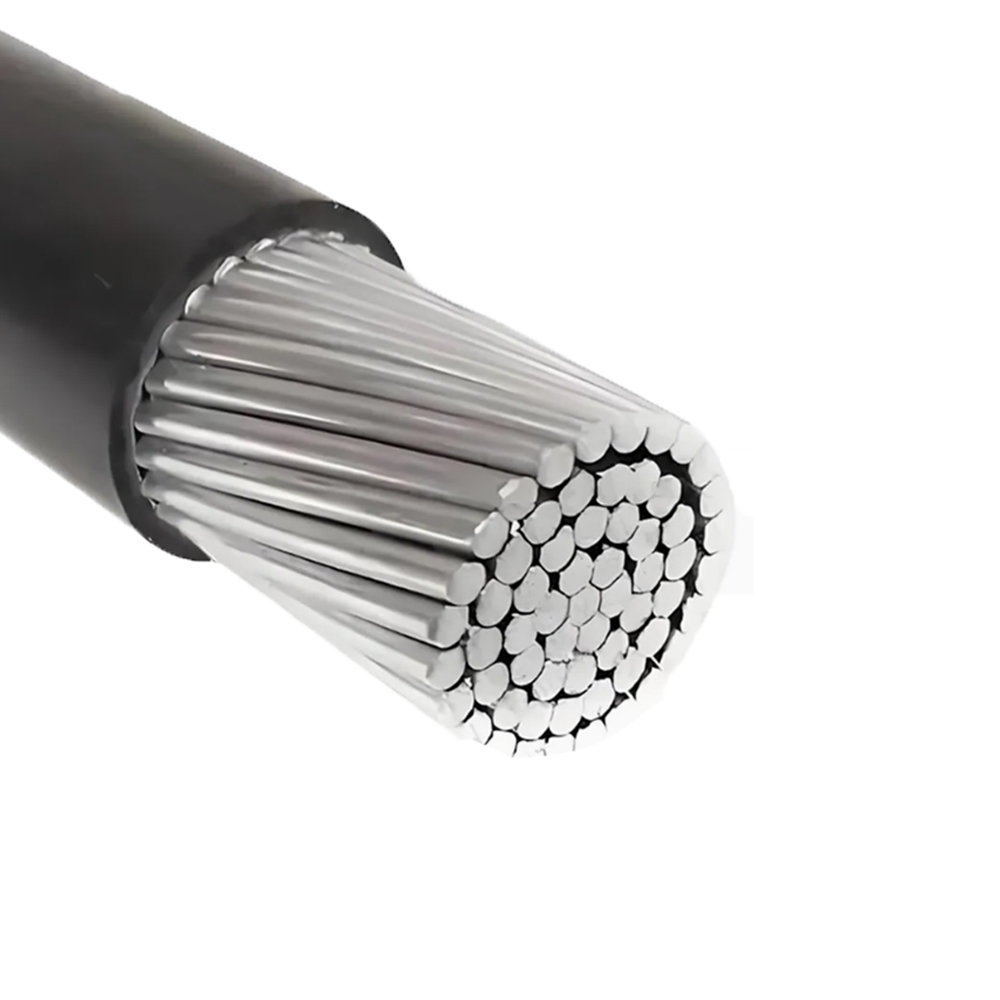
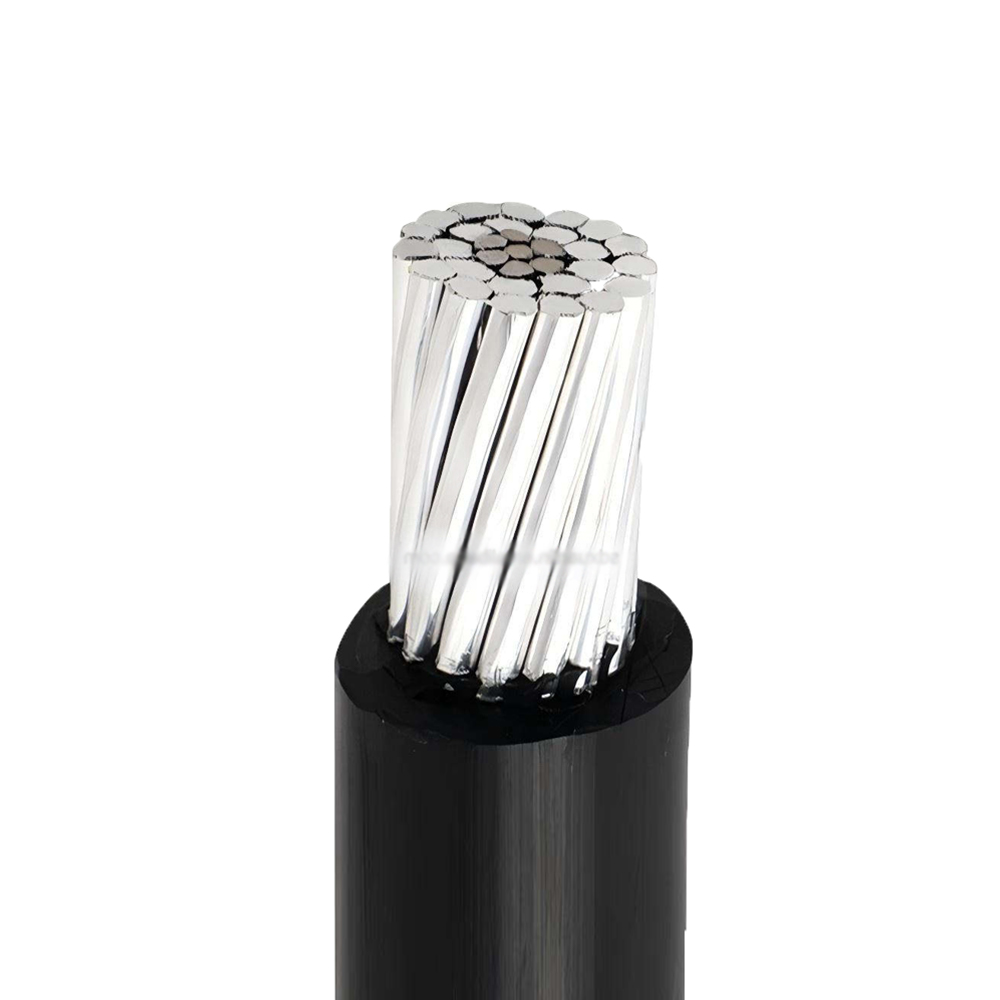
Aerial insulated cables rated 1kV and below, commonly known as aerial insulated wires, are insulated cables designed for overhead installation at rated voltages of 1 kilovolt or less. Their core characteristic is the use of lightweight yet tough insulation to encase the conductor. Compared to bare conductors, they significantly enhance line safety and reliability, and reduce the required installation corridor width. They combine the cost-effectiveness of overhead wiring with some of the safety advantages of cable lines.
Applications
Primarily used for low-voltage power distribution networks in urban, rural, and residential areas, as well as for short-distance outdoor power transmission.
Typical application scenarios include: urban street low-voltage distribution network upgrades, rural grid construction and upgrades, residential community service entrance lines, wall-mounted meter connection lines, temporary power supply lines for construction sites, and areas unsuitable for bare conductors, such as densely wooded, heavily polluted, or space-constrained locations.
Production
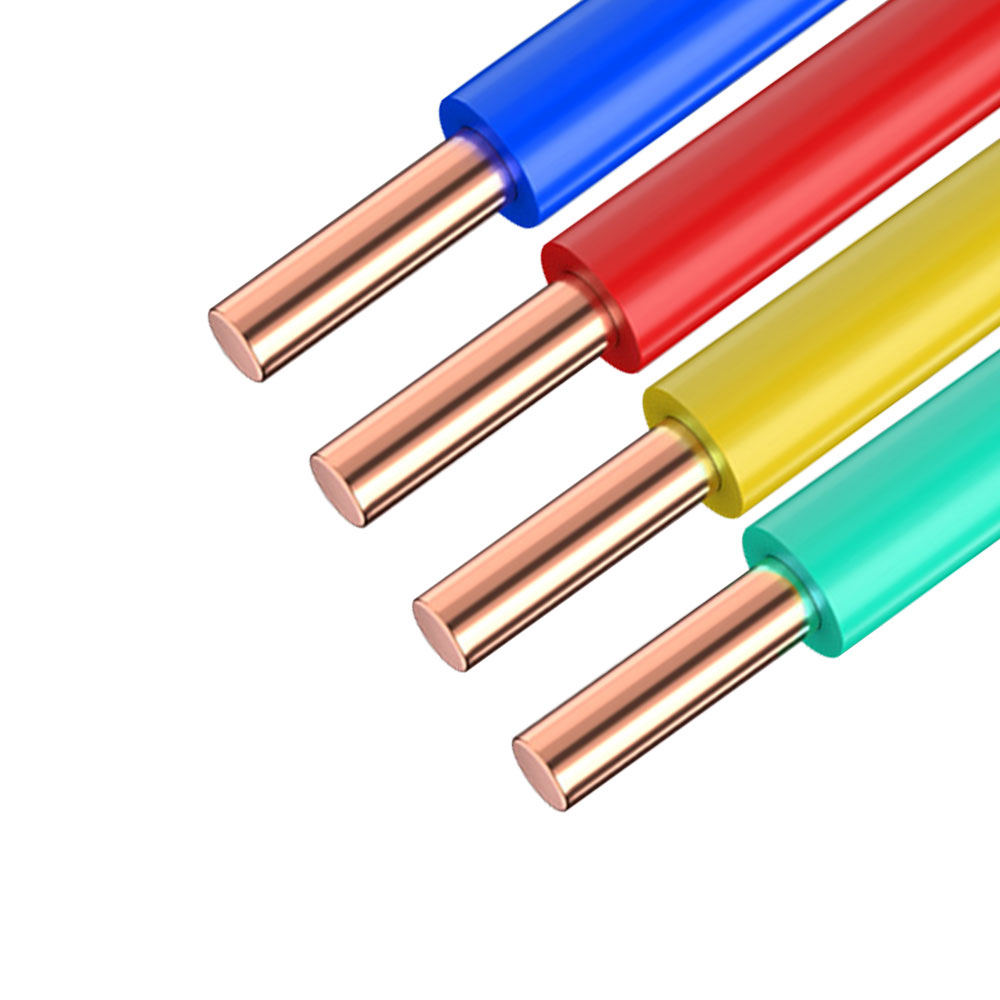
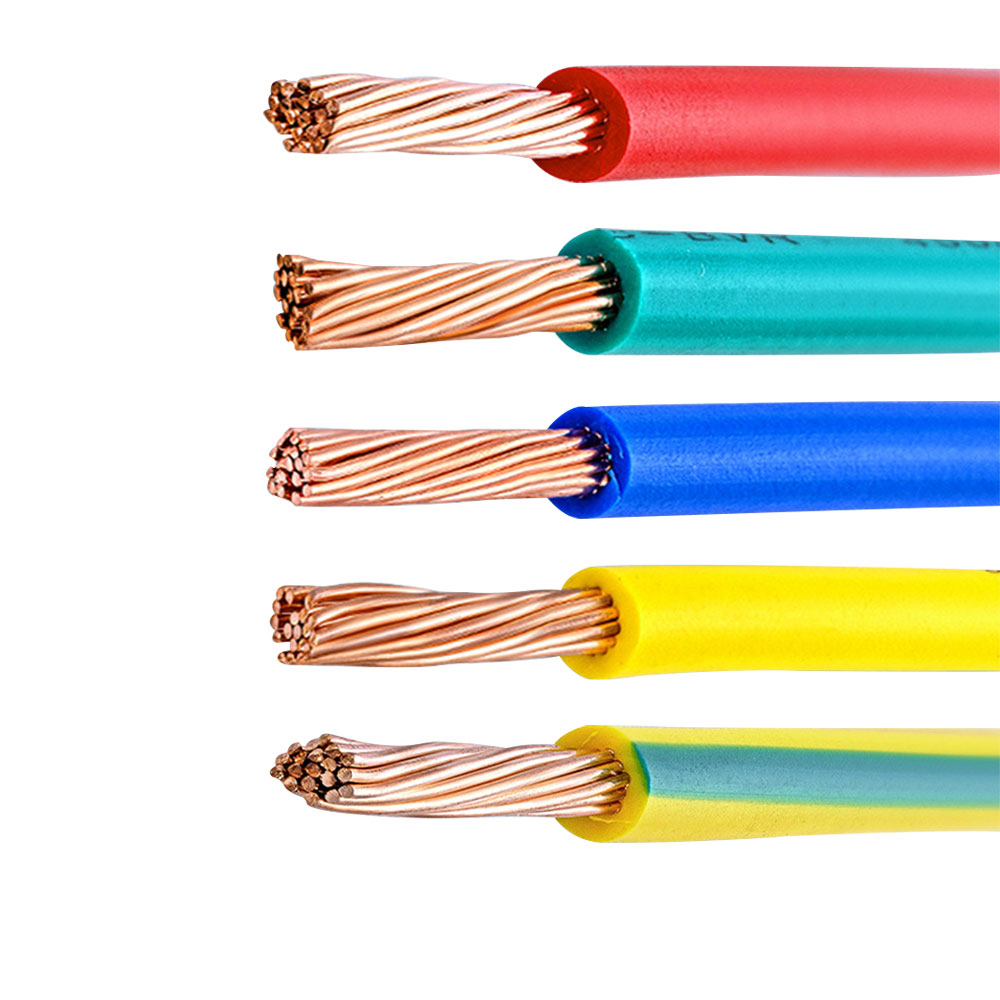
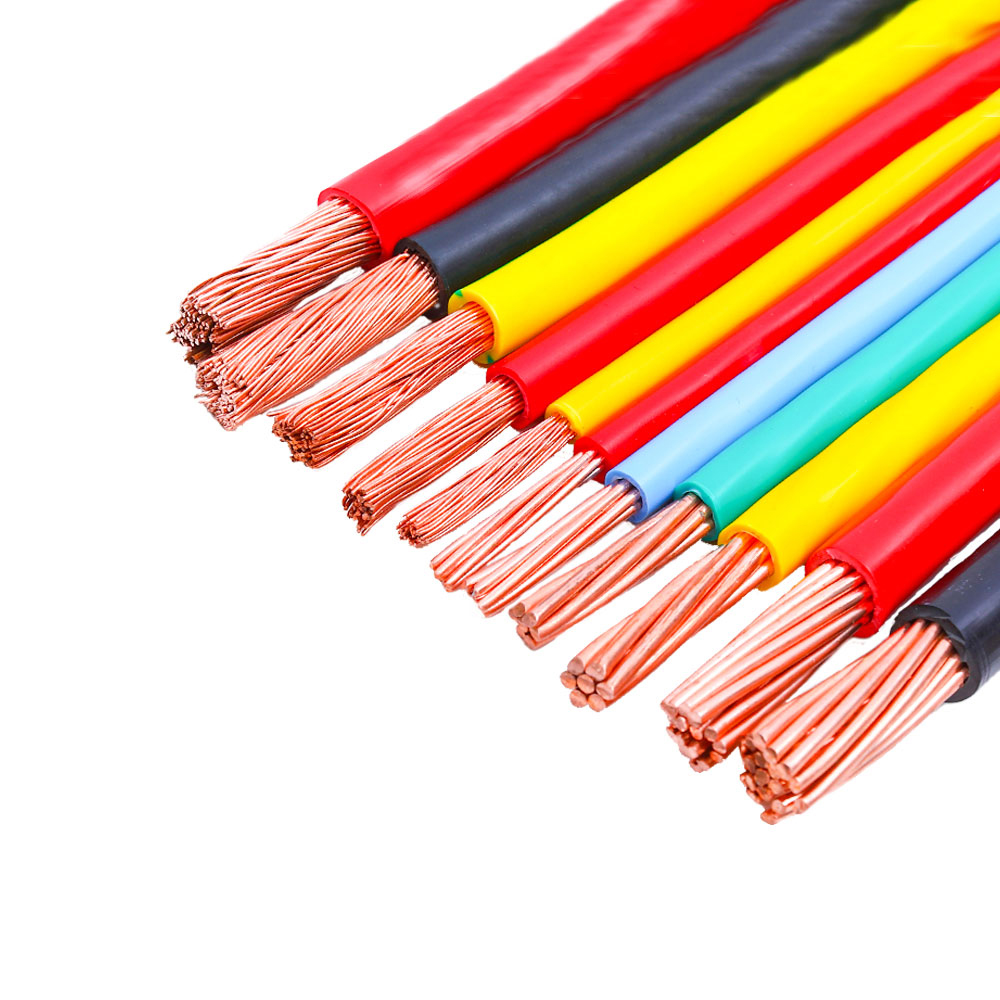
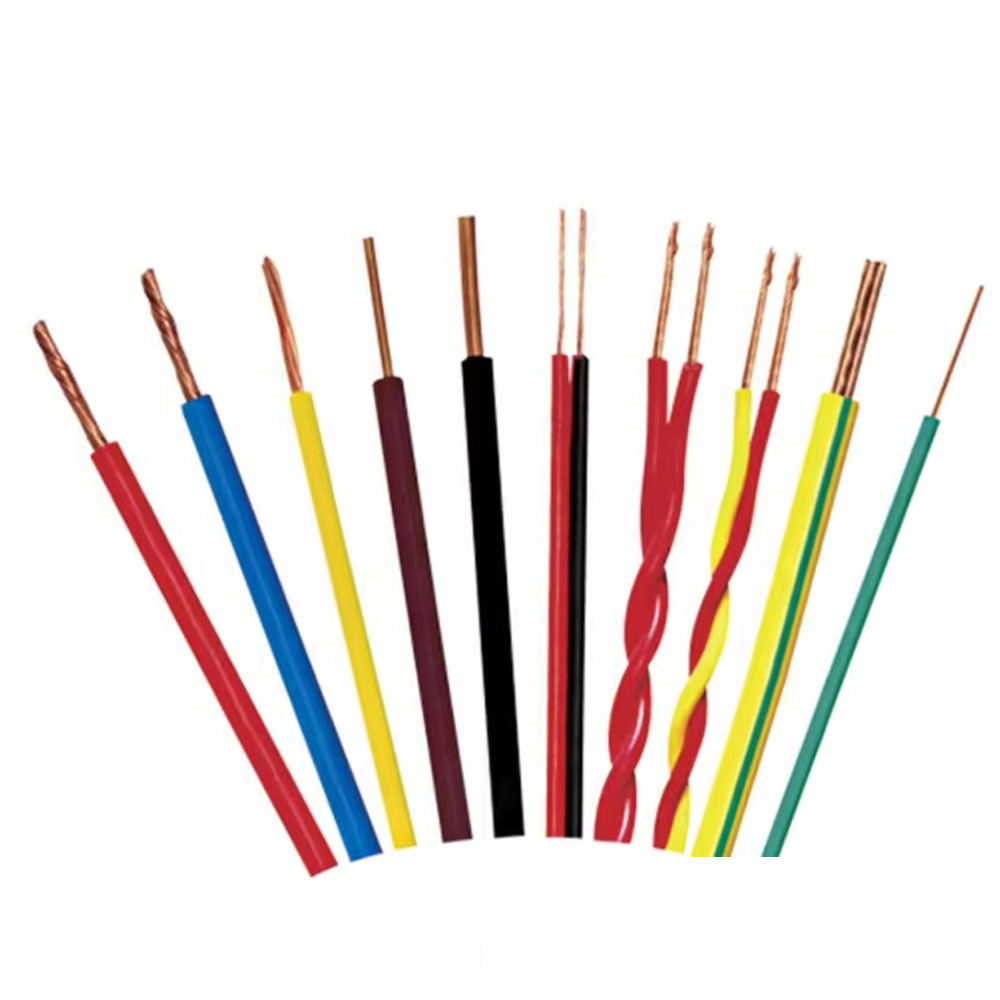
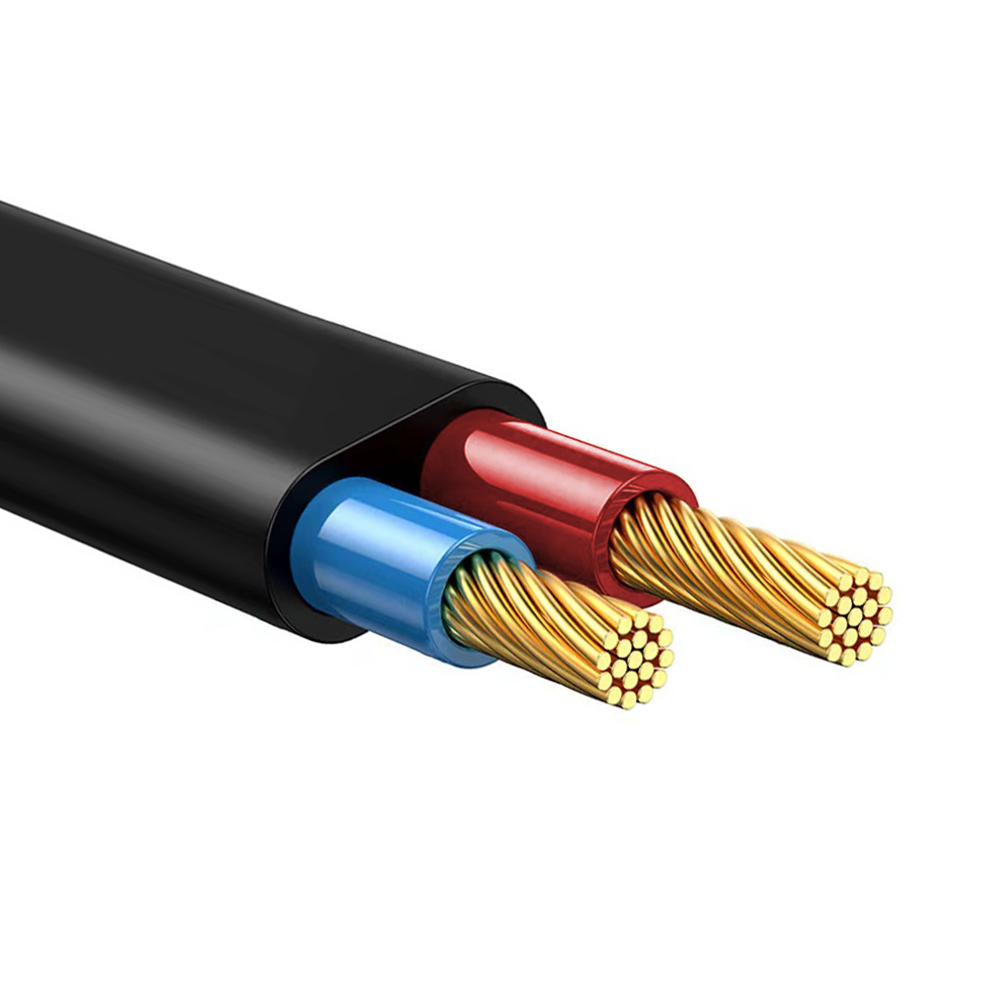
Conductor: Typically made of aluminum or aluminum alloy conductors (e.g., JL/G1A), with copper conductors also available. These are stranded under compacted or non-compacted conditions, offering good mechanical strength and conductivity.
Insulation: The core process involves extruding weather-resistant materials such as polyvinyl chloride (PVC), polyethylene (PE), or cross-linked polyethylene (XLPE) tightly onto the conductor. XLPE is the mainstream choice due to its excellent heat resistance and environmental stress cracking resistance.
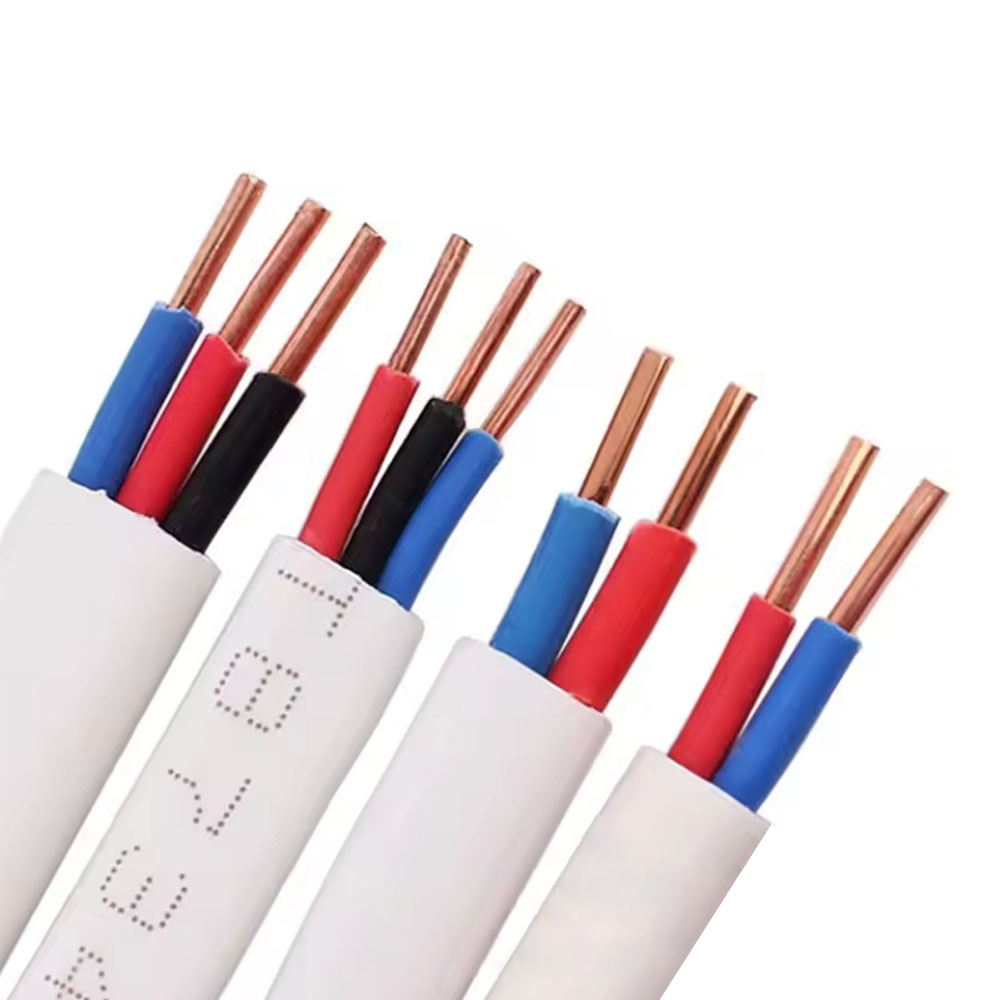
Structure: Primarily single-core, though two-core or multi-core stranded types can be produced as needed.
Key Process Controls: Strictly control the weather resistance of insulation materials (UV resistance, high/low temperature resistance, ozone resistance); ensure uniform insulation extrusion thickness and concentricity to avoid eccentricity; conduct 100% spark testing to detect pinholes or defects in the insulation layer; perform sampling tests for mechanical properties (e.g., insulation stripping force) and electrical performance (e.g., AC withstand voltage).
Services
Selection Consultation: Provide recommendations for suitable conductor materials (aluminum/aluminum alloy/copper), insulation materials (PVC/PE/XLPE), and cross-sectional areas based on voltage level, transmission capacity, environmental conditions (temperature, UV intensity, pollution level), installation method (pure overhead, wall-mounted), and whether lightning protection is required.
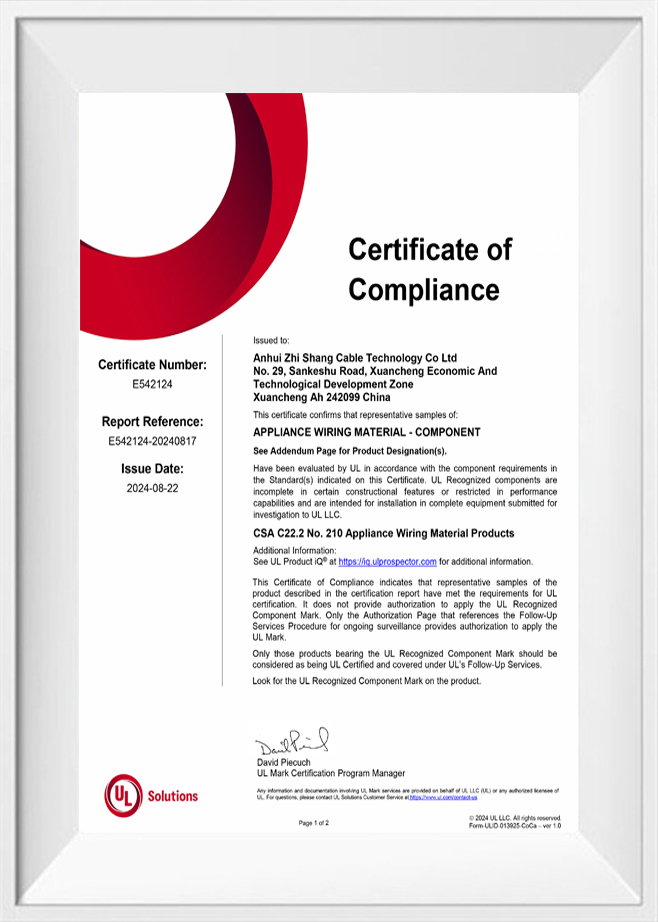
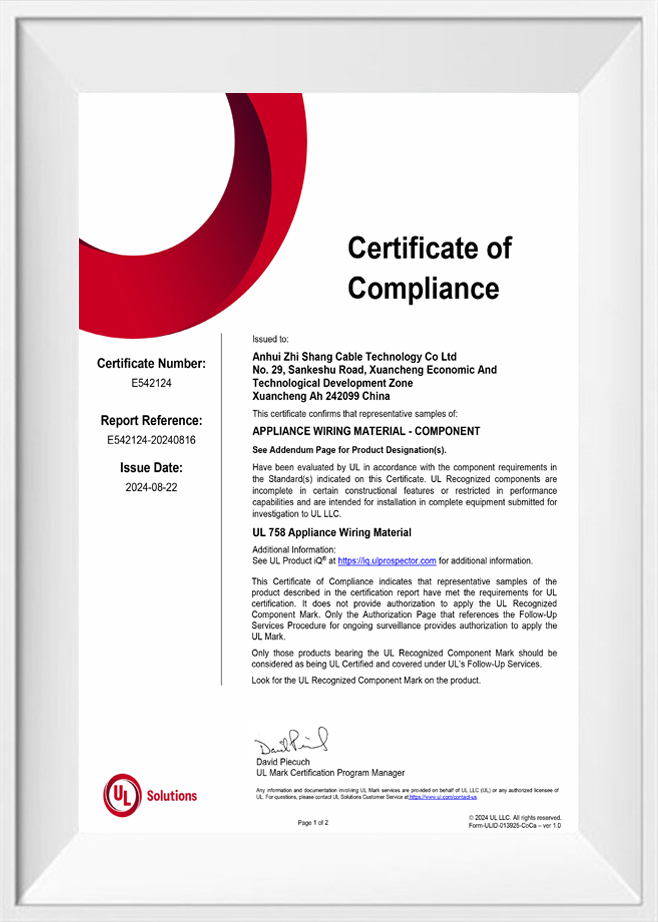
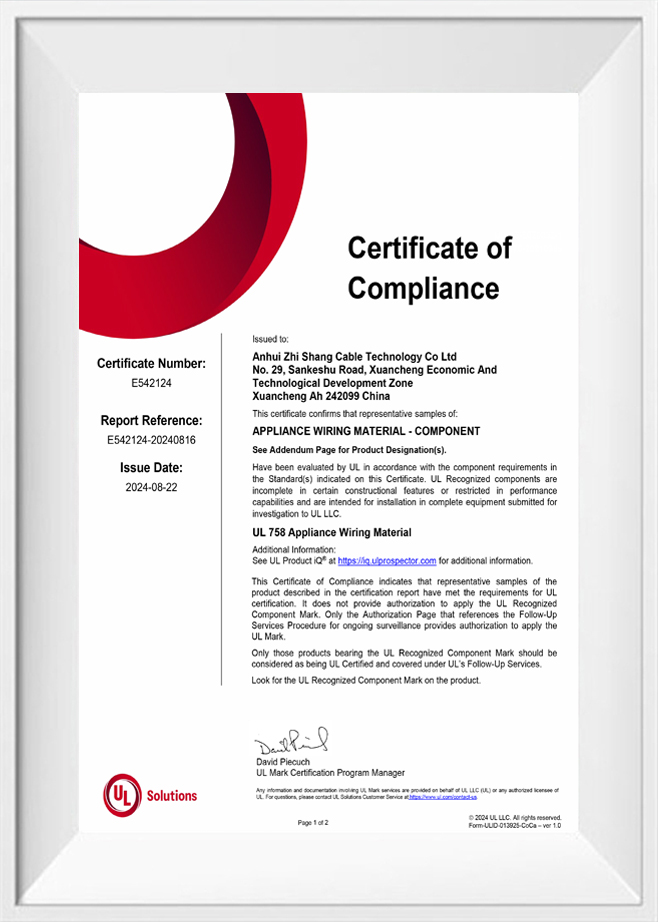
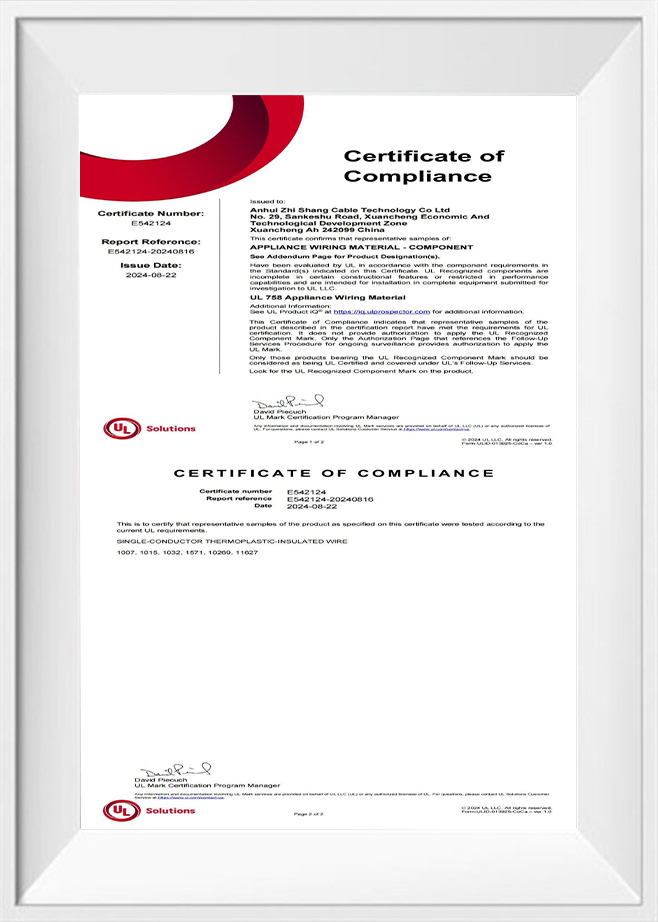
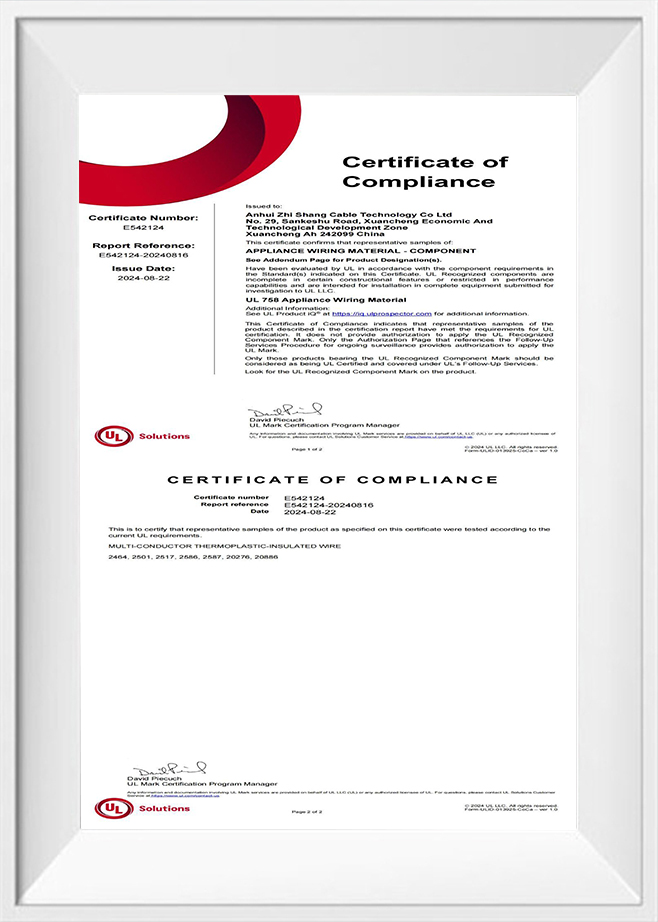
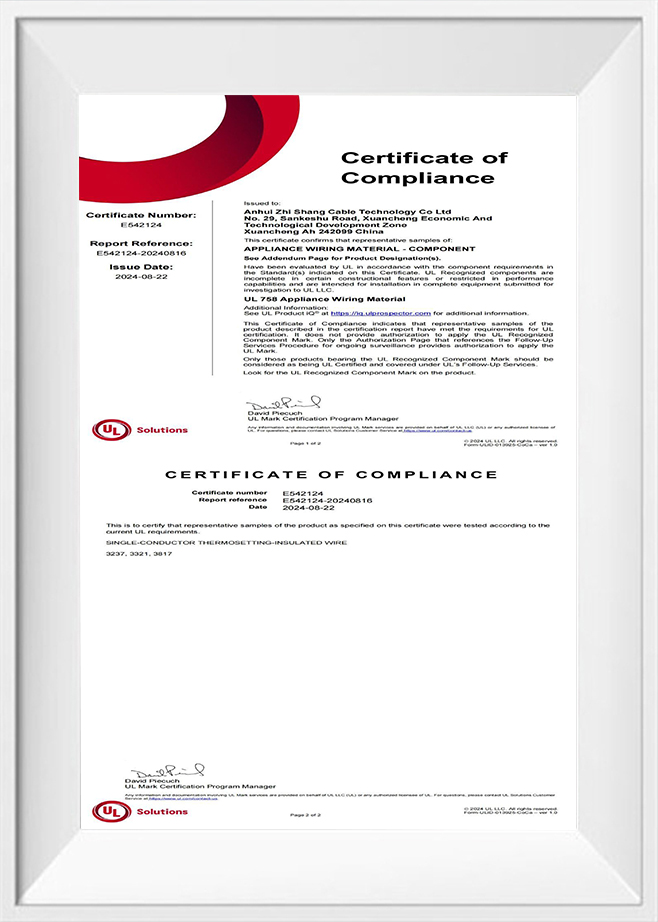
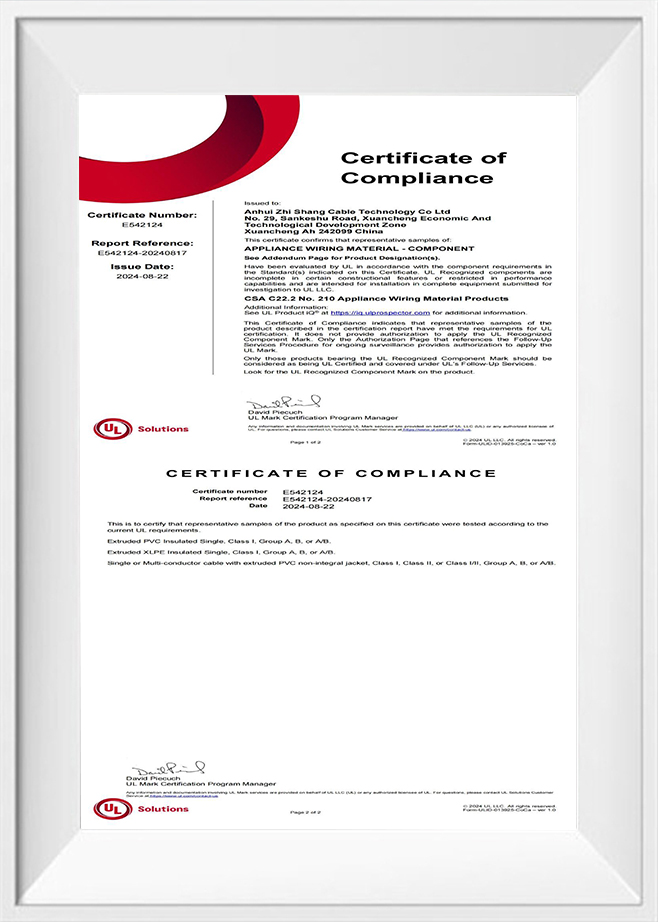
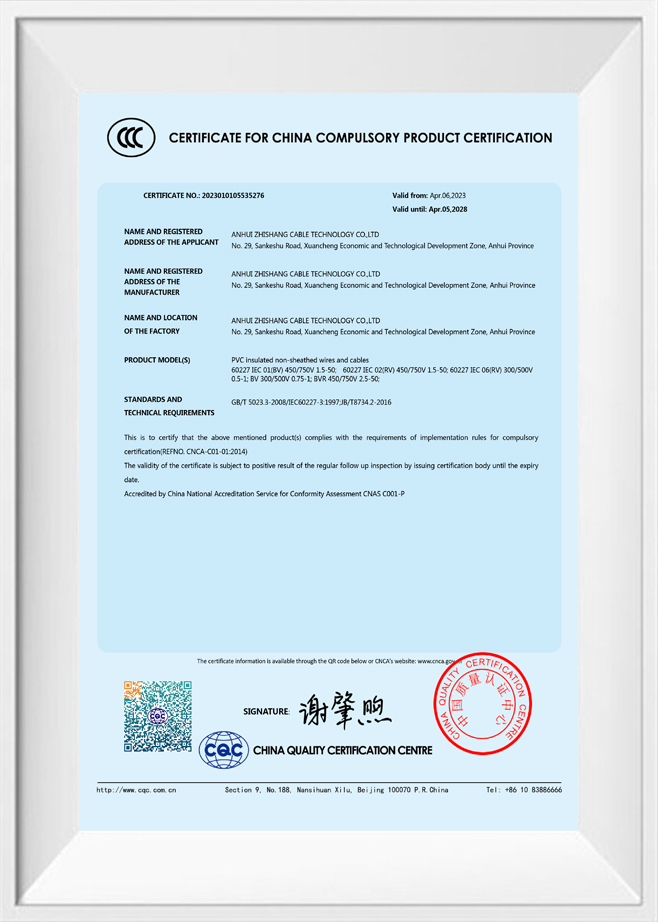
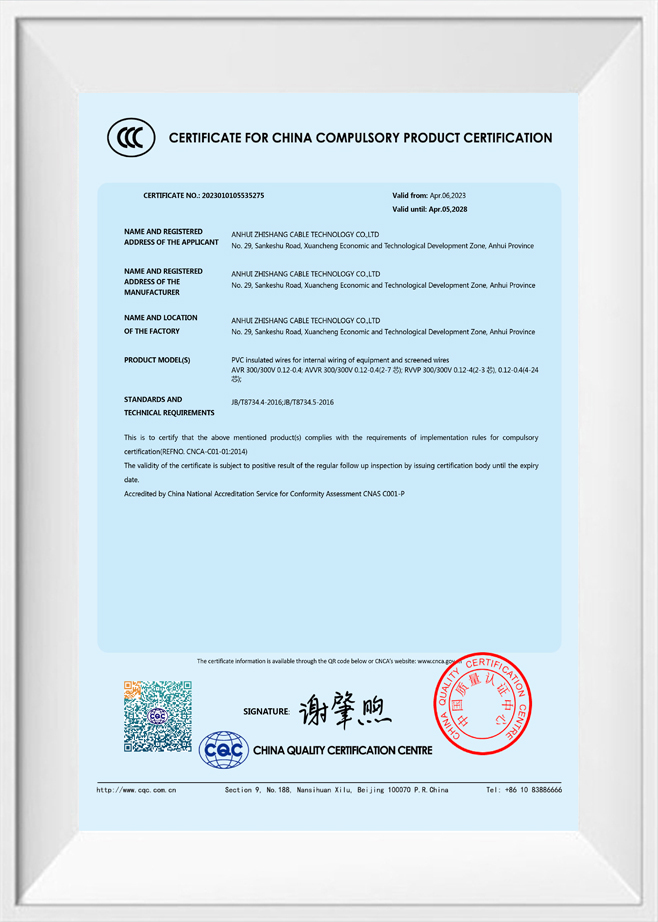
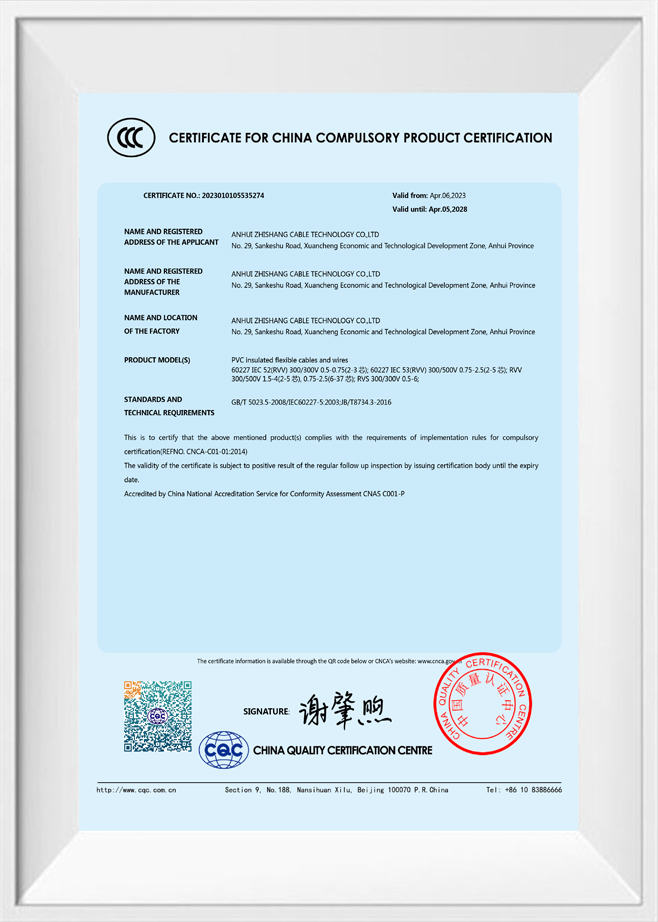
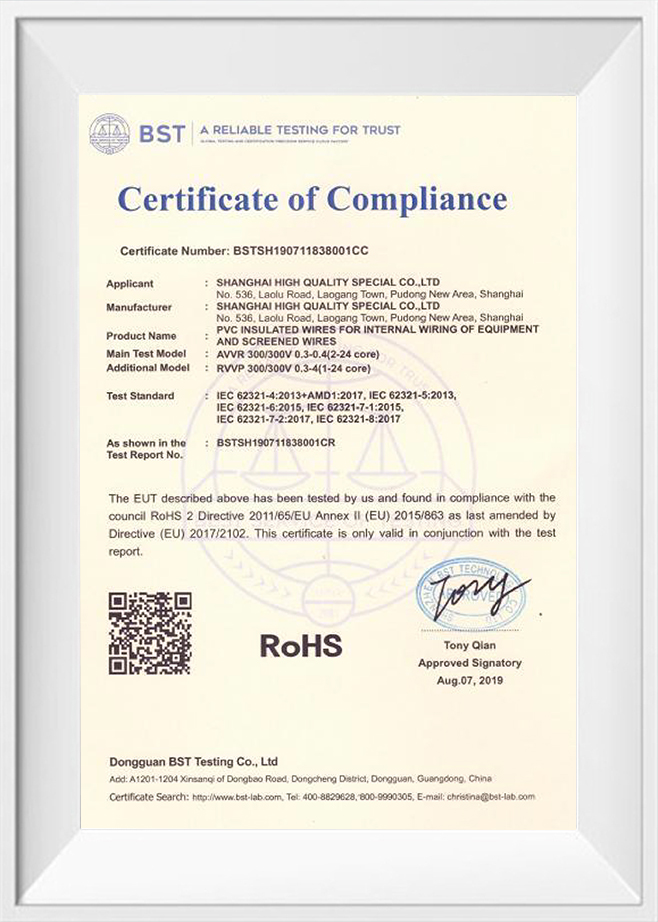
Testing and Certification: Products comply with national standards (e.g., GB/T 12527), and comprehensive type test reports and factory inspection reports can be provided.
Advantages
High Safety: The insulation layer prevents electric shock, phase-to-phase short circuits, and ground faults caused by external objects (e.g., trees, birds), significantly improving public safety and power supply reliability.
Strong Power Supply Reliability: Reduces short-circuit trips caused by external factors such as trees or windstorms, lowers maintenance workload, and enhances power supply continuity.
Economical and Flexible Installation: Lower cost than underground cable installation, with simple and quick construction; requires a narrower installation corridor than bare conductors, enabling more efficient space utilization, particularly suitable for densely populated areas.
Weather Resistance and Long Lifespan: Specialized weather-resistant insulation materials resist UV radiation, rain, snow, high temperatures, and extreme cold, with a long design lifespan (typically over 30 years).
Good Environmental Adaptability: Suitable for dusty, humid, salt fog, and mildly chemically polluted environments, reducing leakage and corrosion issues caused by pollution.

 English
 Español
 عربى
عربى
 русский