Comprehensive Introduction to Flat Cables
I. Definition and Core Characteristics
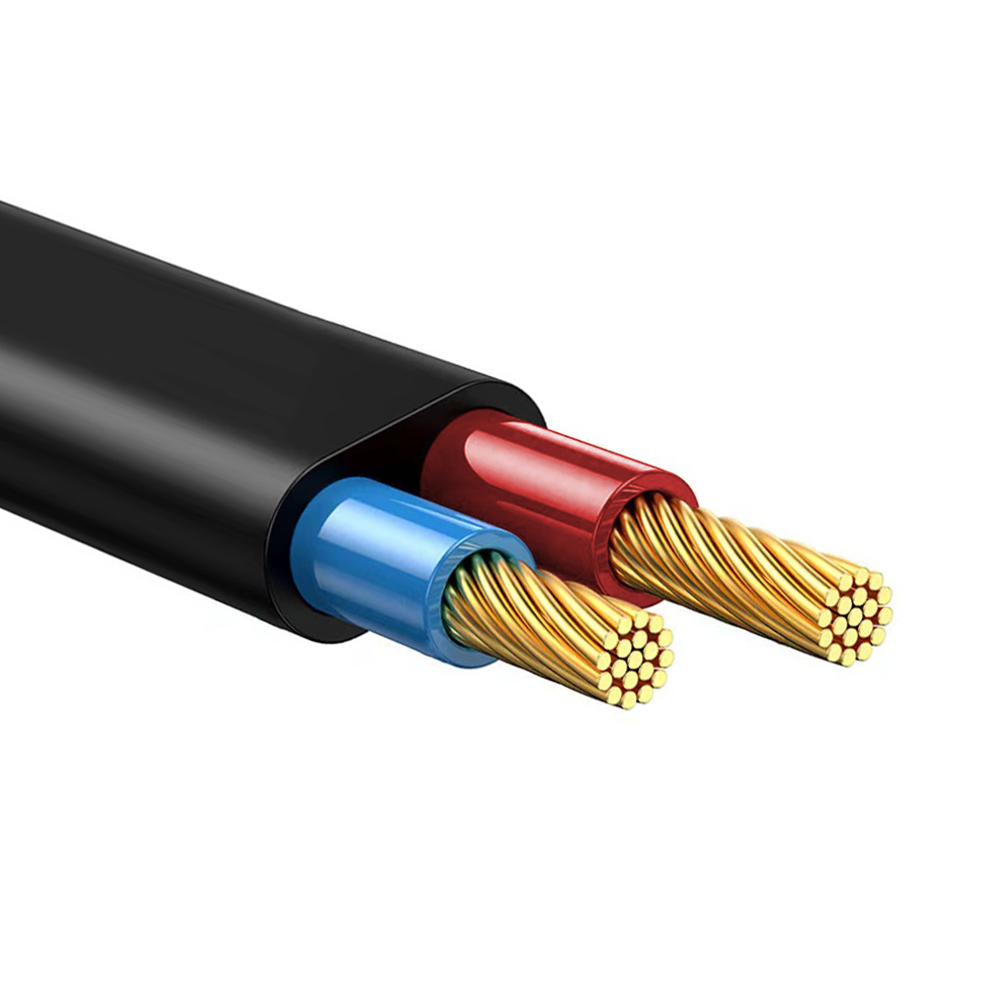
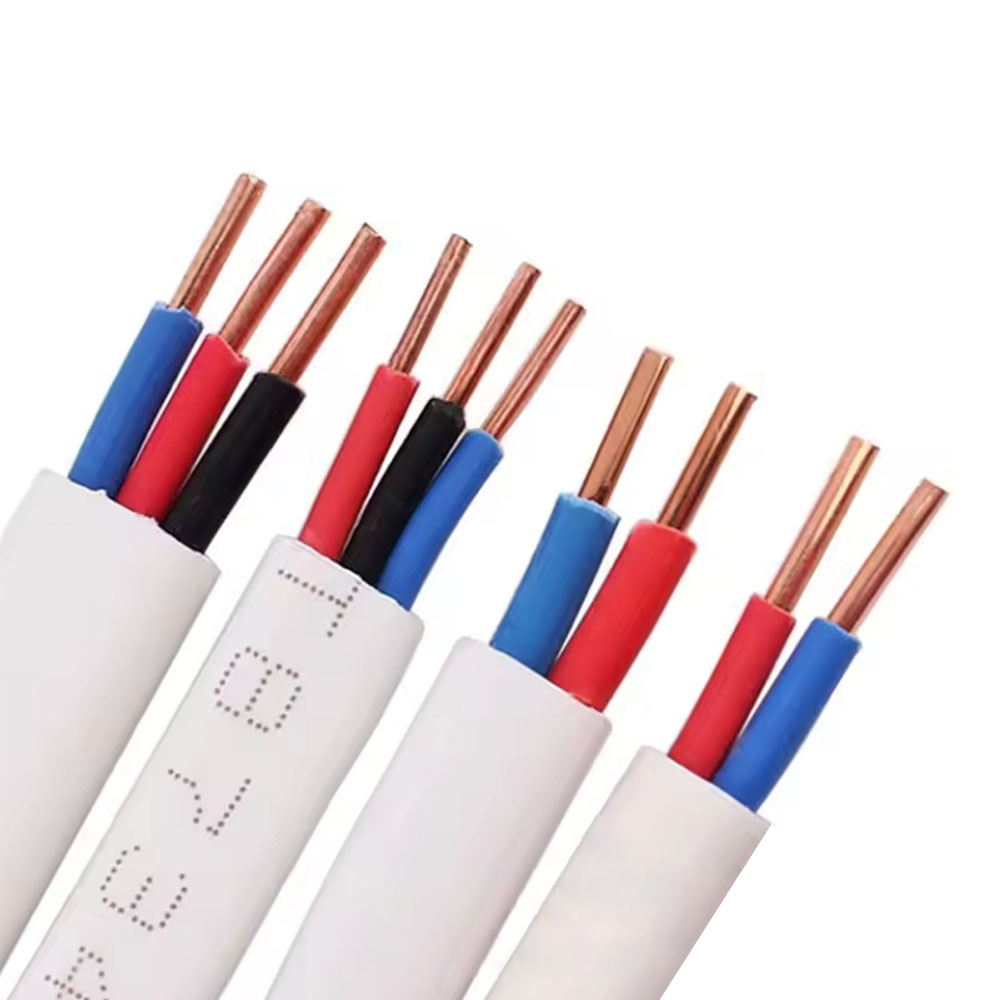
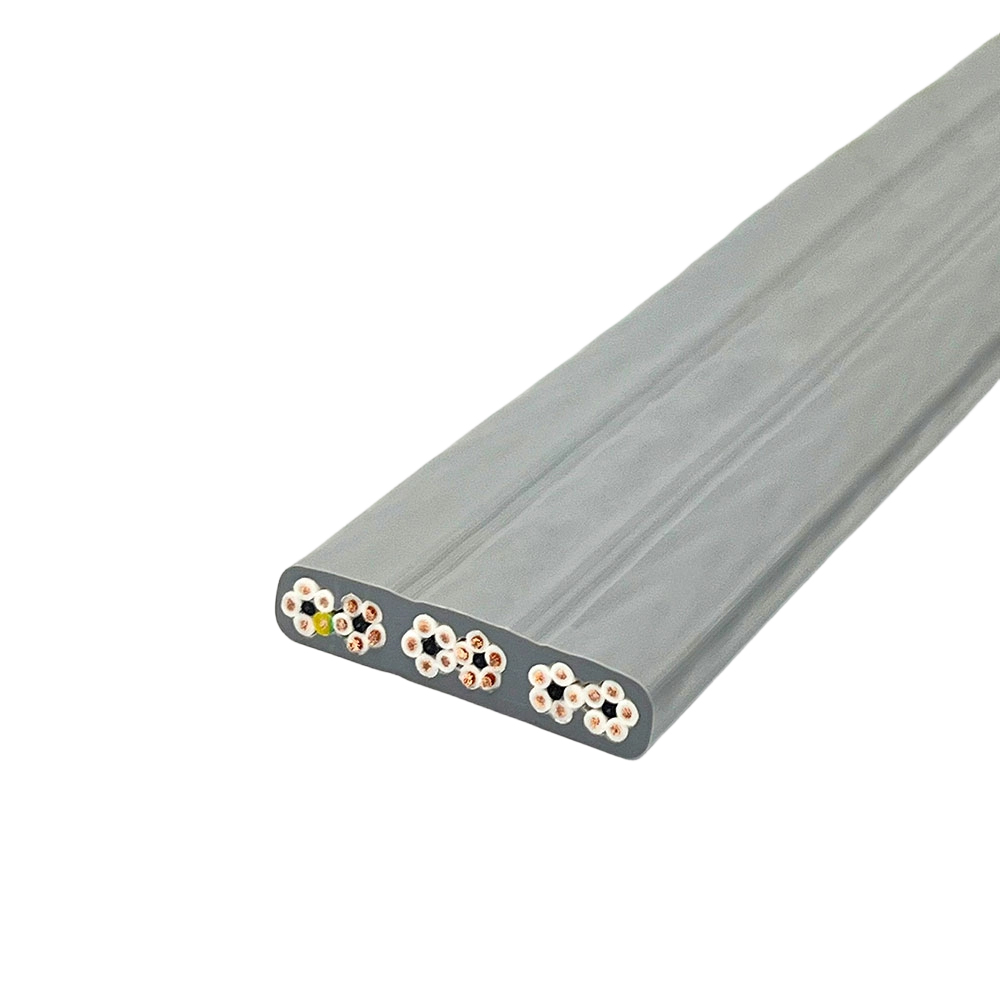
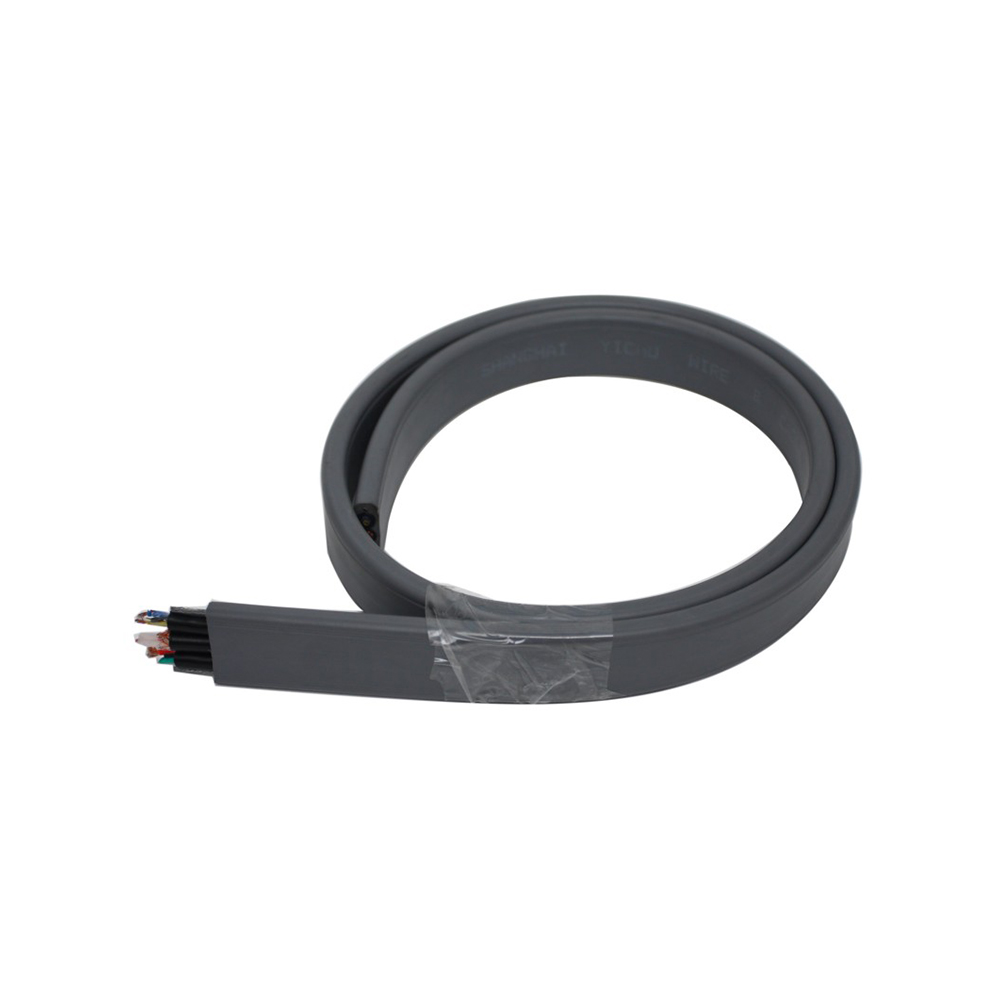
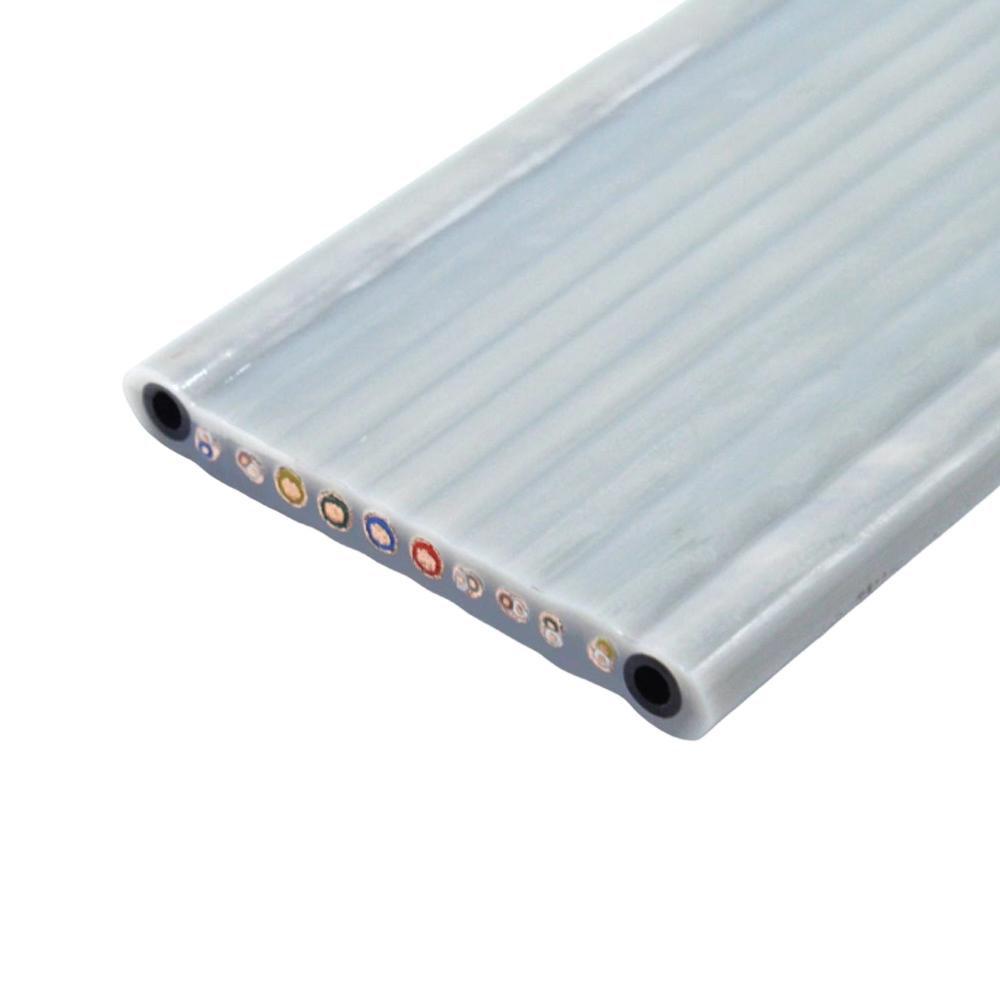
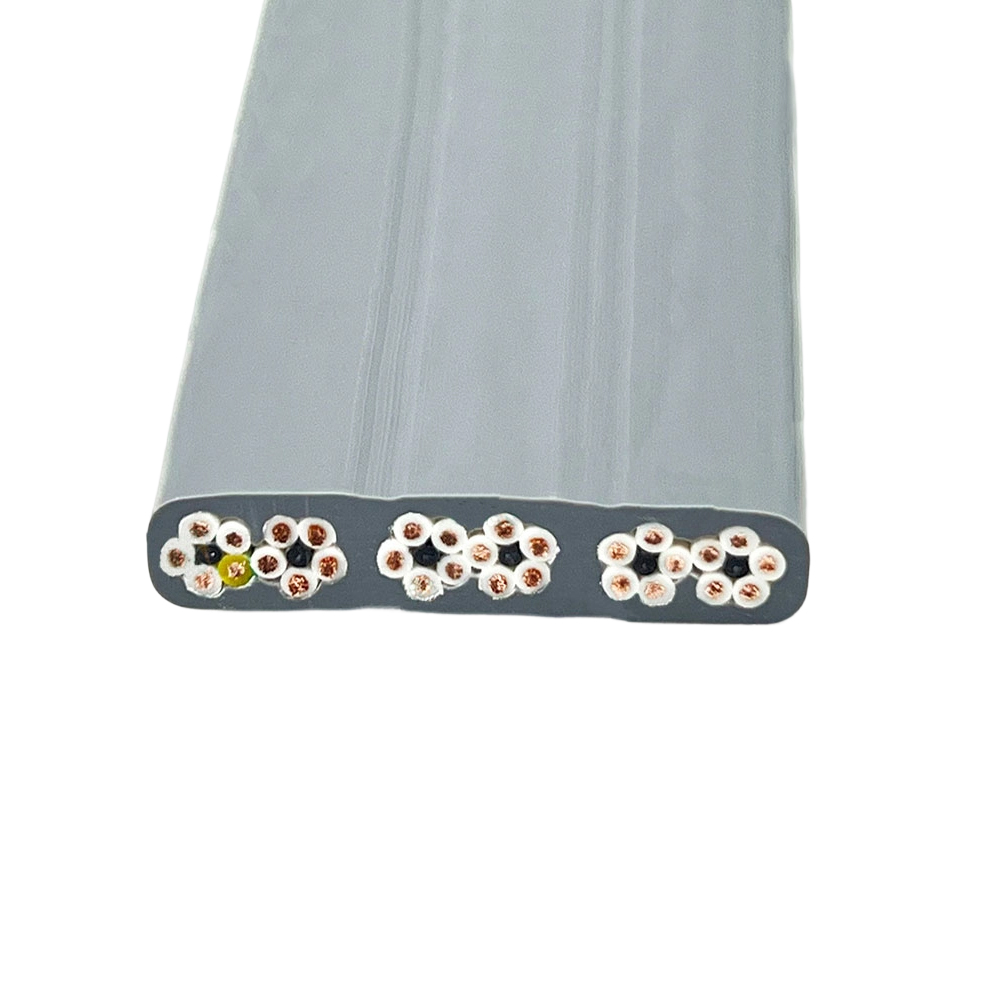
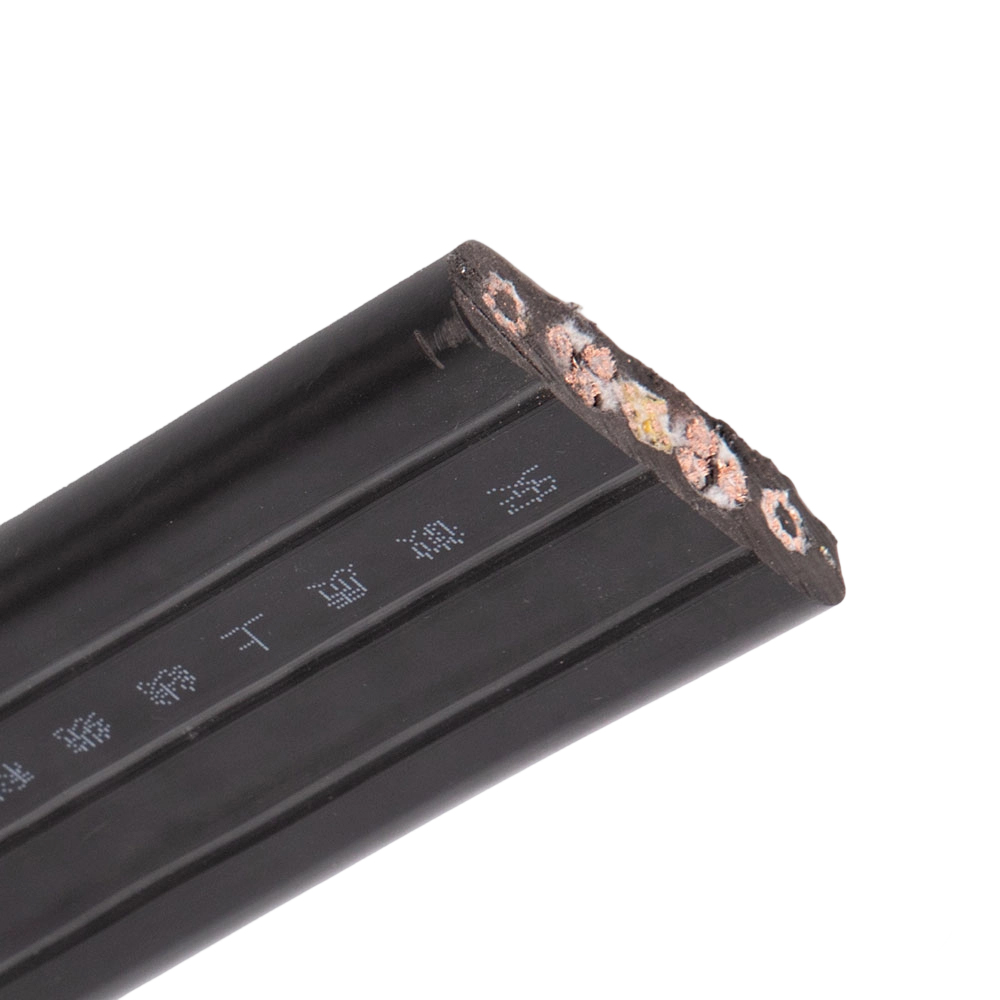
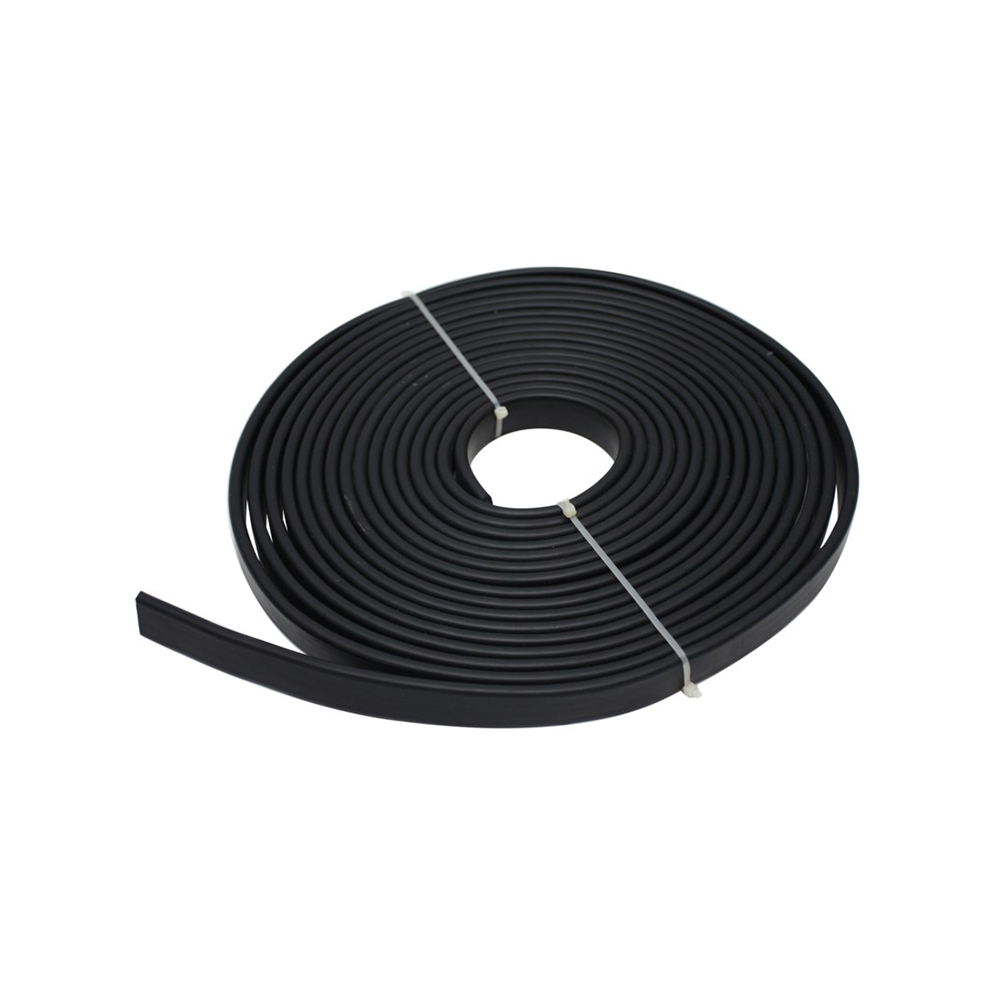
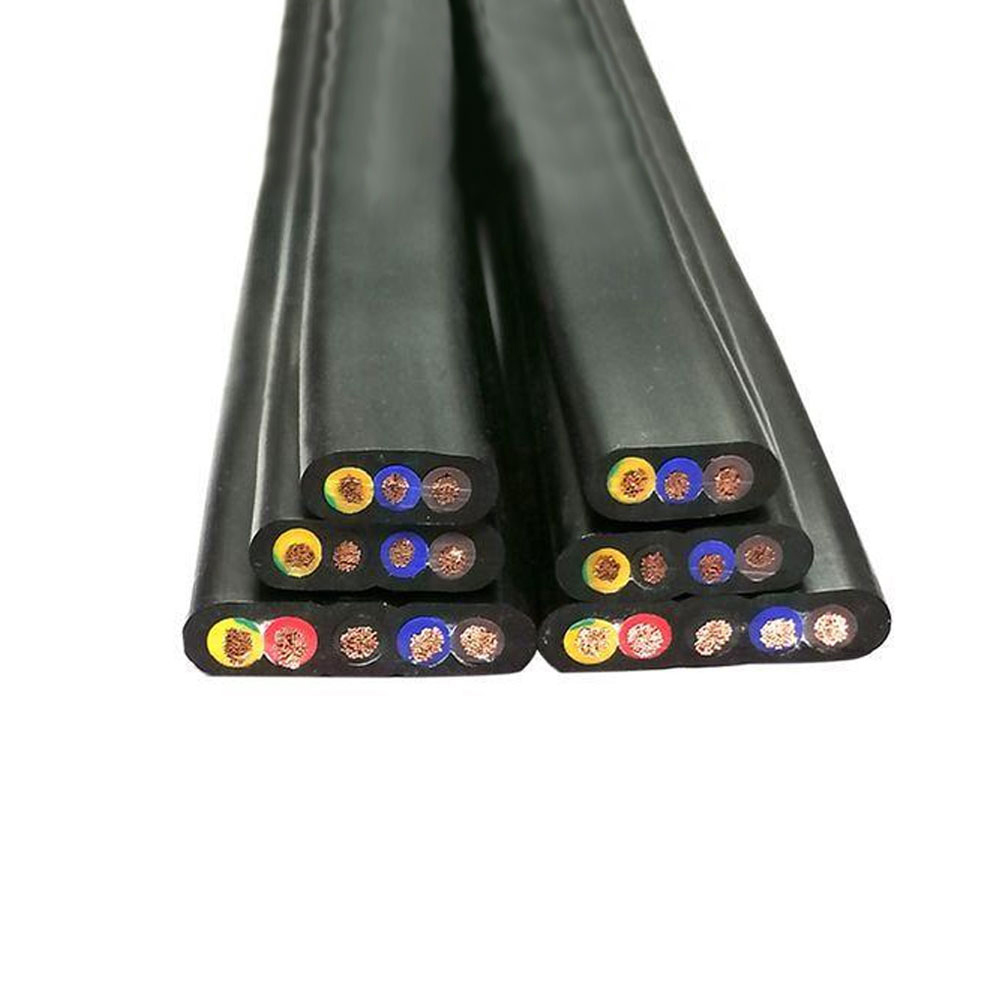
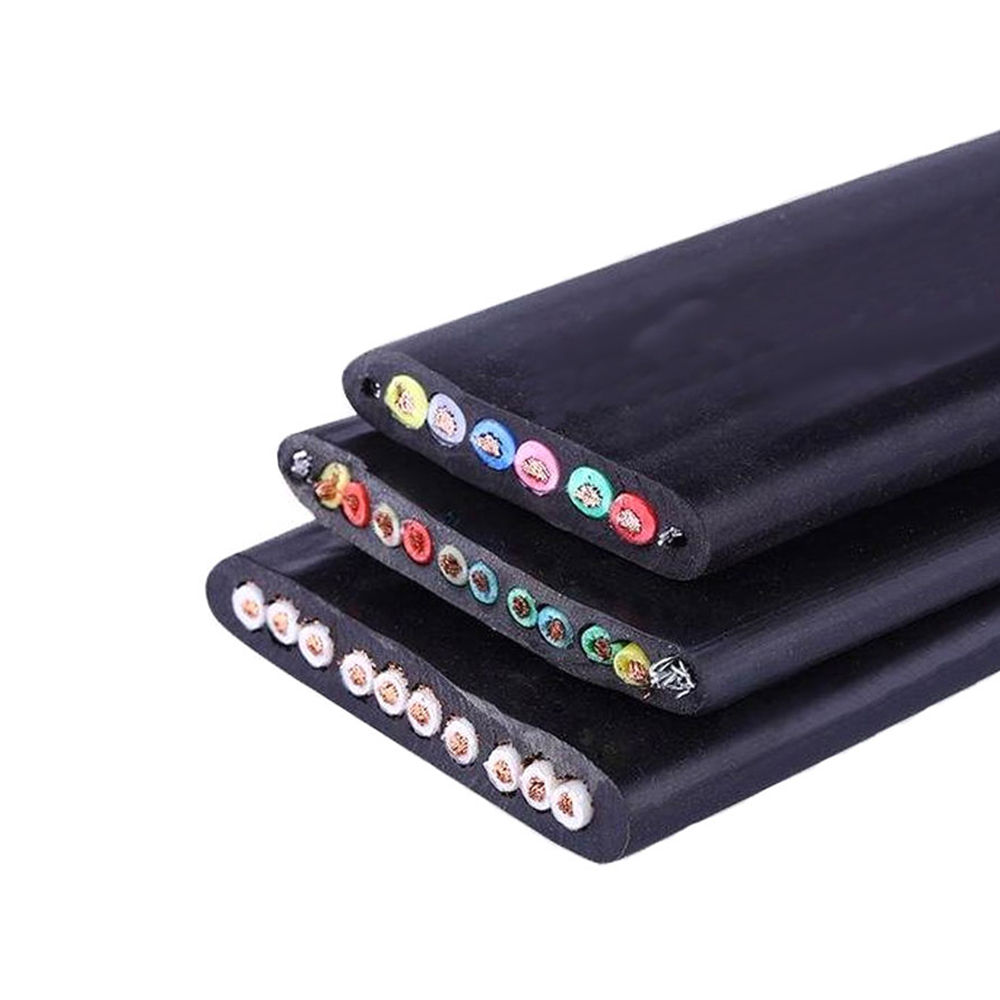
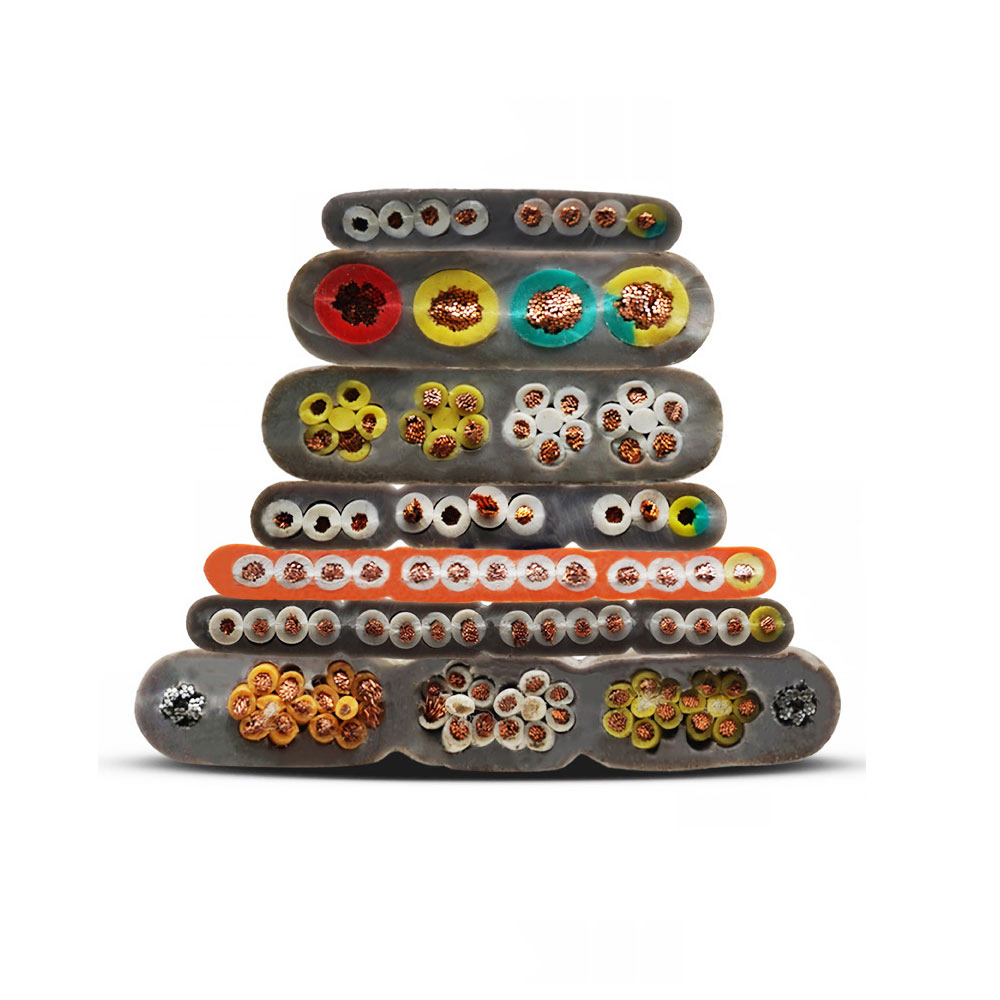
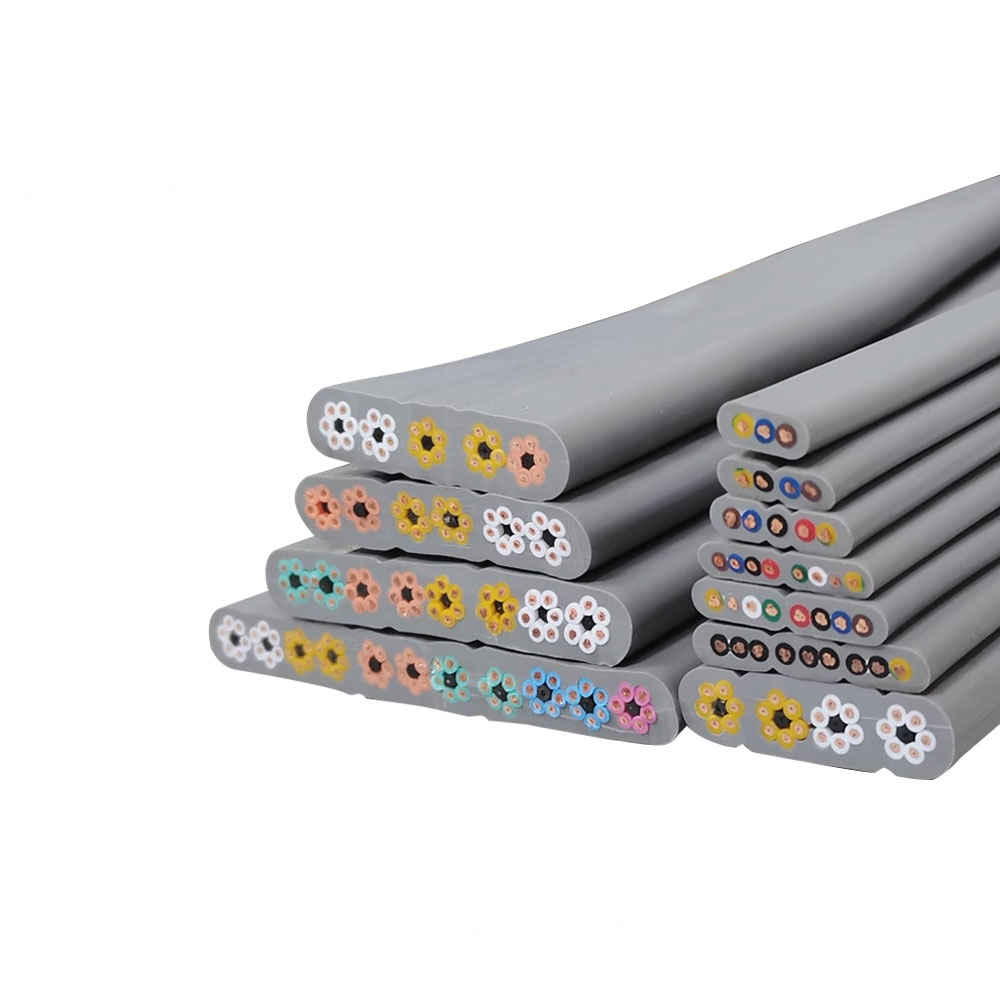
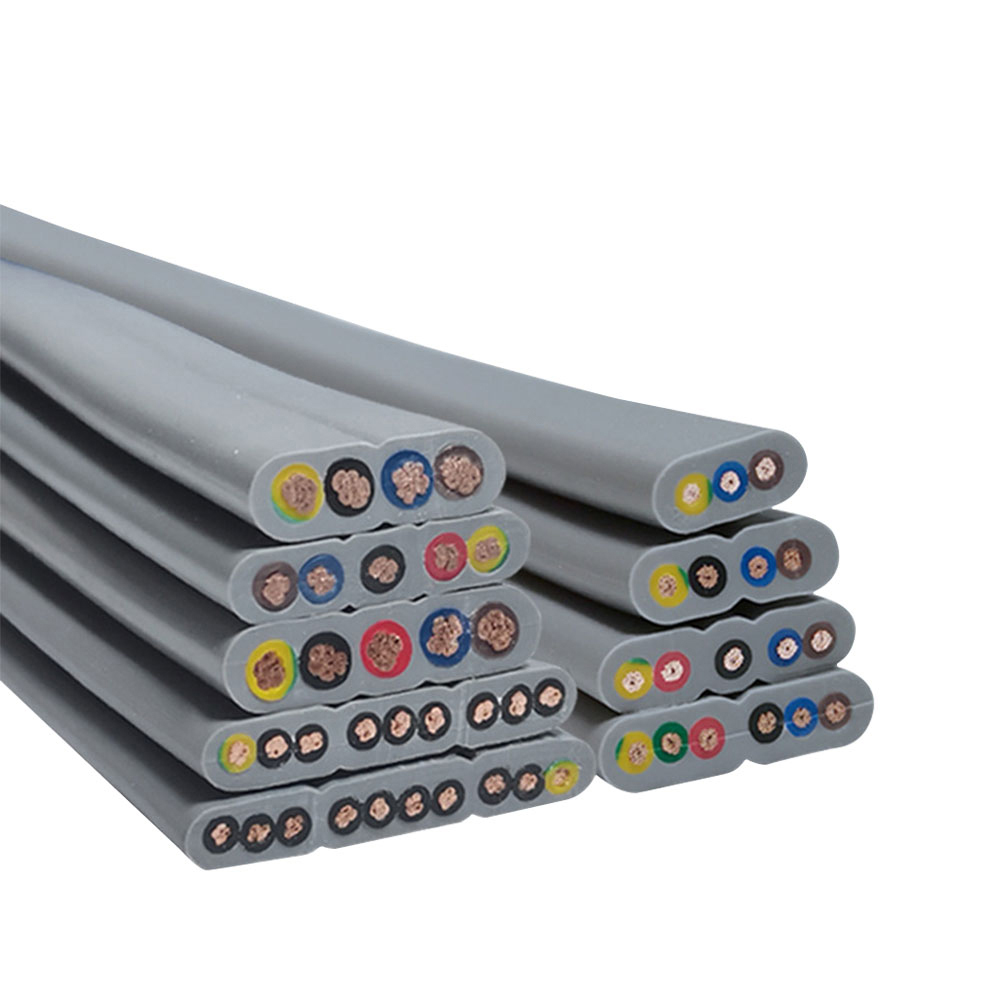
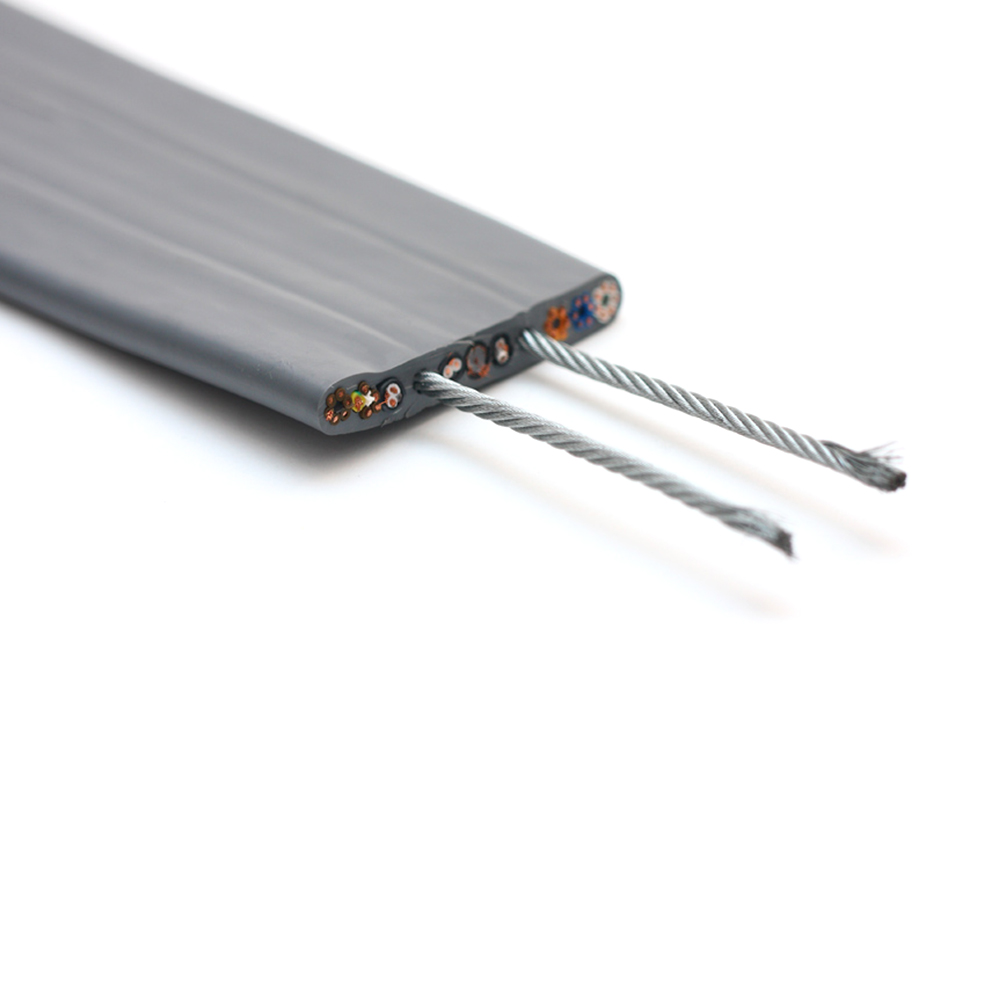
Flat cables are cables with conductors arranged in parallel within a flat structure, typically featuring a width-to-thickness ratio greater than 4:1. This unique design provides distinct advantages in applications with limited space.
Core Characteristics:
Flat Structure: All conductors are arranged in parallel within the same plane, with significantly reduced thickness compared to round cables.
High Space Utilization: Can be installed closely against surfaces, saving installation space.
Excellent Flexibility: Can bend in the cross-sectional direction with a small bending radius.
Easy Installation: Conductors align with connector pins without the need for twisting.
Good Heat Dissipation: The flat structure increases the surface area for heat dissipation.
II. Main Types and Application Scenarios
Internal Connections in Electronic Devices: Signal transmission in devices such as computer motherboards, printers, and scanners.
Medical Equipment Connections: Compact wiring inside monitors, ultrasound devices, and X-ray machines.
Automation Equipment: Connections for moving parts in robots, CNC machines, and semiconductor equipment.
Transportation: Wiring harnesses for automobiles, avionics, and internal wiring in rail transit vehicles.
Household Appliances: Control panel connections in washing machines, air conditioners, refrigerators, etc.
LED Lighting Systems: Connections for light strips and internal wiring in advertising light boxes.
Test and Measurement Equipment: Probe connections and high-density signal transmission inside instruments.
III. Key Production Process Controls
Conductor Preparation: Uses refined copper or copper alloys, with conductors in round or flat rectangular shapes. For high-frequency applications, conductors undergo tin or silver plating.
Insulation Treatment: Materials include PVC, PET, PI, or fluoroplastics. Insulation thickness uniformity is controlled within ±0.01 mm.
Parallel Arrangement: Precision guide wheels arrange insulated cores in parallel, with spacing tolerance controlled within ±0.05 mm.
Bonding and Fixation: Parallel cores are fixed into a unified structure through heat pressing or adhesive bonding. Bonding strength ensures no delamination during use.
Shielding Treatment: Aluminum foil or copper mesh shielding layers are added as required, with coverage exceeding 95%.
Outer Sheath: Extruded PVC, polyurethane, or silicone rubber sheath with uniform thickness and smooth edges.
Quality Control: 100% conduction testing and insulation withstand voltage testing. High-frequency cables also undergo characteristic impedance testing.
IV. Detailed Core Advantages
Space-Saving Advantage: The flat structure allows multiple conductors to be arranged in limited thickness space, improving space utilization by 30%-50% compared to round cables.
Installation Convenience Advantage: Parallel conductors align easily with connectors, reducing installation time. Can be fixed directly with tape or clips, eliminating the need for specialized fixtures.
Flexibility and Durability Advantage: Can withstand repeated bending, with a minimum bending radius up to 5 times the thickness. Specially designed flat cables can achieve a bending life exceeding 1 million cycles.
Electrical Performance Advantage: The parallel structure reduces conductor inductance, benefiting high-frequency signal transmission. Consistent conductor spacing ensures stable characteristic impedance.
Heat Dissipation Advantage: The flat structure increases the surface area for heat dissipation, allowing higher current loads. Current-carrying capacity is 10%-20% higher than round cables of the same cross-sectional area.
Cost-Effectiveness Advantage: Lower overall costs due to saved installation space and time. High material utilization and minimal production waste.
Reliability Advantage: Stable structure reduces the risk of relative displacement between conductors. Uniform stress distribution on the insulation layer lowers the risk of partial discharge.
Standardization Advantage: Complies with international standards such as UL, CSA, and VDE. Some models follow industry-specific specifications.
VI. Technological Innovation Directions
Ultra-Thin Development: Development of ultra-thin flat cables with thicknesses below 0.5 mm to meet the needs of wearable devices.
High-Density Integration: Integration of power, signals, optical fibers, and other transmission media within a single flat cable.
Flexible Circuit Integration: Combining flat cables with flexible printed circuits to achieve more complex connectivity functions.
Eco-Friendly Material Application: Use of recyclable, biodegradable, and environmentally friendly insulation materials.
Smart Flat Cables: Integration of sensors for real-time monitoring of temperature, strain, and other parameters.
Flat cables play an irreplaceable role in space-constrained and high-density wiring applications due to their unique structural advantages. As electronic devices continue to evolve toward miniaturization and lightweight design, the application scope of flat cables will further expand, and technical requirements will continue to rise. Selecting the appropriate flat cable requires comprehensive consideration of electrical performance, mechanical properties, environmental adaptability, installation requirements, and other factors.

 English
 Español
 عربى
عربى
 русский