I. Definition and Core Characteristics
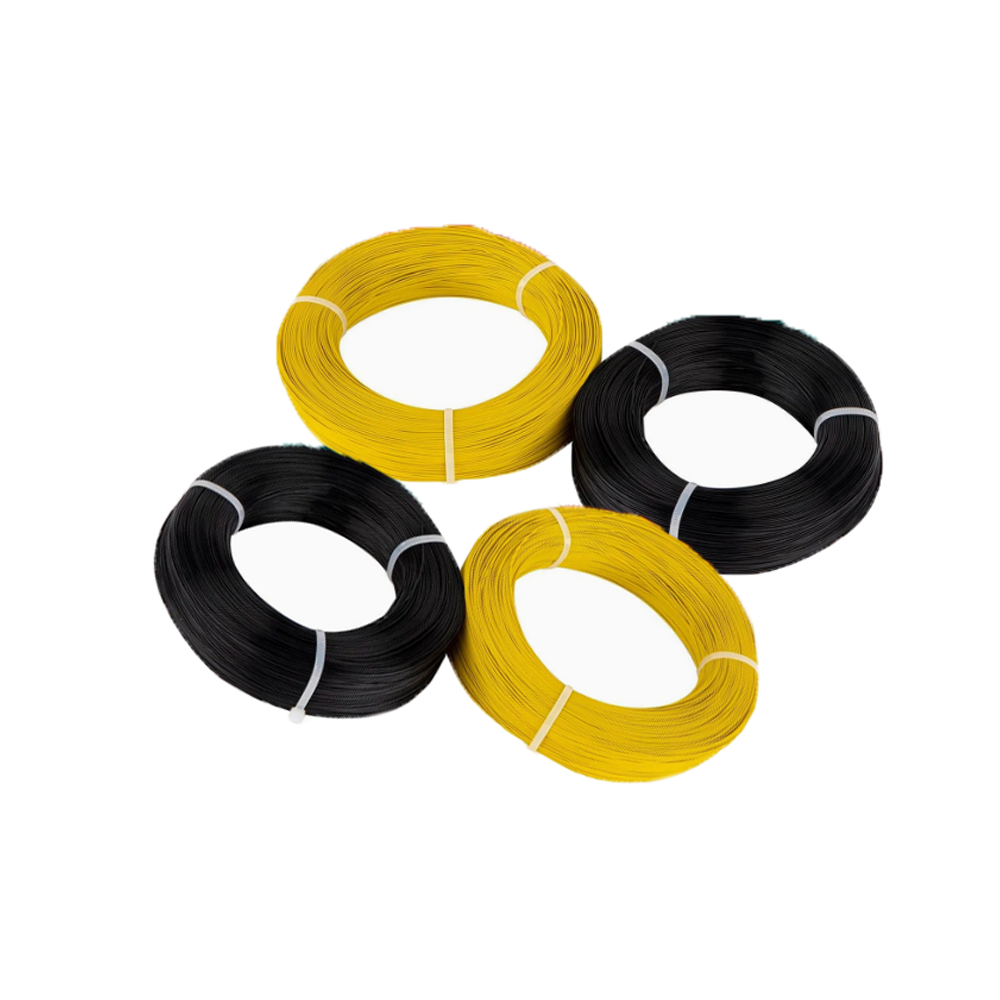
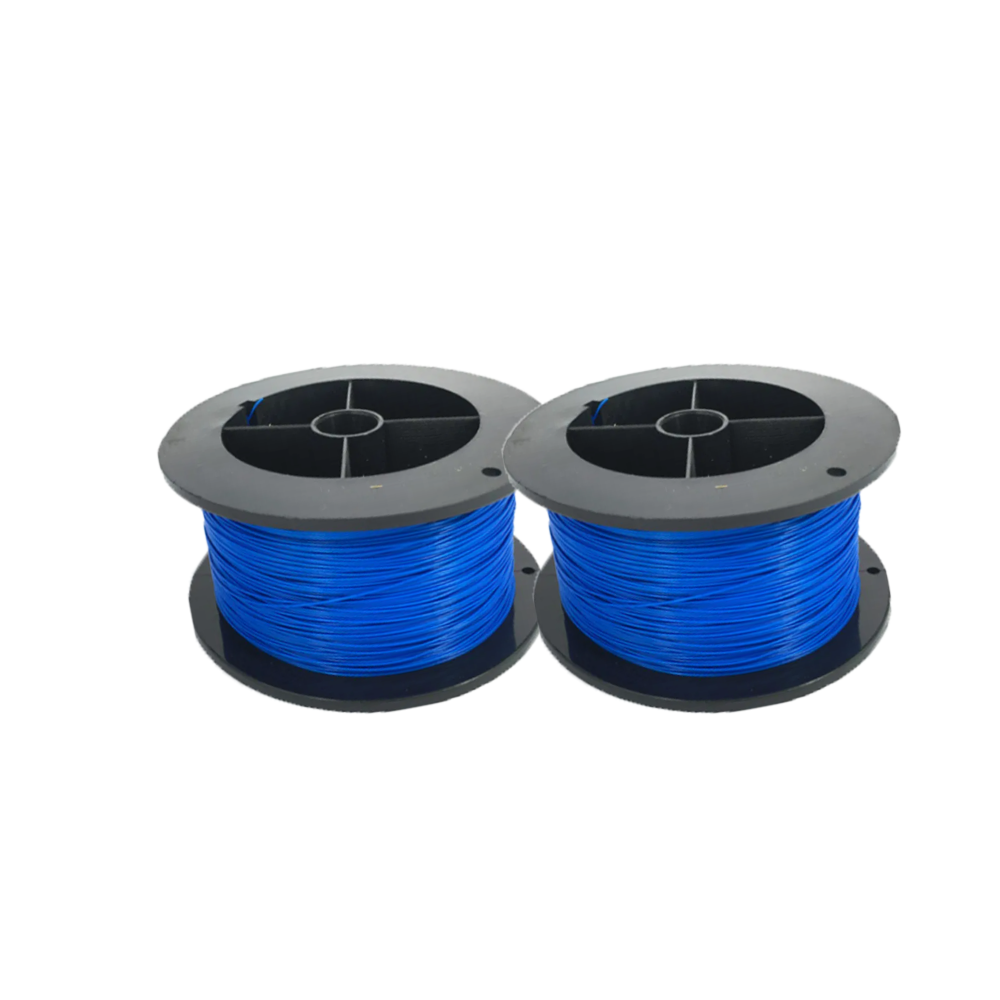
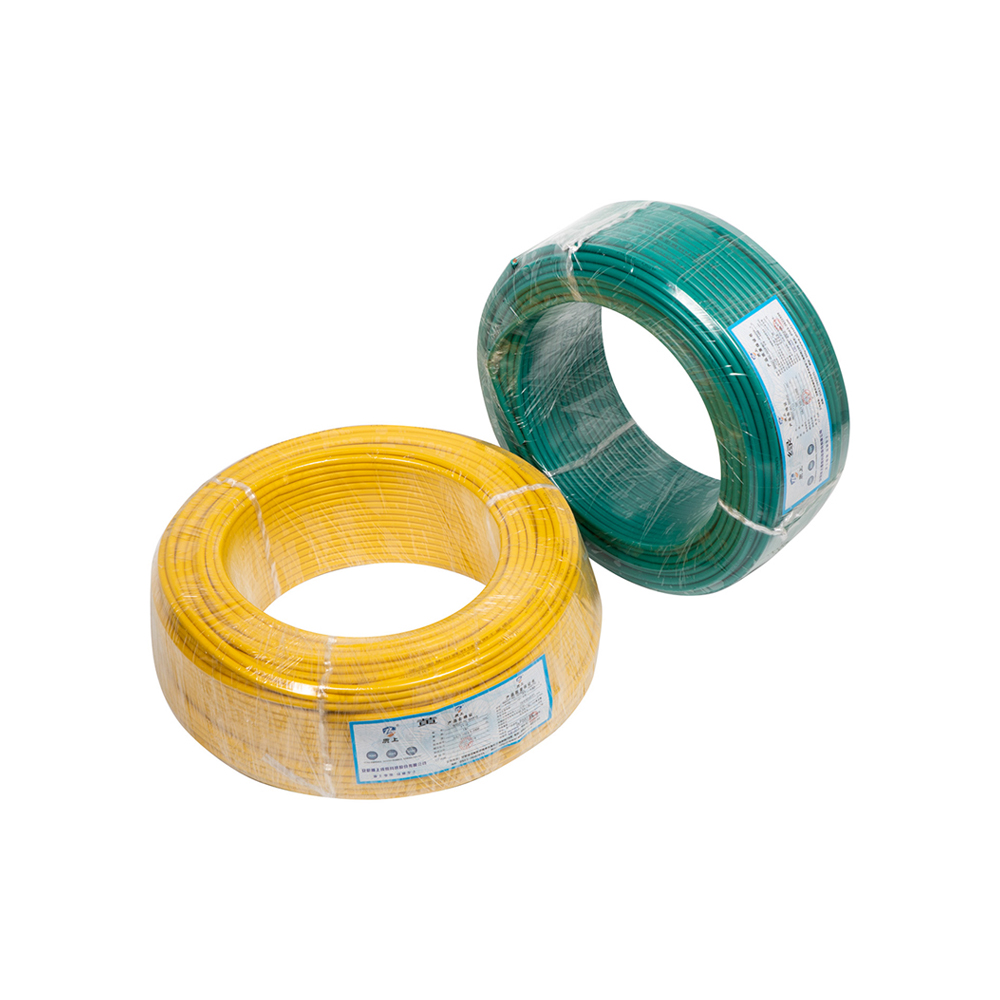
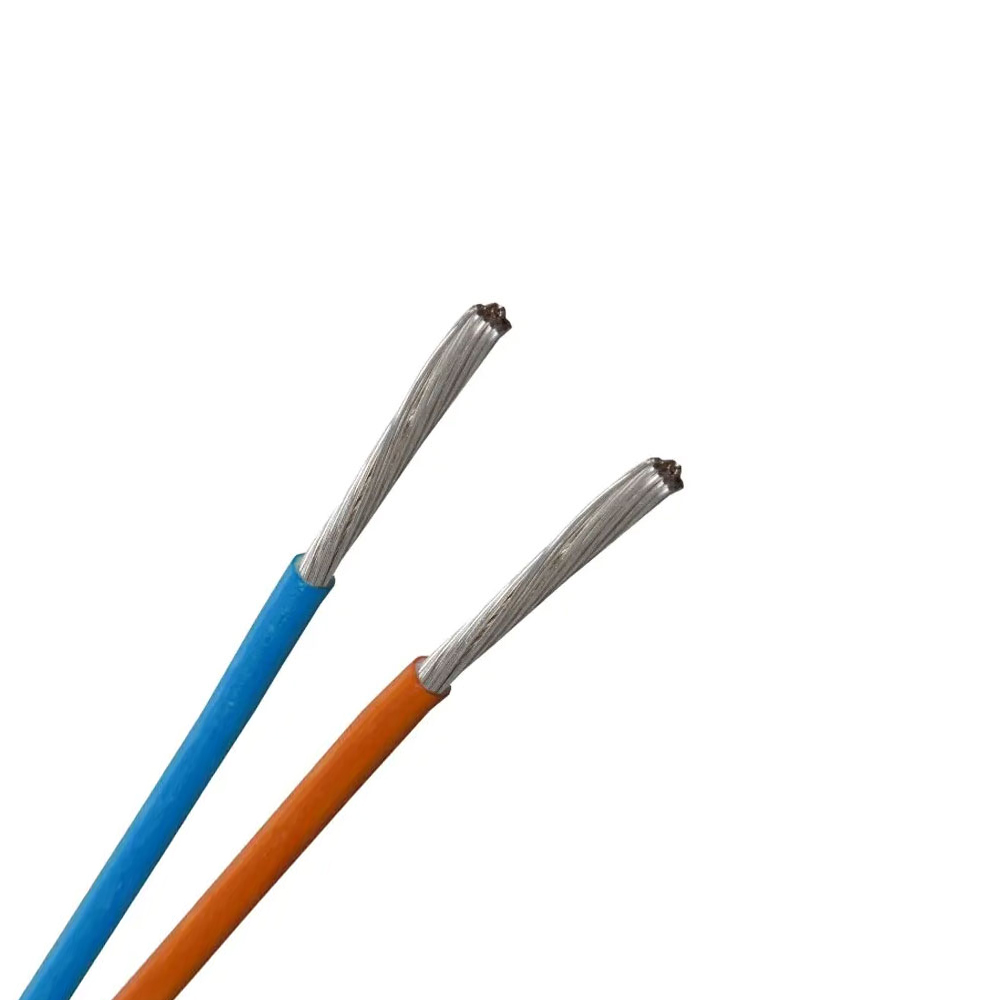
Fluoroplastic cables refer to high-performance specialty cables that use fluoroplastics as the primary insulation and sheathing materials. Fluoroplastics are a category of fluorine-containing polymers, including polytetrafluoroethylene (PTFE), perfluoroethylene propylene (FEP), melt-processable polytetrafluoroethylene (PFA), and polyvinylidene fluoride (PVDF), among others. Due to the unique chemical structure of fluorine atoms, these cables possess a range of extreme properties unmatched by conventional cable materials, making them one of the ultimate solutions for harsh environments and high-end applications.
Core Characteristics:
Extreme Temperature Resistance: Extremely wide operating temperature range, for example, PTFE cables can operate stably between -200°C and +260°C.
Excellent Chemical Inertia: Resistant to almost all strong acids, strong alkalis, organic solvents, and oxidizing agents.
Superior Electrical Properties: Low and stable dielectric constant, minimal dielectric loss, and extremely high insulation resistance, suitable for high-frequency and high-speed signal transmission.
Non-Stick and Low Friction: Extremely low surface energy, providing excellent non-stick properties, hydrophobicity, and self-lubrication.
Excellent Flame Retardancy and Fire Resistance: Inherently high oxygen index, nearly non-flammable, with low smoke and low toxicity during combustion.
II. Main Types and Application Scenarios
High-Temperature Wires: Insulated with PTFE or PFA, used in aerospace engine compartments, near high-temperature furnaces, and automotive engine areas.
High-Frequency Coaxial Cables: Insulated with foamed PTFE or FEP, used in microwave communications, radar systems, and testing instruments to ensure low-loss, high-fidelity signal transmission.
Corrosion-Resistant Cables: Sheathed with PFA or PTFE, used in chemical, electroplating, and semiconductor manufacturing environments with highly corrosive media.
Medical Equipment Cables: Made from biocompatible fluoroplastics, used in medical imaging equipment (e.g., CT, MRI) and surgical instruments, requiring cleanliness and resistance to sterilization.
High-Speed Data Transmission Cables: Using low-dielectric-constant FEP or foamed fluoroplastics, used in 10-gigabit Ethernet, server internal connections, and specialized testing equipment.
Special Installation Wires: For use in confined spaces or critical locations requiring high reliability, such as satellites, missiles, and deep-sea equipment.
Wire and Cable Assemblies: Combined with specific connectors to form complete cable assemblies for extreme environments.
III. Key Production Process Controls
Material Preprocessing: Fluoroplastic resins require strict drying and preprocessing to remove moisture and impurities, ensuring extrusion stability.
Specialized Extrusion Process: Vertical or inclined extruders with special screw and die designs are used to accommodate the high melt viscosity of fluoroplastics. PTFE typically uses paste extrusion and sintering processes.
Precise Temperature Control: Extrusion zone temperature control accuracy must be within ±2°C, as fluoroplastics have a narrow processing temperature window and are sensitive to thermal history.
Conductor Preheating: Precise preheating of conductors before insulation extrusion improves adhesion between the insulation layer and the conductor and reduces internal stress.
Cross-Linking Treatment: Some fluoroplastics (e.g., radiation-cross-linked FEP) can be cross-linked using high-energy electron beam radiation to enhance temperature resistance and stress cracking resistance.
Sintering and Quenching (for PTFE): Paste-extruded PTFE insulation layers require high-temperature sintering followed by rapid quenching to achieve the desired crystallinity and mechanical properties.
Strict Cleanliness Control: Production environments must maintain high cleanliness, especially for products used in semiconductors, medical, and aerospace applications.
Online Inspection: Equipped with online inspection devices such as laser diameter measurement, capacitance monitoring, and spark testing to ensure consistency in product dimensions and electrical performance.
IV. Detailed Core Advantages
Unparalleled Temperature Resistance: Long-term operating temperatures far exceed those of conventional materials such as PVC, PE, and XLPE, meeting the most demanding high-low temperature cycling applications.
Top-Tier Chemical Stability: Maintains performance stability in most chemical environments, with an extremely long service life and low maintenance costs.
Exceptional High-Frequency Characteristics: Extremely low and stable dielectric constant and loss factor, resulting in low transmission loss and high signal integrity in RF and microwave frequency bands.
Outstanding Safety and Reliability: Inherently high flame retardancy (oxygen index as high as 95% or above) and low-smoke, non-toxic properties meet the highest-level fire safety requirements. Excellent anti-aging performance ensures minimal performance degradation over long-term use.
Mechanical and Physical Properties: Maintains good flexibility and mechanical strength across a wide temperature range. Extremely low moisture absorption, suitable for high-humidity environments. Excellent weather resistance and strong UV resistance.
Cleanliness and Biocompatibility: Some fluoroplastics meet biocompatibility requirements, such as USP Class VI, are resistant to bacterial growth, and have surfaces that are easy to clean.
Long Lifespan and Total Cost Advantage: Although the initial purchase cost is high, its exceptional durability and extremely low failure rate significantly reduce the total cost of ownership over its lifecycle.

 English
 Español
 عربى
عربى
 русский