
Anhui Zhishang Cable Technology Co., Ltd.

Product

Get more content that can help you

Home / Product
PRODUCTS
  • Low-Voltage Wiring Cable
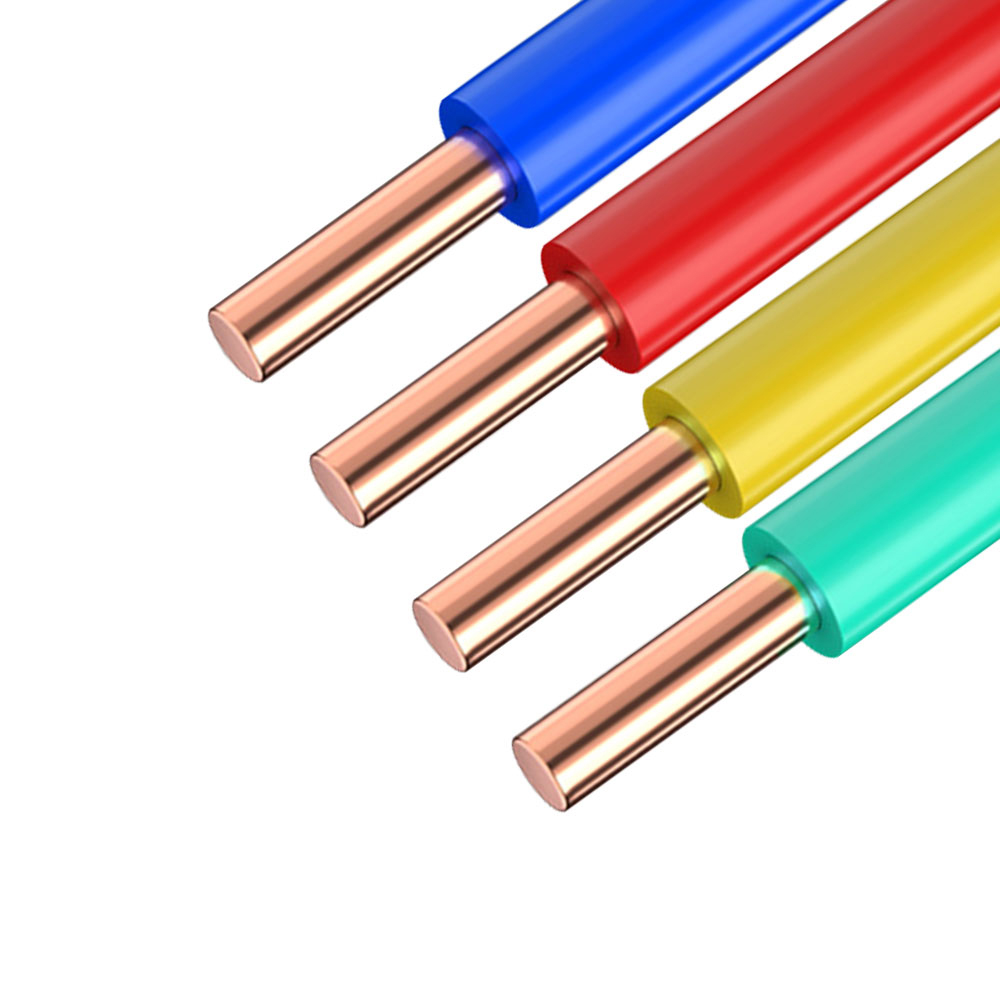
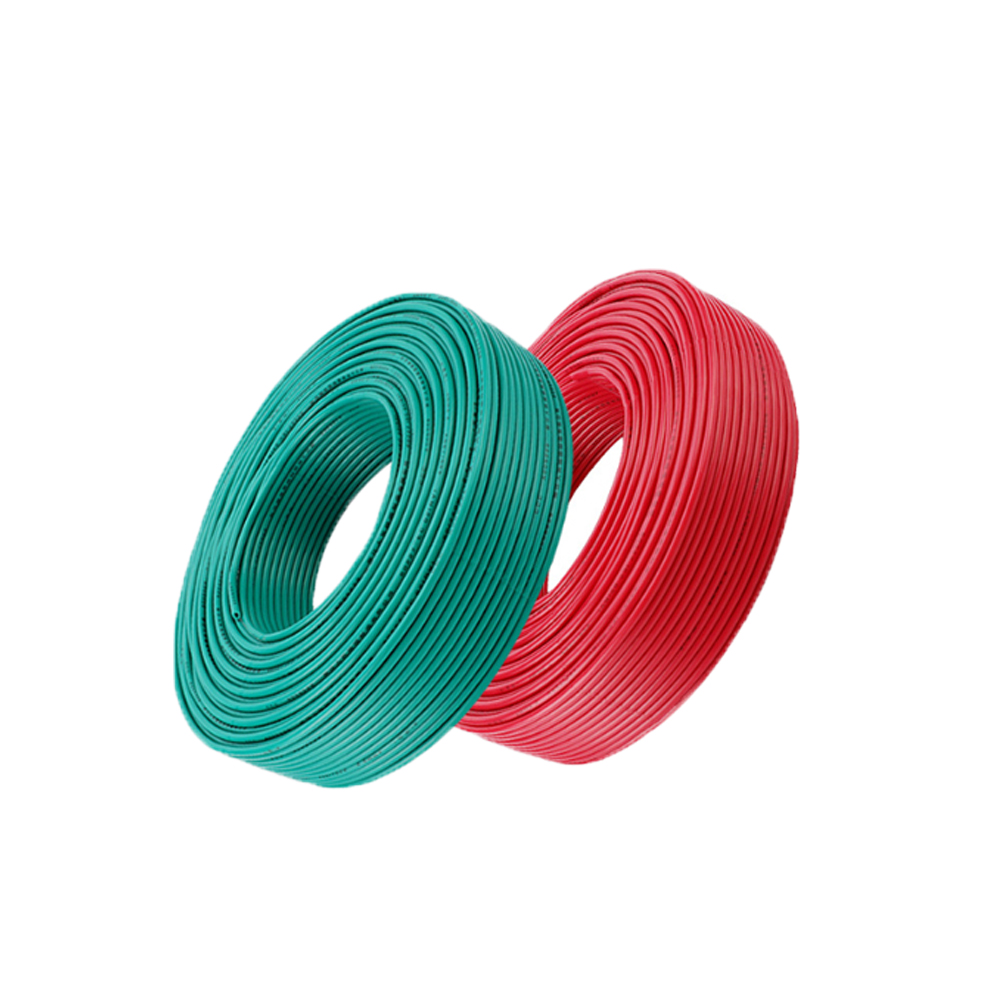
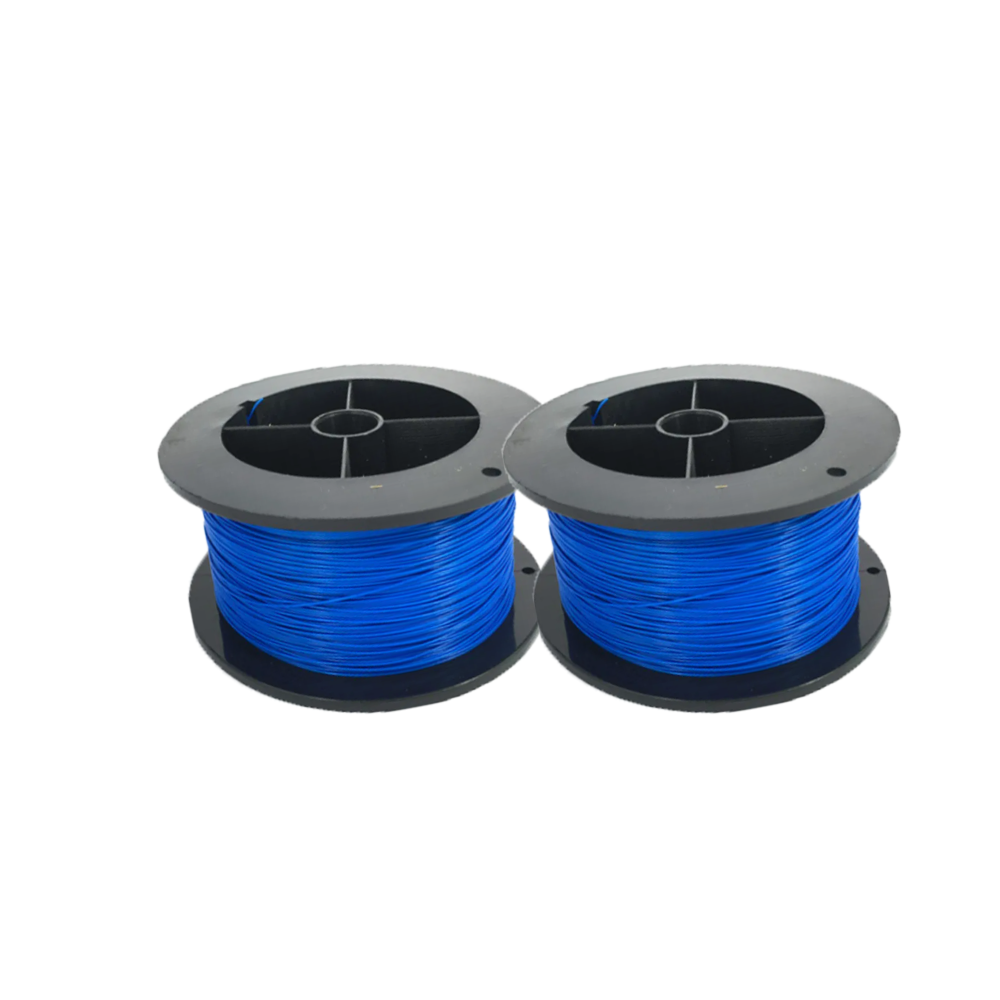
    Comprehensive Introduction to Low-Voltage Wiring Cables I. Definition and Core Characteristics  Low-voltage wiring cables refer to insulated wires and cables with a rated voltage of AC 50Hz, 450/750V and below (or the corresponding DC voltage level), primarily used for fixed installations inside buildings and equipment. They serve as the end-connection medium of the power distribution system, responsible for safely and reliably transmitting electrical energy to end-use terminals, forming the "capillary network" of the power system. Core Characteristics:  Fixed Installation: Designed for long-t...
    View this series
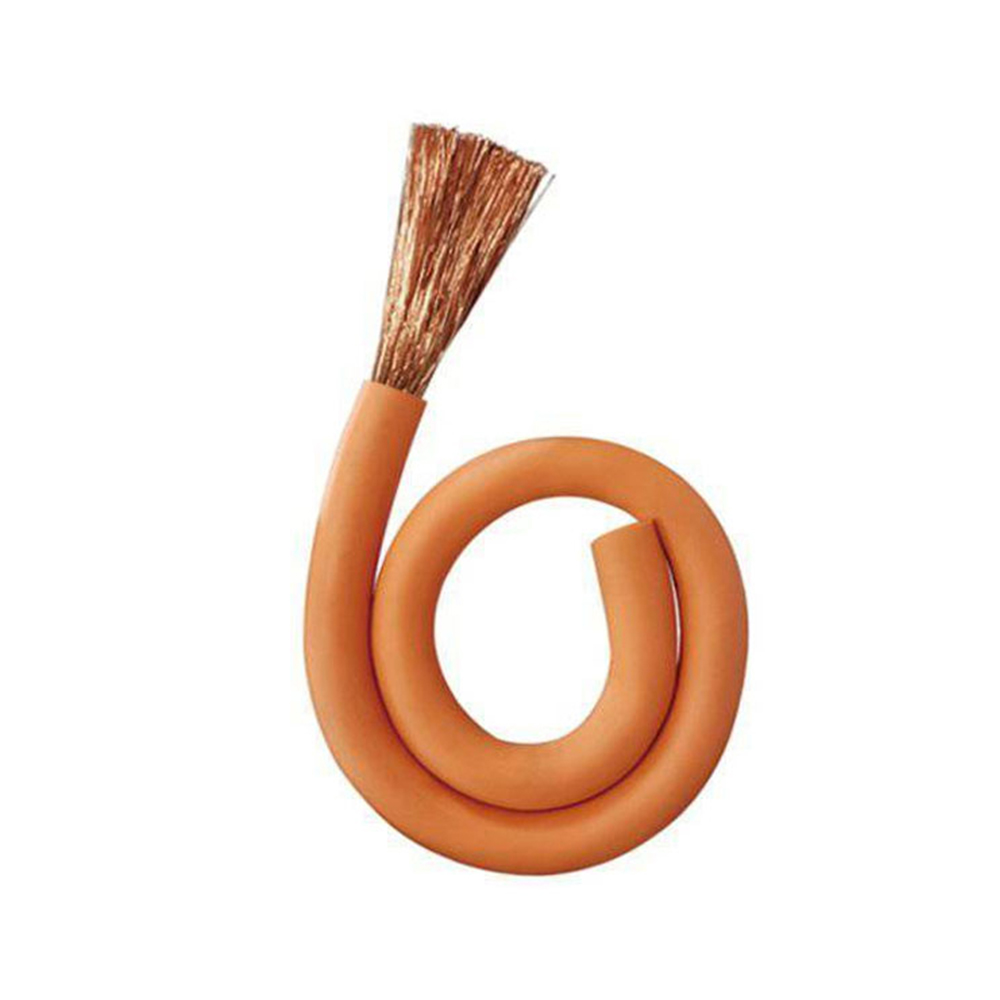
  • Flexible Cable
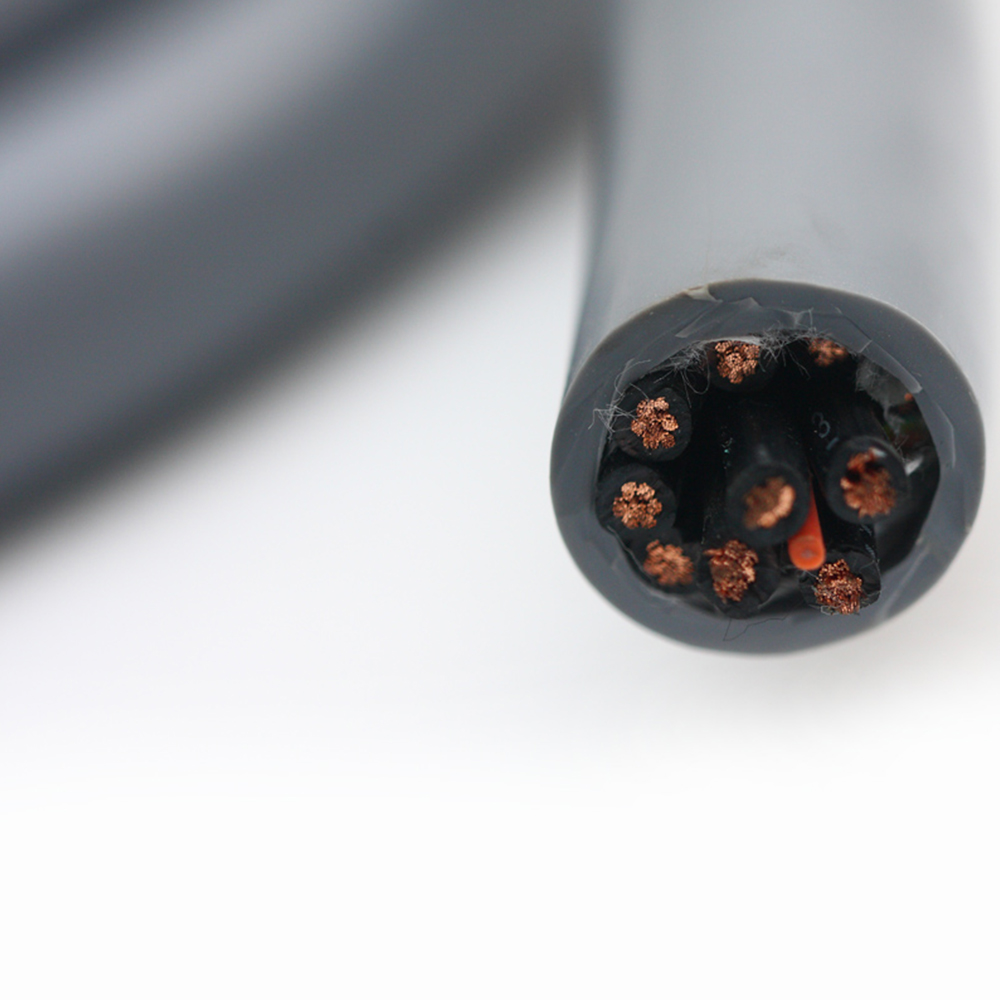
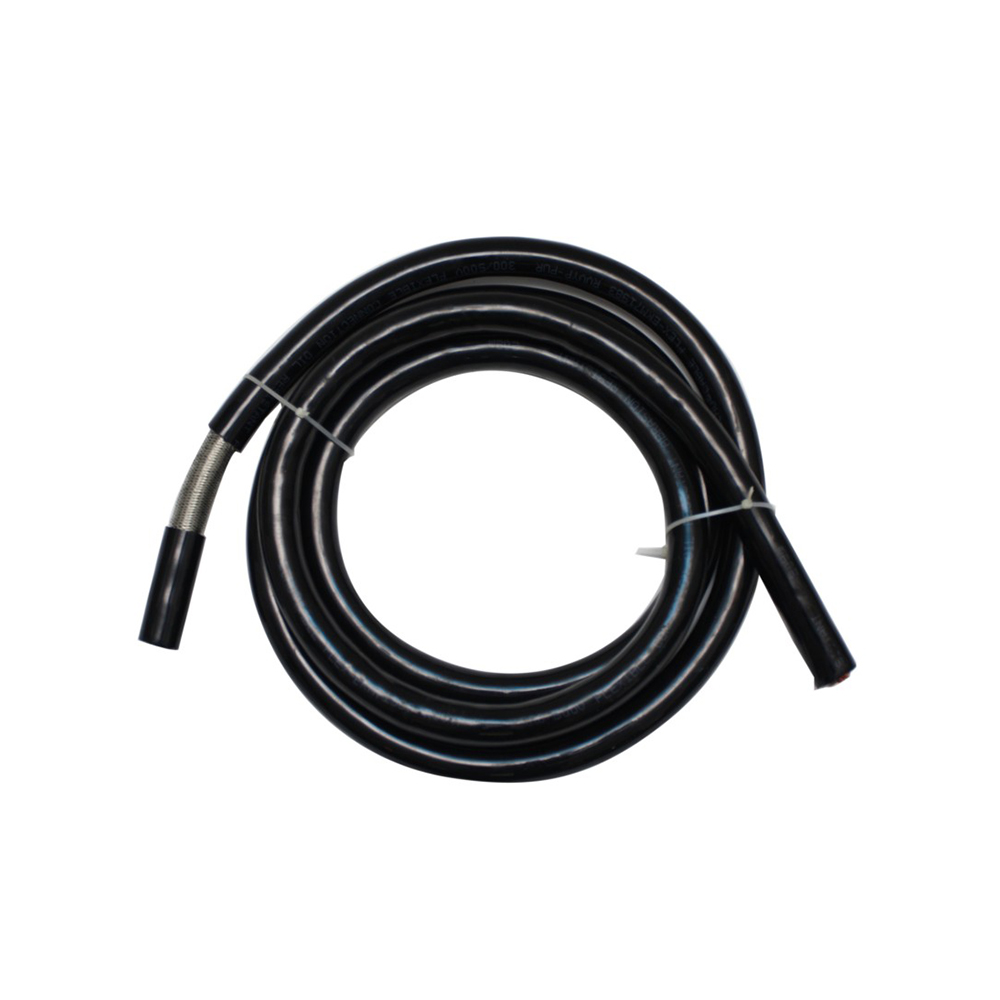
    I. Definition and Core Features  Flexible cables are a type of special cable designed for frequent movement, bending, or twisting applications. Their core characteristics involve the use of multi-stranded fine copper wire conductors and elastomeric insulation/sheathing materials, which ensure excellent mechanical flexibility and fatigue resistance while maintaining electrical performance.   Core Features:  Dynamic Installation: Suitable for continuous or intermittent motion equipment  High Bending Lifespan: Capable of millions of bending cycles (e.g., drag chain cables)  Torsion Resistance: So...
    View this series
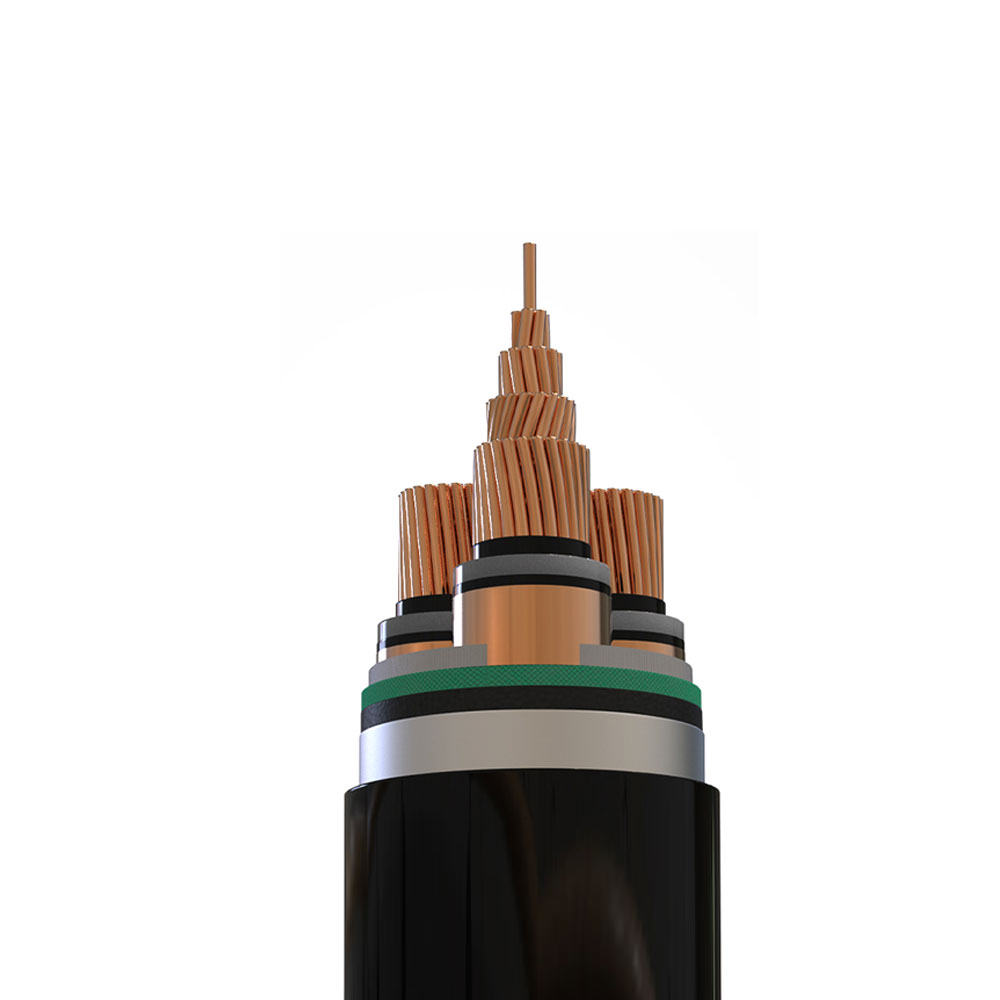
  • Power Cable
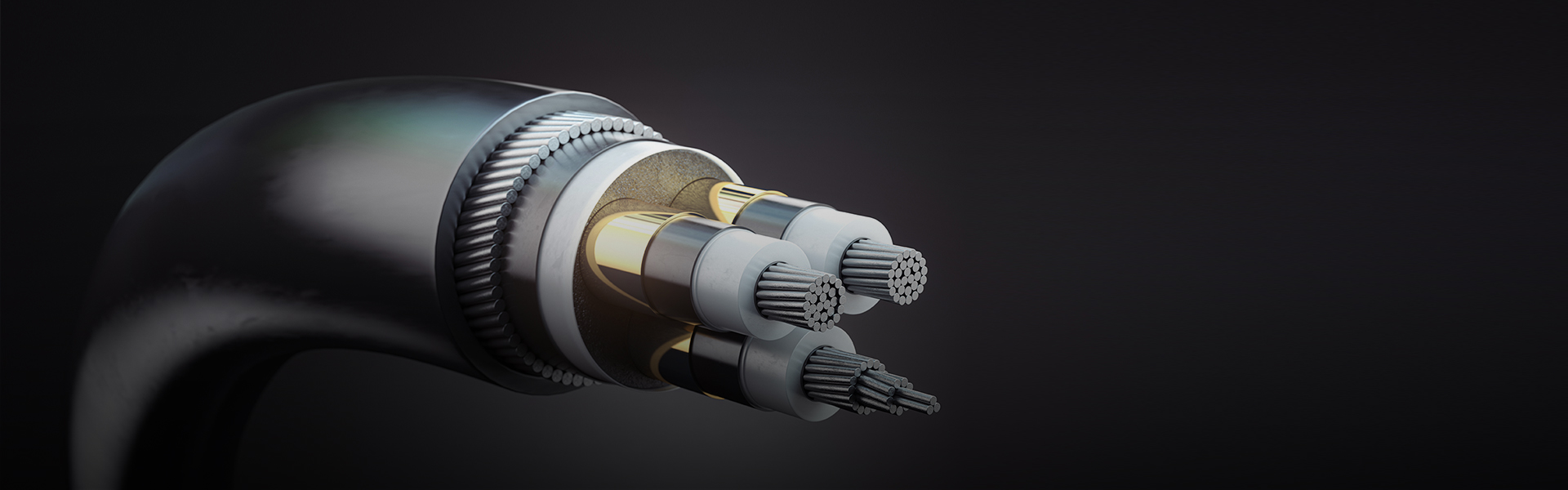
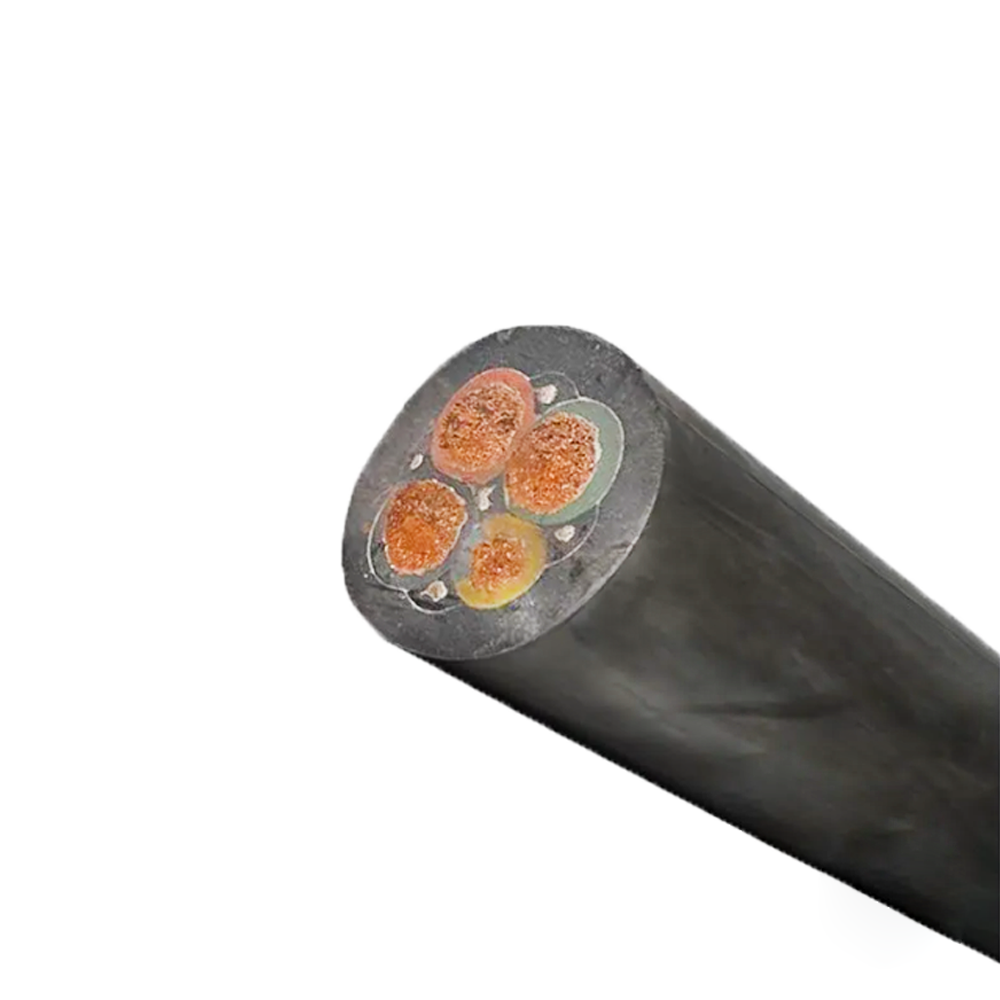
    I. Definition and Core FeaturesPower cables are insulated cable systems designed for transmitting and distributing high-power electrical energy, serving as the core transmission medium in power networks. Their design objective is to safely, reliably, and efficiently deliver electrical energy under various environmental conditions. Core Features:High Voltage and Current Capacity: Rated voltage ranges from 0.6/1kV to over 500kV, with current-carrying capacity reaching thousands of amperes.Multi-Layer Protective Structure: Composite design comprising conductor + insulation + shielding + sheath + ...
    View this series
  • Automotive Cable
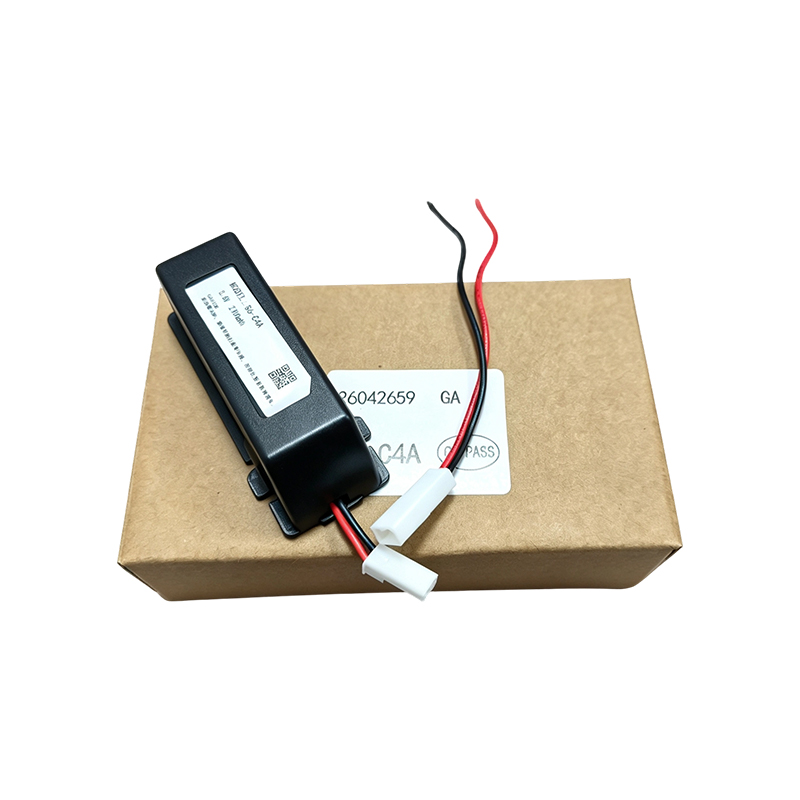
    I. Definition and Core FeaturesAutomotive cables are specialized wire and cable systems designed specifically for automobiles, new energy vehicles, and various types of motor vehicles. They are responsible for internal power transmission, signal control, and data transmission within the vehicle, serving as the neural and vascular network of the vehicle. Core Characteristics:Miniaturization and Lightweight Design: Conductor diameters start from 0.13 mm², with refined outer diameter designs.Extreme Environmental Resistance: Operating temperature range of -40°C to 150°C (some reaching 200°C).Vibr...
    View this series
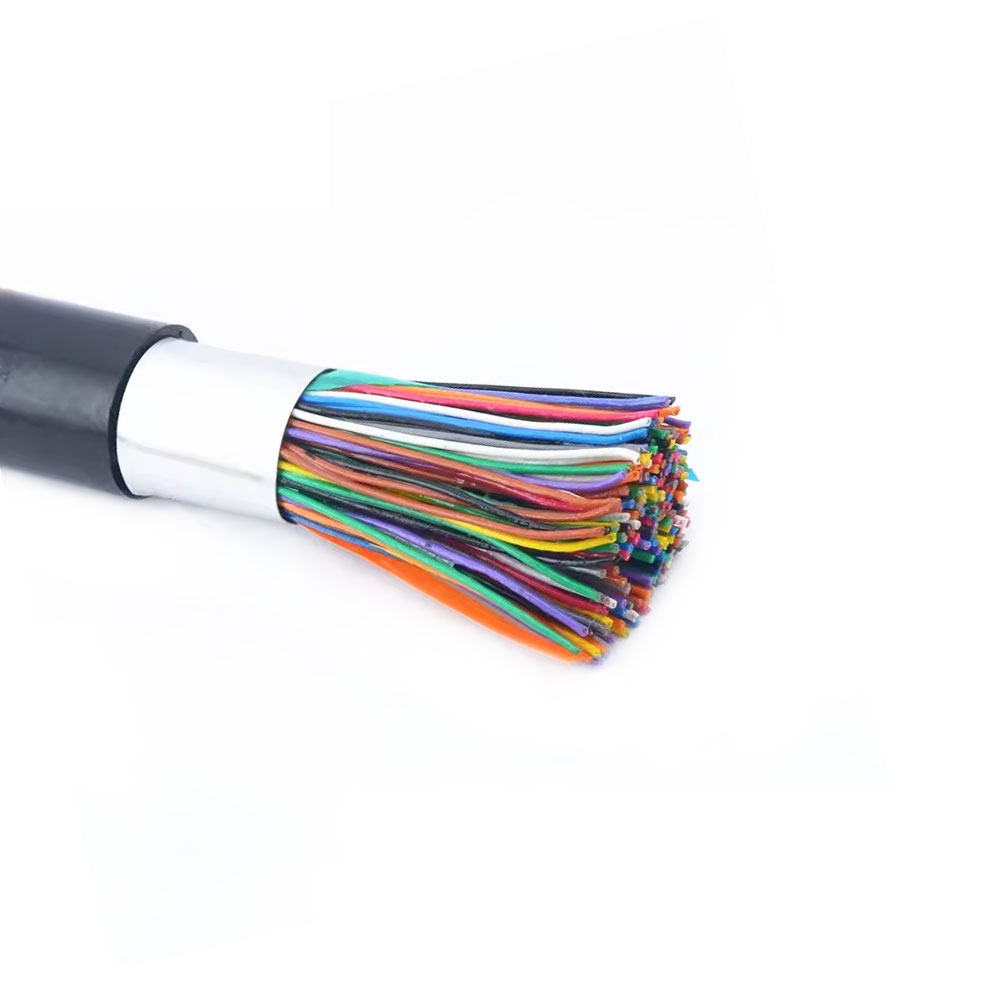
  • Communication Cable
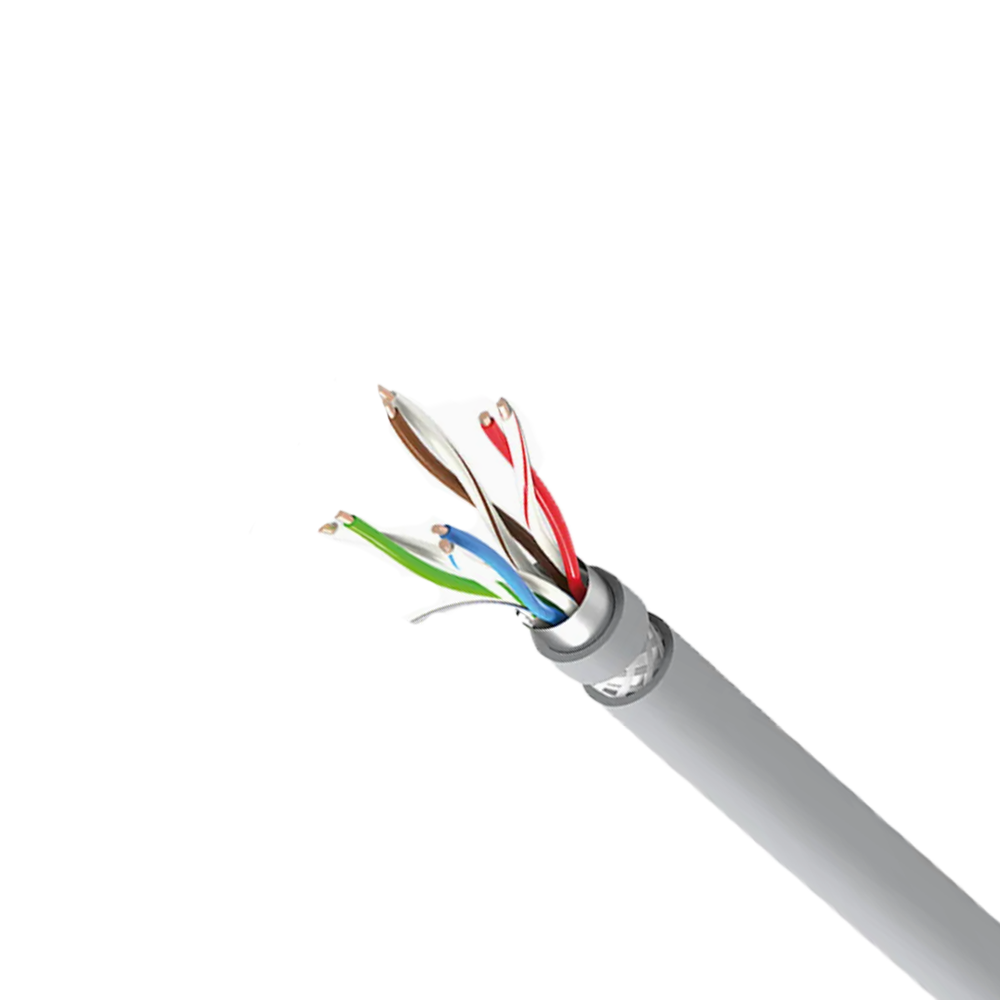
    Comprehensive Introduction to Communication Cables   I. Definition and Core Characteristics  Communication cables are specialized cable systems designed for transmitting voice, data, image, and video signals. As the "nerve network" of modern information society, they undertake critical transmission tasks ranging from basic telephone communications to high-speed data center connections.   Core Characteristics:  - High-Frequency Transmission Capability: Operating frequencies range from audio (300 Hz) to radio frequency (above 6 GHz).  - Precise Impedance Control: Characteristic impedance toleran...
    View this series
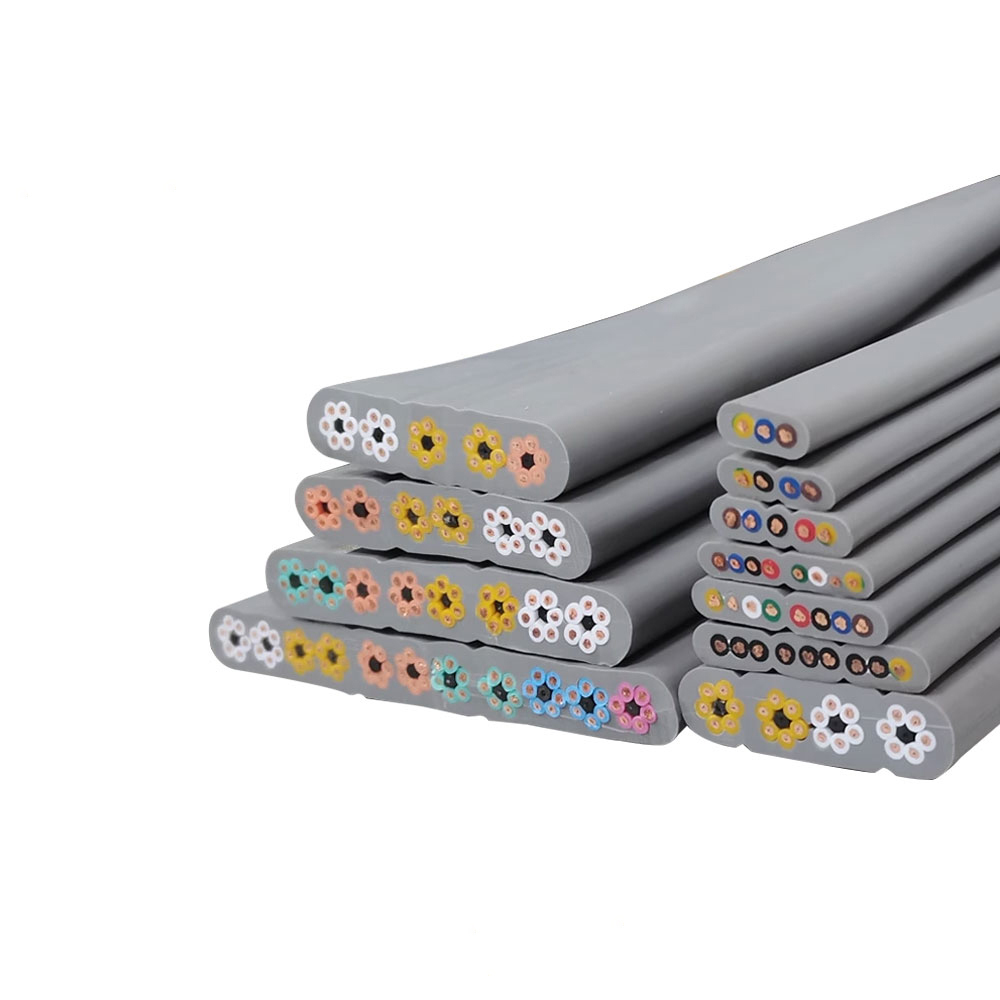
  • Flat Cable
    Comprehensive Introduction to Flat Cables   I. Definition and Core Characteristics  Flat cables are cables with conductors arranged in parallel within a flat structure, typically featuring a width-to-thickness ratio greater than 4:1. This unique design provides distinct advantages in applications with limited space.   Core Characteristics:  Flat Structure: All conductors are arranged in parallel within the same plane, with significantly reduced thickness compared to round cables.  High Space Utilization: Can be installed closely against surfaces, saving installation space.  Excellent Flexibili...
    View this series
  • Control Cable
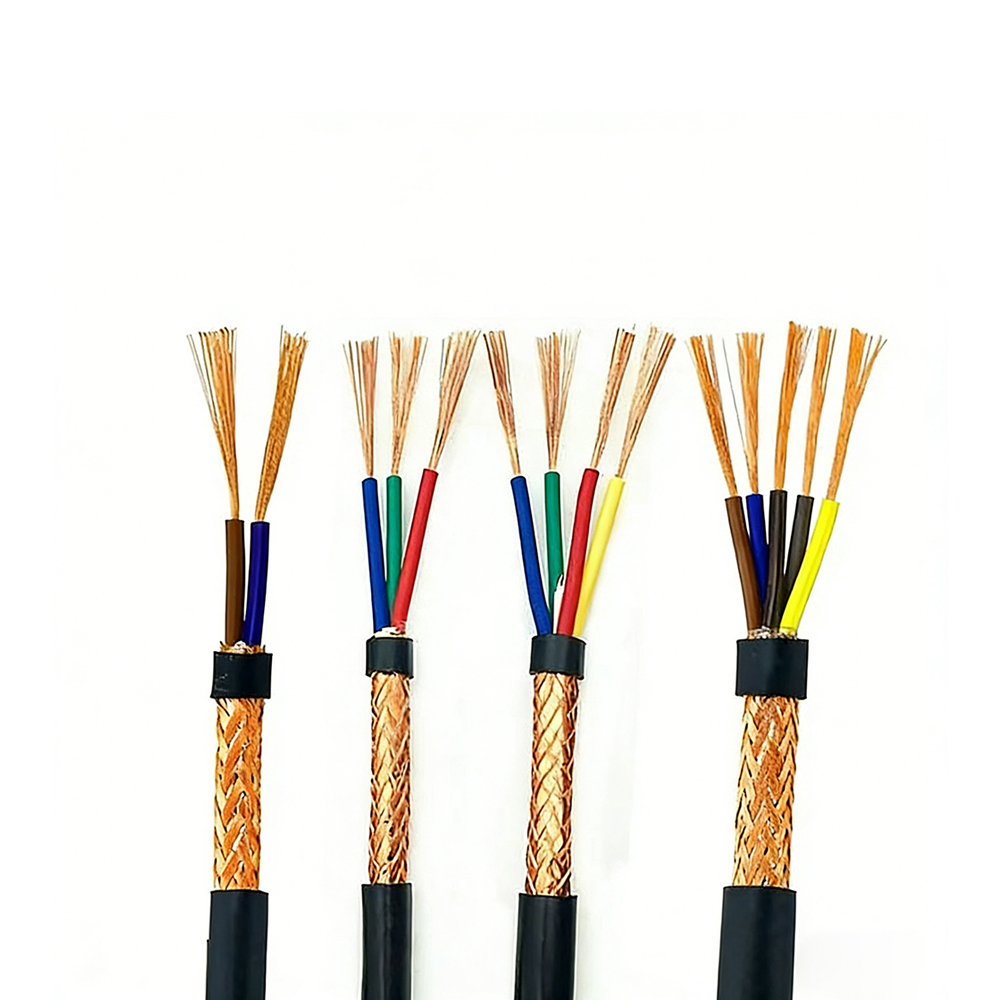
    Comprehensive Introduction to Control Cables I. Definition and Core CharacteristicsControl cables are specialized cables designed for transmitting control signals, measurement signals, and operational commands. They connect control centers to controlled devices, forming the neural conduction network of automated systems to ensure precise transmission of instructions and reliable feedback. Core Characteristics:Multi-Core Structure: Typically contains 2 to 61 cores or more to meet the needs of complex control systems.Signal Integrity: Emphasizes low interference and low crosstalk to ensure accur...
    View this series
  • Computer Cable
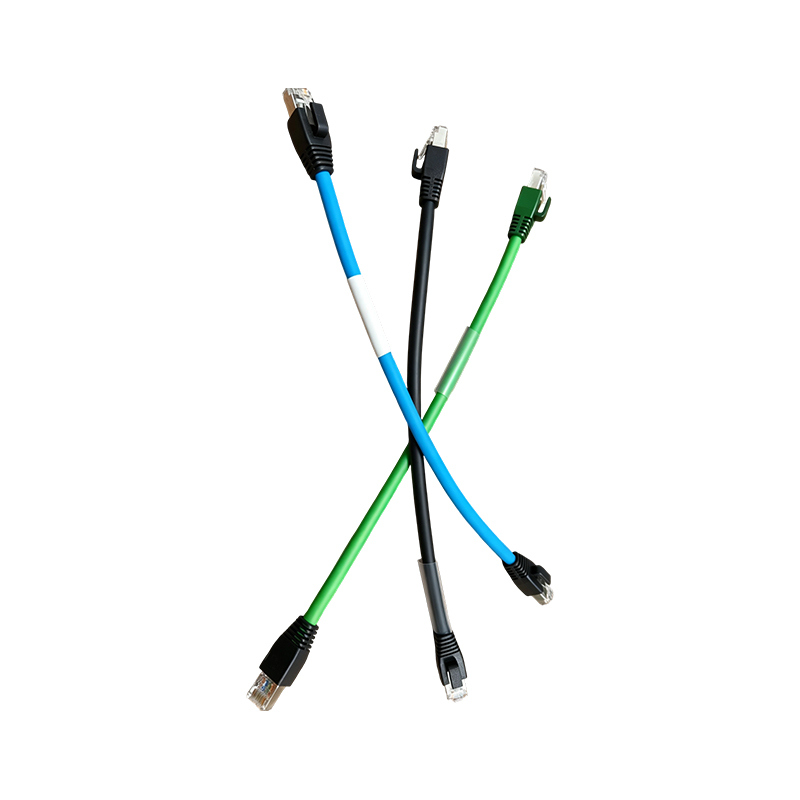
    Comprehensive Introduction to Computer Cables I. Definition and Core CharacteristicsComputer cables are high-performance transmission cables specifically designed for computer systems, network equipment, and data centers. These cables handle data exchange, signal transmission, and power supply tasks between digital devices, serving as the physical carriers of modern information technology infrastructure. The core mission of computer cables is to achieve high-speed, stable, low-error-rate data transmission in complex electromagnetic environments while ensuring reliable device connections and lo...
    View this series
  • Specialty Cable
    Comprehensive Introduction to Specialty Cables I. Definition and Core CharacteristicsSpecialty cables refer to non-standard cable products designed and manufactured for specific extreme environments, unique application scenarios, or special functional requirements. These cables break through the technical boundaries of conventional cables, featuring unique and targeted material selection, structural design, and performance indicators, enabling reliable operation under conditions where ordinary cables cannot function properly. Core Characteristics:Extreme Environment Adaptability: Capable of op...
    View this series
  • Bus Cable
    Comprehensive Introduction to Bus Cables I. Definition and Core CharacteristicsBus cables are data transmission cables specifically designed for industrial fieldbus systems and automation control networks. They form the "neural network" of industrial automation systems, responsible for connecting controllers, sensors, actuators, and other devices to achieve real-time, reliable data exchange and control command transmission. Bus cables must maintain stable signal transmission quality in complex industrial environments, support multi-node and long-distance communication requirements, and possess...
    View this series
  • Aerial Insulated Cable
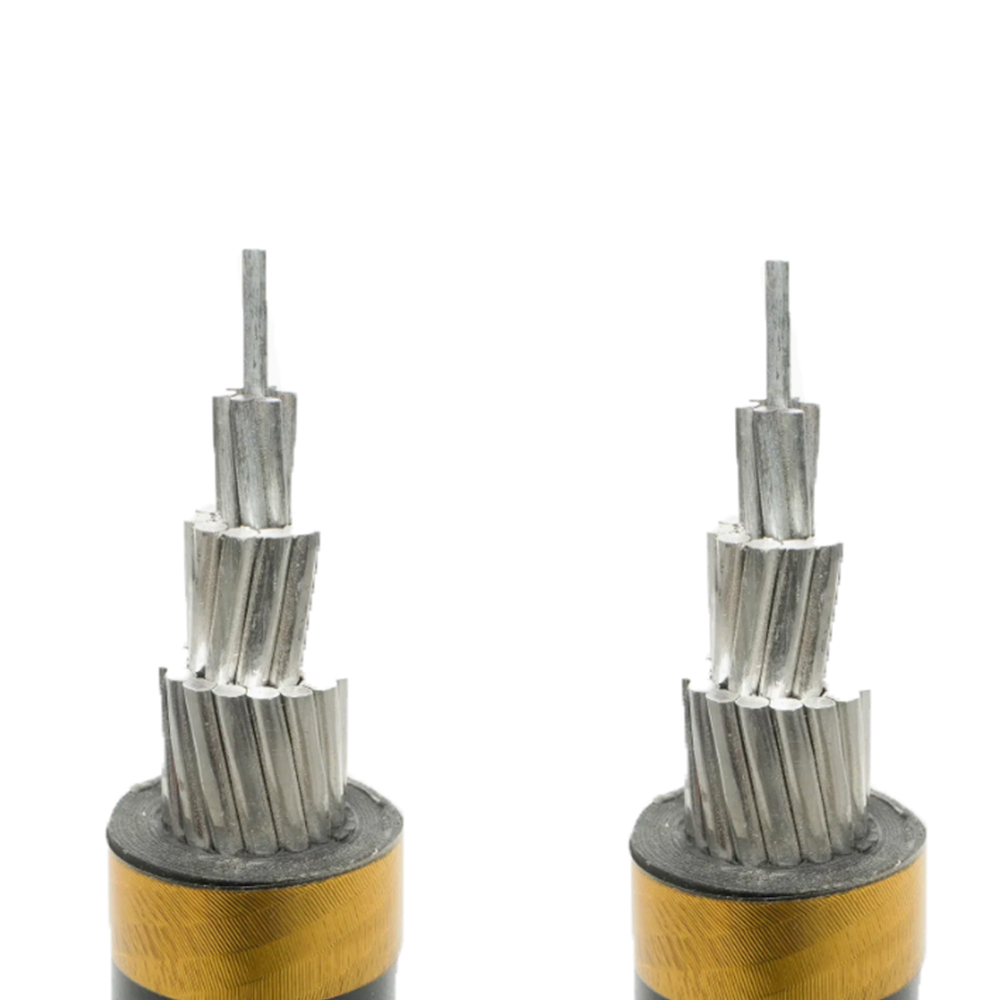
    Comprehensive Introduction to Aerial Insulated Cables I. Definition and Core CharacteristicsAerial insulated cables are specially designed insulated cable systems for overhead installation, upgrading traditional bare conductor power transmission to an insulated and safe solution. These cables combine the cost-effectiveness of overhead lines with the safety of cable lines, playing a key role in urban distribution network upgrades and rural grid modernization. Their core design philosophy is to maintain the convenience of overhead installation while providing reliable personal safety protection ...
    View this series
  • Mining Cable
    Comprehensive Introduction to Mining Cables I. Definition and Core CharacteristicsMining cables are specialized cable products designed and manufactured for mining environments. They serve as the "lifeline" of underground production systems, undertaking critical functions such as power transmission, signal control, and communication. These cables must operate reliably in extremely harsh and highly dangerous mine environments, with design requirements far exceeding those of ordinary industrial cables, involving multiple technical challenges such as explosion-proof safety, mechanical protection,...
    View this series
  • Fluoroplastic Cable
    I. Definition and Core Characteristics  Fluoroplastic cables refer to high-performance specialty cables that use fluoroplastics as the primary insulation and sheathing materials. Fluoroplastics are a category of fluorine-containing polymers, including polytetrafluoroethylene (PTFE), perfluoroethylene propylene (FEP), melt-processable polytetrafluoroethylene (PFA), and polyvinylidene fluoride (PVDF), among others. Due to the unique chemical structure of fluorine atoms, these cables possess a range of extreme properties unmatched by conventional cable materials, making them one of the ultimate s...
    View this series