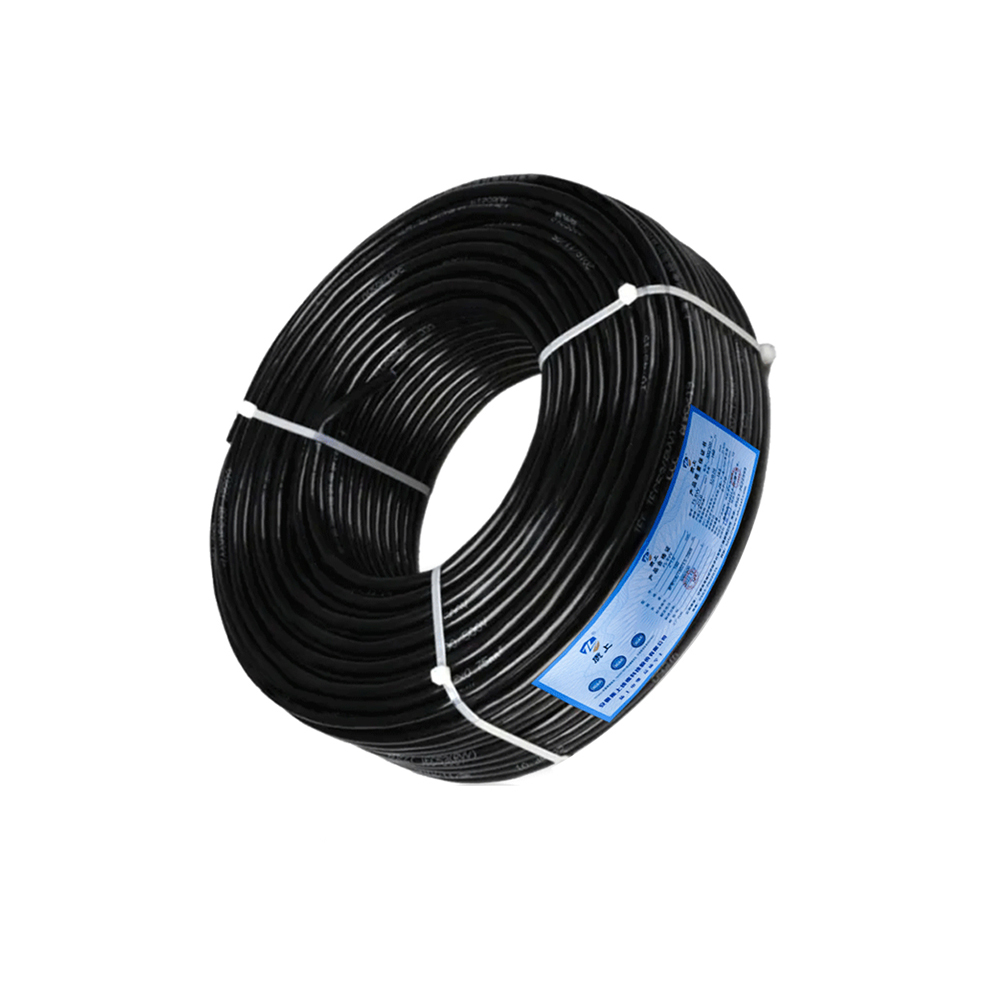
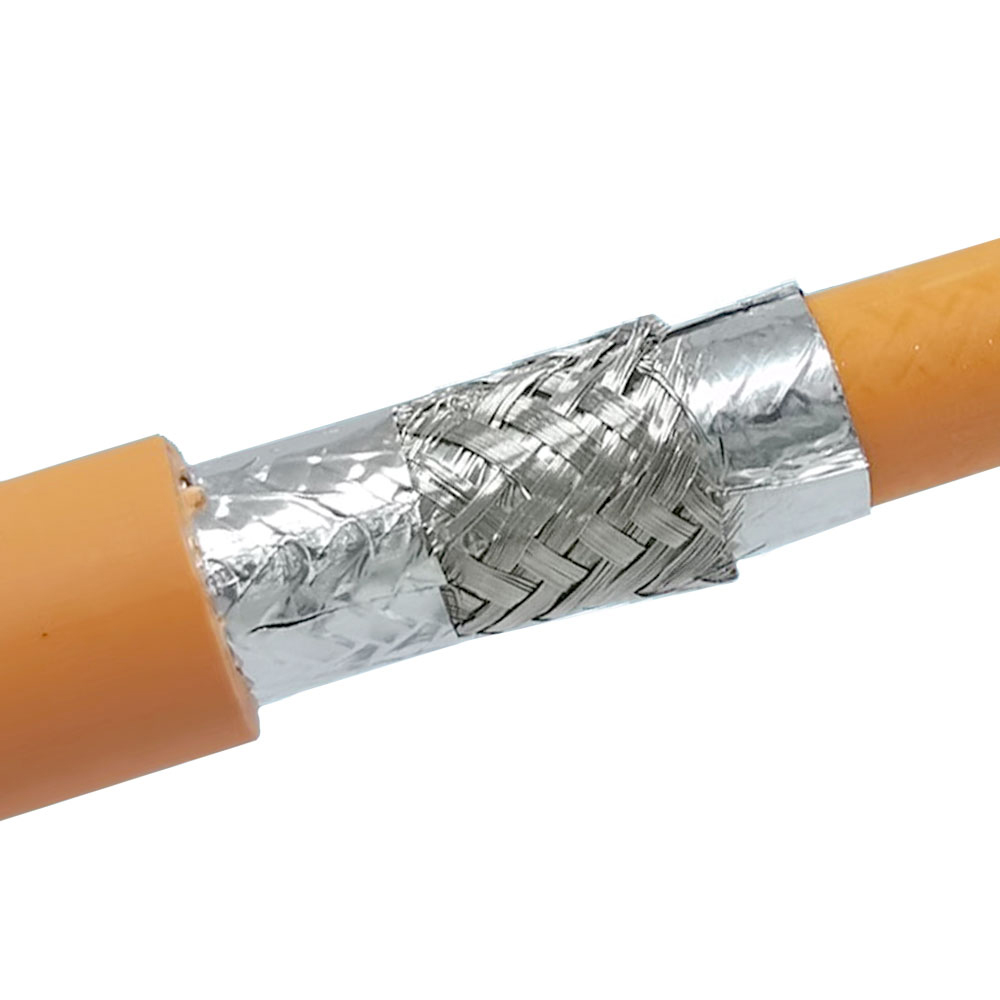
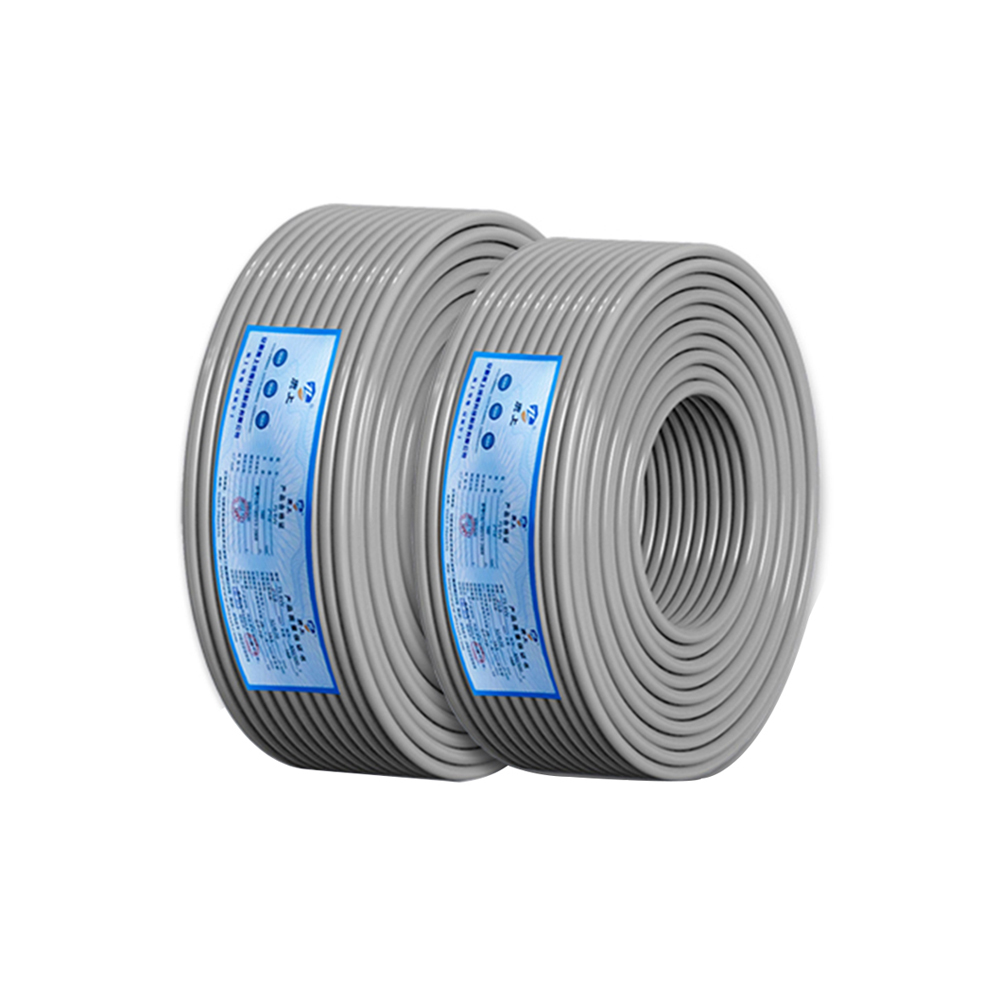
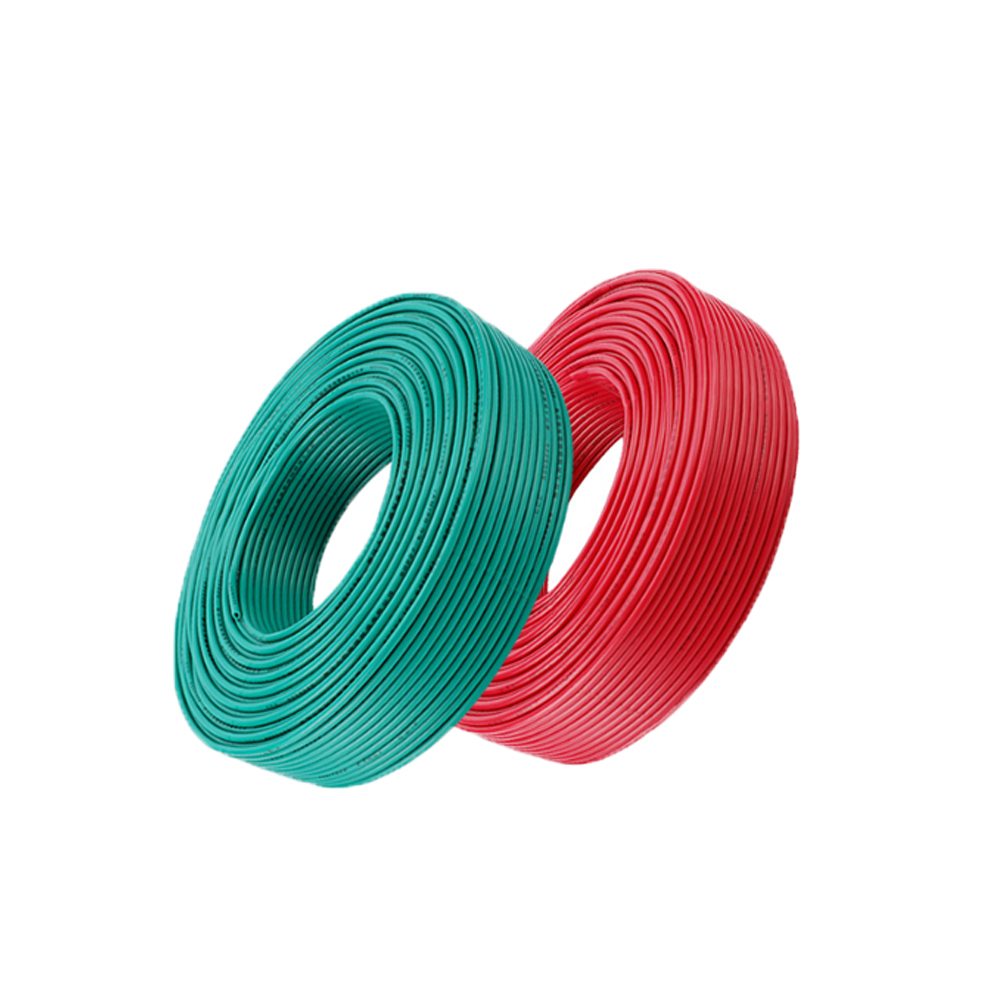
Comprehensive Introduction to Specialty Cables
I. Definition and Core Characteristics
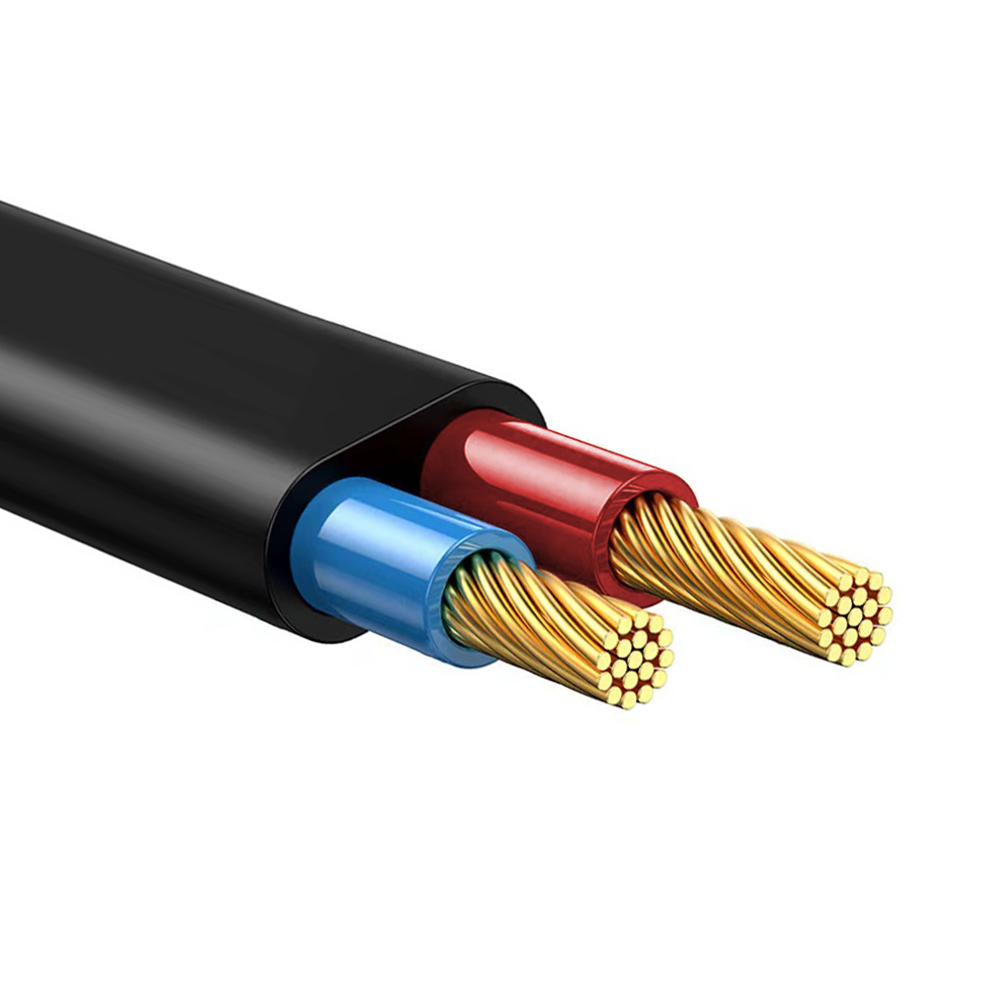
Specialty cables refer to non-standard cable products designed and manufactured for specific extreme environments, unique application scenarios, or special functional requirements. These cables break through the technical boundaries of conventional cables, featuring unique and targeted material selection, structural design, and performance indicators, enabling reliable operation under conditions where ordinary cables cannot function properly.
Core Characteristics:
Extreme Environment Adaptability: Capable of operating under extreme conditions such as high temperature, low temperature, high humidity, strong radiation, vacuum, and high pressure.
Special Functional Integration: In addition to power transmission, may integrate functions such as signal transmission, sensing, heating, and detection.
Customized Design: Fully tailored to specific customer requirements through one-on-one engineering design and product development.
High-Performance Indicators: Achieves industry-leading levels in specific performance parameters, such as temperature resistance, tensile strength, and corrosion resistance.
High Degree of Technical Integration: Combines multidisciplinary technologies, including material science, electrical engineering, and mechanical design.
II. Main Types and Application Scenarios
High-Temperature Cables: Used in high-temperature industrial environments such as steel smelting, glass manufacturing, and ceramic sintering, with long-term operating temperatures reaching above 1000°C.
Deep-Sea and Submarine Cables: For offshore oil platforms, submarine observation networks, and cross-sea power projects, designed to withstand high pressure and corrosive environments.
Nuclear Power Plant Cables: For internal and surrounding areas of nuclear islands, requiring radiation resistance, high-temperature resistance, and high reliability.
Aerospace Cables: Internal wiring for aircraft, satellites, and spacecraft, requiring lightweight design, extreme temperature resistance, and vibration resistance.
Mining Cables: Used in coal and metal mines, requiring explosion-proof, flame-retardant, and mechanical damage-resistant properties.
Military Specialty Cables: For field communication, ship systems, and missile control, requiring anti-interference, concealment, and high reliability.
Medical Equipment Cables: For surgical equipment and imaging diagnostic instruments, requiring biocompatibility, flexibility, and ease of sterilization.
Robotic Cables: Wiring for industrial and service robot joints, requiring high flexibility, bending resistance, and torsion resistance.
Photovoltaic Cables: For solar power farms, requiring UV resistance, high-temperature resistance, and weather aging resistance.
Electric Vehicle High-Voltage Cables: For new energy vehicle powertrain systems, requiring high voltage, high current, and electromagnetic compatibility.
III. Key Production Process Controls
Special Material Development: Develops dedicated materials for specific environments, such as high-temperature-resistant silicone rubber, radiation-resistant cross-linked polyolefins, and deep-sea corrosion-resistant sheath materials.
Precision Structural Design: Uses computer simulation technology to optimize cable structure, ensuring a balance between mechanical and electrical performance.
Special Process Control: Examples include ceramicization treatment for high-temperature cables, lead sheath extrusion for submarine cables, and lightweight design for aerospace cables.
Rigorous Testing and Verification: Establishes specialized testing platforms to simulate actual usage environments for accelerated aging and performance degradation tests.
Small-Batch Flexible Production: Adapts to the multi-variety, small-batch production characteristics of specialty cables by establishing flexible manufacturing systems.
Full-Process Quality Traceability: Establishes a complete traceability system from raw materials to finished products, with each cable having an independent technical file.
Special Packaging and Transportation: Designs dedicated packaging and transportation solutions based on cable characteristics, such as nitrogen-filled packaging and temperature-controlled transportation.
IV. Detailed Core Advantages
Technical Leadership Advantage: Possesses patented technologies and proprietary knowledge in specific technical fields, forming technical barriers.
Reliability Advantage: Reinforced design targeting specific failure modes reduces failure rates by 1–2 orders of magnitude compared to generic cables.
Safety Advantage: Improves system safety through redundancy design, fail-safe design, etc., complying with the strictest safety standards.
Service Life Advantage: Protective designs targeting main aging factors extend service life several times compared to conventional products.
System Integration Advantage: Provides complete solutions, including cables, connectors, accessories, and installation services.
Rapid Response Advantage: Establishes a rapid response mechanism from design to production, shortening the time to meet special requirements.
Cost-Benefit Advantage: Although unit prices are higher, overall costs are optimized by improving reliability, reducing downtime, and extending service life.
Knowledge Accumulation Advantage: Accumulates rich technical data and engineering experience in specific application fields, enabling the prediction and resolution of potential issues.
Standard-Setting Advantage: Leading enterprises often participate in the formulation of relevant industry standards, mastering the direction of technological development.
Brand Reputation Advantage: Builds a professional brand image in specific niche markets, earning long-term customer trust.
Improvement Mechanism: Collects data and feedback during usage for product improvement and technological upgrades.
The technological level of specialty cables often represents a country's manufacturing capability in high-tech fields. As technology advances and industries develop, the application areas of specialty cables continue to expand, and technical requirements continue to rise. Choosing specialty cables is not just about selecting products but also about choosing technical partners. Successful application of specialty cables requires deep collaboration between users and suppliers, from demand analysis to product design, from manufacturing to installation and maintenance, forming a complete value chain partnership. Only by fully understanding application requirements, strictly adhering to technical specifications, and establishing effective cooperation mechanisms can specialty cables truly realize their unique value, providing reliable guarantees for various extreme environments and special applications.

 English
 Español
 عربى
عربى
 русский