Servo Cable
Introduction
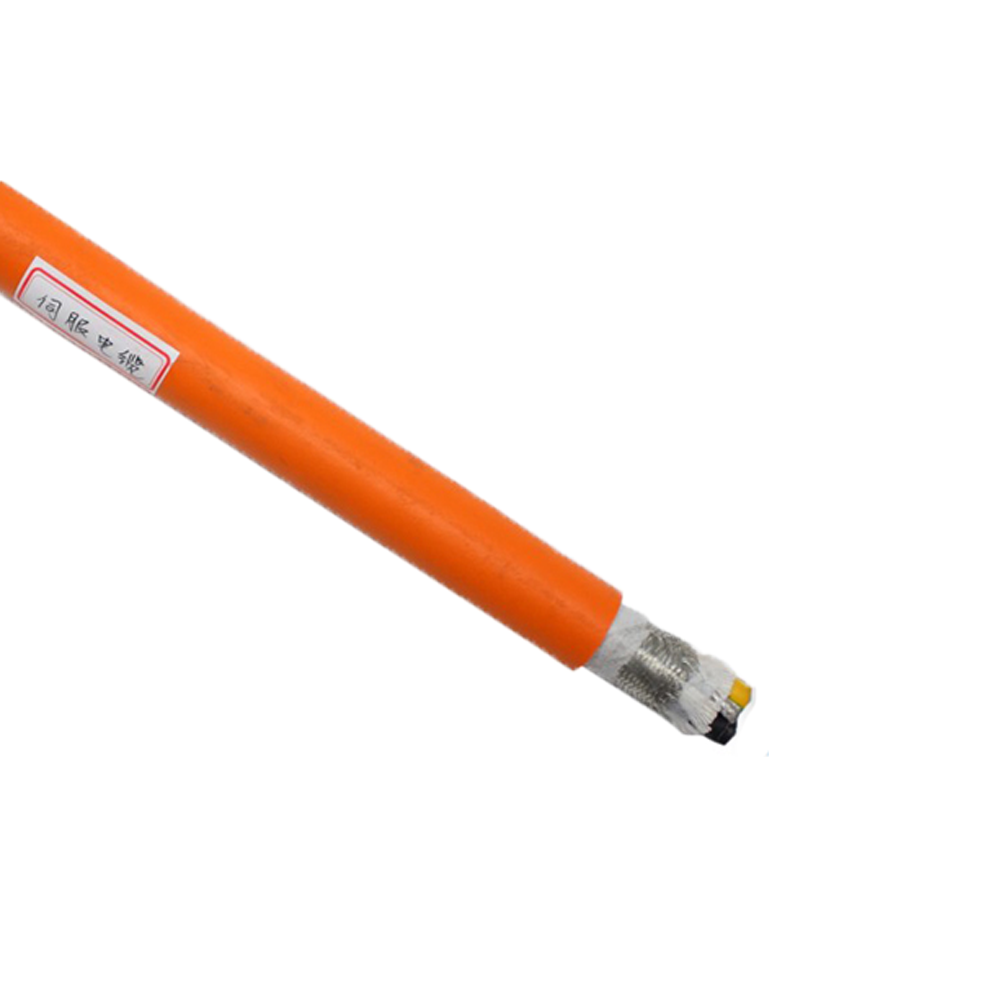
Servo cables are specialized cables designed to connect servo drives to servo motors. They are responsible for transmitting high-precision control commands, feedback signals, and driving power. Their core characteristic is the integration of power lines, encoder feedback lines, and brake lines into a single cable, requiring excellent anti-interference capability, high flexibility, bending endurance, and signal transmission fidelity to ensure precise position, speed, and torque control in servo systems.
Applications
Specifically used in high-dynamic-performance servo motion control systems.
Typical application scenarios include: industrial robots, CNC machining centers, automated assembly lines, printing machinery, packaging machinery, semiconductor manufacturing equipment, medical devices, and any application requiring high-precision closed-loop control with servo motors.
Production
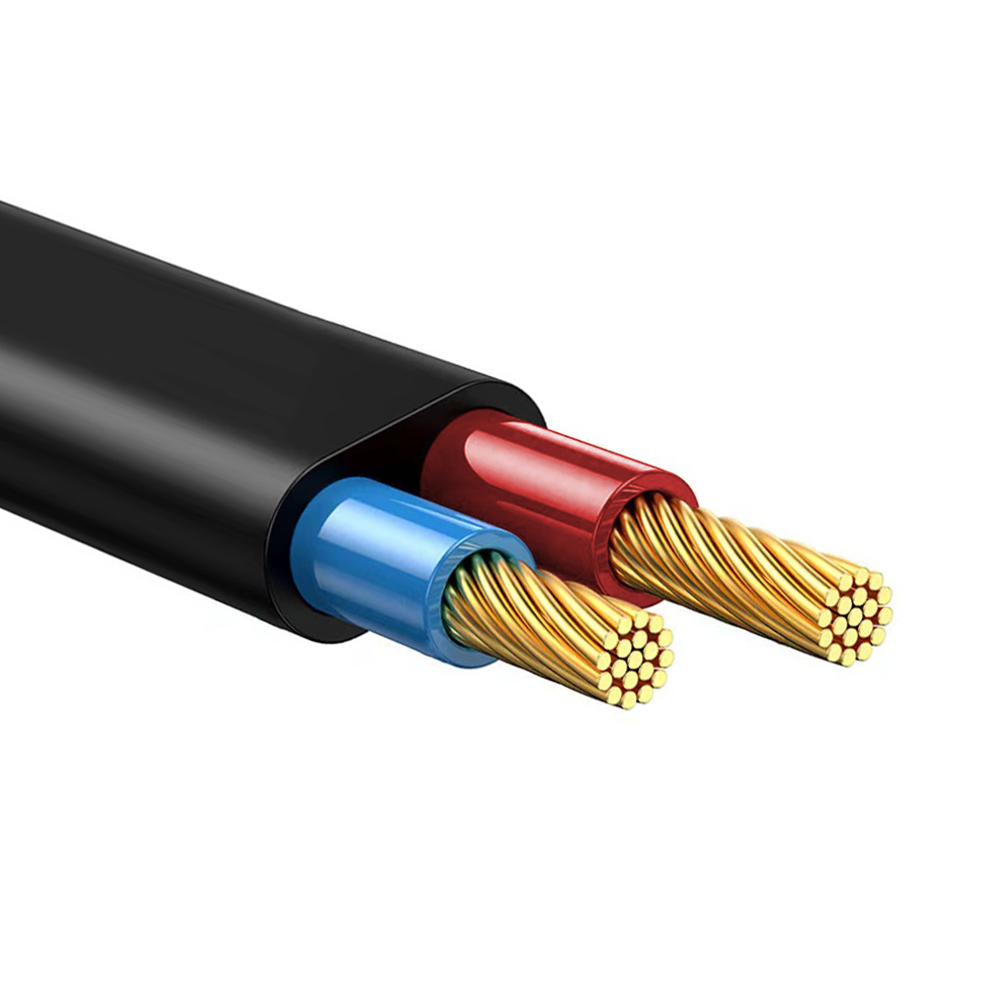
Conductor: Uses ultra-fine, precisely stranded oxygen-free copper wires (typically multi-strand tinned copper wires) to ensure excellent flexibility and bending resistance.
Insulation: Employs high-performance materials such as specialized PE or foamed PE to reduce the dielectric constant, achieving low capacitance and low signal attenuation, which is critical for high-frequency pulse transmission.
Twisting and Shielding:
Power Cores: Typically twisted to reduce electromagnetic radiation.
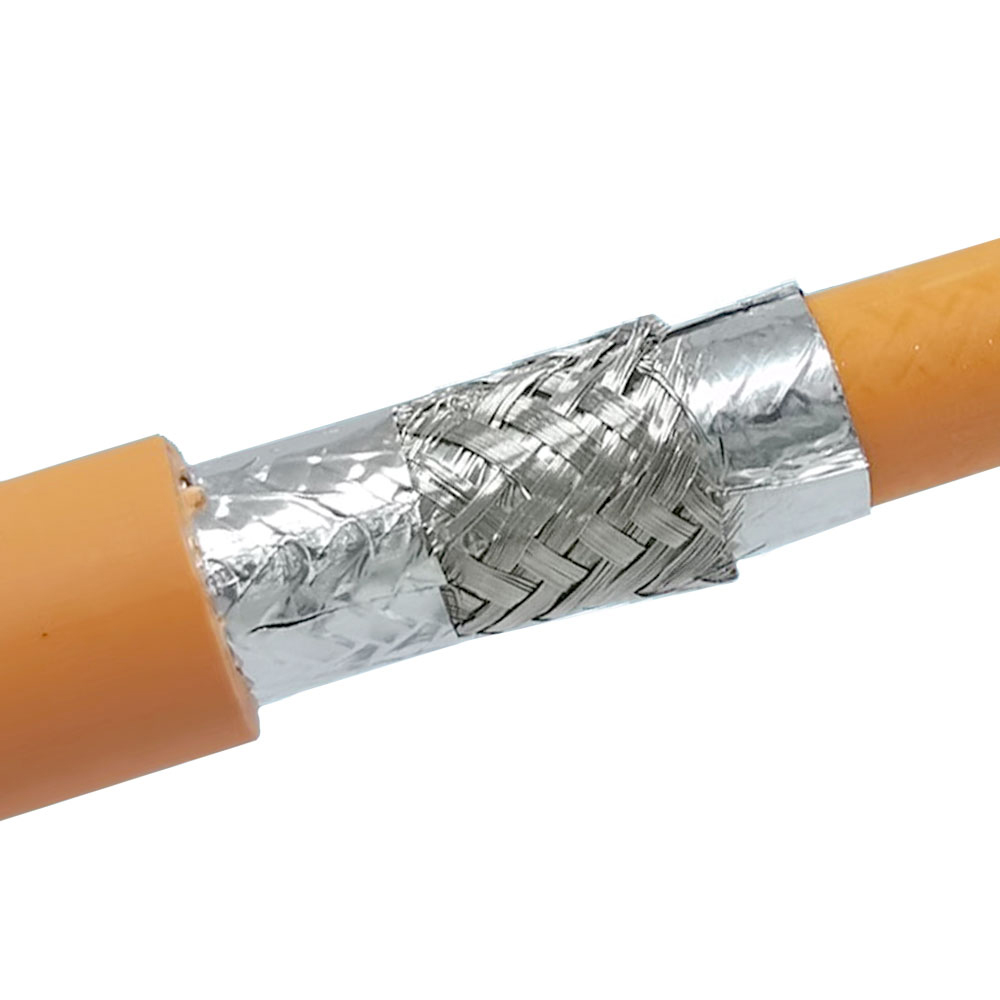
Encoder Feedback Cores: Must undergo high-precision, equal-pitch twisting (e.g., twisted pairs) and be independently shielded (e.g., aluminum foil + tinned copper braided composite shielding) to protect weak differential signals.
Cabling: Integrates power pairs, encoder pairs, brake lines, etc., into an optimized anti-torsion stranding structure, with the addition of a central tensile element (e.g., Kevlar fiber) to withstand mechanical stress.
Overall Shielding: Applies high-coverage (≥85%) tinned copper braided overall shielding around the cable core to provide comprehensive electromagnetic compatibility (EMC) protection.
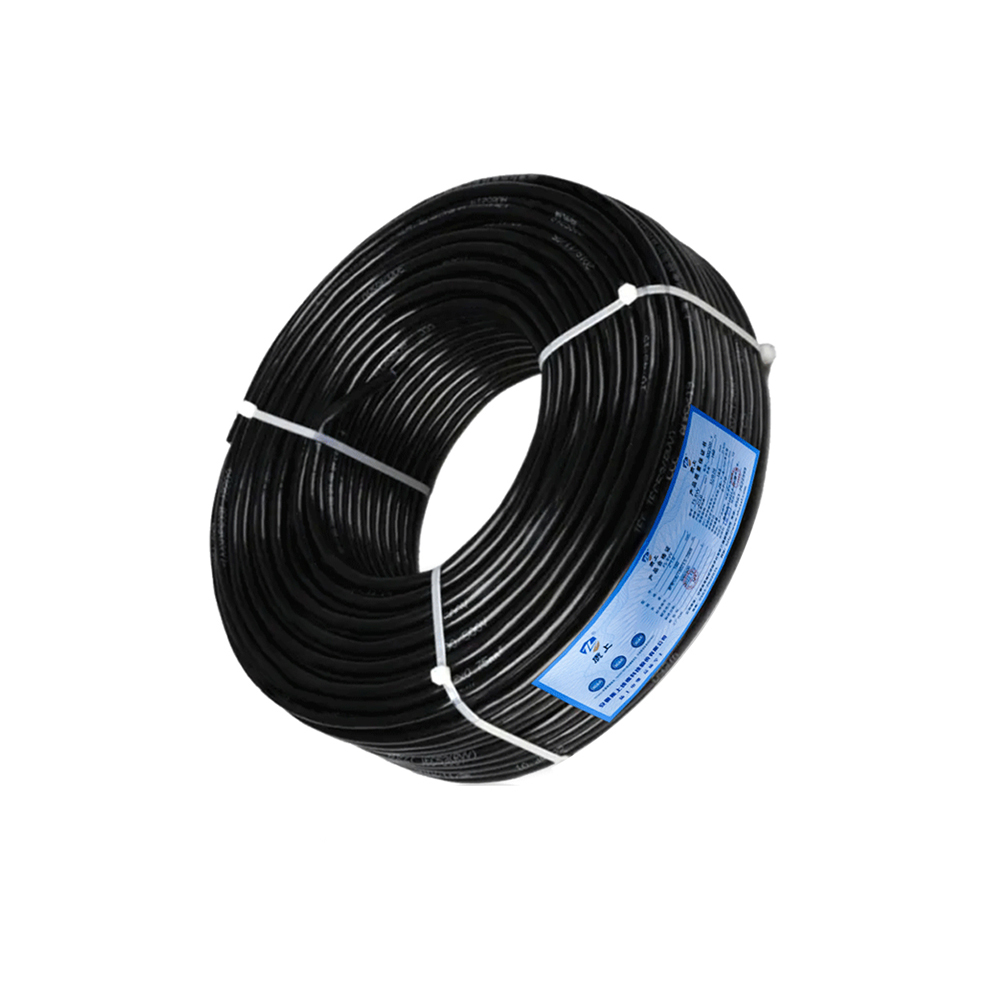
Sheath: Extrudes a high-mechanical-performance outer sheath, such as polyurethane (PUR) or specialized PVC, featuring high wear resistance, oil resistance, tear resistance, and UV resistance, typically in black or orange.
Key Process Controls: Strictly ensure the symmetry and pitch accuracy of twisted pairs; guarantee the continuity and coverage of each shielding layer; perform 100% testing for insulation withstand voltage, continuity, and characteristic impedance; mandatory sampling for high-frequency transmission performance tests and repeated bending/torsion life tests.
Services
Selection Consultation: Provides precise selection recommendations based on servo system specifications (voltage, current, encoder type), dynamic requirements of the application (movement speed, bending radius, travel distance), environmental media (oil, water, chemicals), and whether specific EMC standards need to be met.
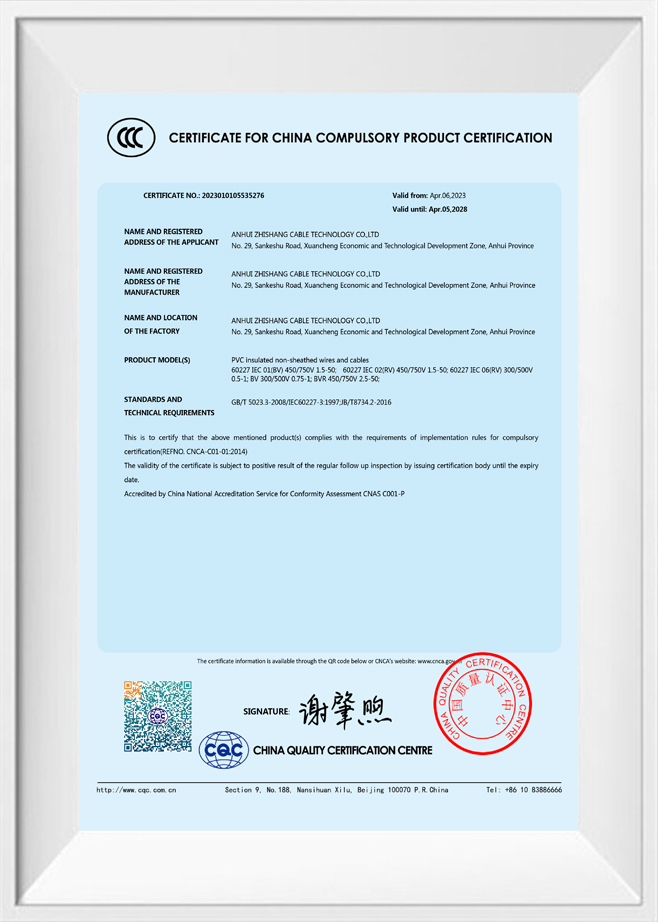
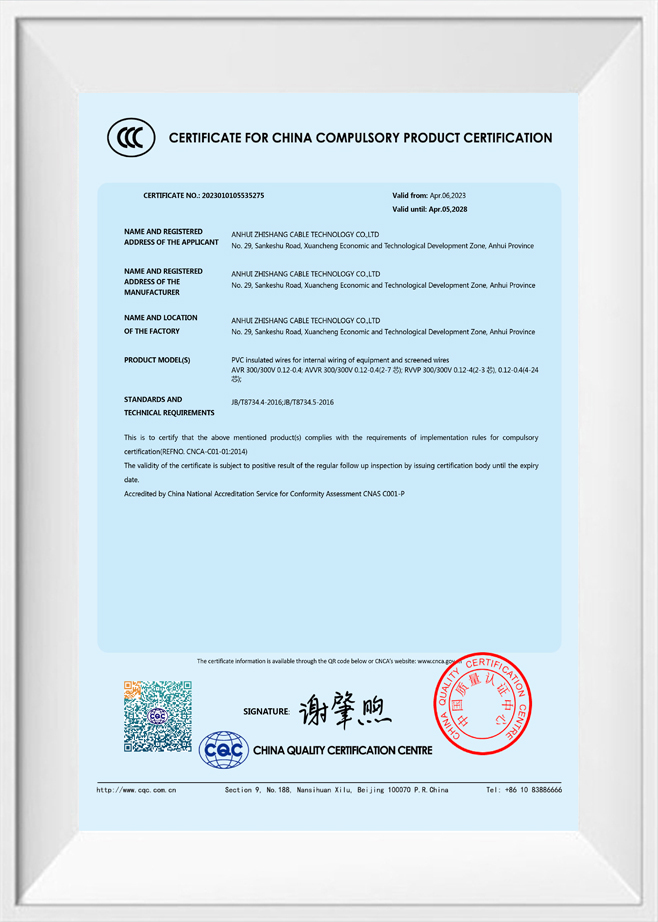
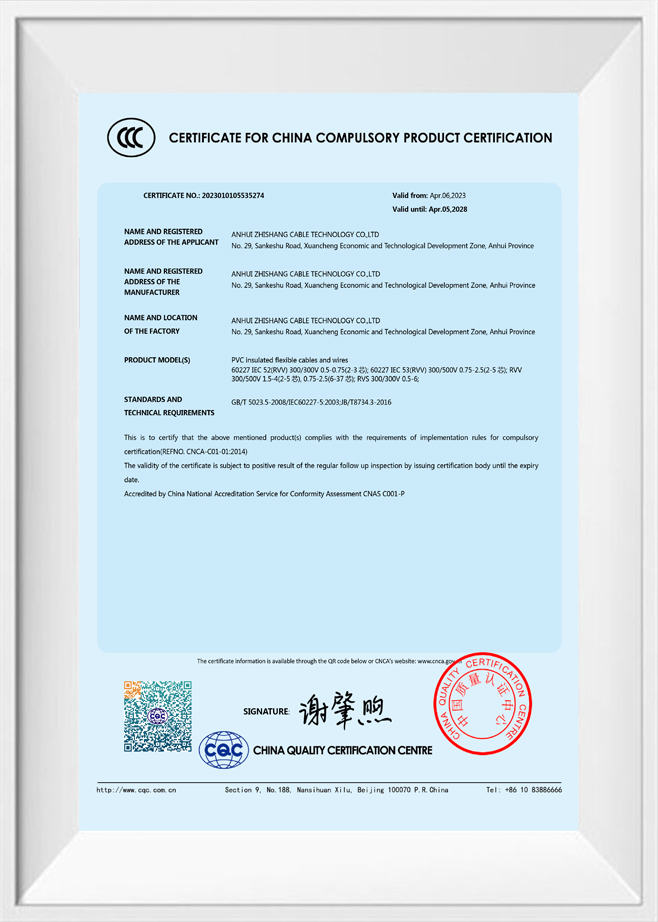
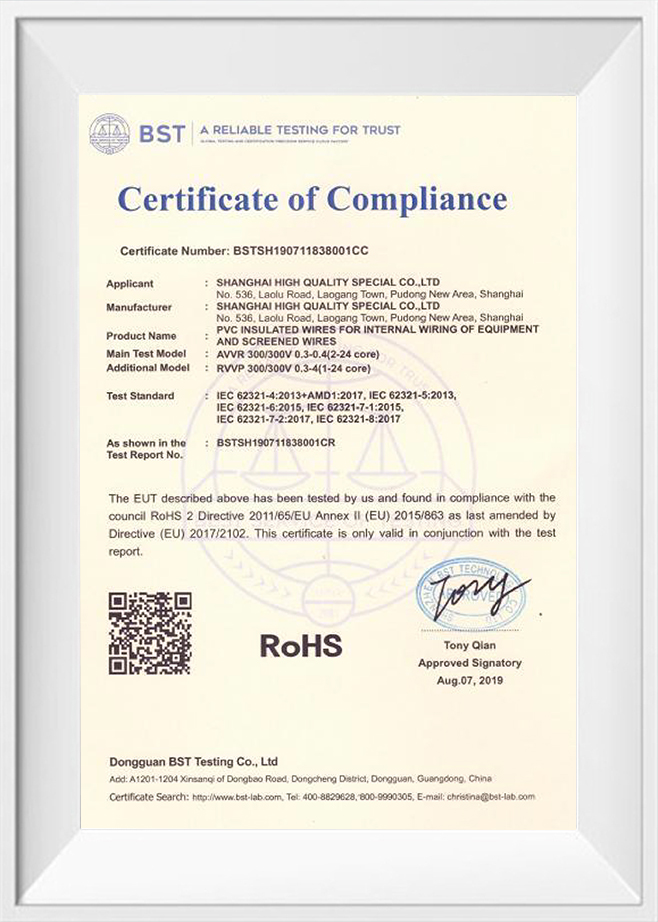
Testing and Certification: Provides high-frequency performance (e.g., bandwidth, crosstalk), EMC (electromagnetic compatibility), and mechanical lifespan test reports, with products compliant with relevant industry standards (e.g., UL, CE, TÜV).
Advantages
High Integration and Space Saving: Integrates power, feedback, and control signals into a single cable, simplifying wiring, reducing connection points, saving internal device space, and lowering installation complexity.
Excellent Signal Integrity: Optimized insulation materials and precise twisted-pair shielding structures effectively suppress electromagnetic interference, ensuring high-speed, distortion-free transmission of control pulses and encoder feedback signals, thereby guaranteeing control accuracy.
Exceptional Dynamic Durability: Specifically designed for continuous motion, offering excellent bending resistance, torsion resistance, and tensile strength, with a long lifespan in high-speed reciprocating motions such as in robots and drag chains.
Reliable and Stable Connection: Typically paired with high-quality, vibration-resistant specialized connectors, ensuring stable connections in vibrating environments and reducing failures caused by poor contact.
Enhanced System Performance and Reliability: By ensuring synchronous and stable transmission of power and signals, it directly reduces system errors, improves the response speed, positioning accuracy, and overall operational stability of the servo system, and lowers downtime risks.

 English
 Español
 عربى
عربى
 русский