Comprehensive Introduction to Silicone Rubber Cables
I. Definition and Core Characteristics
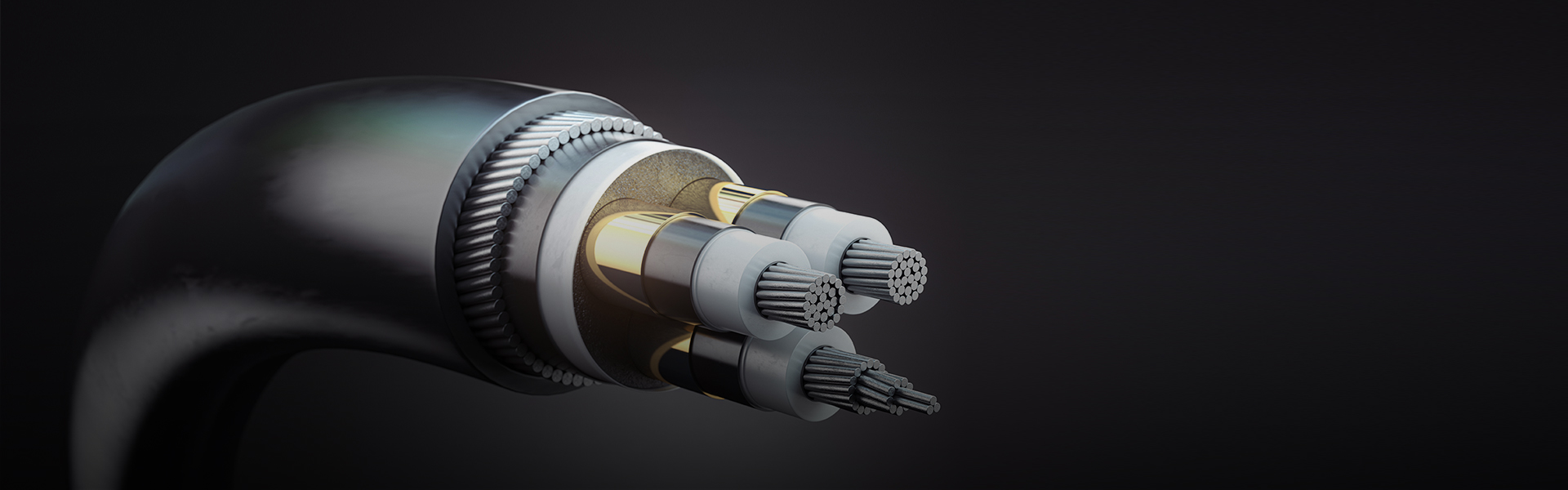
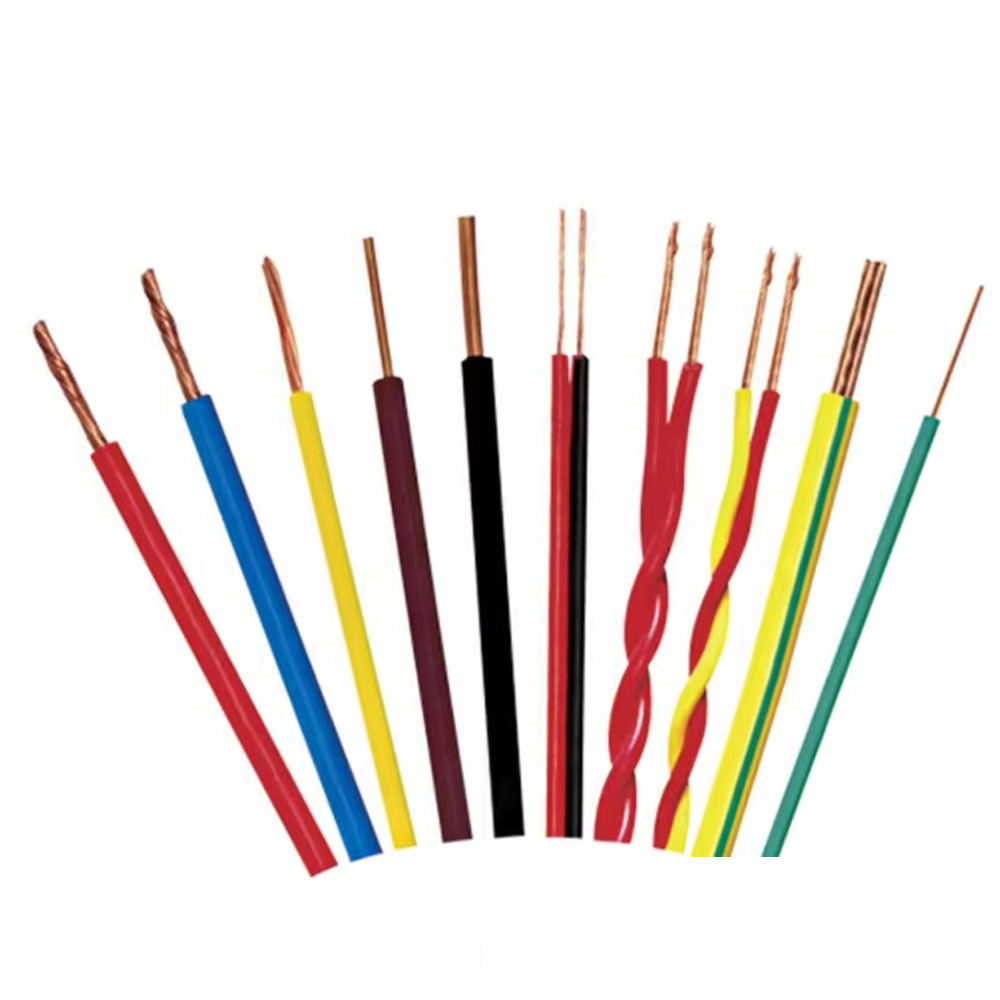
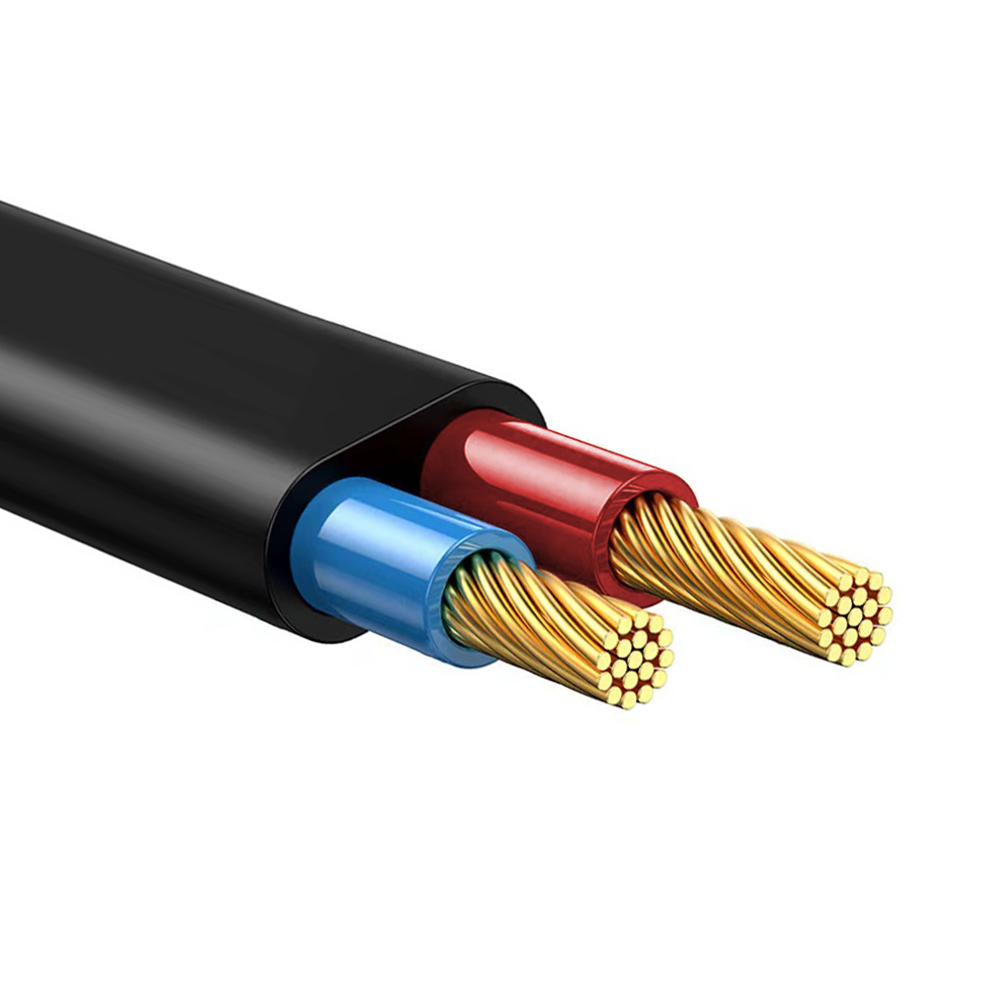
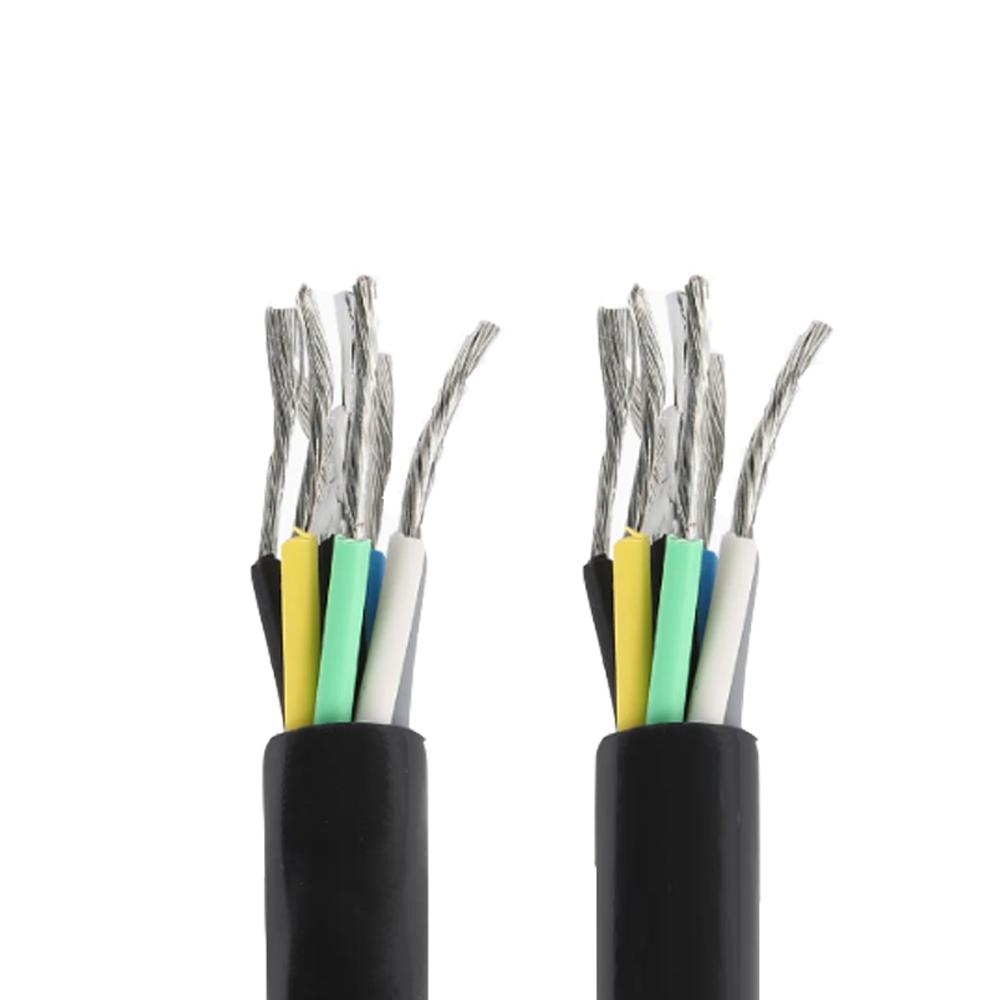
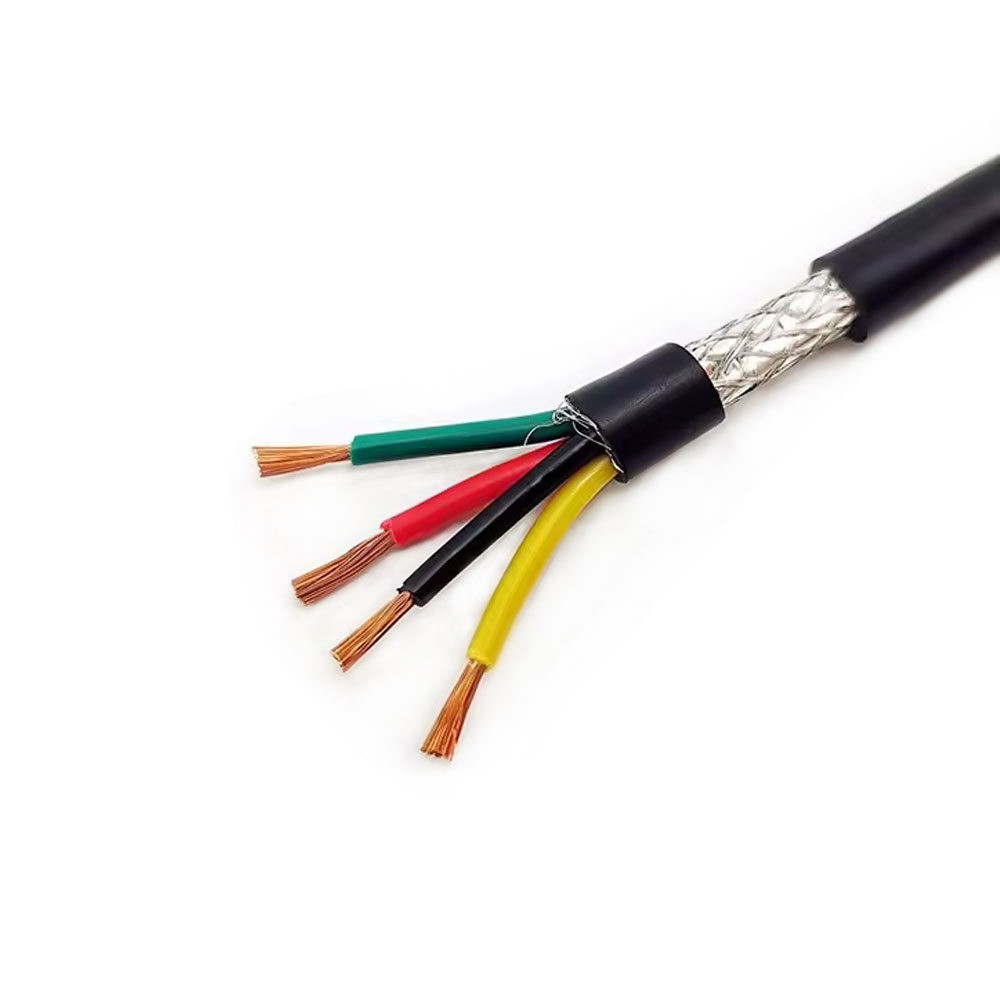
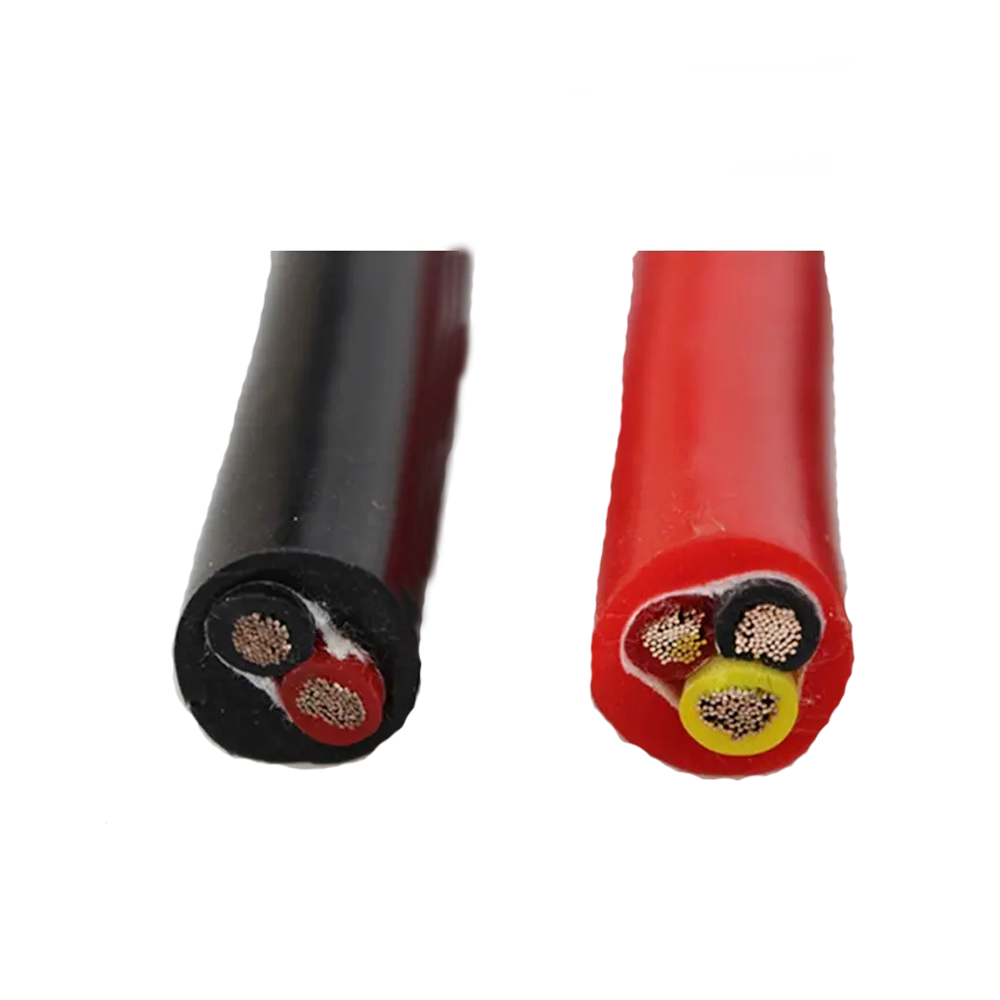
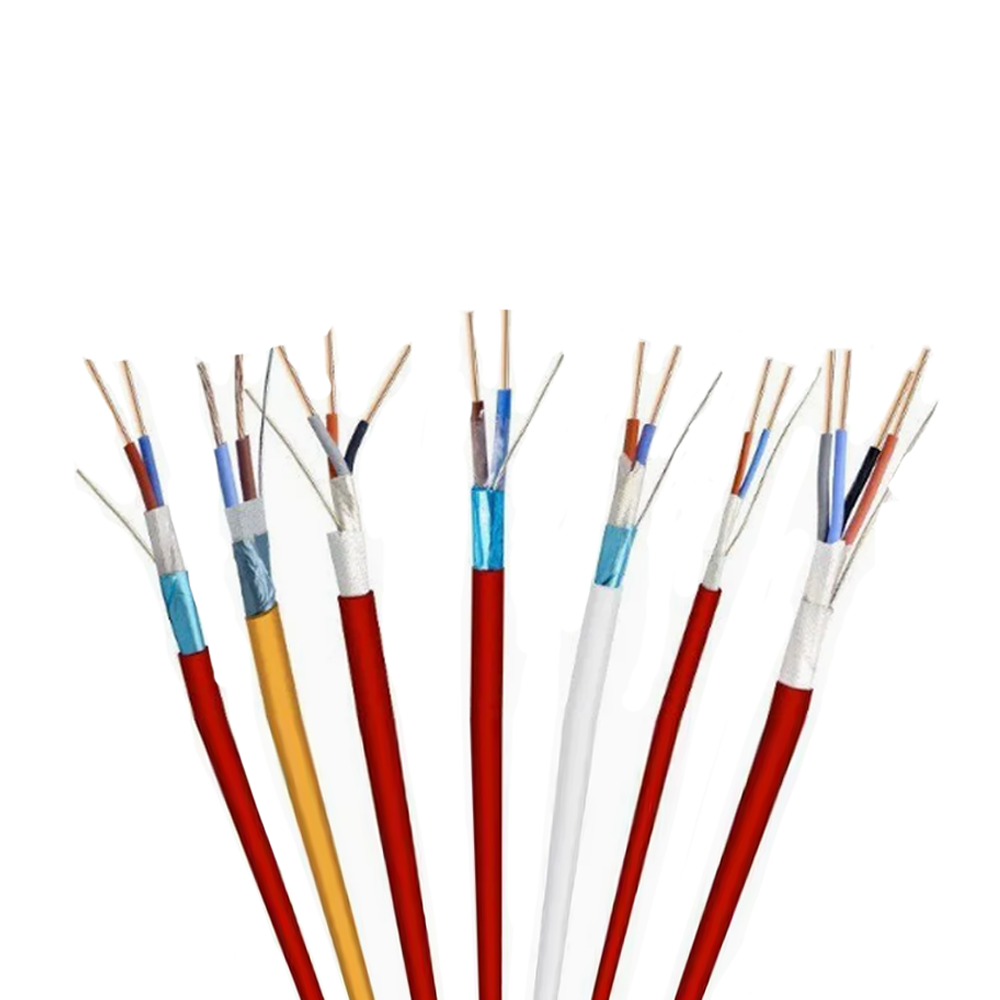
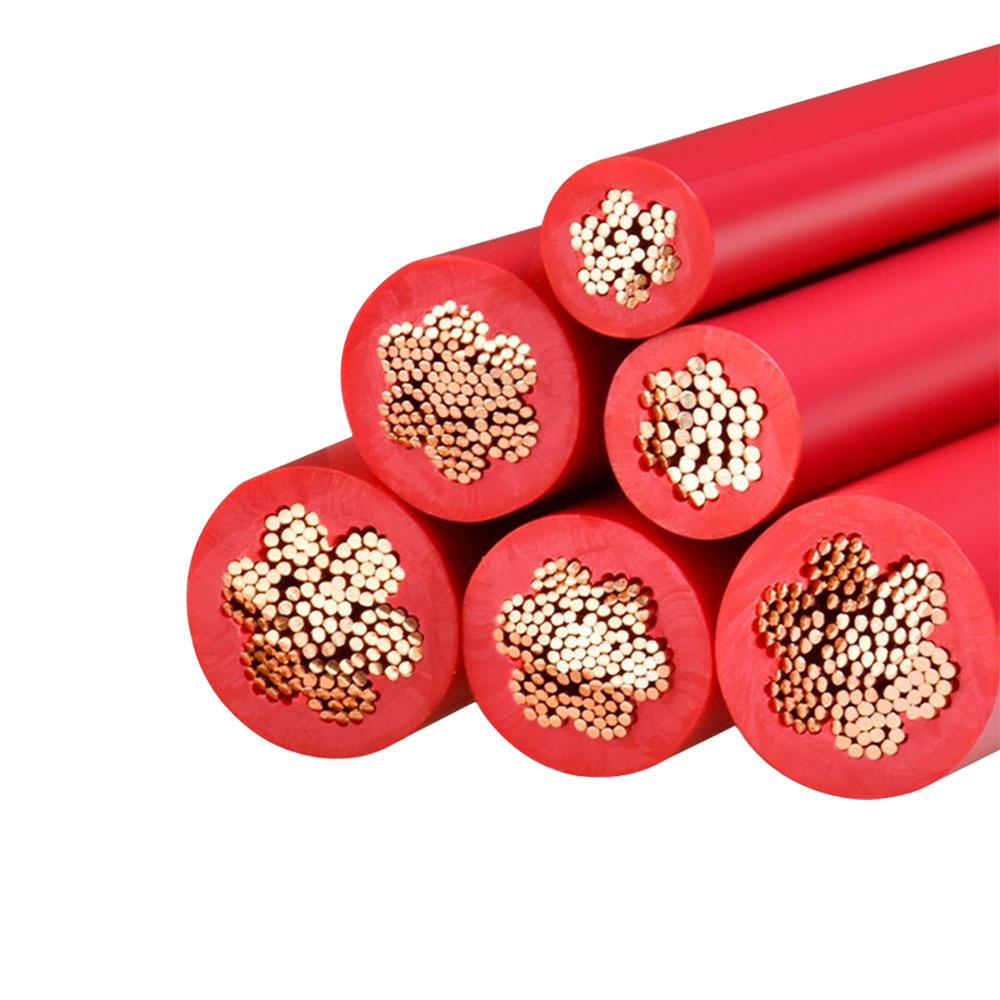
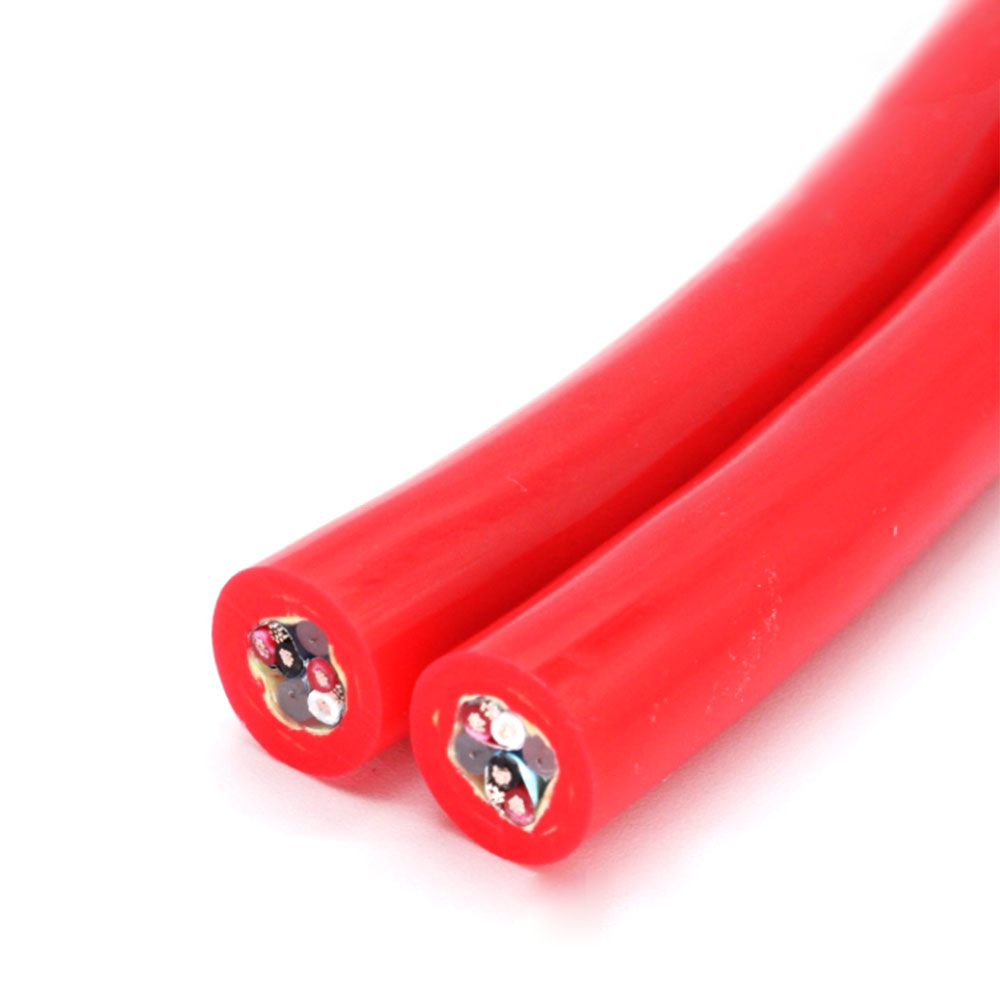
Silicone rubber cables refer to specialty cables that use silicone rubber as the primary insulation and/or sheathing material. Silicone rubber is an inorganic polymer with a main chain composed of silicon-oxygen (Si-O) bonds. This unique molecular structure endows the cables with a series of outstanding properties for operation in extreme environments, particularly renowned for high-temperature resistance and flexibility.
Core Characteristics:
Exceptional High-Temperature Resistance: Extremely wide long-term operating temperature range, typically from -60°C to +180°C, with some specialized models capable of reaching 200°C or higher. Physical and mechanical properties exhibit minimal degradation at high temperatures.
Excellent Low-Temperature Resistance: Maintains good flexibility even at extremely low temperatures (e.g., -60°C) without becoming brittle.
Outstanding Flexibility and Elasticity: Silicone rubber material itself exhibits high elasticity, making the cables very soft across a wide temperature range, facilitating installation and bending in confined spaces.
Stable Chemical and Electrical Properties: Resistant to ozone, UV radiation, and radiation. Electrical insulation performance remains stable under high temperatures and humid conditions. Exhibits certain flame retardancy and self-extinguishing properties.
II. Main Types and Application Scenarios
High-Temperature Equipment Connection Wires: Used for internal wiring or external connections of equipment in high-temperature environments such as industrial furnaces, ovens, boilers, and engine test benches.
Household Appliance Internal Wires: Used inside heat-generating appliances like rice cookers, ovens, microwaves, and heaters, particularly for wiring near heat sources.
Lighting Equipment Cables: Especially for lighting equipment with high heat generation, such as stage lighting, high-power floodlights, and high-temperature industrial lamps.
New Energy and Transportation Fields: Used for internal wiring of electric vehicle charging station cables, high-temperature area connections in battery packs, and high-temperature-resistant wiring in high-speed trains and subway vehicles.
Special Equipment and Instruments: Used in medical equipment (e.g., X-ray machines), welding equipment, glass processing equipment, and other applications requiring high-temperature resistance and flexibility.
III. Key Production Process Controls
Mixing and Preprocessing: Silicone rubber raw material must be thoroughly mixed with reinforcing agents (e.g., fumed silica), structure control agents, and heat-resistant additives in an internal mixer, followed by filtering to prepare a uniform rubber compound.
Extrusion Process: Cold-feed extruders are used. Due to the low strength and susceptibility to deformation of silicone rubber before vulcanization, precise control of extrusion speed, temperature, and die design is required to ensure uniformity and roundness of the insulation/sheathing.
Vulcanization Process: This is a critical step. Typically, continuous vulcanization (CV) with high-temperature steam, hot air vulcanization, or radiation vulcanization is employed. Precise control of vulcanization temperature, time, and pressure is essential to complete the cross-linking reaction of silicone rubber, achieving optimal physical, mechanical, and thermal stability properties.
Conductor Preheating: Preheating the conductor before insulation extrusion improves adhesion between the silicone rubber and the conductor (especially copper conductors), preventing delamination at high temperatures.
Appearance and Performance Testing: Strict control over surface smoothness and testing such as high-voltage spark testing, hot elongation testing, and high-temperature aging testing are conducted to ensure product reliability under extreme conditions.
IV. Detailed Core Advantages
Extreme Temperature Adaptation: The most critical advantage. Capable of stable operation in extremely cold and hot environments, making it an irreplaceable choice for many high-temperature applications.
Long-Term Thermal Stability and Extended Lifespan: Can operate long-term at 180°C, with slow material aging. Service life far exceeds that of ordinary PVC or PE cables, reducing replacement frequency and maintenance costs due to insulation thermal aging.
Safety and Reliability: Good flame retardancy and low-smoke, low-toxicity characteristics (especially halogen-free formulations) provide extended safety time in fire situations. Excellent electrical stability ensures insulation does not fail at high temperatures.
Convenient Installation and Use: Maintains flexibility across a wide temperature range, facilitating installation, movement, and maintenance in complex wiring environments.
Strong Environmental Tolerance: Good resistance to ozone, UV radiation, moisture, mold, and various chemicals, making it suitable for various harsh indoor and outdoor environments.
Summary
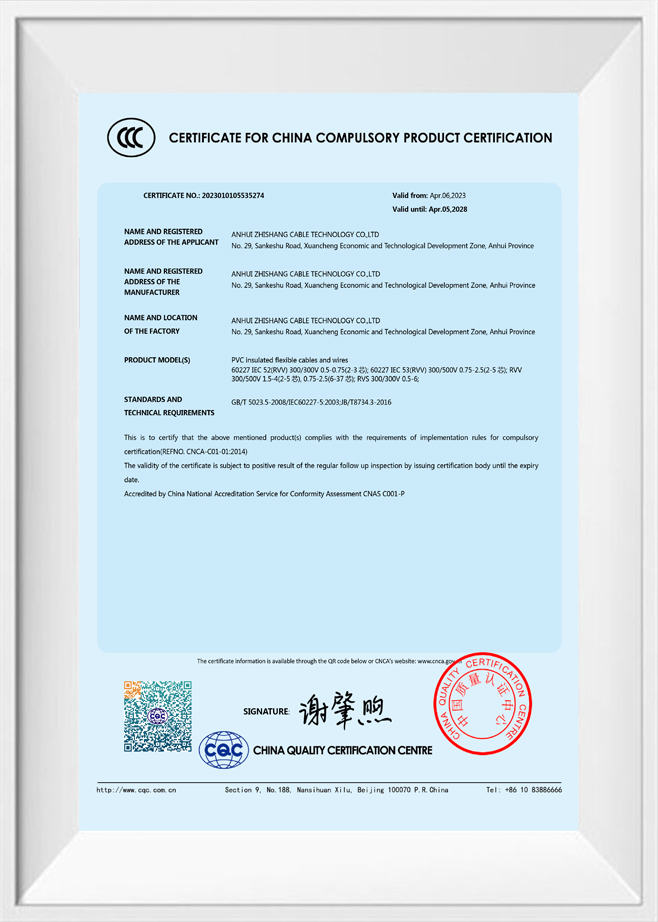
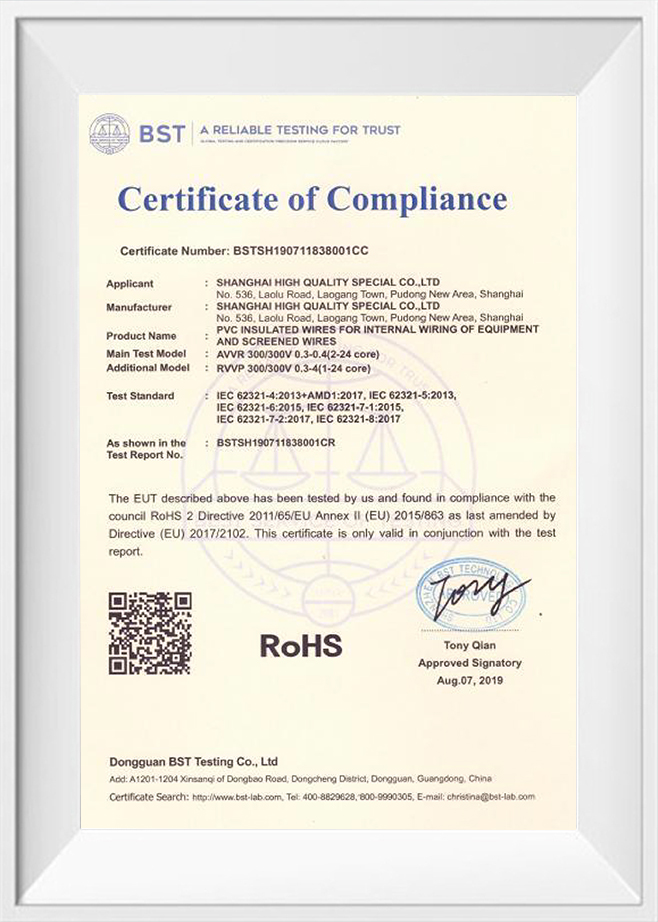
Silicone rubber cables are an expert-level solution for addressing challenges in extreme high and low-temperature environments. Their core value lies in the unparalleled temperature adaptability and stability of the silicone rubber material itself. Although the raw material cost is higher than that of ordinary cables, in critical applications requiring long-term heat resistance, flexibility, and safety, the improvements in reliability, reduced maintenance costs, and enhanced safety provide extremely high lifecycle cost-effectiveness. When selecting, key focus should be placed on the supplier's silicone rubber formulation technology, vulcanization process control capabilities, and the authenticity of relevant high-temperature test reports.

 English
 Español
 عربى
عربى
 русский