Polyurethane (PUR) Specialty Cable
Introduction
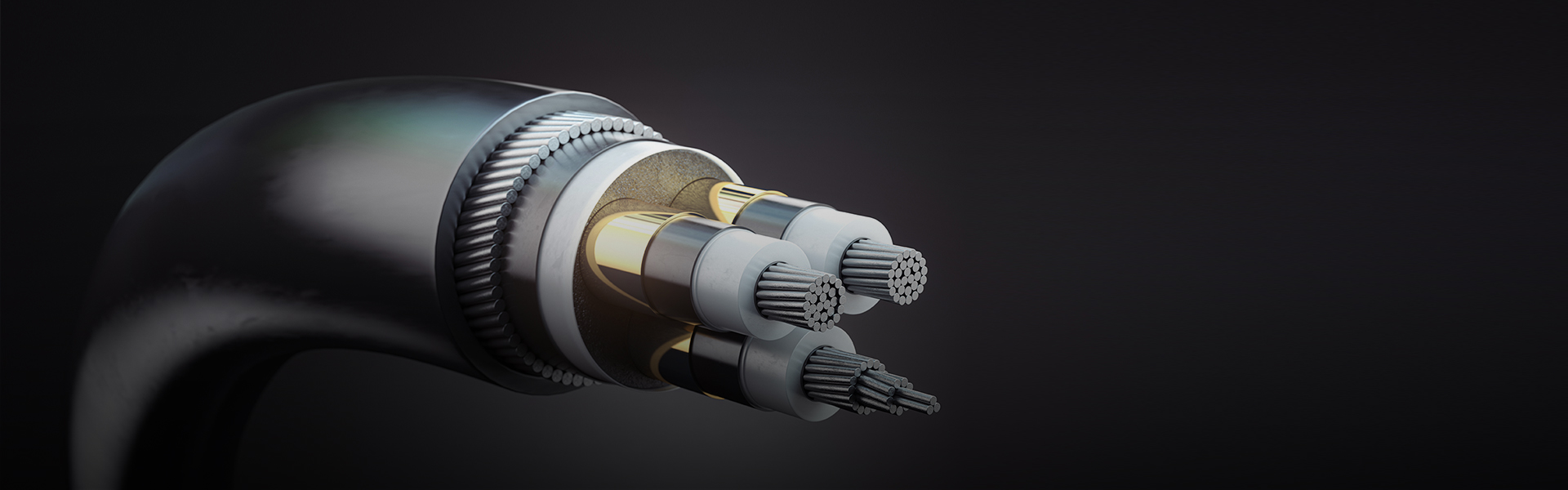
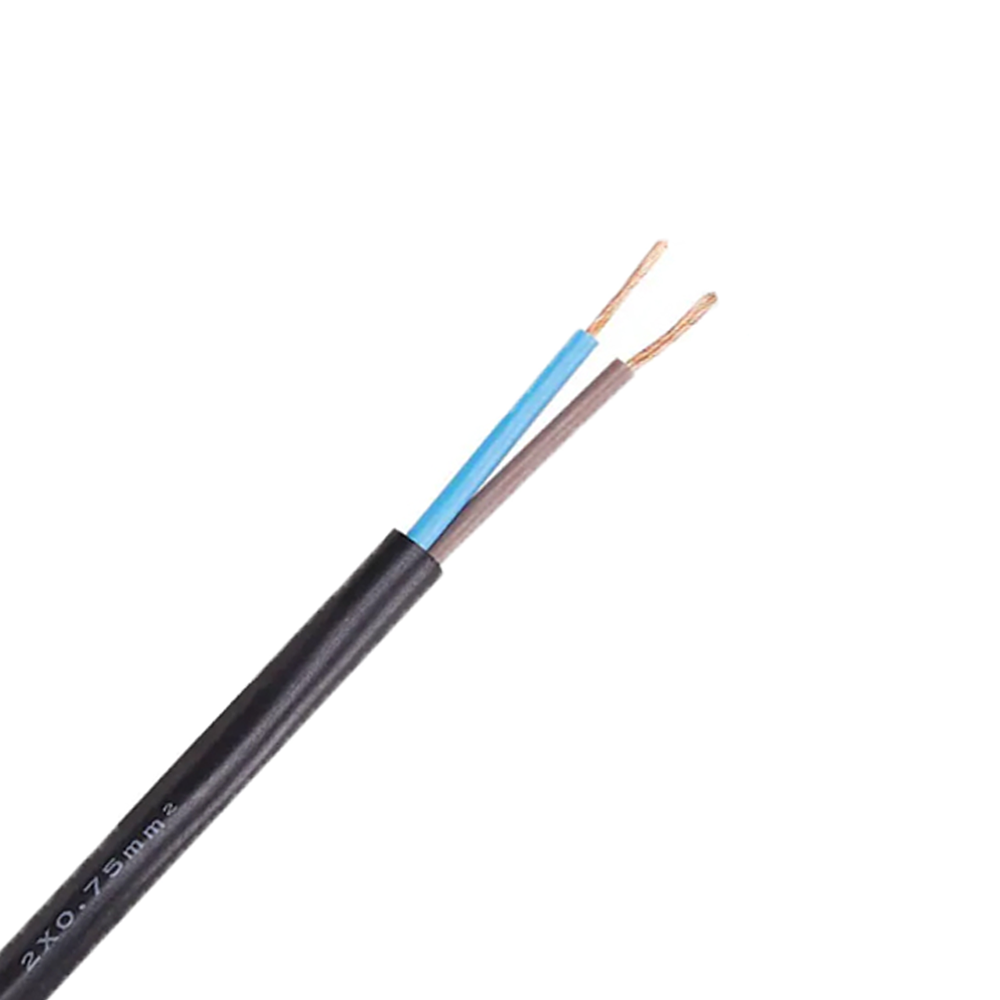
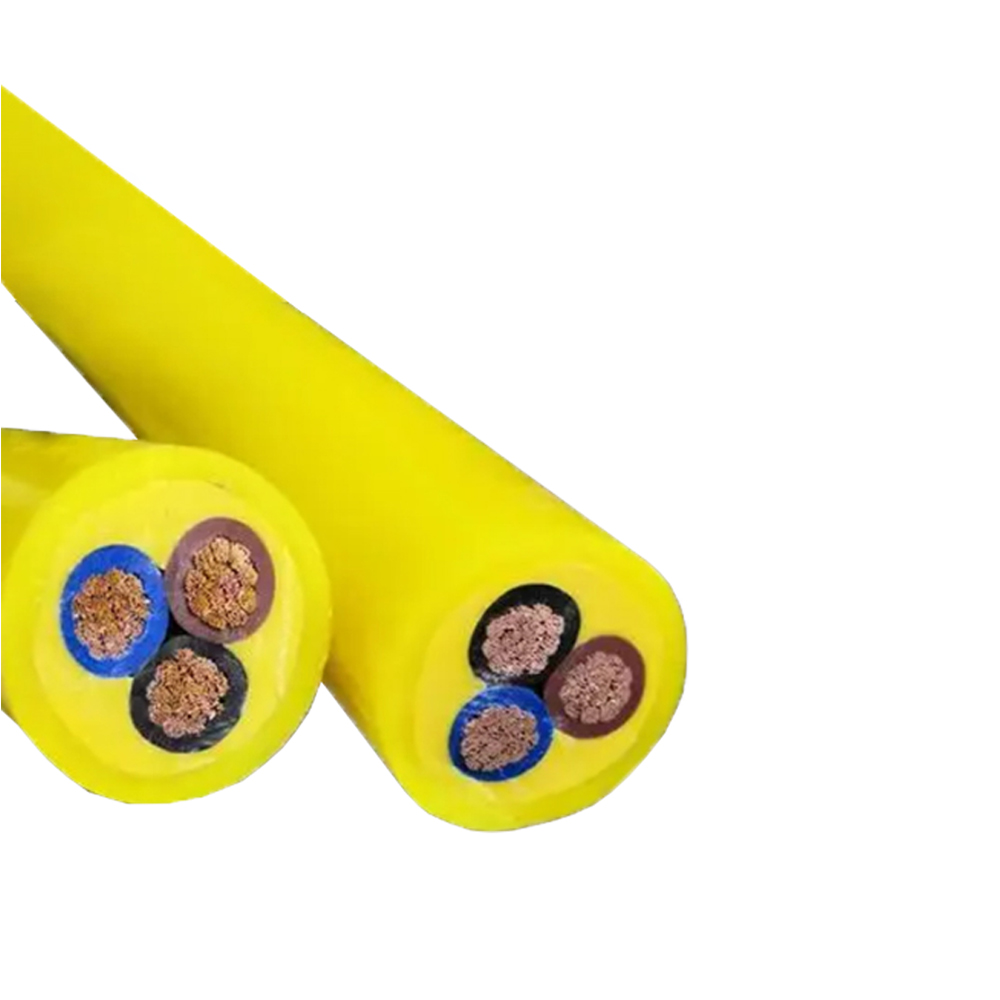
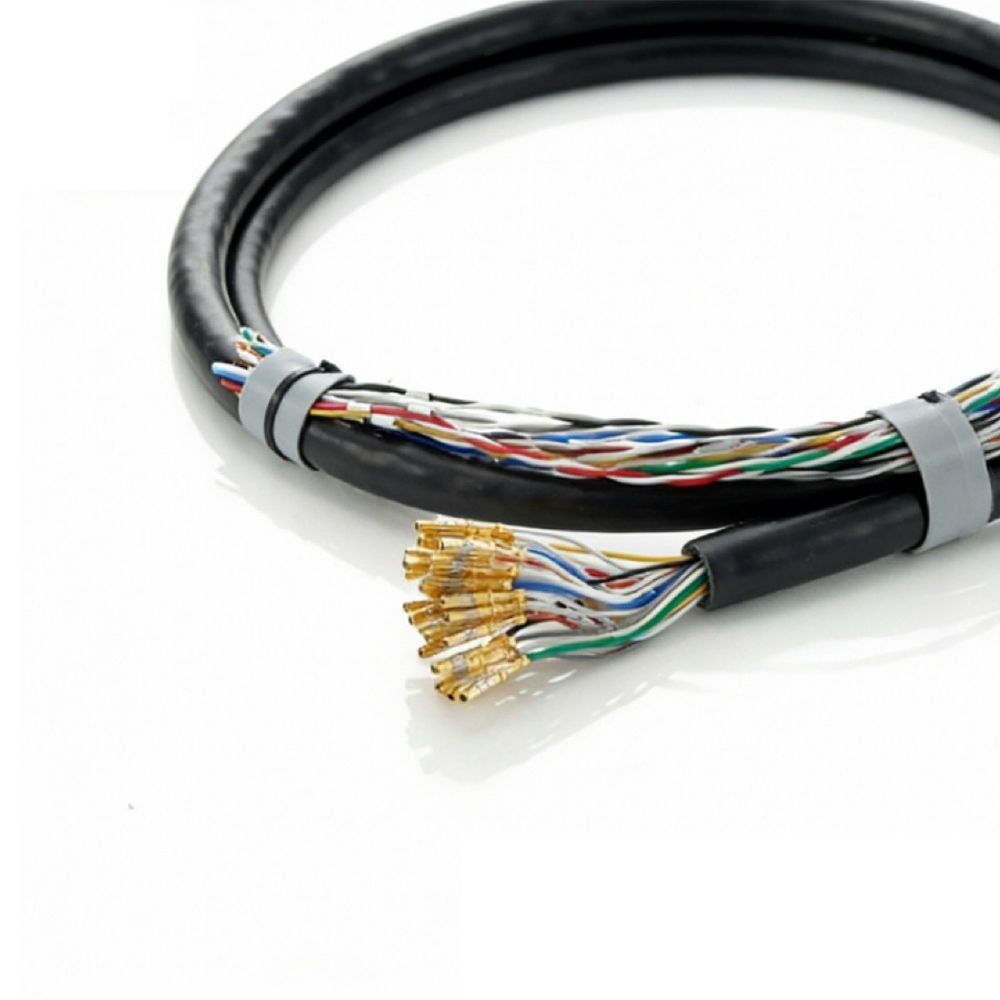
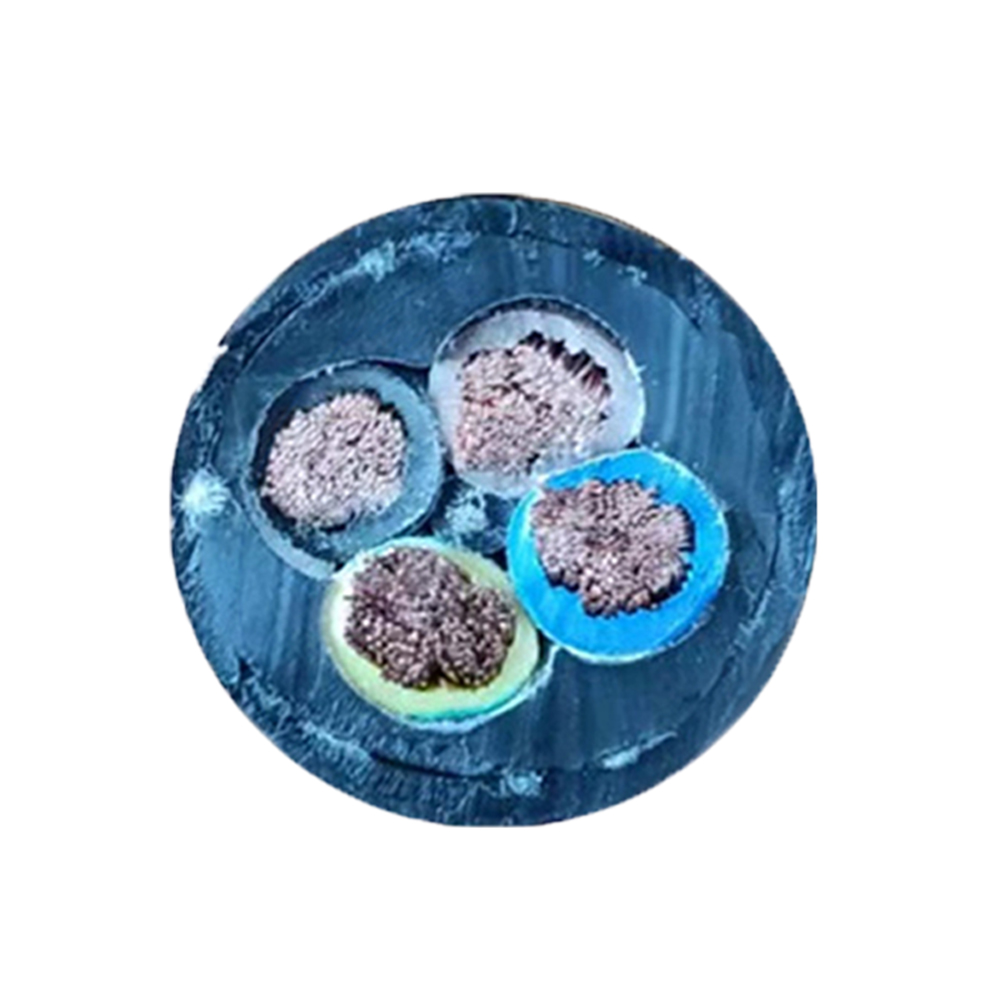
Polyurethane (PUR) specialty cables are a type of specialized cable that uses polyurethane elastomer as the outer sheath material. Their core characteristic is the sheath's exceptionally superior mechanical properties, including high wear resistance, high oil resistance, high tear resistance, high flexibility, and good low-temperature resistance. They are specifically designed for frequent use in harsh mechanical stress, chemical corrosion, and complex environmental conditions with frequent movement.
Applications
Suitable for mobile equipment and harsh industrial environments that require an extremely long mechanical lifespan and excellent environmental tolerance.
Typical application scenarios include: industrial robots, drag chain systems, high-speed moving CNC machine tools, mobile power supply for port cranes and stacker-reclaimers, automated logistics equipment (e.g., stackers), construction machinery, food and beverage processing equipment (requiring grease resistance and frequent cleaning), stage lighting and sound equipment, and outdoor mobile devices.
Production
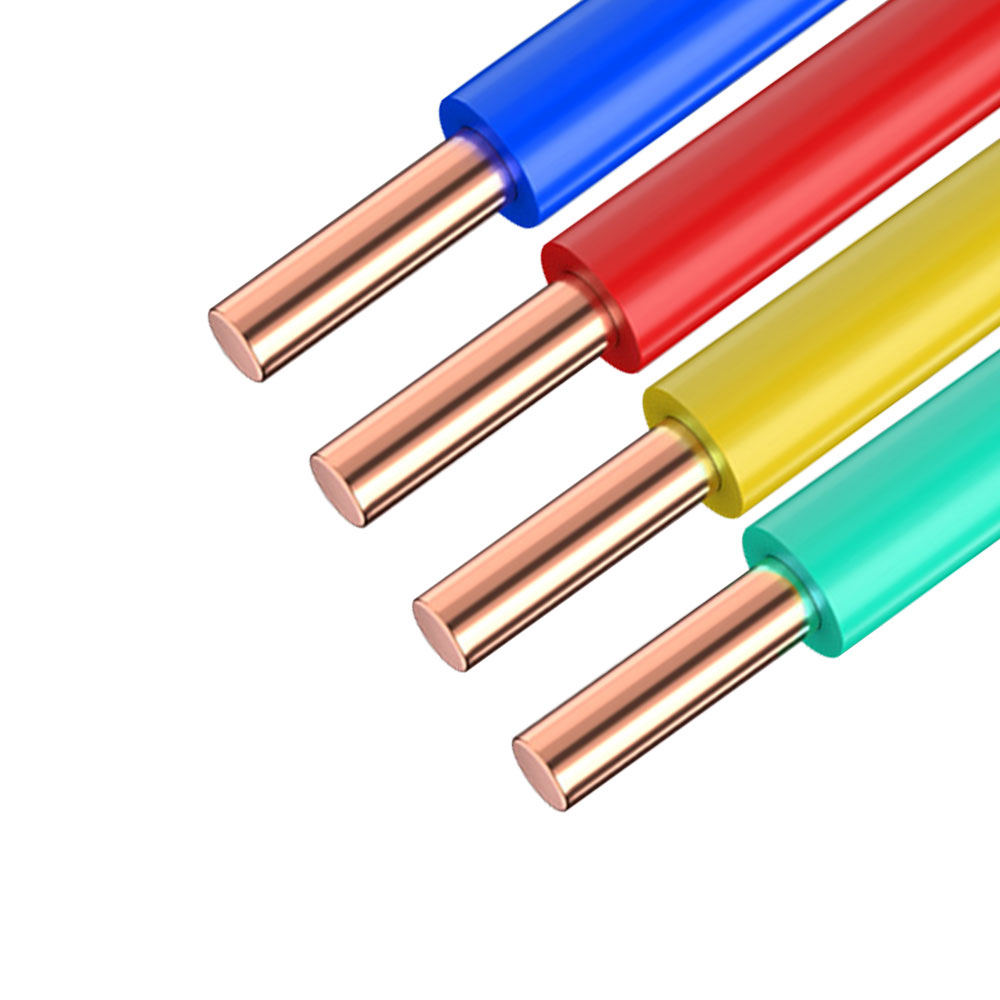
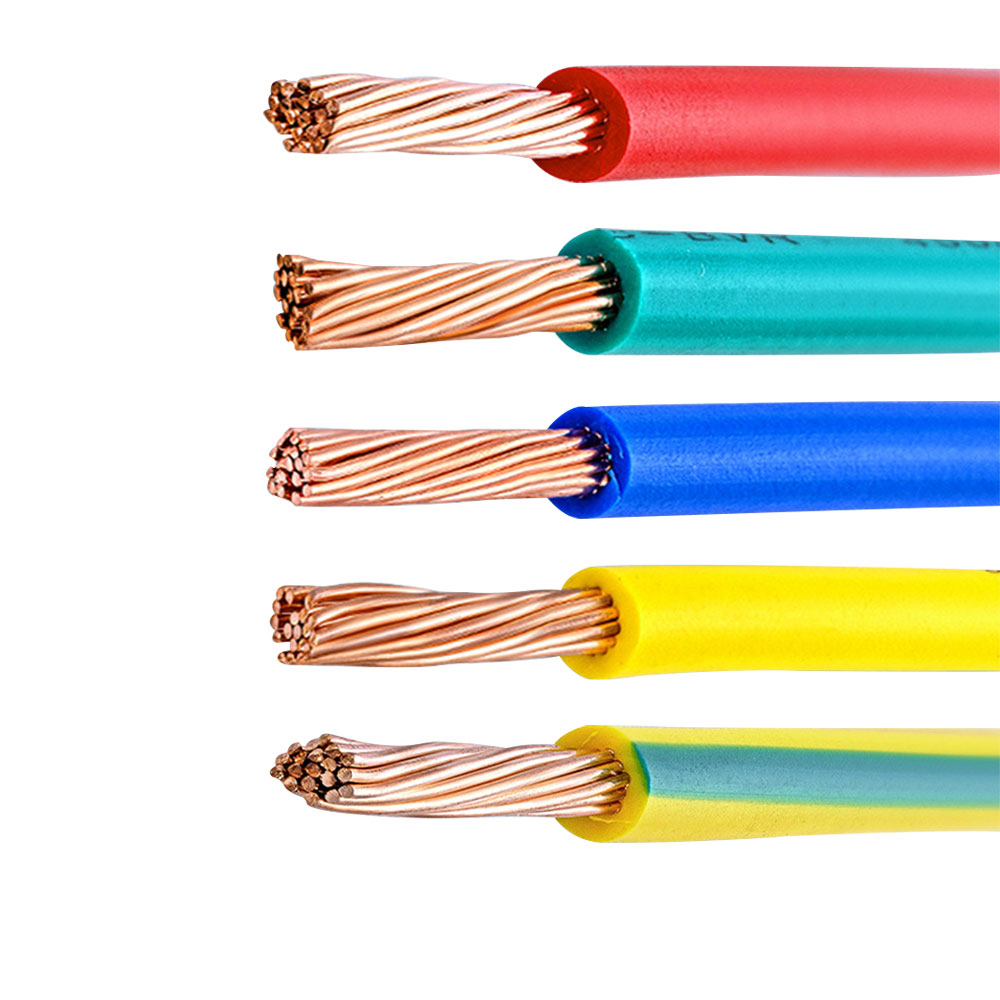
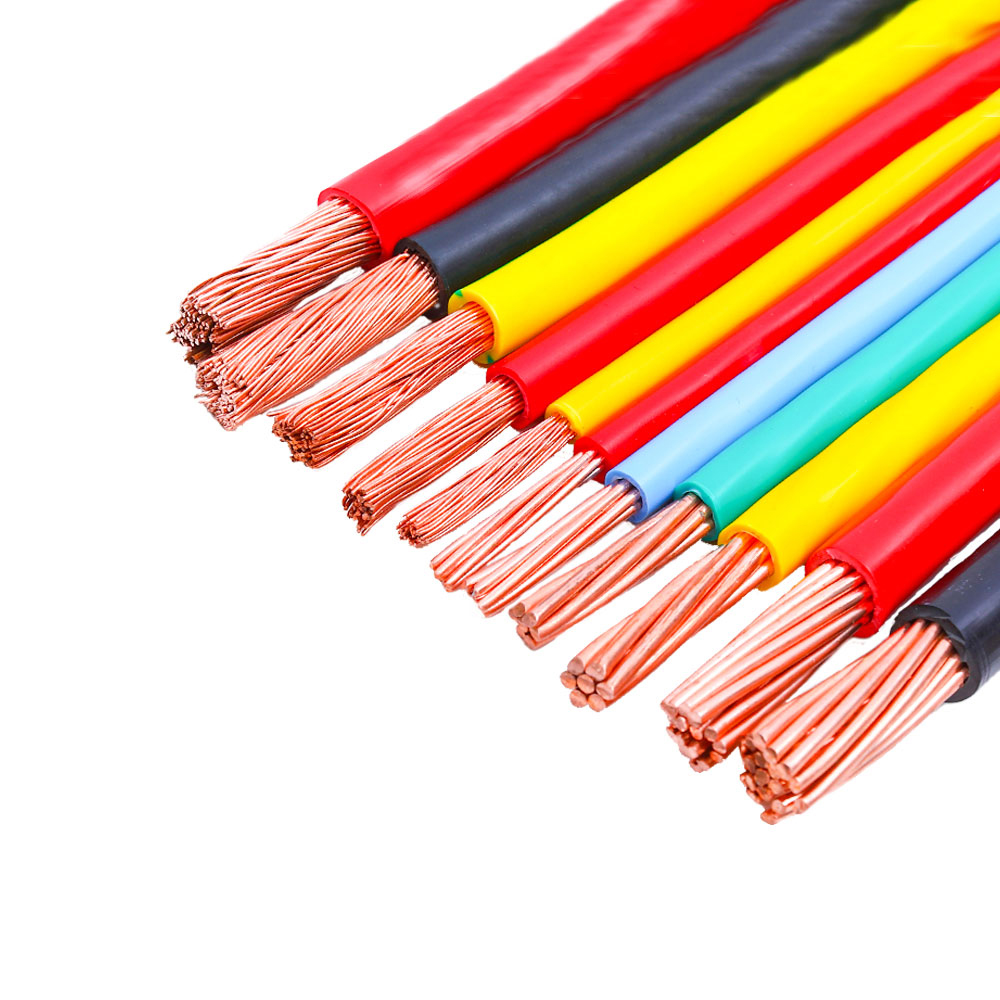
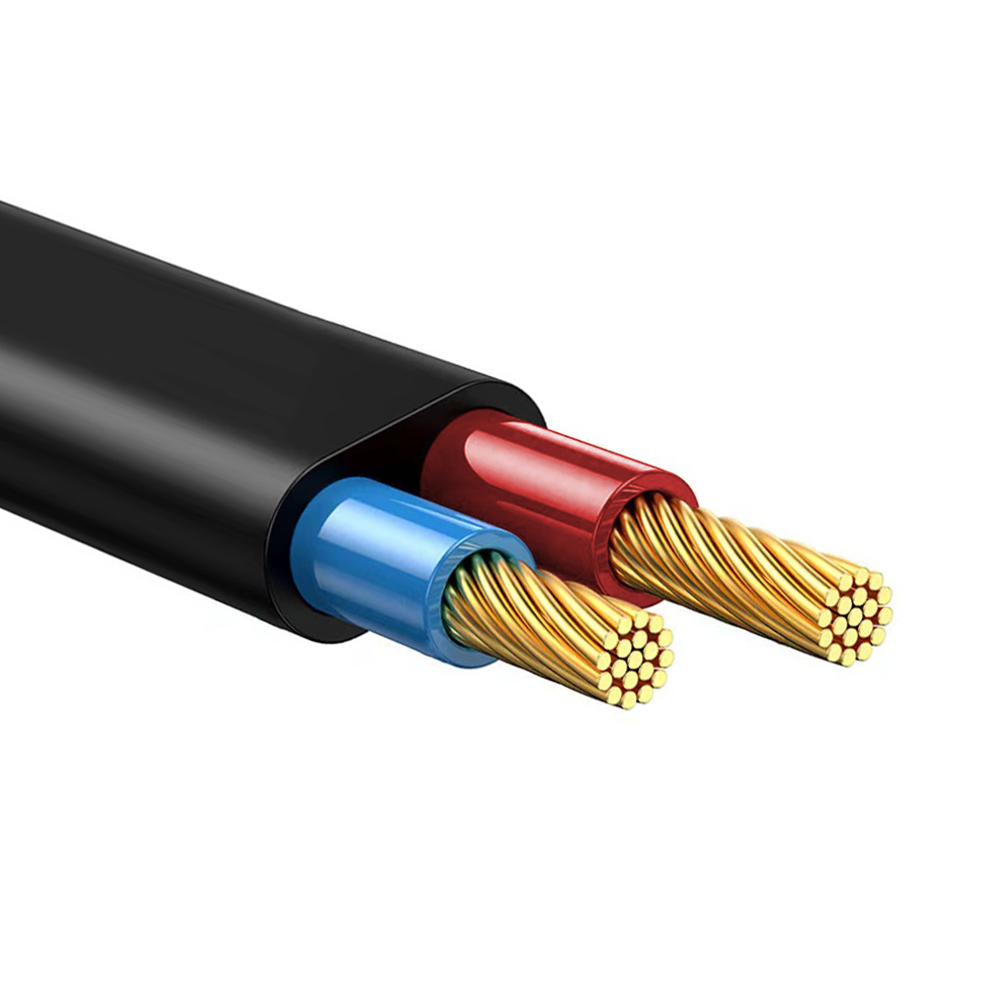
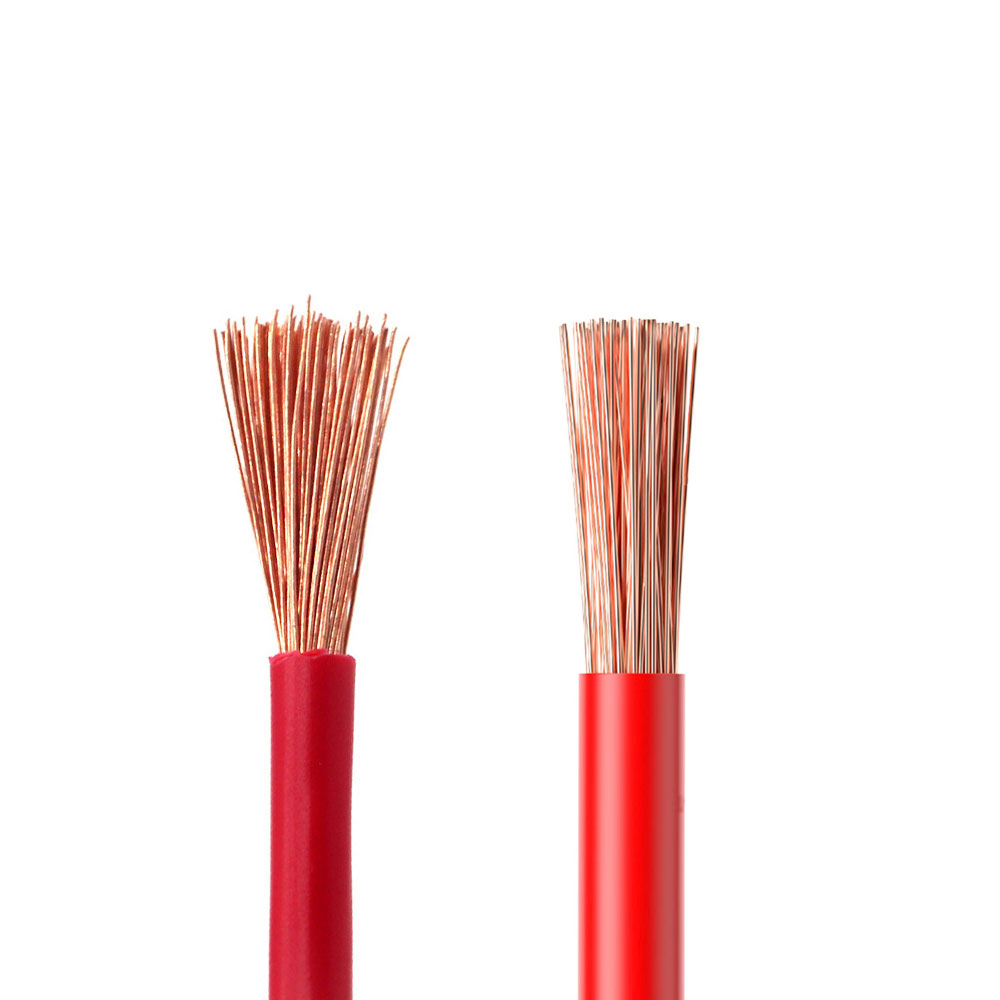
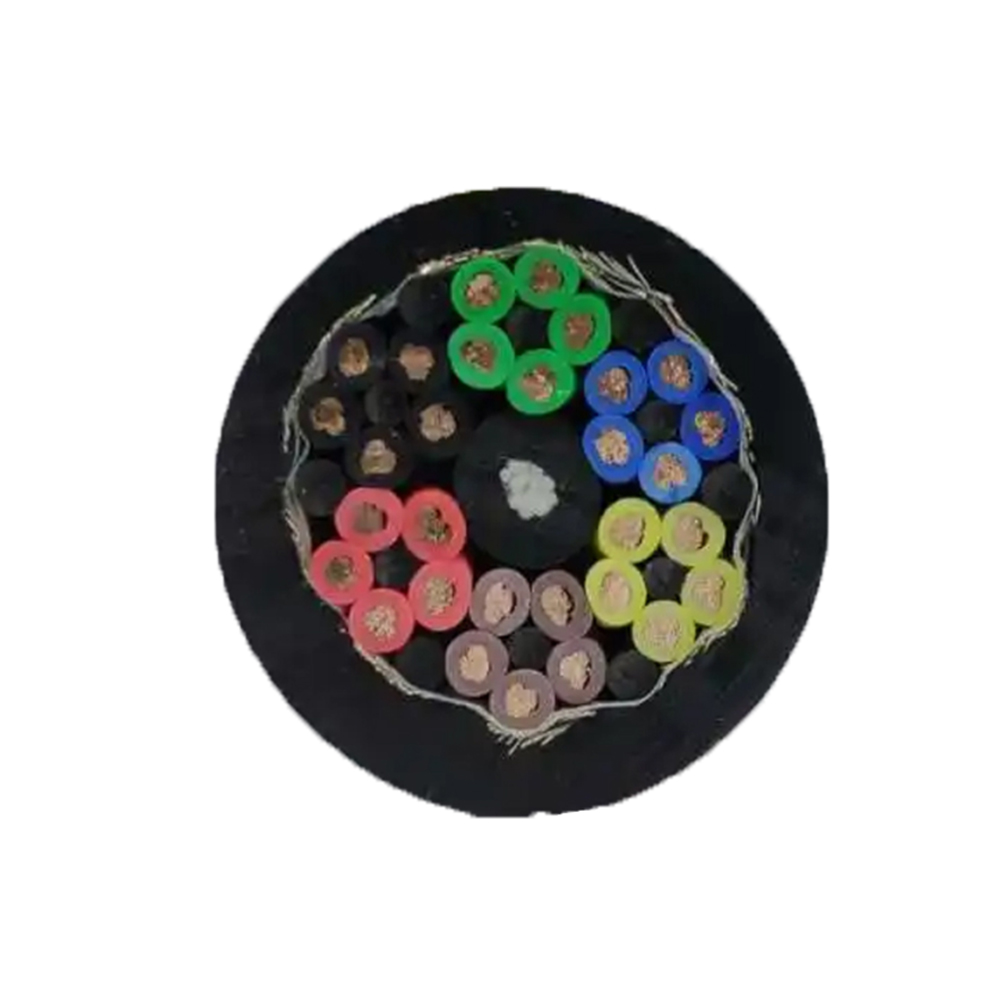
Conductor: Uses finely stranded oxygen-free copper conductors to ensure excellent flexibility and conductivity.
Insulation: Select materials such as PVC, PE, or specialty elastomers based on electrical requirements to ensure basic insulation performance.
Cabling: Optimizes twisting pitch and may integrate tensile-resistant cores (e.g., aramid fibers) to withstand pulling forces.
Inner Sheath/Filling: Uses appropriate materials to consolidate the cable core as needed for structural requirements.
Shielding (if required): Employs highly flexible shielding structures (e.g., fine copper wire braiding) compatible with frequent bending applications.
Outer Sheath: The core process involves extruding high-performance polyurethane (PUR) elastomer material. The material formulation must be precisely controlled to achieve target hardness, wear resistance, oil resistance, and hydrolysis resistance.
Key Process Controls: Strictly control the formulation, mixing, and extrusion process parameters (temperature, speed) of PUR materials to ensure stable and defect-free sheath physical properties; conduct rigorous mechanical and environmental aging tests on finished products, such as wear resistance, oil resistance, bending, and torsion tests.
Services
Selection Consultation: Provides precise selection recommendations based on the type of mechanical stress in the application scenario (wear, crushing, bending, torsion), environmental media (oils, chemicals, temperature range), movement speed and travel distance, and whether integration of signal control cores is required.
Technical Support: Provides explanations on PUR material characteristics (e.g., hydrolysis sensitivity) to ensure optimal performance in applicable environments.
Advantages
Exceptional Mechanical Durability: The wear resistance of the PUR sheath is more than 10 times that of ordinary PVC, with high tear strength, providing ultra-long service life in dynamic applications and significantly reducing replacement frequency and downtime costs.
Wide Environmental Adaptability: Exhibits excellent tolerance to mineral oils, greases, many chemicals, and solvents; good low-temperature resistance (down to -40°C or below), maintaining flexibility even in cold environments.
Excellent Flexibility and Torsion Resistance: Even under continuous high-speed movement, bending, and twisting in complex motions, it protects the internal structure, ensuring the continuity of signal and power transmission.
Safe and Reliable: The material typically has good flame retardancy, halogen-free, low-smoke characteristics, meeting industrial safety requirements.
High Cost-Effectiveness: Although the unit price may be higher, its ultra-long service life and extremely low failure rate provide the optimal total lifecycle cost for demanding applications.

 English
 Español
 عربى
عربى
 русский