Reeling Cable
Introduction
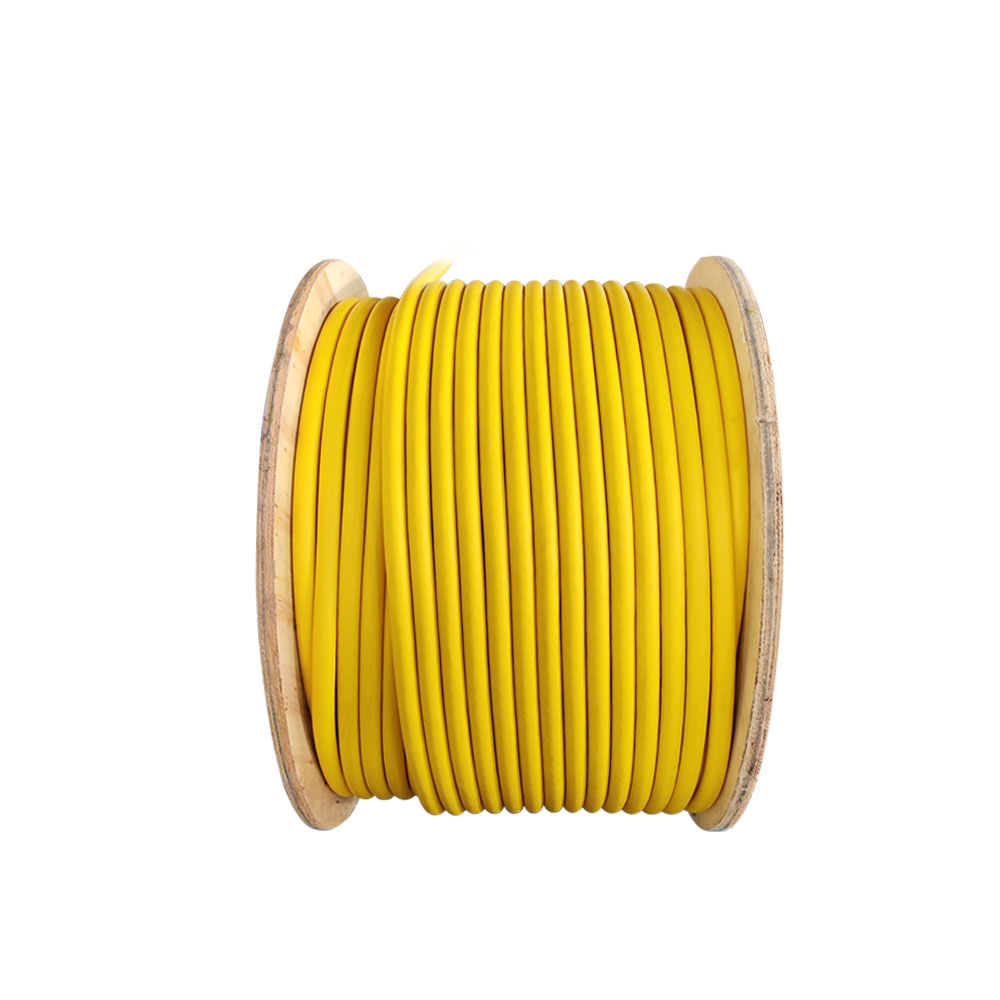
Reeling cables, also known as drag chain cables or cable reel cables, are specially designed cables for mobile power supply and signal transmission, capable of repeatedly winding and unwinding on cable reels/drums during operation. Their core characteristics include the ability to withstand continuous bending, winding, dragging, and other mechanical stresses, offering extremely high flexibility, bending fatigue resistance, tensile strength, and torsional resistance. They are critical components for dynamic connections between mobile equipment and fixed power/control points.
Applications
Specifically used for reciprocating telescopic power supply and signal transmission scenarios where cables follow moving equipment.
Typical application scenarios include: port cranes (quayside cranes, yard cranes), stacker-reclaimers, gantry cranes, automated storage systems (stacking machines), construction machinery (excavator cable reels), stage equipment, mining equipment, and any mobile mechanical equipment powered/controlled via cable reels.
Production
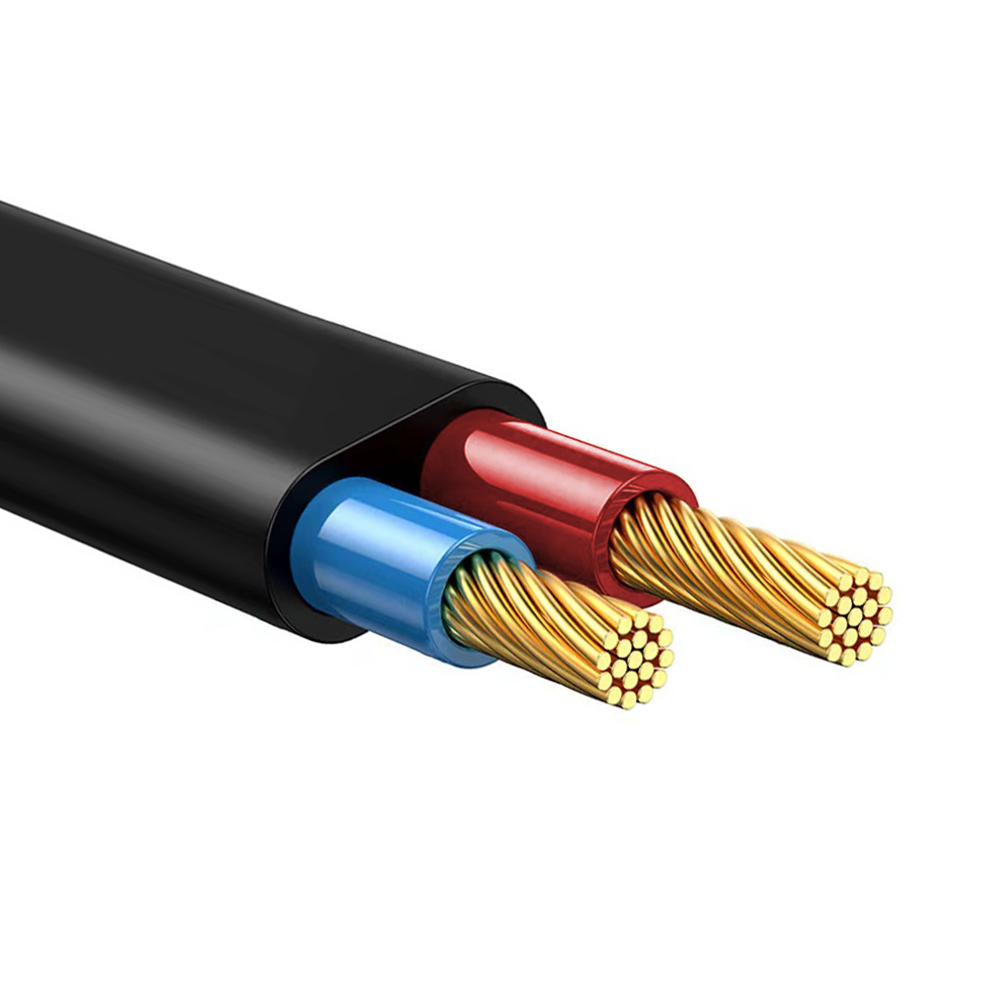
Conductor: Uses ultra-fine oxygen-free copper wires, formed through special bunch stranding or complex stranding techniques to ensure excellent flexibility and bending resistance.
Insulation: Employs high-elasticity materials such as specialty elastomers, thermoplastic elastomers (TPE), or cross-linked polyolefins, which resist cracking under frequent bending.
Cabling: Adopts optimized torque-free stranding structures (e.g., layered or grouped reverse stranding) and may integrate tensile-resistant cores (e.g., Kevlar fiber ropes) to withstand pulling forces, with fillers ensuring structural stability.
Inner Sheath: Typically extruded with an elastomer or polyurethane (PUR) inner layer to tightly integrate the cable core, providing additional stress buffering and torsional protection.
Shielding (if required): Uses tin-plated copper wire braided shielding or spiral shielding, with structural designs compatible with bending movements to prevent shield breakage or insulation puncture during motion.
Outer Sheath: Extruded with highly wear-resistant, weather-resistant, and tear-resistant outer sheath materials, such as polyurethane (PUR) or specially modified PVC, often in black or orange with low adhesion to prevent sticking during winding.
Key Process Controls: Optimize the twisting pitch of each layer to minimize internal stress; strictly control the bending compatibility of conductor stranding and shielding braiding; conduct 100% electrical performance testing; mandatory sampling for bending fatigue tests, tensile tests, and torsional tests.
Services
Selection Consultation: Provide precise selection recommendations based on equipment travel distance, reel type (spring-driven, motor-driven, hysteresis-driven), bending radius, speed, inclusion of signal/control cores, and environmental conditions (oil resistance, UV resistance, temperature).
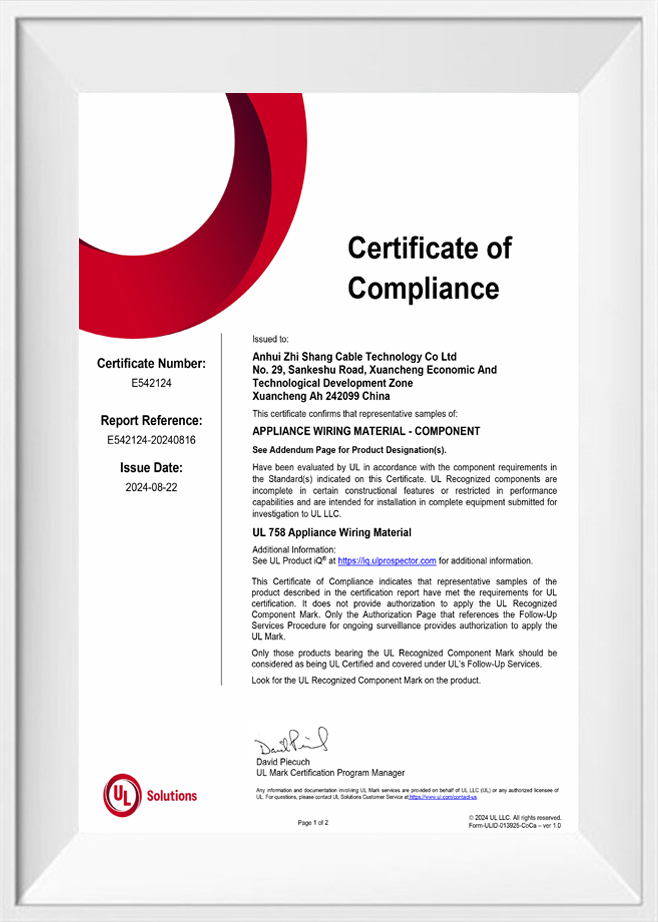
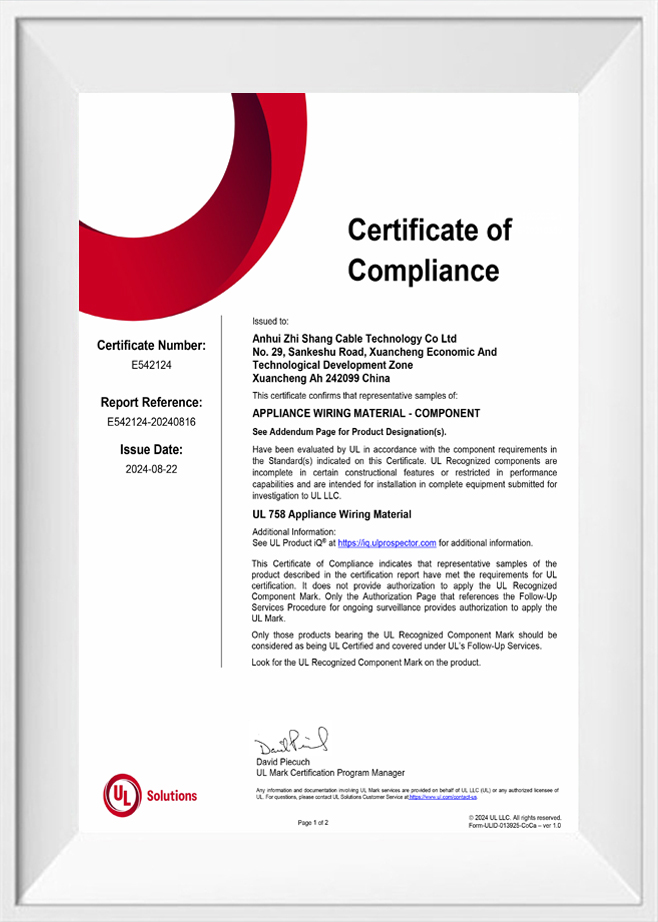
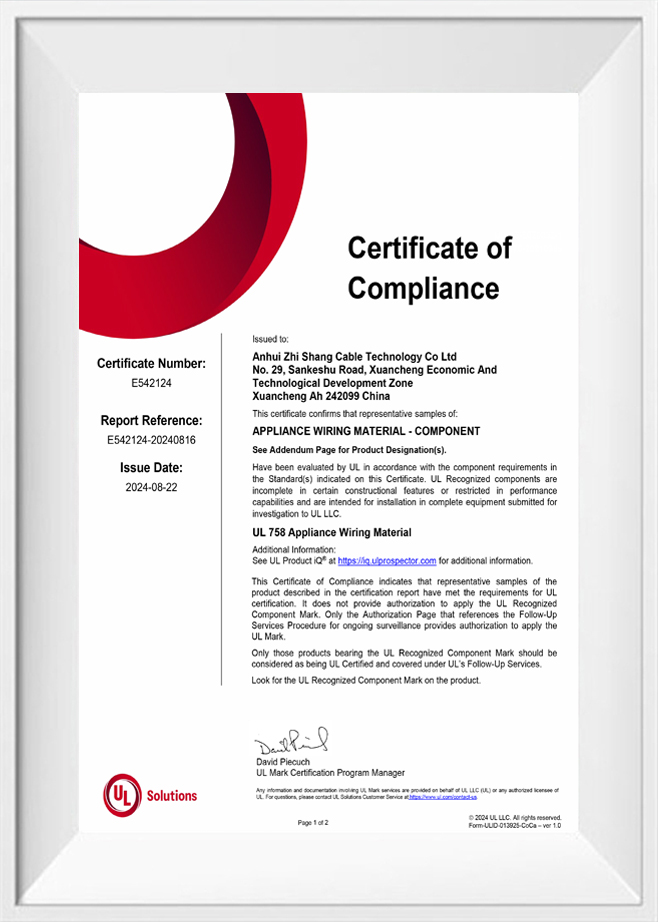
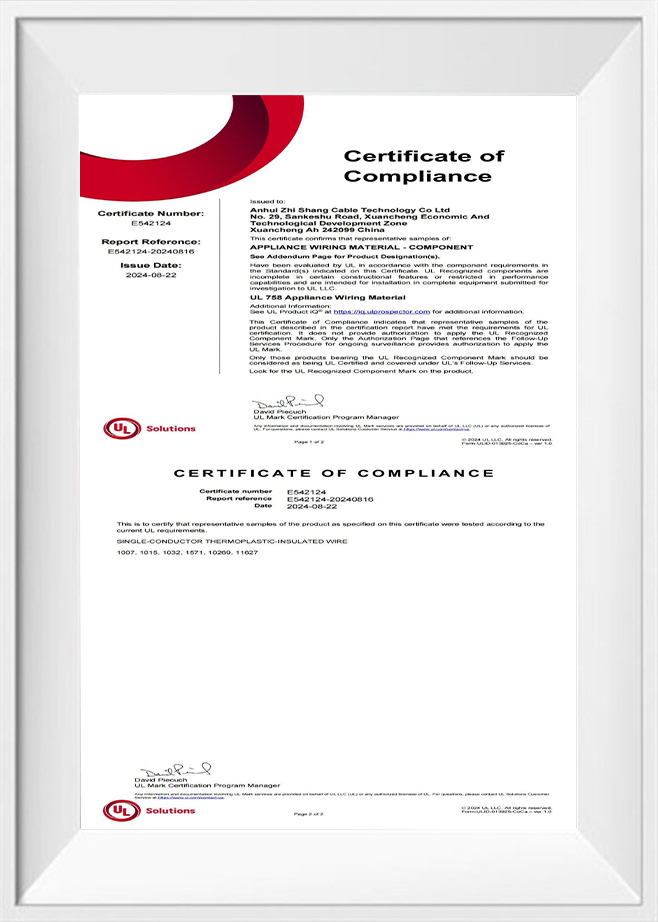
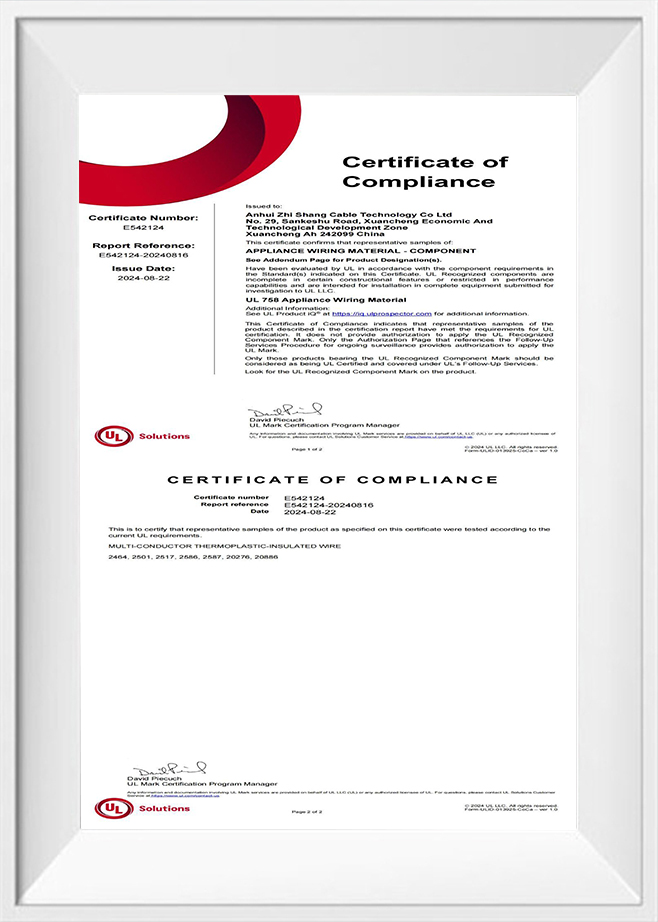
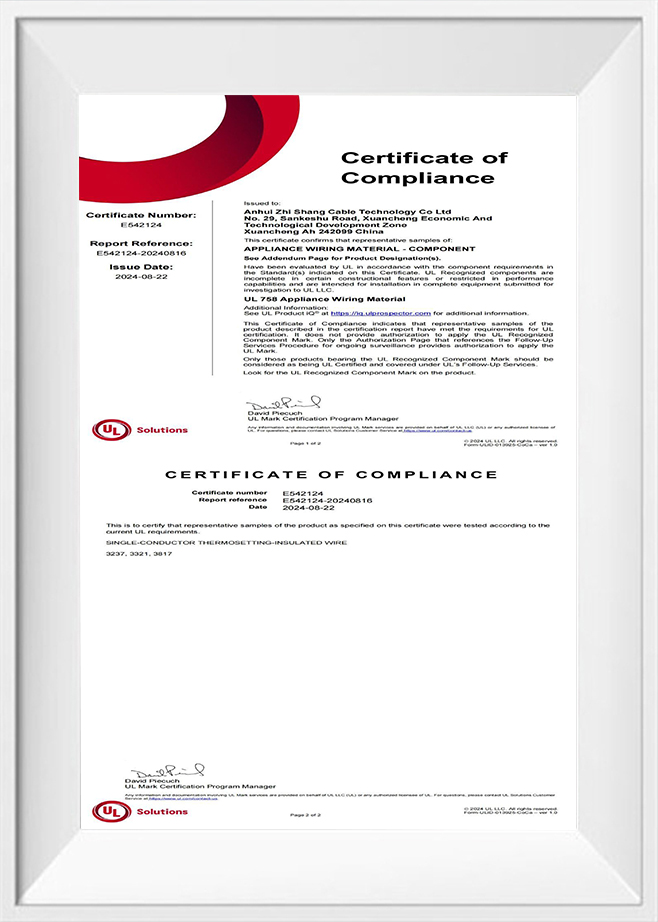
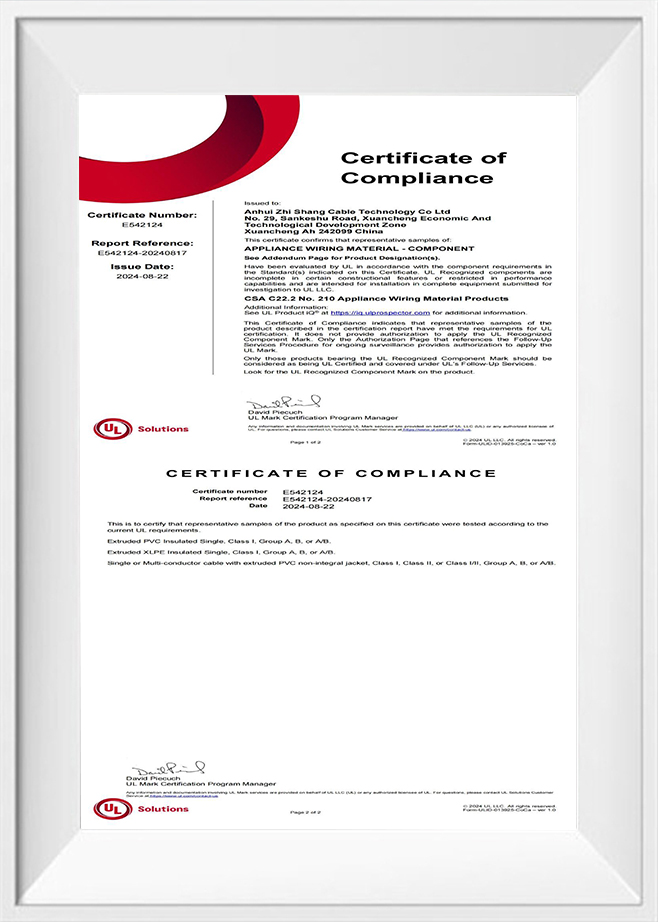
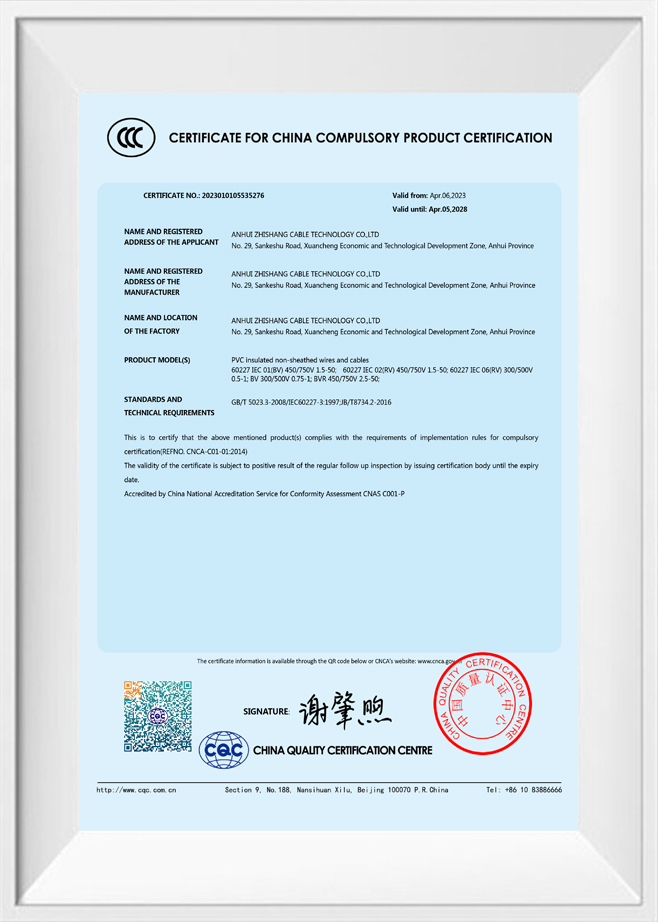
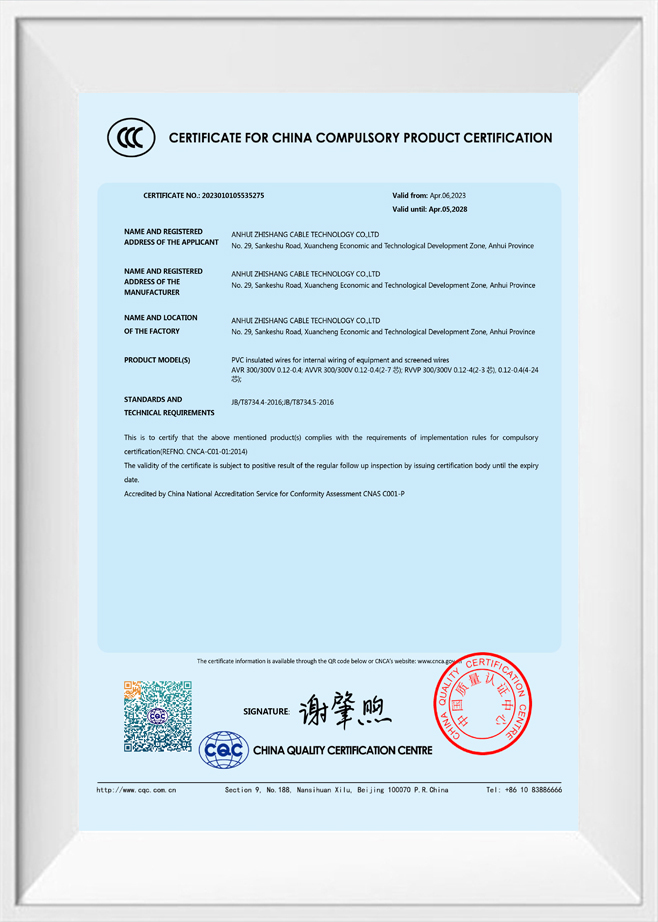
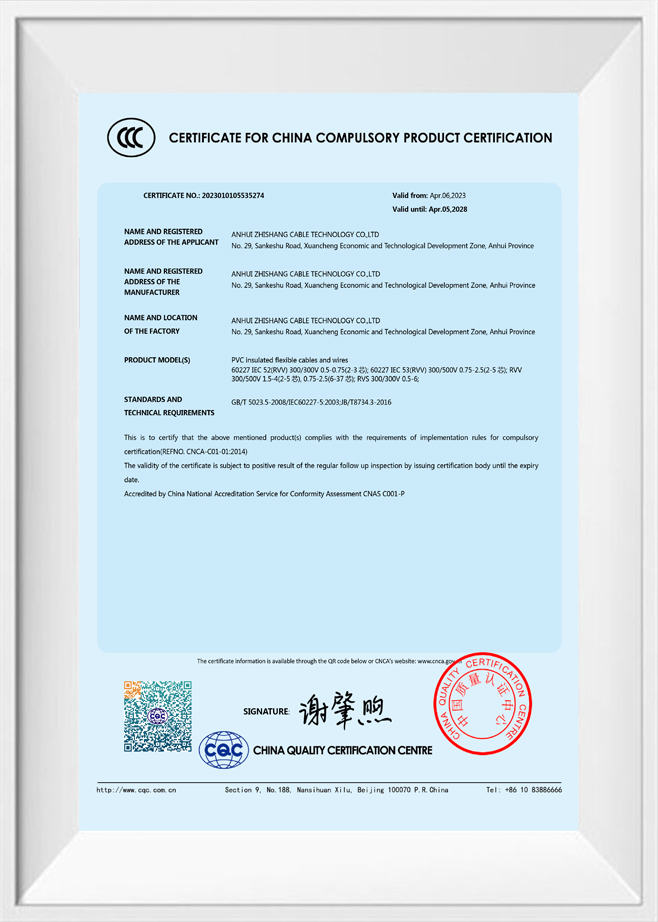
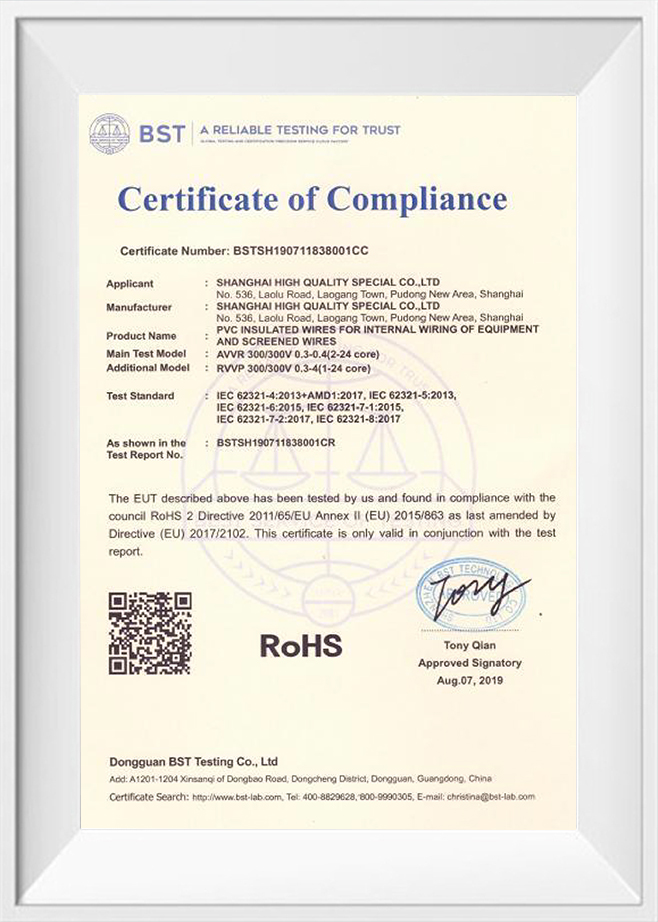
Testing and Certification: Provide test reports based on relevant testing standards (e.g., bending cycles, tensile strength), with products compliant with CE, RoHS, and other requirements.
Advantages
Ultra-Long Dynamic Service Life: Specifically designed for dynamic stress, offering excellent bending fatigue resistance, torsional resistance, and tensile strength, ensuring long-lasting performance even under demanding reciprocating motions.
High Integration and Space Saving: Combines power transmission, control signals, data communication, and even optical fibers into a single cable, simplifying system design and reducing the suspended weight and required space on the moving end.
Exceptional Mechanical Protection: The highly wear-resistant, tear-resistant outer sheath and optimized internal structure effectively resist external crushing, friction, and minor impacts.
Stable and Reliable Operation: Ensures stable power and signal transmission even during continuous motion, reducing equipment downtime caused by cable failures.
Enhanced Equipment Efficiency and Safety: Provides reliable, uninterrupted energy and information links for mobile equipment, serving as a core component for ensuring the continuous, efficient, and safe operation of large mobile machinery.

 English
 Español
 عربى
عربى
 русский