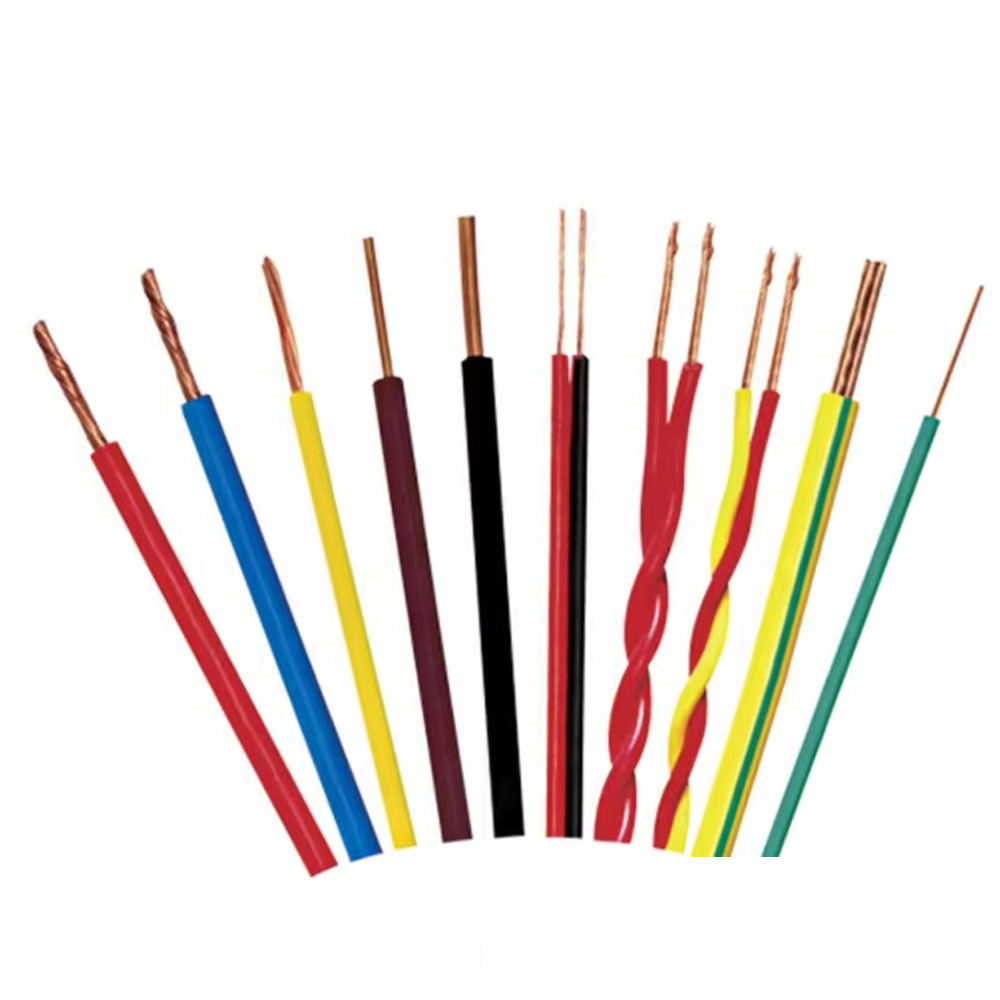
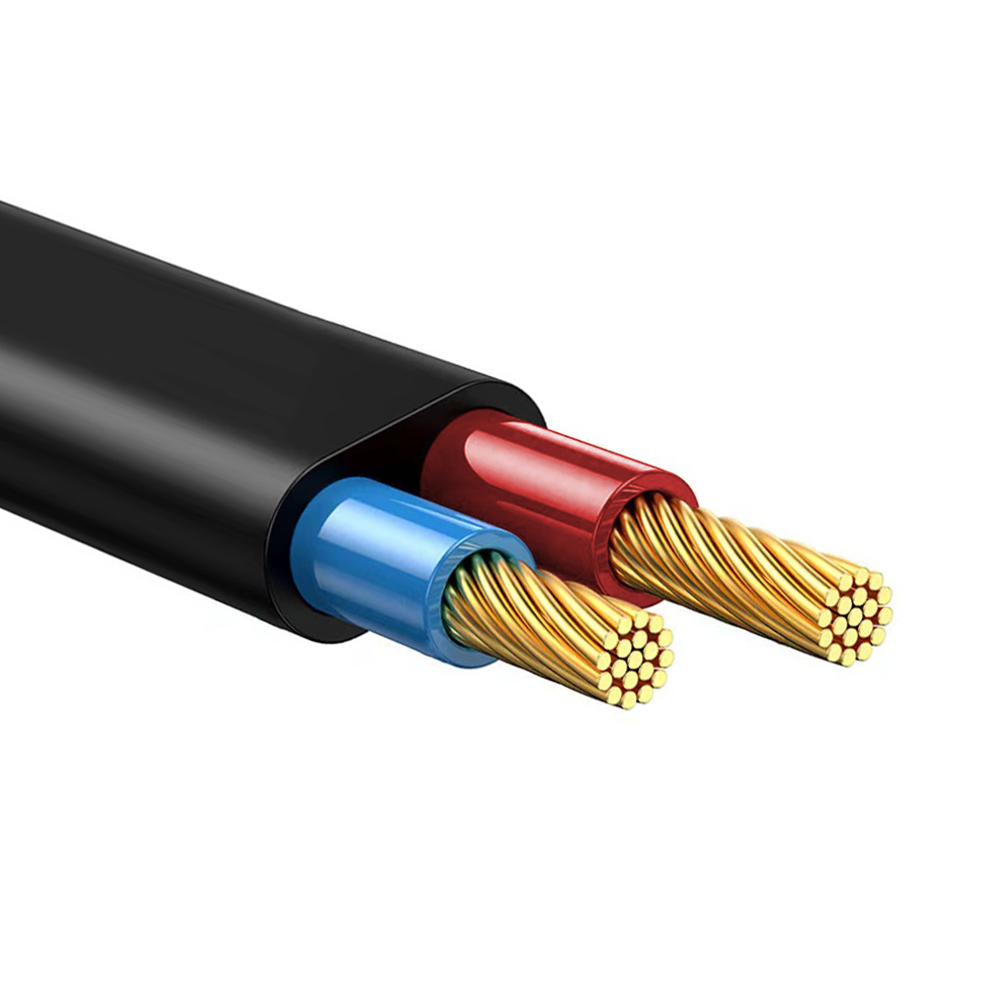
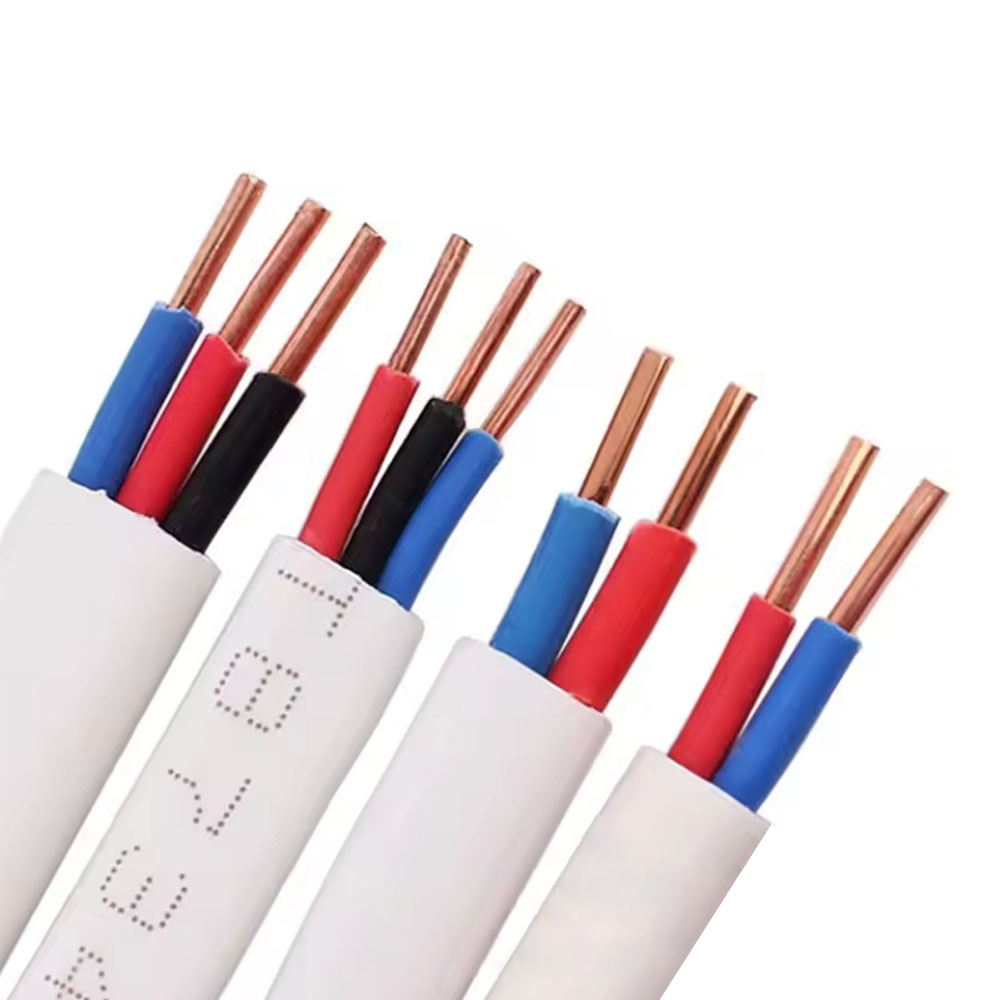
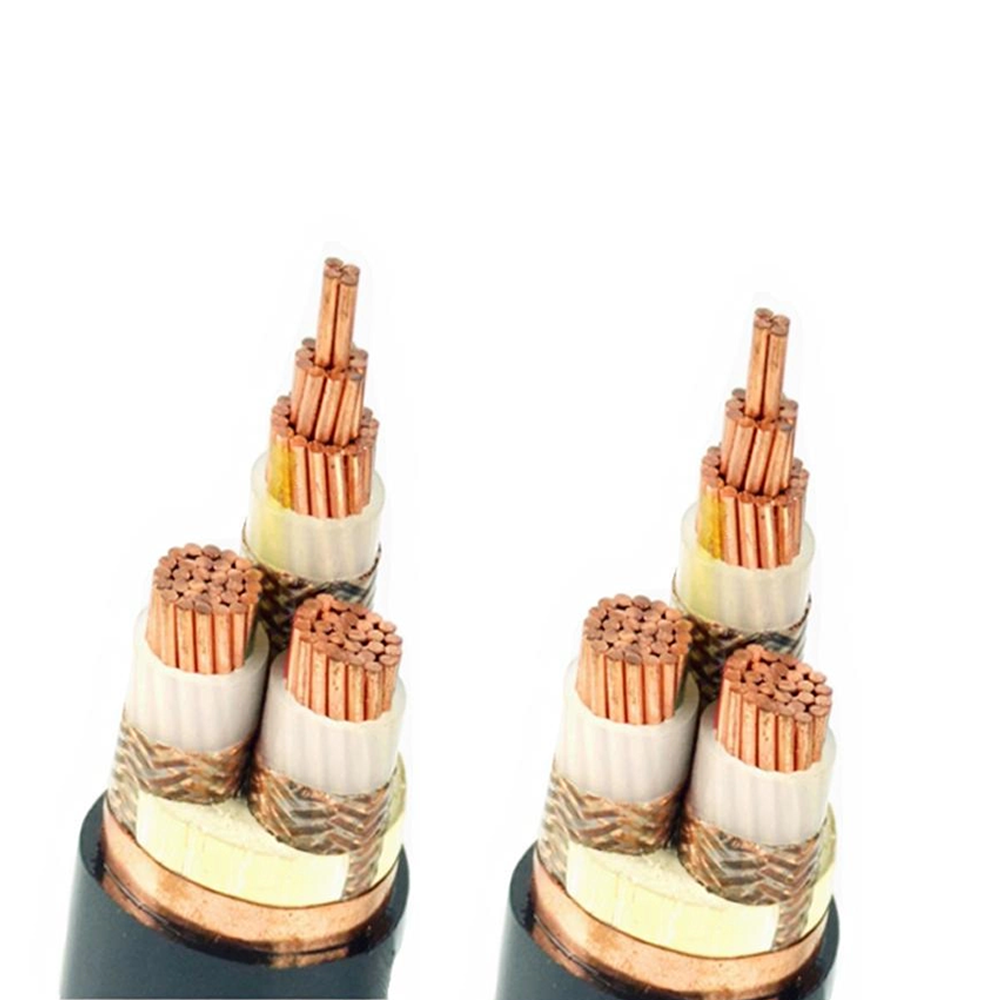
Comprehensive Introduction to XLPE Insulated and Sheathed Power Cables
I. Definition and Core Characteristics
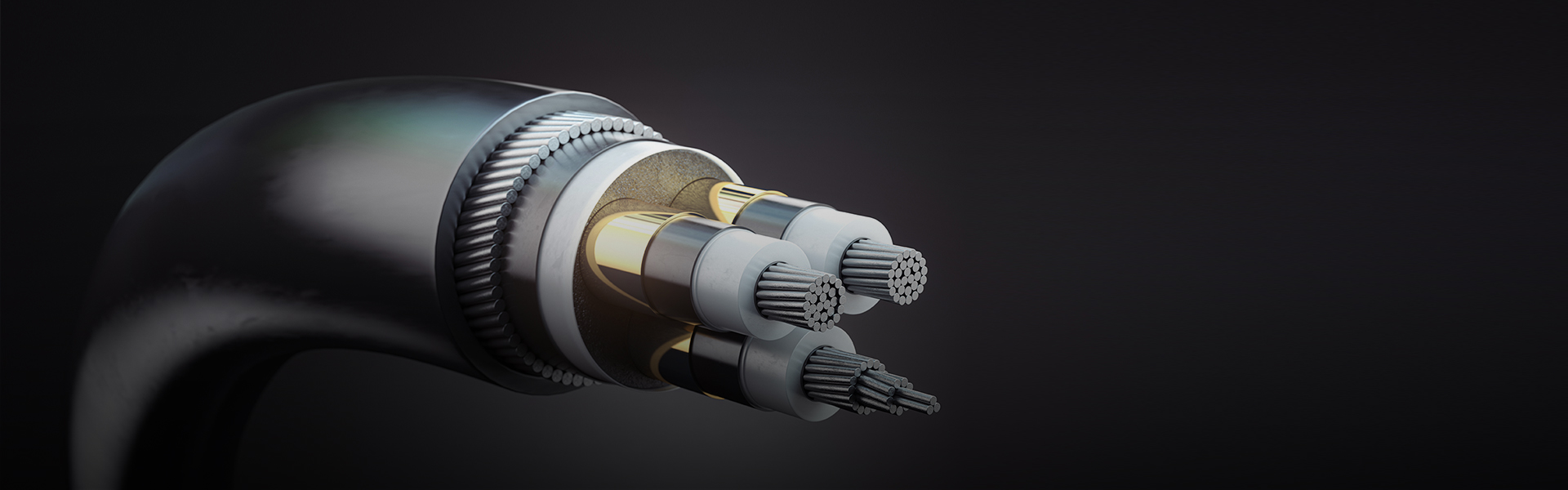
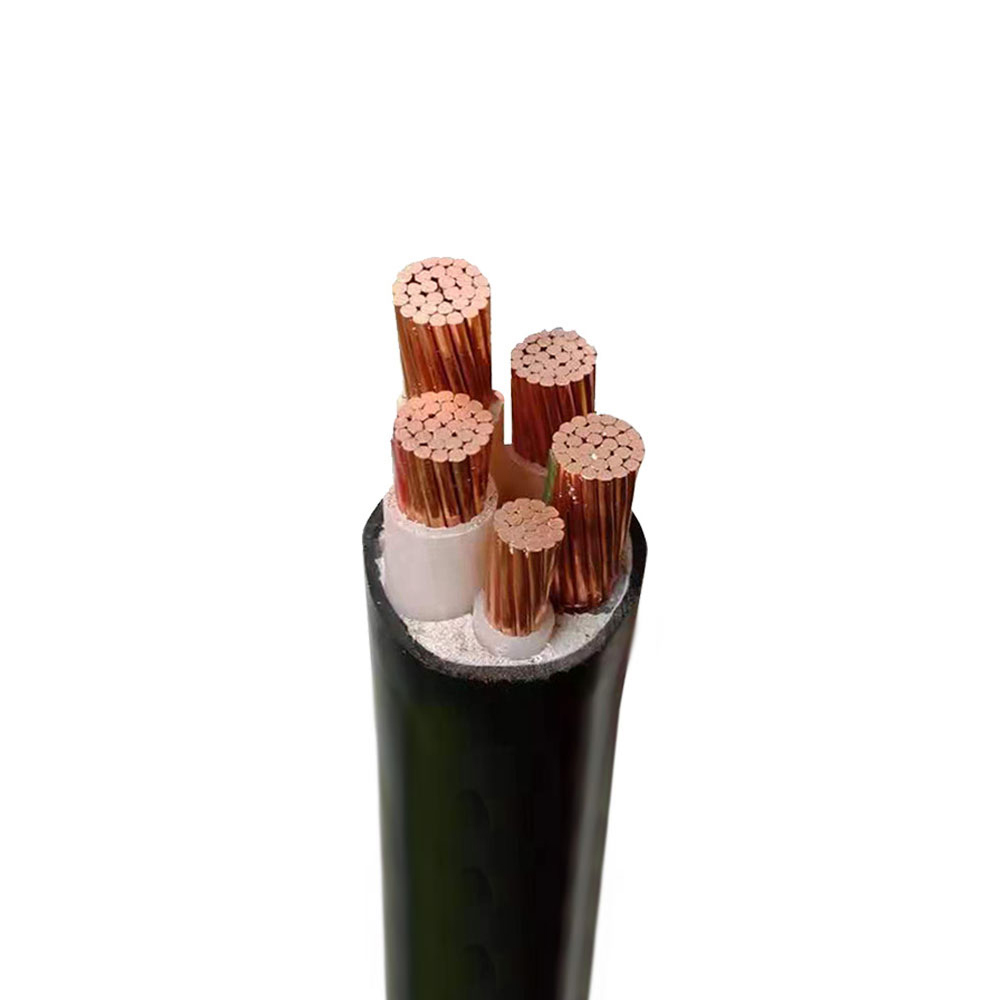
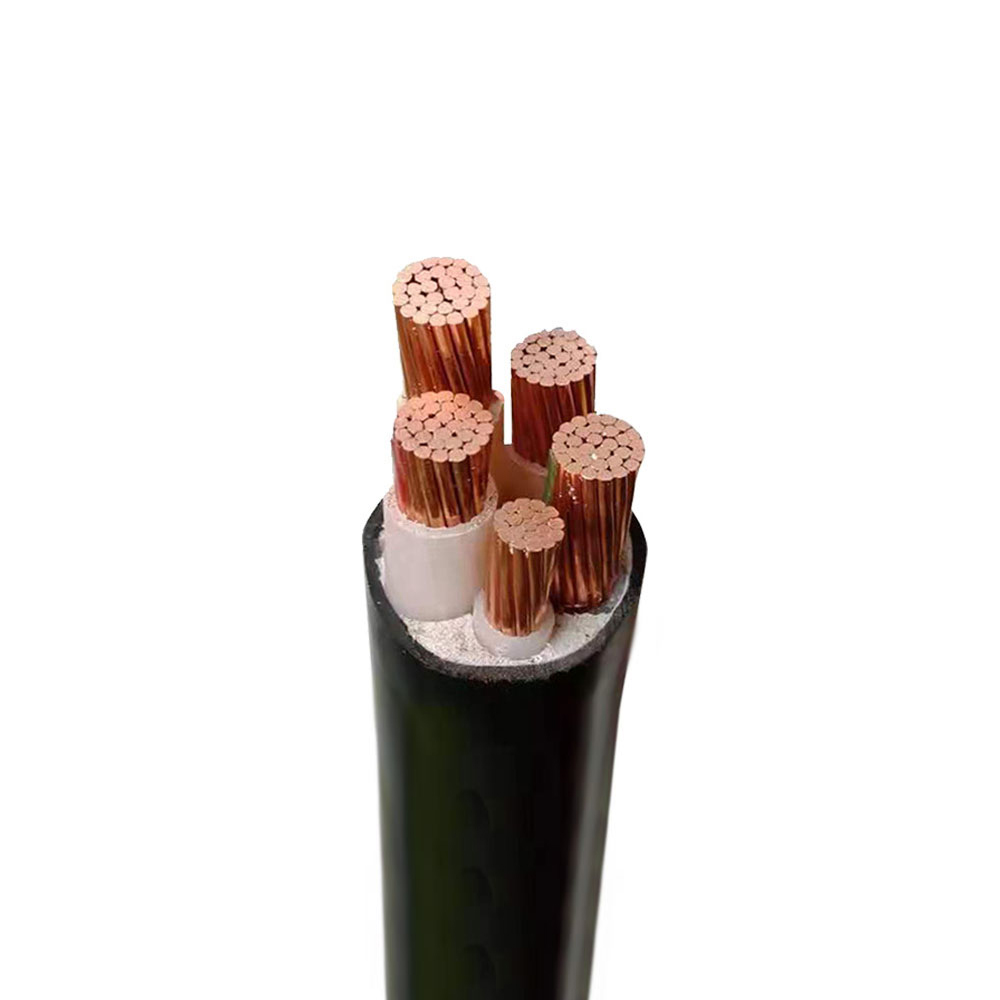
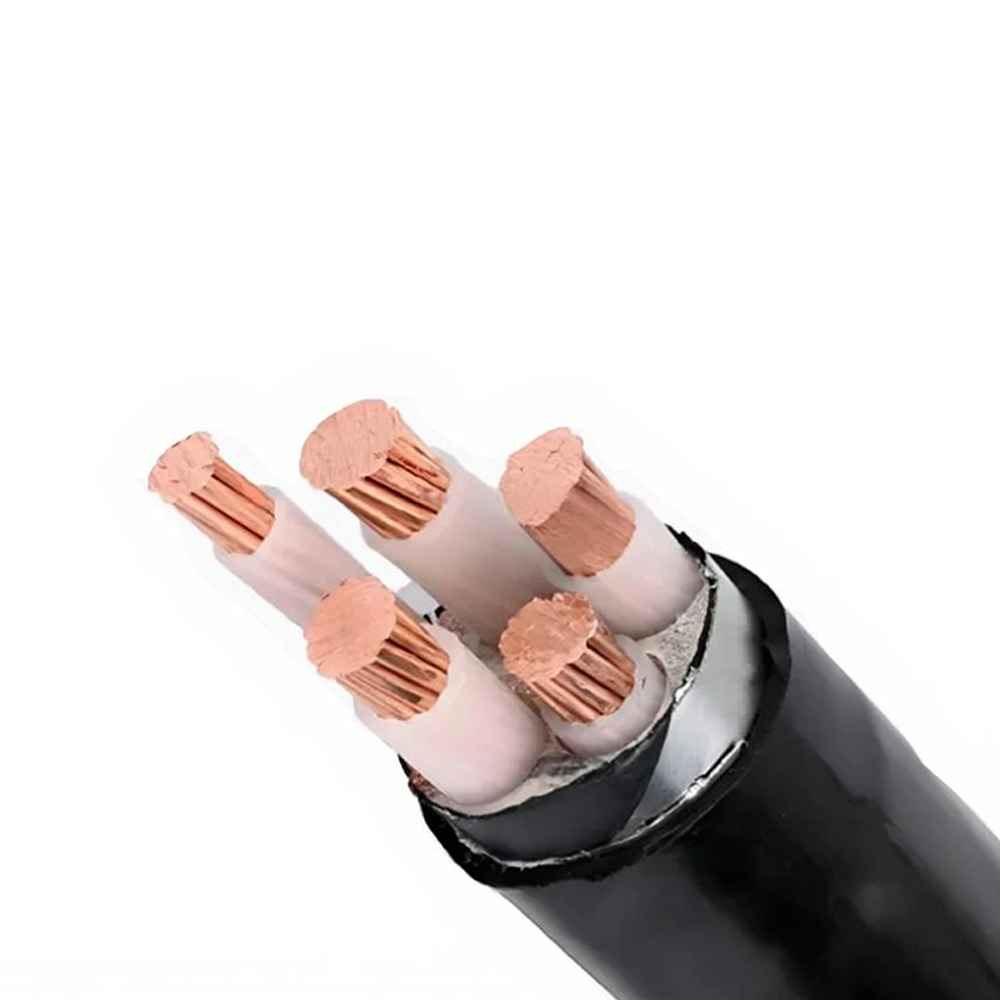
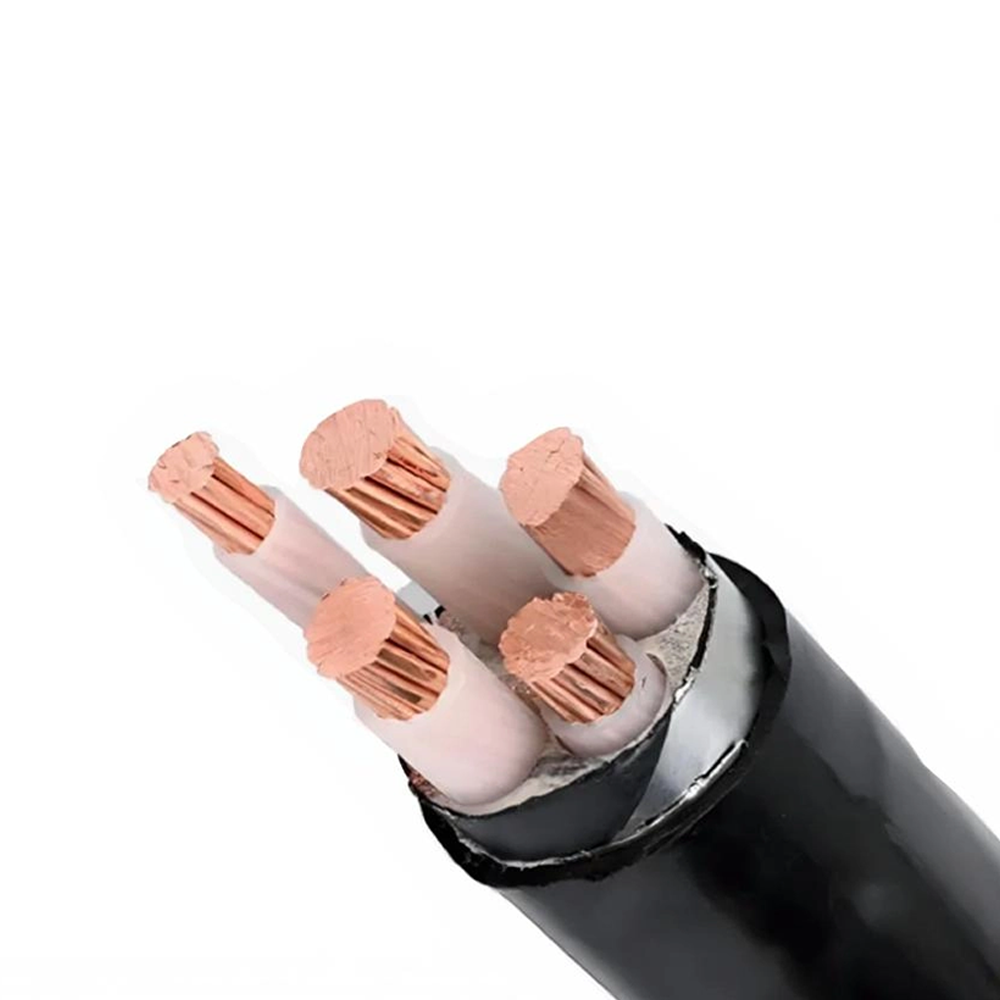
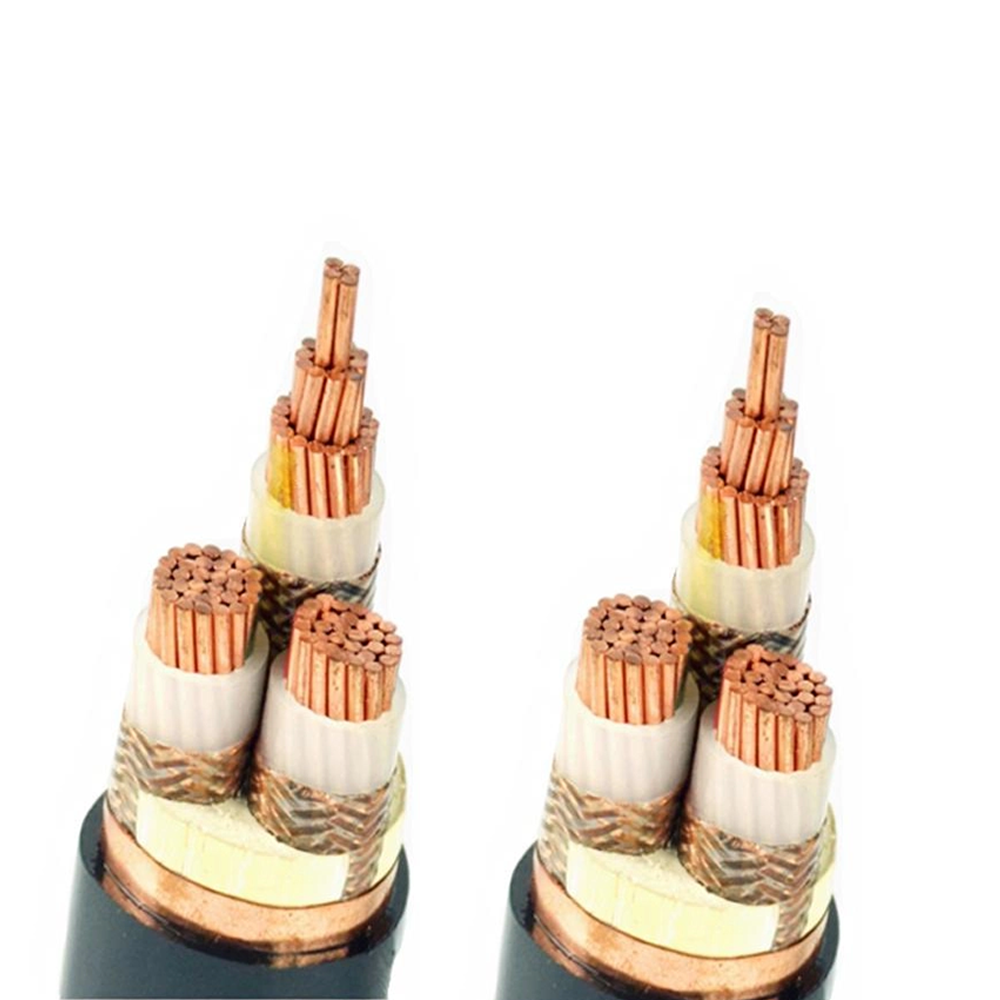
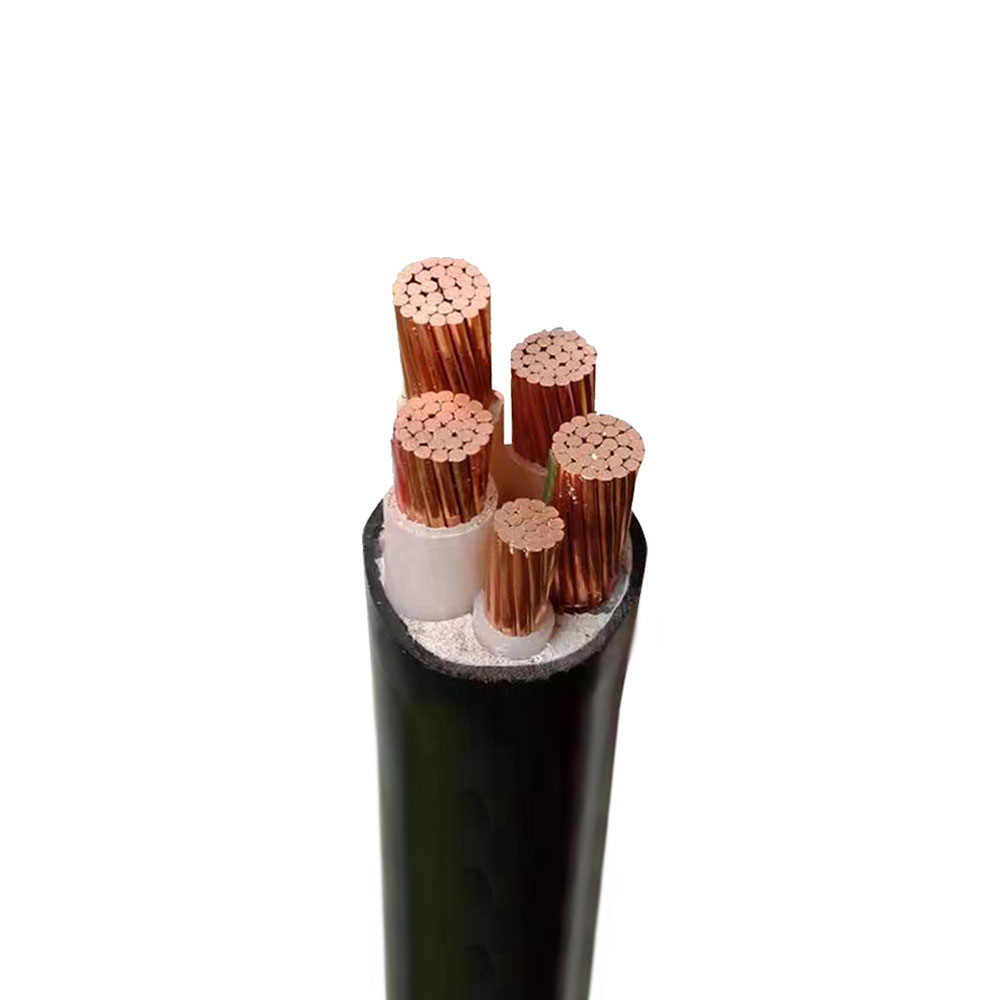
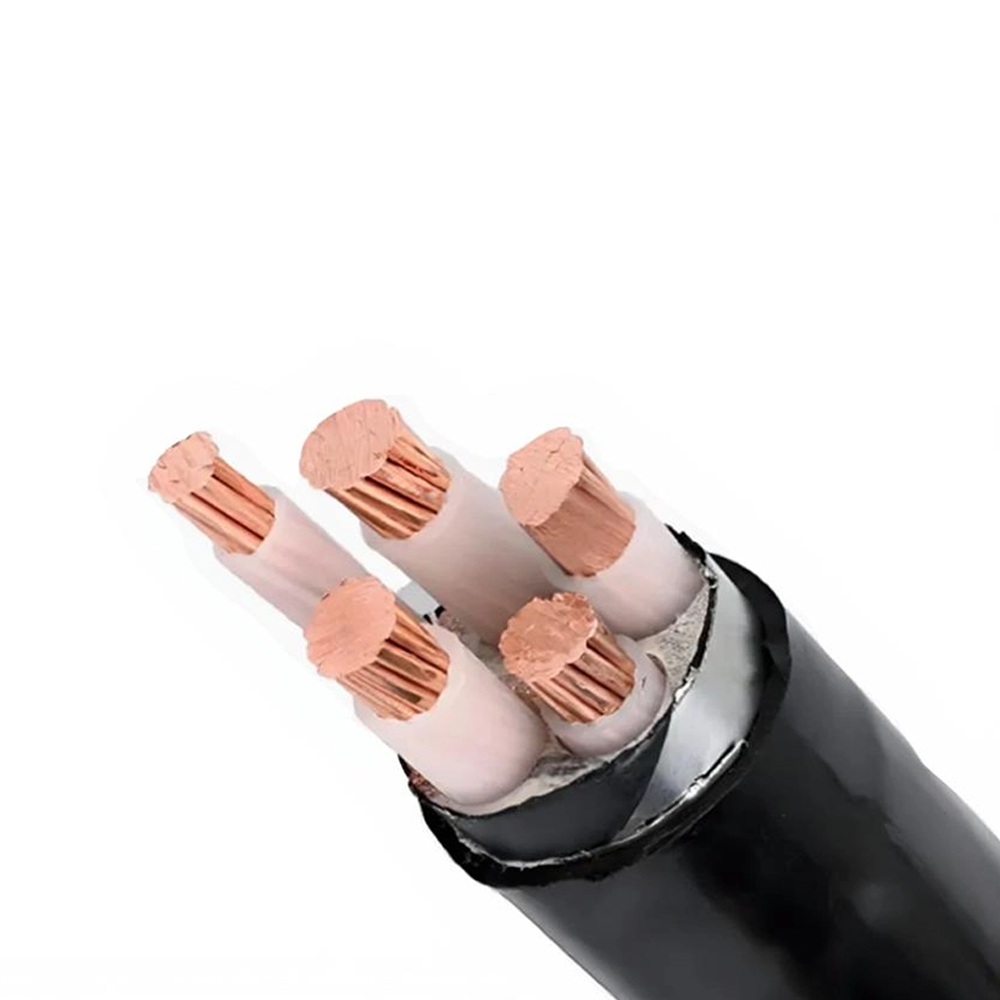
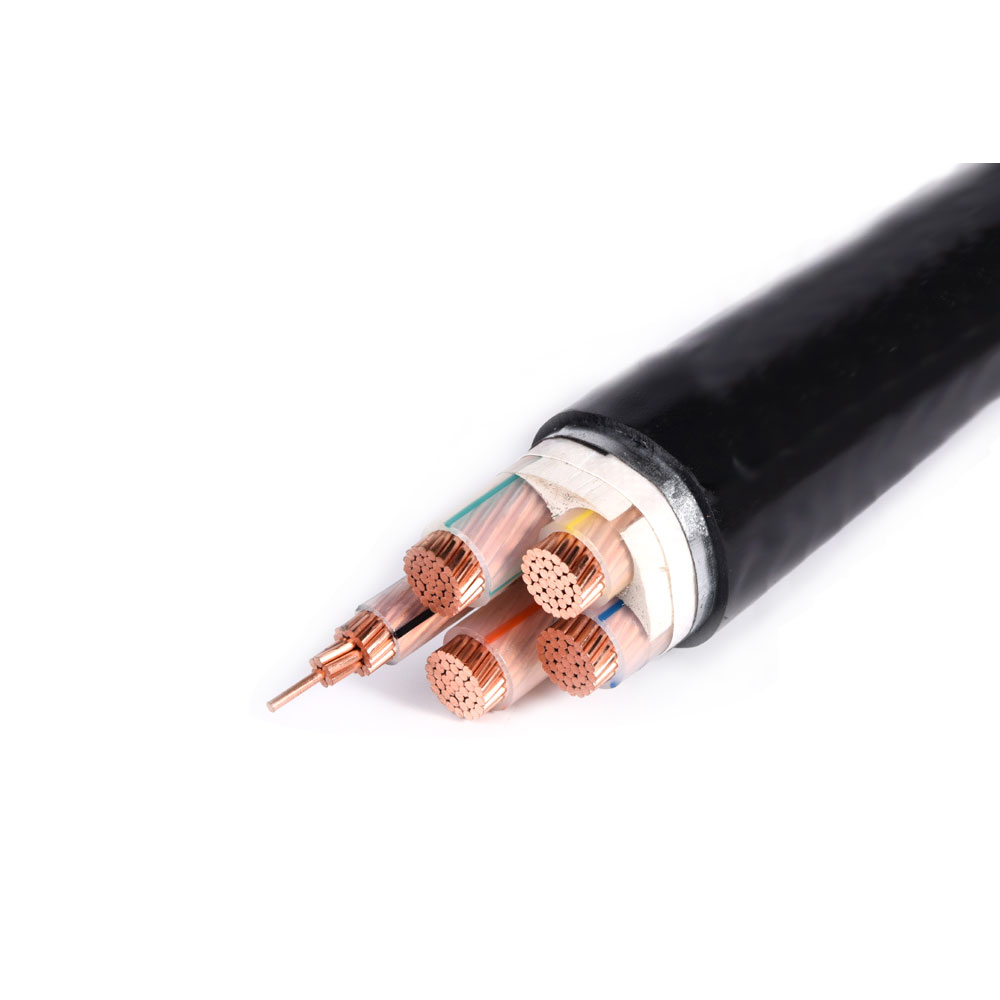
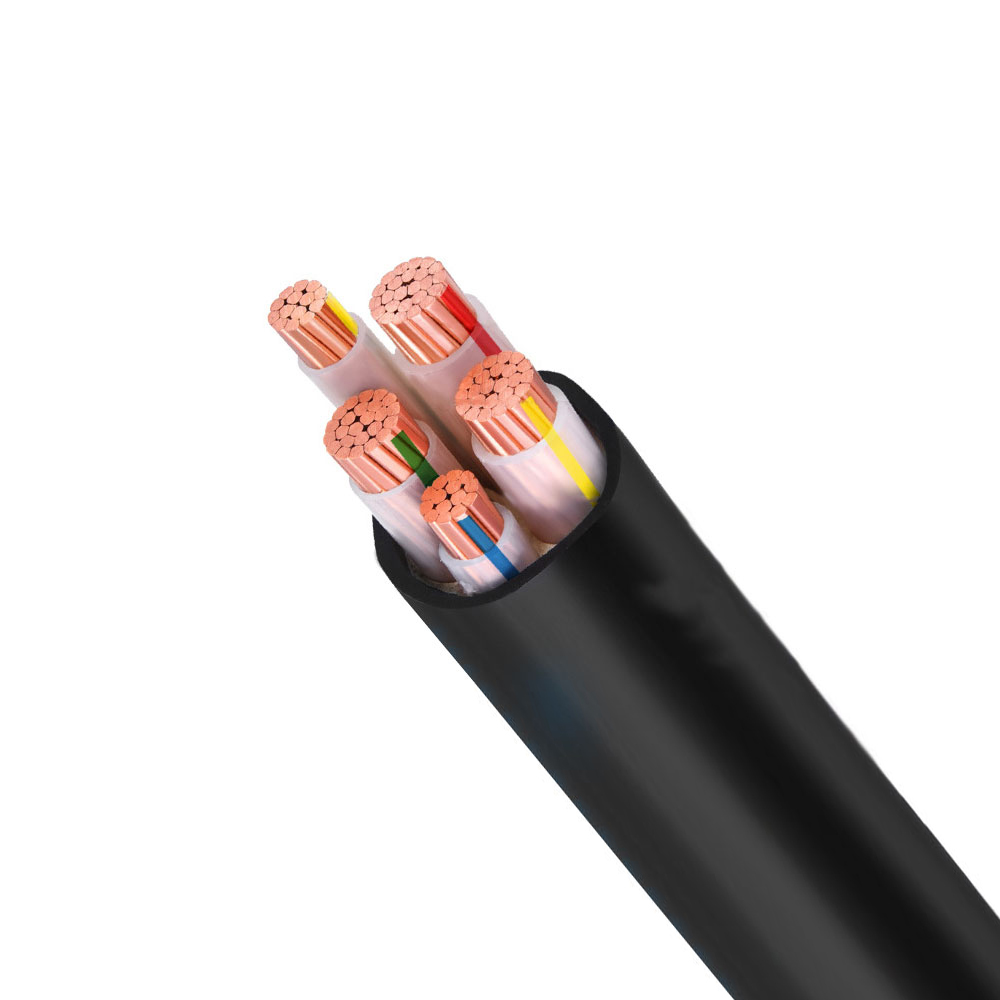
XLPE-insulated and sheathed power cables refer to power cables that use cross-linked polyethylene (XLPE) as the conductor insulation layer and may incorporate other materials (such as PVC, PE, or halogen-free polyolefin) as the sheath. XLPE undergoes physical or chemical cross-linking, transforming the linear molecular chains of polyethylene into a three-dimensional network structure, significantly enhancing its thermomechanical properties. This makes it the mainstream and preferred technology for modern low-, medium-, and high-voltage cables.
Core Characteristics:
Exceptional Heat Resistance: Long-term allowable operating temperature up to 90°C, 20°C higher than PVC cables (70°C), with significantly improved short-term overload capacity and short-circuit thermal stability temperature (250°C).
Higher Current-Carrying Capacity: Due to its higher temperature rating, for the same conductor cross-section, its allowable current-carrying capacity is 20%–30% greater than that of PVC cables. Alternatively, a smaller cross-section can be selected for the same current, saving materials and costs.
Excellent Electrical Properties: High dielectric strength, low dielectric loss, and high insulation resistance, making it particularly suitable for medium- and high-voltage power transmission.
Good Resistance to Environmental Stress Cracking: The cross-linked structure provides far superior resistance to cracking under thermal and mechanical stress compared to ordinary polyethylene (PE).
Long Operational Lifespan: Slow thermal aging of the material results in a typical design service life of 30–40 years, far exceeding that of PVC cables.
II. Main Types and Application Scenarios
Classification by Voltage Level:
Low-Voltage XLPE Cables (0.6/1 kV): Such as the YJV and YJLV series, which are rapidly replacing the VV series and becoming the absolute mainstay in building and industrial power distribution.
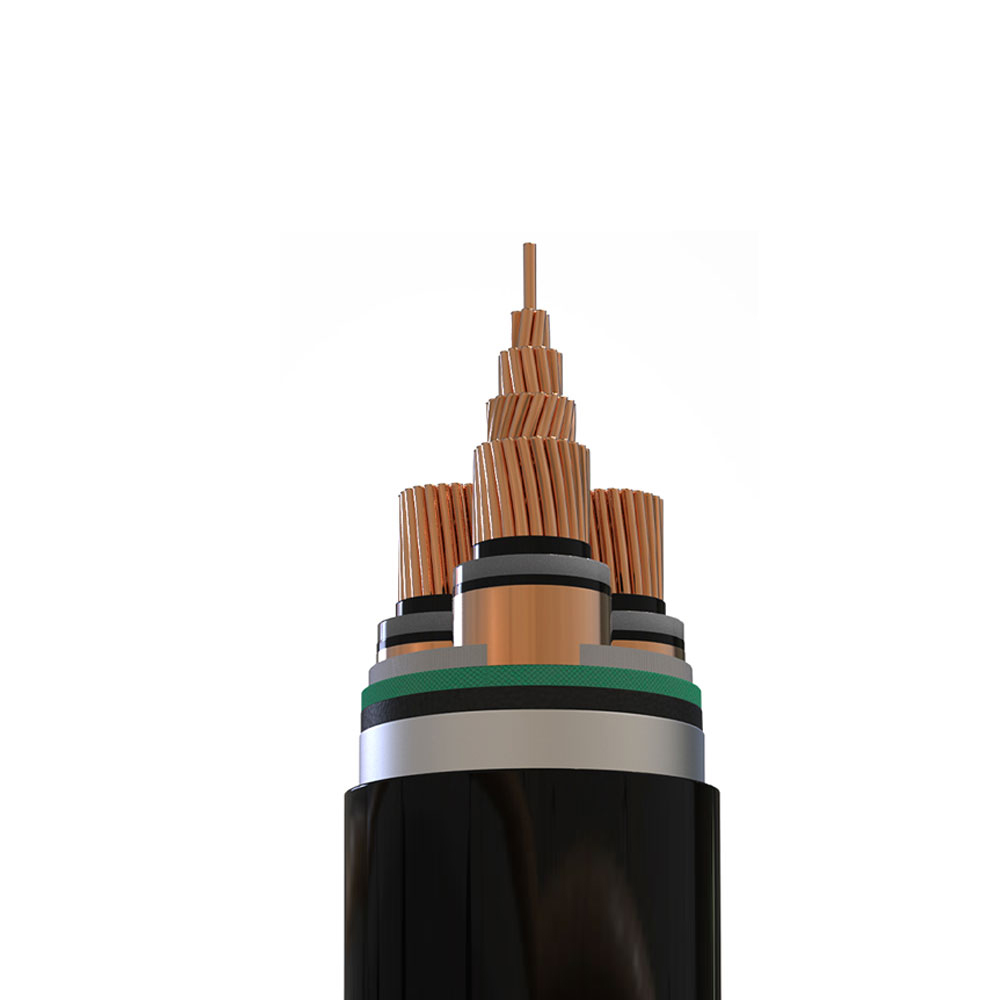
Medium-Voltage XLPE Cables (e.g., 8.7/15 kV, 26/35 kV): Such as the YJV22 and YJLV22 series, used for main power transmission in urban distribution networks, industrial parks, and large buildings at 10 kV–35 kV.
High-Voltage and Extra-High-Voltage XLPE Cables (110 kV and above): Use ultra-clean insulation materials and special processes for applications such as urban underground transmission corridors, power plant outlets, and submarine power transmission.
Classification by Sheath and Structure:
Standard Type (YJV): Polyvinyl chloride (PVC) outer sheath, offering the highest versatility.
Armored Type (e.g., YJV22, YJV32): Enhanced with steel tape or wire armoring for applications requiring mechanical protection, such as direct burial or conduit installation.
Halogen-Free Low-Smoke Type (e.g., WDZ-YJY): Uses halogen-free polyolefin sheathing, producing low smoke and no toxic gases during combustion, suitable for densely populated areas.
Main Application Areas:
Urban Power Grids and Building Power Distribution: The preferred choice for main power supply lines, from urban underground utility tunnels to high-rise building vertical shafts, with the YJV series being the go-to option.
Industrial and Renewable Energy Power Generation: High-voltage power supply within factories, collector lines, and outgoing lines for wind and photovoltaic power plants.
Transportation Infrastructure: Power supply systems and lighting mains for subways, railways, and airports.
Large Public Facilities: Places with high requirements for power supply reliability, such as hospitals, data centers, and stadiums.
III. Key Production Process Controls
Ultra-Clean XLPE Insulation Material: Medium- and high-voltage cables must use ultra-pure cross-linked polyethylene cable compounds, with impurity and microvoid control meeting the highest standards to ensure the electrical strength of the insulation.
Triple-Layer Co-Extrusion and Dry Curing: This is the core process. A single extruder simultaneously extrudes the conductor shielding layer, XLPE insulation layer, and insulation shielding layer to form smooth interfaces. The cable then enters a vertical (VCV) or catenary (CCV) curing pipe filled with high-pressure nitrogen and steam, where chemical cross-linking of polyethylene occurs under high temperature and pressure.
Precise Temperature and Sag Control: The temperatures in each zone of the curing pipe must be precisely controlled. Simultaneously, laser diameter measurement and computer control systems ensure the cable does not undergo excessive bending or stretching in the catenary state, guaranteeing concentricity and uniformity of the insulation layer.
Cooling and Degassing: After curing, the cable undergoes staged cooling to set its shape. High-voltage cables also require extended thermal cycling to remove residual byproducts inside the insulation.
Online Inspection: Integrated online partial discharge detection systems, laser outer diameter measurement, and eccentricity monitoring ensure real-time defect detection and product rejection.
Sheathing and Armoring: PVC or polyolefin sheathing is extruded onto the cured insulated core, with armoring applied as needed.
IV. Detailed Core Advantages
Comprehensive Leading Technical Performance: Surpasses traditional PVC and PE cables in all key performance indicators, including temperature resistance, current-carrying capacity, voltage resistance, and lifespan, representing the highest technical level of polymer-insulated cables.
Significant Operational Economy: Higher current-carrying capacity allows for smaller cable cross-sections for the same transmission capacity, saving non-ferrous metals and conduit space. The longer lifespan reduces lifecycle replacement and maintenance costs.
High Safety and Reliability: Excellent heat resistance reduces overload risks, and the robust cross-linked structure provides stable insulation performance, making it particularly suitable for power supply systems requiring long-term, continuous, and stable operation.
Wide Voltage Range Adaptability: Mature applications from 1 kV to 500 kV make it the undisputed mainstream technology for medium- and high-voltage underground power transmission.
Environmental Upgrade Potential: The insulation itself contains no halogens. Combined with halogen-free sheathing (YJY), it can be easily upgraded to an eco-friendly cable, meeting green building requirements.
Summary
XLPE-insulated power cables represent a milestone in the development of modern power cable technology. With the material performance leap brought about by cross-linking chemistry, they have successfully dominated a wide range of applications, from low-voltage power distribution to extra-high-voltage power transmission. Choosing XLPE cables is not just selecting a product but adopting a technological path offering higher reliability, a longer lifecycle, and superior operational economy. Although their initial cost may be slightly higher than that of PVC cables, the comprehensive benefits they provide throughout their service life make them the most cost-effective choice for new construction and upgrade projects. They are the cornerstone of building a safe, efficient, and modern power system.

 English
 Español
 عربى
عربى
 русский