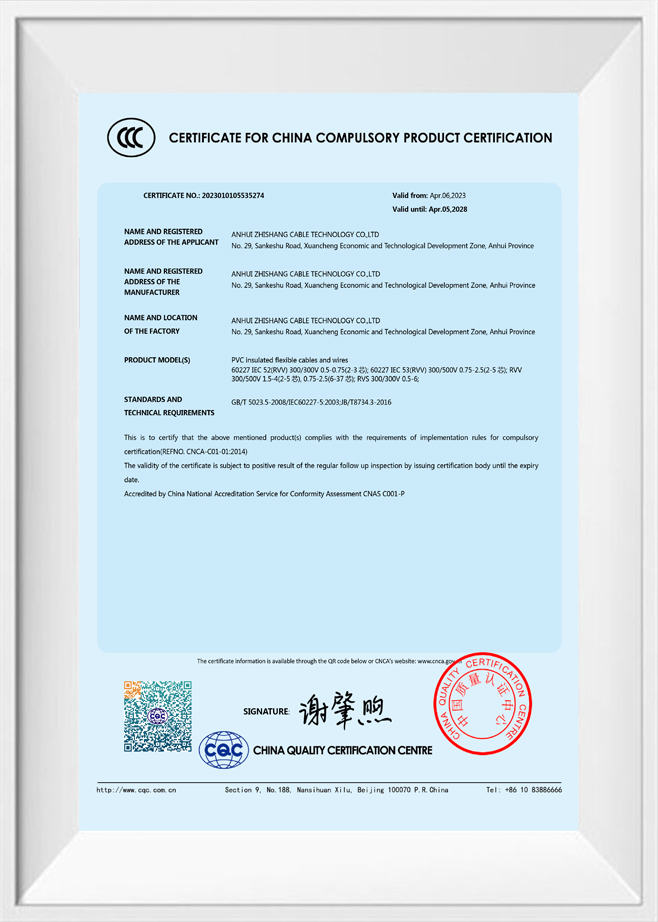
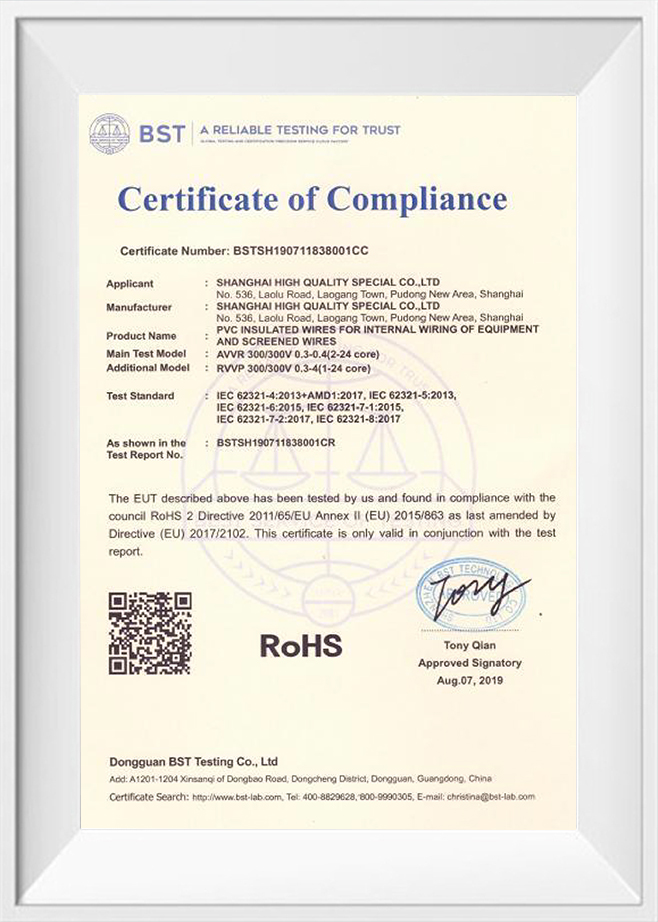
CE Certification Cable Comprehensive Introduction
I. Definition and Core Characteristics
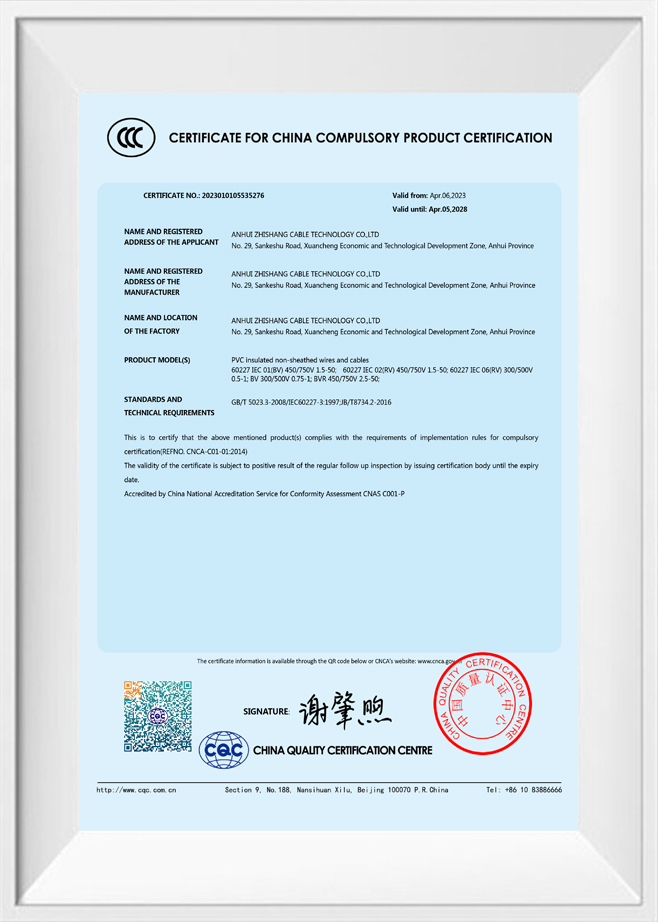
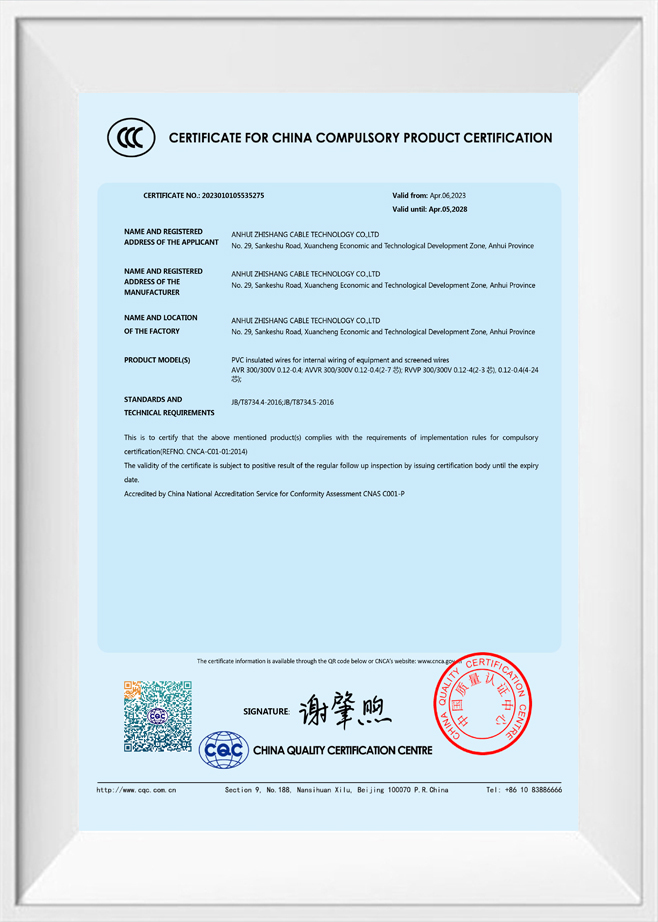
CE-certified cables refer to cable products that comply with relevant European Union directives (such as the Construction Products Regulation, CPR), have undergone designated conformity assessment procedures, and bear the CE marking. It is not a special type of cable but rather indicates the legal compliance of the product with mandatory EU regulations regarding health, safety, and environmental protection.
Core Features:
Legal Mandatory: Cables sold on the EU market or used for fixed installations must bear the CE marking (within the scope of the CPR regulation).
Unified Market Access: A single CE certification is valid across all EU and European Economic Area member states, simplifying trade.
Standardized Safety Classification: The core involves testing and classifying cables for fire reaction performance according to EN 50575 standards (Aca to Fca levels).
Clear Liability Assignment: The manufacturer or its authorized representative assumes legal responsibility for product compliance and must sign the EU Declaration of Conformity.
II. Main Types and Application Scenarios
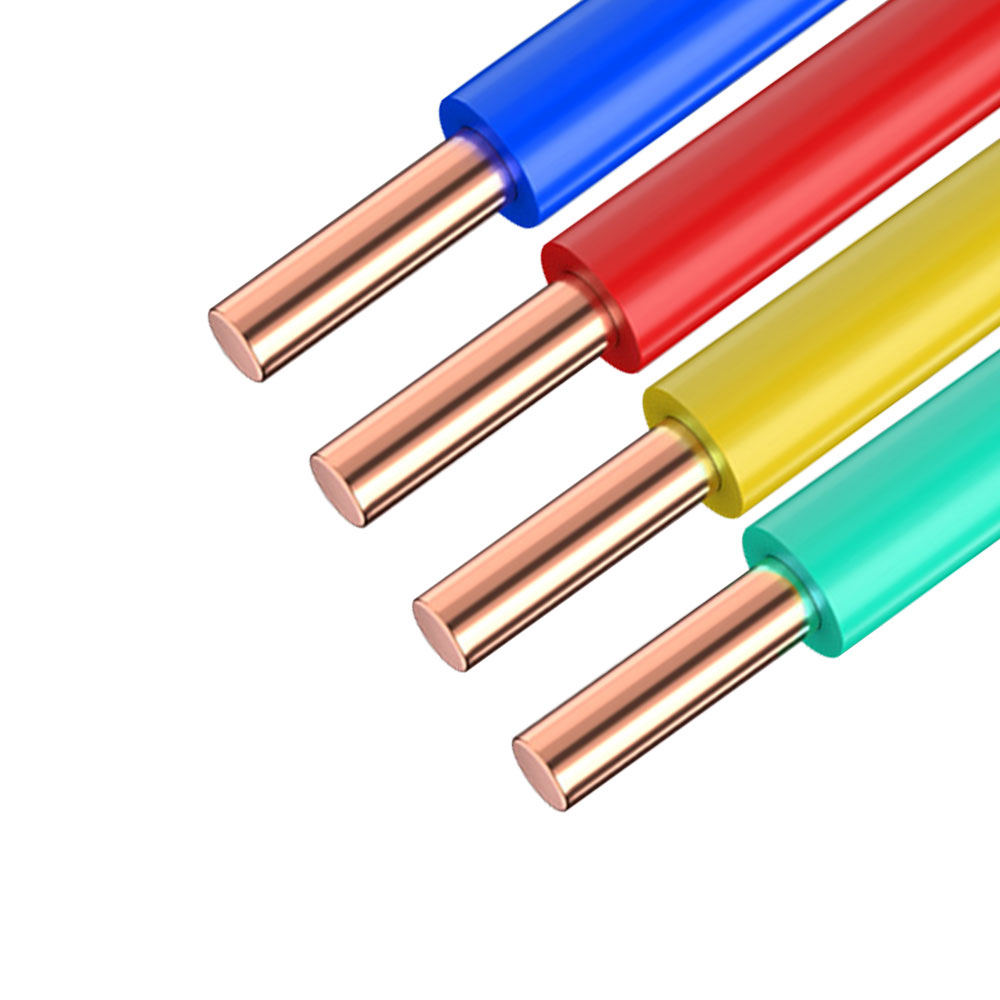
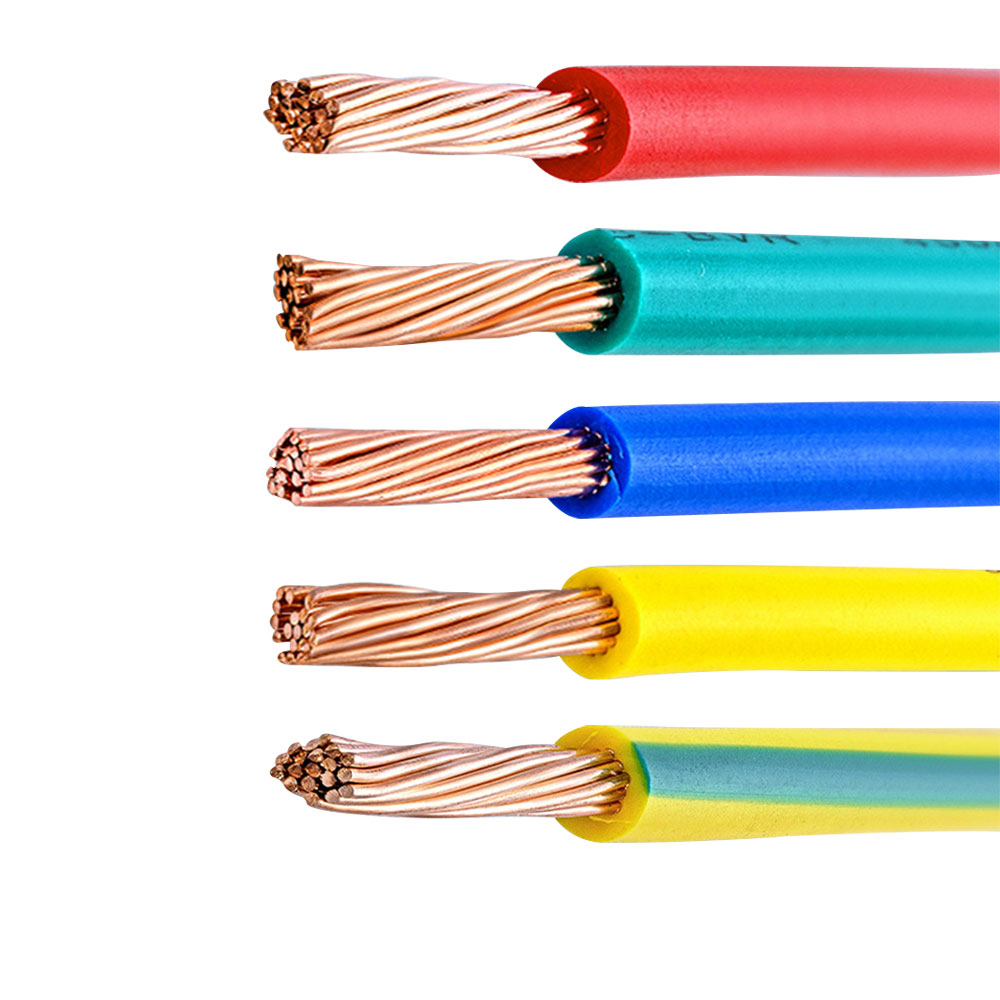
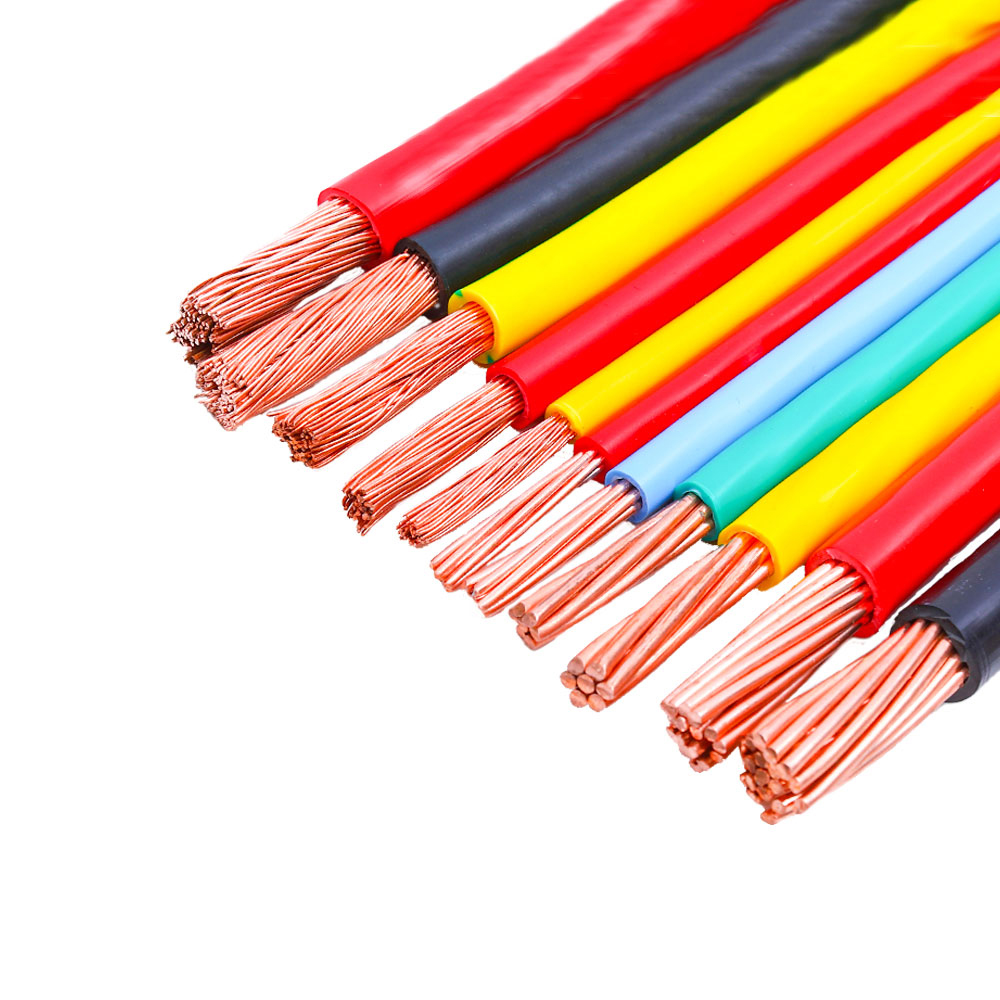
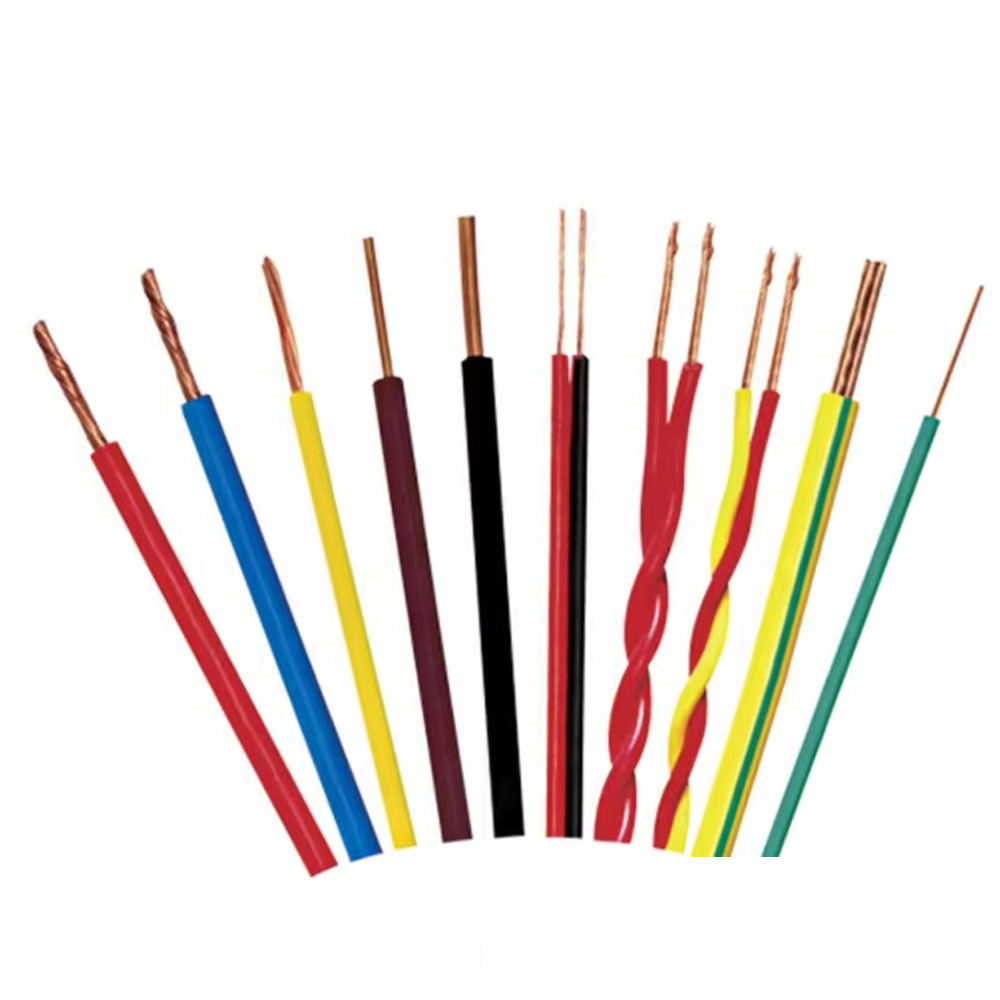
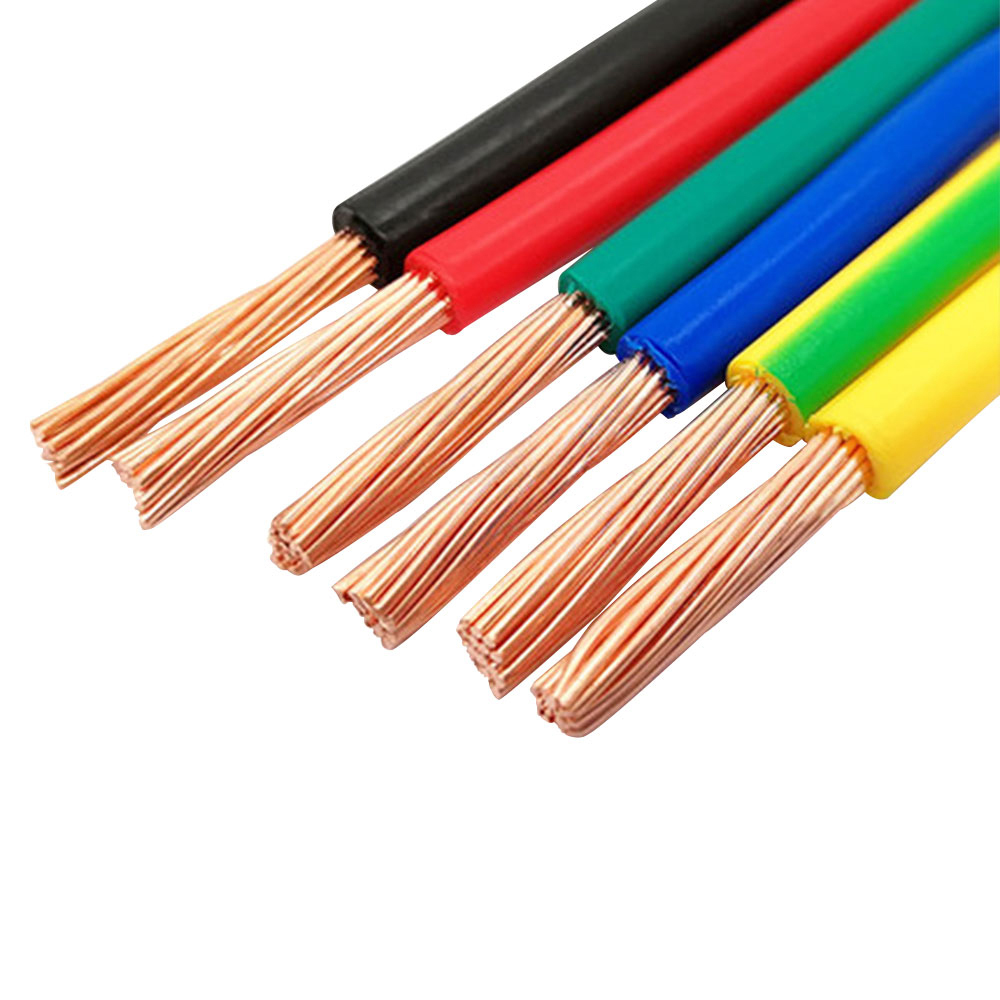
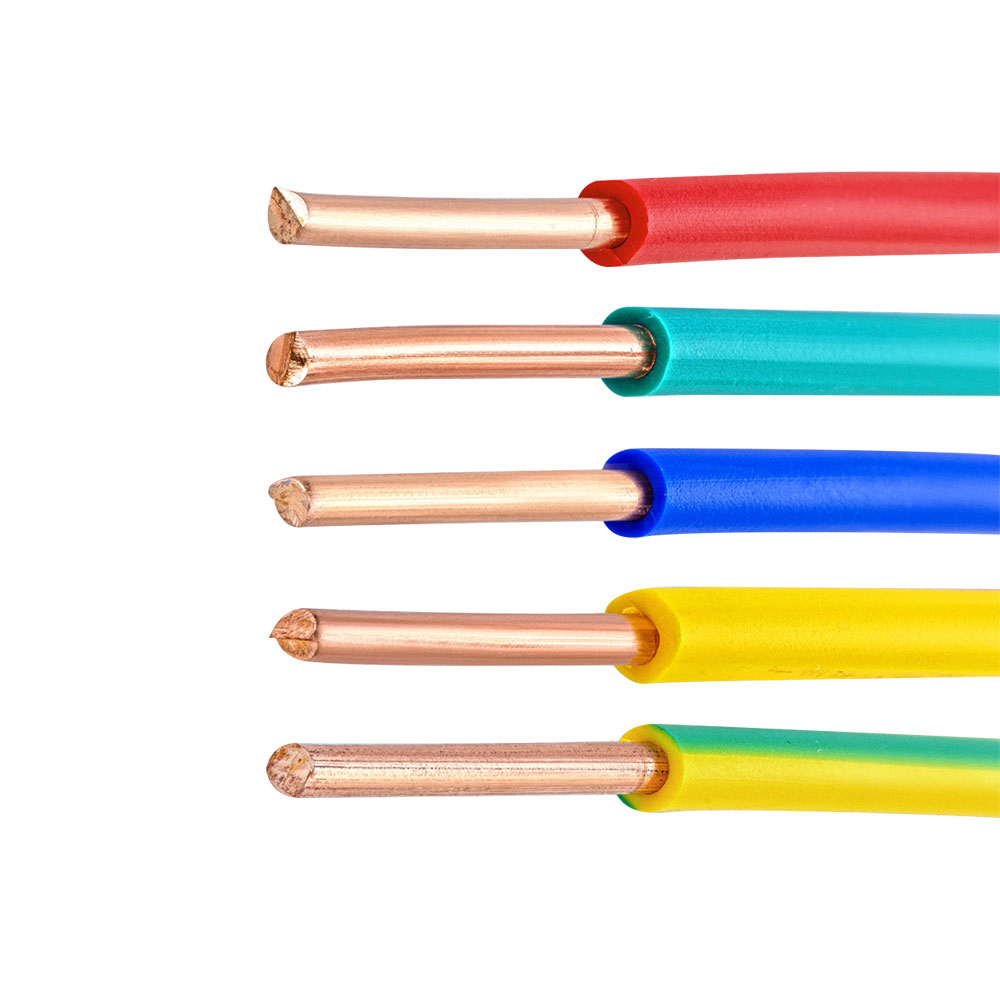
Cables for Fixed Installations in Buildings: The core mandatory area under the CPR regulation. Includes all power cables, control cables, communication cables, and optical cables used for permanent installation in buildings (residential, commercial, industrial).
Cables for Machinery: As components of machinery requiring CE certification (e.g., machine tools, robots), their safety is governed by the Machinery Directive, and cables are certified as part of the whole machine.
Cables for Other Directive-Covered Products: Used in products covered by specific CE directives (e.g., elevators, medical devices) and must meet the requirements of the corresponding directives.
III. Detailed Core Advantages
Legal Market Access Advantage: A mandatory prerequisite for legally entering the EU market and conducting commercial activities, avoiding legal risks and trade barriers.
Economic Efficiency Advantage: A single certification allows access to the entire unified European market, significantly reducing the costs of repetitive testing and certification required to meet the varying requirements of multiple countries.
Transparent Safety Performance Advantage: CPR-certified cables undergo standardized testing and evaluation for their fire performance classification (e.g., B2ca, Cca), providing architects, engineers, and regulators with objective, comparable safety data, thereby enhancing building fire safety levels.
Market Credibility Advantage: The CE marking serves as a visible proof of the product's compliance with the EU's high safety standards, boosting confidence among purchasers, contractors, and end-users and enhancing product competitiveness.
Liability and Risk Management Advantage: A clear compliance chain helps delineate responsibilities. Using compliant CE-certified cables helps project developers and system integrators fulfill their duty of care, reducing potential legal liabilities.
In summary, the essence of CE-certified cables is a legal compliance credential. Their core value lies in ensuring that cable products meet basic health, safety, and environmental protection requirements through the EU's unified and mandatory safety assessment system, providing fundamental protection for construction projects and public safety.

 English
 Español
 عربى
عربى
 русский