Get more content that can help you
Content
An automated production line is a hard place to run a cable. A drag chain can cycle several million times a year, a robot wrist rotates through multiple axes, and a servo drive pushes high current through conductors sitting only millimeters from a feedback signal. When a machine stops, the cable is often the last component anyone suspects and the first one worth inspecting.
Choosing industrial automation cable is therefore not about finding the thickest or the cheapest option. It is about matching construction details, such as stranding, insulation, shielding, and jacket, to the motion, chemistry, and electrical noise of one specific machine. This guide covers the cable families that make up a typical automation system, the ways they fail, and the questions worth asking before you place an order.
The phrase industrial automation cable is an umbrella term, not a single product. It covers everything from 24 V control wiring inside a cabinet to shielded motor cables running along a gantry. What the good ones share is that they were designed for movement, noise, and contamination rather than for a fixed installation inside a wall.
A cable carrying a 400 V motor supply and a cable carrying an encoder signal may look similar from the outside, but their insulation thickness, shielding coverage, and capacitance targets are different. Using one type for both jobs is one of the most common, and most expensive, shortcuts in automation projects.
Most machines use five or six distinct cable families, each doing a different job. Sorting them early makes the rest of the selection straightforward.
| Cable family | What it carries | Typical location |
|---|---|---|
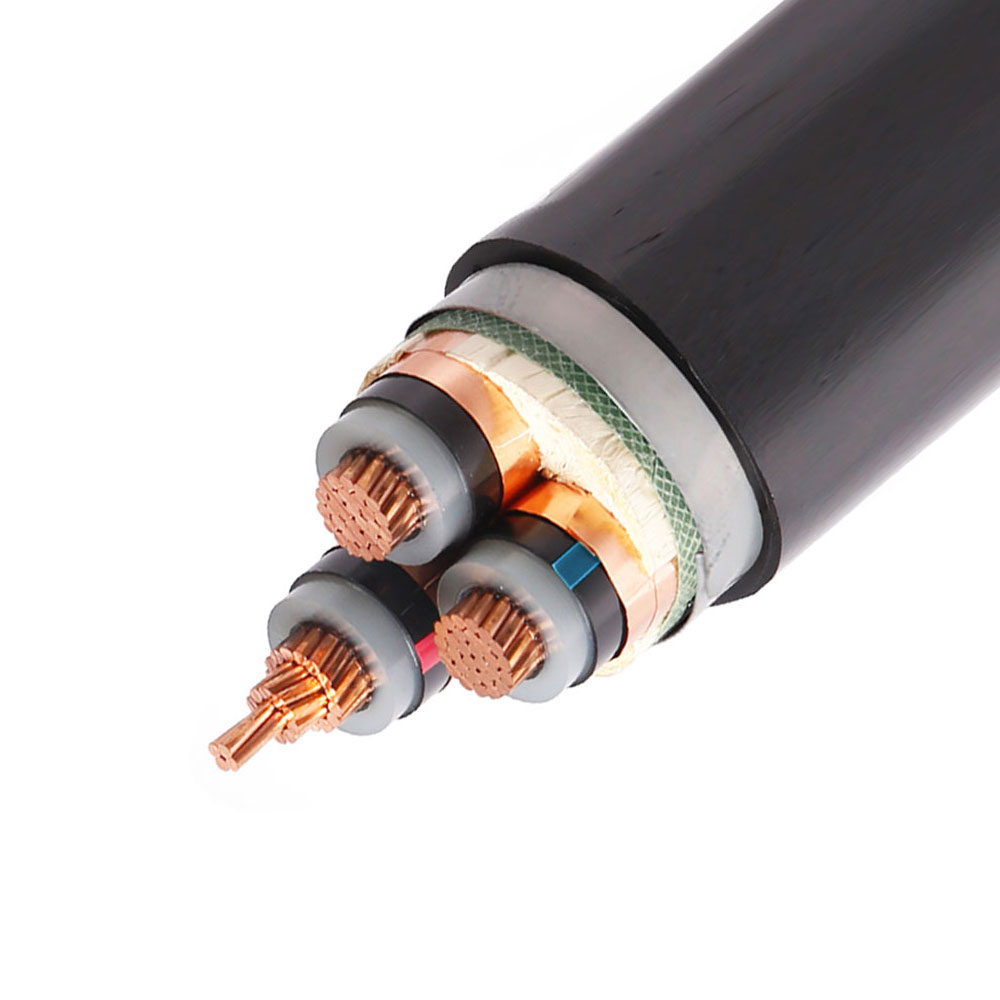
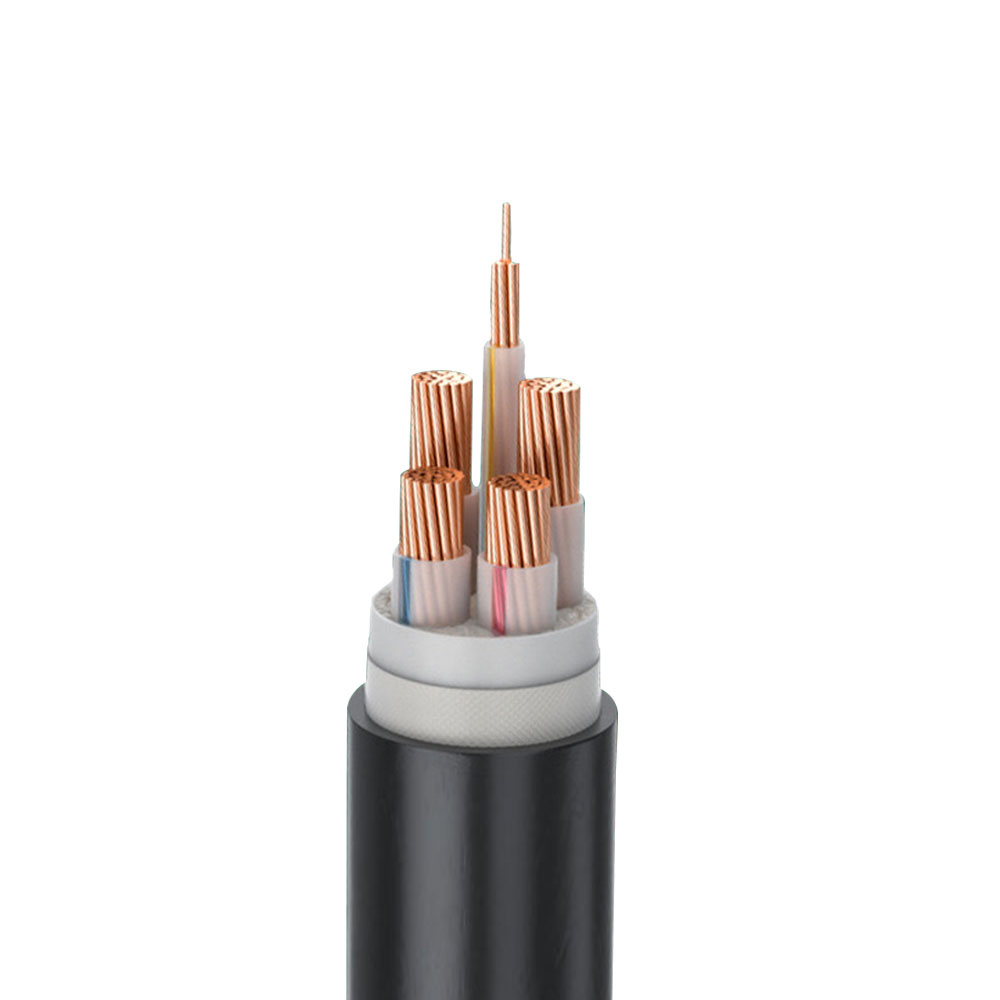
| Power supply cable | Mains voltage to drives, motors, and cabinets | Panel feeds, busbars, motor supply |
| Control cable | Switching and interlock signals, usually 300/500 V | Panels, pushbuttons, valves, relays |
| Servo and motor cable | High current plus protective earth to a servo motor | Drive to motor, often in a chain |
| Feedback and encoder cable | Low-level position and speed signals | Motor to drive, routed beside power cable |
| Data and bus cable | Ethernet, CAN, Profibus, or sensor bus traffic | Controllers, IO blocks, vision systems |
| Sensor and instrumentation cable | Analog and digital measurement signals | Pressure, temperature, and flow devices |
| Robot and drag chain cable | Power, control, and data on moving axes | Wrists, gantries, linear actuators |
In a typical retrofit, the data and feedback cables cause the most interruptions, because shielding and impedance matter more than conductor gauge there. A well-specified bus cable, for instance, keeps communication stable even when it shares a duct with drive cables for several meters.
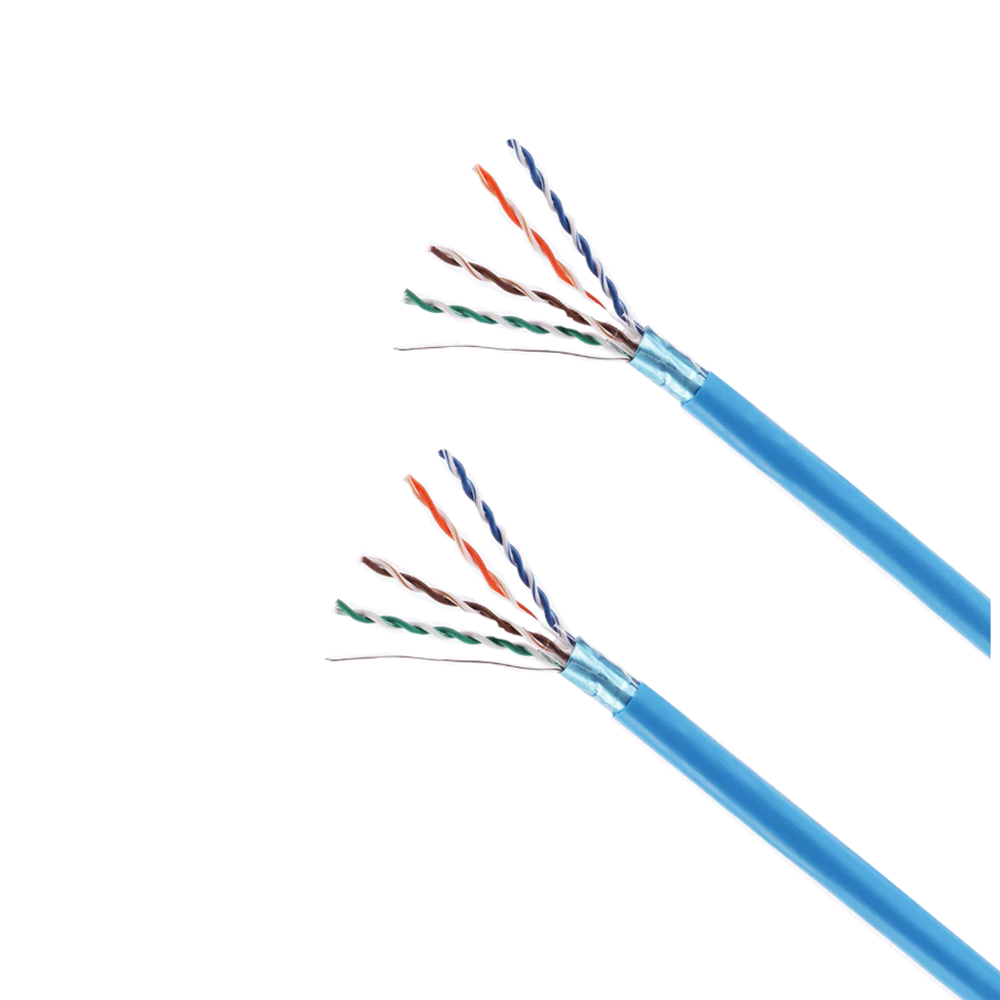 Cat6 Shielded Industrial Ethernet Cable for AutomationCategory 6 industrial Ethernet cable with per-pair and overall shielding, suited to retrofits needing stable data and feedback transmission.View Product →
It also helps to organize the selection by application rather than by cable type alone, because a packaging line, a CNC cell, and a robotic workcell put very different demands on the same construction. We group these combinations by industry in our automation solutions overview, which is often a faster starting point than a long product list.
Failures rarely start in the copper. They start in the jacket, the shield, or the strand structure giving up under a condition that never made it into the specification.
Two of these deserve special attention. In a cable chain, the deciding factor is almost always the jacket compound and the bend radius the cable is actually installed with, not the one printed on the datasheet. A properly rated drag chain cable holds its electrical performance across millions of cycles precisely because the shield and jacket were designed to move together instead of fighting each other.
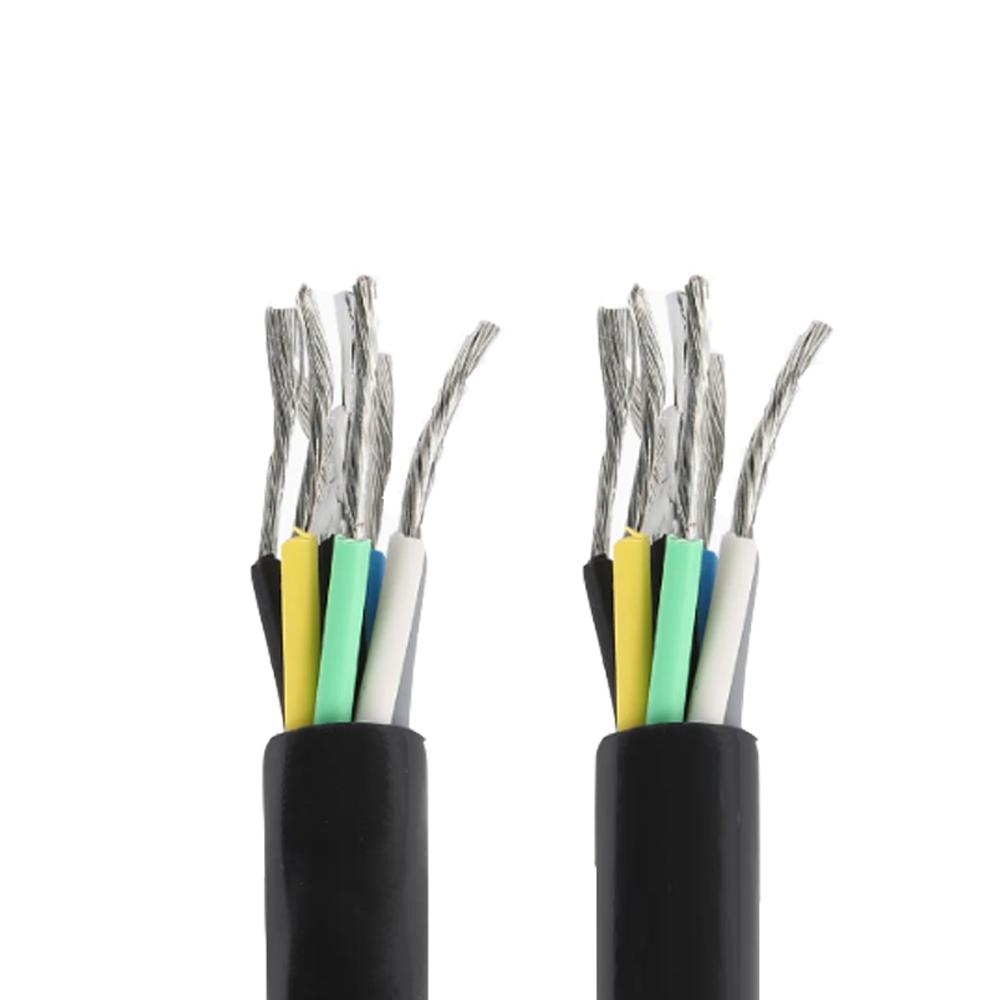
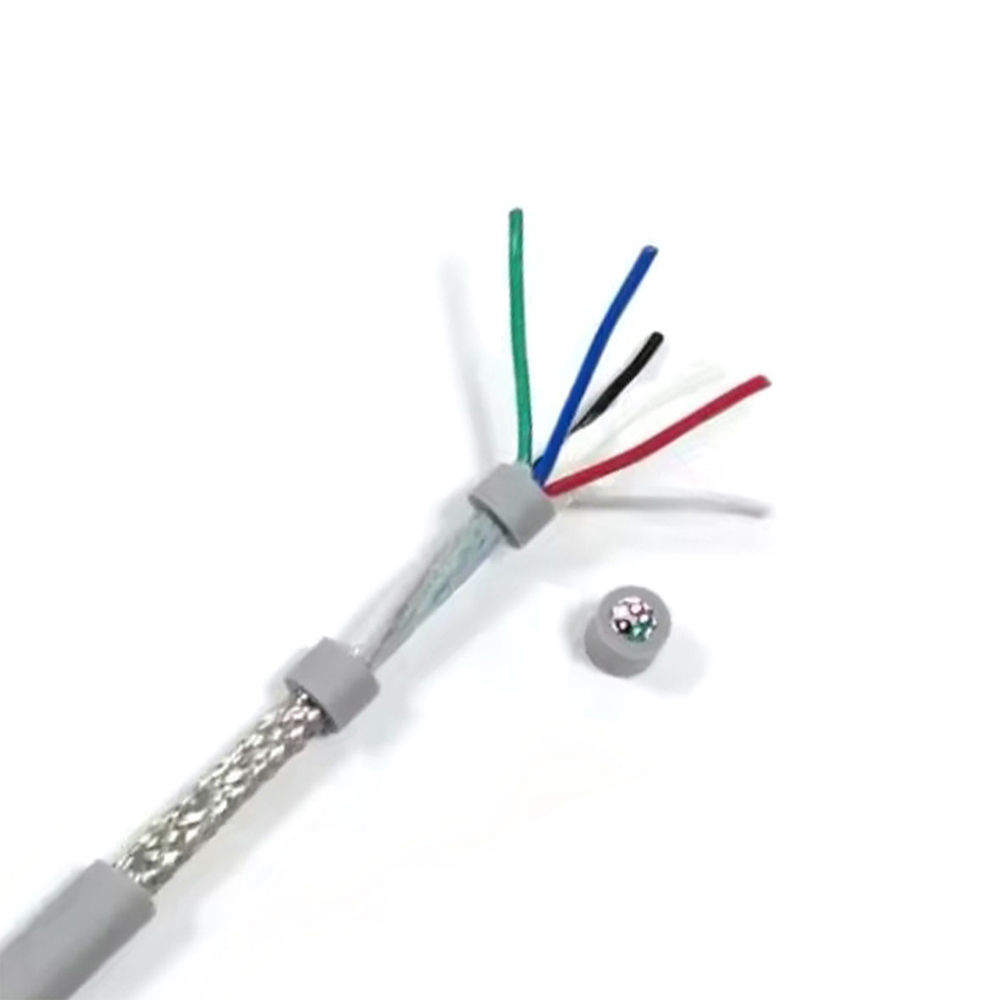 TRVVP Shielded Drag Chain Cable for Elevator SystemsFlexible traveling cable with overall shielding for elevators, supporting control, data, video, and bus signals in reciprocating shaft motion.View Product →
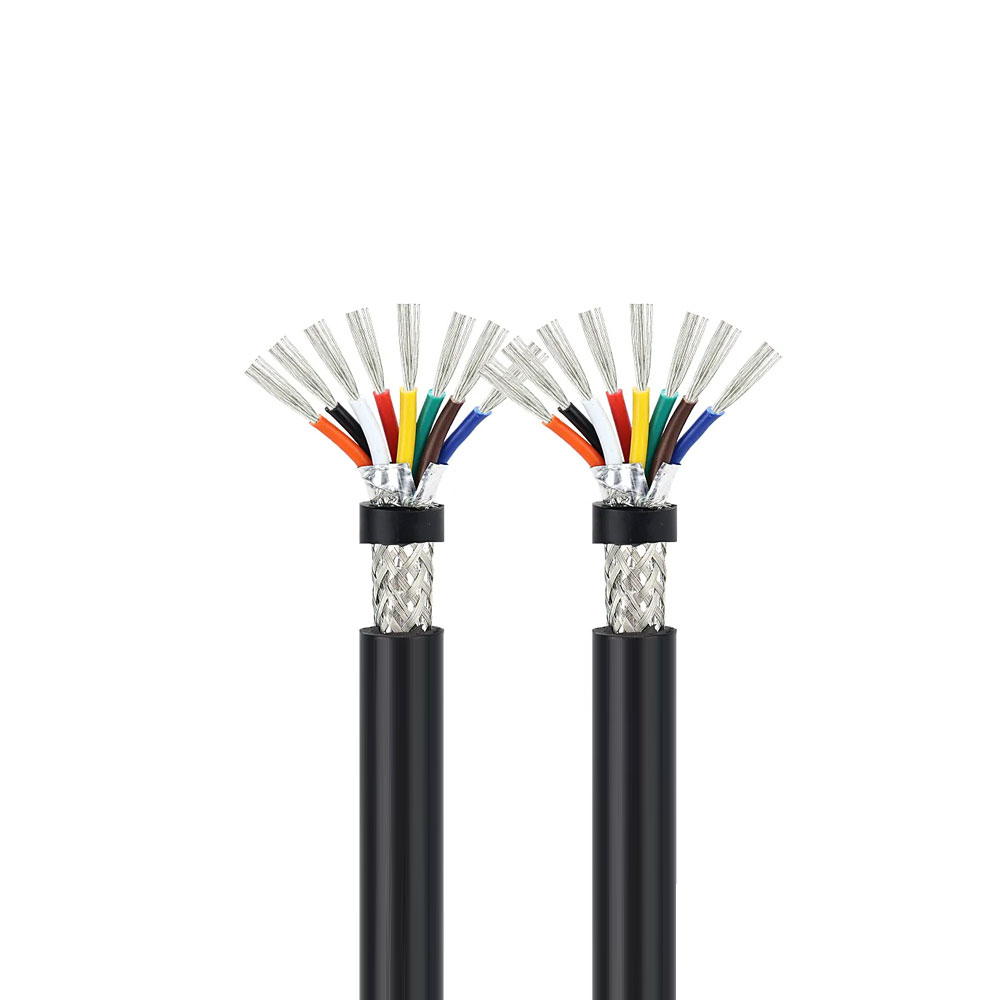
Foil with a drain wire handles high-frequency noise well and is inexpensive, while a braided copper shield is better for low-frequency interference and adds mechanical strength. Combined shields give both, at the cost of weight and a slightly larger diameter. Coverage matters as much as the shield type: an 85 percent braid and a 95 percent braid behave very differently next to a 15 kW drive. As a rule, route power and signal cables in separate ducts where possible, cross them at right angles when you cannot, and use shielded constructions for everything below 24 V.
| Material | Strong at | Worth noting |
|---|---|---|
| PVC | General wiring, moderate flex, cost control | Limited oil and heat resistance |
| PUR | Abrasion, oils, coolants, continuous flex | Higher cost, needs careful termination |
| TPE | Flex life at temperature, tight bend radii | Weaker against some oils than PUR |
| Silicone | Extreme heat and cold while staying flexible | Lower mechanical strength, higher cost |
| XLPE | Power distribution, high dielectric strength | Stiffer, better suited to static runs |
| PTFE and FEP | Chemicals and very high temperatures | Expensive, specialized handling |
When a project has dozens of cable runs, working through the same short sequence for each one keeps the specification honest.
For multi-axis robot arms, this sequence usually points toward a PUR construction with a high strand count and a shield designed to survive repeated twisting rather than plain bending.
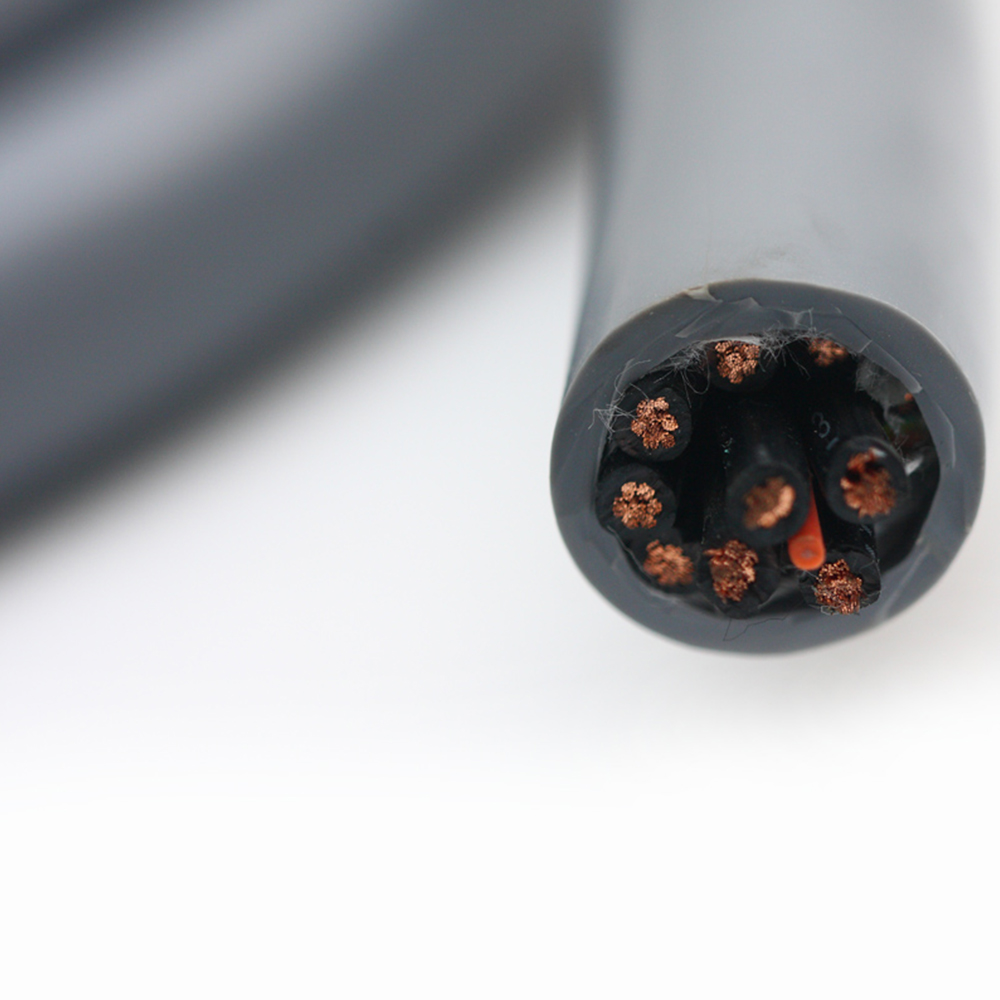 JOR-256 PUR Robot Cable for Dynamic ApplicationsPUR-sheathed robot cable with braided shielding and high flexibility, designed for six-axis robots, cable carriers, and servo encoder wiring.View Product →
Export-oriented automation projects rarely accept a generic cable. CE and UL listings, flame-retardant and low-smoke halogen-free options, and documented test data are often part of the purchase condition rather than a nice extra. Custom lengths, core color coding, printed legends, and tailored shielding are equally common requests, because a cable that fits the machine the first time saves an entire commissioning day.
As a manufacturer with our own production base in Xuancheng, Anhui, we handle both ends of that range: standard control, data, servo, and flexible cable families, and modified constructions built to a customer drawing. Cable choices also change in hazardous environments, where a single weak link in signal integrity can affect an entire safety system, a topic we cover in more depth in this article on instrumentation cables in hazardous zones.
Industrial automation cable is a small line item in most project budgets and a surprisingly large share of unplanned downtime. Treating it as an engineering decision rather than a purchasing one, with the motion profile, the environment, and the signal requirements written down before anything is ordered, is usually enough to avoid the common failures. If you are unsure which construction fits a specific axis, send us the application details and we will work through the options with you, from a standard control cable to a fully customized flexible design.

We firmly believe that good cables are not only a competition of materials, but also a reflection of craftsmanship, quality, and responsibility.

Links
Product
Send Inquiry
No. 29 Sankeshu Road, Xuanzhou District, Xuancheng City, Anhui Province, China
+86-18621104555/+86-563-2622999
 Electrical Cable Manufacturer
OEM/ODM Wire and Cable Solutions
Electrical Cable Manufacturer
OEM/ODM Wire and Cable Solutions
 English
 Español
 عربى
عربى
 русский