PRODUCTS
Building Wire Manufacturers
I. Definition and Core Characteristics
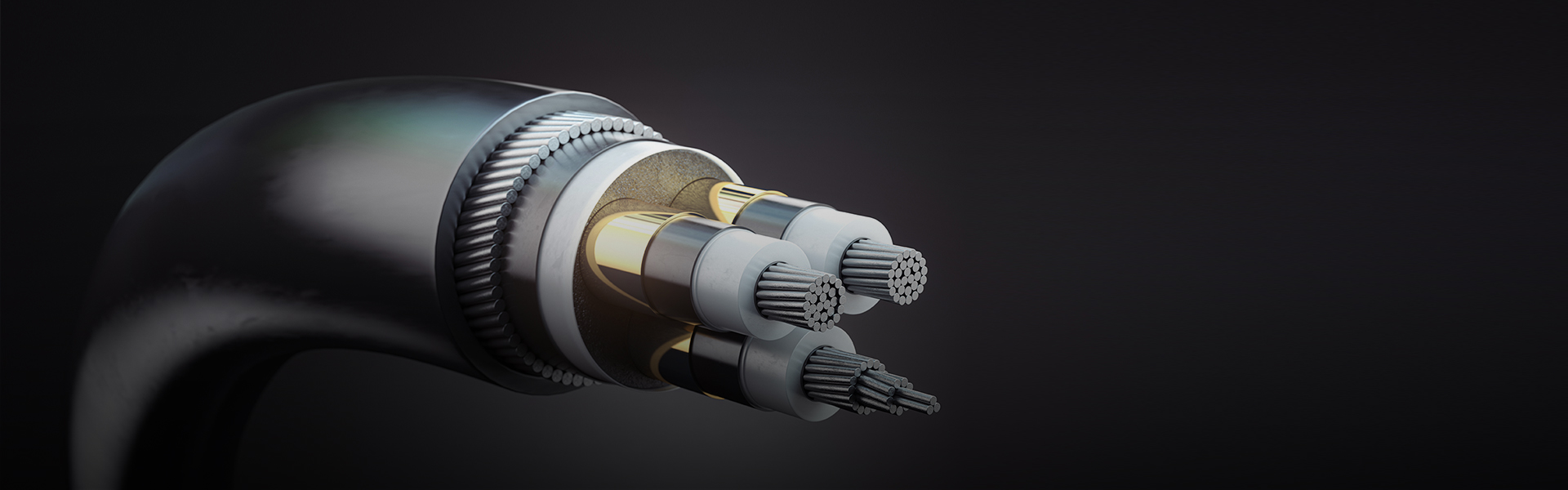
Electrical wires and cables are used inside buildings and other fixed facilities for power distribution and energy transmission. They act as the "capillaries" at the end of the power system, directly delivering electricity to electrical equipment.
Core Characteristics:
Fixed installation: Designed for permanent installation, typically installed through conduits, embedded in walls, or laid in cable trays.
Low-voltage operation: Rated voltage is generally 300/500V or 450/750V.
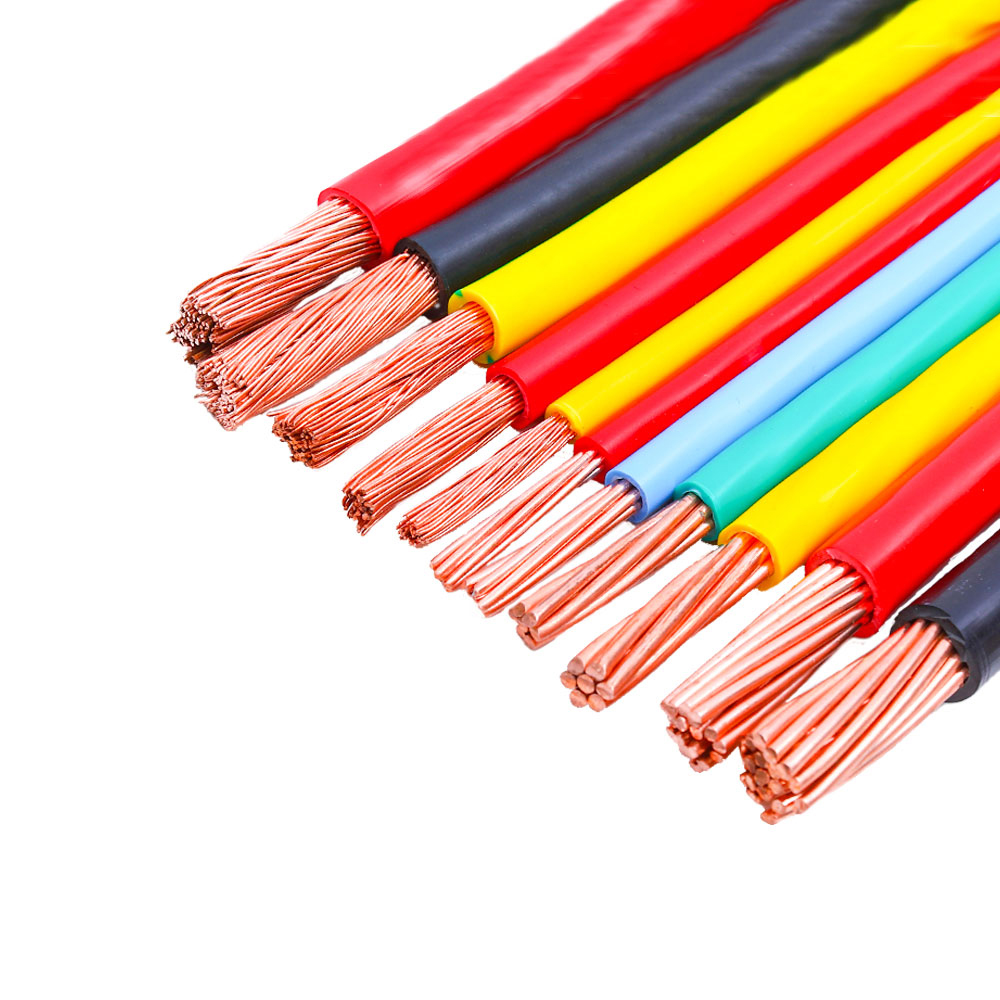
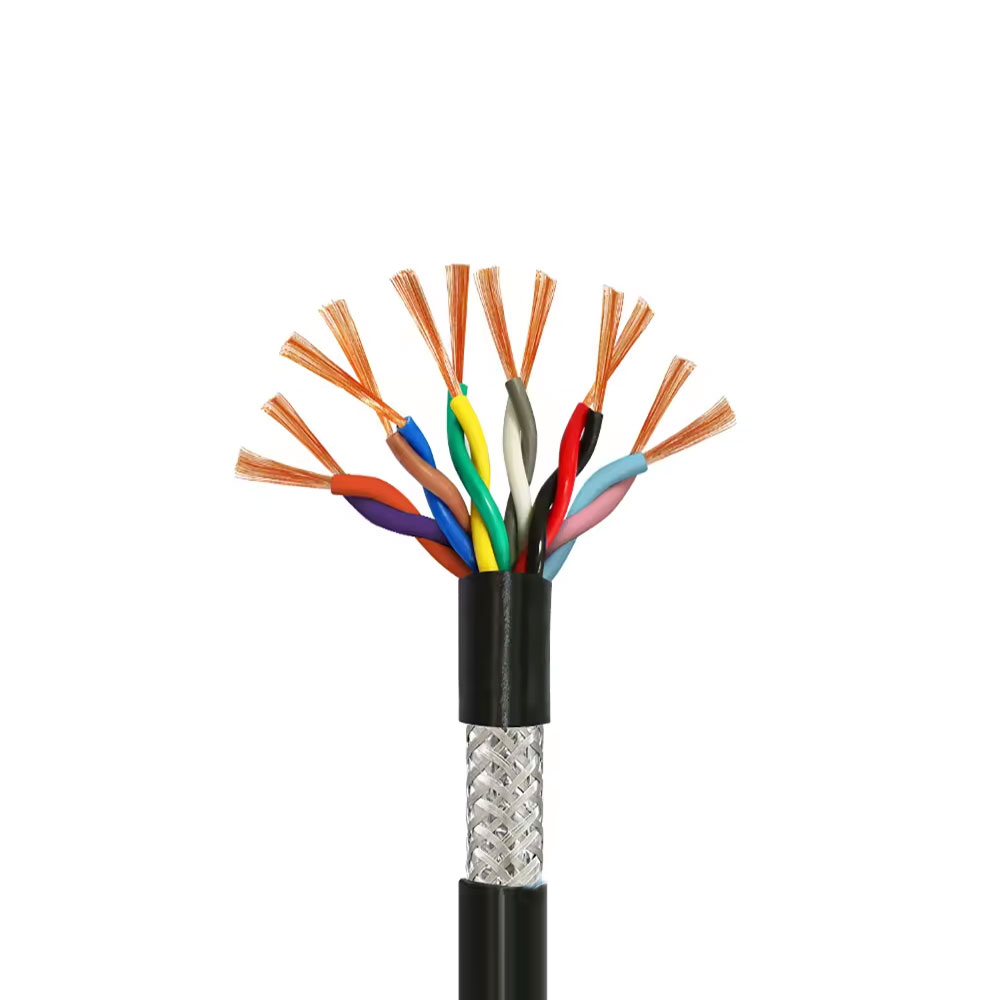
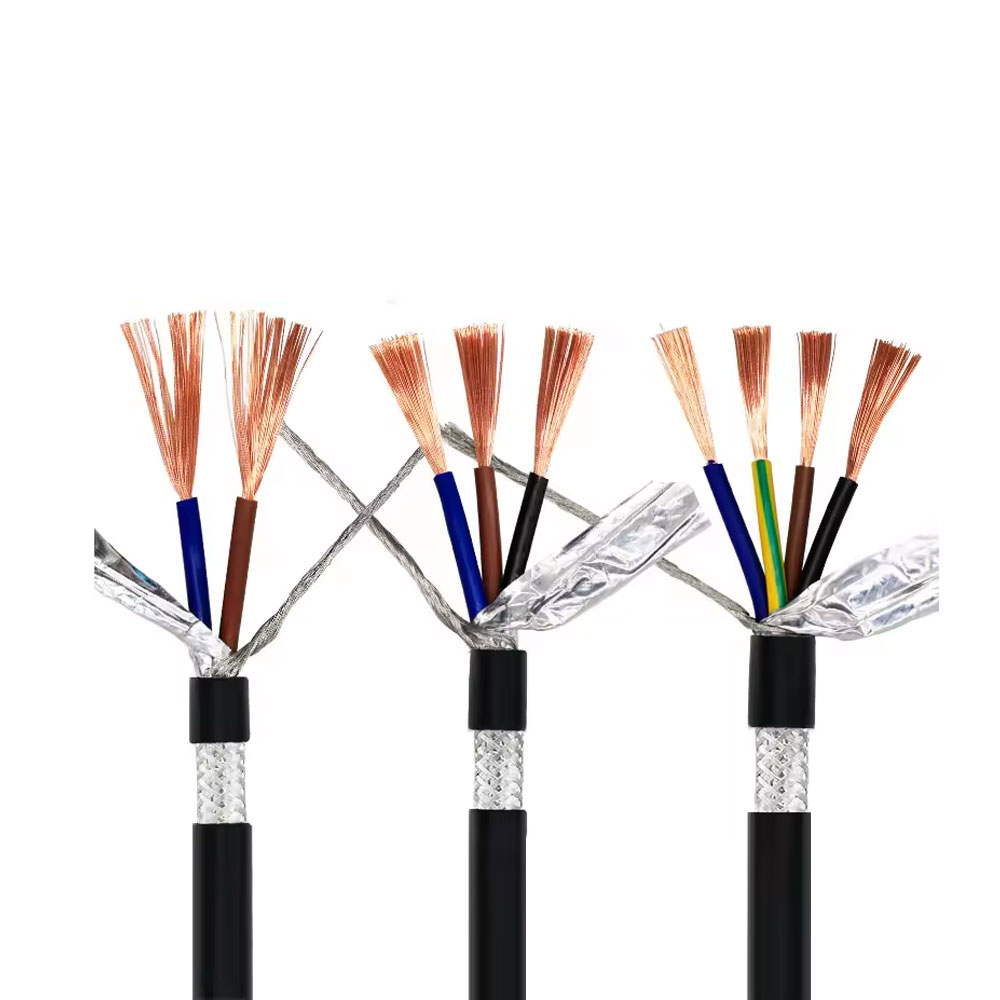
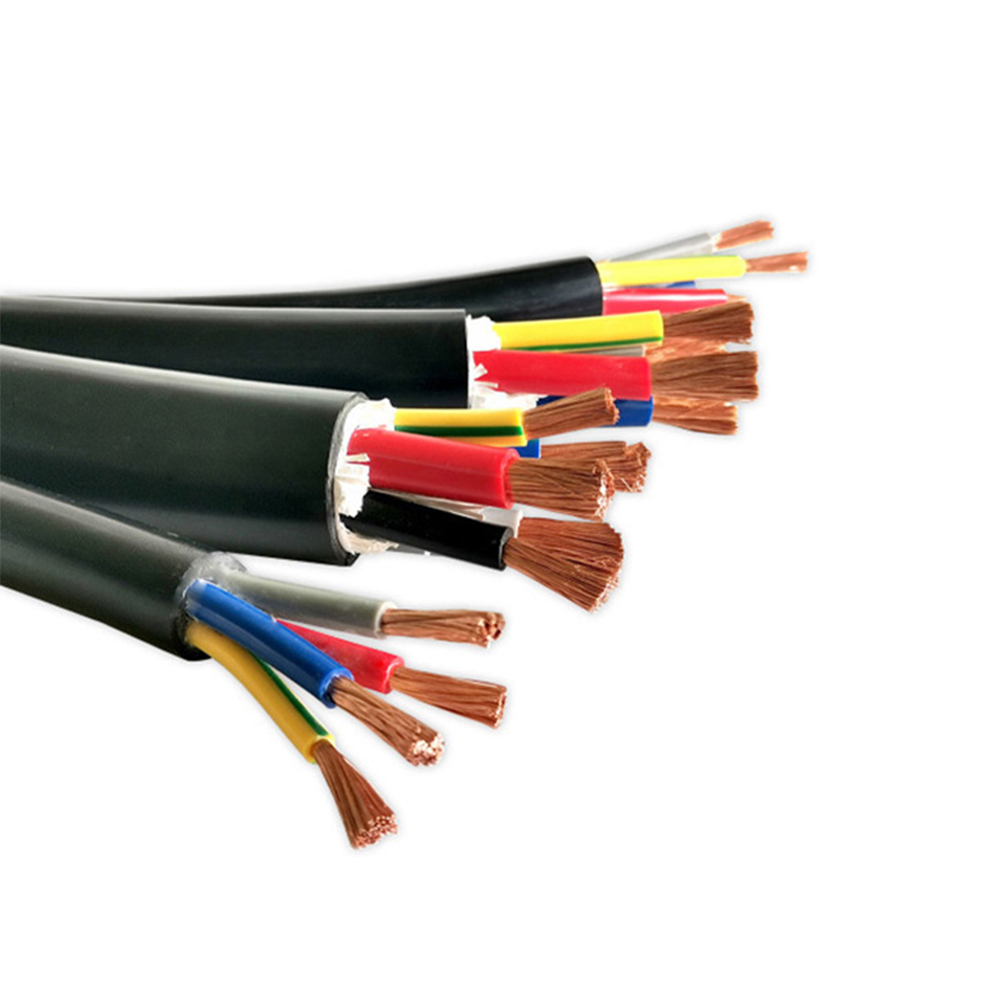
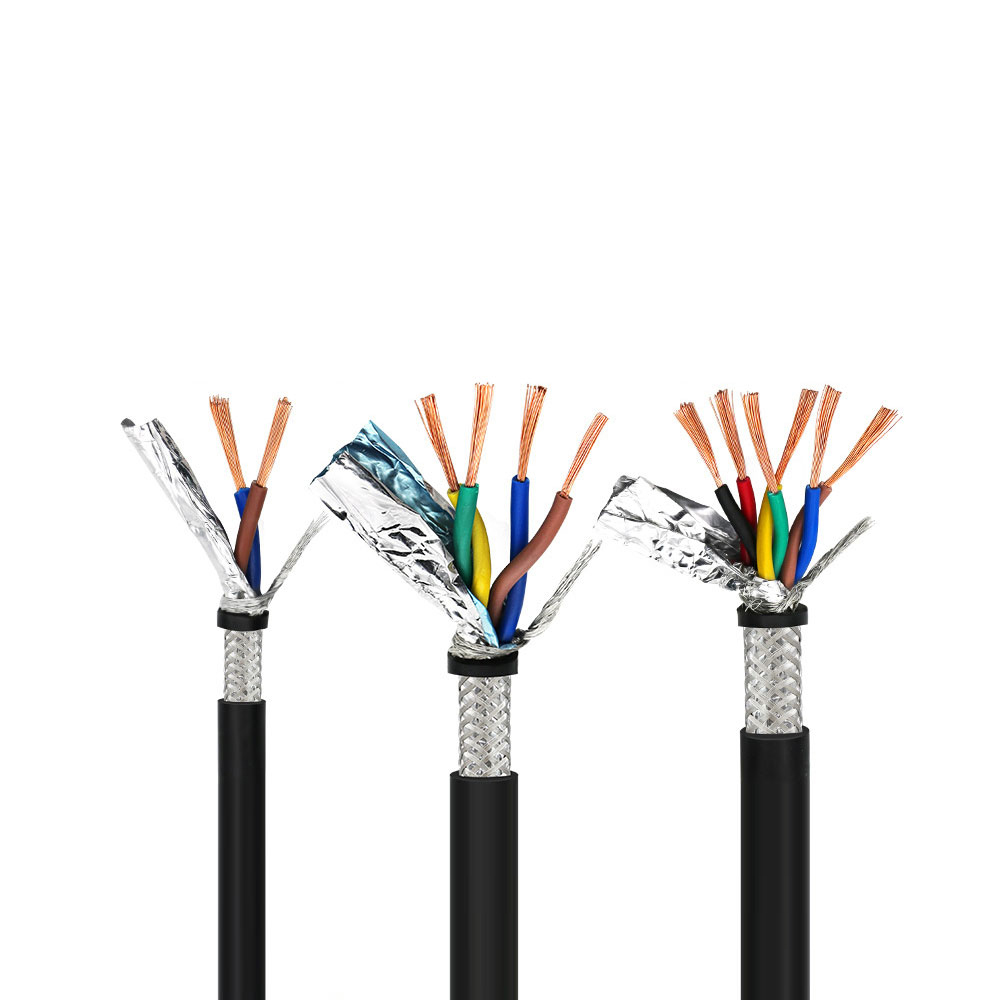
Relatively simple structure: Mostly single-core or multi-core twisted structures, without complex shielding or armoring.
High fire safety requirements: Must comply with strict flame-retardant, low-smoke, and non-toxic standards.
II. Main Types and Application Scenarios
1. Classification by Conductor Material
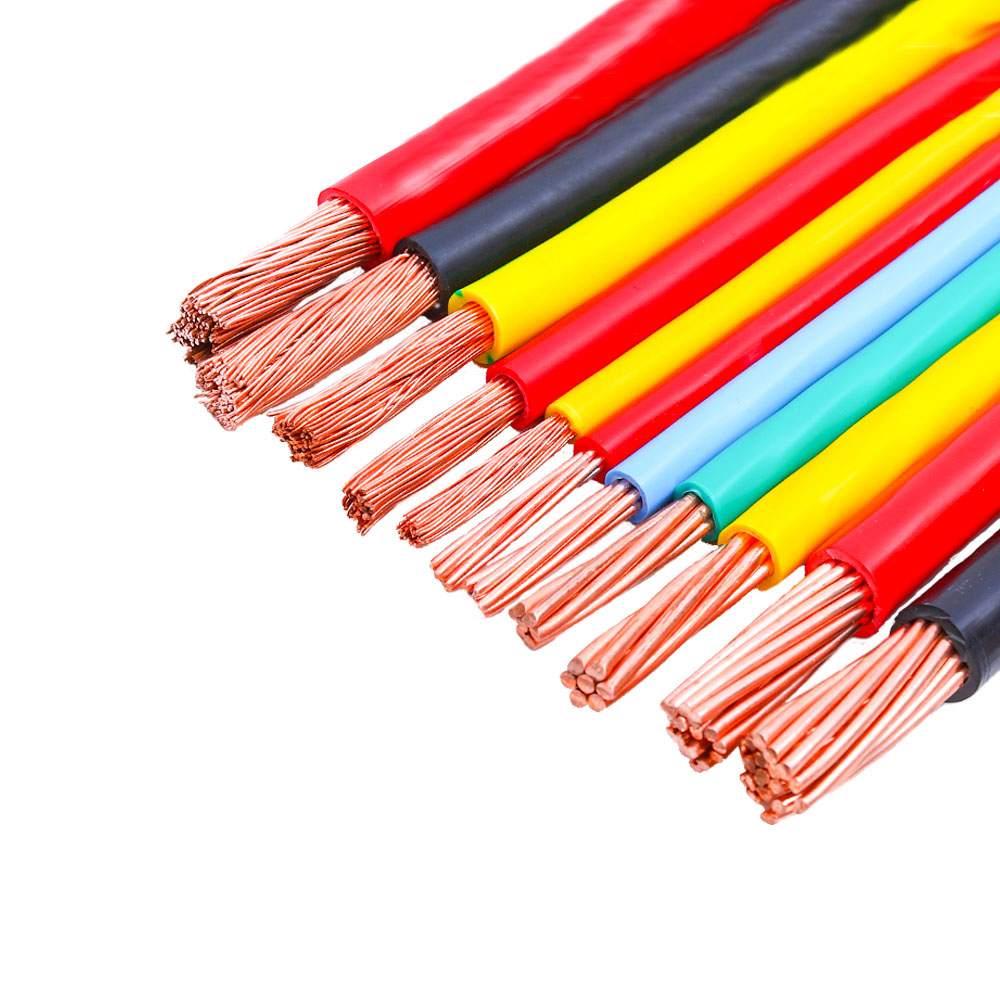
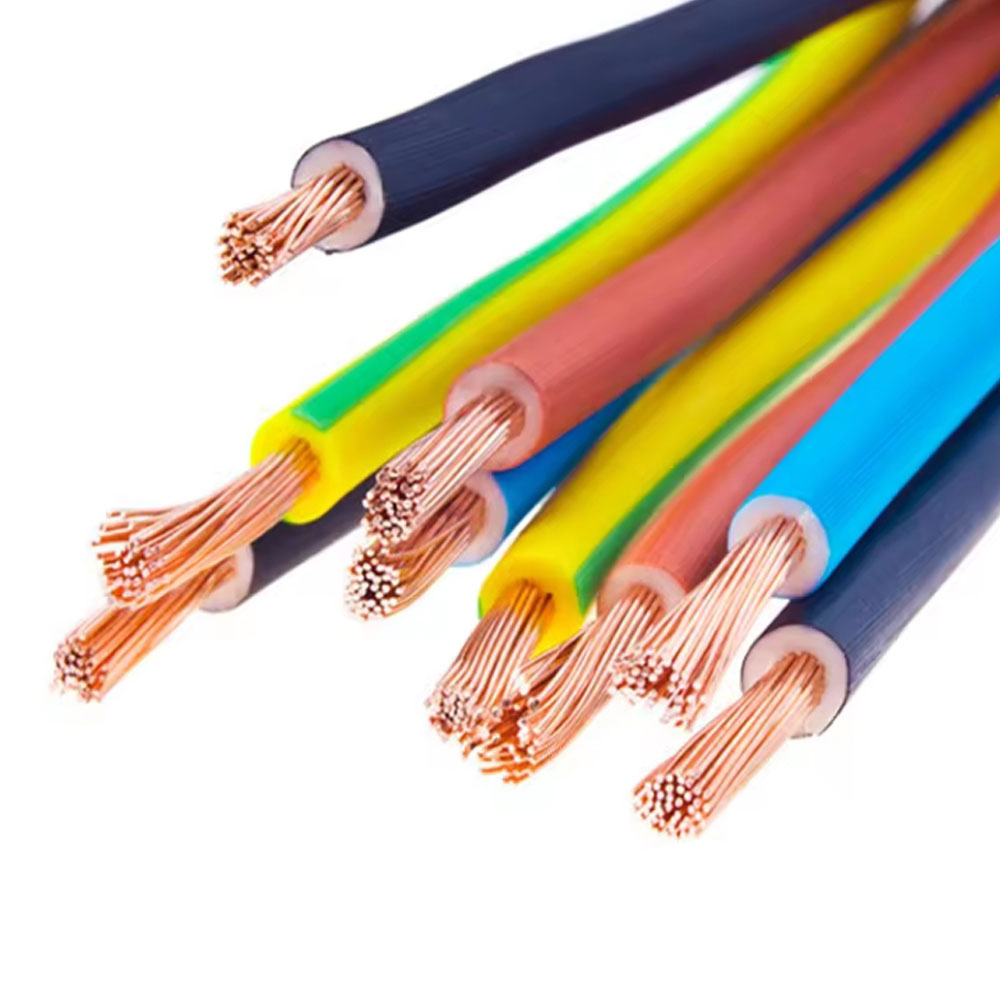
Copper-core wiring cables: High conductivity, good mechanical properties, corrosion-resistant, mainstream choice.
Aluminum-core wiring cables: Lightweight, low cost, used for specific large cross-section power distribution scenarios.
2. Classification by Structure
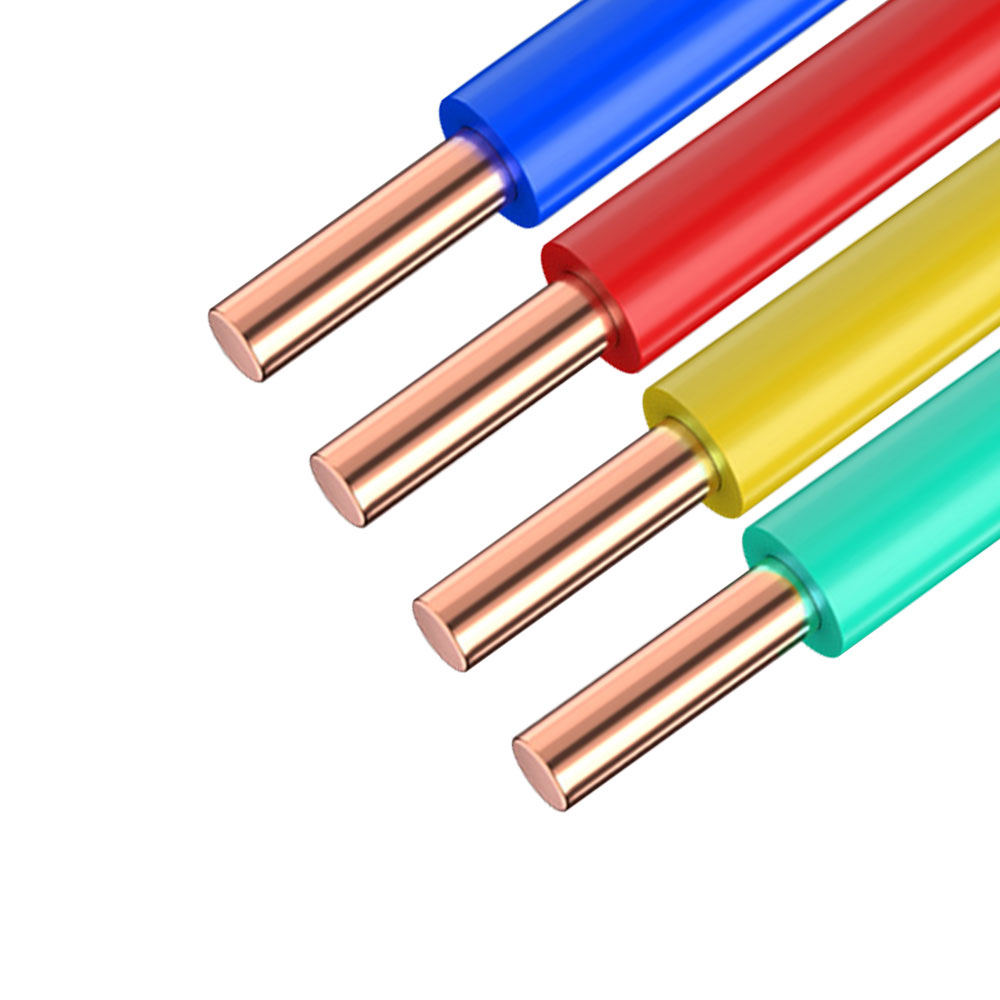
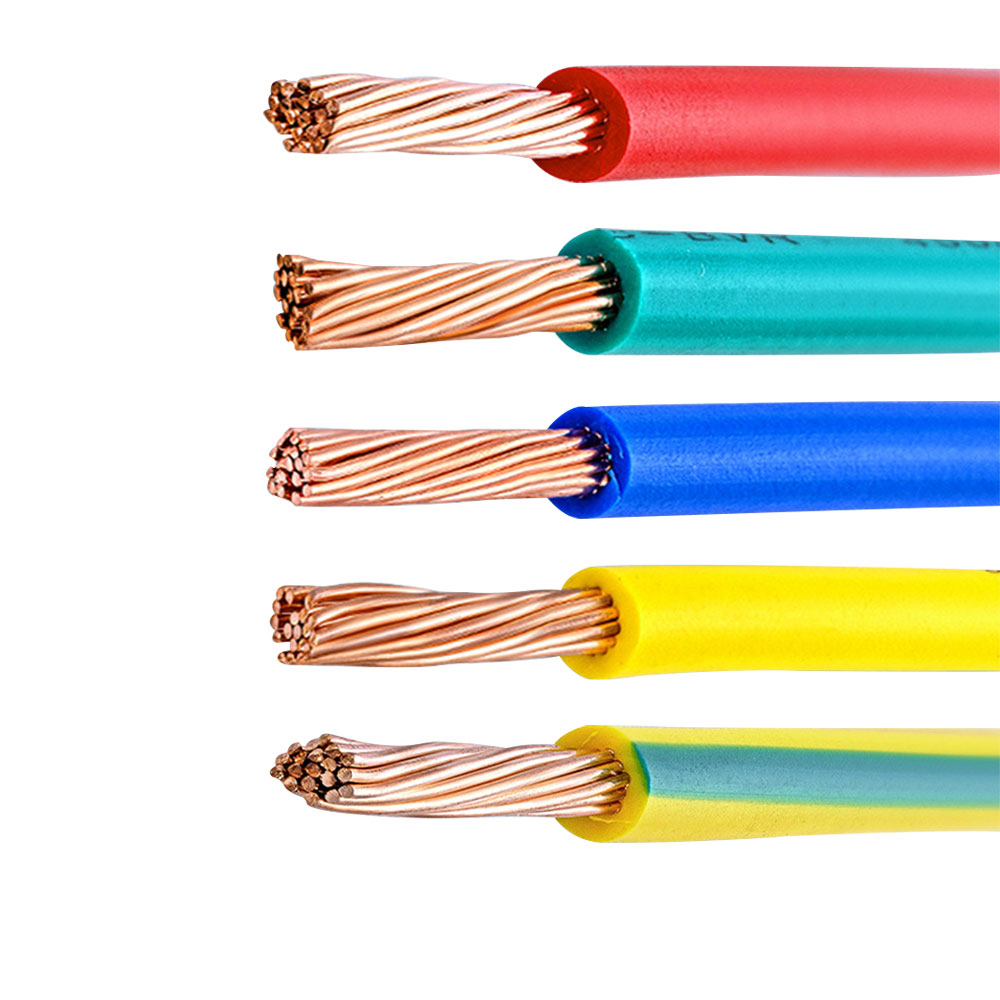
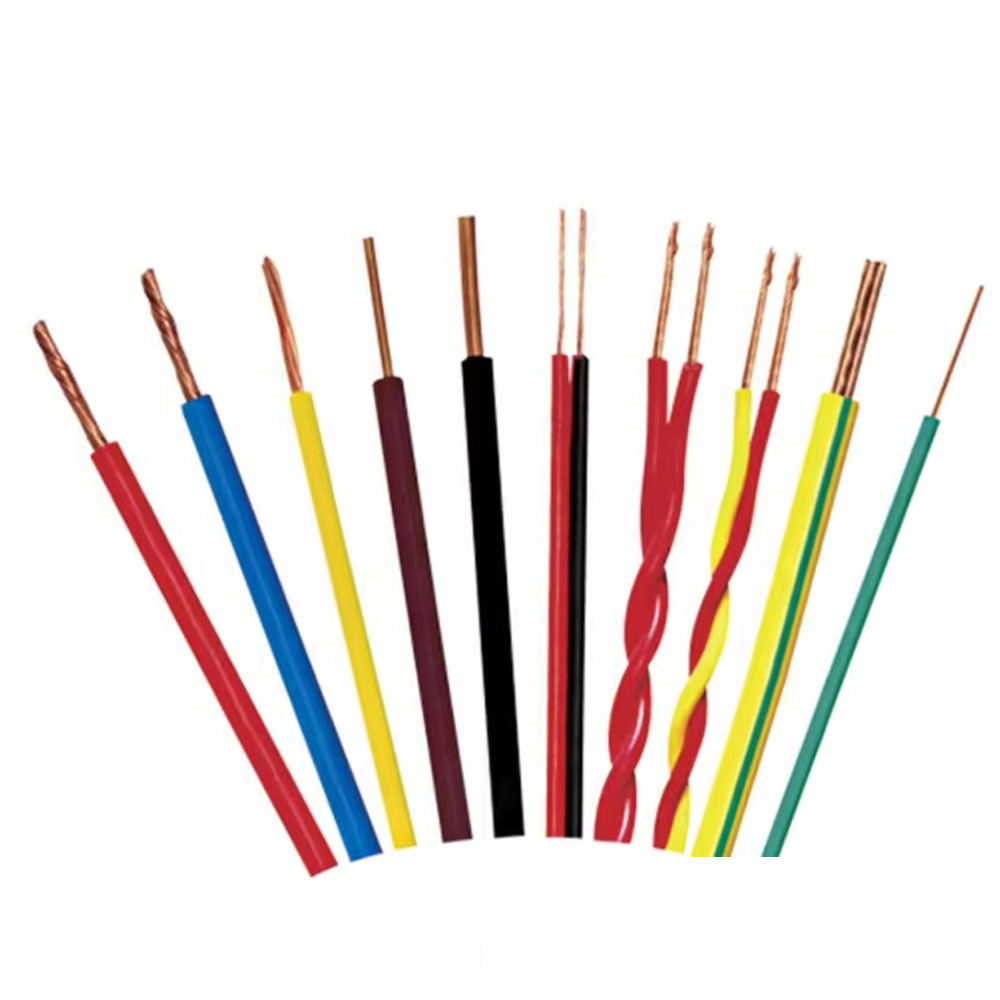
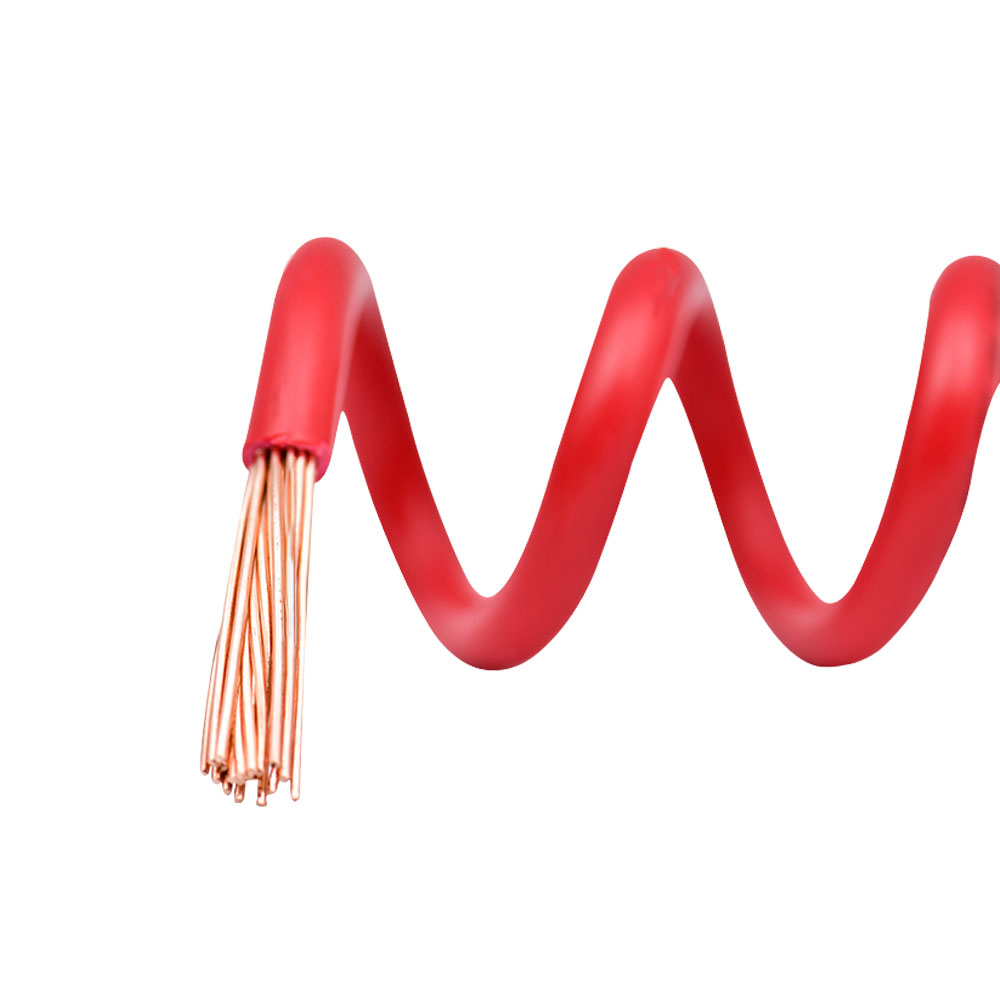
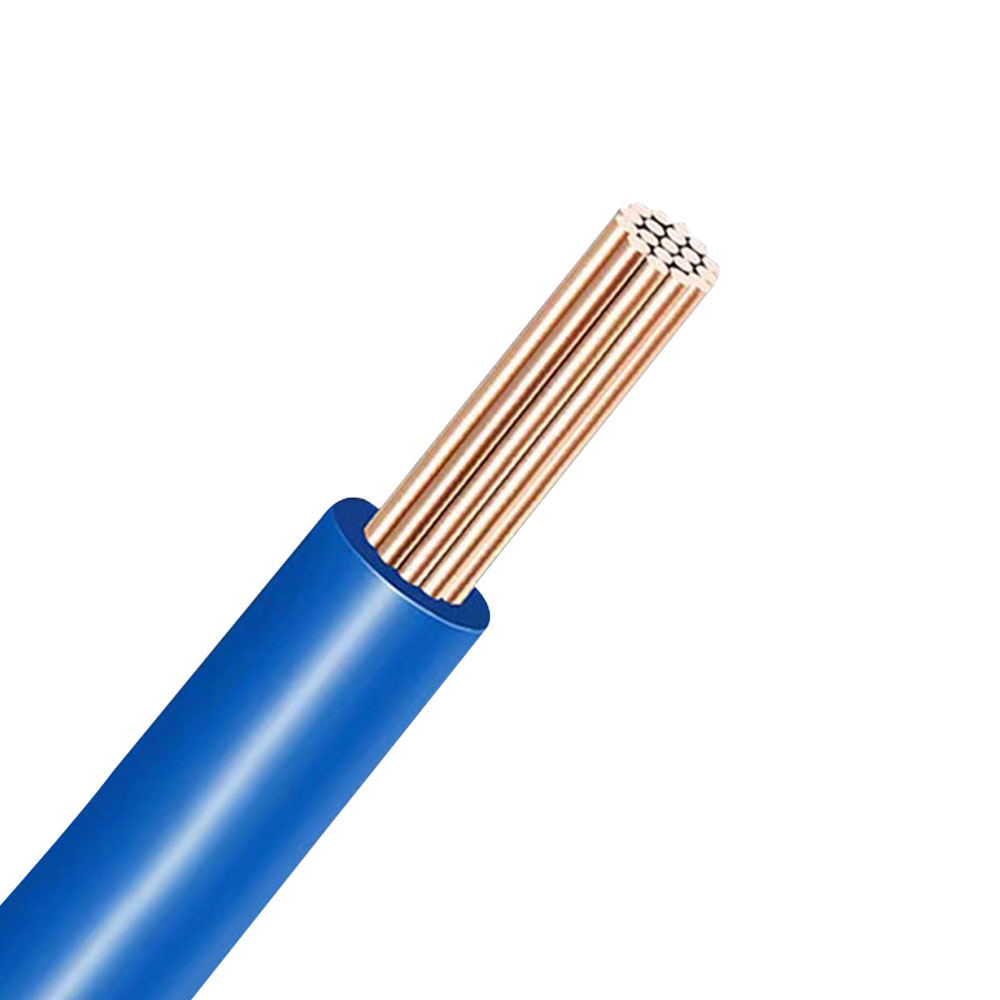
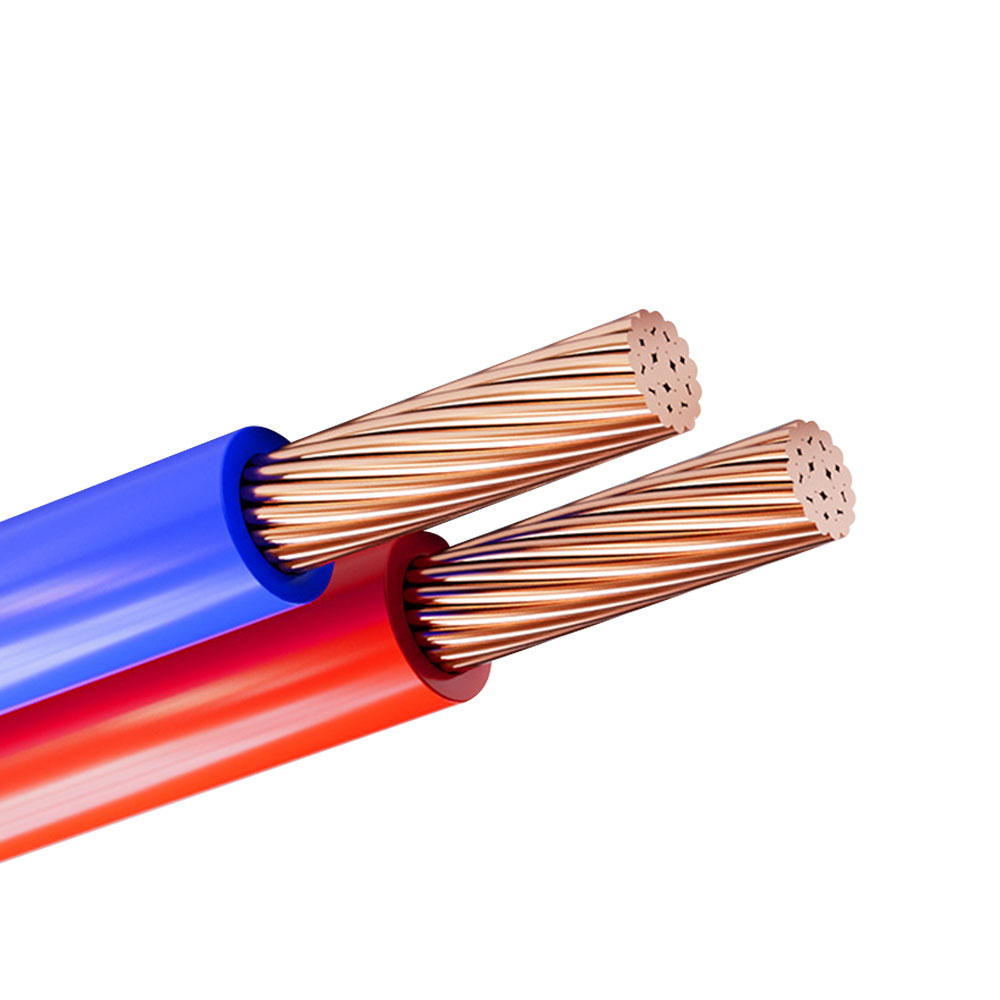
Single-core wire (BV/BVR type): Fixed wiring, installed through conduits.
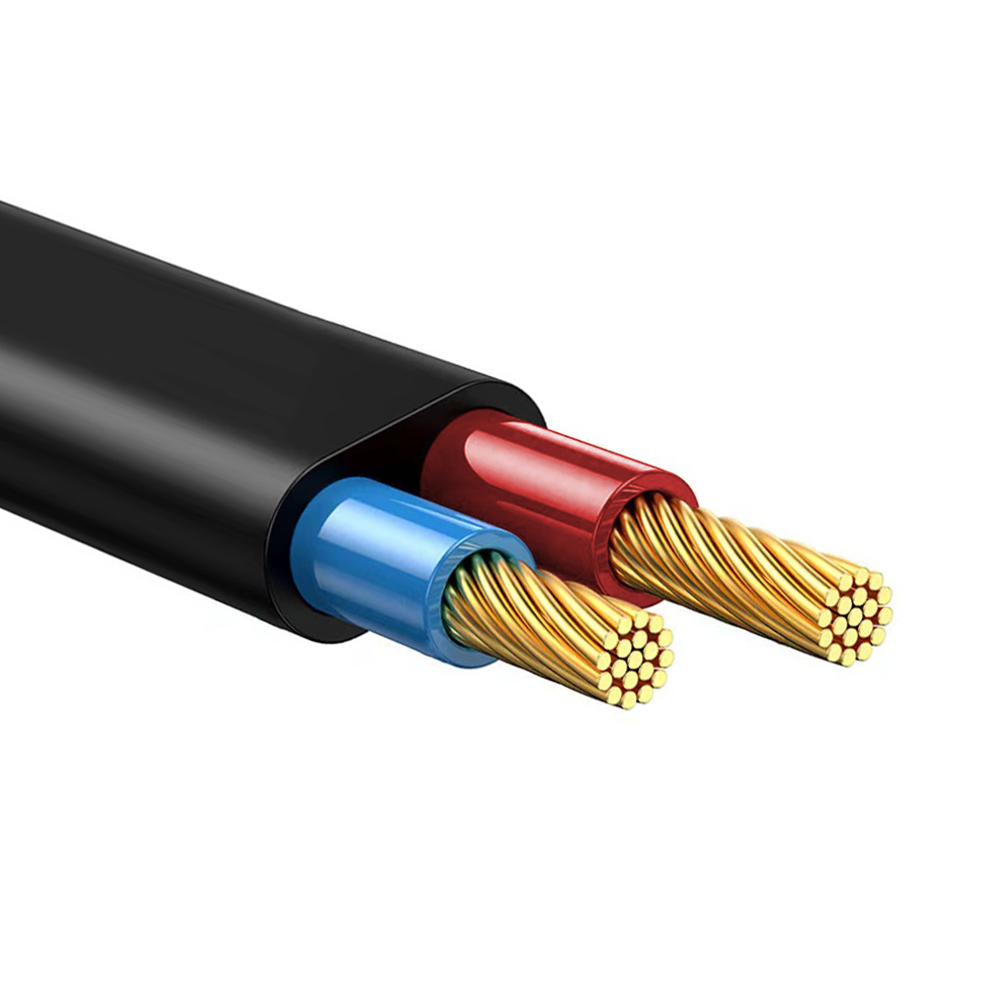
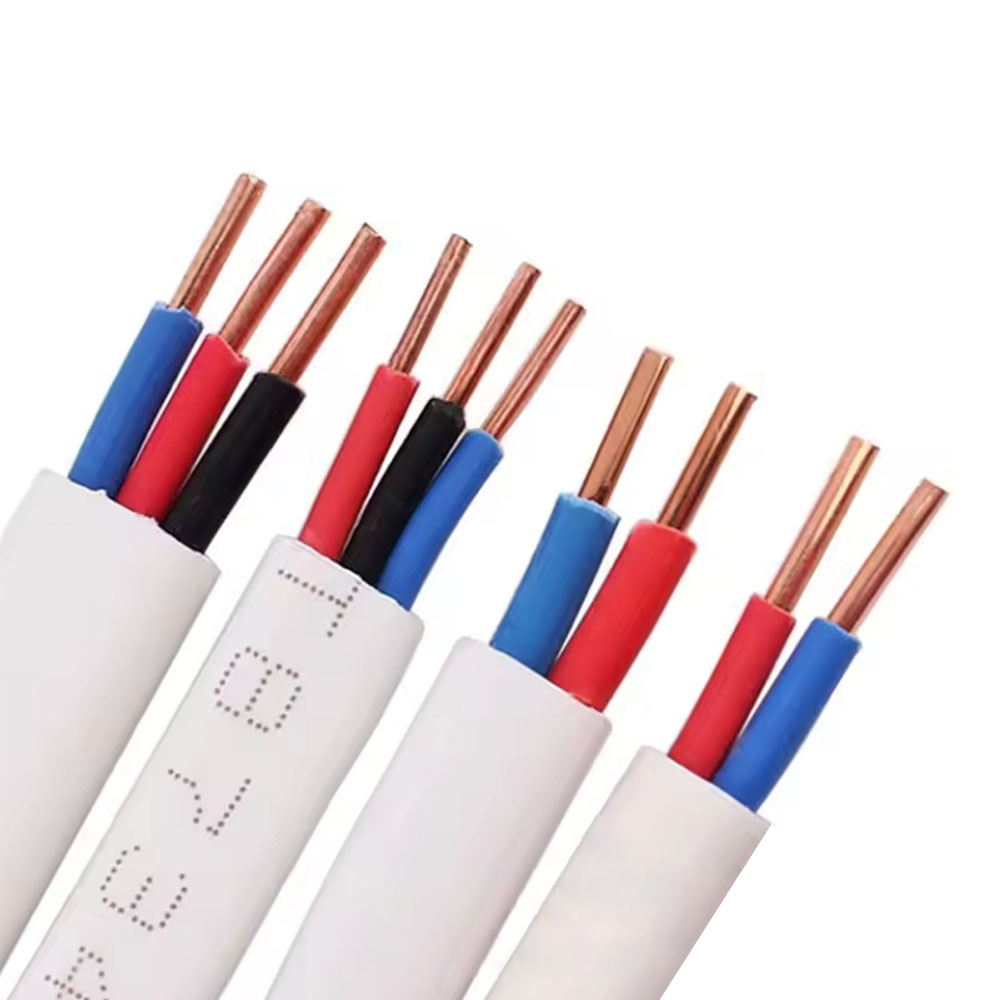
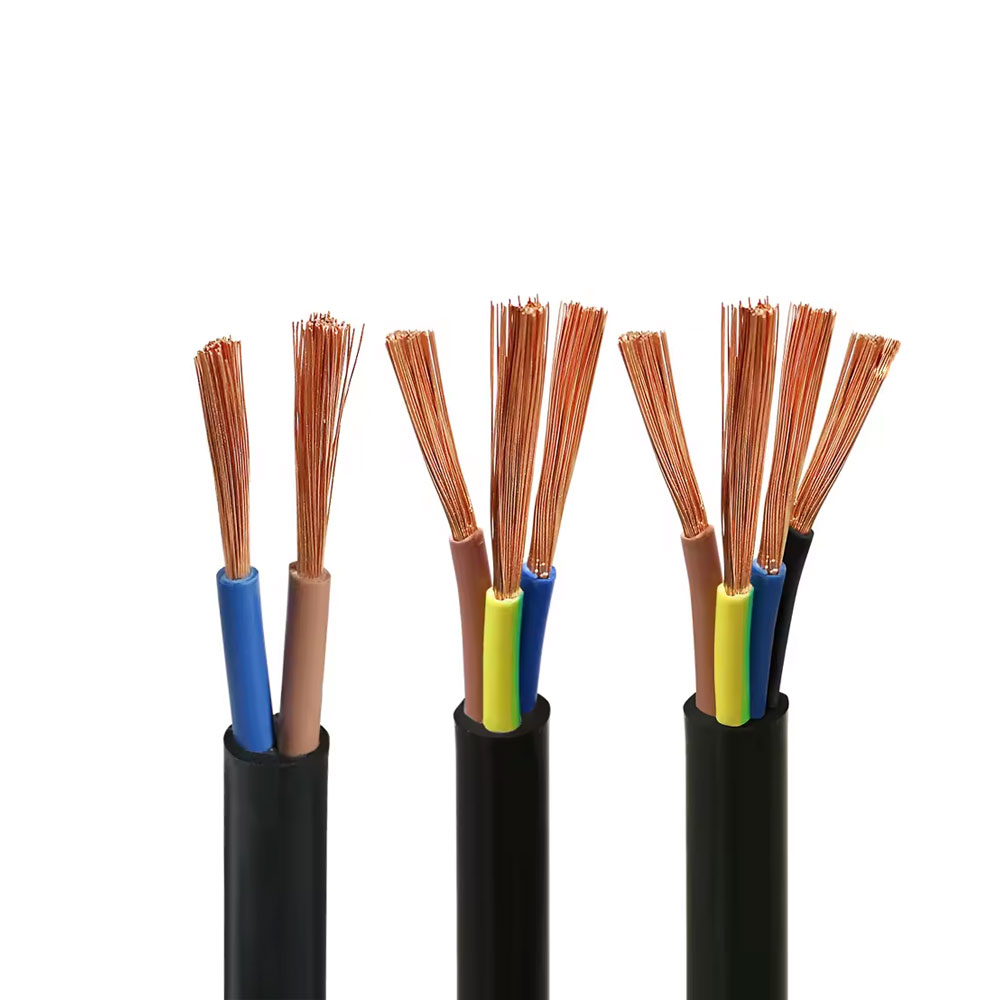
Multi-core sheathed wire (VV/VVR type): Direct installation without conduits.
Fire-resistant cable (NH type): Circuits that maintain integrity for fire safety purposes.
3. Typical Application Areas
Residential buildings: Lighting, sockets, air conditioning, and other end-point power distribution.
Commercial offices: From floor distribution boxes to end-point equipment.
Public facilities: Power distribution systems in hospitals, schools, stations, etc.
Industrial auxiliary: Factory lighting, office area power distribution.
III. Production Process Flow
Key Process Control Points:
Conductor quality control: Ensure uniform diameter and resistance compliance.
Insulation thickness control: Eccentricity directly affects voltage resistance performance.
Material purity: Impurities can lead to insulation weaknesses.
Cooling process: Affects the crystallinity and long-term performance of insulation materials.
IV. Core Advantages and Value
1. Safety and Reliability Advantages
Long-life design: High-quality wiring cables can have a design lifespan of over 25 years.
High stability: Extremely low failure rate, with almost zero maintenance costs.
2. Economic Advantages
Easy installation: Good flexibility facilitates installation through conduits.
System optimization: Reasonable selection can reduce wire size and save metal usage.
Low total cost: Although high-quality products may have a higher unit price, they have fewer long-term operational failures.
3. Technical Performance Advantages
Optimized current-carrying capacity: Improved current-carrying capacity through material enhancements.
Environmental characteristics: Modern LSZH materials fully comply with environmental requirements.
Flame-retardant performance: Passes strict tests such as vertical flame and bundle flame tests.
4. Standardization Advantages
Unified specifications: Facilitates design selection and inventory management.
Strong interchangeability: Size compatibility between different brands.
Convenient testing: Mature quality testing methods and standards are available.

 English
 Español
 عربى
عربى
 русский