Comprehensive Introduction to PVC Insulated and Sheathed Power Cables
I. Definition and Core Characteristics
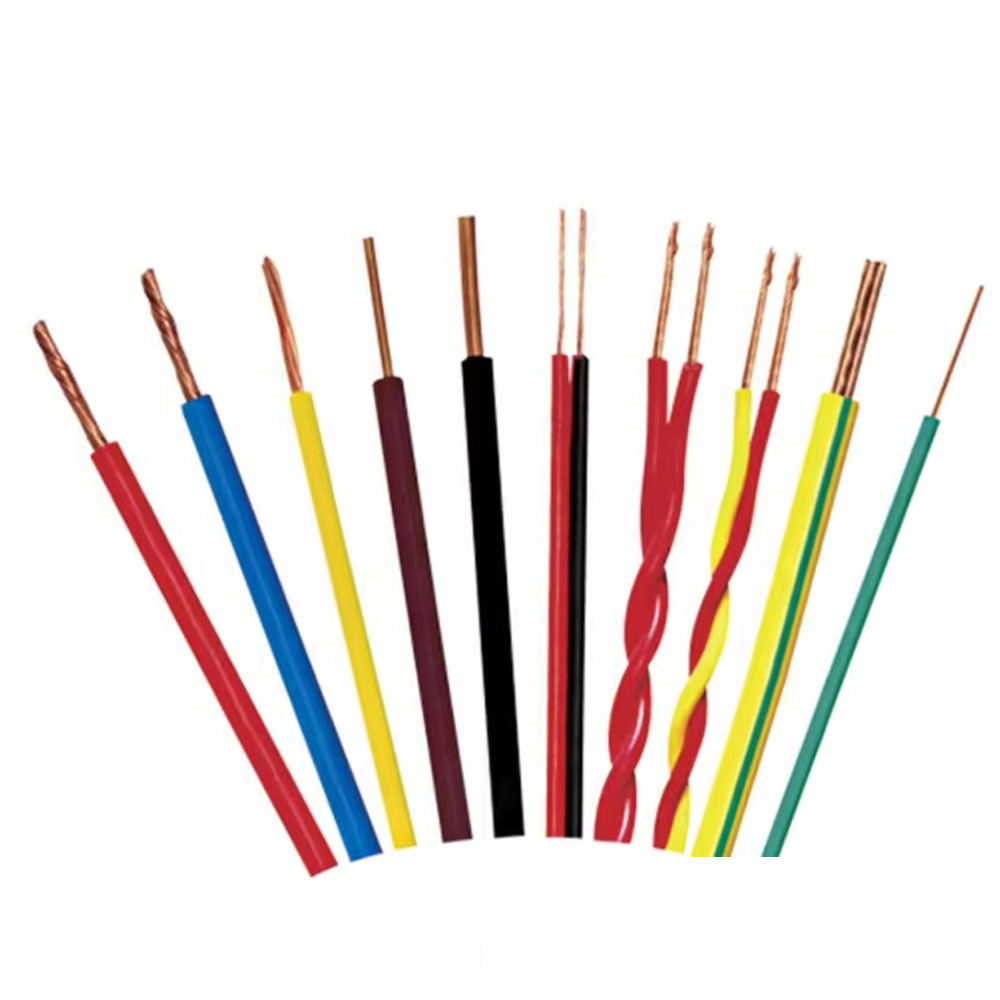
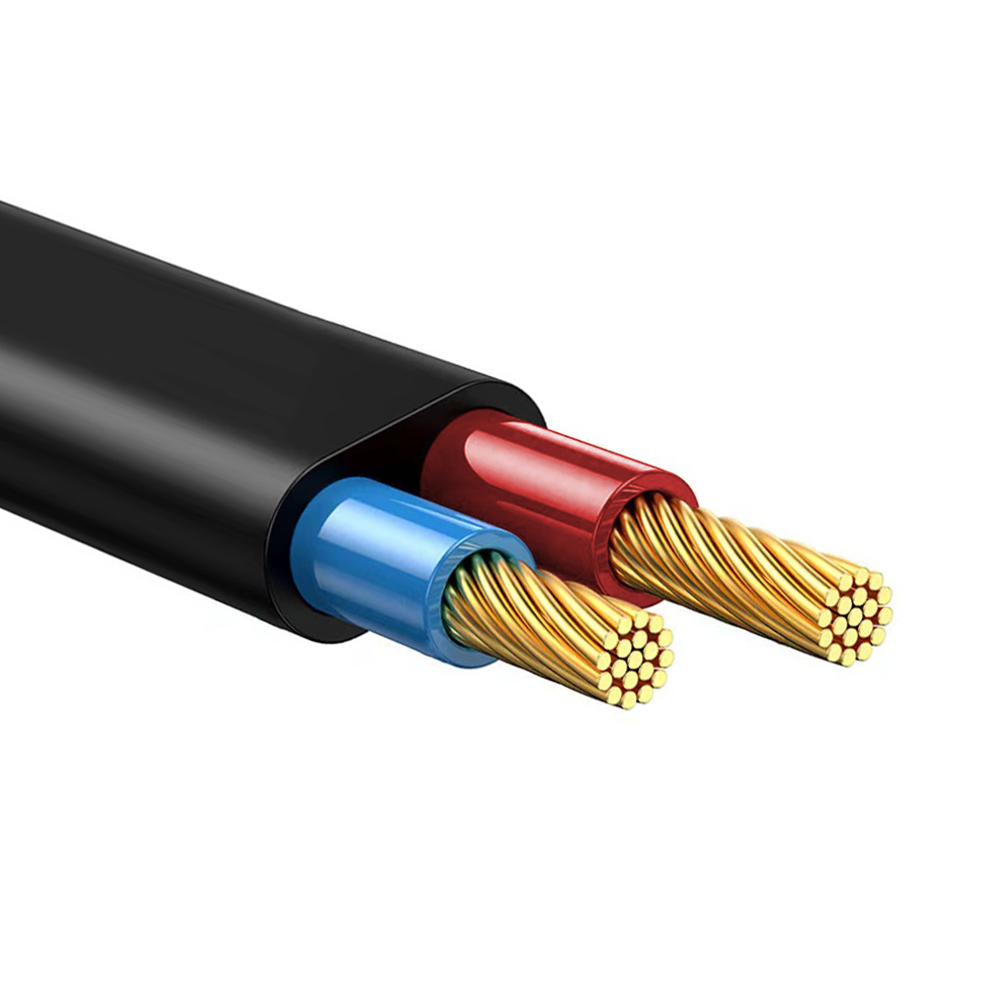
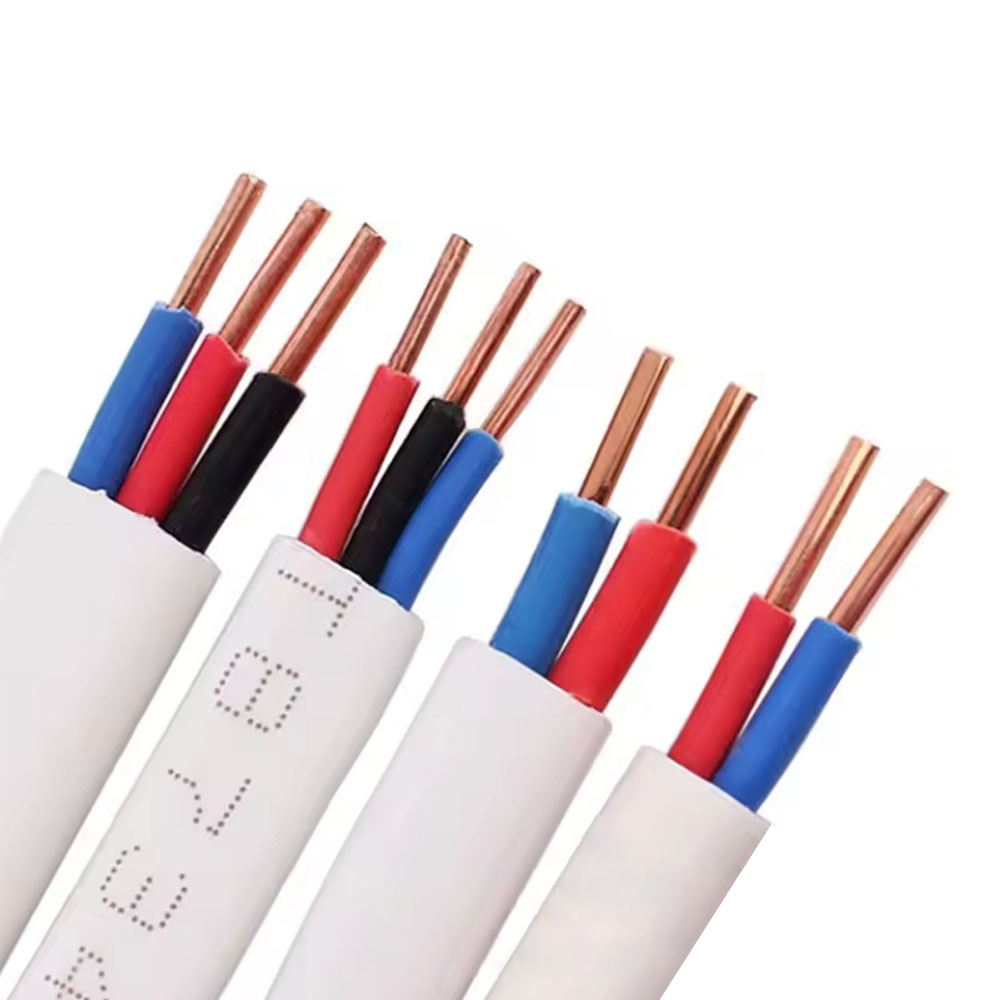
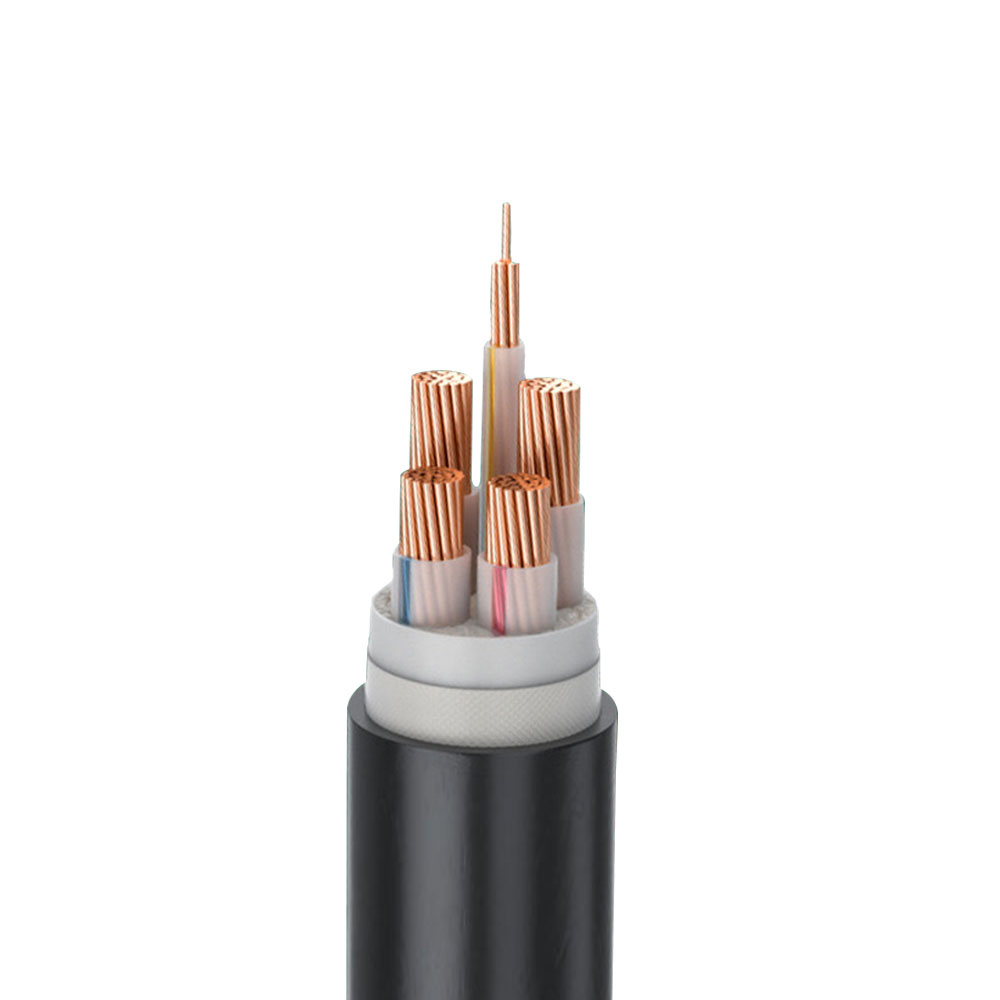
PVC-insulated and sheathed power cables refer to power cables that use polyvinyl chloride (PVC) as the primary material for conductor insulation and outer sheathing. They are among the most common and widely used general-purpose cables, designed based on the balanced performance of PVC material, achieving a widely accepted compromise between mechanical protection, electrical insulation, environmental resistance, and cost-effectiveness.
Core Characteristics:
Balanced Comprehensive Performance: PVC material performs well in mechanical strength, electrical insulation, chemical corrosion resistance, flame retardancy, and processability, with no significant weaknesses.
Good Flame Retardancy: Through formulation adjustments, PVC cables can easily meet flame-retardant requirements, preventing flame spread along the cable.
Weather and Chemical Resistance: Exhibits good resistance to water, acids, alkalis, oils, and solvents, making it suitable for various industrial environments.
Excellent Processability and Cost-Effectiveness: PVC material is relatively low-cost, and the extrusion processing technology is mature and straightforward, resulting in high production efficiency and low manufacturing costs.
Wide Applicability: Available in a complete range of models and specifications, covering voltage levels from low voltage (e.g., 0.6/1 kV) to medium voltage (e.g., below 35 kV), meeting the majority of conventional power distribution needs.
II. Main Types and Application Scenarios
Classification by Voltage Level:
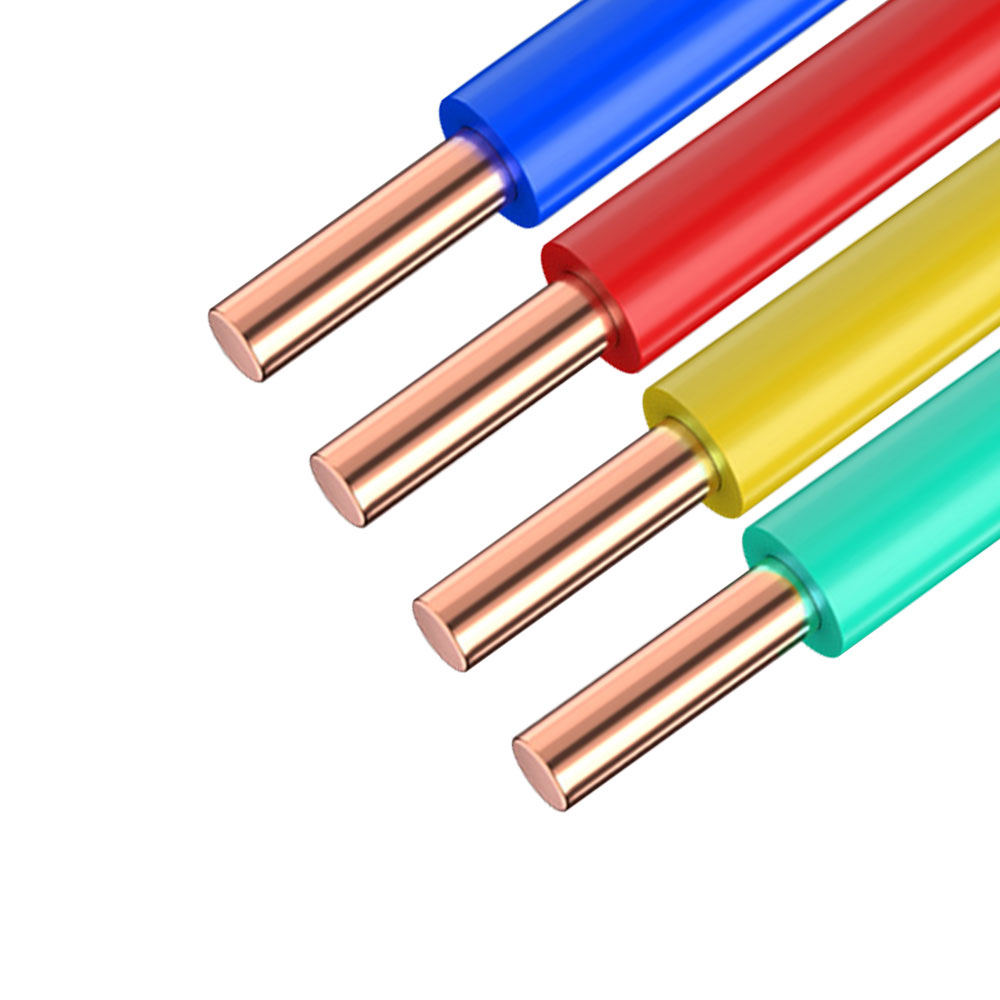
Low-Voltage PVC Cables (0.6/1 kV): The most common type, used for fixed power distribution lines in buildings and factories, such as the VV and VLV series.
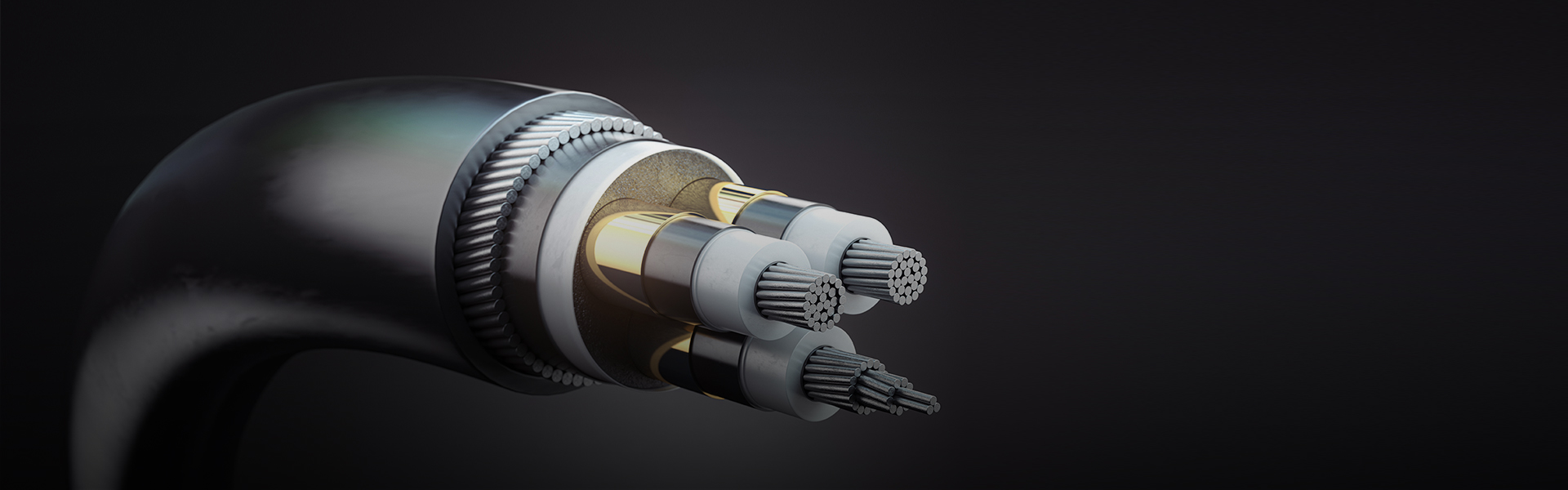
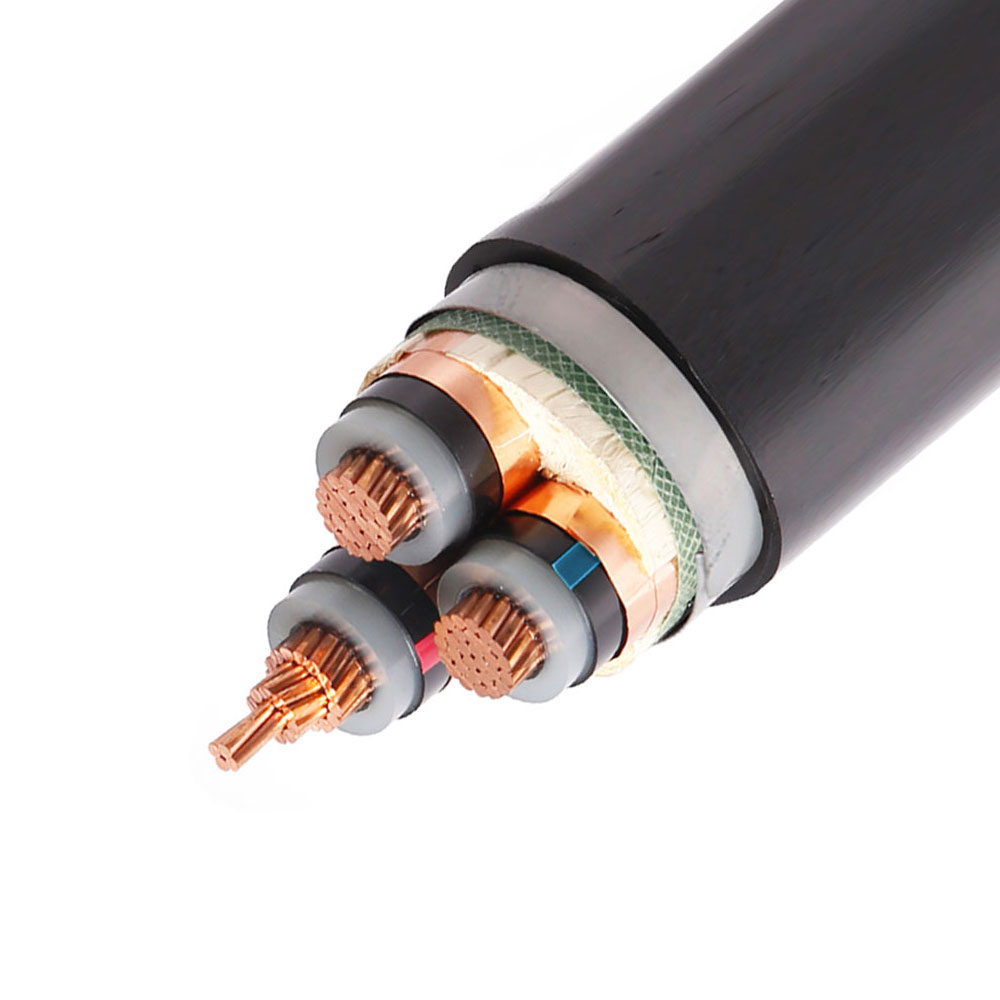
Medium-Voltage PVC Cables (e.g., 6/10 kV, 8.7/15 kV): Used for power transmission in urban distribution networks and industrial parks, such as the VV22 and VLV22 series.
Classification by Structure:
Standard Type: Basic insulation and sheathing structure, used in dry indoor environments.
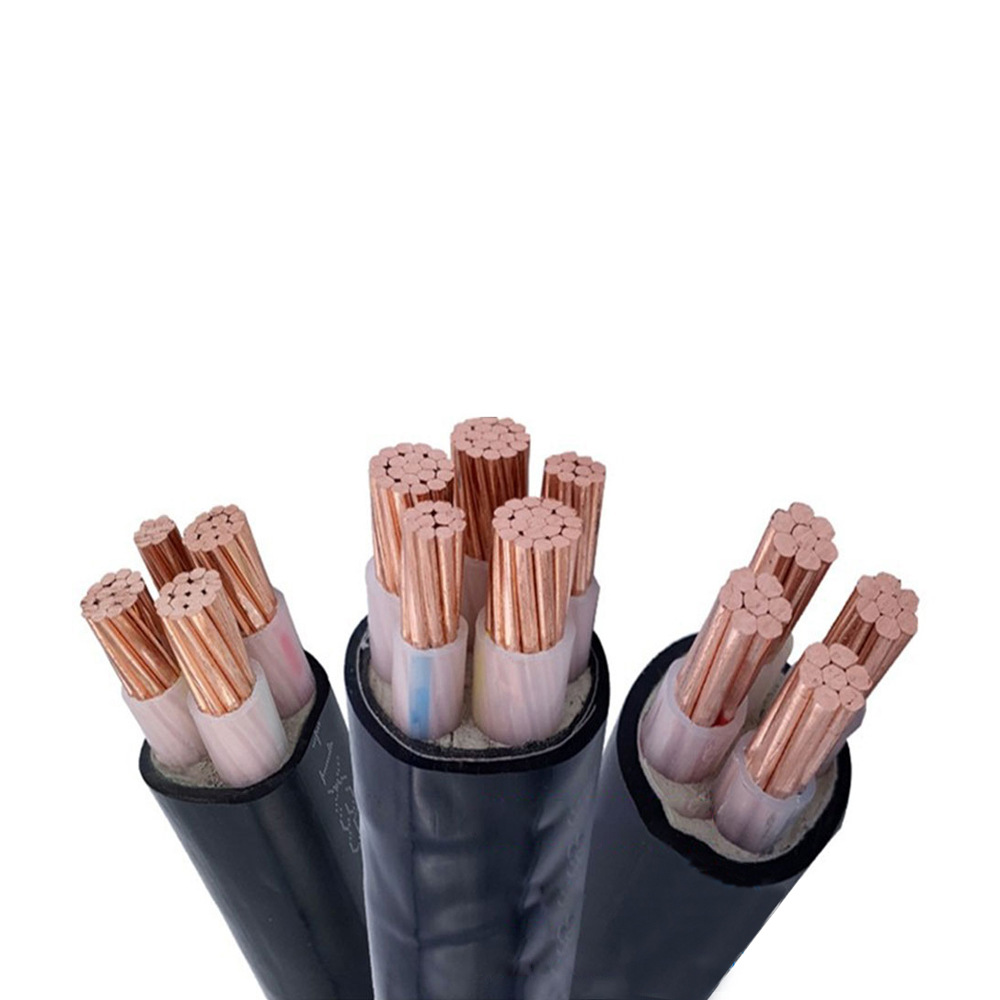
Armored Type: Enhanced with steel tape or wire armoring (e.g., VV22, VV32), used for direct burial, conduit installation, or applications requiring enhanced mechanical protection.
Flame-Retardant/Fire-Resistant Type: Uses special flame-retardant PVC compounds to meet building fire safety regulations.
Main Application Areas:
Construction Projects: Main and branch power distribution systems in residential, office, and commercial buildings, for indoor/outdoor exposed or conduit installation.
Industrial Power Distribution: Power distribution and equipment connections in factory workshops and production lines, particularly suitable for ordinary industrial environments with oil, grease, or moisture.
Infrastructure: Power supply for fixed installations such as urban street lighting, municipal engineering, and agricultural irrigation.
Temporary Power Supply: Temporary power lines for construction sites and event venues are valued for their durability and cost-effectiveness.
III. Key Production Process Controls
PVC Formulation and Pelletizing: This is the foundation of performance. PVC resin is mixed with plasticizers, stabilizers, flame retardants, fillers, etc., in strict proportions, then plasticized and pelletized to produce cable compounds that meet specific standards (e.g., insulation resistance, temperature rating, flame retardancy).
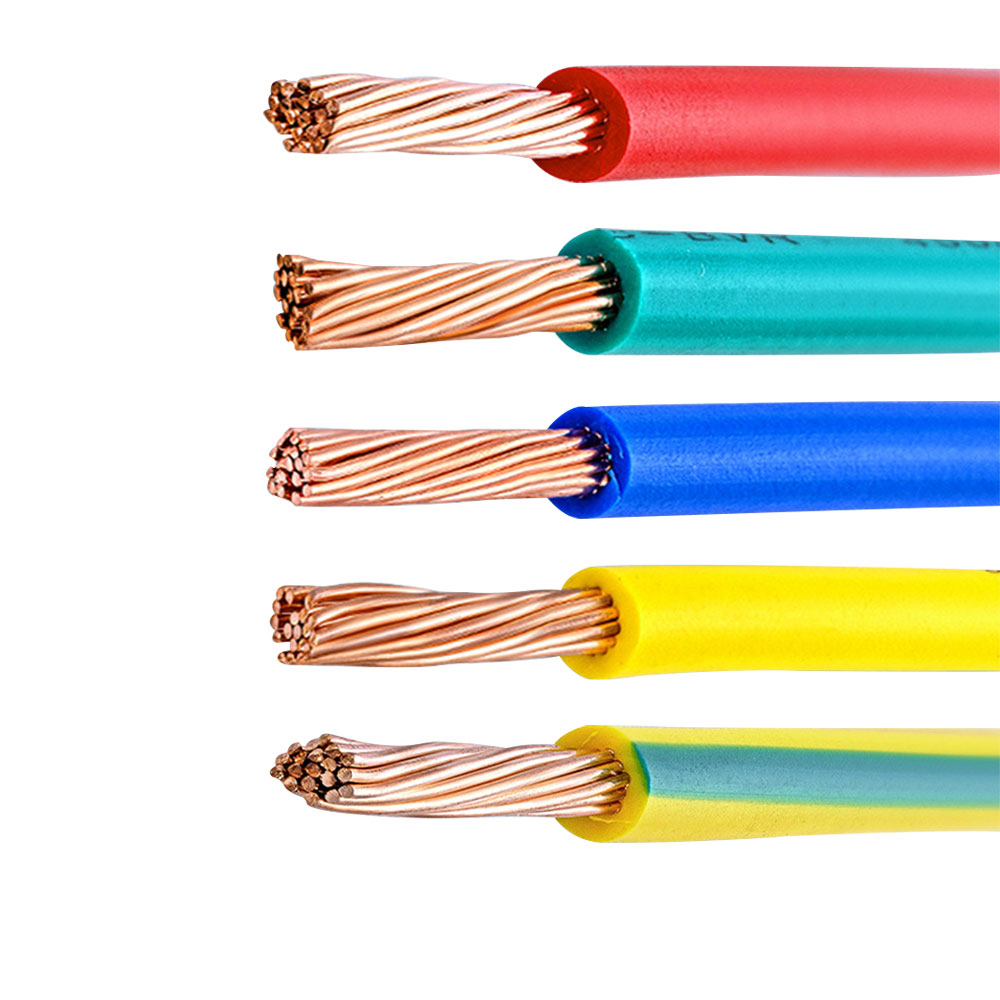
Conductor Compaction and Preheating: Conductors are compacted and stranded to reduce diameter, then preheated before insulation extrusion to remove moisture and enhance adhesion between PVC and the conductor.
Triple-Layer Co-Extrusion (Medium Voltage): For medium-voltage cables, conductor shielding, PVC insulation, and insulation shielding layers are extruded simultaneously to ensure smooth interfaces and uniform electric field distribution.
Concentricity Control: High-precision extrusion dies and online diameter gauges are used to strictly control the thickness uniformity of insulation and sheathing layers, with eccentricity being a key quality metric.
Cooling and Spark Testing: Extruded cables immediately enter a cooling water bath for graded cooling to stabilize the structure. They must then undergo 100% high-voltage spark testing or online partial discharge detection to ensure no insulation defects.
Cabling and Armoring: Multi-core cables are stranded into a complete cable. For armored cables, steel tape or wires are helically applied at specified pitches after inner sheathing extrusion, followed by outer sheathing extrusion.
IV. Detailed Core Advantages
Significant Cost-Effectiveness Advantage: Low raw material costs, mature production processes, and a complete supply chain give it an unparalleled price advantage while meeting basic performance requirements, making it the preferred choice for budget-sensitive projects.
Reliable Mechanical and Durability: PVC sheathing provides good wear, impact, and tear resistance, making the cable robust and durable during routine installation and use.
Convenient Installation and Laying: Offers a certain degree of flexibility, facilitating pulling and bending in cable trays and conduits. Installation methods are familiar to technicians.
Broad Environmental Adaptability: Standard PVC formulations already resist most environmental factors, such as moisture, mild chemical corrosion, and UV radiation (for outdoor formulations), offering wide applicability.
Summary
PVC-insulated and sheathed power cables are the backbone and "workhorse" of power transmission and distribution. Their core value lies in providing a mature, reliable, and cost-effective solution for the vast majority of conventional power connection needs in ordinary environments. Although they have limitations in high-performance aspects (e.g., high-temperature resistance, halogen-free low smoke), within their extensive applicable scope, they remain the best overall solution in terms of economy, practicality, and availability. For standard buildings, ordinary industrial projects, and applications with strict cost control, they are often the default and correct choice.

 English
 Español
 عربى
عربى
 русский