High-Temperature Resistant Control Cable
Introduction
High-temperature resistant control cables are control cables that use special heat-resistant materials for insulation and sheathing, enabling stable operation in environments with long-term working temperatures far exceeding those of conventional cables (e.g., 70°C), as well as under short-term overload or occasional high-temperature conditions. Their core purpose is to ensure that the electrical and mechanical properties of the cable do not degrade under high temperatures, while maintaining stable and reliable signal transmission.
Applications
Suitable for automation and control systems in environments with high ambient temperatures or high-temperature heat sources.
Typical application scenarios include: the metallurgical industry (near blast furnaces, steel rolling production lines), power plants (boiler areas, near steam pipelines), glass manufacturing plants, areas surrounding ceramic kilns, high-temperature drying rooms, ship engine rooms, and applications requiring connections to high-temperature equipment (e.g., engines, heaters).
Production
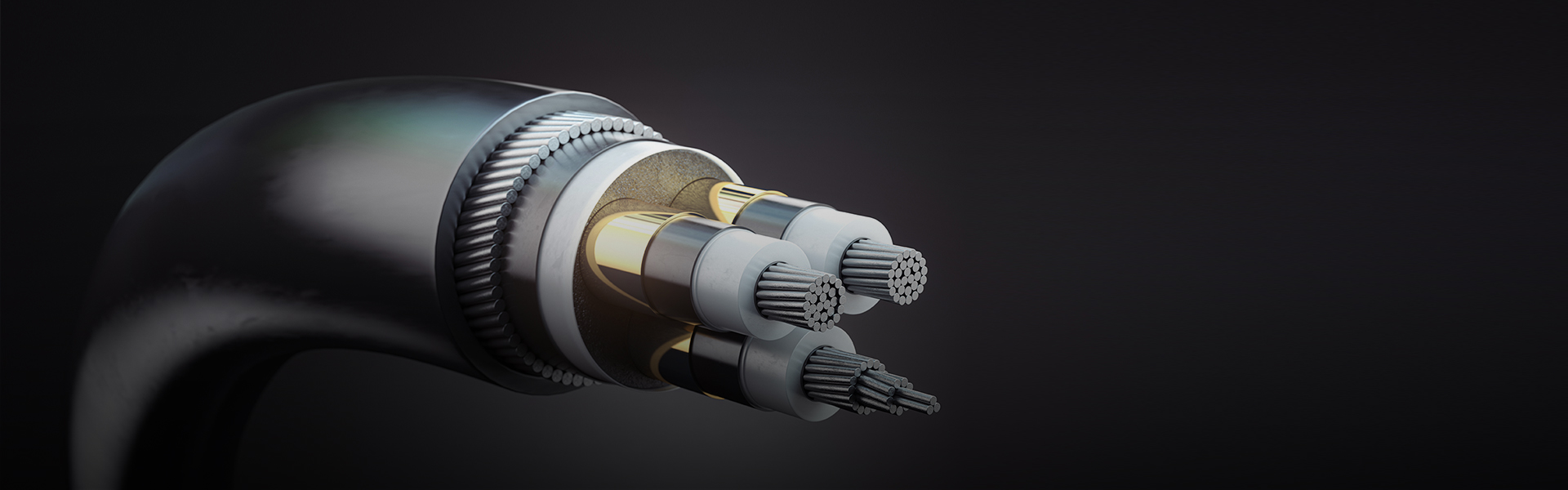
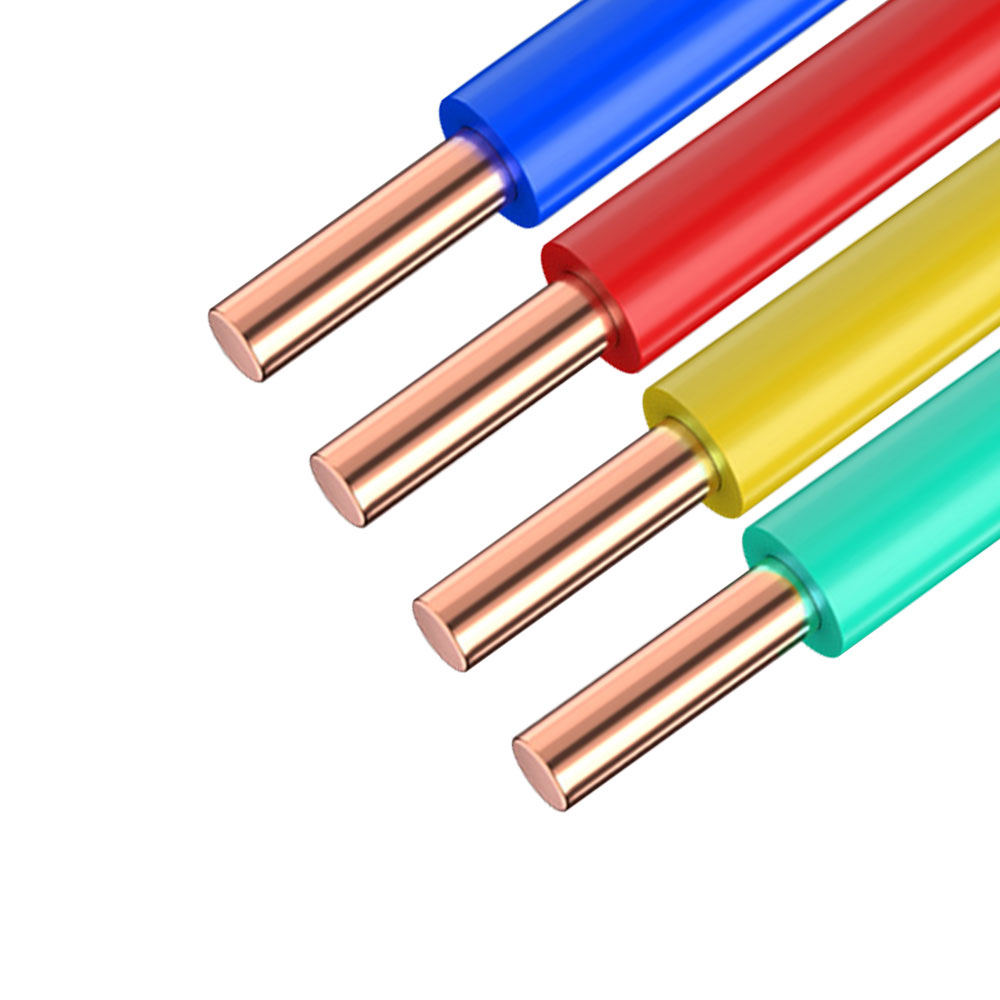
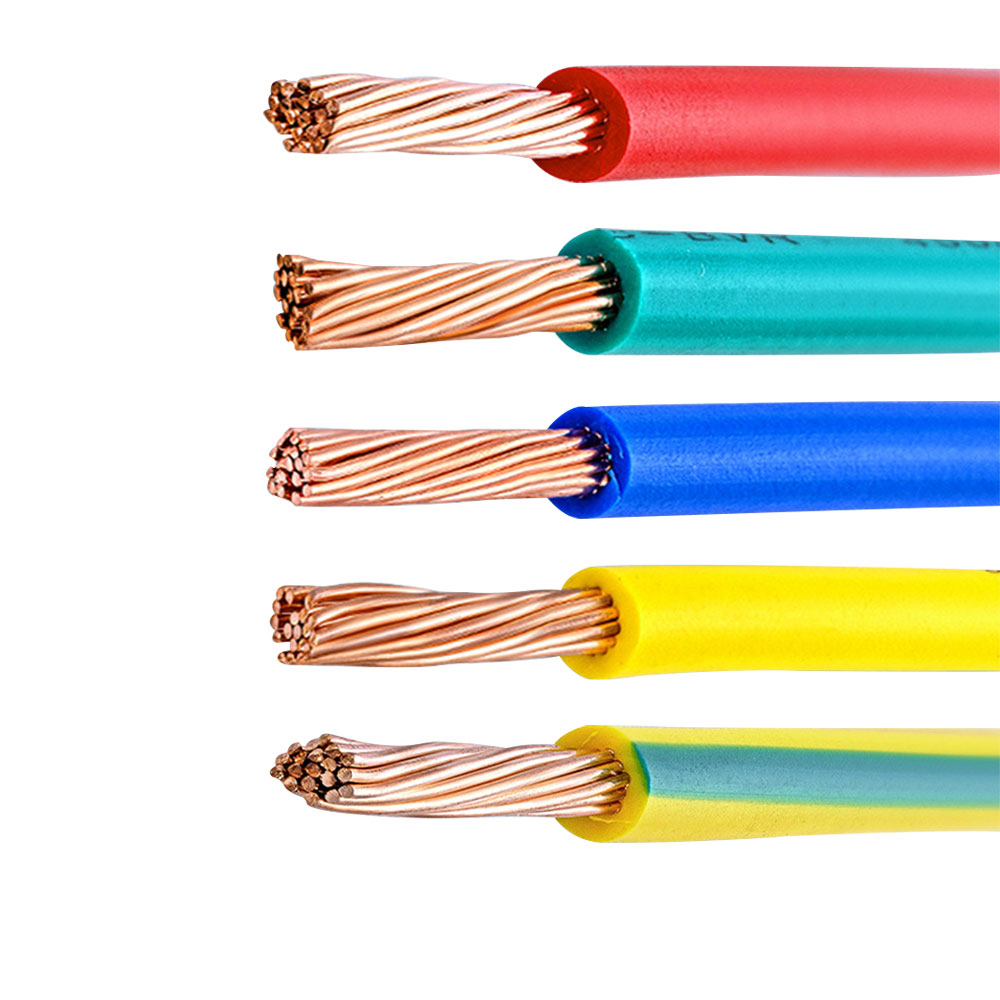
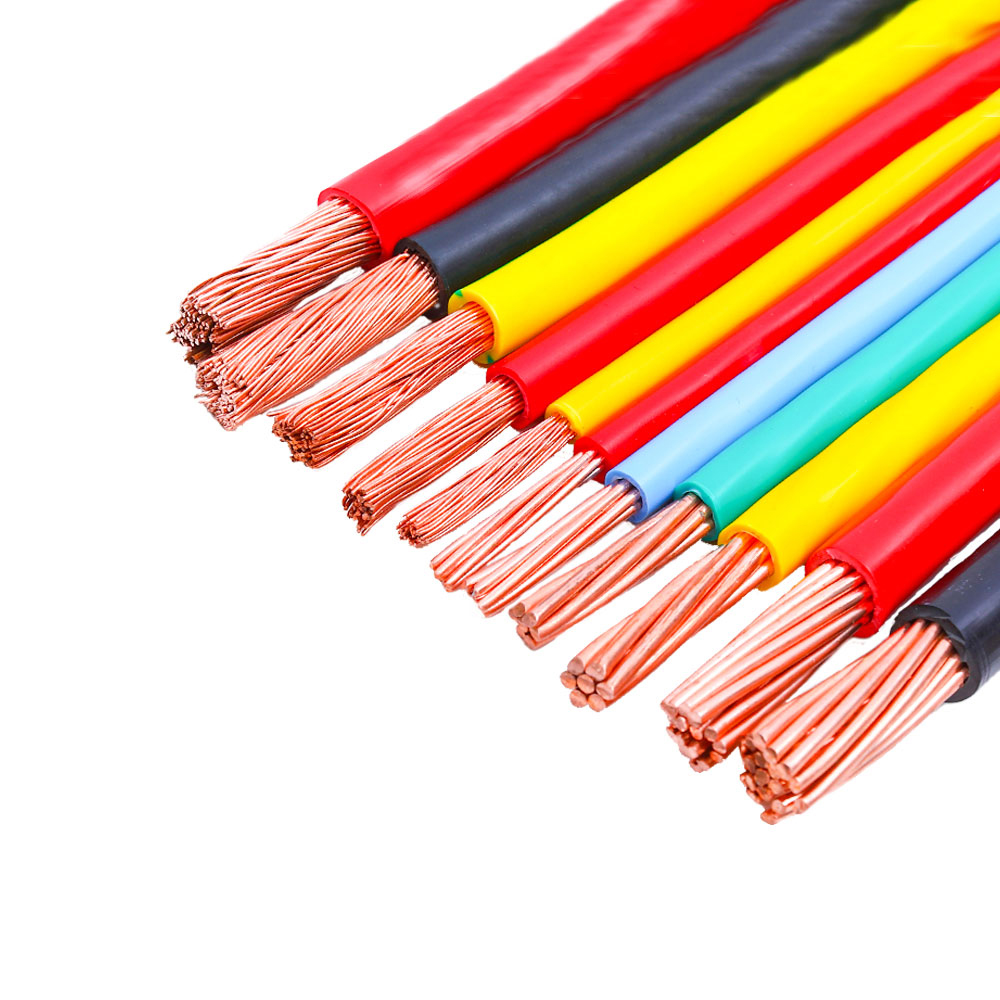
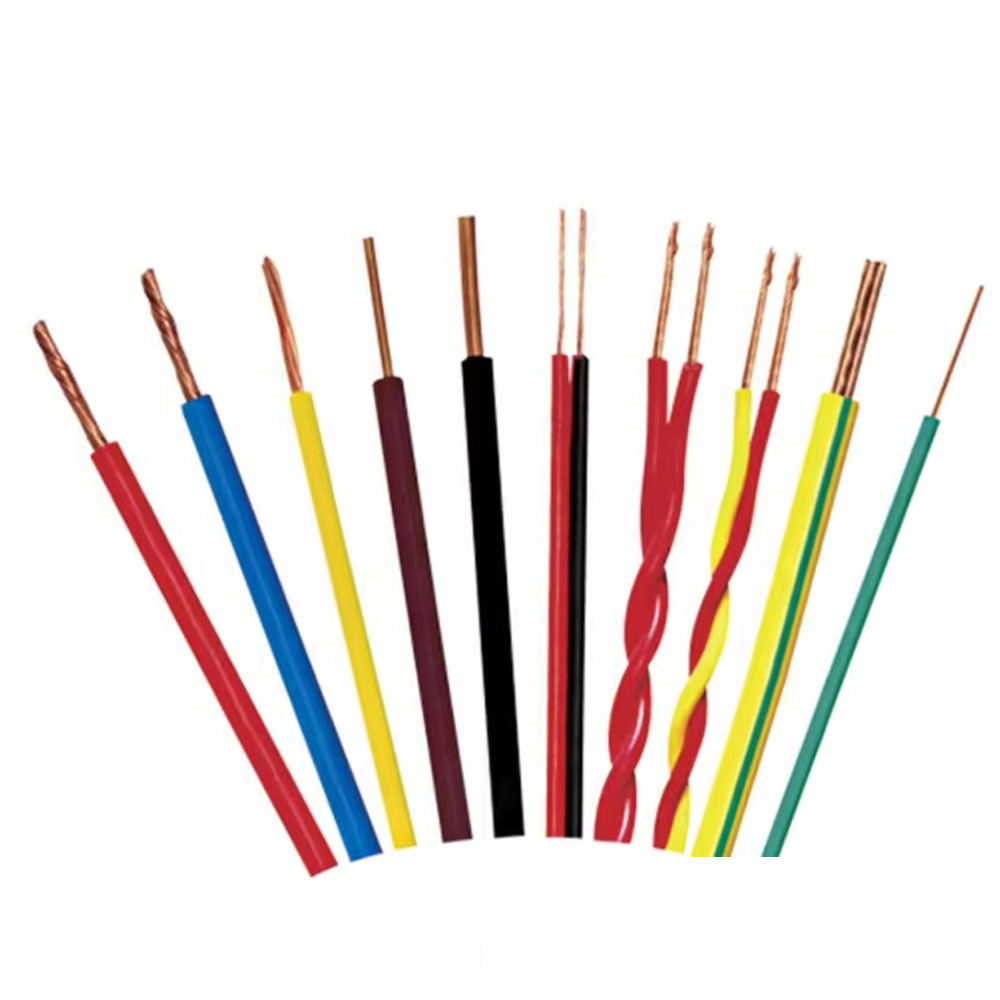
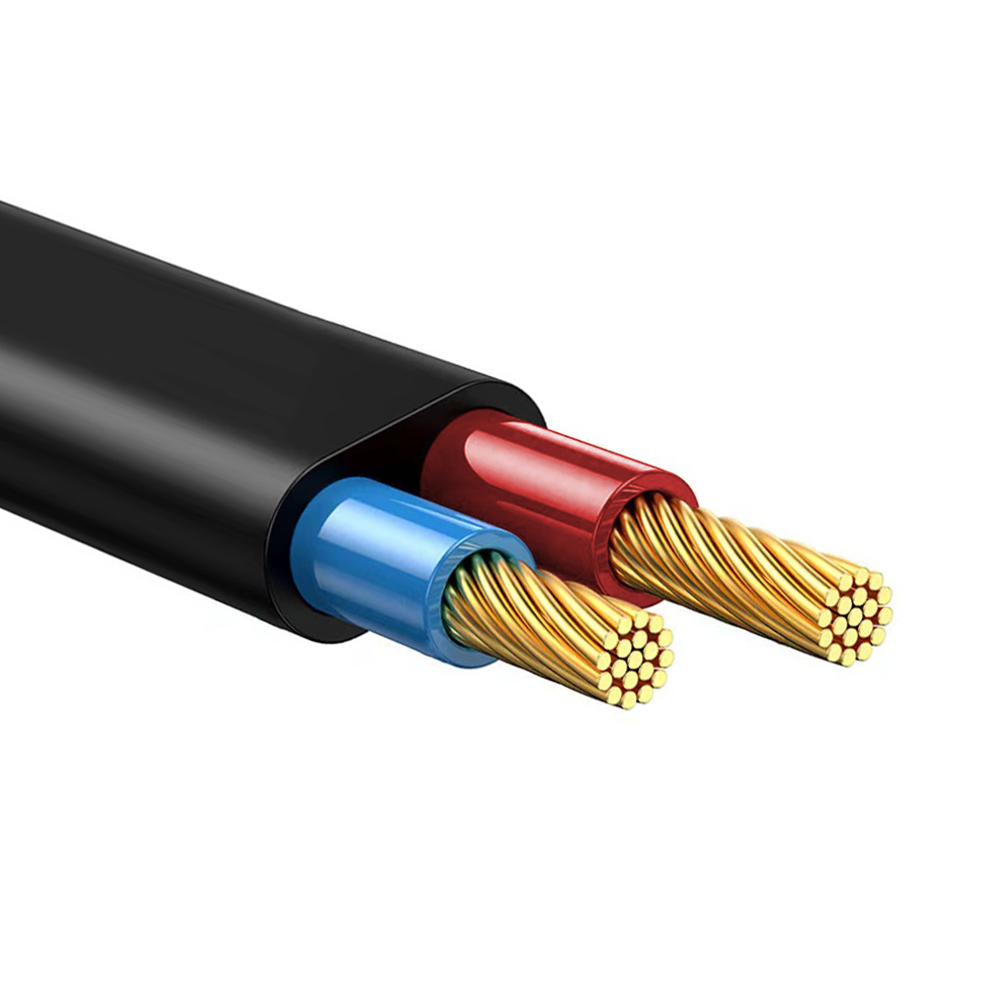
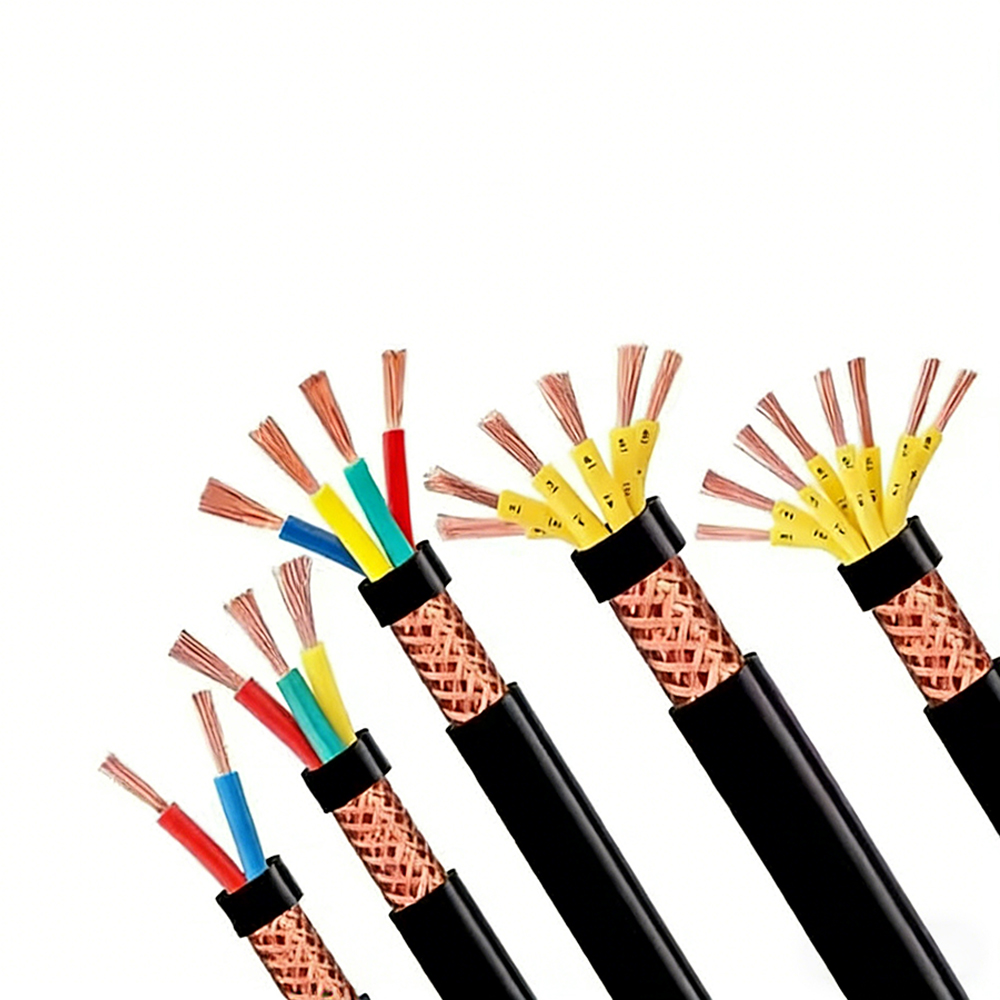
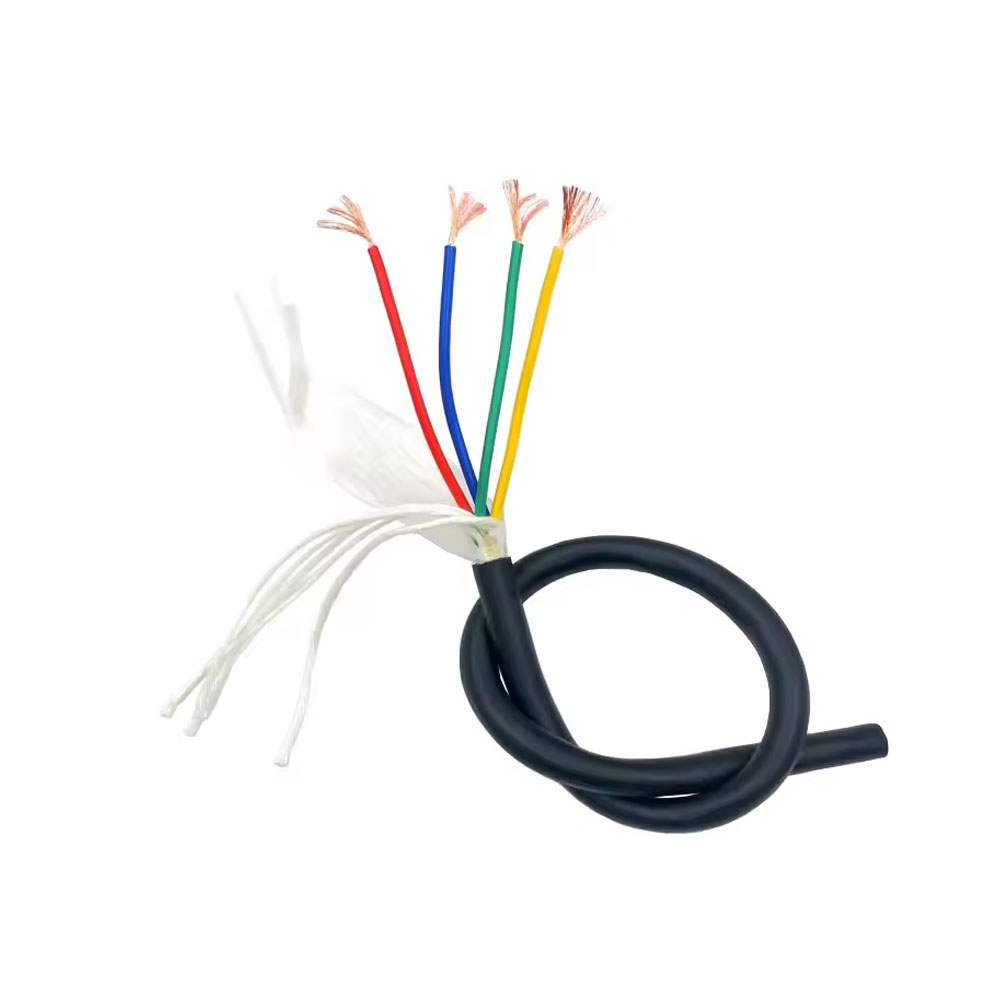
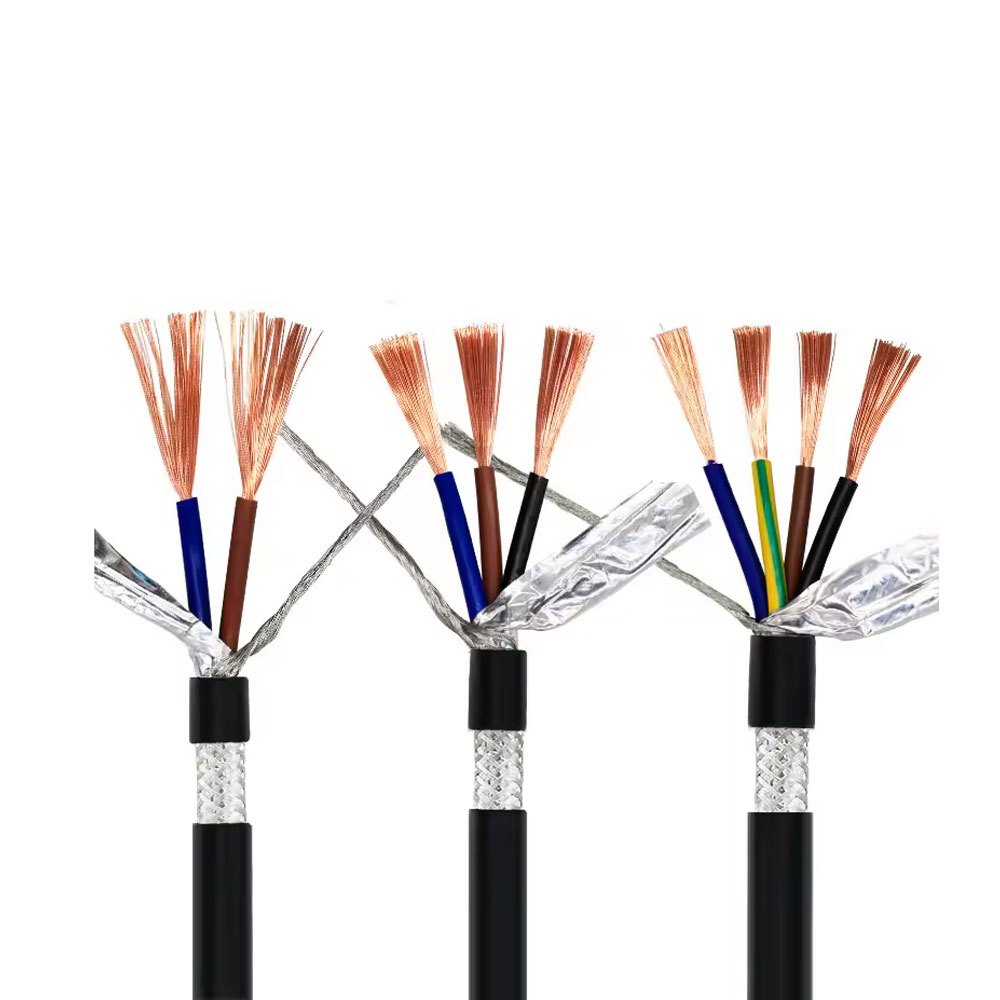
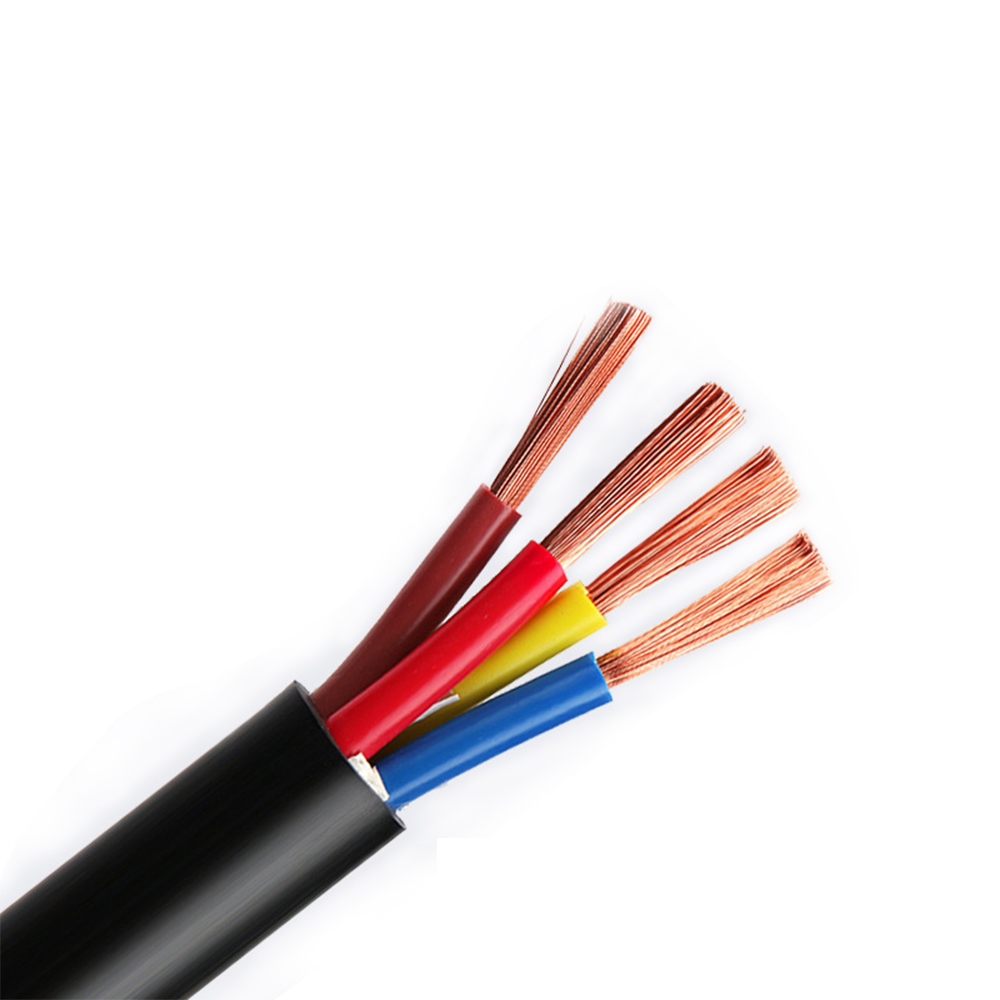
Conductor: Typically made of tinned copper or pure copper. Tinning prevents high-temperature oxidation and enhances conductor stability.
Insulation: Uses high-temperature resistant materials such as cross-linked polyethylene (XLPE, with a long-term working temperature of 90°C), irradiated cross-linked polyolefins (up to 125°C), fluoroplastics (e.g., FEP, PFA, up to 200°C or higher), or ceramicized silicone rubber (fire-resistant and high-temperature resistant).
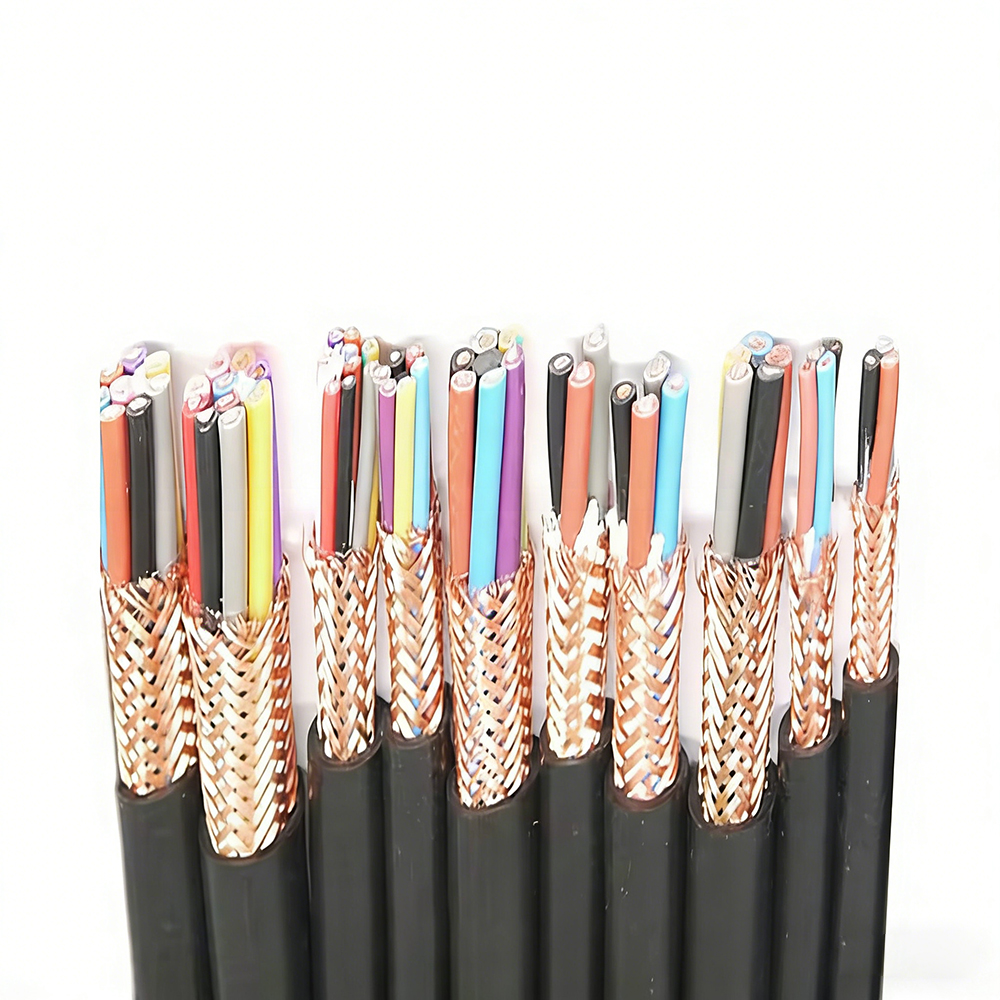
Cabling: Multi-core twisting, with the potential use of high-temperature resistant filling materials (e.g., glass fiber ropes, mica tapes) to enhance structural stability and fire-resistant characteristics.
Shielding (if required): Employs high-temperature resistant tinned copper braided shielding or high-temperature alloy tape shielding.
Sheath: Extruded high-temperature resistant outer sheath, with materials matching the insulation grade. Common options include high-temperature resistant PVC, PUR, fluoroplastics, or silicone rubber.
Key Process Controls: Strictly control the temperature resistance rating and thermal aging performance of materials; ensure the mechanical strength and insulation resistance of insulation and sheathing under high temperatures; for special materials like fluoroplastics, precise control of the extrusion process is required; conduct 100% routine electrical performance tests and perform sampling high-temperature aging tests.
Services
Selection Consultation: Provide recommendations for suitable cable materials and structures based on the maximum operating temperature on-site, as well as conditions such as oil contamination, chemical corrosion, or movement and bending.
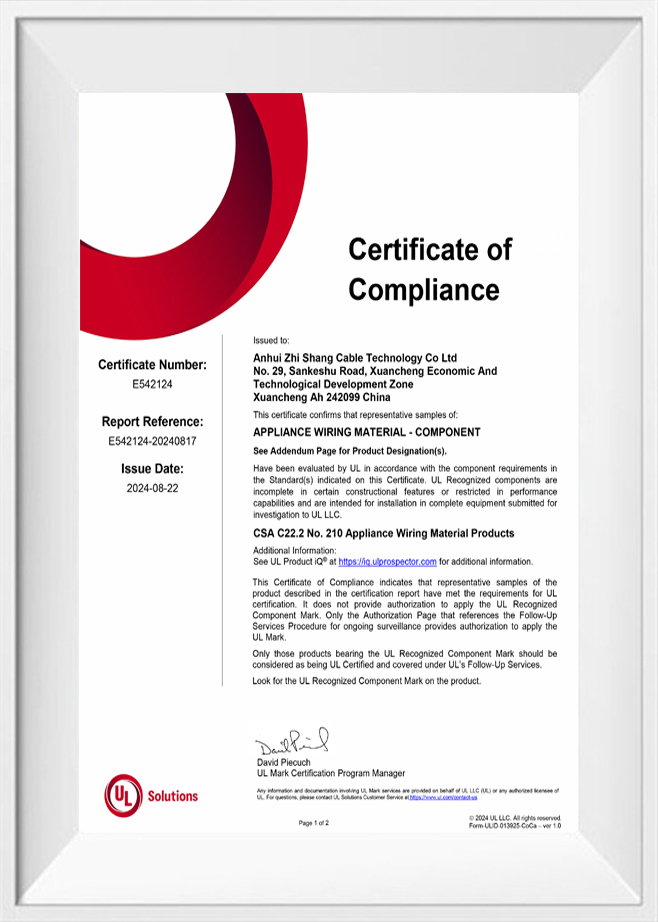
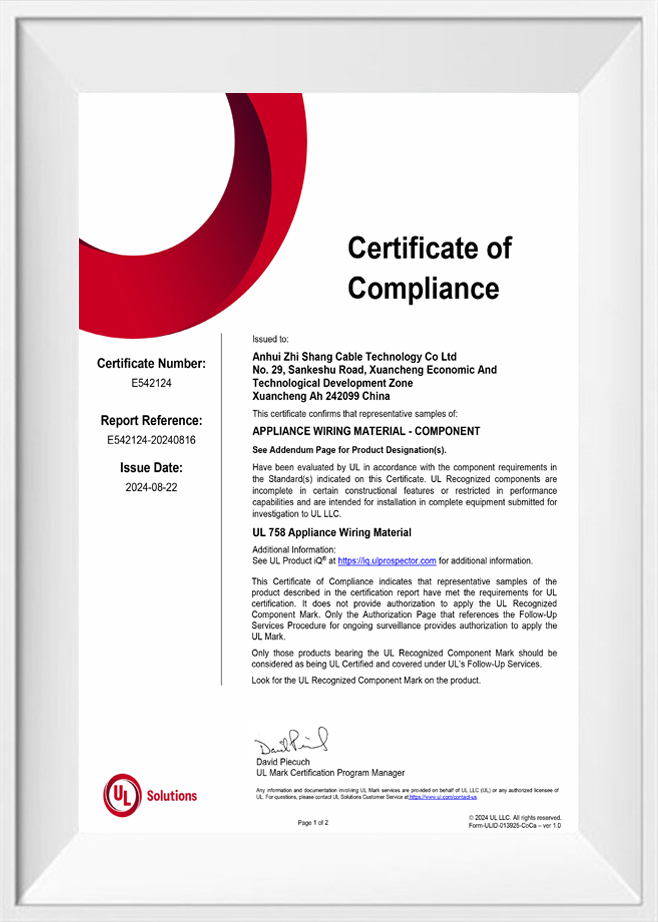
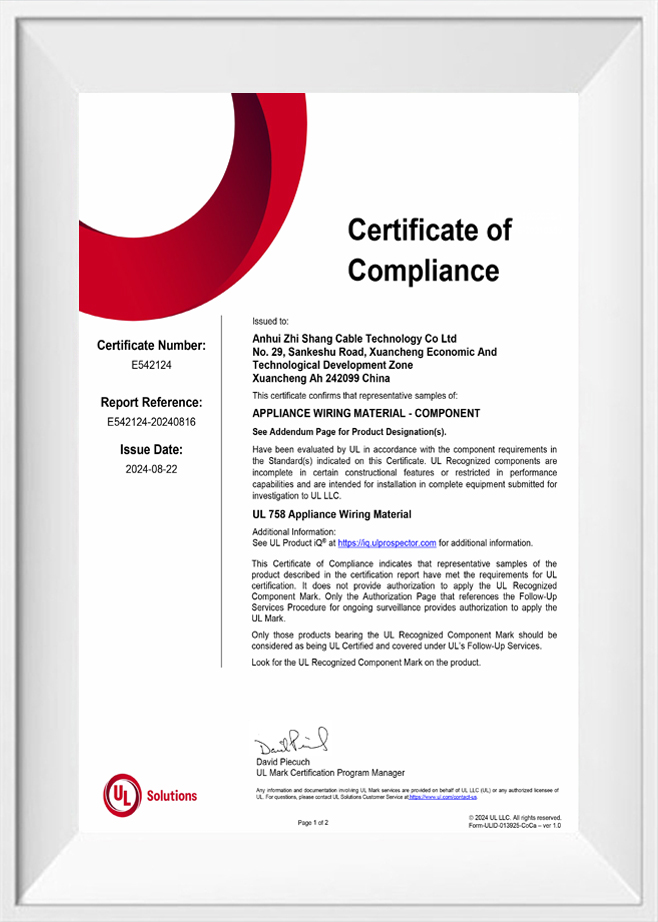
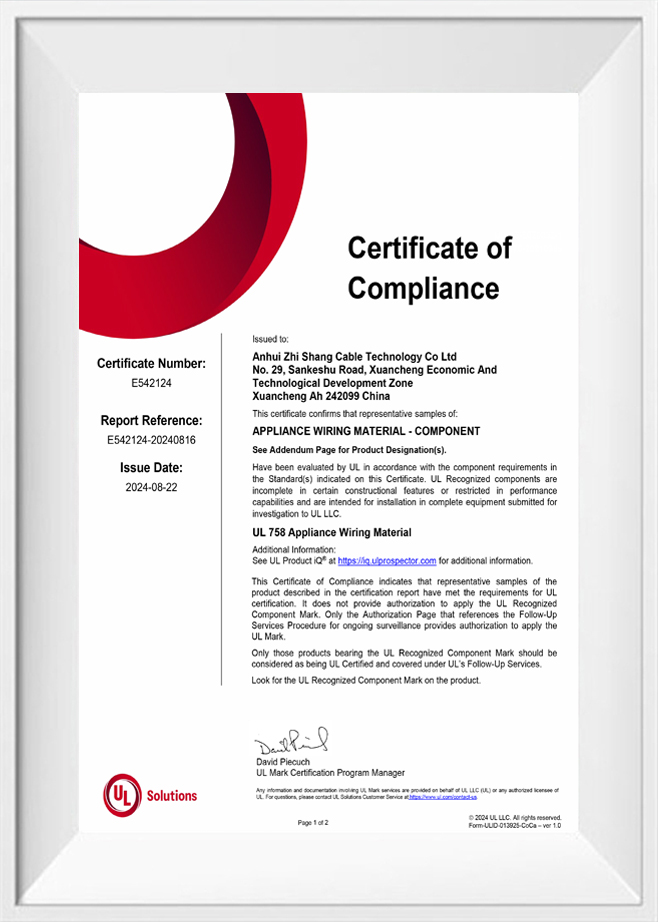
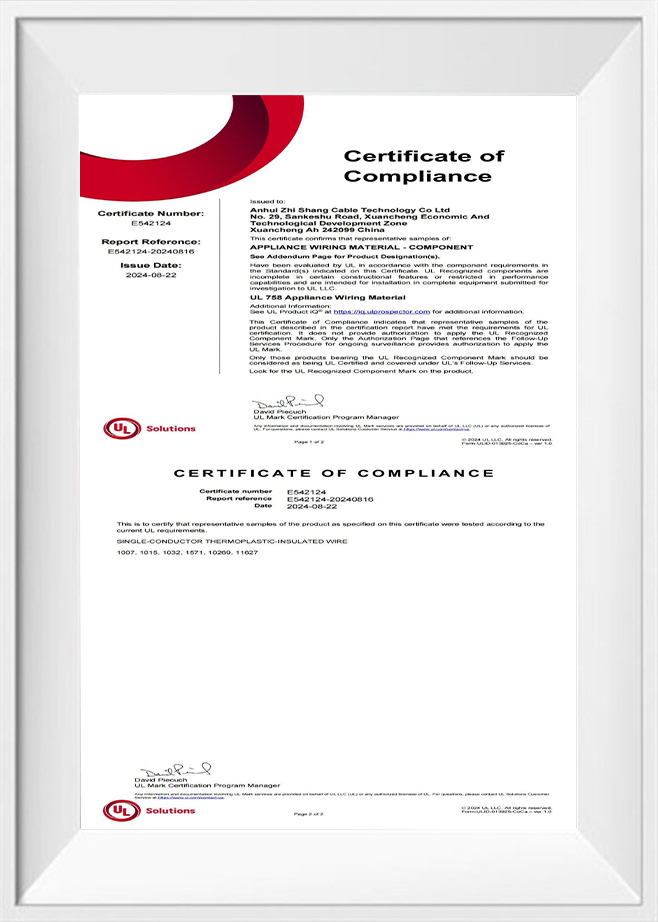
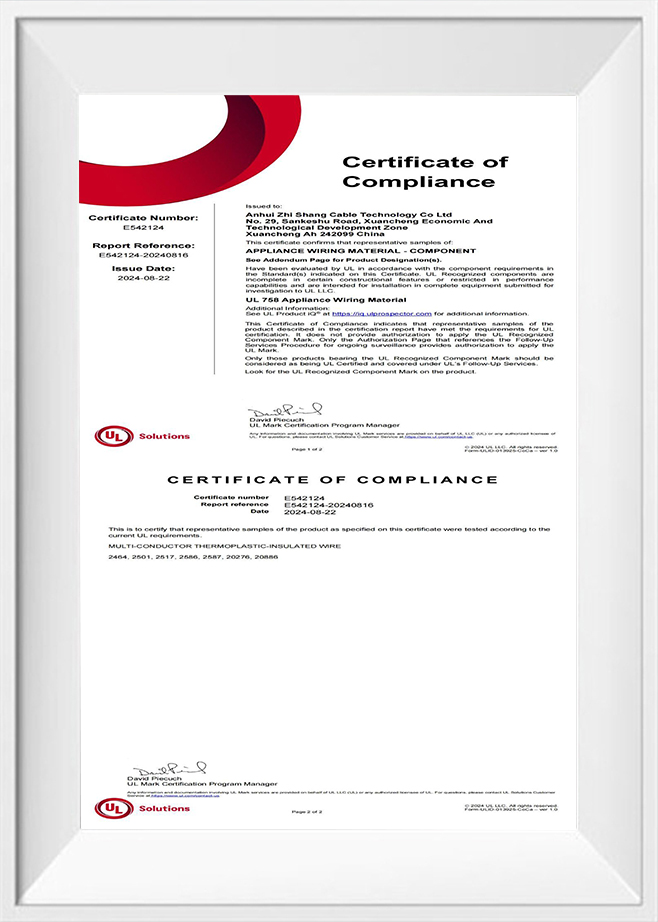
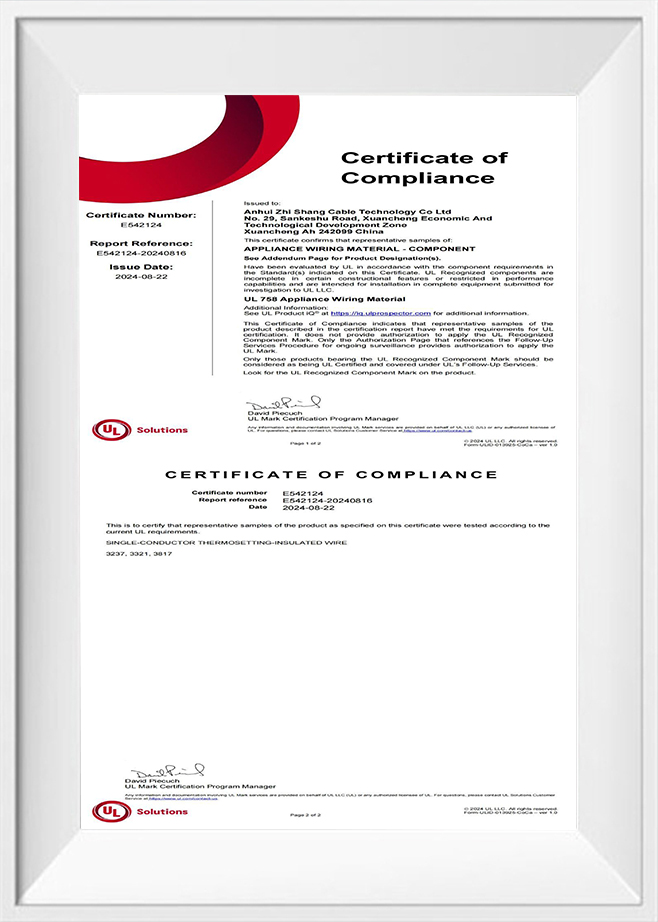
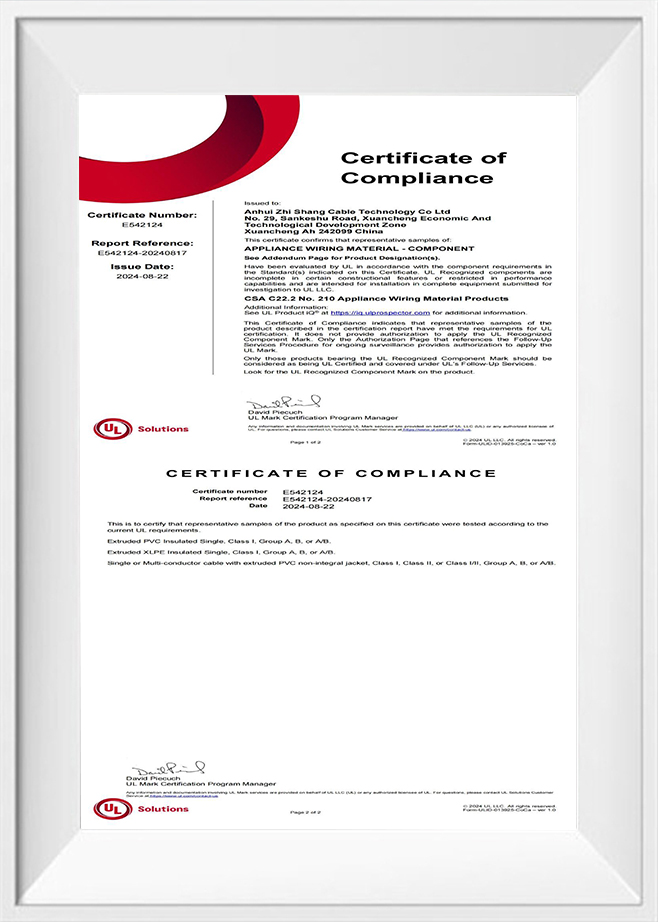
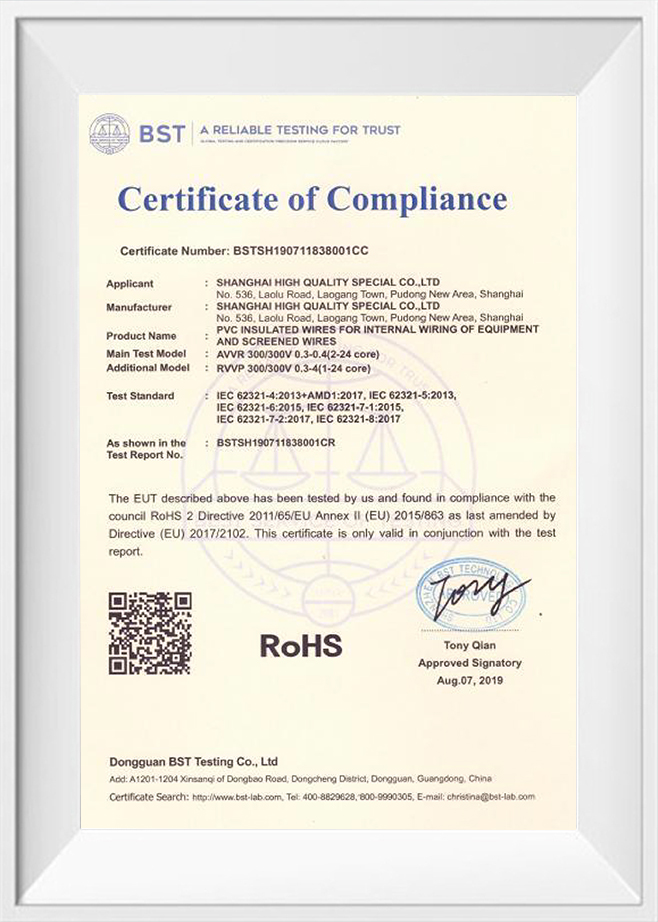
Certification Support: Products can provide test reports compliant with relevant high-temperature standards (e.g., IEC 60331, UL 125°C, etc.).
Advantages
Strong Environmental Adaptability: Capable of stable long-term operation in harsh high-temperature environments, avoiding early failures or short circuits caused by rapid thermal aging of insulation.
Reliable Signal Transmission: Stable insulation resistance under high temperatures with minimal capacitance changes, ensuring control signals and measurement data remain undistorted.
Long Safety Lifespan: Heat-resistant materials slow down the aging of insulation and sheathing, significantly extending the service life of cables in high-temperature applications, reducing replacement costs and downtime risks.
Multifunctional Integration: Many high-temperature resistant materials also possess excellent flame retardancy, oil resistance, and chemical corrosion resistance, providing comprehensive protection.
High System Reliability: Offers reliable connection guarantees for sensing, control, and execution units in high-temperature areas, serving as a critical component for the stable operation of high-temperature industrial automation systems.

 English
 Español
 عربى
عربى
 русский