Comprehensive Introduction to Flexible Mineral Insulated Fire-Resistant Cables
I. Definition and Core Characteristics
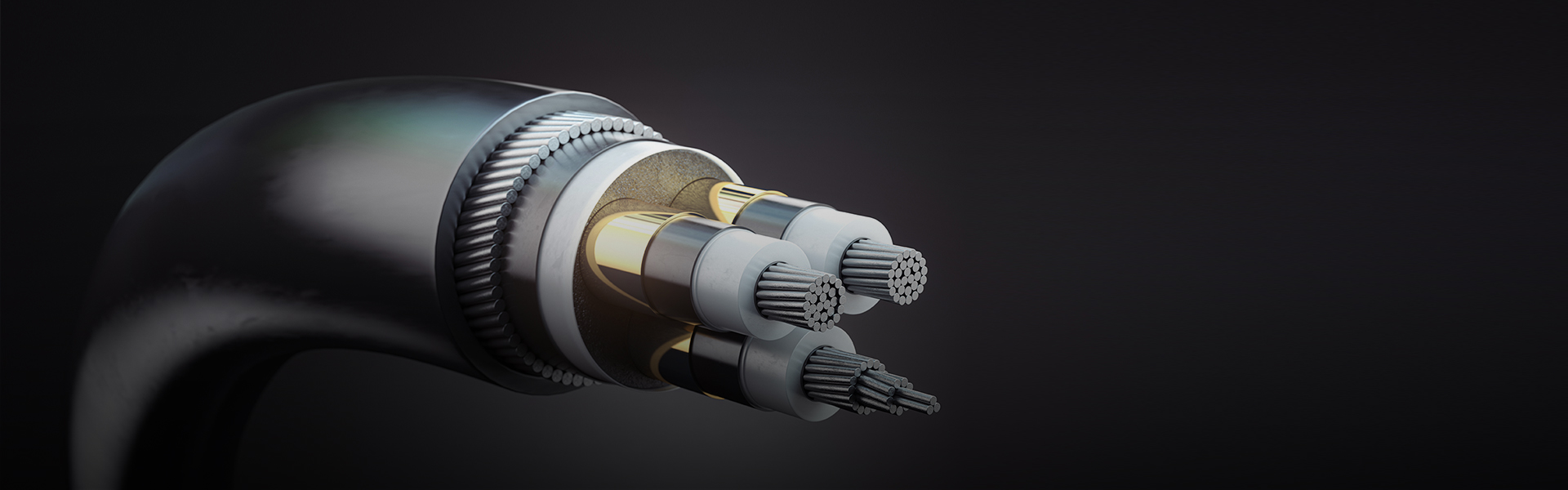
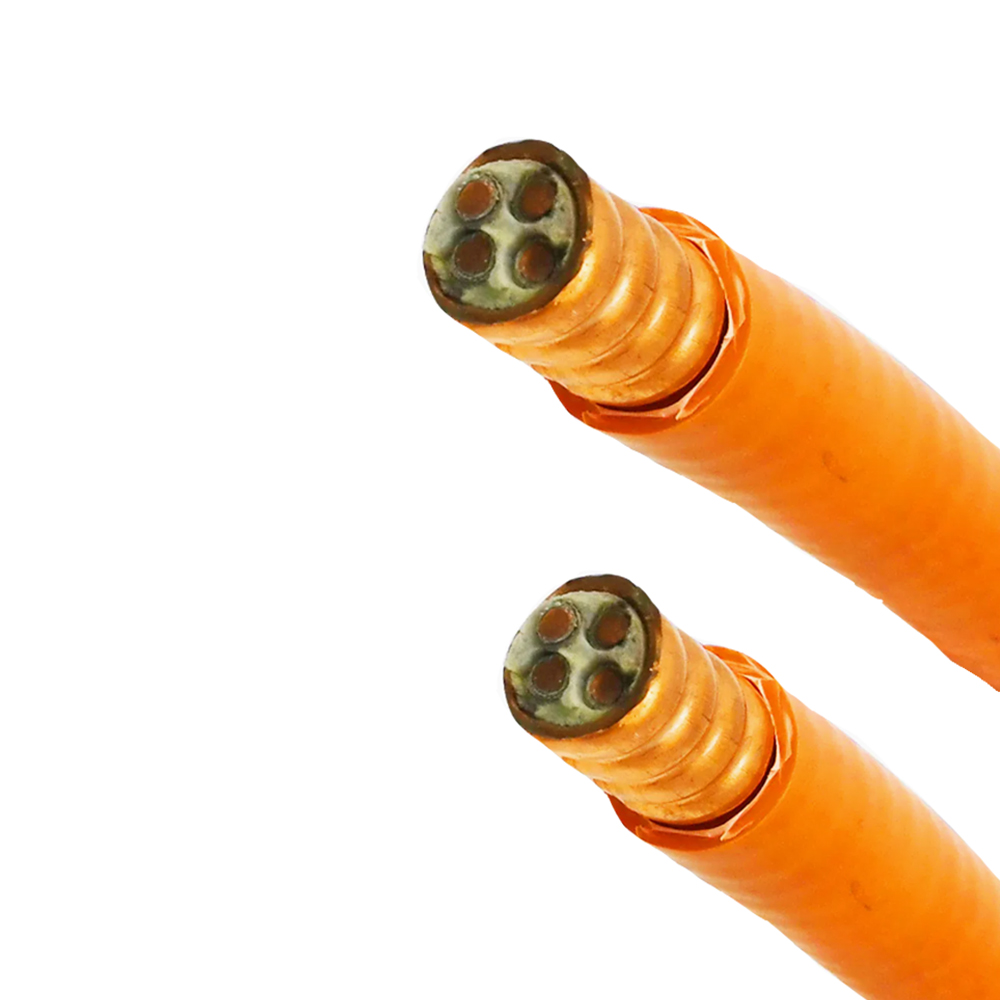
Flexible mineral-insulated fire-resistant cables represent a revolutionary advancement in fire-resistant cable technology. They retain the inorganic, non-combustible, and high-temperature-resistant core characteristics of traditional rigid mineral insulated cables (such as BTTZ), but fundamentally address the challenges of rigidity and difficult bending installation through innovative structural design. Their insulation core is typically composed of highly compressed mineral powder (such as mica tape), rather than the traditional magnesium oxide ceramic column.
Core Characteristics:
Truly Flexible Structure: The cable can be bent, coiled, and installed as easily as conventional cables, with a minimum bending radius as small as 6–10 times its outer diameter, completely overcoming the installation limitations of rigid mineral cables.
Exceptional Fire Resistance: Capable of maintaining a continuous power supply for at least 90 minutes (common models offer 180 minutes) under flame temperatures as high as 950°C–1000°C, meeting international standards such as the highest CWZ rating of BS 6387 or the fire-resistant requirements of GB/T 19216.
Fully Inorganic and Non-Combustible: All insulation and filling materials are mineral compounds, releasing no smoke, toxic, or corrosive gases in a fire, making it a truly "clean fire-resistant" cable.
High Temperature Resistance and Long Lifespan: High long-term operating temperatures (e.g., conductors up to 90°C–125°C), inorganic materials resist aging, and the design lifespan far exceeds that of organic insulated cables.
II. Main Types and Application Scenarios
Primarily divided into two categories based on structure:
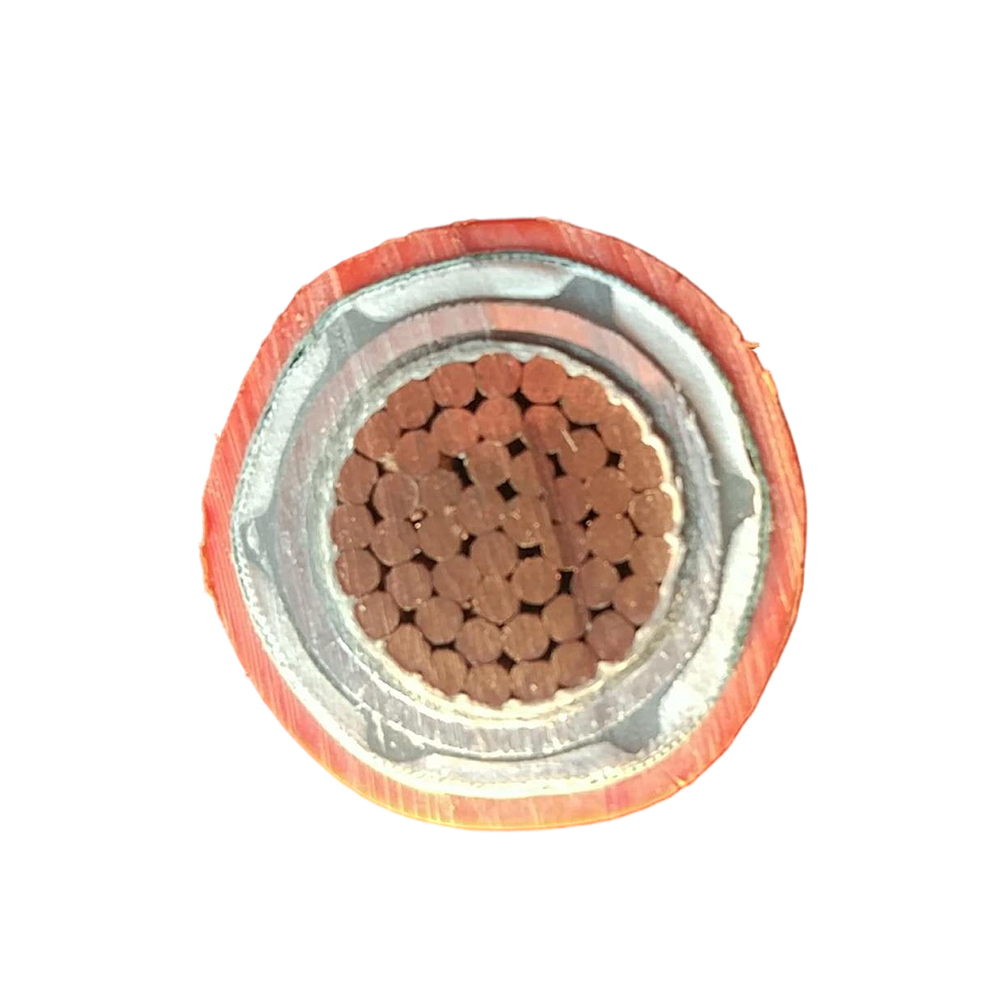
Mica Tape Wrapped Type: Multiple layers of synthetic mica tape are wrapped around the conductor as insulation, covered with a metal sheath (copper, aluminum, or stainless steel), and an outer sheath. Offers excellent flexibility, represented by models such as BTLY and BBTRZ.
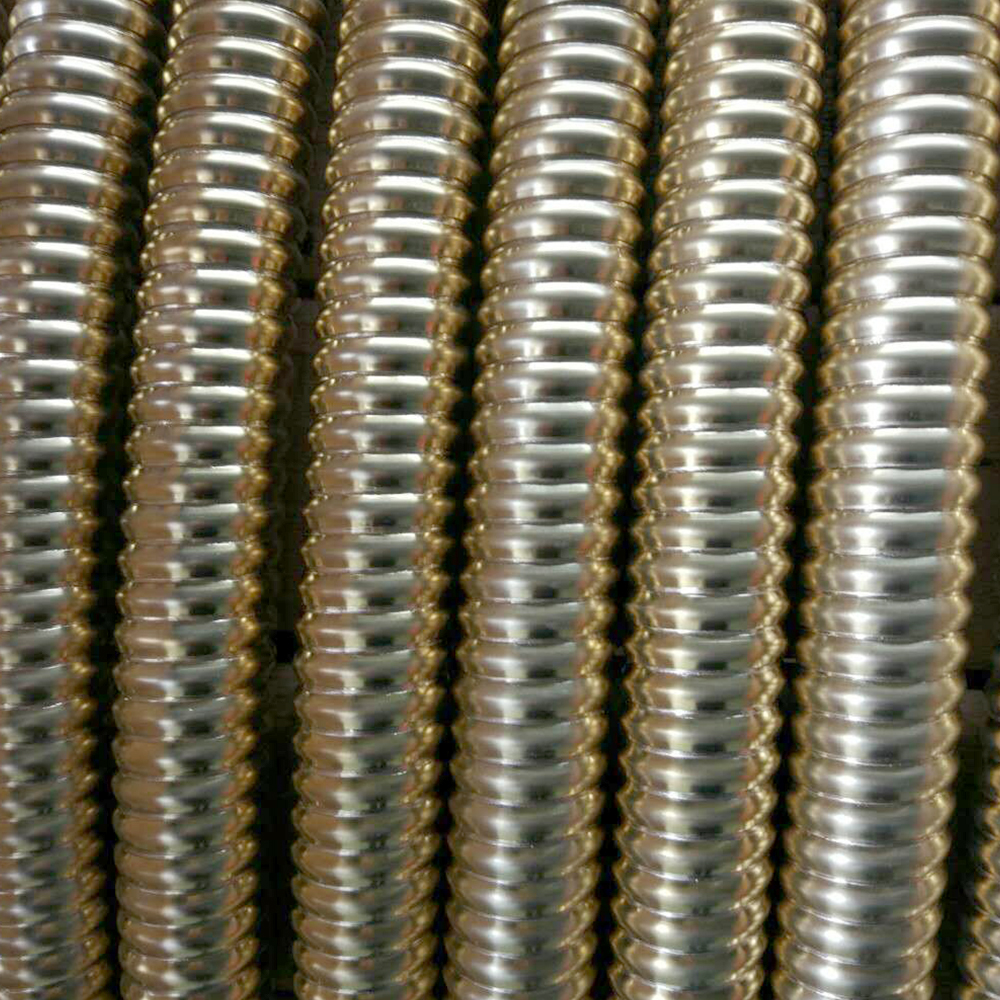
Flexible Metal Tube Type: Uses corrugated copper tube sheathing filled with mineral insulating powder, offering greater flexibility than rigid cables but slightly less than the mica tape type, represented by models such as YTTW.
Main Application Areas:
Fire Safety Life-Line Systems: Circuits that must ensure a continuous power supply during a fire, such as power supply mains for fire pumps, smoke exhaust fans, emergency lighting, evacuation indicators, and fire alarm systems.
Core Public Facilities: Main power distribution lines in critical locations with high population density or national importance, such as nuclear power plants, airports, subways, high-speed rail stations, hospitals, and data centers.
High-Risk and High-Temperature Environments: Critical internal circuits in industries such as steel and chemical plants, where high temperatures or explosion risks exist.
Historical Building Renovations: Renovation projects with stringent requirements for installation bending radii, where rigid cables cannot be used.
III. Key Production Process Controls
Mineral Insulation Material Preparation: High-purity, high-insulation synthetic mica tape or specialized mineral powders are selected to ensure dielectric strength and stability under high temperatures.
Continuous Wrapping and Compaction: Precision equipment is used for continuous, overlapping multi-layer wrapping of mica tape around the conductor, combined with rolling processes to ensure tight bonding, forming a dense and uniform insulation layer.
Metal Sheath Formation: Continuous longitudinal argon arc welding or laser welding technology is used to create a sealed copper, aluminum, or stainless steel sheath. For models requiring higher flexibility, corrugated tubes are formed using rolling processes to enhance bending performance.
Online Inspection and Sealing Tests: Insulation thickness and uniformity are monitored online during production. Finished products must undergo 100% spark voltage testing and sealing tests (such as air pressure testing) to ensure the metal sheath is fully sealed and prevents moisture ingress.
Outer Sheath Extrusion: Suitable halogen-free, low-smoke, flame-retardant polyolefin outer sheaths are selected and extruded based on the usage environment (e.g., corrosion resistance, UV resistance).
IV. Detailed Core Advantages
Highest Safety Level: Simultaneously meets multiple highest safety standards for fire resistance, flame retardancy, halogen-free, and low-smoke characteristics, providing the most reliable power supply for evacuation and firefighting during a fire. It serves as the "last line of electrical defense for life safety."
Revolutionary Installation Breakthrough: Eliminates the need for specialized terminals and complex tools required for installing rigid mineral cables. Installation, branching, and termination methods are similar to those of conventional cables, significantly reducing installation difficulty, labor time, and overall costs.
Exceptional Reliability: Inorganic materials ensure the cable is radiation-resistant, aging-resistant, moisture-resistant, and virtually maintenance-free, with stable performance and extremely low failure rates throughout its lifecycle.
Strong Environmental Adaptability: The metal sheath provides excellent mechanical protection, radial moisture resistance, and resistance to rodent and insect damage, allowing direct burial or installation in harsh environments.
Excellent System Compatibility: Compatible with conventional installation methods such as cable trays and conduit systems, seamlessly integrating with existing power distribution equipment and installation practices.
Summary
Flexible mineral-insulated fire-resistant cables represent the pinnacle and future direction of fire-resistant cable technology. They perfectly balance the two core needs of "absolute safety" and "installation convenience." Through technological innovation, the highest level of fire safety is made economically and conveniently achievable in various complex projects. Although their initial procurement cost is higher than that of conventional fire-resistant cables, considering their unparalleled safety, extended lifespan, minimal maintenance costs, and time savings from installation convenience, their total lifecycle cost offers significant advantages. They are the preferred, if not essential, solution for ensuring fire safety in modern high-standard buildings and critical infrastructure.

 English
 Español
 عربى
عربى
 русский