Comprehensive Introduction to Robot Cables
I. Definition and Core Features
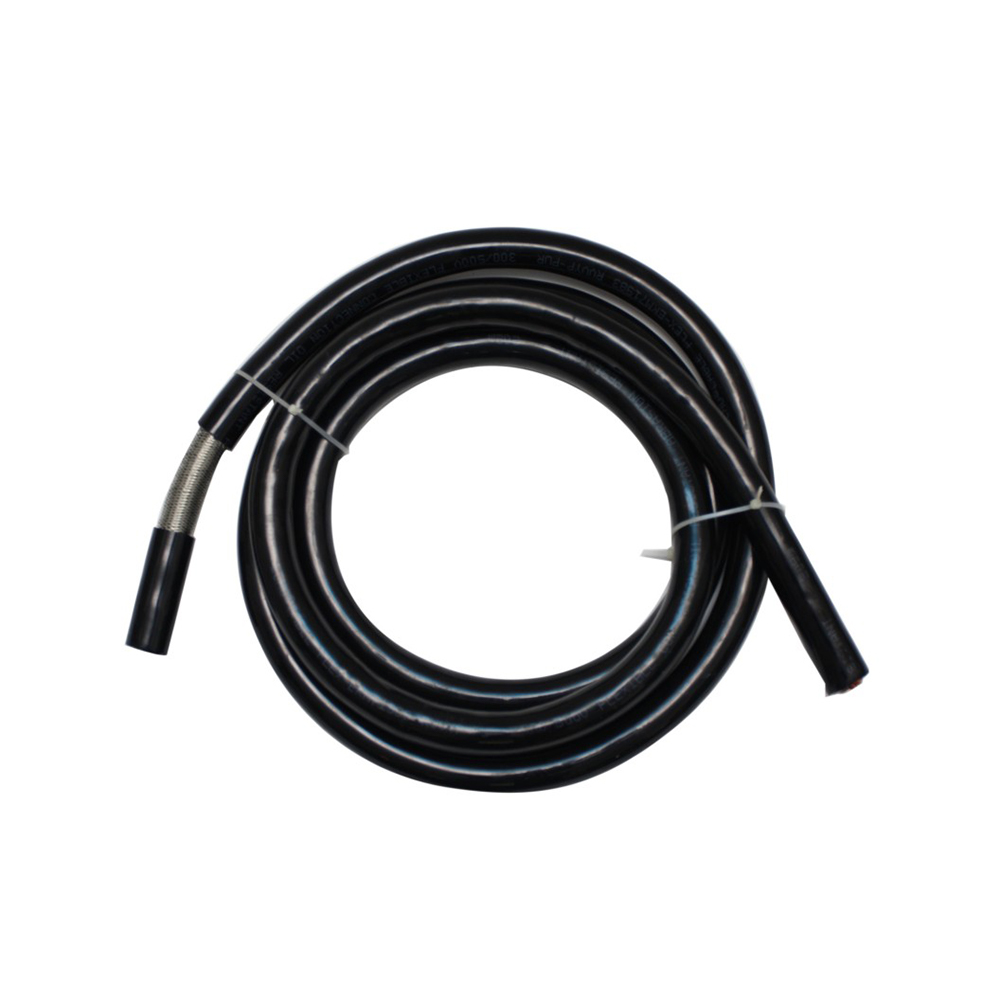
Robot cables are highly flexible specialty cables specifically designed for industrial robots, mechanical arms, and high-dynamic automation equipment. They need to stably transmit power, signals, and data under frequent bending, twisting, movement, and complex mechanical stress, serving as the "nerves and blood vessels" of robot motion systems.
Core Features:
High Dynamic Flexibility: Capable of withstanding millions of reciprocating bending and twisting motions (e.g., ±180°/m to ±720°/m twist).
Simultaneous Multi-Stress Resistance: Able to handle tension, compression, twisting, vibration, and lateral pressure at the same time.
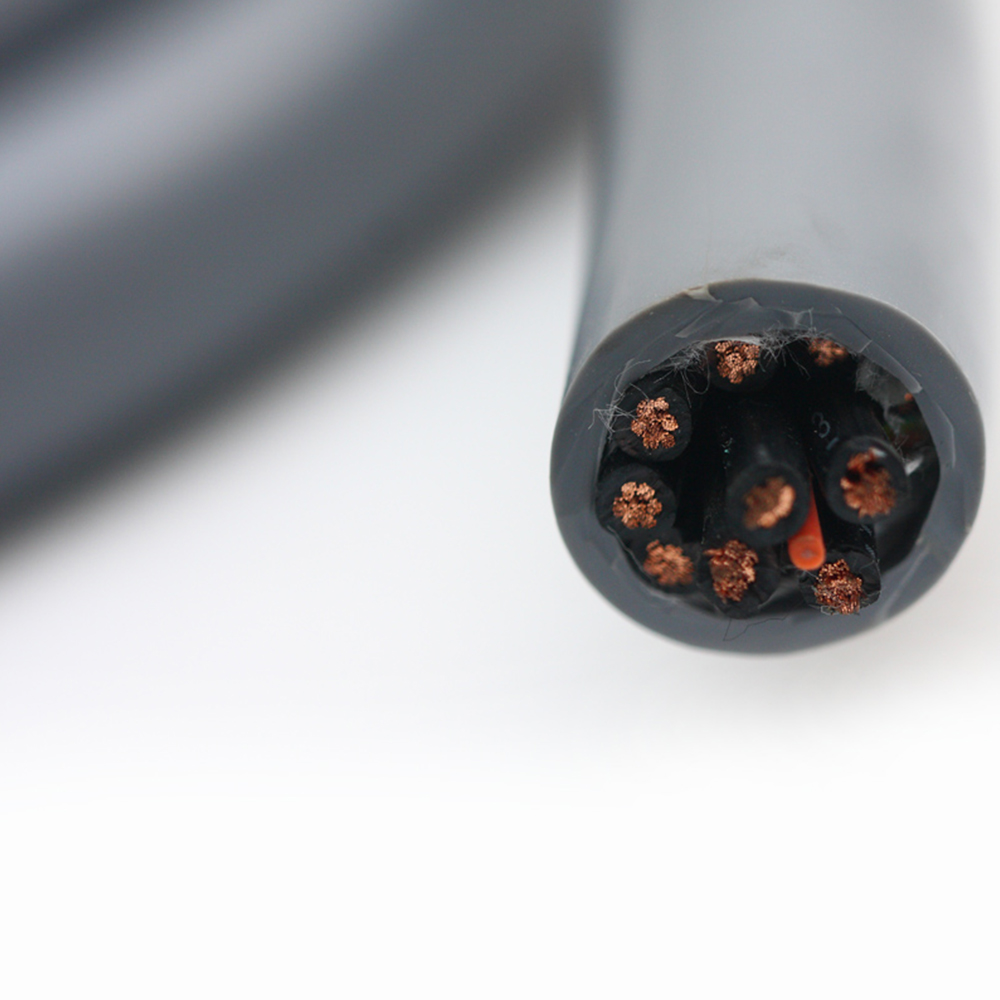
Integrated Transmission Capability: Often combines power lines, control lines, feedback signal lines (encoders), bus lines (such as EtherCAT), and air paths/optical fibers.
High Environmental Tolerance: Resistant to oil, coolant, abrasion, and high/low temperatures (e.g., -40°C to +125°C).
II. Main Types and Application Scenarios
Classification by Motion Type:
Drag Chain Cables: Used for linear reciprocating motion, such as robot linear slides and gantry manipulators.
Torsional Cables: Used for rotating joints, such as robot arm joints and rotary worktables.
Composite Motion Cables: Capable of withstanding both bending and twisting, used for SCARA robots and multi-joint robots.
Classification by Functional Integration:
Power Cables: Supply power to servo motors.
Feedback and Signal Cables: Connect encoders and sensors to transmit low-voltage signals.
Bus Cables: Used for real-time Ethernet communication (such as EtherCAT and PROFINET).
Hybrid Cables: Integrate power, signals, air paths, or optical fibers into one cable to reduce wiring space.
Typical Application Areas:
Industrial Robots: Automotive welding, painting, handling, and assembly production lines.
Automation Equipment: CNC machine tool magazines, Automated Guided Vehicles (AGVs), and material handling systems.
Precision Equipment: Semiconductor wafer handling robots and medical automation equipment.
Inspection and Measurement: Robot-mounted vision inspection systems and test probes.
III. Key Production Process Controls
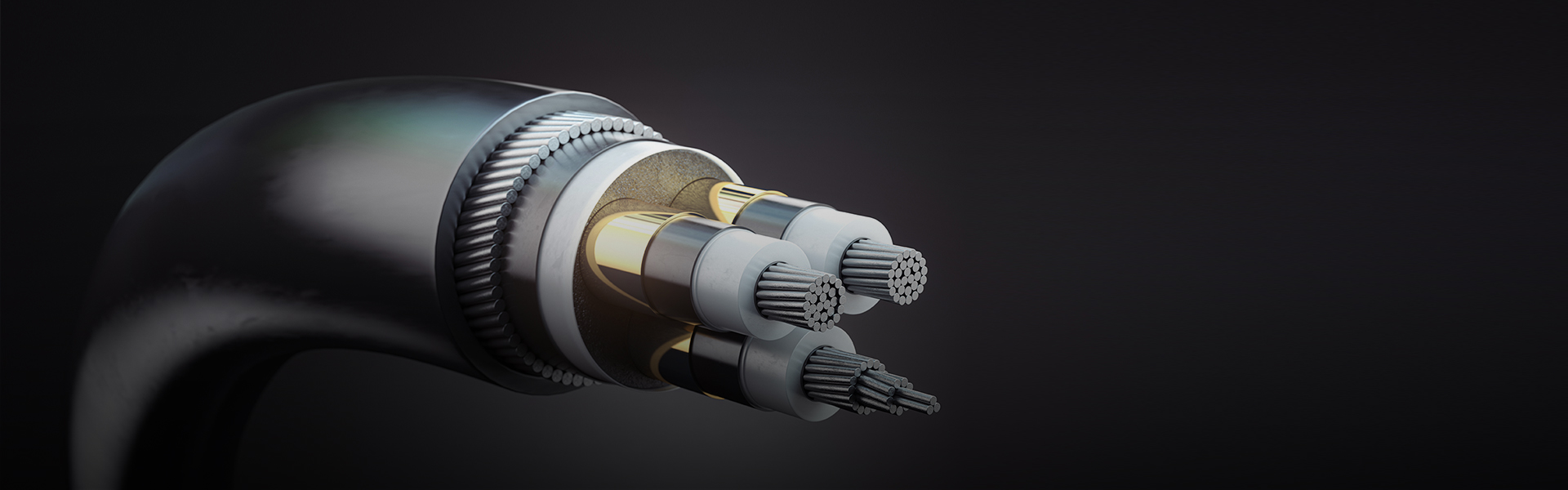
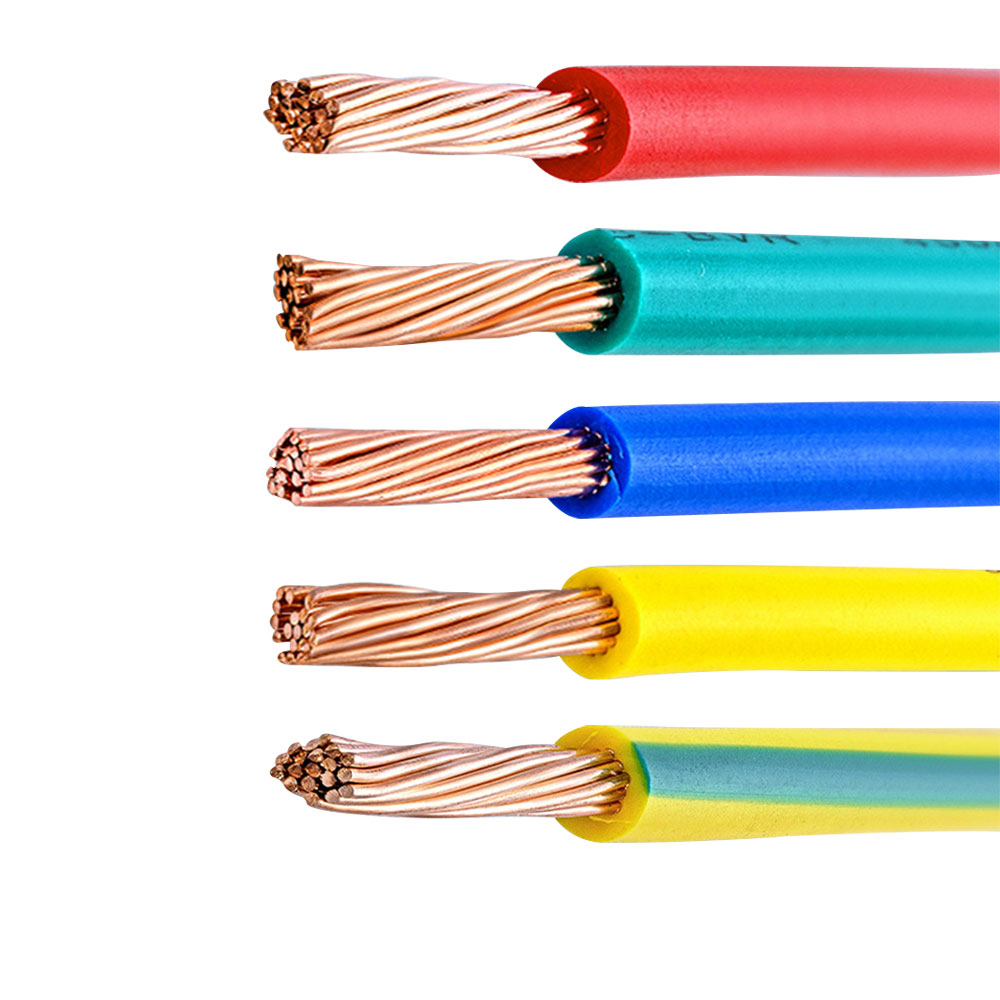
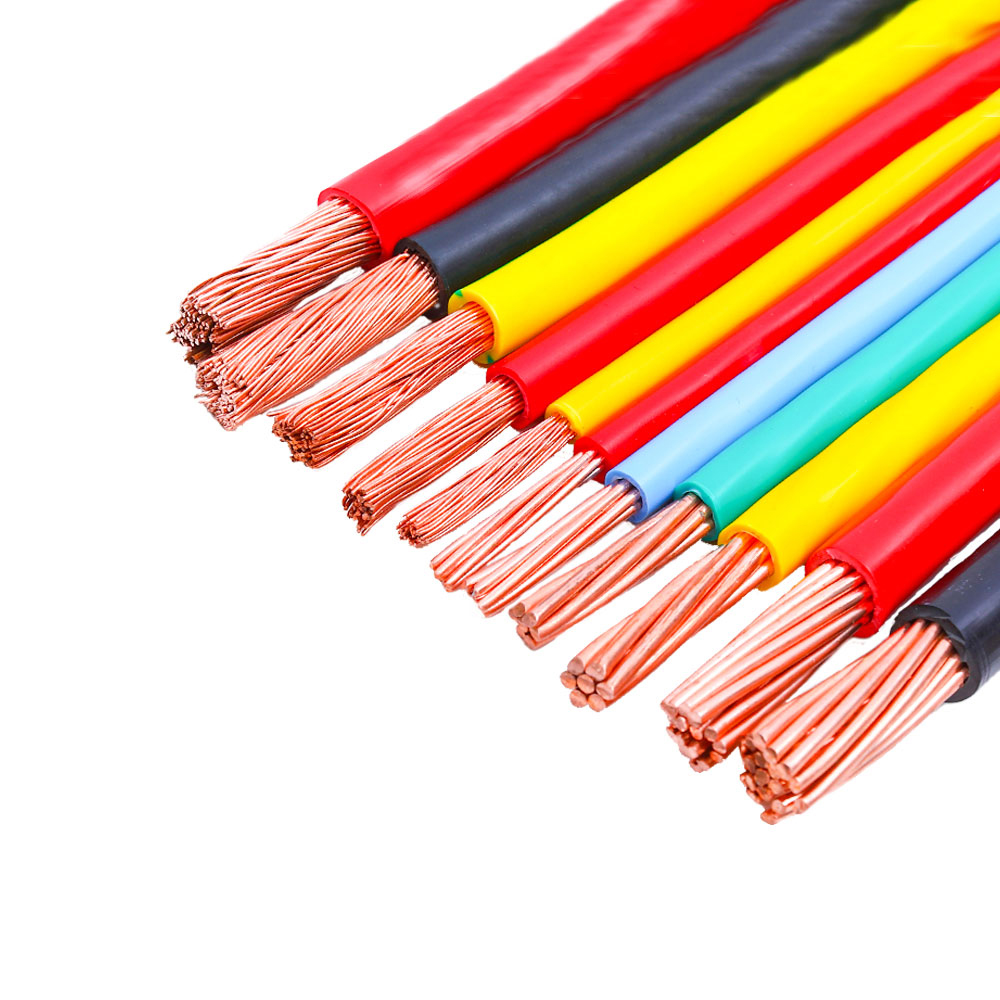
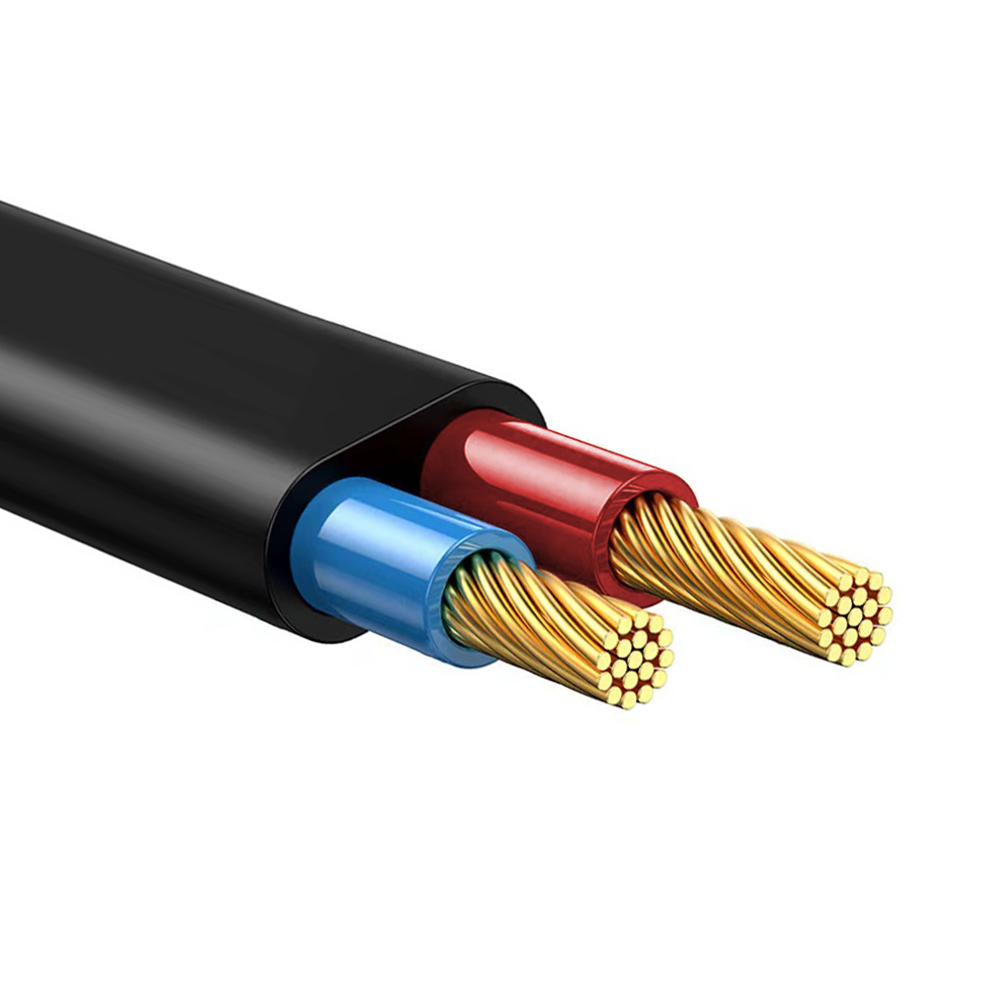
Conductor Structure: Ultra-fine oxygen-free copper wires (e.g., 0.08mm) are used in layered bunched stranding, combined with special pitches and directions to optimize dynamic stress distribution.
Insulation Materials: High-strength, high-elasticity materials (such as special PVC, TPE, or PUR) are selected to ensure the insulation layer does not crack under repeated deformation.
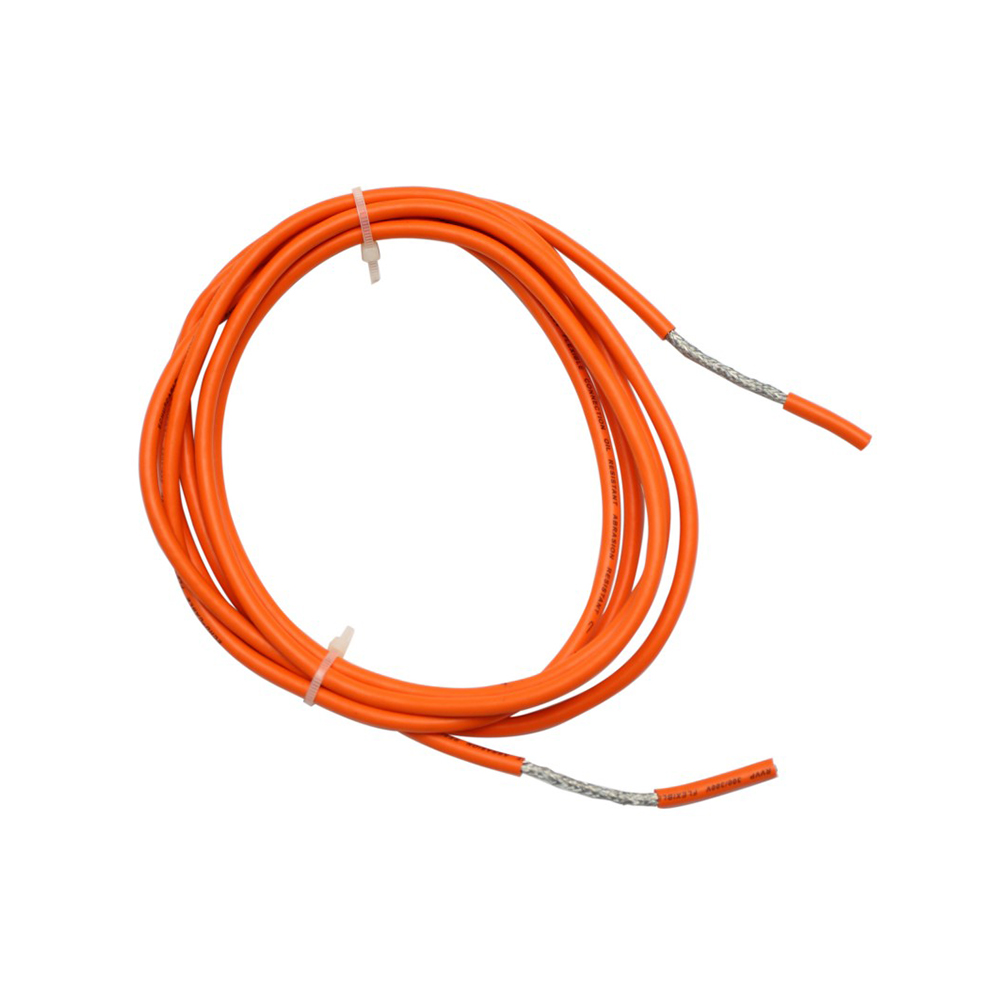
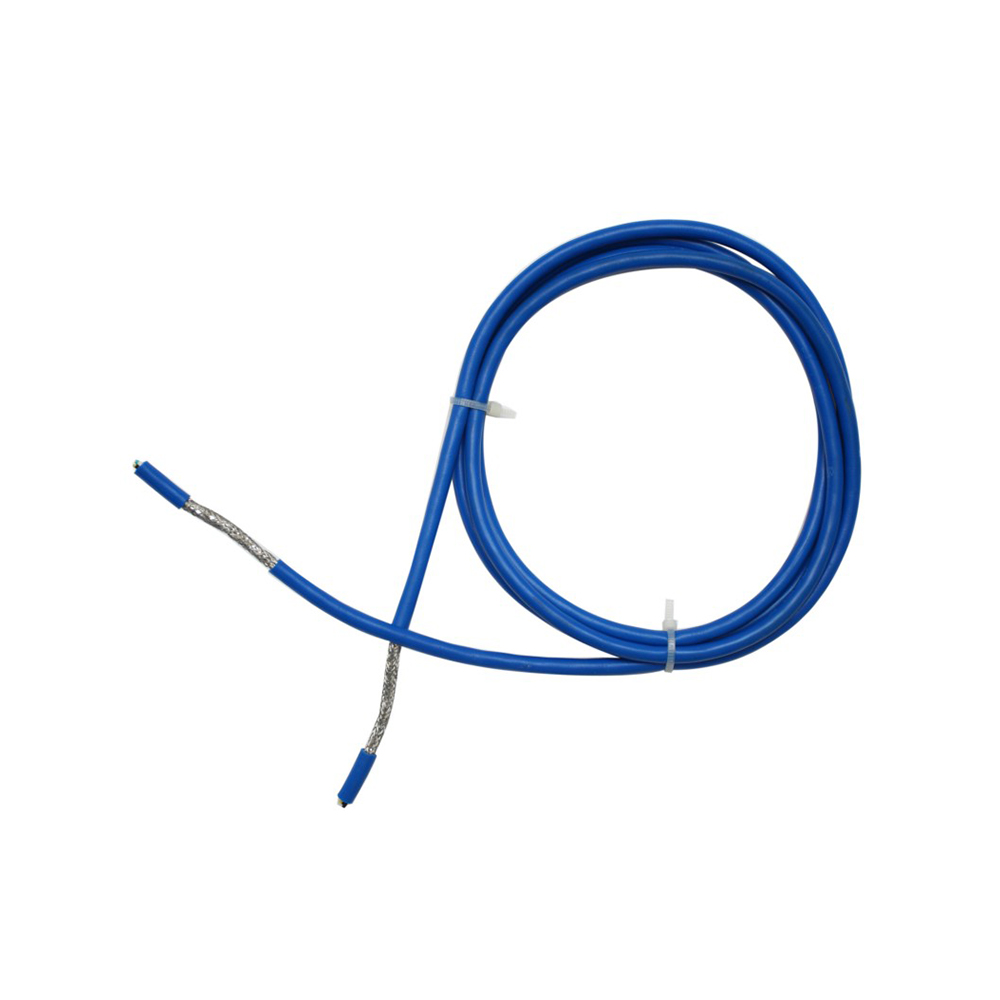
Core Wire Stranding and Shielding: Optimized twisted-pair/star-quad structures are used, combined with tin-plated copper wire braided shielding (coverage ≥85%) or aluminum foil shielding to prevent signal crosstalk and electromagnetic interference.
Tensile and Torsional Design: Built-in Kevlar fibers or high-performance synthetic fiber braided layers serve as load-bearing elements to absorb mechanical stress and protect the conductors.
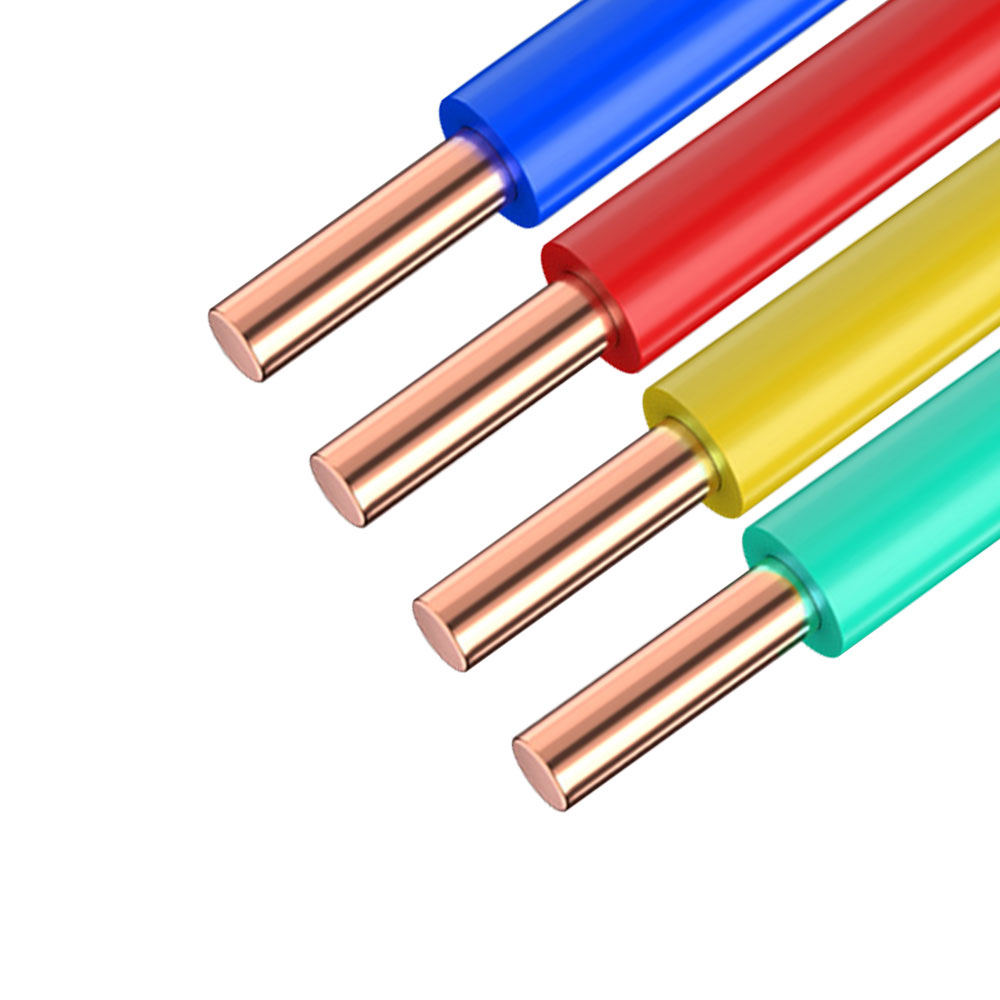
Sheath Process: Extruded high-wear-resistant, oil-resistant polyurethane (PUR) or specialty elastomer outer sheaths, often designed with low-friction textures or color coding on the surface.
IV. Detailed Core Advantages
Extended Service Life: Under-rated bending radius and twisting angles, the dynamic service life can reach 5 million to 10 million cycles, significantly reducing downtime and replacement frequency.
Highly Stable Signal Transmission: Optimized shielding and twisted-pair design ensure uninterrupted control signals, encoder feedback, and bus communication with low error rates during continuous motion.
Space Saving and Integration: Hybrid cables integrate multiple functional cables into one, reducing the internal wiring space of robots, lightening the overall weight, and optimizing motion performance.
High Reliability Reduces Maintenance Costs: Robust design minimizes unexpected downtime caused by cable breakage or signal interference, lowering maintenance costs and production losses.
Safety and Durability: Flame-retardant, oil-resistant, and chemical corrosion-resistant characteristics adapt to harsh industrial environments, ensuring long-term safe operation of equipment.
Summary
Robot cables are the foundation for the high reliability and precision operation of robots. Their technological core lies in the deep integration of materials science, structural mechanics, and electrical design to solve the challenges of durability and signal integrity under high-dynamic mechanical stress.

 English
 Español
 عربى
عربى
 русский