Electric Vehicle Charging Station Cable Comprehensive Introduction
I. Definition and Core Characteristics
Electric vehicle (EV) charging station cables are specialized cables designed to connect electric vehicles to charging stations (or charging guns). They are responsible for transmitting high-power direct current (DC) or alternating current (AC) electrical energy while integrating functions such as control guidance, signal feedback, communication, and temperature monitoring. They are not simple power extension cords but critical components that combine electrical safety, mechanical durability, environmental adaptability, and human-machine interaction. Their performance directly affects charging safety, efficiency, and user experience.
Core Characteristics:
High Current Transmission and Cooling Capability: Must stably carry high currents (e.g., DC fast charging up to 250A or more) over extended periods, with design considerations for conductor heating and heat dissipation.
High Voltage Rating: Operating voltages are continuously increasing (e.g., DC 1000V, AC 690V), imposing stringent requirements on insulation and shielding.
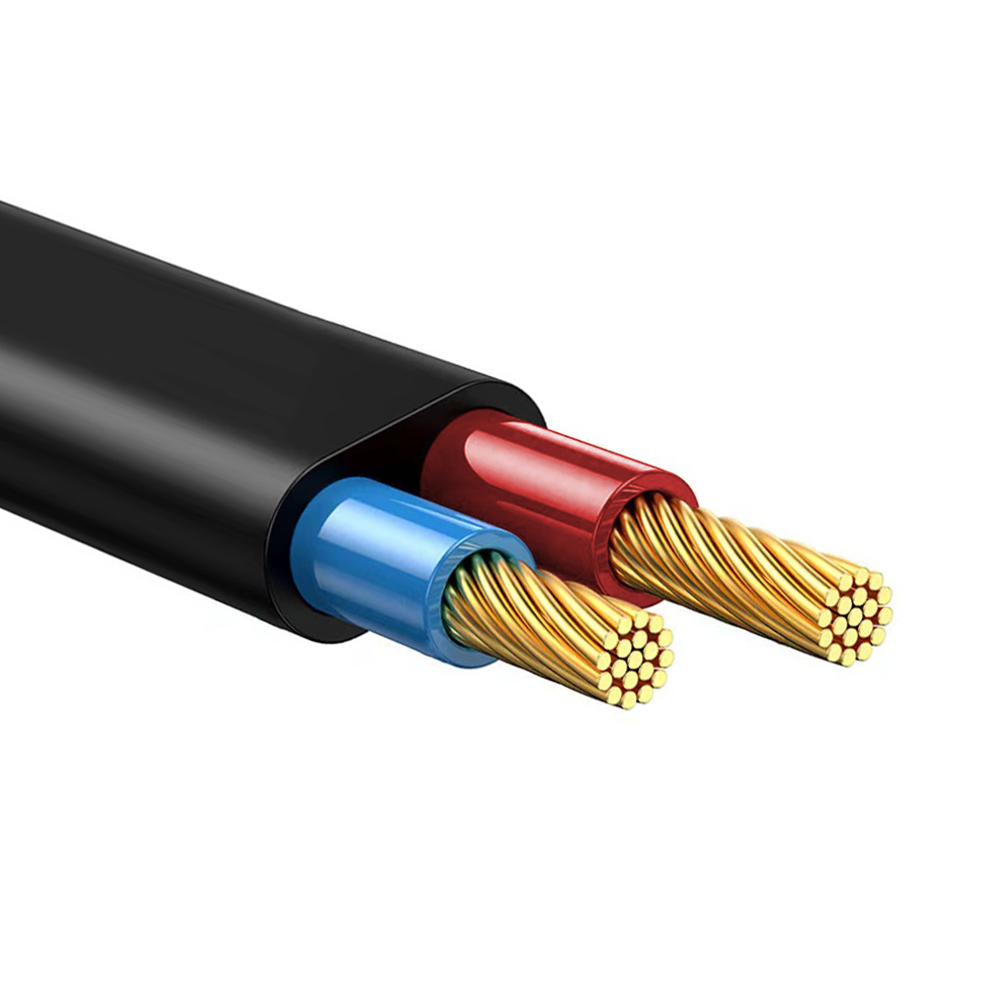
Integrated Multifunctional Cable Structure: Typically features a composite structure, integrating power lines, control lines (CP/CC), communication lines (e.g., CAN, PLC), grounding wires, and temperature sensors (NTC).
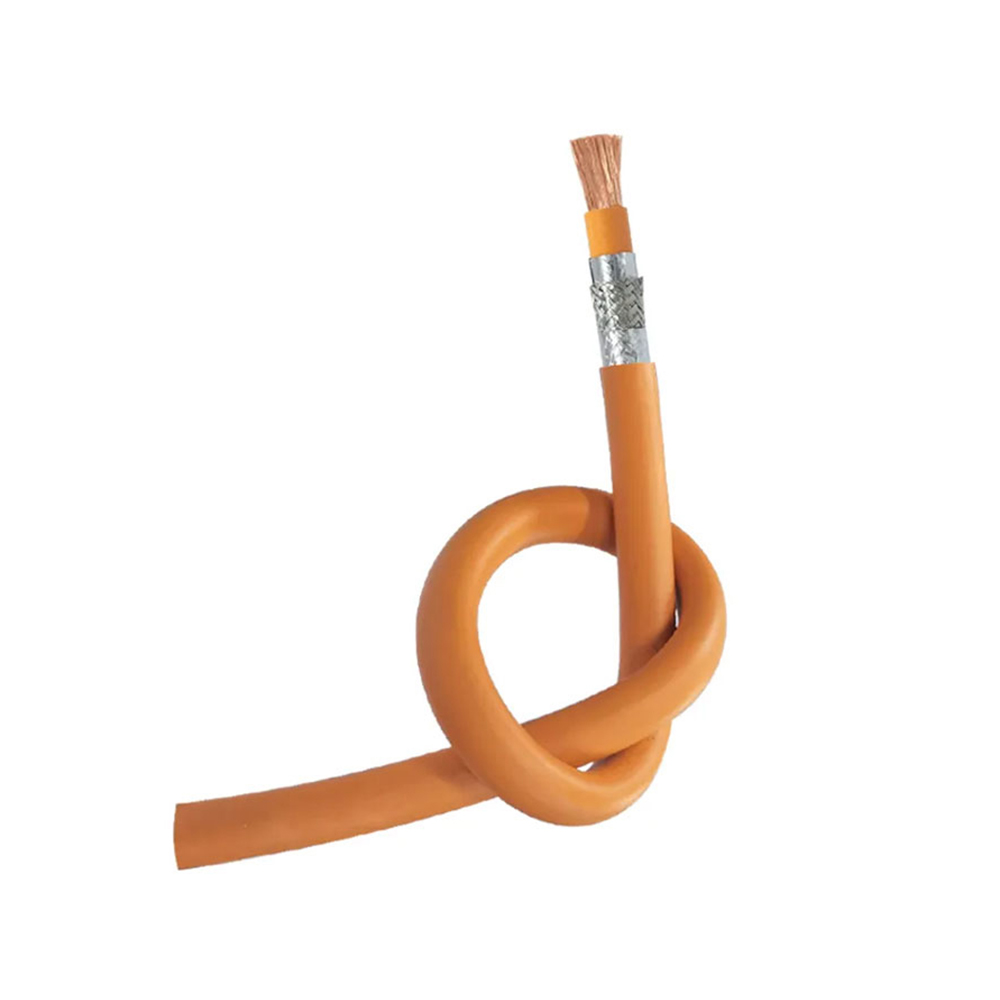
High Mechanical and Environmental Durability Requirements: Must withstand frequent coiling, crushing, dragging, and bending, while resisting ultraviolet (UV) radiation, ozone, extreme temperatures (-40°C to +125°C), rain, and chemicals (e.g., de-icing salts).
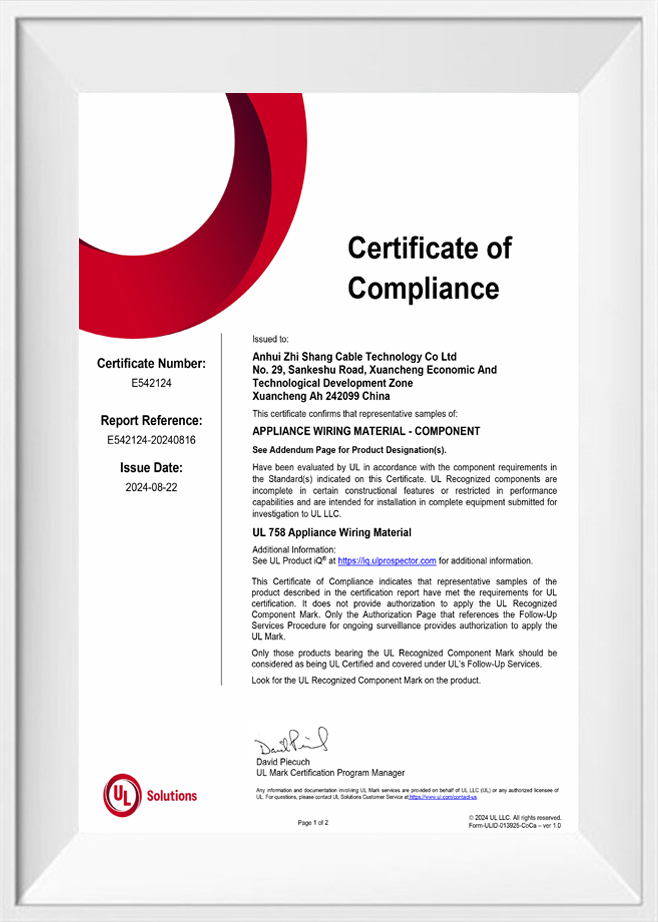
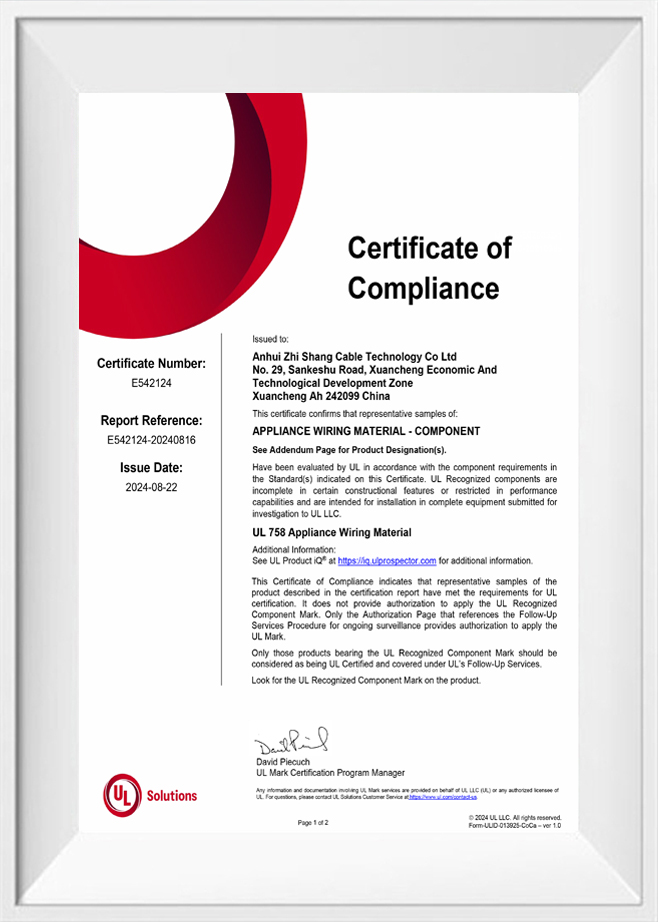
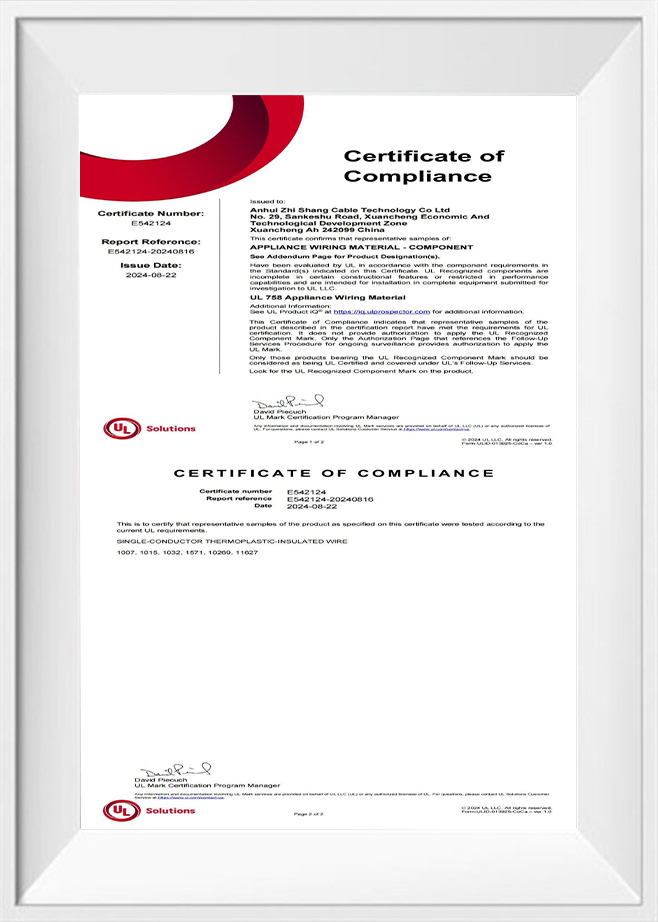
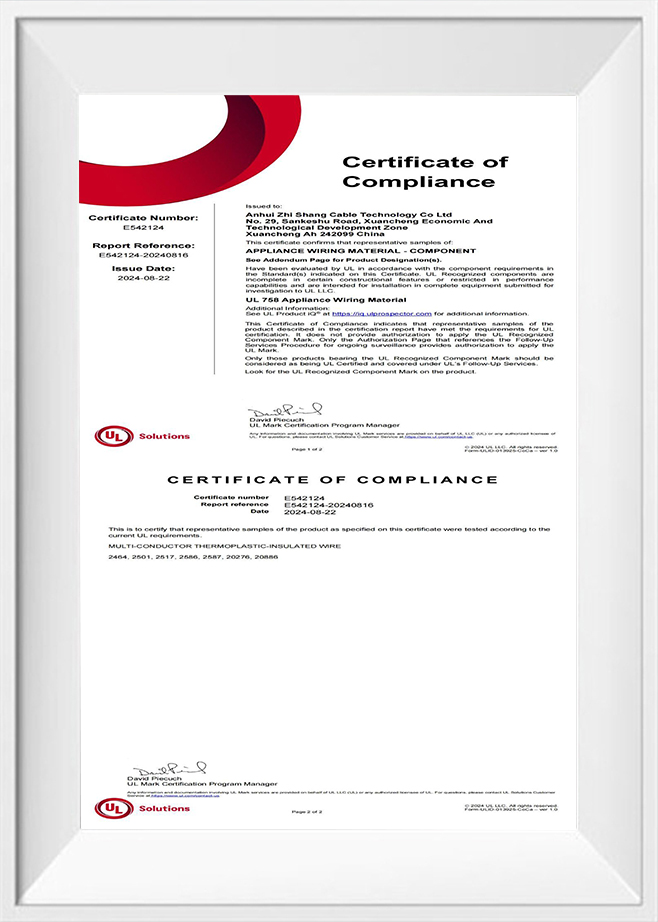
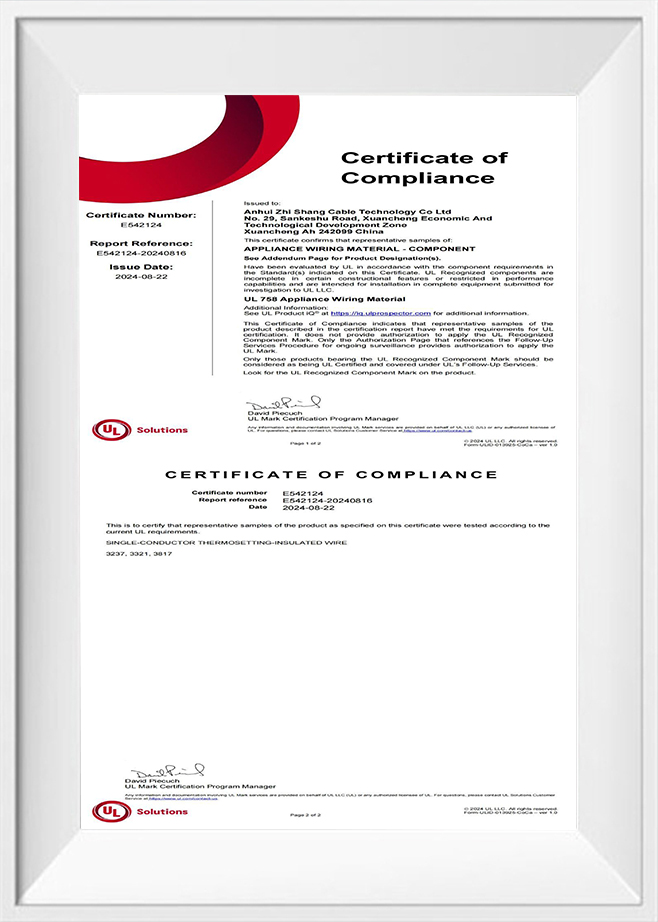
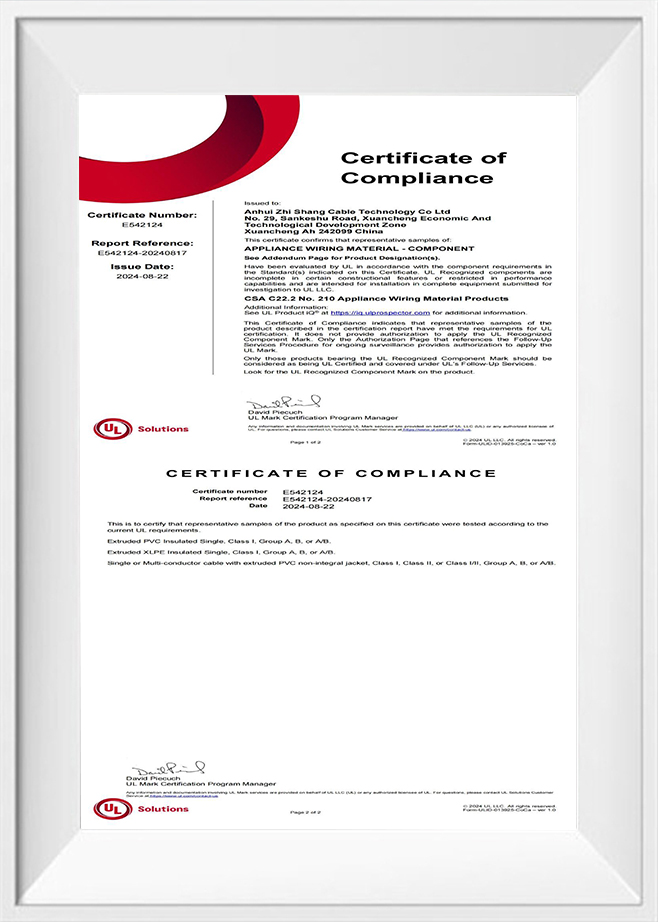
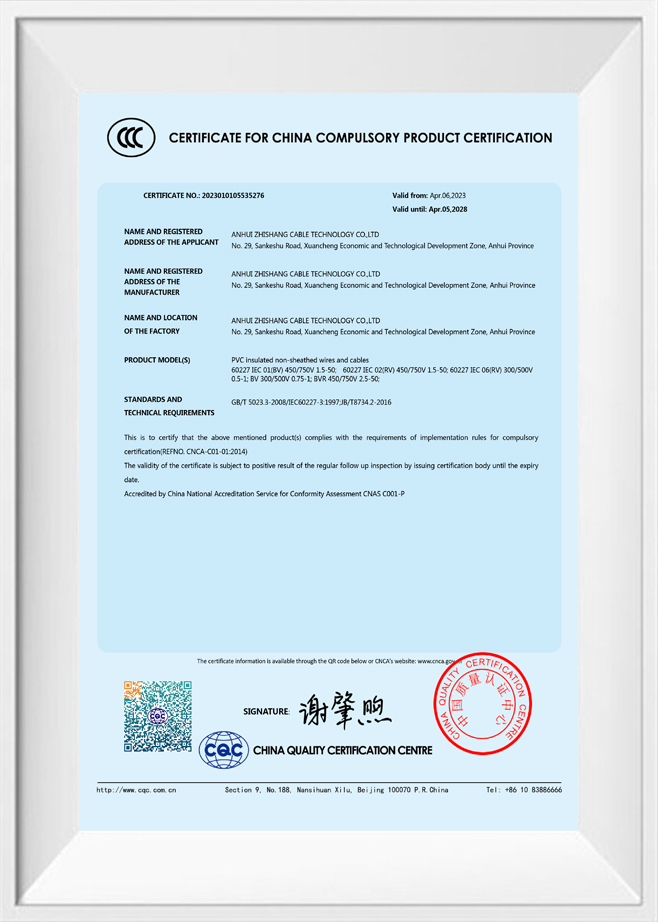
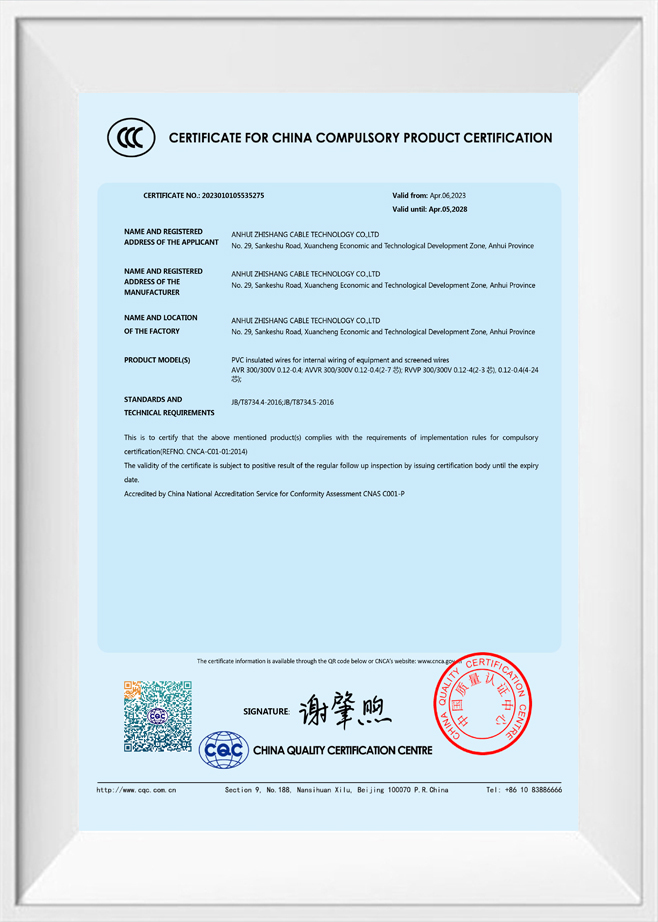
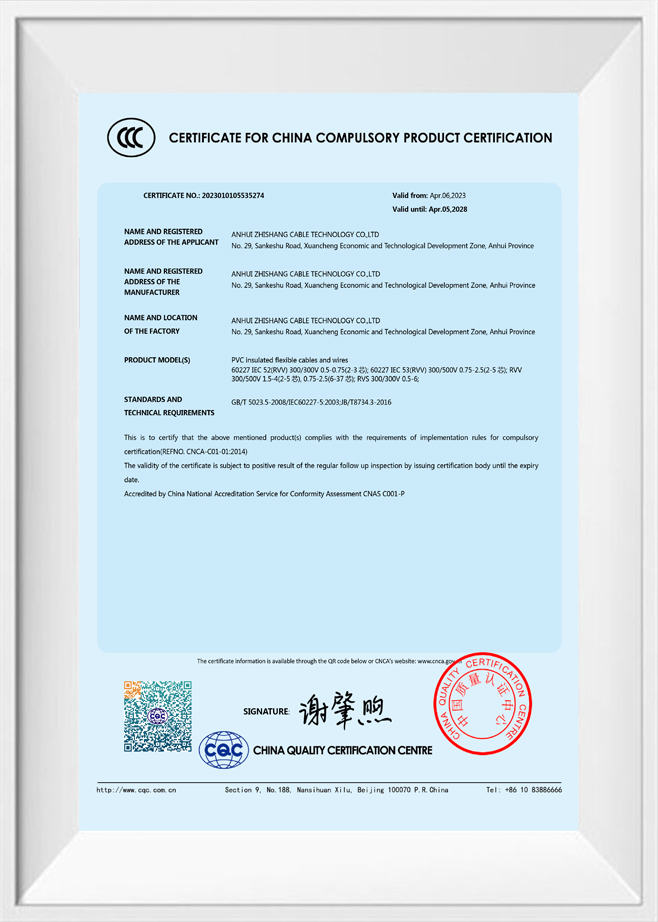
Stringent Safety Standards: Must comply with international charging interface standards (e.g., IEC 62196, GB/T 20234) and cable safety standards (e.g., UL 62, EN 50620, GB/T 33594), with overcurrent and overtemperature protection capabilities.
II. Main Types and Application Scenarios
Classification by Charging Mode and Current Type:
AC Charging Station Cables (Mode 2/3): Used for home and public slow-charging stations, typically with voltages of 250V/440V AC and currents ≤63A, featuring relatively lightweight structures.
DC Charging Station Cables (Mode 4): Used for public fast-charging and supercharging stations, with voltages up to 1000V DC or higher and currents typically ranging from 80A to 500A or more. These cables are thicker and heavier and often require integrated liquid cooling systems.
Classification by Cooling Method:
Passive Air-Cooled Type: Relies on heat dissipation through conductor and sheath materials, used for medium- to low-power charging (e.g., most AC stations and some DC stations).
Active Liquid-Cooled Type: Integrates independent coolant circulation pipes inside the cable, enabling forced liquid cooling. This technology can increase the current-carrying capacity of cables with the same outer diameter by over 50%, addressing the issue of bulky cables in high-power fast charging (≥350 kW).
Application Scenarios:
Private Charging: Home wall-mounted AC stations, requiring high flexibility and bending cycle life from the cable.
Public Charging Stations: Includes AC slow-charging and DC fast-charging stations, requiring high durability, weather resistance, and vandal resistance from the cable.
High-Power Supercharging Stations: Typically use liquid-cooled cables to enable high-power fast charging (e.g., 350 kW–600 kW) while keeping the cable lightweight and improving user experience.
III. Key Production Process Controls
Conductor Design and Manufacturing: Uses multi-strand ultra-fine oxygen-free copper wires for precise stranding to ensure high flexibility. High-power DC cables may employ shaped conductors to optimize space utilization and heat dissipation.
Insulation and Shielding System:
Power Lines: Use high-performance cross-linked polyethylene (XLPE) or elastomeric materials to ensure high-voltage insulation.
Shielding: Must employ high-coverage copper wire braiding or braiding combined with aluminum foil composite shielding to effectively suppress high-frequency electromagnetic interference and protect internal signal lines.
Sheath and Reinforcement Layer: The outer sheath uses highly abrasion-resistant, weather-resistant, and UV-resistant elastomeric materials (e.g., special PVC, TPE, CSPE). High-strength fiber braiding (e.g., aramid) is often integrated internally as a tensile element to withstand frequent pulling.
Liquid Cooling Pipe Integration (for Liquid-Cooled Cables): Micro-diameter coolant pipes (typically insulated soft tubes) are precisely integrated with cable power cores and signal lines during cabling to ensure structural stability and cooling efficiency.
Connector Integration Molding: Cables and charging gun/station connectors are typically integrated via injection molding to ensure waterproofing (IP rating, e.g., IP67/IP54), pull resistance, and electrical connection reliability.
100% Safety Testing: Every cable must undergo high-voltage testing, insulation resistance testing, continuity testing, and functional testing (e.g., signal loops, temperature sensors).
IV. Detailed Core Advantages
Safety as the Core Priority: Multi-layered design ensures protection against electric shock, overload, and overheating risks in extreme weather and frequent use, incorporating flame-retardant materials, voltage-resistant insulation, temperature monitoring, and precise signal control.
Support for High-Efficiency Charging: Optimized conductor design and the application of liquid cooling technology directly support higher charging power, significantly reducing EV recharging time.
Standards Compliance and Global Market Access: Strict adherence to international and regional standards ensures legal sales and use in target markets (e.g., China, Europe, North America), building consumer trust.
Summary
EV charging station cables are the "final segment of the artery" in the EV recharging ecosystem. Their technological level directly determines charging safety, speed, and convenience. As charging power advances toward ultra-high speeds, technologies such as liquid cooling have become standard features for next-generation cables.

 English
 Español
 عربى
عربى
 русский