
Get more content that can help you
Content
An engineer specifying cable for a production line does not need a lecture on polymer chemistry. The real question is practical: will this insulation protect the conductor for the service life of the equipment, and at a cost the project can absorb? Polyvinyl chloride (PVC) answers that question more often than any other insulation material. It is the default for building wire, control cable, appliance wiring and general low-voltage power distribution. But default does not mean universal. PVC has a clear set of temperature, electrical and mechanical boundaries, and a purchaser who understands them will specify better cable, avoid premature failures, and spend money only where the application genuinely demands a more expensive material.
Polyvinyl chloride is a thermoplastic produced by polymerizing vinyl chloride monomer. On its own the polymer is rigid, so wire and cable manufacturers compound it with plasticizers, heat stabilizers, lubricants and fillers. The compound is then extruded over the copper or aluminum conductor to form a continuous dielectric layer. The same family of compounds is frequently used for the outer jacket as well.
The result is an insulation that is tough yet flexible, resists abrasion and moisture, and does not support combustion when correctly formulated. Standard PVC grades are rated for continuous service from about -25°C to 75°C in wet and dry locations, while specially formulated grades extend the ceiling to 90°C or even 105°C. Those ratings matter because they set the maximum current a cable can safely carry. If the ambient temperature is high, the allowable current must be derated.
PVC insulation appears in low-voltage cable specifications because it combines electrical, thermal and mechanical properties that are unusually well balanced for the price.
| Property | Typical Value for PVC | Practical Meaning |
|---|---|---|
| Dielectric strength | 20-40 kV/mm | Reliable insulation for low-voltage and many medium-voltage cables |
| Volume resistivity | 10^13 to 10^14 ohm-cm | Negligible leakage current in normal service |
| Continuous operating temperature | -25°C to 75°C (standard grades) | Suitable for most indoor and general outdoor installations |
| Short-circuit conductor temperature | Up to 160°C | Acceptable for brief fault conditions |
| Flame behavior | Self-extinguishing when properly compounded | Helps limit fire spread in cable bundles |
| Chemical resistance | Good against acids, alkalis and oils | Handles industrial and process environments |
| Water absorption | Low | Stable insulation resistance in wet locations |
The dielectric strength of PVC is sufficient for virtually all low-voltage applications and for many medium-voltage designs. Volume resistivity in the range of 10^13 to 10^14 ohm-cm keeps leakage current negligible over decades of service. Water absorption is low, so insulation resistance stays stable in humid environments. Mechanically, PVC resists crushing, abrasion and cutting better than many softer insulations, and correctly formulated compounds remain flexible down to approximately -25°C.
Cost is the first reason PVC is specified, but not the only one. PVC compounds are inexpensive and easy to extrude, which makes PVC-insulated cable the most economical option for general wiring.
Flame resistance is the second. Properly compounded PVC is inherently self-extinguishing: it stops burning when the ignition source is removed. That behavior is why PVC remains common in building wiring, switchboards and control panels where fire safety is a code requirement.
Durability is the third. PVC resists oils, acids, alkalis and many solvents, and it does not interact chemically with copper or aluminum conductors. In industrial plants, that tolerance is what keeps maintenance costs low.
Versatility is the fourth. PVC can be formulated stiff for fixed installation or highly flexible for dynamic use. It is available in all standard colors, prints clearly, and bonds well with PVC jackets and fillers to form a homogeneous cable construction.
Temperature is the first limit. Above roughly 75°C to 105°C depending on grade, PVC softens, loses mechanical strength and ages quickly. That is why it is rarely specified near motors, furnaces or high-temperature processes.
High-frequency attenuation is the second. PVC has a relatively high dielectric constant and dissipation factor, so signal energy above a few megahertz is lost quickly. For data, video and high-speed control signals, polyethylene or fluoropolymer insulation performs better.
Cold temperature is the third. Standard PVC stiffens below about -25°C and can crack on impact. Outdoor installations and cold-storage facilities in severe climates need a cold-resistant compound or a different insulation.
Fire behavior deserves attention. PVC is flame-retardant, but it contains chlorine. In a fire it releases hydrogen chloride gas and dense smoke. Where escape routes, tunnels and occupied buildings require low smoke and low toxicity, low-smoke halogen-free (LSZH) compounds are now specified instead of PVC.
PVC insulation dominates building wiring, branch circuits, control circuits, appliance leads, machine tools, switchboards and general power distribution. It is also standard for flexible cords, elevator traveling cables and many CE- and UL-certified cable lines.
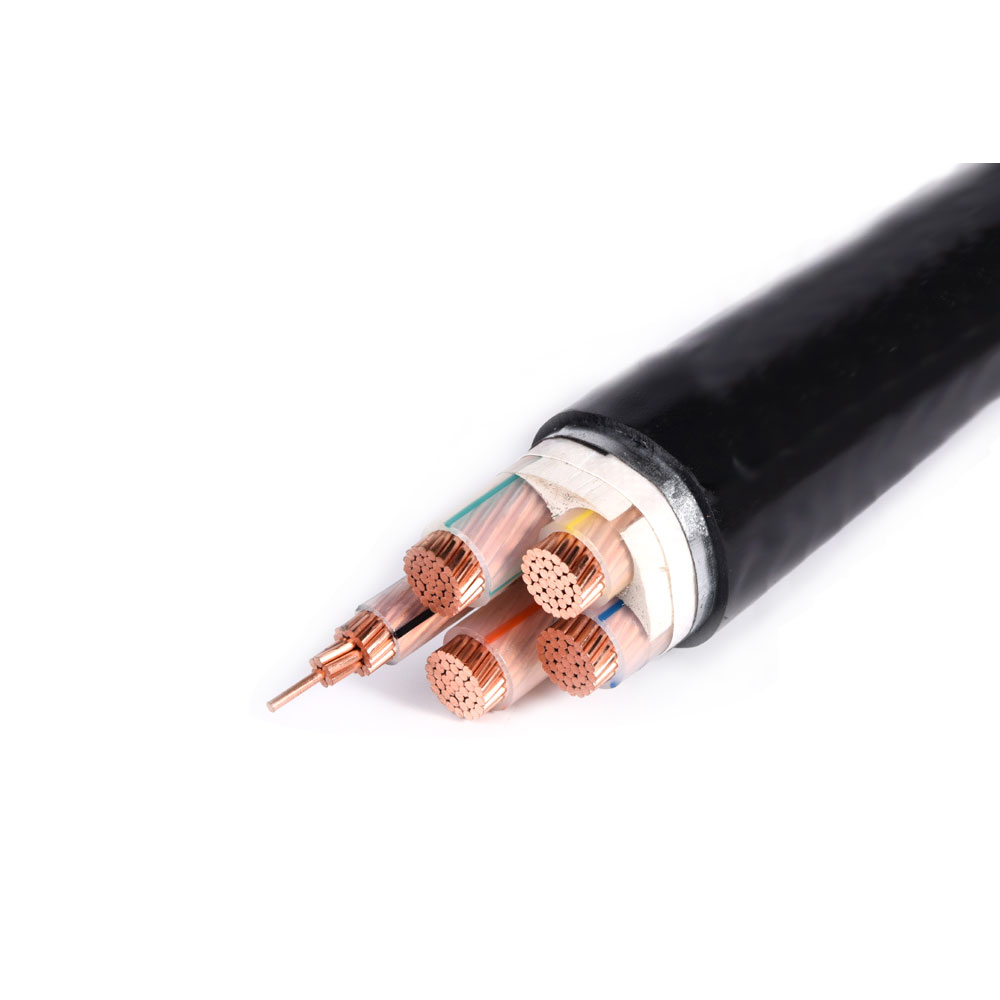
For low-voltage power distribution in factories and commercial buildings, a PVC insulated and sheathed power cable remains one of the most dependable and economical choices. In process plants, chemically resistant PVC compounds handle the oil and mild chemical exposure that would damage weaker insulations, which is why PVC is frequently selected within petrochemical cable solutions.
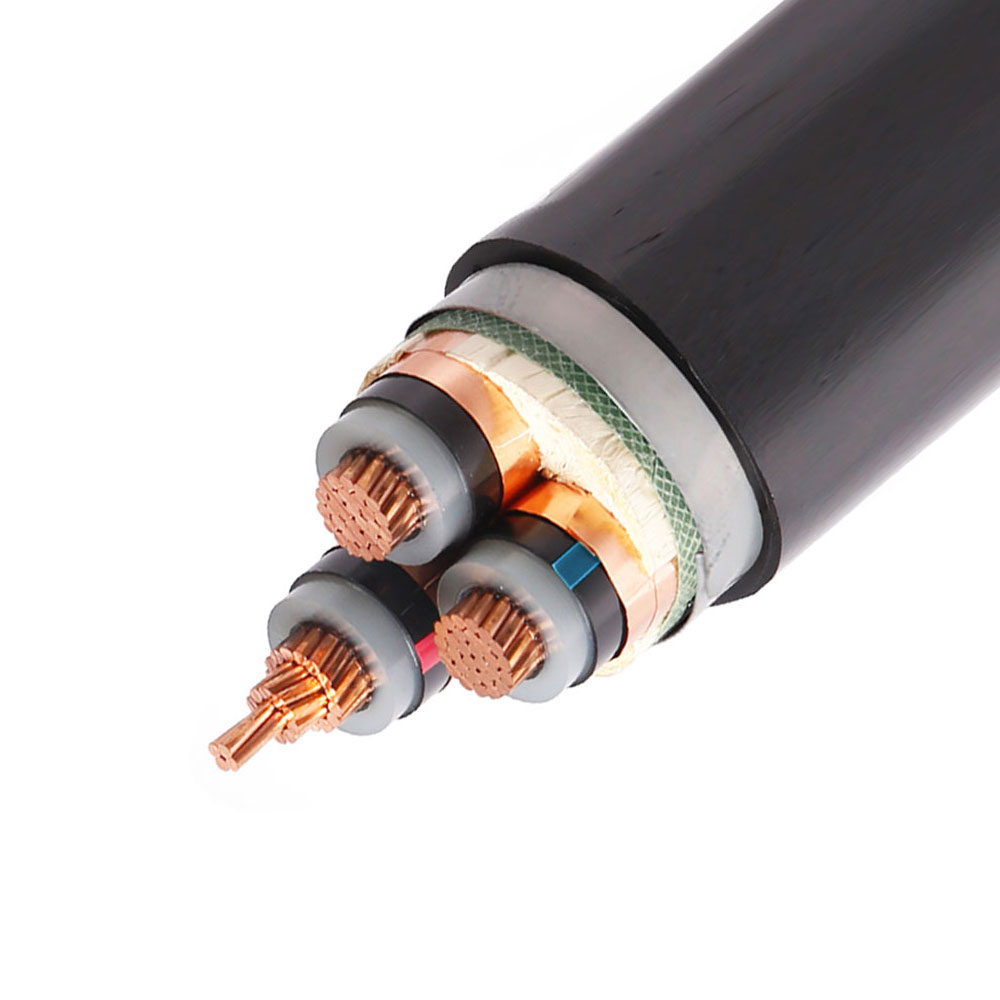 VV Easy to install and lay PVC Insulated and Sheathed Power Cable Suppliers, WhoZhishang Cable is Wholesale VV Easy to install and lay PVC Insulated and Sheathed Power Cable Suppliers and Factory in China,Cost-effecti...View Product →
PVC is not the only insulation you will encounter. Knowing how the common alternatives differ prevents mis-specification.
| Material | Continuous Temperature Range | Flexibility | Flame Resistance | Chemical Resistance | Relative Cost |
|---|---|---|---|---|---|
| PVC | -25°C to 75°C (special grades to 105°C) | Moderate | Good | Good | Low |
| XLPE | -40°C to 90°C | Stiffer | Good | Good | Moderate |
| Silicone rubber | -60°C to 180°C | Excellent | Moderate | Excellent | High |
| PUR | -40°C to 80°C | Excellent | Moderate to good | Excellent against oils | High |
The practical rule is simple. PVC is the economic default for general-purpose cables. Cross-linked polyethylene (XLPE) is preferred when higher continuous temperature or thinner insulation walls matter. Silicone rubber is chosen for extreme heat or cold. Polyurethane (PUR) is selected for dynamic flexing, oil resistance and mechanical abuse.
Before you place an order, check five things.
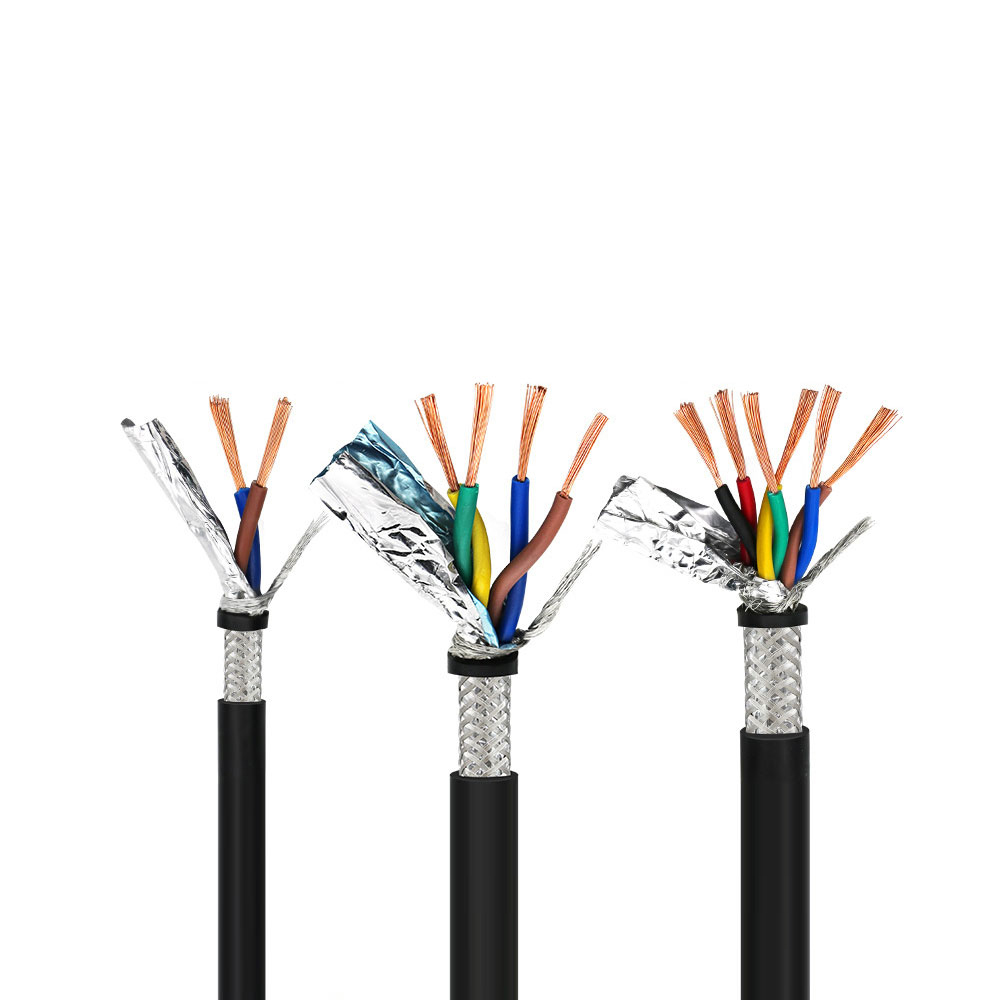
A final practical check: when the project needs dependable insulation at the lowest installed cost, a flame-retardant PVC building wire is the most proven choice, with decades of field history behind it. For moving machinery, select a design rated for dynamic stress, such as the PVC-insulated robot cable, and review automation cable solutions when continuous bending and vibration are part of the duty cycle.
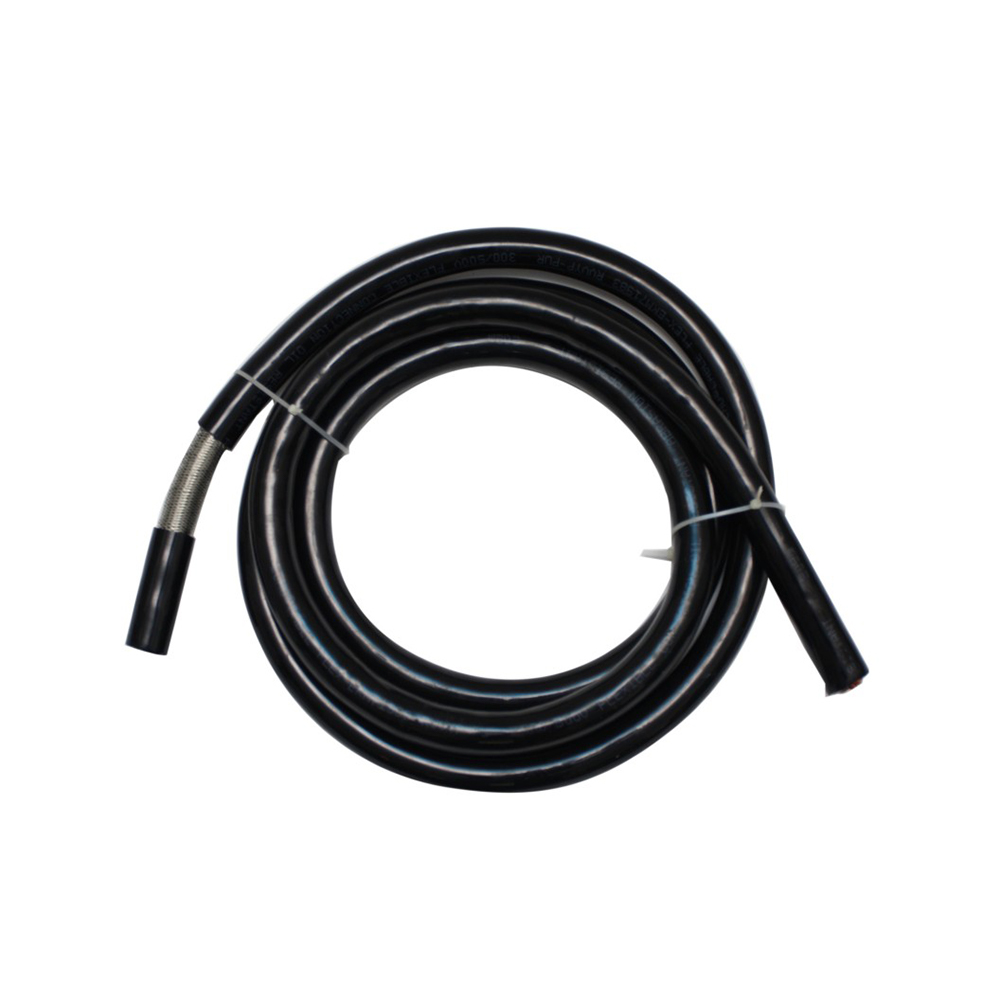 JQR-246 PVC Robot Cable Suppliers, Wholesale Factory - Anhui Zhishang Cable TechZhishang Cable is Wholesale JQR-246 PVC Robot Cable Suppliers and Factory in China,JQR-246 PVC Robot Cable Characteristics Model Identif...View Product →
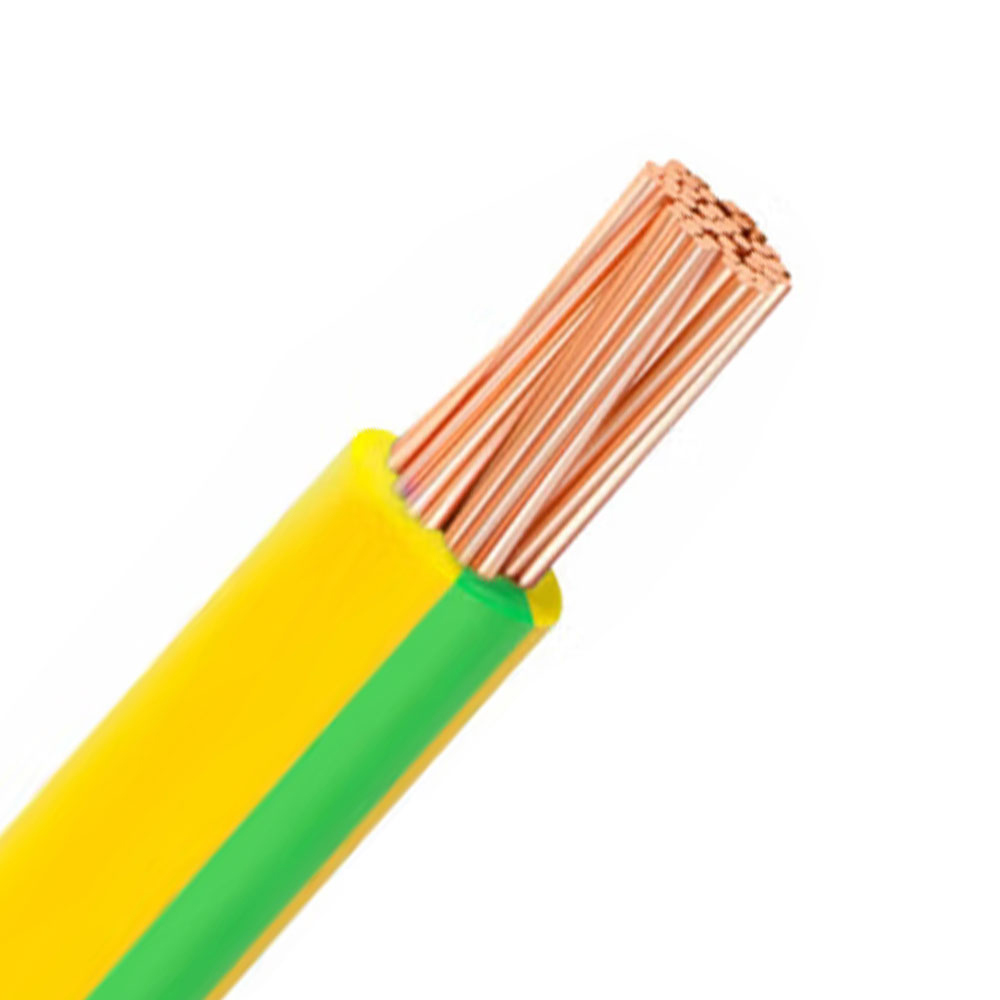
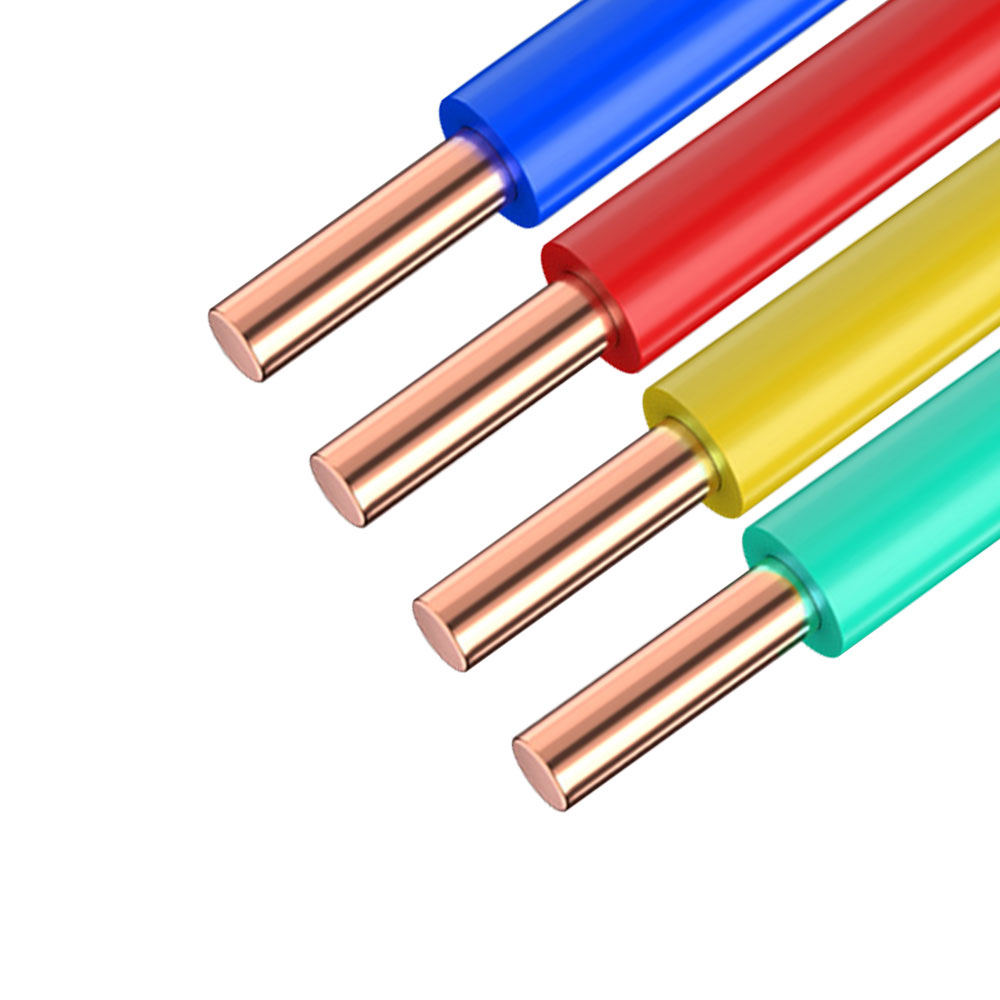 BV/NH-BV Flame retardant properties Building Wire Suppliers, Wholesale Factory -Zhishang Cable is Wholesale BV/NH-BV Flame retardant properties Building Wire Suppliers and Factory in China,BV/NH-BV Wire Characteristic...View Product →
PVC wire insulation is not glamorous, and it is not the answer to every wiring problem. It is, however, the most thoroughly proven and best understood insulation for the great majority of low-voltage applications. Define the operating temperature, confirm the certification, and think about fire, chemical and UV exposure, and a PVC-insulated cable will deliver years of uninterrupted service. That is why it remains the workhorse of the wire and cable industry.

We firmly believe that good cables are not only a competition of materials, but also a reflection of craftsmanship, quality, and responsibility.

Links
Product
Send Inquiry
No. 29 Sankeshu Road, Xuanzhou District, Xuancheng City, Anhui Province, China
+86-18621104555/+86-563-2622999
 Electrical Cable Manufacturer
OEM/ODM Wire and Cable Solutions
Electrical Cable Manufacturer
OEM/ODM Wire and Cable Solutions
 English
 Español
 عربى
عربى
 русский