Get more content that can help you
Content
When a maintenance engineer at a food processing plant requested quotes for a replacement 12/20 kV feeder cable, the most attractive bid from a medium voltage cable supplier was roughly 18 percent lower than the next offer. The project team rejected it after a short review: the supplier could not provide partial discharge test records, could not explain how the cable would be screened during production, and could not offer a reliable delivery date.
That pattern is familiar to anyone who buys power cables. Price is easy to compare, but long-term reliability is not. The best medium voltage cable suppliers separate themselves with documentation, production control and engineering support, not simply with the lowest price. Before you place an order, you need to check those things first.
In practical terms, medium voltage cable refers to cable designed for systems from 1 kV up to 35 kV. Common ratings are 6/10 kV, 8.7/15 kV, 12/20 kV, 18/30 kV and 26/35 kV. Distribution networks, industrial plants and renewable energy projects use these voltages to move power from substations to equipment or to connect different parts of the network.
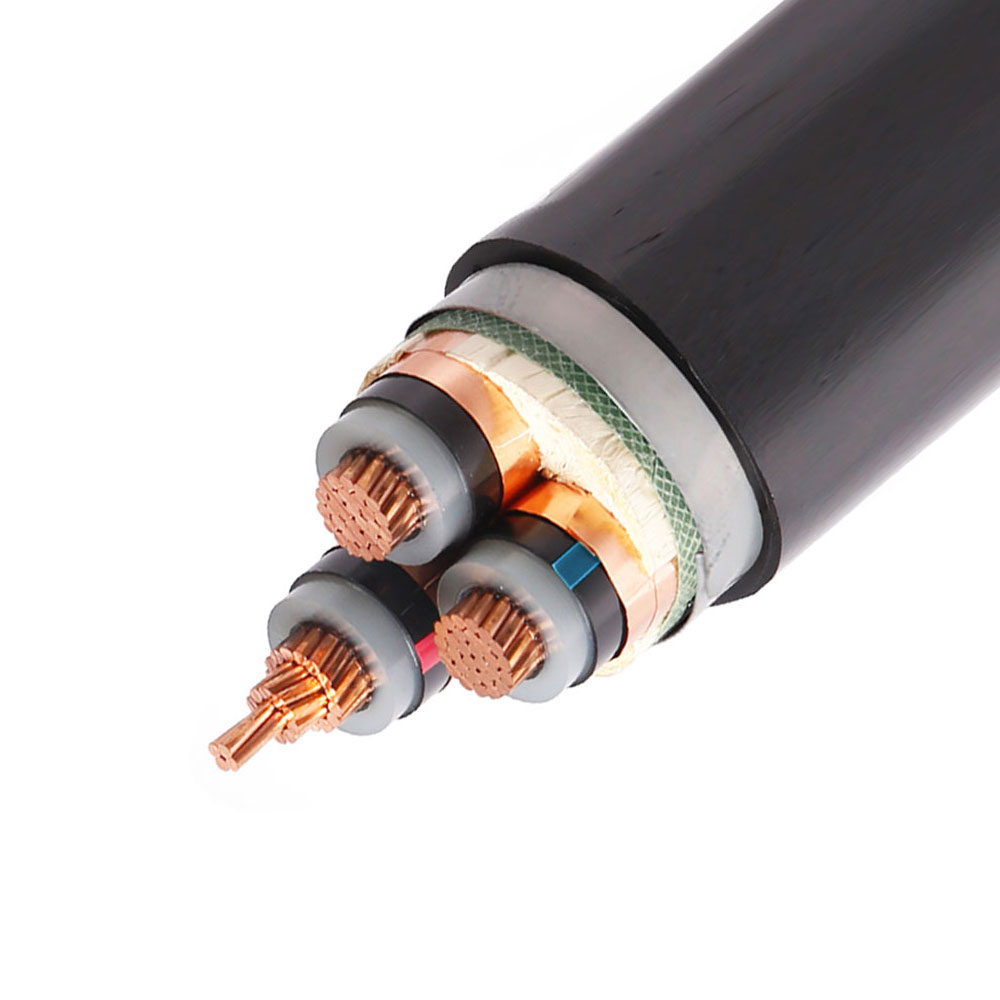
Construction is more demanding than low voltage cable. A typical medium voltage cable has a stranded copper or aluminium conductor, a semiconductive conductor screen, cross-linked polyethylene (XLPE) insulation, an insulation screen, metallic screen layers and an outer sheath. Each layer has a distinct purpose. A supplier who cannot explain those layers, or who treats the cable as a simple commodity, is likely to cause problems later.
Some suppliers are manufacturers; others are trading companies that buy from factories they do not control. For low voltage building wire, a trader can work well. For medium voltage cable, direct control over production matters. A manufacturer can adjust designs, inspect materials and keep accurate production records. If you are sourcing through a trader, ask which factory stands behind each quote and whether you can audit it. An integrated production facility is a strong sign because testing, quality control and production happen in the same place, which is the case at our integrated production facility in Xuancheng.
Ask about routine tests and type tests. For medium voltage cables, the list should include partial discharge measurement, power frequency voltage test, insulation resistance, conductor resistance and dimensional checks. Partial discharge testing matters most because it uncovers defects in XLPE insulation that may not fail immediately but can break down years later. The supplier should give test certificates for the batch you are buying and clearly state which tests are routine and which are type tests.
Certification is another layer. Cables for European or North American projects usually need documented compliance with standards such as IEC 60502-2 or the relevant national standards. CE and UL marks are useful signals when they are supported by factory-level evidence. Certification alone is not enough; the construction and test data must match the exact cable you receive.
Copper is more conductive and easier to terminate. Aluminium is lighter and usually cheaper. The choice affects current carrying capacity, voltage drop, termination method and price. A good supplier provides ampacity data for both options under your specific installation conditions rather than forcing one material into the quote.
XLPE is the dominant insulation for modern medium voltage cables because it combines strong electrical performance with resistance to moisture, heat and chemicals. The semiconductive screens around the conductor and insulation are not optional; they control the electric field and help prevent partial discharge damage. For most distribution projects, a well-built XLPE cable with properly applied screens is the standard choice. Our YJV high-voltage cable is designed for stable electrical performance in continuous medium voltage distribution service.
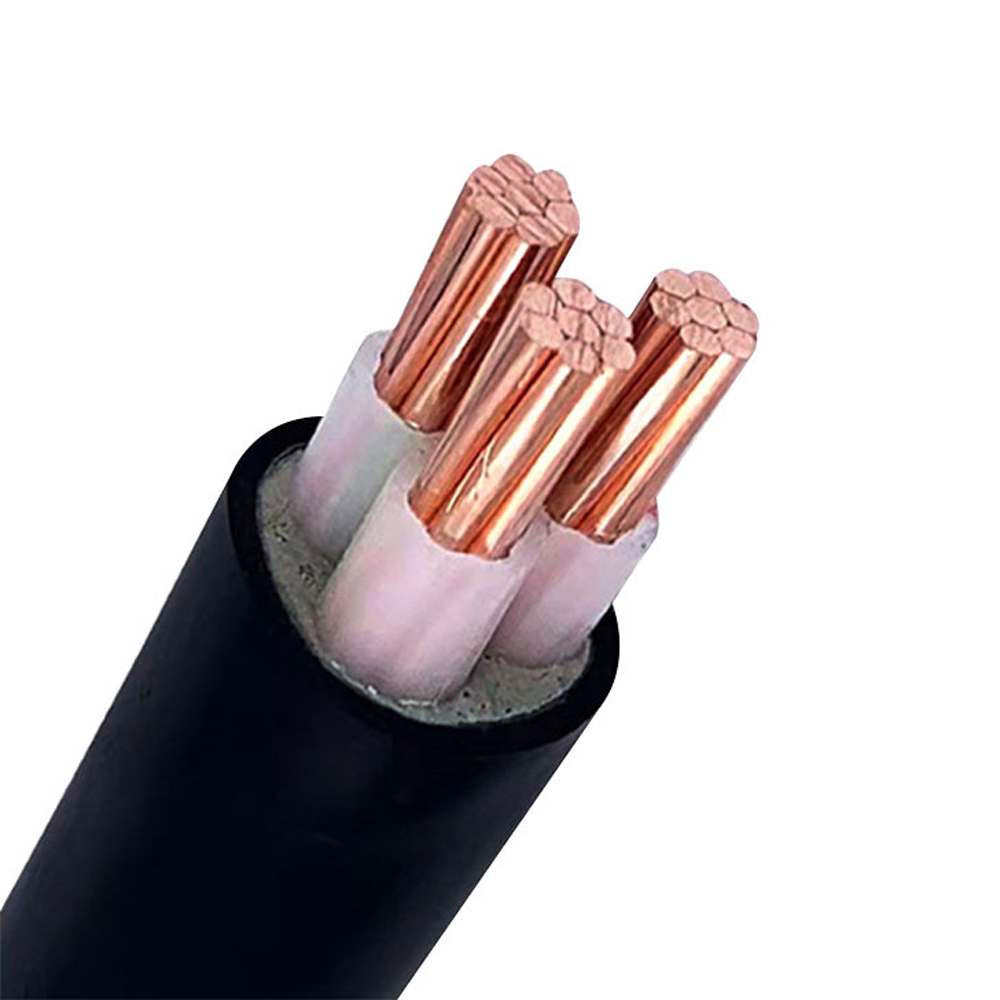 YJV Stable electrical performance High-Voltage Cable Suppliers, Wholesale FactorZhishang Cable is Wholesale YJV Stable electrical performance High-Voltage Cable Suppliers and Factory in China,Characteristics:YJV is a ...View Product →
Depending on installation, you may need protection against impact, rodents, moisture or chemicals. Steel tape armour is common for direct burial. Steel wire armour is chosen where axial tension matters, such as vertical risers or river crossings. For the outer sheath, PVC, PE and low-smoke halogen-free compounds each have different fire and chemical behaviour. If mechanical damage is possible, a steel tape armoured construction such as the YJV22 high-voltage cable protects the core without complicating installation too much.
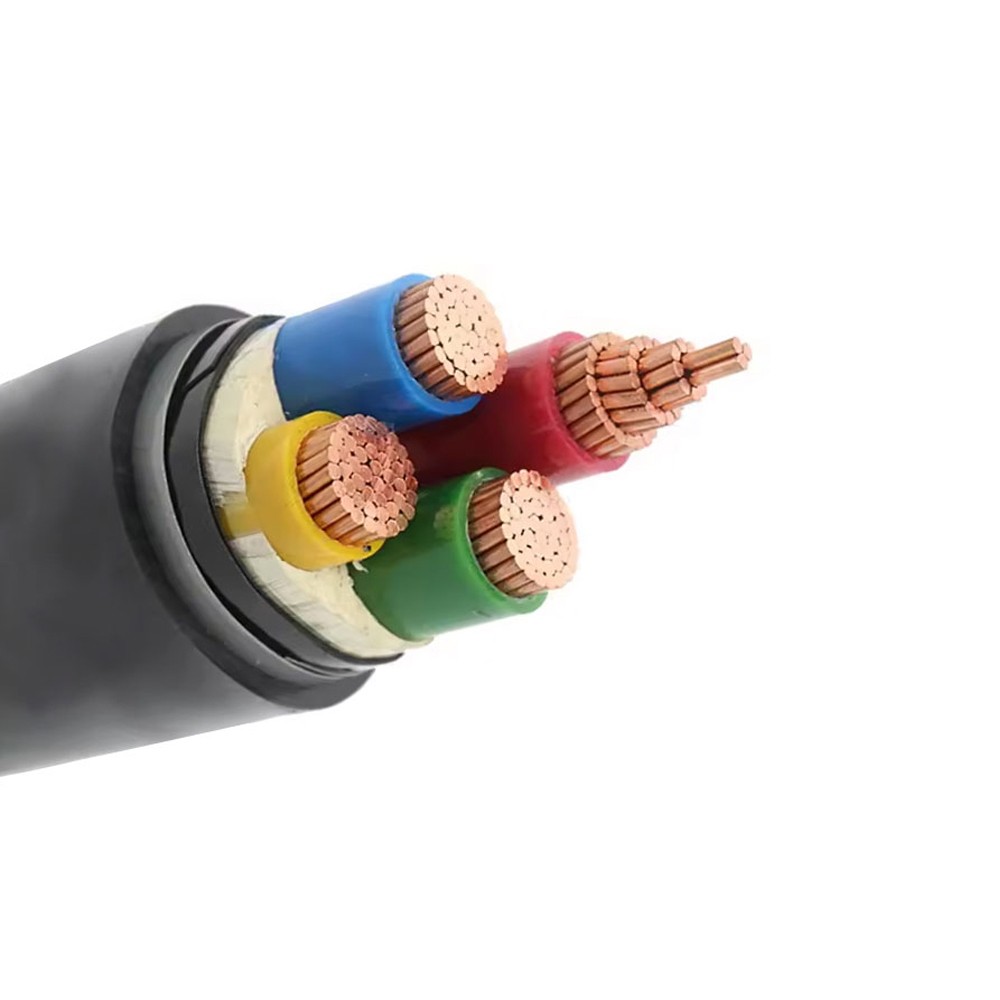 YJV22 Convenient construction and maintenance High-Voltage Cable Suppliers, WholZhishang Cable is Wholesale YJV22 Convenient construction and maintenance High-Voltage Cable Suppliers and Factory in China,Characteristi...View Product →
| Component | Common options | What to check |
|---|---|---|
| Conductor | Copper or aluminium | Ampacity, termination method, voltage drop, price |
| Insulation | XLPE or EPR | Partial discharge performance, temperature rating, moisture resistance |
| Screen | Copper tape or copper wire | System earthing, fault current capacity, screening factor |
| Armour | Steel tape or steel wire | Installation method, mechanical load, pulling tension |
| Sheath | PVC, PE or LSZH | Fire safety, chemical resistance, UV exposure |
Industrial plants use medium voltage feeders for large motors, compressors, transformers and workshop supplies. These installations often need cables that tolerate bending during installation, resist oil and handle occasional overloads. Infrastructure projects may require low-smoke or flame-retardant compounds because cables run through tunnels and public buildings.
Solar farms, wind power stations and battery storage systems place unusual demands on medium voltage collection cables: high ambient temperatures, UV exposure, flexible routing and long outdoor service life. A supplier who understands renewable environments helps you choose the correct cable before installation starts. Our new energy cable solutions page gives a practical view of the issues that come up in these projects.
Petrochemical plants expose cables to oil, solvents and high temperatures, and often impose strict flame retardance rules. Mining installations add impact, abrasion and wet conditions. Heavy industry may also need designs with high mechanical strength or special handling. For petrochemical environments, our petrochemical cable solutions page is a useful reference. For mining, a dedicated construction such as the MYJV mining cross-linked high-voltage cable is built for tougher mechanical conditions than a standard distribution cable.
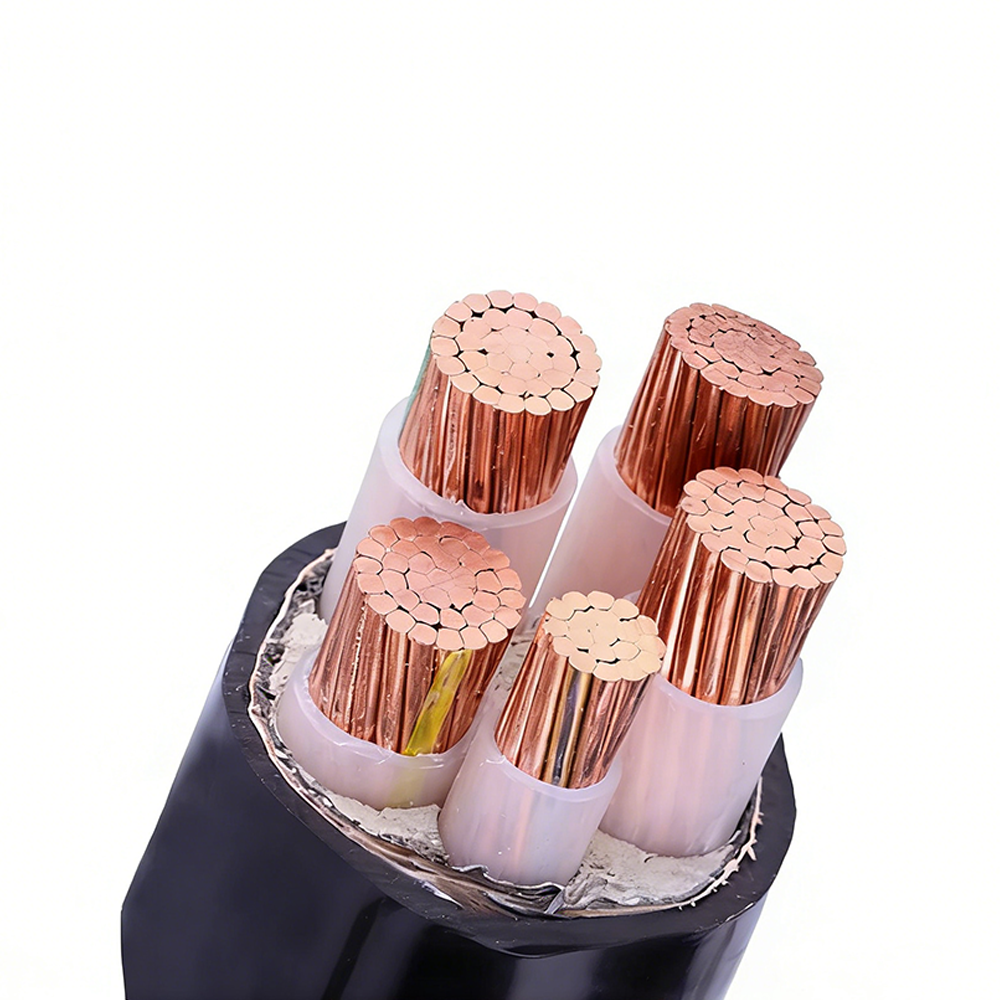 MYJV MYJV22 MYJV32 (Mining Cross-linked High Voltage Cable) Suppliers, WholesaleZhishang Cable is Wholesale MYJV MYJV22 MYJV32 (Mining Cross-linked High Voltage Cable) Suppliers and Factory in China,Characteristics:Th...View Product →
Some warning signs are easy to spot if you already know what a medium voltage cable should contain.
If a supplier cannot answer basic questions about these points, the risk is not just the cable. You may also lose time on installation, termination, commissioning and warranty claims.
Medium voltage cable is expected to survive for decades. Replacing it early is expensive, disruptive and sometimes dangerous. The supplier you choose should not be the one with the lowest quote; it should be the one that can show you how the cable is made, how it is tested and how it will be delivered.
Before finalising a contract, ask for:
A manufacturer with production experience, testing capability and engineering support is more likely to deliver a cable that performs as designed. Compare those qualities first; the price will then follow from a reliable specification.

We firmly believe that good cables are not only a competition of materials, but also a reflection of craftsmanship, quality, and responsibility.

Links
Product
Send Inquiry
No. 29 Sankeshu Road, Xuanzhou District, Xuancheng City, Anhui Province, China
+86-18621104555/+86-563-2622999
 Electrical Cable Manufacturer
OEM/ODM Wire and Cable Solutions
Electrical Cable Manufacturer
OEM/ODM Wire and Cable Solutions
 English
 Español
 عربى
عربى
 русский