 English
 Español
 عربى
عربى
 русский
Zhishang Cable Showcases Industrial Cables and Custom Wire Harnesses at CIIF 2026 in Shanghai The 20...
READ MORE
Get more content that can help you
Characteristics of Computer Encoder Cables:
High Anti-Interference Performance (Shielding):
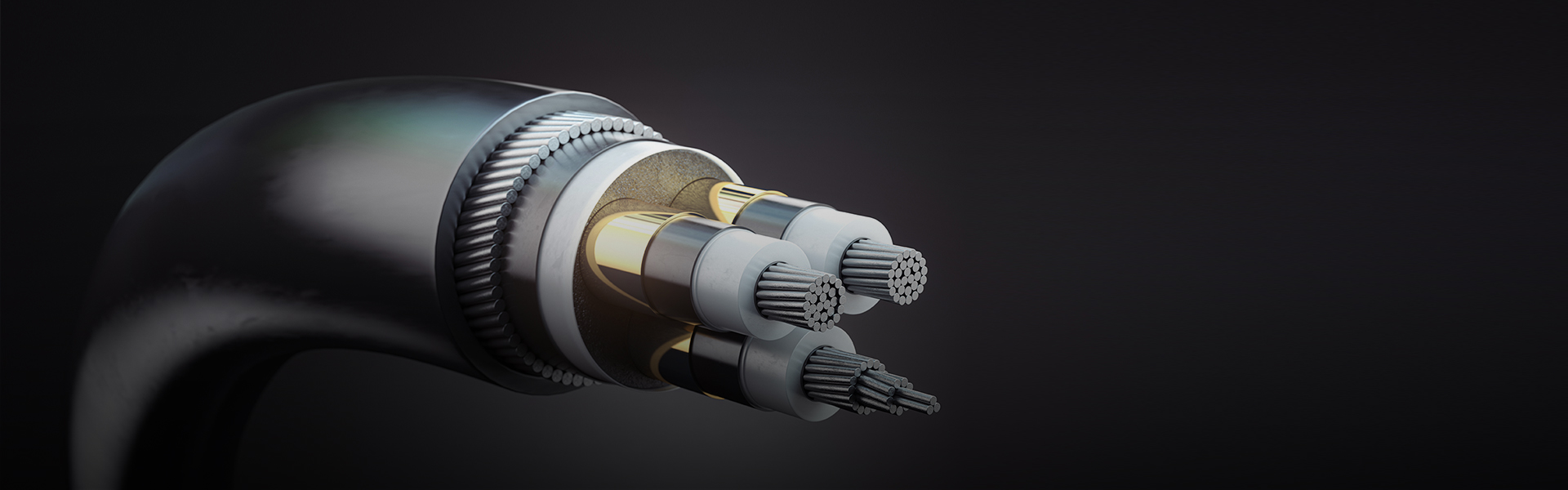
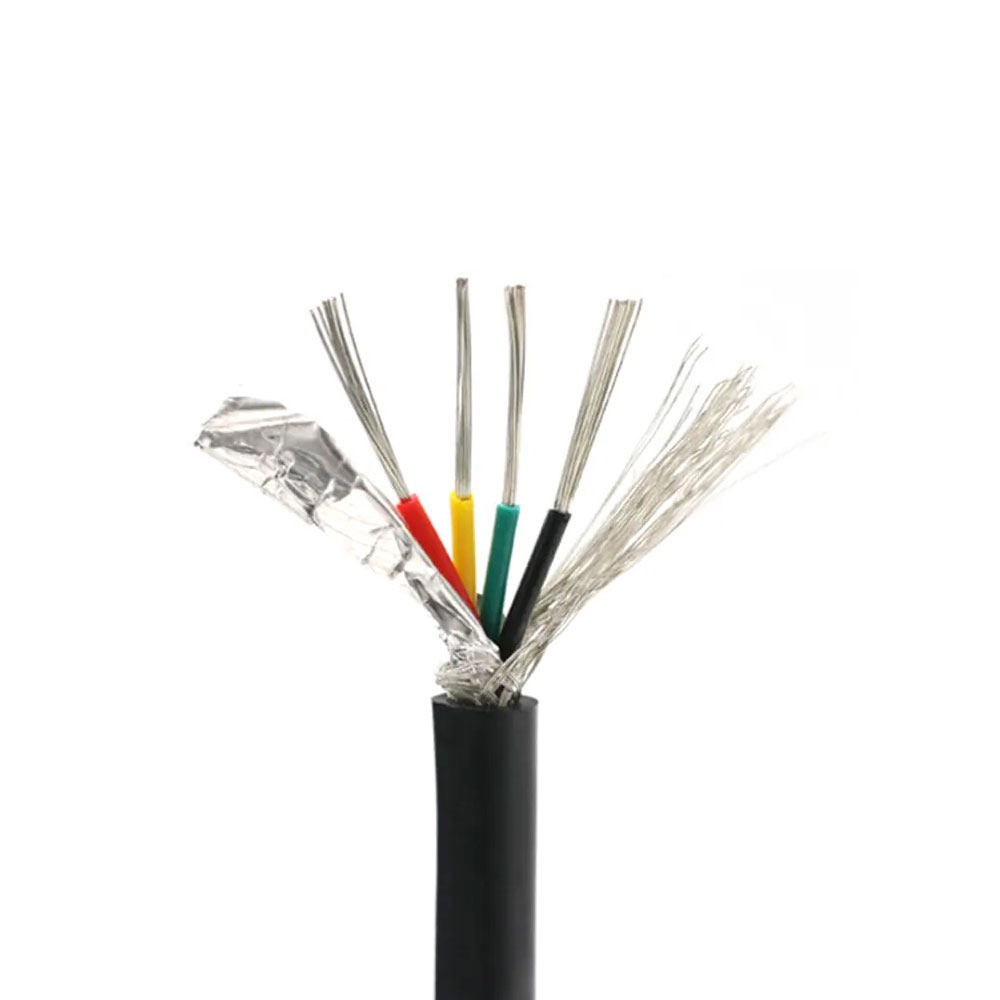
Multi-layer shielding: This is the most critical feature, typically including:
Foil shielding: Covers all conductors, providing 100% electrostatic shielding against high-frequency interference.
Tinned copper braid shielding: Provides high-coverage electromagnetic shielding against low-frequency interference, with excellent flexibility and resistance to mechanical damage.
Independent twisted-pair shielding: For differential signals (e.g., A+/A-), each twisted pair may have a separate shield to prevent crosstalk between signal pairs.
Purpose: Encoder signals (especially sine/cosine or high-speed pulses) are very weak (typically mA level or 1Vpp) and highly susceptible to strong electromagnetic interference (EMI/RFI) from motor power lines, inverters, relays, etc. Excellent shielding is essential to ensure signal integrity and avoid counting errors or position drift.
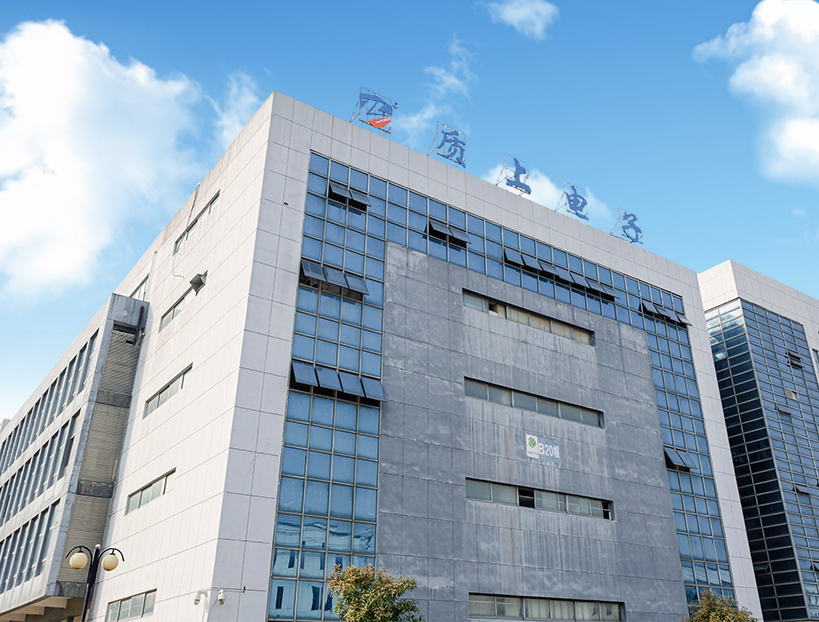
Lighting Up Thousands of Projects That Connect the World's Future
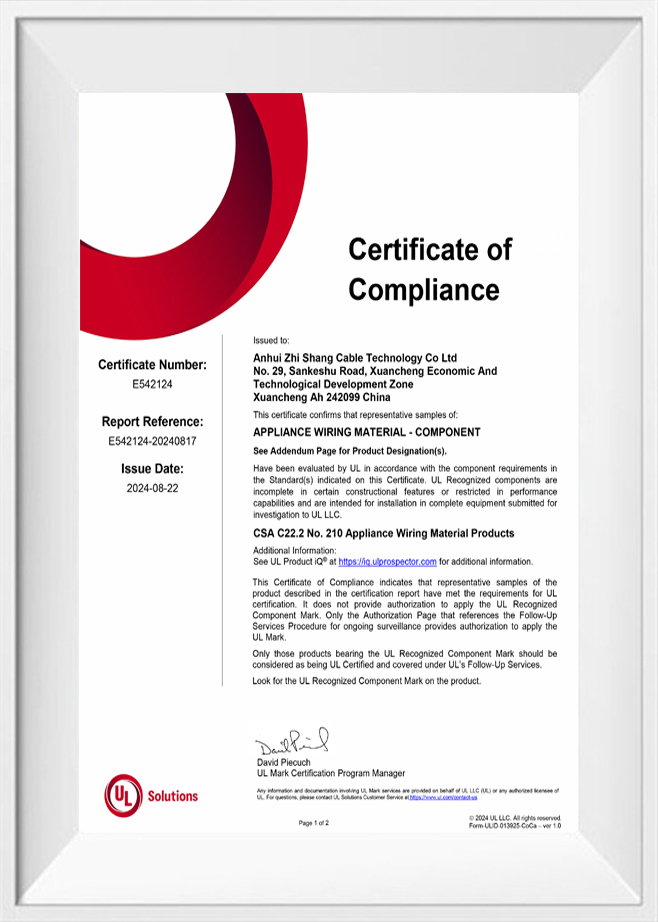
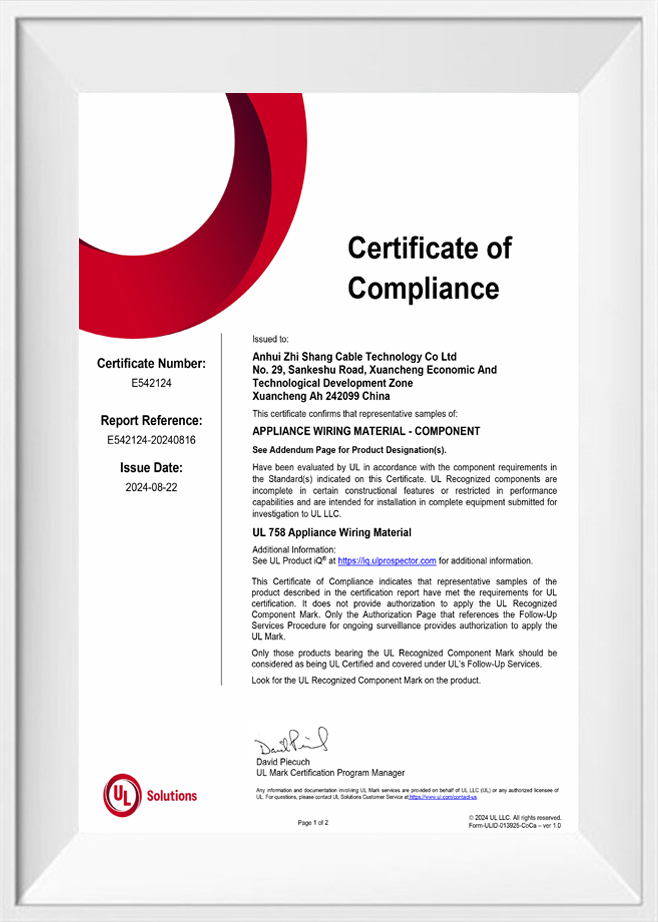
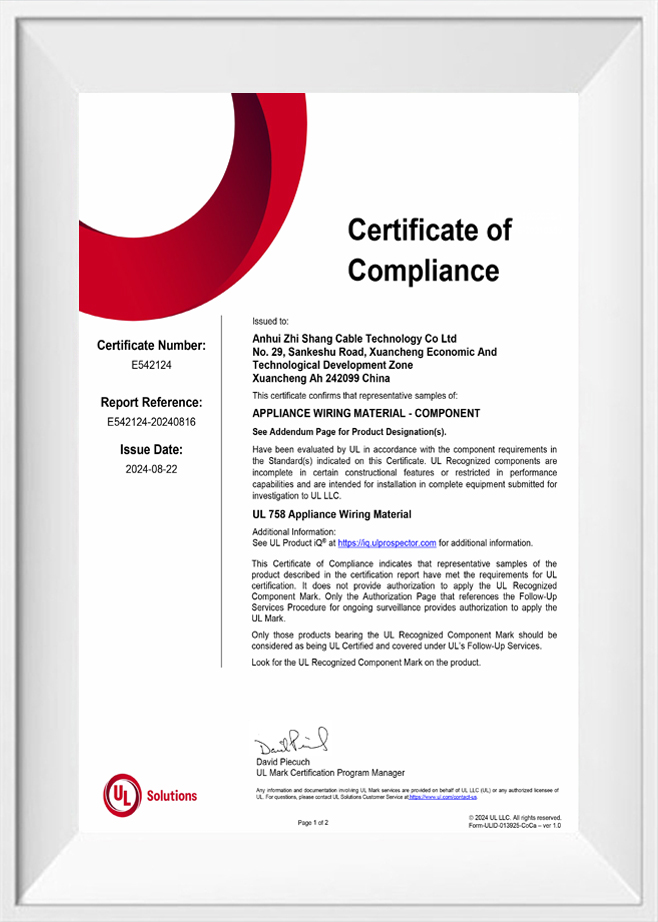
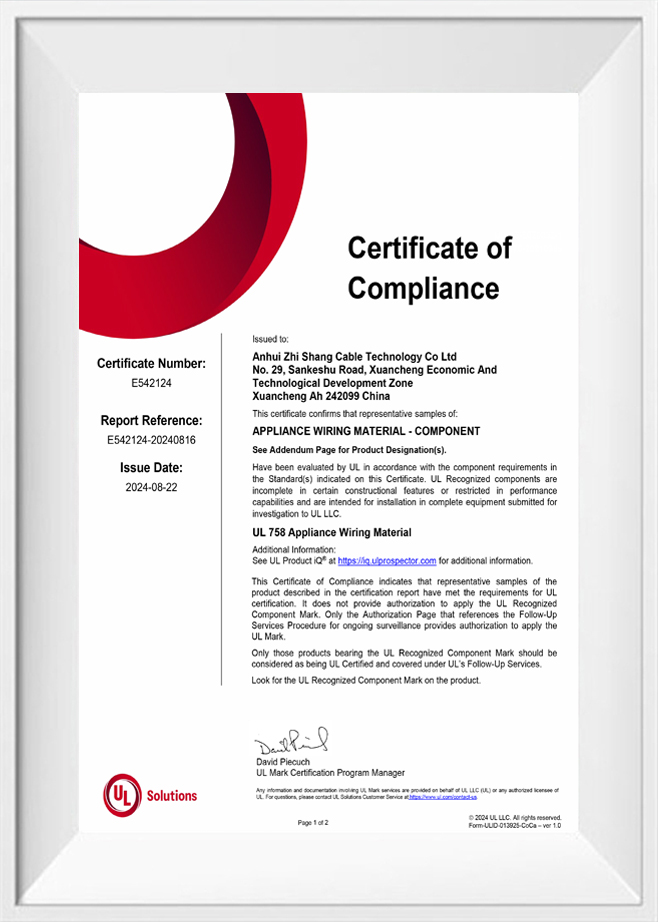
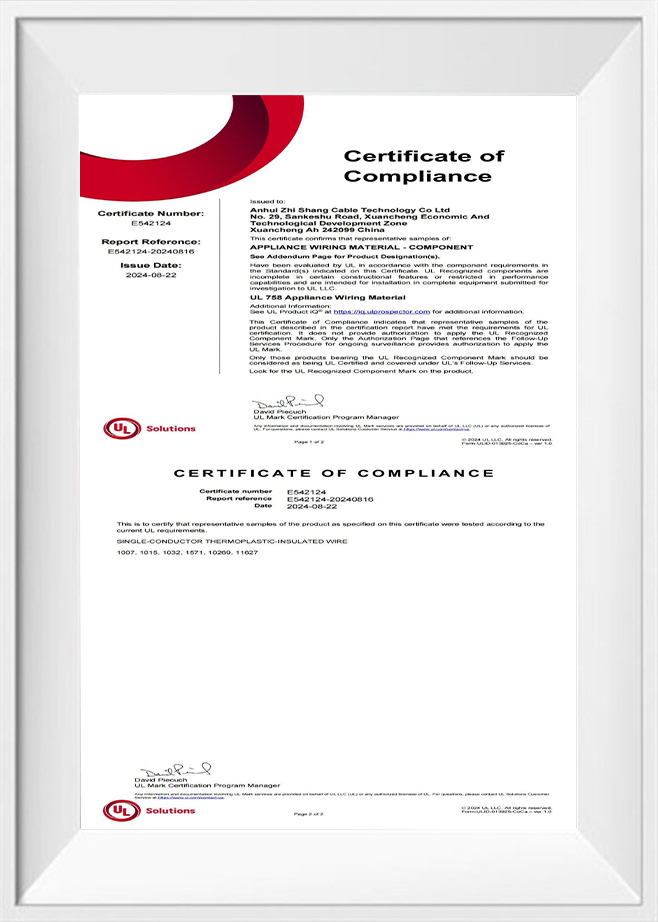
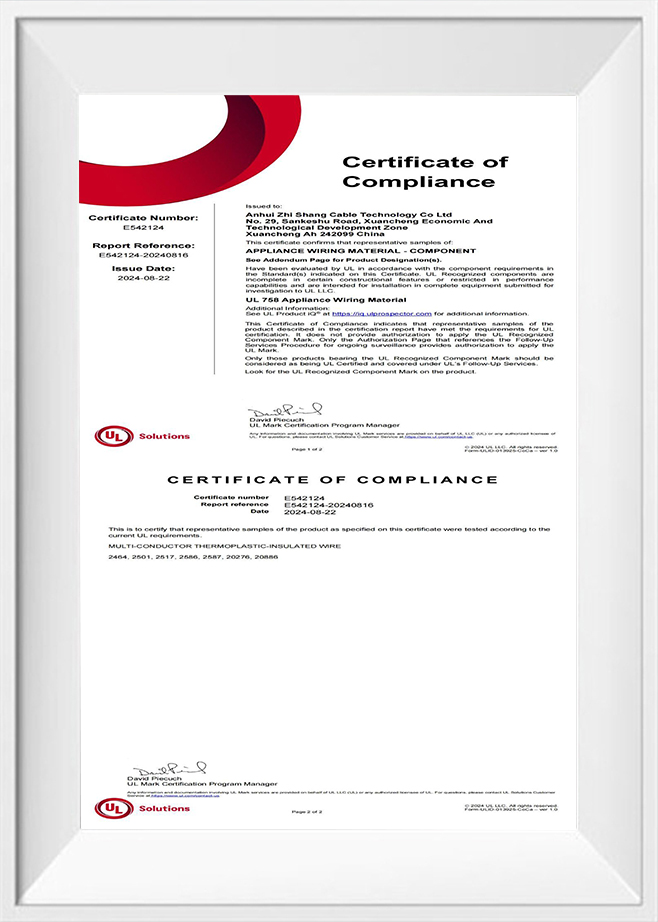
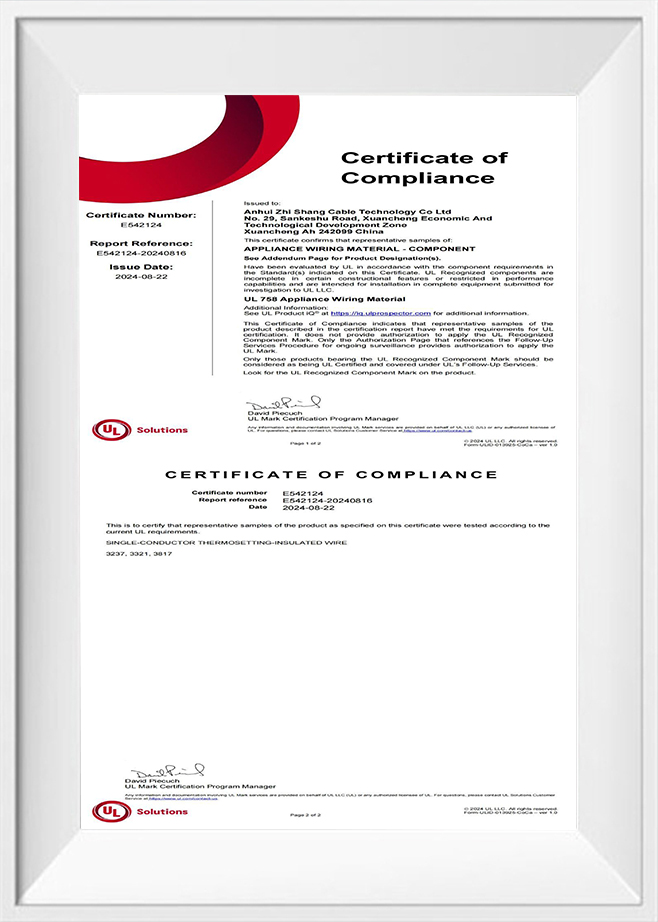
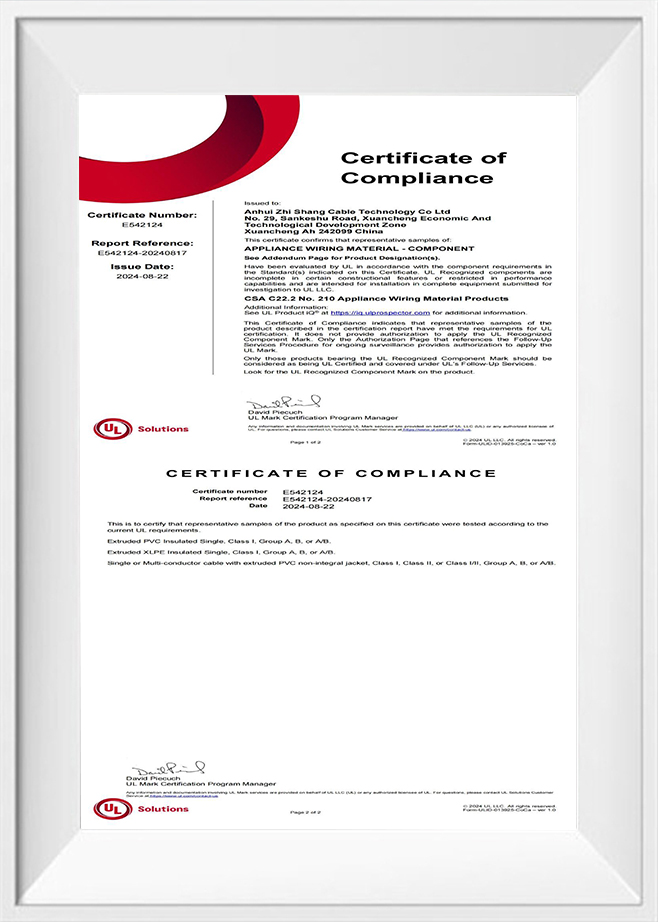
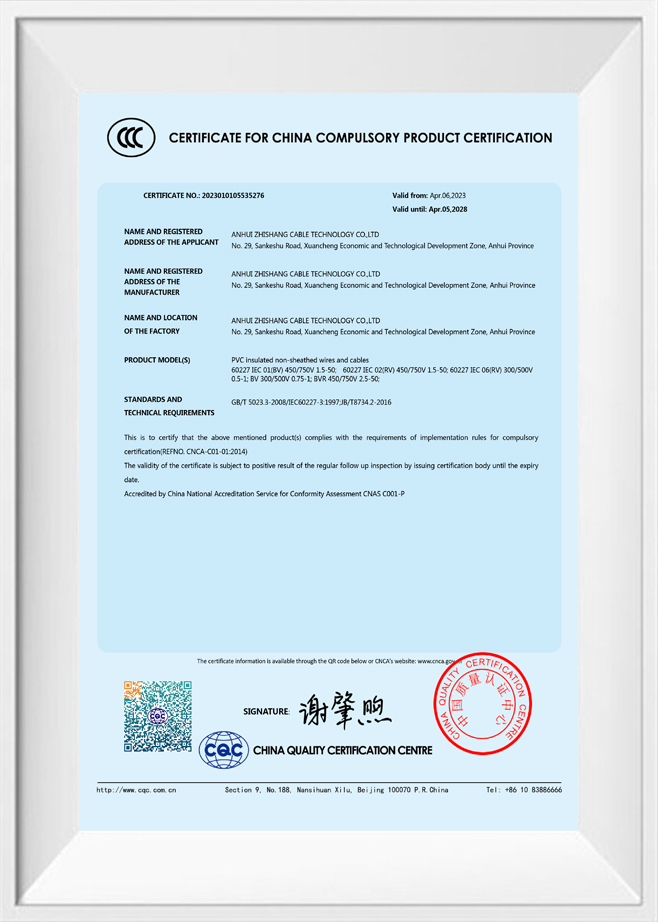
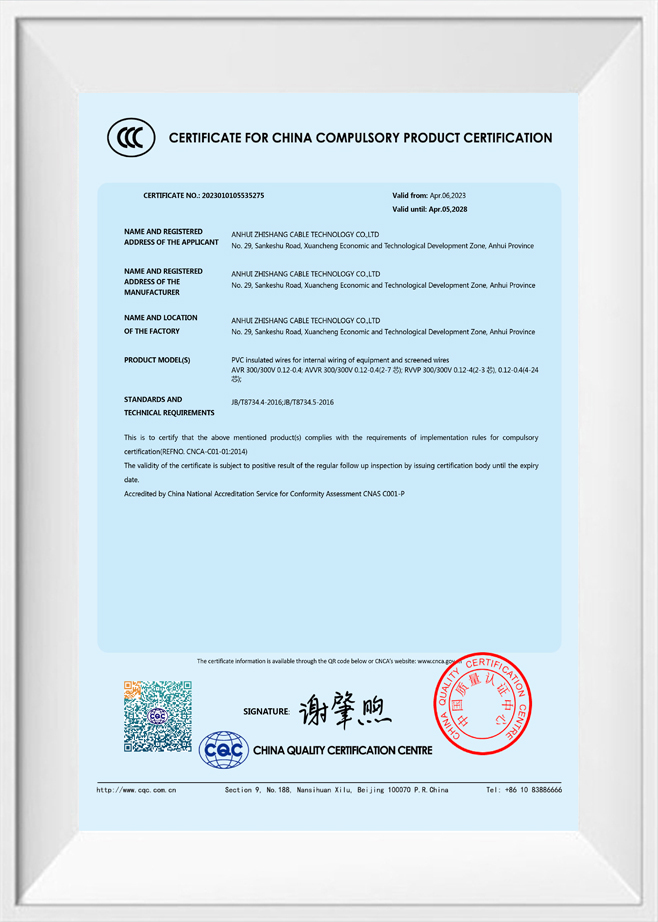
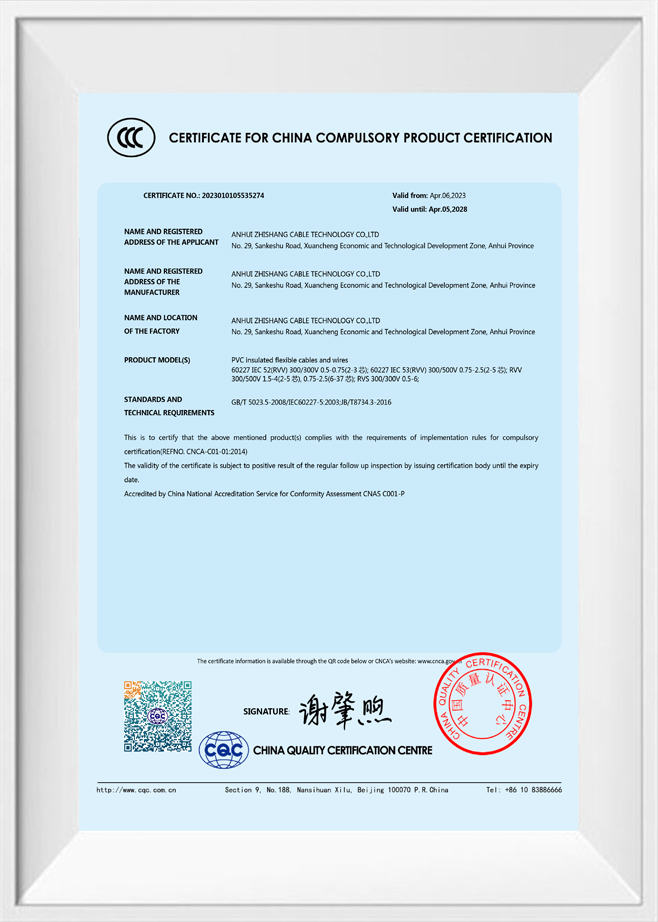
Anhui Zhishang Cable Technology Co., Ltd. is an enterprise integrating the R&D, production, and sales of wires and cables. Dedicated to developing high-quality wire and cable products, the company provides customers with stable and reliable integrated cable solutions across a variety of industries, including industrial automation, weak current engineering, intelligent manufacturing, appliance equipment, and power engineering. High Anti-Interference Performance Computer Encoder Cable Suppliers in China. All products are customized in accordance with national standards or customer requirements, with full-core, full-length, and pure copper specifications. For standard cable models, we offer a warranty period of up to 3 years, and each product is delivered with a corresponding test report. Wholesale High Anti-Interference Performance Computer Encoder Cable. Through continuous investment in innovation and technological advantages, the company has successfully introduced its products into global markets, securing significant market shares in the United States, Canada, Australia, Japan, and parts of Eurasia.
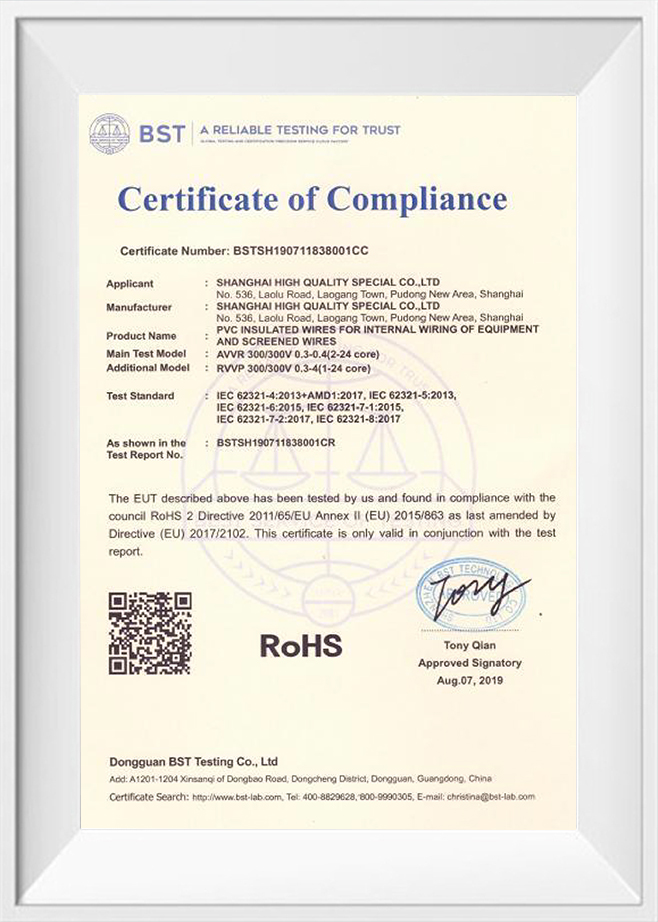
Zhishang Cable Showcases Industrial Cables and Custom Wire Harnesses at CIIF 2026 in Shanghai The 20...
READ MOREAn automated production line is a hard place to run a cable. A drag chain can cycle several million...
READ MOREAsk a data center operations team what keeps them awake at night and servers rarely top the list. T...
READ MOREWire testing and handling may not be the most visible part of a cable's life cycle, but they are tw...
READ MOREIn my years working with industrial wiring, one question keeps coming up: what exactly is a shielde...
READ MORE
We firmly believe that good cables are not only a competition of materials, but also a reflection of craftsmanship, quality, and responsibility.
Links
Product
Send Inquiry
No. 29 Sankeshu Road, Xuanzhou District, Xuancheng City, Anhui Province, China
+86-18621104555/+86-563-2622999
 High Anti-Interference Performance Computer Encoder Cable Factory