
Get more content that can help you
Content
In my years working with industrial wiring, one question keeps coming up: what exactly is a shielded cable, and why does it matter? Simply put, a shielded cable is an electrical cable that includes a conductive layer — often a braided wire mesh, metal foil, or a combination — wrapped around its inner conductors. This layer acts as a barrier against electromagnetic interference (EMI), preventing external noise from corrupting the signal and also reducing the cable's own emissions. Whether you are running control signals in a factory floor or transmitting data in a sensitive laboratory, understanding shielded cables is essential for reliable performance.
A shielded cable is designed to protect the signal carried by the internal conductors from external electrical noise. The shielding layer is typically made of copper or aluminum and is connected to ground at one or both ends. This creates a Faraday cage effect: the conductive enclosure intercepts stray electromagnetic fields and diverts them to ground, rather than allowing them to couple onto the signal wires.
Shielded cables are commonly used in environments with high electrical noise, such as near motors, variable frequency drives, power lines, or radio transmitters. Without shielding, the signal can become distorted, leading to data errors, false triggers, or complete system failure. For critical applications like process control, robotics, and communication networks, shielded cables are not just an option — they are a necessity.
The choice of shielding depends on the frequency range, mechanical flexibility, and cost. The most common types include:
| Type | Construction | Best For |
|---|---|---|
| Braided Shield | Interwoven copper wires (typically 85%+ coverage) | Low‑frequency EMI, mechanical durability |
| Foil Shield | Thin aluminum or copper foil bonded to a polyester film | High‑frequency EMI, 100% coverage |
| Spiral / Serve Shield | Helically wrapped wire strands | Flexible applications, moderate EMI |
| Combination Shield | Foil plus braid | Wide frequency range, robust protection |
For demanding industrial environments, a combination shield offers the highest level of protection. Many of our control and data cables incorporate dual‑layer shielding to ensure signal integrity even in harsh conditions.
Shielded cables appear in virtually every industrial sector where reliable signal transmission is important. Here are three areas where they are indispensable.
In automation systems, control cables carry low‑voltage commands from PLCs to actuators, sensors, and valves. These signals are easily disrupted by nearby power cables or heavy machinery. A shielded control cable prevents false triggering and maintains precise control.
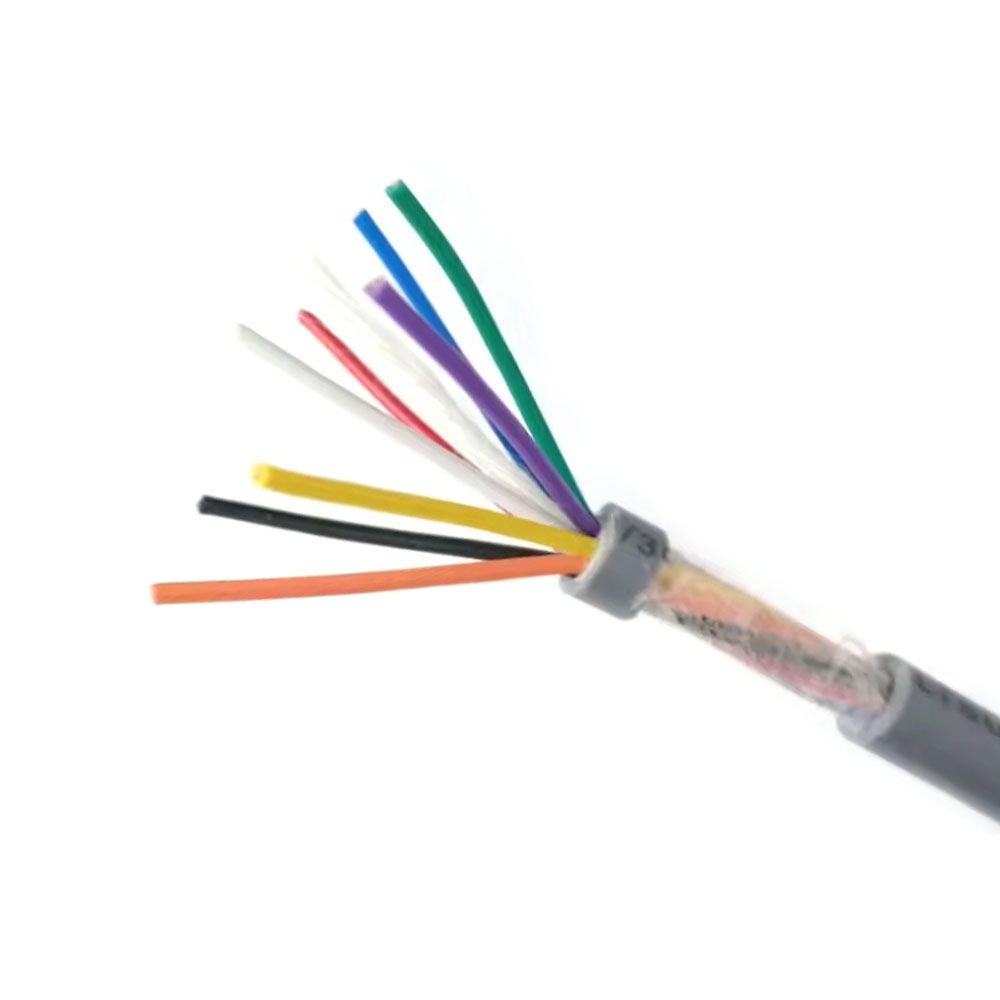
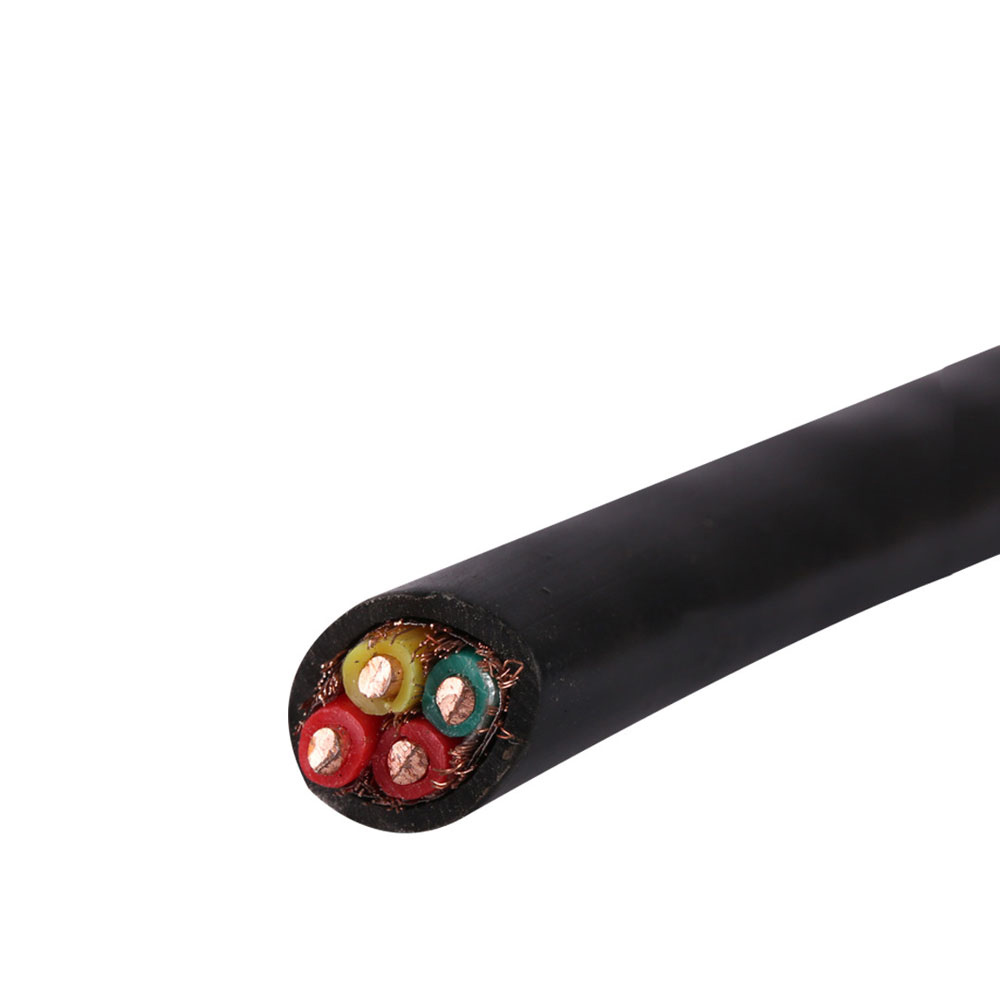 KVVP Shielded Control Cable for Stable Signal TransmissionThis cable's copper braid shielding effectively reduces electromagnetic interference, preventing false triggering in control cabinets and field wiring. It offers a cost-effective solution for factory automation and building management.View Product →
This cable is engineered for stable and reliable signal transmission in control cabinets and field wiring. Its braided copper shield effectively attenuates EMI, making it a trusted choice for factory automation and building management systems.
Computer cables used for encoder feedback, Ethernet, or instrumentation require exceptional noise rejection to preserve data integrity. Even a brief surge of interference can cause packet loss or measurement errors. Shielding is especially critical in long cable runs or when cables are routed alongside power lines.
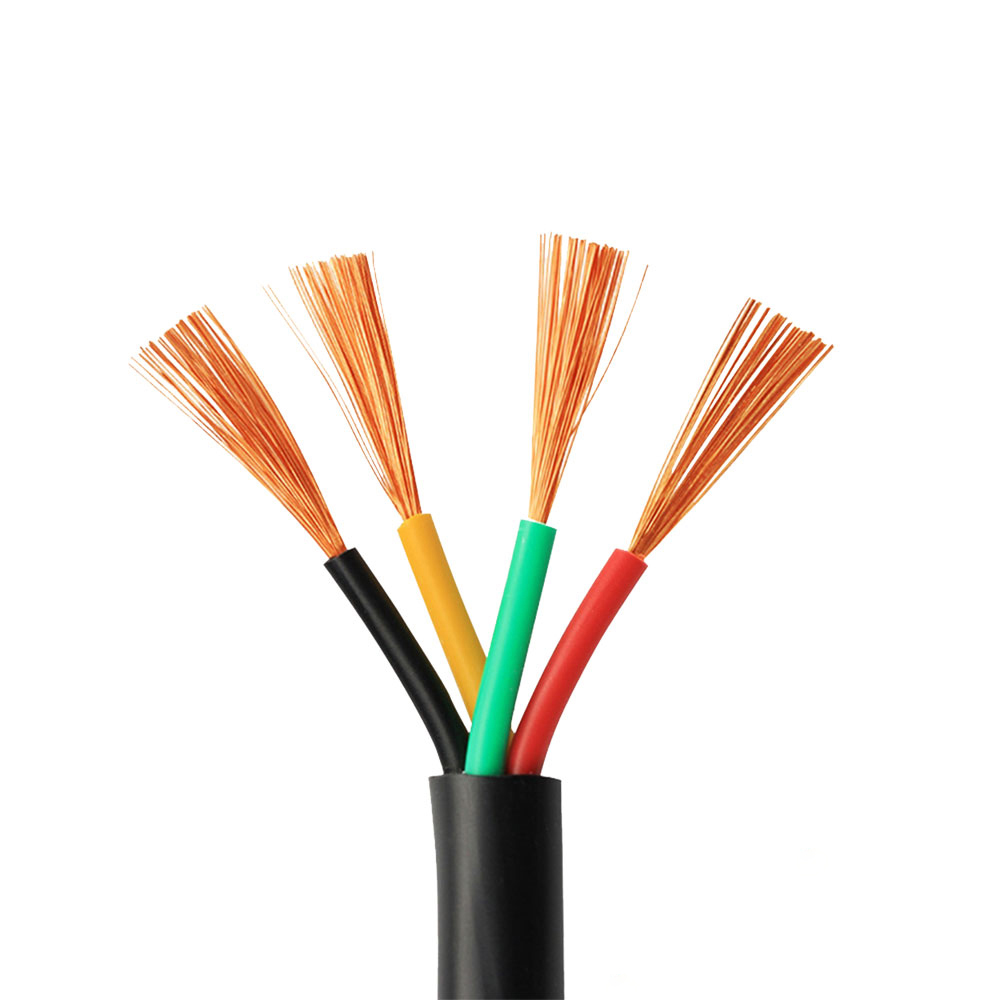
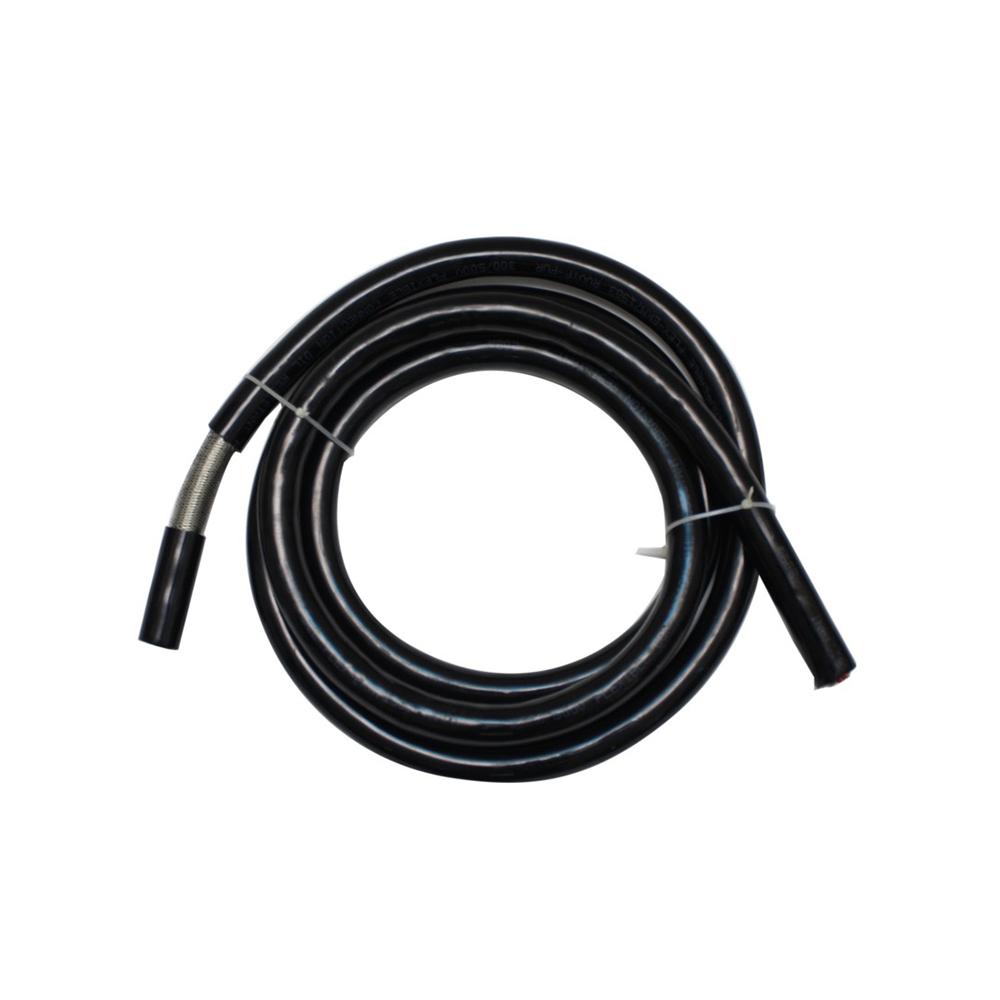 DJYPVP Dual-Shielded Electronic Computer CableWith individual pair shields and an overall braid, this cable preserves signal integrity in long runs or near power lines. Ideal for encoder feedback, Ethernet, and instrumentation where noise rejection is critical.View Product →
Designed for high‑anti‑interference performance, this electronic computer cable features an overall copper braid shield and individual pair shields. It is ideal for connecting computers, controllers, and instruments where signal purity is non‑negotiable.
Robots, gantries, and CNC machines often use cables that must flex repeatedly while resisting electrical noise. A shielded drag chain cable combines mechanical flexibility with EMI protection, ensuring uninterrupted communication even under constant motion.
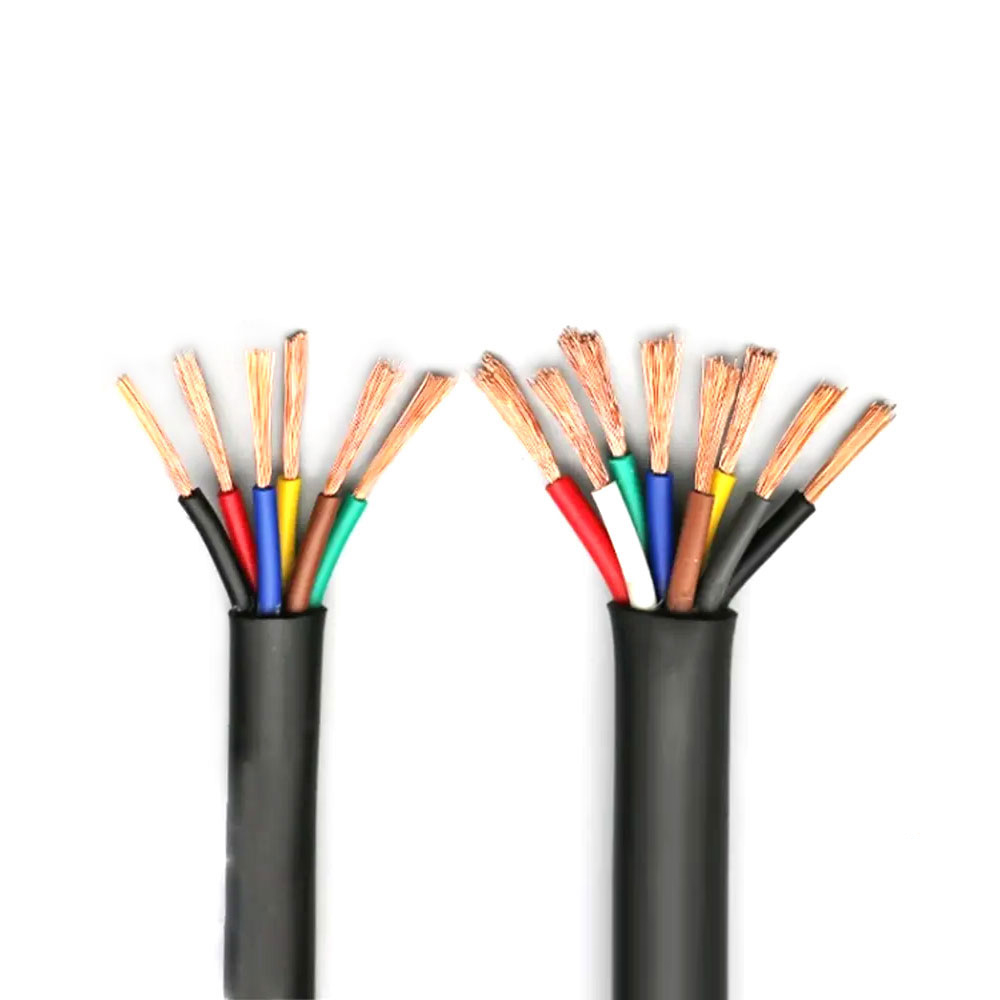
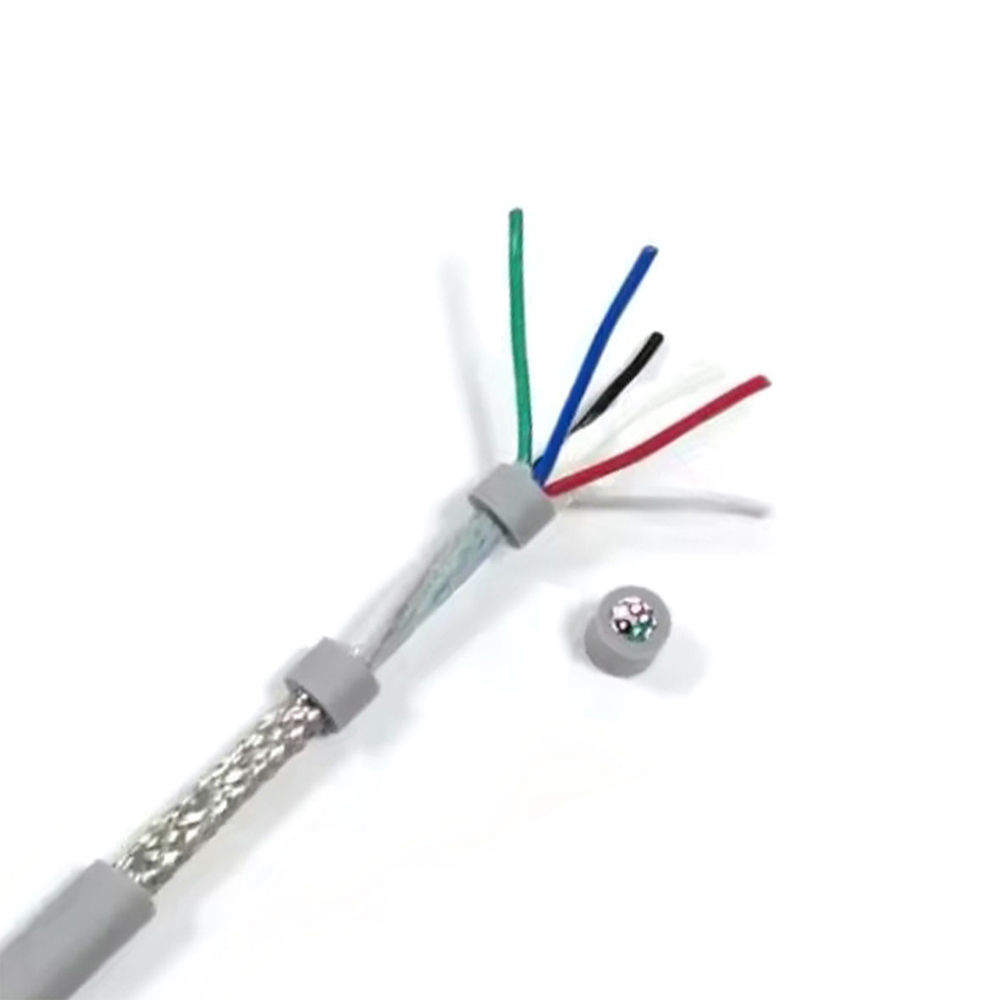 TRVVP Flexible Drag Chain Cable with EMI ProtectionDesigned for continuous flexing in robotic cells and automated lines, its tinned copper braid isolates electrical noise from drives and motors, ensuring reliable communication under constant motion.View Product →
With its tinned copper braid shield and special core design, this cable maintains reliable electrical performance in continuous flexing applications. It is a common choice for automated production lines and robotic cells.
A shielded cable is only effective if the shield is correctly grounded. If the shield is left ungrounded, it can actually act as an antenna and pick up more noise. Typically, the shield is grounded at one end (for low‑frequency protection) or both ends (for high‑frequency protection), depending on the cable length and noise environment. Poor grounding practices are one of the most common mistakes we see in the field — always follow the manufacturer's recommendations and local electrical codes.
When selecting a shielded cable, consider the type of noise in your environment, the required flexibility, and the voltage rating. For stationary installations in control cabinets, a foil‑shielded cable may suffice. For continuous flexing or heavy industrial areas, a braided or combination shield is usually better. Our automation solutions page provides guidance on matching cables to specific applications. We also offer custom cable designs for unique requirements — just reach out to our engineering team.
In summary, a shielded cable is a critical tool for maintaining signal integrity in electrically noisy environments. By incorporating a conductive barrier, it prevents interference from degrading performance, whether in control systems, data networks, or dynamic machinery. If you are planning a new installation or troubleshooting an existing one, investing in the right shielded cable — and grounding it properly — will save you time, money, and headaches down the road. For more about our company and capabilities, feel free to learn about our manufacturing experience.

We firmly believe that good cables are not only a competition of materials, but also a reflection of craftsmanship, quality, and responsibility.

Links
Product
Send Inquiry
No. 29 Sankeshu Road, Xuanzhou District, Xuancheng City, Anhui Province, China
+86-18621104555/+86-563-2622999
 Electrical Cable Manufacturer
OEM/ODM Wire and Cable Solutions
Electrical Cable Manufacturer
OEM/ODM Wire and Cable Solutions
 English
 Español
 عربى
عربى
 русский