
Get more content that can help you
Content
Wire testing and handling may not be the most visible part of a cable's life cycle, but they are two of the most decisive factors in whether an installation performs as designed. At Anhui Zhishang Cable Technology, we see the consequences of good and poor testing and handling every day. A cable can leave the factory with flawless construction, only to fail prematurely because it was pulled too hard, bent beyond its rated radius, or never verified with the correct electrical tests. Understanding how testing and handling work together helps engineers, contractors, and maintenance teams protect both their systems and their budgets.
Testing verifies that a cable meets its electrical, mechanical, and environmental specifications before it enters service. Handling ensures that those verified properties are not compromised during transport, installation, or operation. A cable designed for 500,000 bending cycles will not deliver that life if it is dragged around sharp edges during installation. Likewise, a cable that passes its factory tests can still present a safety risk if field testing is skipped after a difficult pull. Together, testing and handling form a bridge between cable specification and real-world dependability.
Electrical testing is the primary way to confirm that a cable is safe and functional. The most common factory and field tests focus on four characteristics: continuity, insulation resistance, dielectric strength, and conductor resistance.
| Test | What It Verifies | Typical Instrument |
|---|---|---|
| Continuity | Conductor path is unbroken | Multimeter |
| Insulation resistance | No weak points in the insulation | Megohmmeter |
| Dielectric withstand | Insulation can survive overvoltage | Hipot tester |
| Conductor resistance | Material quality and connection integrity | Micro-ohmmeter |
Continuity testing confirms that every conductor is present and correctly connected end to end. This is especially important after long pulls, because strain can break conductors without visible damage to the jacket. Insulation resistance testing measures how effectively the insulation blocks leakage current. A low reading can indicate moisture ingress, physical damage, or age degradation. Dielectric withstand testing applies a higher-than-rated voltage for a short period to expose weaknesses that may not appear under normal operating conditions. Conductor resistance testing helps verify that copper quality, cross-sectional area, and terminations meet specification.
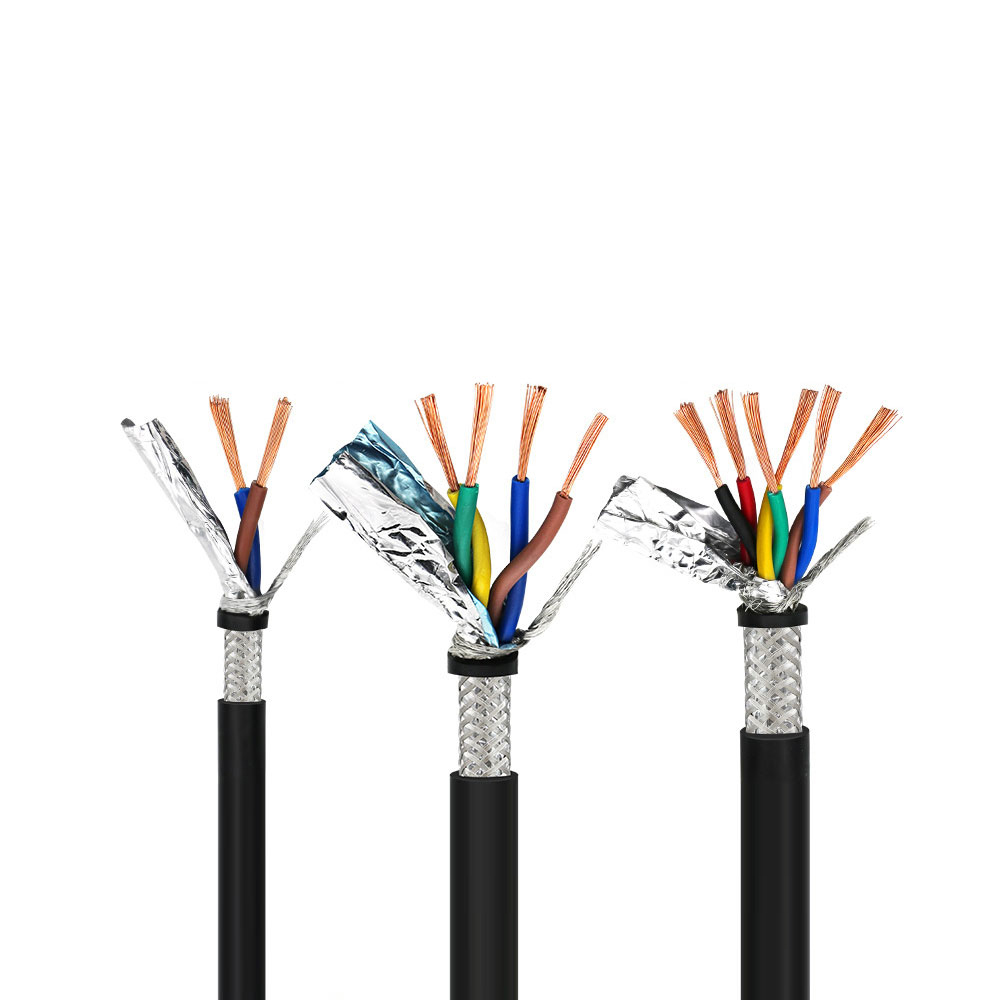
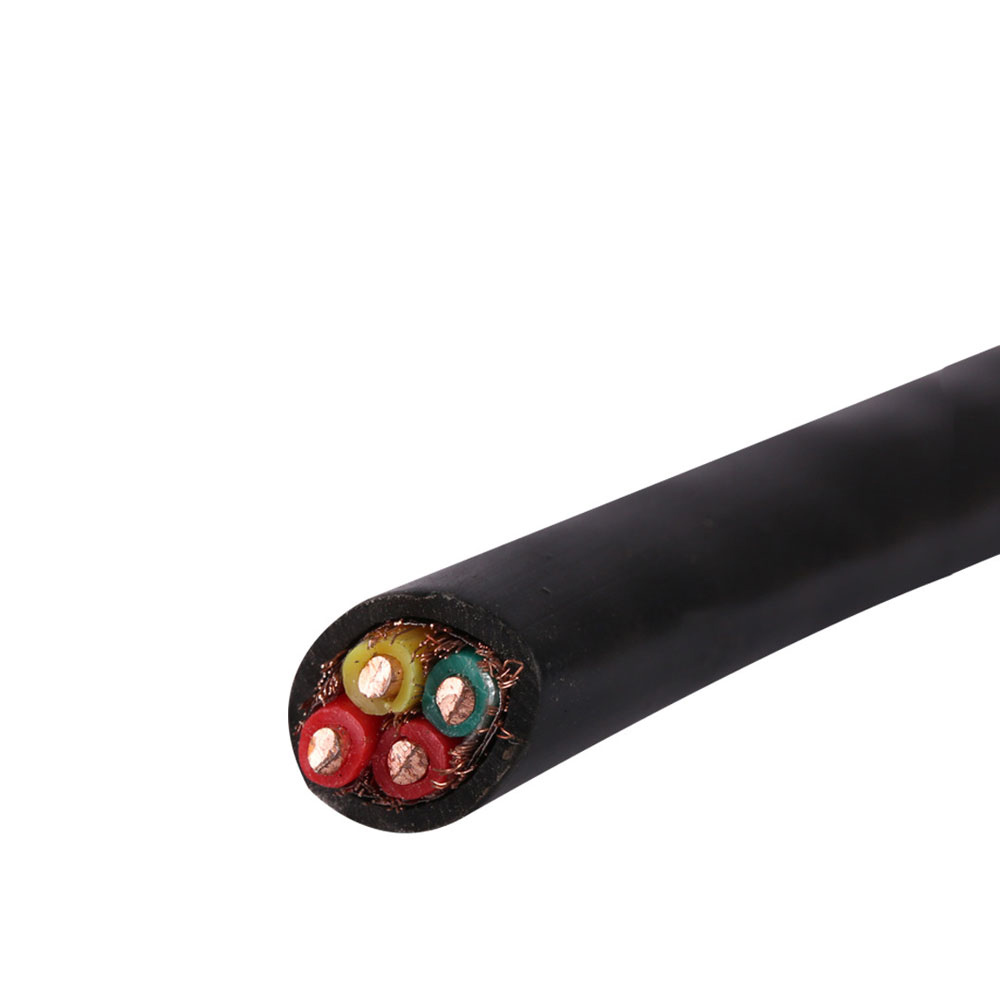 KVVP Shielded Control Cable with Copper Braid ShieldingThis cable's copper braid shielding suppresses electromagnetic interference, ensuring stable signal transmission for control systems. Its stable structure supports reliable insulation and conductor resistance testing in factory quality control and field commissioning.View Product →
Each of these tests has a place in both factory quality control and field commissioning. For critical control networks, the integrity of every signal path matters. Choosing a shielded control cable with a stable and reliable structure gives you predictable test results and faster troubleshooting, because the cable itself is designed for consistent electrical performance.
Electrical performance is only one side of cable quality. Mechanical tests evaluate how a cable behaves under physical stress, and environmental tests simulate the conditions it will face over years of service.
Tensile testing measures how much pulling force a conductor and jacket can tolerate before permanent deformation or breakage. This data directly informs the maximum pulling tension recommended for installation. Flex and bend testing places cables through repeated bending cycles to simulate moving applications such as robotics, drag chains, and elevator traveling cables. Temperature testing verifies performance across extremes, from cold outdoor installations to high-temperature industrial plants. Additional tests may cover UV resistance, exposure to oils and chemicals, flame propagation, and water ingress.
These mechanical and environmental test results are what allow us to match specific cables to their operating environments instead of relying on guesswork at the job site.
Proper handling is where much of the durability engineered into a cable can be preserved or lost. The following practices apply across almost every cable type and installation method.
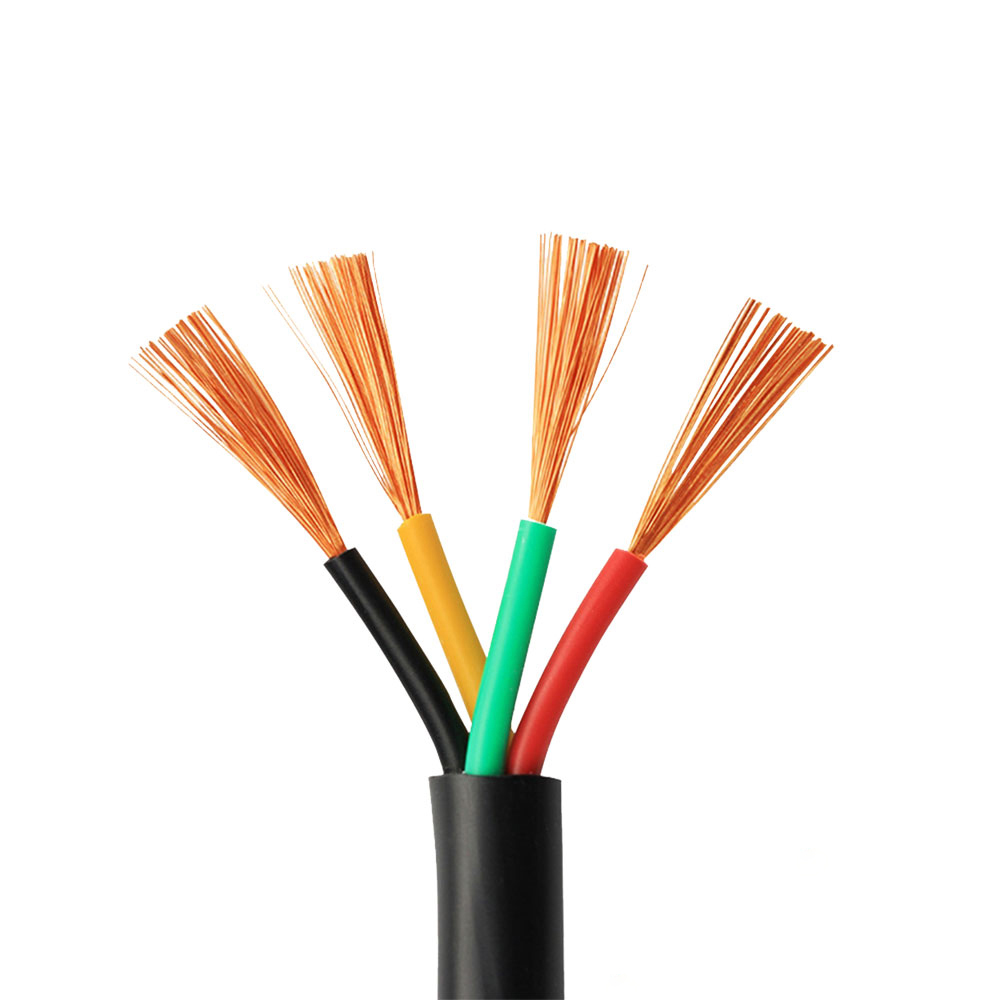
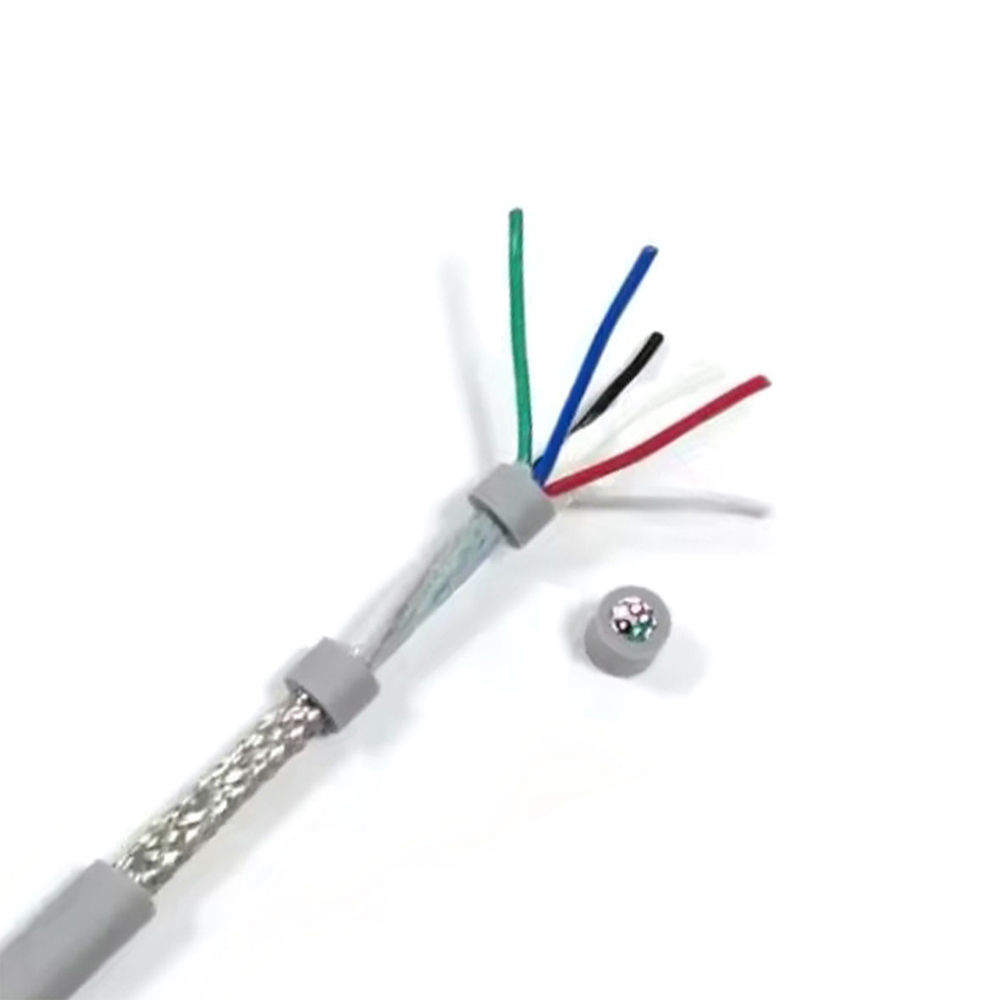 TRVVP Flexible Drag Chain Cable with Overall ShieldingDesigned for continuous flexing in drag chains, this cable combines ultra-flexible conductors with shielding to maintain signal integrity under electromagnetic interference. Its mechanical durability and bend performance are critical for dynamic installation and long service life.View Product →
Attention to these details matters most in applications where cables continuously flex. A drag chain cable, for example, is designed for dynamic movement, and its handling requirements differ from those of a stationary power cable. Shielded drag chain cables maintain signal integrity under repeated flexing and electromagnetic interference, but they still require correct bend radius and routing during installation to achieve their full service life.
Testing procedures and acceptance criteria are defined by national and international standards. For wire and cable, the most widely referenced include UL 2556 in North America, IEC 60502 for power cables, and CE harmonized documents in Europe. These standards specify test methods, sample preparation, thresholds, and reporting requirements. They also give buyers and specifiers a common language for comparing products from different manufacturers.
At our facility, products are developed with these standards in mind from the earliest design stages. We maintain CE certified and UL certified product lines, and our routine testing reflects the expectations of these frameworks. When a customer asks whether a cable will perform in a demanding environment, the answer begins with the standards it was tested against.
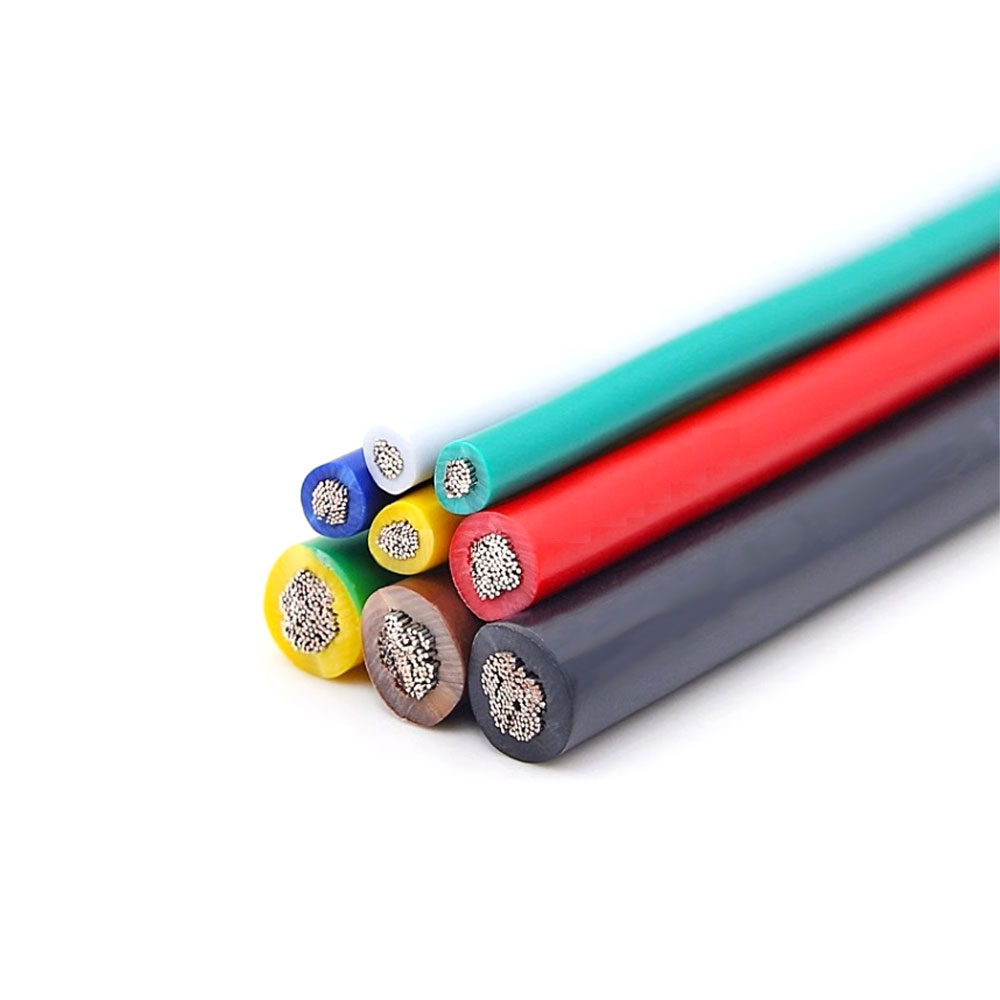
Not every cable is equally forgiving when it comes to testing and handling. Designs with robust insulation systems, sturdy jackets, and consistent conductor construction simplify installation and produce more stable test results.
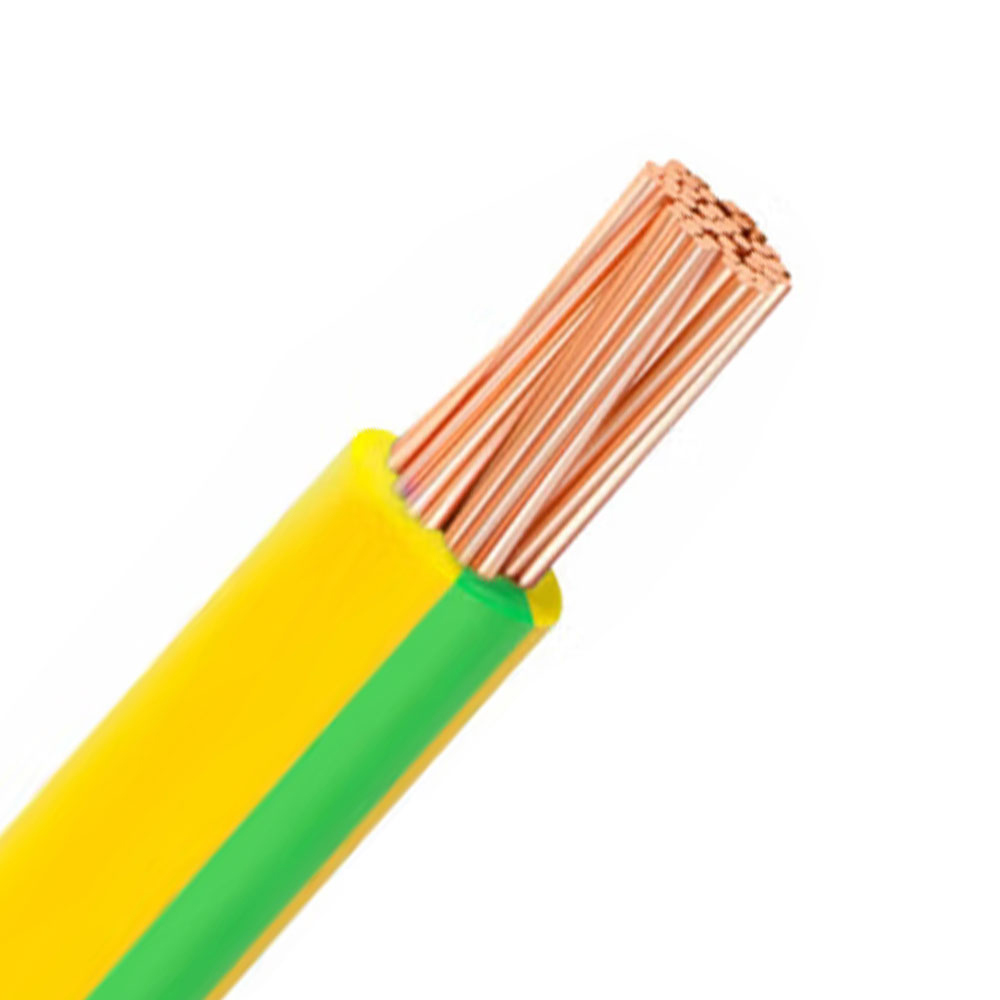
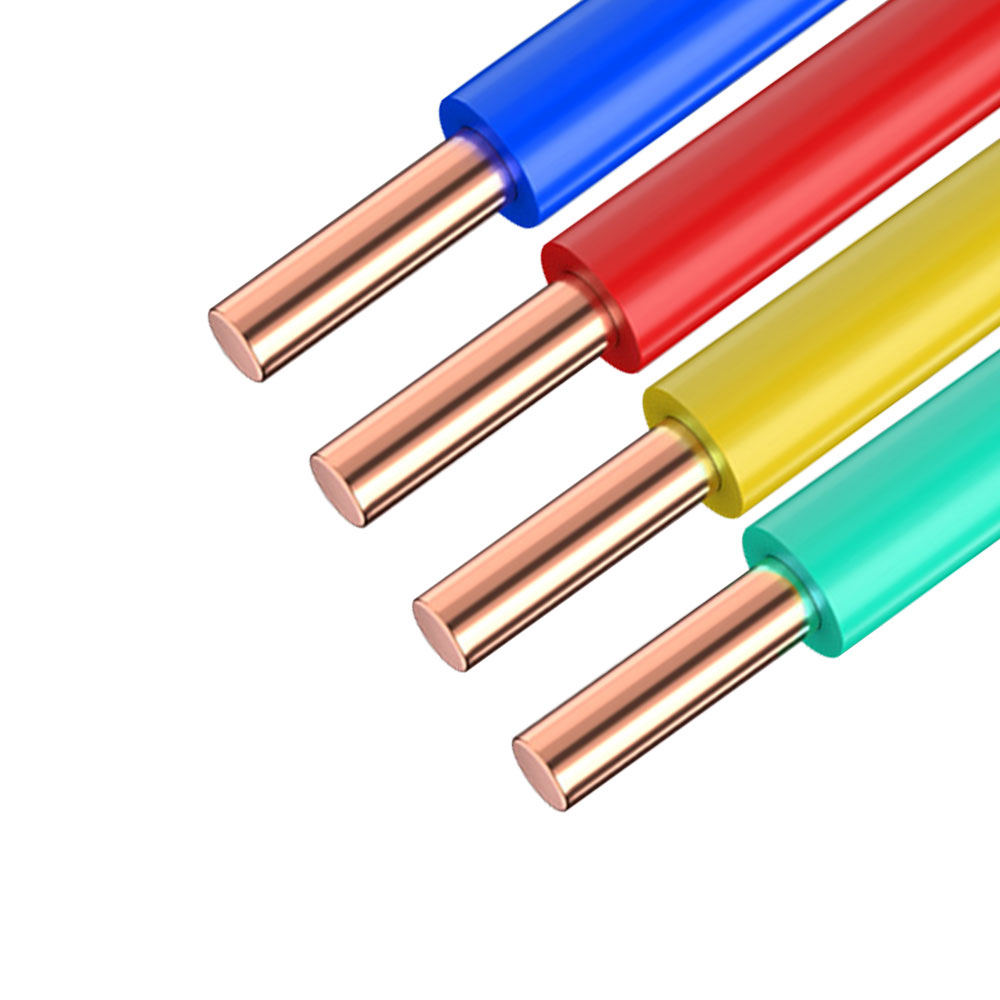 BV/NH-BV Flame-Retardant Building Wire SeriesThis building wire offers economical standard PVC insulation and a fire-resistant NH-BV option that maintains circuit integrity under flame. It simplifies installation and provides stable electrical performance, making it practical for general wiring and fire safety systems.View Product →
For general building and power wiring, a flame-retardant building wire series with stable electrical performance and dependable handling makes field testing simpler and installation less risky. For automation and control systems, cables with shielding and reliable mechanical structure reduce the likelihood of signal errors and help commissioning tests pass quickly.
When the application involves continuous motion, such as robotics or machine tools, a specialized flexible cable is worth the investment. Servo cables and drag chain cables are tested to far higher bending counts than standard power cables, which changes both their handling requirements and their expected service life.
We also recommend reviewing the manufacturer's datasheet before installing any cable. It is the single best source of guidance for bend radius, pulling tension, temperature range, and recommended testing procedures. If the datasheet leaves questions unanswered, ask the supplier directly before proceeding.
Wire testing and handling are not separate concerns; they are two halves of the same discipline. Testing proves that a cable was built correctly, and handling preserves that quality through installation and service. Together, they reduce downtime, improve safety, and extend the life of every wiring system. Whether you are commissioning a new production line or replacing a damaged feeder, giving equal attention to both will always pay off.

We firmly believe that good cables are not only a competition of materials, but also a reflection of craftsmanship, quality, and responsibility.

Links
Product
Send Inquiry
No. 29 Sankeshu Road, Xuanzhou District, Xuancheng City, Anhui Province, China
+86-18621104555/+86-563-2622999
 Electrical Cable Manufacturer
OEM/ODM Wire and Cable Solutions
Electrical Cable Manufacturer
OEM/ODM Wire and Cable Solutions
 English
 Español
 عربى
عربى
 русский