Get more content that can help you
Content
If you have ever watched a cable fail inside a moving machine, you already understand why cable flex matters more than almost any other line on a datasheet. A cable that bends once during installation and a cable that bends ten million times inside a drag chain are different products, even when both carry the same current at the same voltage.
What follows is a practical explanation of what cable flex means in engineering terms, how the main flexible cable families differ from one another, and how to match a cable to the motion it will actually see on site.
The phrase gets used for three different things, and mixing them up causes a lot of specification errors.
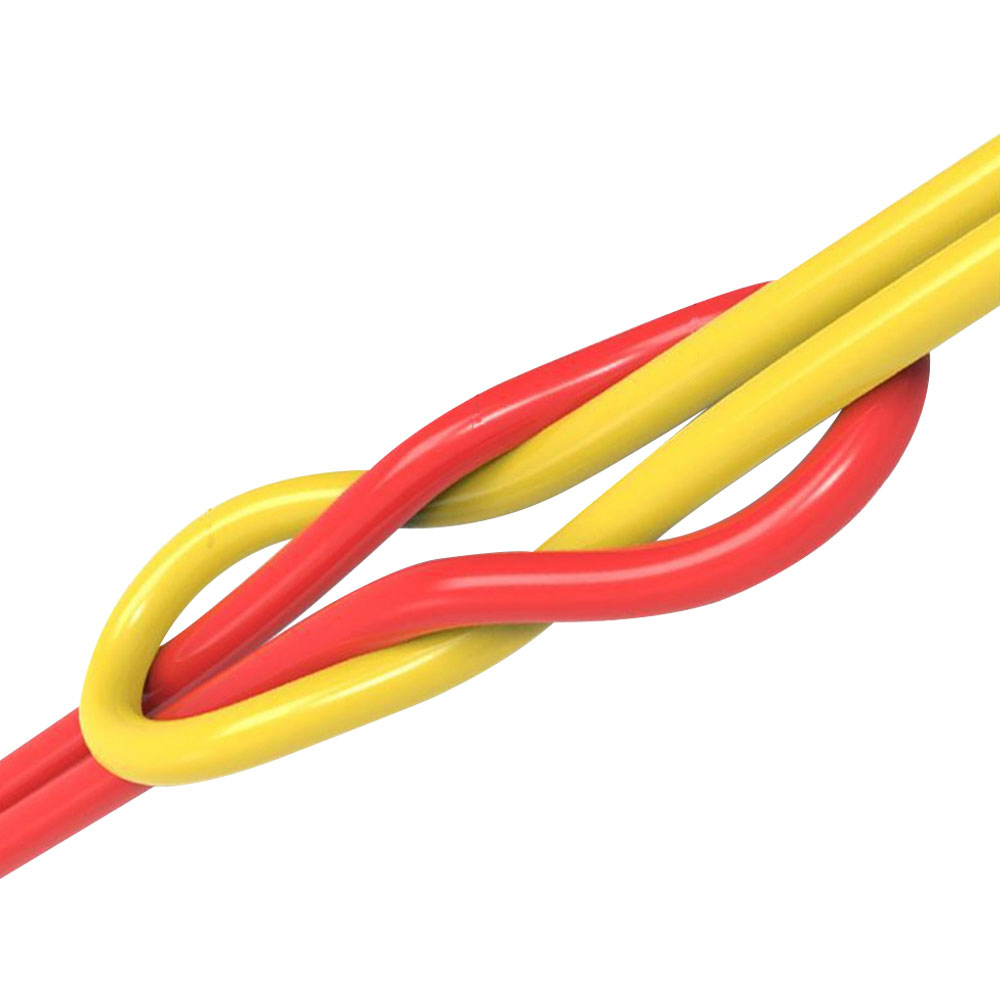
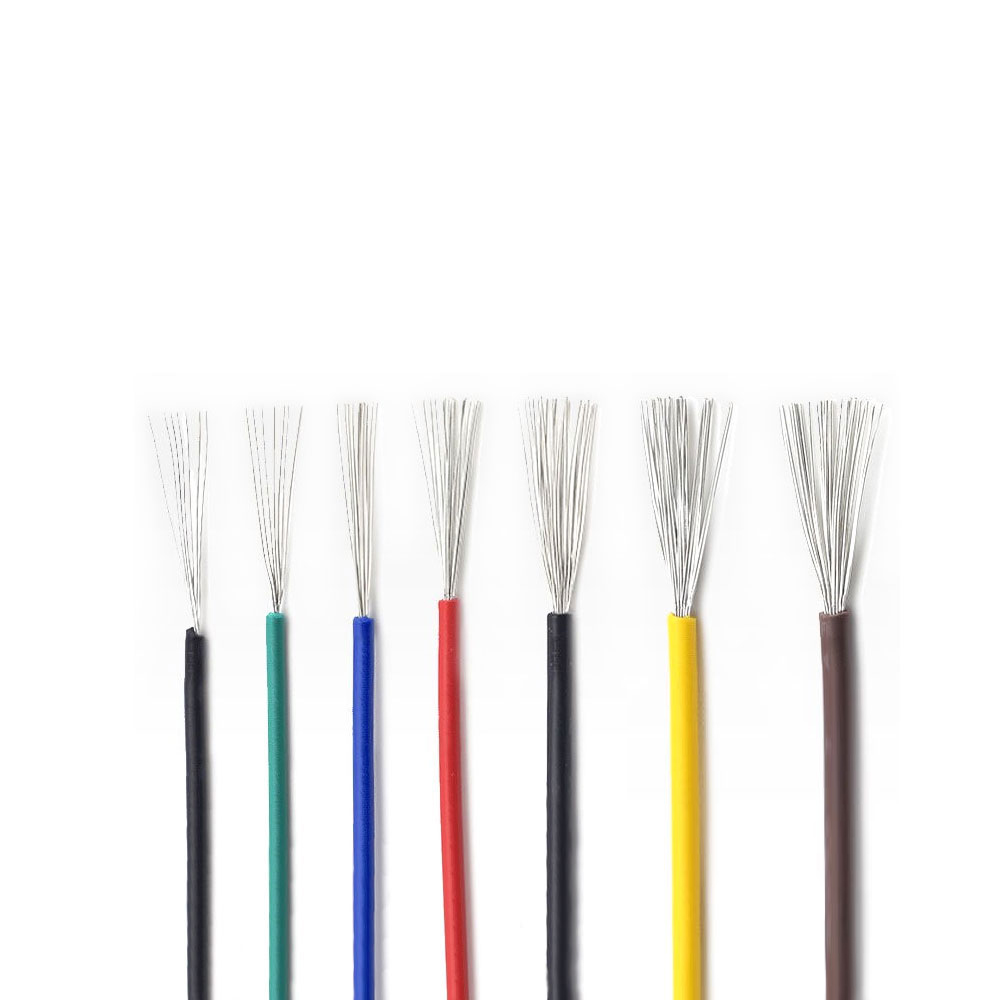
Sometimes it is a general description of flexible cable: the soft, finely stranded products used in appliances, control panels and moving machinery. Sometimes it refers to flat flexible cable, the thin ribbon-style construction found inside laptops, printers and consumer devices. And sometimes it is shorthand for a flex rating, meaning the number of bending cycles a cable is expected to survive in a defined test.
The first two are product categories. The third is a test result. A ribbon cable designed for a static fold inside an enclosure will not survive a machine that reciprocates several times a second, and a general-purpose flexible cable is not automatically a continuous-flex cable. Before comparing prices, decide which of the three you are actually buying.
Flexibility is not a single feature that can be switched on. It is the outcome of decisions made before the first metre is extruded.
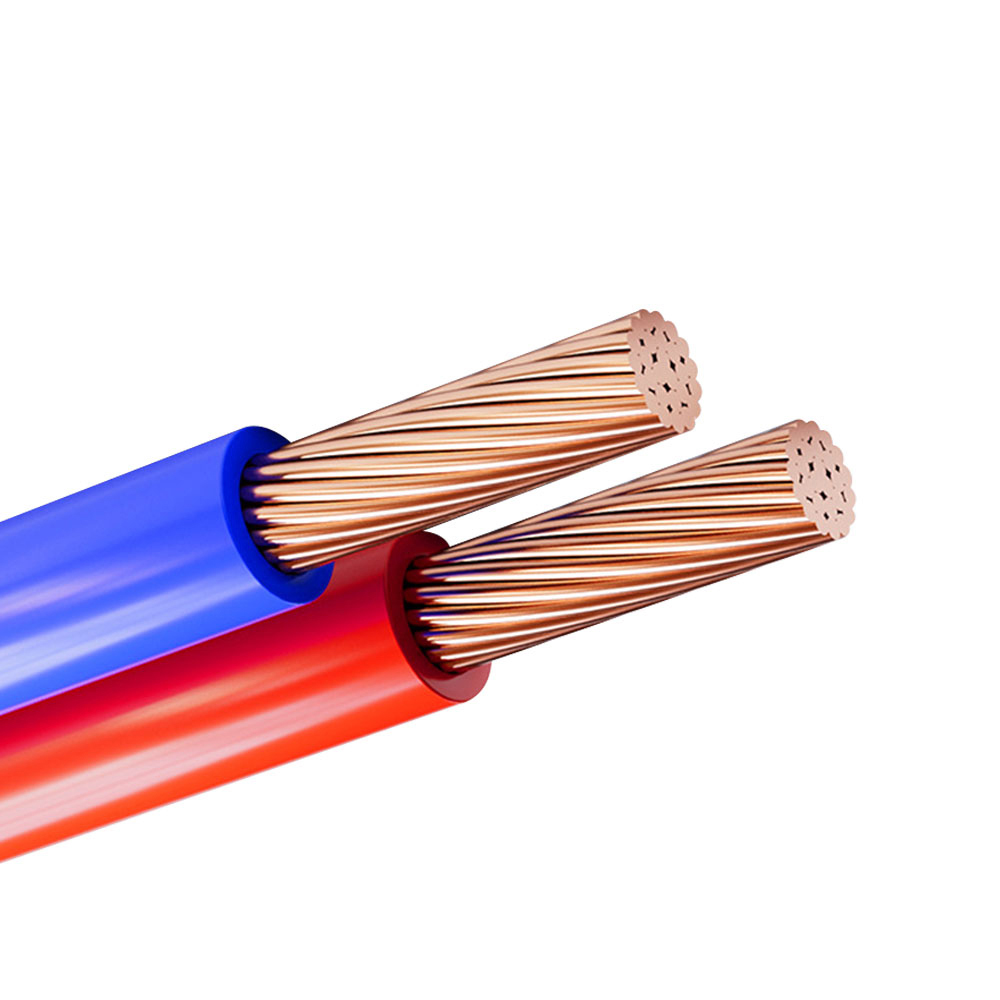
Copper is where flex life begins. A solid conductor work-hardens and cracks. A conductor built from many fine strands, class 5 or class 6 in the IEC 60228 system, spreads the bending strain across hundreds of wires instead of concentrating it at one point. Rope-lay constructions, where bundles of strands are themselves stranded together, push cycle life higher again, at a cost premium that is usually worth paying in continuous-flex duty.
PVC is the economical choice and remains perfectly adequate for occasional movement. For repeated flexing, TPE and PUR offer better fatigue resistance, and PUR adds excellent abrasion and oil resistance. Silicone rubber tolerates extreme temperatures and stays soft when cold. The compound also changes the minimum bending radius the finished cable can accept, so it is never a purely cosmetic decision.
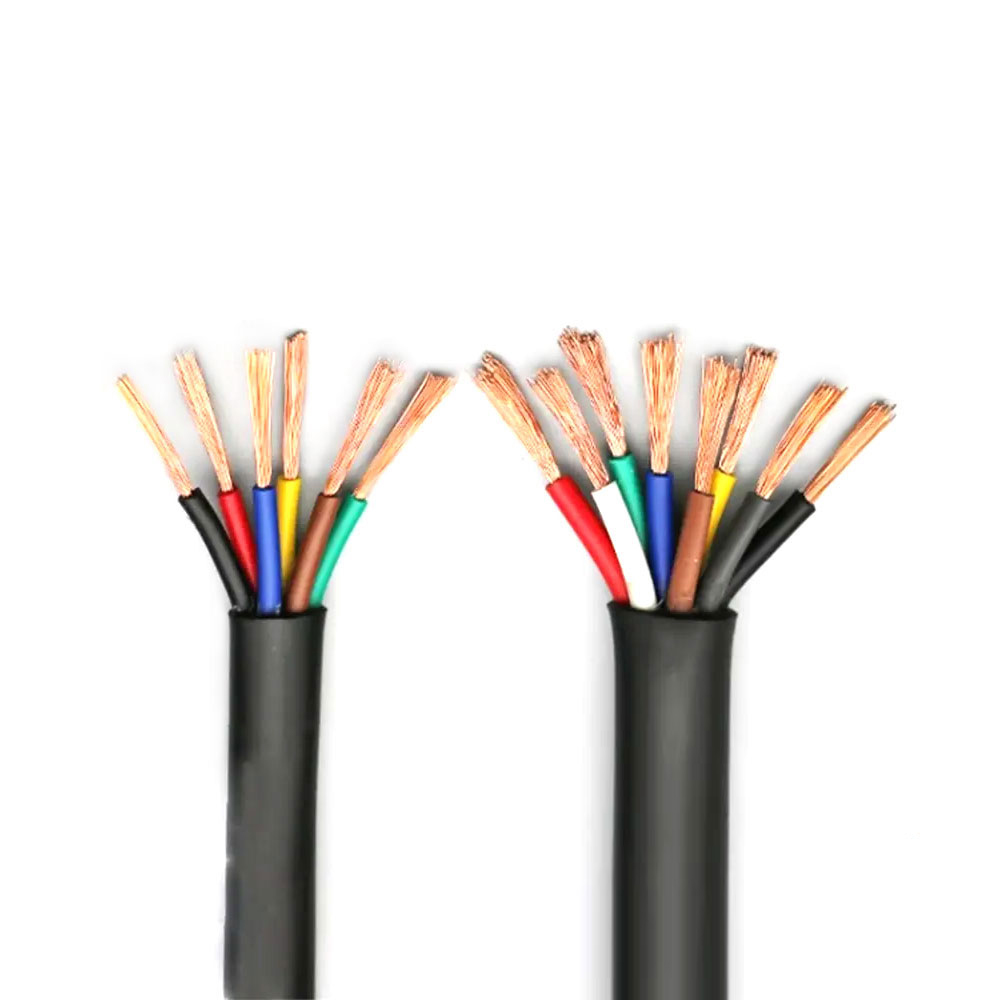
Braided shields, drain wires and foil tapes must move with the cable rather than against it. Fillers keep the core round under load, and the lay length of the twisted pairs controls how much the conductors shift inside the jacket during a bend. In continuous-flex designs, a slip layer between core and jacket lets the two move independently instead of grinding against each other.
A thicker jacket is not automatically a better one, because extra material means extra stiffness. Flexible designs generally use a tighter wall and more precise concentricity so the cable stays round as it travels around a bend, rather than flattening and stressing the core.
There is no need to memorise every compound. What matters is knowing which family suits which kind of motion. The table below summarises the groups we build most often and where each one tends to earn its keep.
| Cable family | Jacket or insulation | Typical temperature range | Best suited to |
|---|---|---|---|
| Drag chain cable | PUR or TPE | -40 °C to +90 °C | Reciprocating travel in energy chains and machine tools |
| Robot and torsion cable | PUR or TPE | -30 °C to +90 °C | Multi-axis joints and twisting motion |
| Silicone rubber cable | Silicone rubber | -60 °C to +180 °C | Ovens, steel plants, high-temperature zones |
| Servo and feedback cable | PVC, PUR or TPE | -20 °C to +80 °C | Drive power and encoder feedback runs |
| Flexible mineral-insulated fire-resistant cable | Mineral insulation with low-smoke jacket | Up to +250 °C in service | Emergency circuits, fire pumps, life-safety systems |
| General flexible control cable | PVC | -10 °C to +70 °C | Panel wiring, occasional movement, light machinery |
The type of movement is the single most useful filter, and it is usually obvious once you describe the machine out loud.
If the cable travels back and forth along a track, you are in drag chain territory. Here the cable should be selected together with the chain rather than after it, because bend radius, support spacing, cable weight and fill ratio all interact. A well-matched chain and cable pairing can run for years, while the same cable forced into a radius it was never designed for will fail within months.
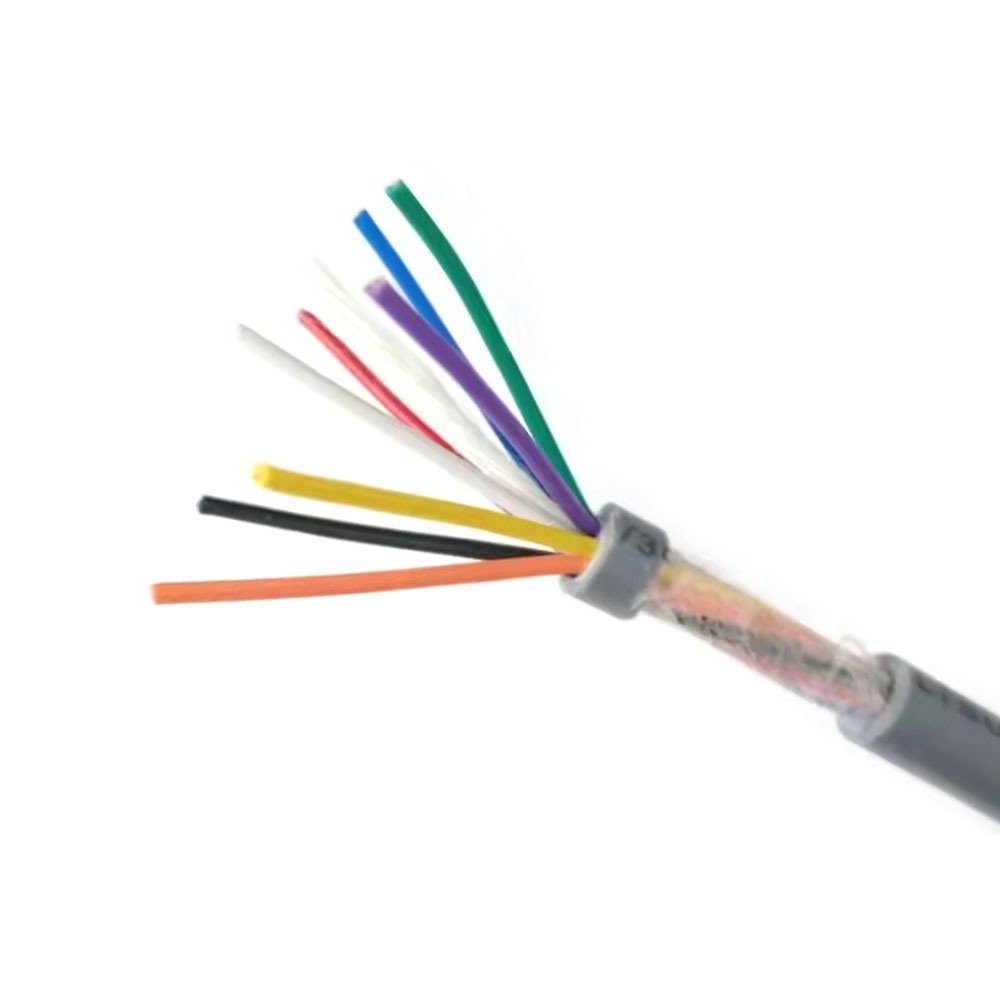 TRVV Flexible Drag Chain Cable for Elevator Traveling ServiceFor vertical reciprocating elevator shaft motion, it combines power, control, signal and communication cores while resisting repeated bending.View Product →
If the cable twists, as it does at a robot arm joint, you need a torsion-rated construction. In these applications the strain relief arrangement at each end matters as much as the cable itself, because most torsion failures begin where the cable is clamped.
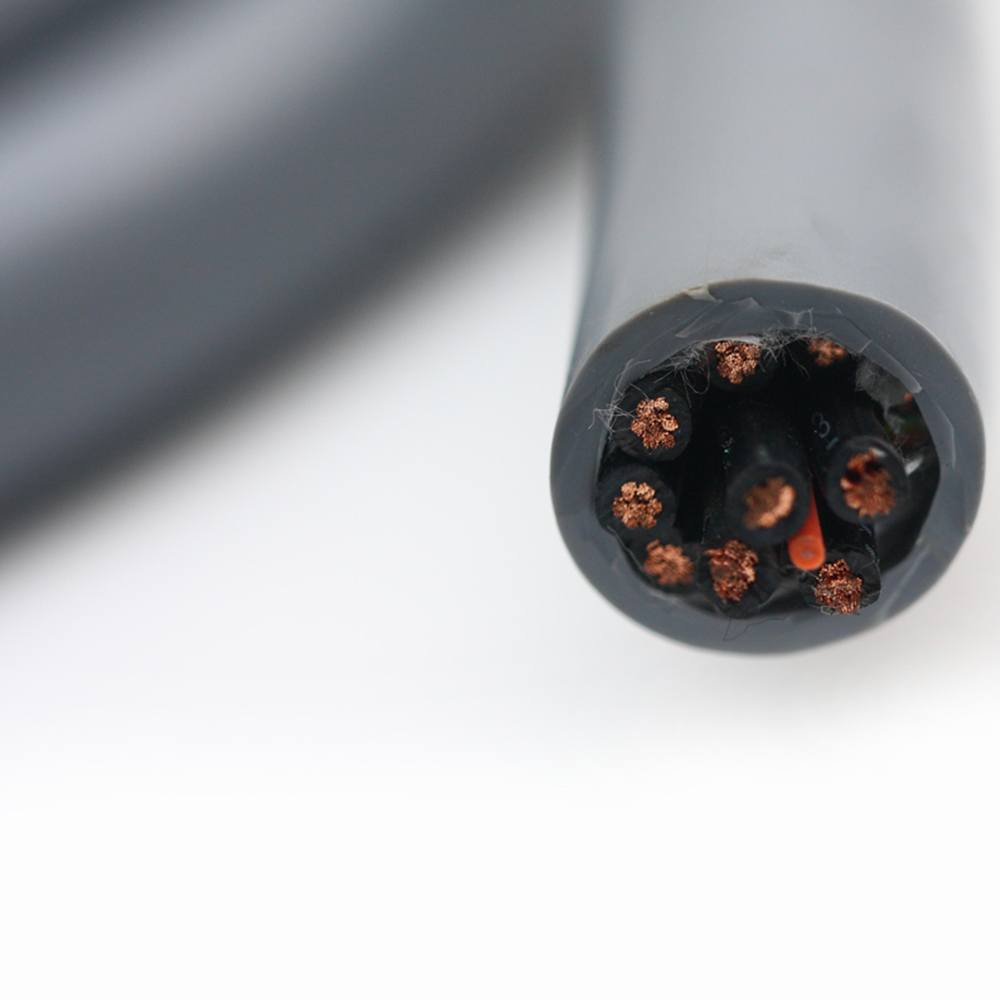 JOR-256 PUR Robot Cable for Torsion and BendingPUR-sheathed 300/500V robot cable with braided shielding, designed for torsion and bending in six-axis robots and cable carriers.View Product →
If heat rather than bending is the problem, silicone rubber is usually the answer. These cables stay pliable in the cold and do not embrittle at temperatures that would destroy PVC, which is why they turn up so often around furnaces and casting lines.
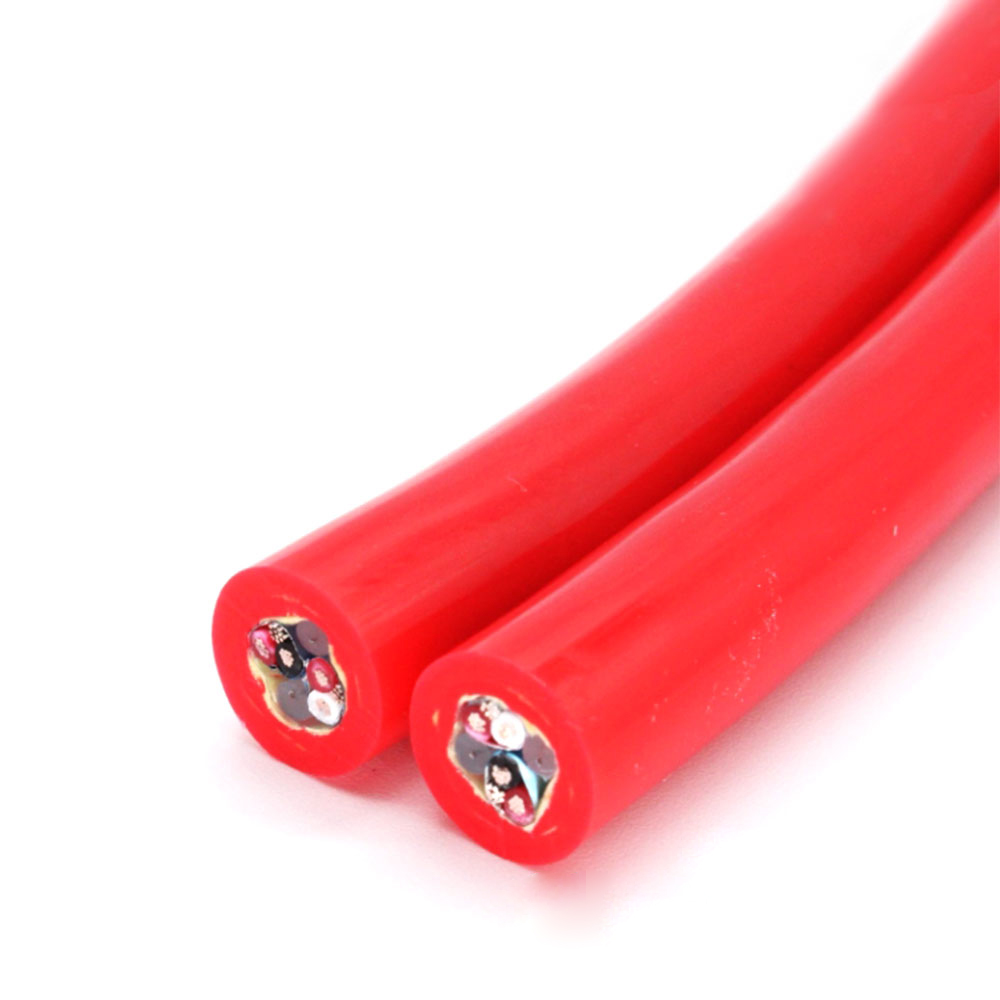 GG Silicone Rubber Cable for Extreme Temperature and Chemical ExposureFlexible silicone cable remains pliable at -60°C and +180°C, suited to harsh industrial environments, frequent movement, chemicals, and fire-safety needs.View Product →
Most automated production lines combine all three situations within a single machine, which is why mixed assemblies with different jacket compounds are so common. We cover that ground in more detail in our overview of automation cable solutions.
Datasheets compress a great deal into a few numbers. Three of them deserve careful attention.
Bending radius is normally quoted as a multiple of the cable's outer diameter. A construction rated for a 4x radius in fixed installation may only tolerate 7.5x or 10x when it moves, and continuous-flex designs often ask for 10x or more. The static figure is not the figure that applies to a running machine.
Cycle life is measured on a test rig, and the test conditions matter as much as the headline figure. Travel distance, speed, acceleration, bend radius and whether the cable is guided or free-hanging all change the outcome. A cable rated at several million cycles under one test setup can behave quite differently under another, so compare test parameters rather than slogans.
Temperature range should be read as two numbers: the static range and the moving range, which is usually narrower. Cold flexibility is frequently the limiting factor in outdoor, cold-store and winter installation work. If you want to go deeper into what actually shortens service life in the field, our notes on ways to improve cable durability walk through the common failure patterns.
Before requesting a quotation, it helps to have answers to these questions ready. They usually narrow the choice to two or three viable constructions.
These products rarely make headlines, but they sit inside a surprising number of everyday systems:
In each case the cable is chosen for a specific combination of motion, temperature and environment. Treat those three as the starting point rather than an afterthought, and the specification usually writes itself.
Flexible cable is one of those components that quietly decides whether a machine keeps to its maintenance schedule. We have spent years building constructions for exactly these situations, from finely stranded drag chain designs to silicone and mineral-insulated types, and the questions customers ask us are almost always the eight listed above.
If you are working through a selection now, bring the motion profile, the temperature range and the bend radius you can realistically provide. With those three facts, choosing the right cable flex rating becomes a short conversation rather than a long experiment.

We firmly believe that good cables are not only a competition of materials, but also a reflection of craftsmanship, quality, and responsibility.

Links
Product
Send Inquiry
No. 29 Sankeshu Road, Xuanzhou District, Xuancheng City, Anhui Province, China
+86-18621104555/+86-563-2622999
 Electrical Cable Manufacturer
OEM/ODM Wire and Cable Solutions
 English
 Español
 عربى
 русский