

Get more content that can help you
Content
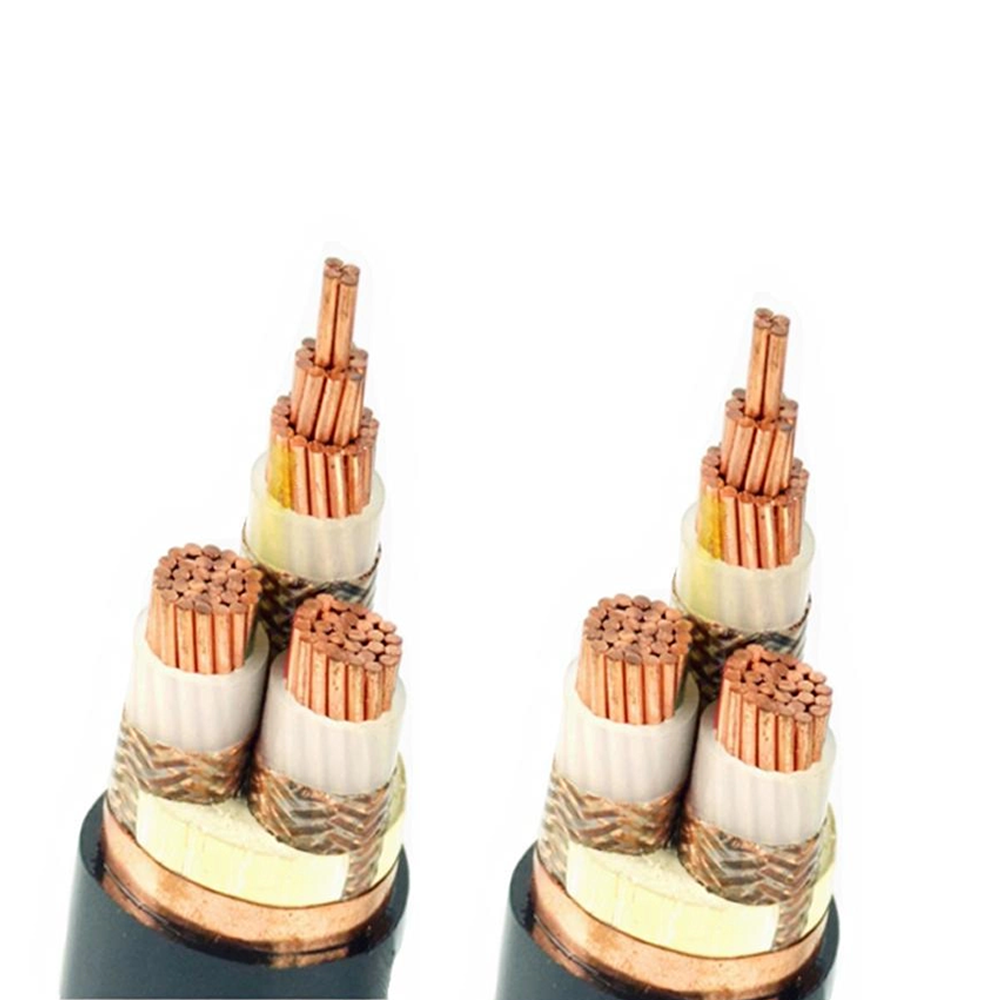
XLPE Insulated and Sheathed Power Cableare widely used in medium- and high-voltage distribution systems due to their excellent thermal resistance, dielectric strength, and mechanical properties. However, like all electrical infrastructure, their longevity is not guaranteed without deliberate effort. The durability of XLPE cables is influenced by a combination of material quality, environmental exposure, installation practices, and ongoing maintenance. Understanding these factors is the first step toward implementing measures that genuinely extend service life and reduce unplanned failures.
Degradation mechanisms in XLPE cables include thermal aging, water treeing, electrical treeing, mechanical stress, and chemical attack. Each of these can independently or synergistically shorten cable life. A cable rated for 30 or 40 years can fail prematurely if any one of these factors is neglected. The good news is that most durability issues are preventable through sound engineering decisions and proactive management.
Durability starts at the specification stage. Choosing the correct grade of XLPE insulation and sheathing material for your specific application is critical. Not all XLPE compounds are equal — differences in crosslink density, additive packages, and base resin quality significantly affect long-term performance.
Investing in a higher-specification cable at procurement is almost always more cost-effective than premature replacement or emergency repair in the field.
Even the highest quality XLPE cable can be compromised during installation. Mechanical damage inflicted at this stage — often invisible to the naked eye — can dramatically reduce service life by creating initiation points for electrical treeing or moisture ingress.
Thermal degradation is one of the most significant and predictable threats to XLPE cable durability. While XLPE has a rated continuous operating temperature of 90°C (and emergency ratings up to 130°C), consistently operating near these limits accelerates aging disproportionately. According to the Arrhenius aging model widely applied in cable engineering, each 10°C increase in operating temperature approximately halves insulation life.
To manage thermal load effectively:
Water treeing is the most common long-term failure mechanism in XLPE-insulated cables, particularly in underground installations. It occurs when water penetrates the insulation and, under the influence of the electric field, forms tree-like channels that progressively degrade dielectric strength. Over years or decades, these can develop into electrical trees that lead to insulation breakdown.
| Protection Method | Application | Effectiveness |
| TR-XLPE insulation | Underground and wet environments | High — slows tree initiation and growth |
| Longitudinal water blocking tape | Conductor and under-sheath layers | High — limits axial moisture migration |
| Lead or aluminum sheath | High-voltage cables in critical circuits | Very high — provides radial moisture barrier |
| Sealed end caps at all times | Storage and installation phase | Medium — prevents pre-installation ingress |
Proactive condition monitoring is one of the most powerful tools available to extend XLPE cable system life. Rather than waiting for failures, periodic diagnostic testing reveals developing defects while they can still be managed — through targeted repairs, load management, or planned replacement of specific sections.
Establish a testing baseline shortly after commissioning, then repeat at regular intervals — typically every 5 years for medium-voltage circuits, or more frequently for cables in demanding service conditions. Trending results over time is far more informative than any single test result.
Joints and terminations are consistently the weakest points in any cable system, and XLPE cables are no exception. The interface between the cable insulation and the jointing or termination materials must be prepared and assembled with great precision. Contamination, inadequate stress control, or improper shielding reinstatement at these points creates electrical stress concentrations that can lead to premature failure of an otherwise sound cable.
Only trained and certified jointers should work on medium- and high-voltage XLPE systems. The use of pre-moulded or cold-shrink joint kits from reputable manufacturers — combined with strict adherence to the manufacturer's installation instructions — significantly reduces joint failure rates. After jointing, pressure or hipot testing should be performed to verify integrity before re-energization.
Finally, durability is not just a technical challenge — it is an asset management discipline. Organizations that maintain comprehensive records of cable installation dates, loading history, test results, and repair activities are far better positioned to make informed decisions about maintenance and replacement timing.
A structured cable asset management plan should include a complete cable register with route maps and as-built documentation, a regular inspection schedule covering accessible sections and exposed components, defined criteria for condition-based intervention triggered by diagnostic test results, and a replacement priority model that balances cable age, loading, criticality, and diagnostic findings. By treating XLPE cable systems as long-lived assets deserving sustained attention rather than set-and-forget infrastructure, utilities and industrial operators can consistently achieve or exceed designed service life — reducing total cost of ownership and improving system reliability over the long term.
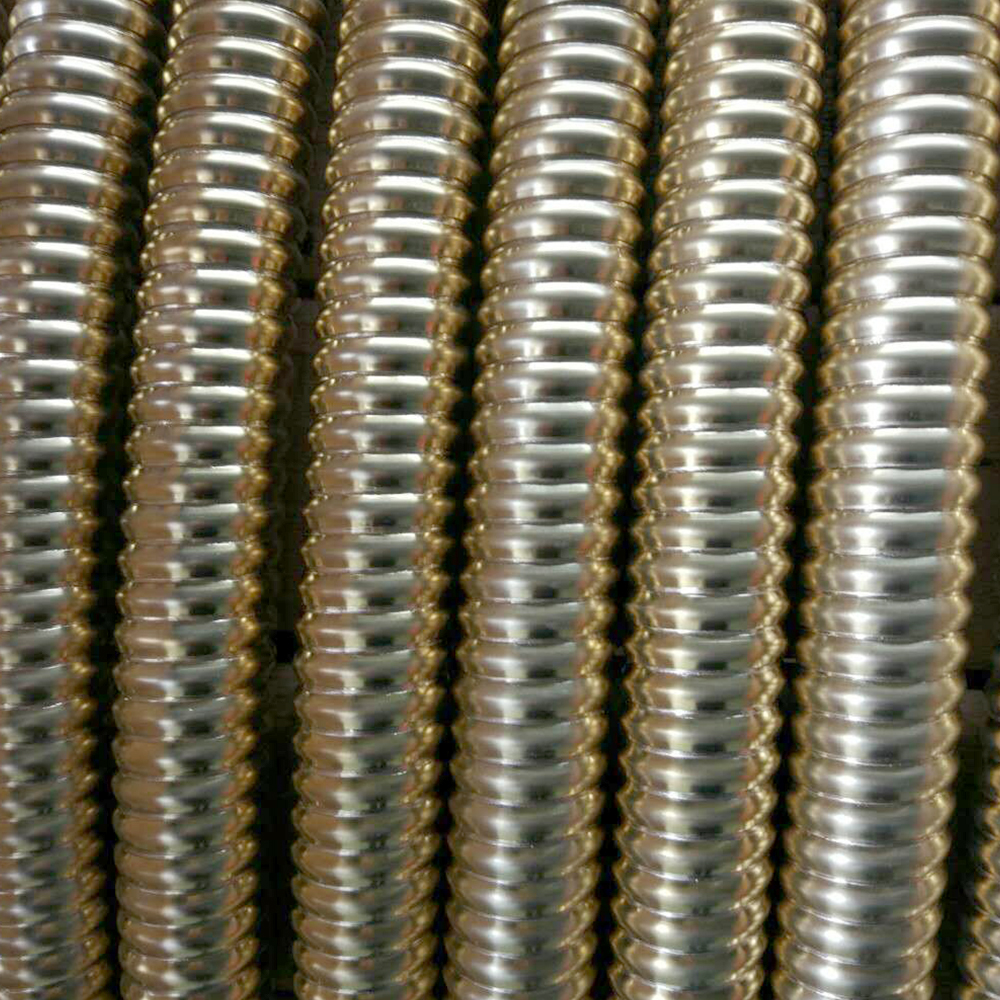
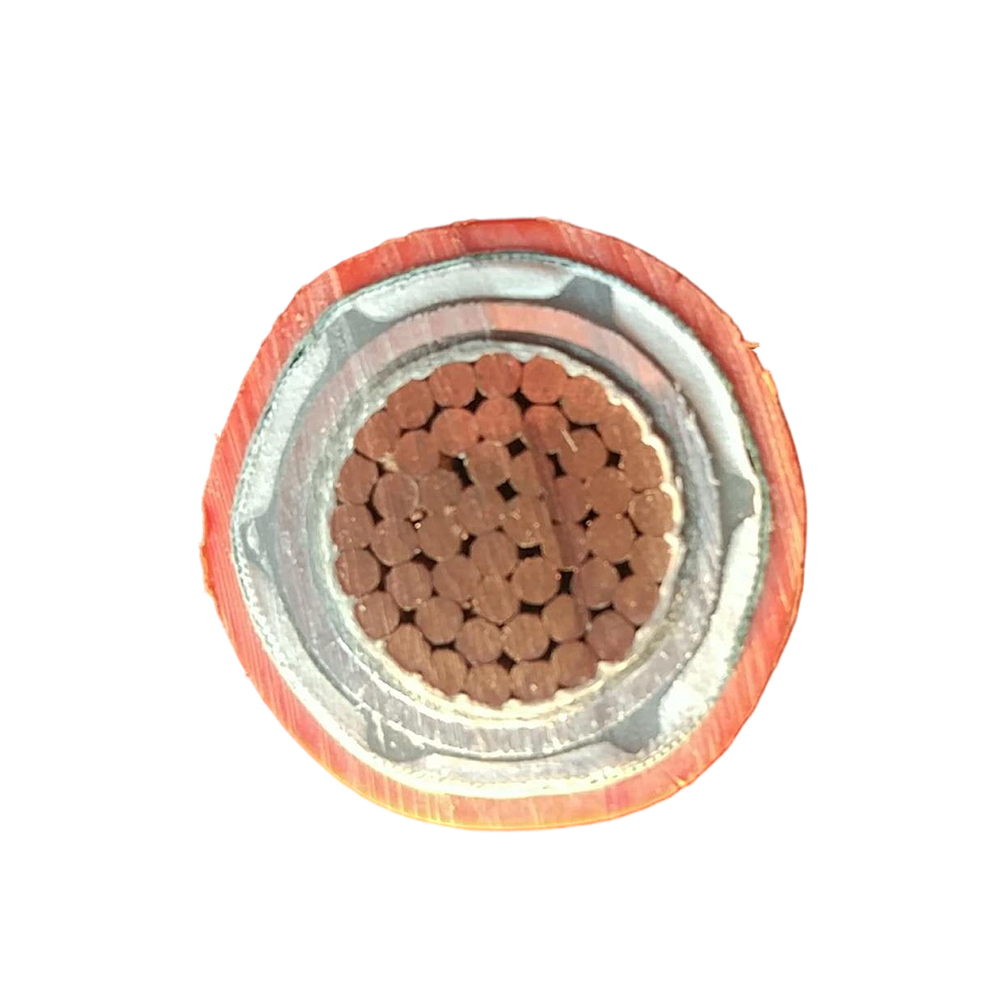
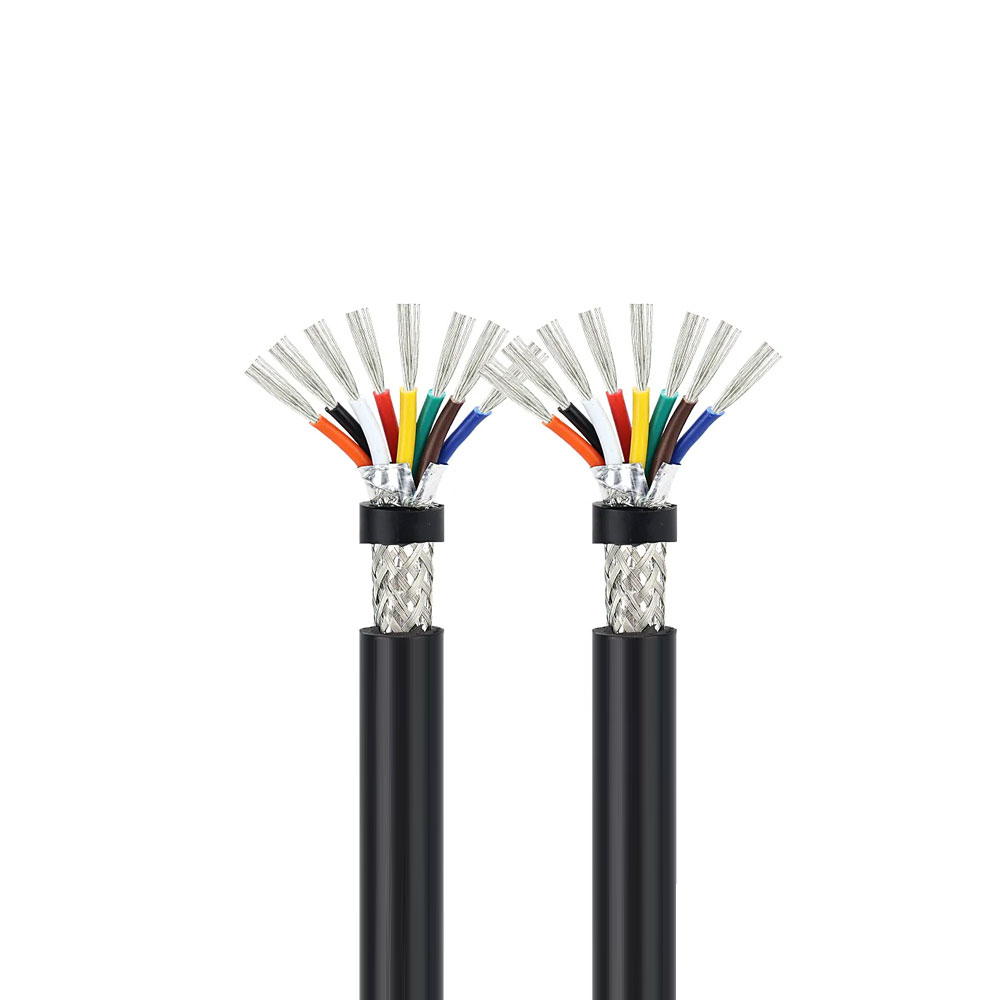
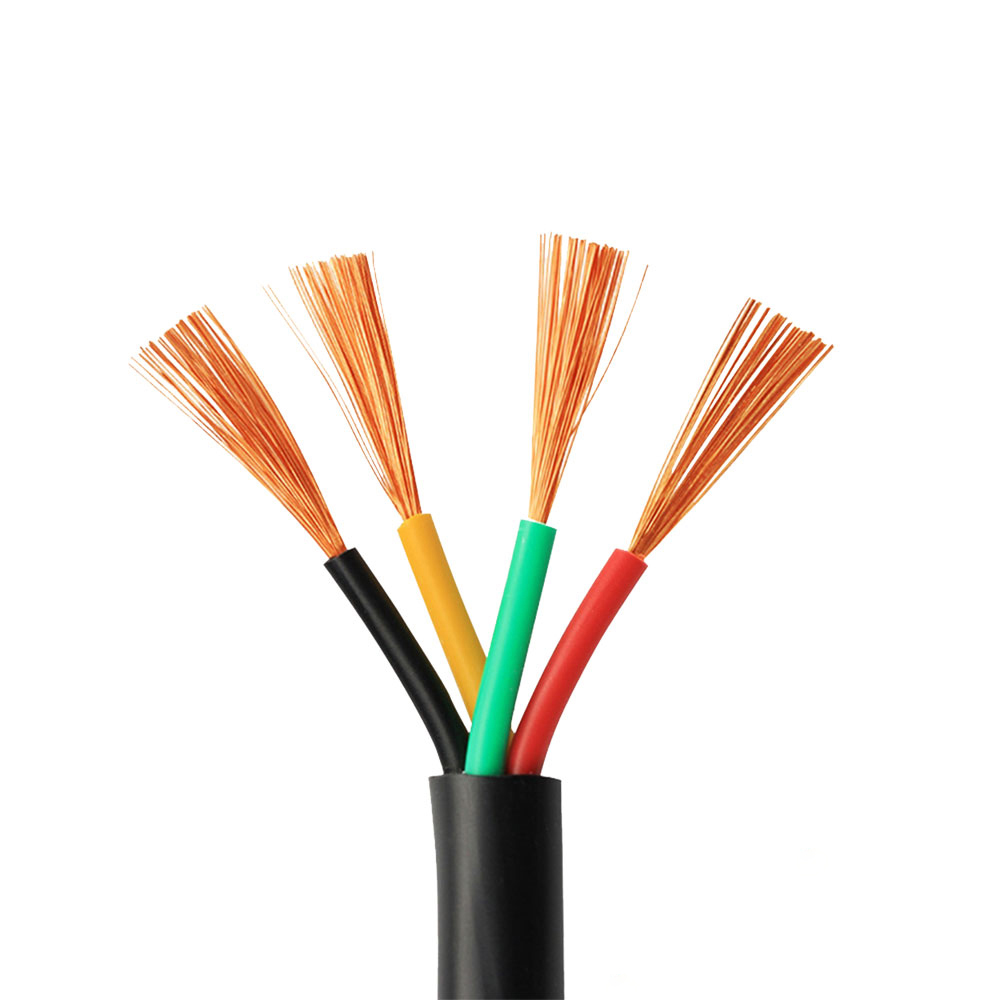
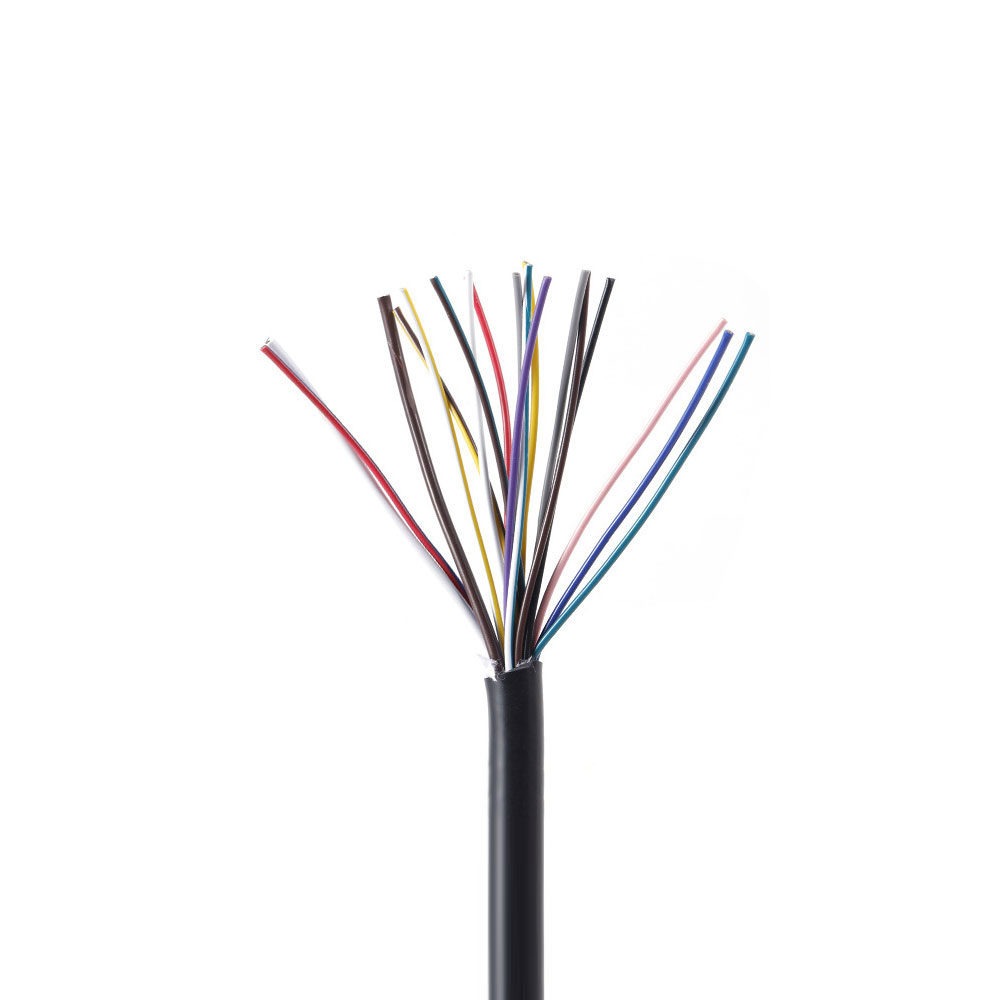

We firmly believe that good cables are not only a competition of materials, but also a reflection of craftsmanship, quality, and responsibility.

Links
Product
Send Inquiry
No. 29 Sankeshu Road, Xuanzhou District, Xuancheng City, Anhui Province, China
+86-18621104555/+86-563-2622999
 Electrical Cable Manufacturer
OEM/ODM Wire and Cable Solutions
Electrical Cable Manufacturer
OEM/ODM Wire and Cable Solutions
 English
 Español
 عربى
عربى
 русский