
Get more content that can help you
Content
A customer once walked our production floor in Xuancheng holding two short cable samples and asked the simplest question of the day: "These are both 2.5 mm² copper — why does one fight me when I bend it and the other feels like rope?" That single moment sums up the whole stranded-versus-solid conversation. The two conductors share a nominal size and a metal, but almost nothing else about how they behave in your hands, in a terminal block, or after ten years in a wall.
We build both types every week, so this guide is written from the bench rather than the brochure. Below you will find what each construction actually is, where the real performance differences show up, and how to pick the right one without overthinking it.
A solid conductor is exactly what it sounds like: one continuous metal core drawn to the finished diameter. Under IEC 60228 it is a Class 1 conductor, and in North American practice it is the familiar single-strand AWG build found in most in-wall branch circuits. Because there is no air gap between strands, the copper fills the whole cross-section, which makes the wire slightly smaller in outside diameter for the same current-carrying area.
In the hand, solid wire has memory. Bend it into a right angle and it stays there, which is a genuine advantage when you are dressing a panel or pulling a straight run through conduit. It also holds its shape under a screw terminal without fraying. The trade-off is fatigue: bend the same spot back and forth a dozen times and the copper work-hardens and eventually cracks. That is why we never recommend solid conductors for anything that moves, vibrates, or gets re-terminated during maintenance.
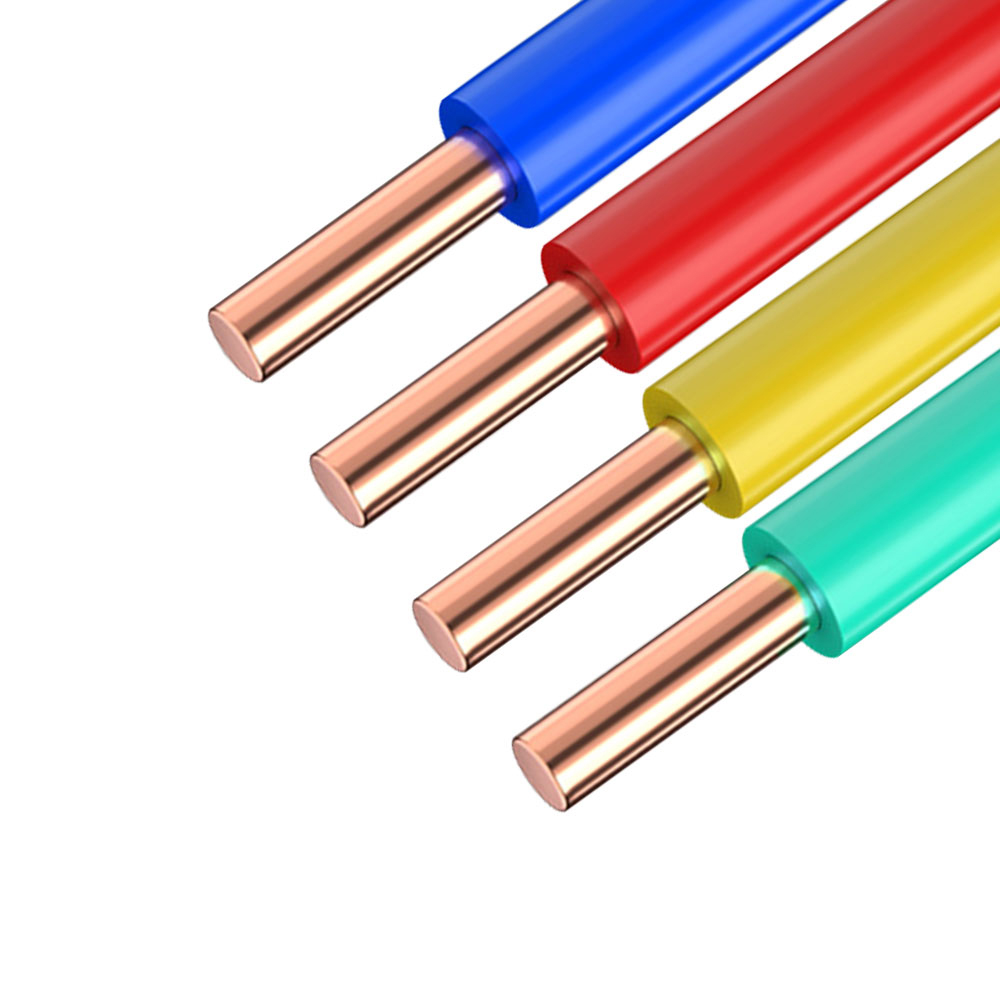 BV and NH-BV Flame-Retardant Building WireFor fixed wiring where solid conductor memory is useful, this flame-retardant BV/NH-BV cable offers PVC insulation and a fire-resistant option.View Product →
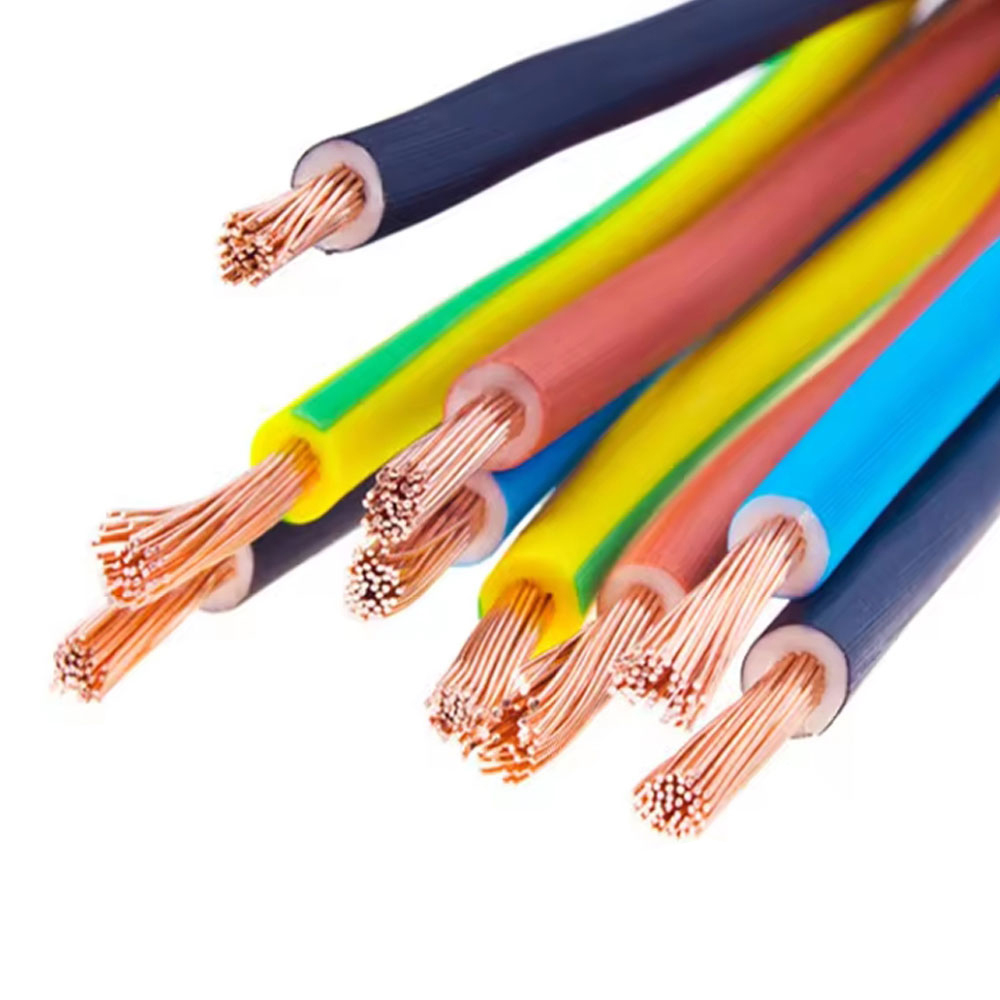
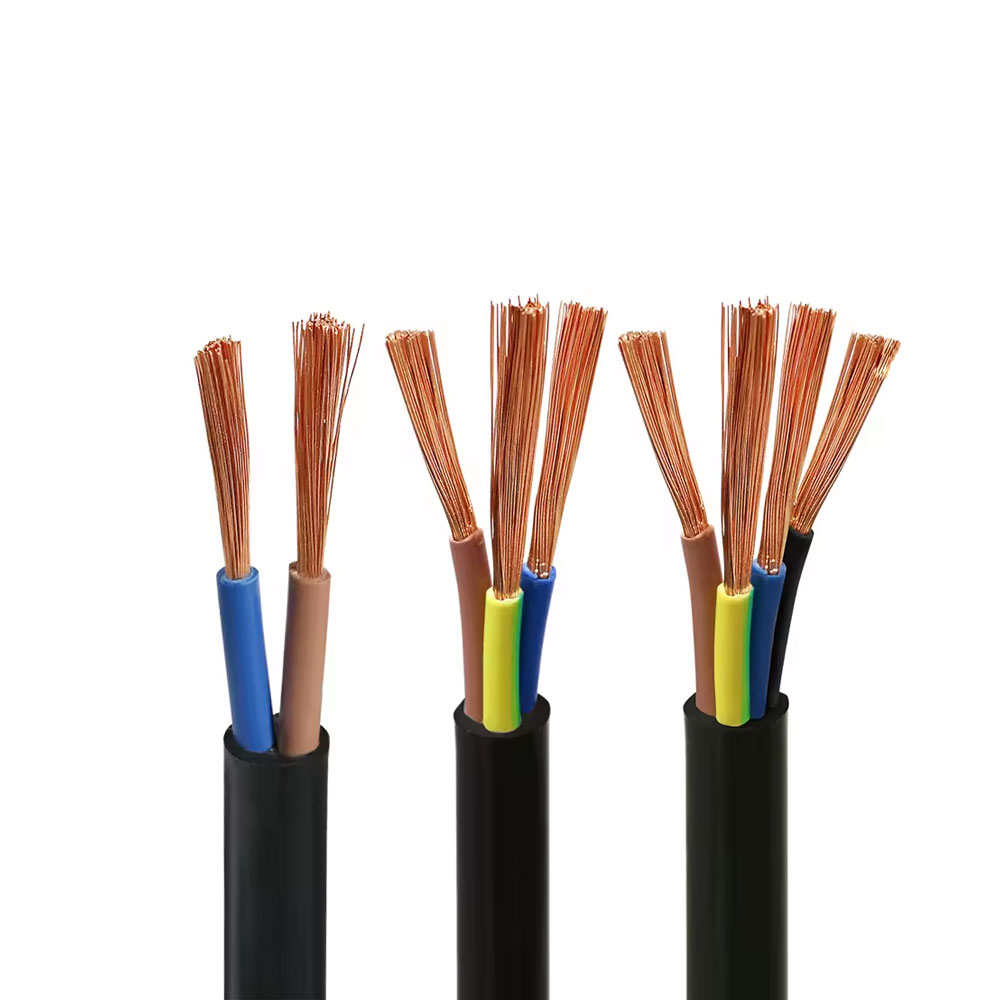
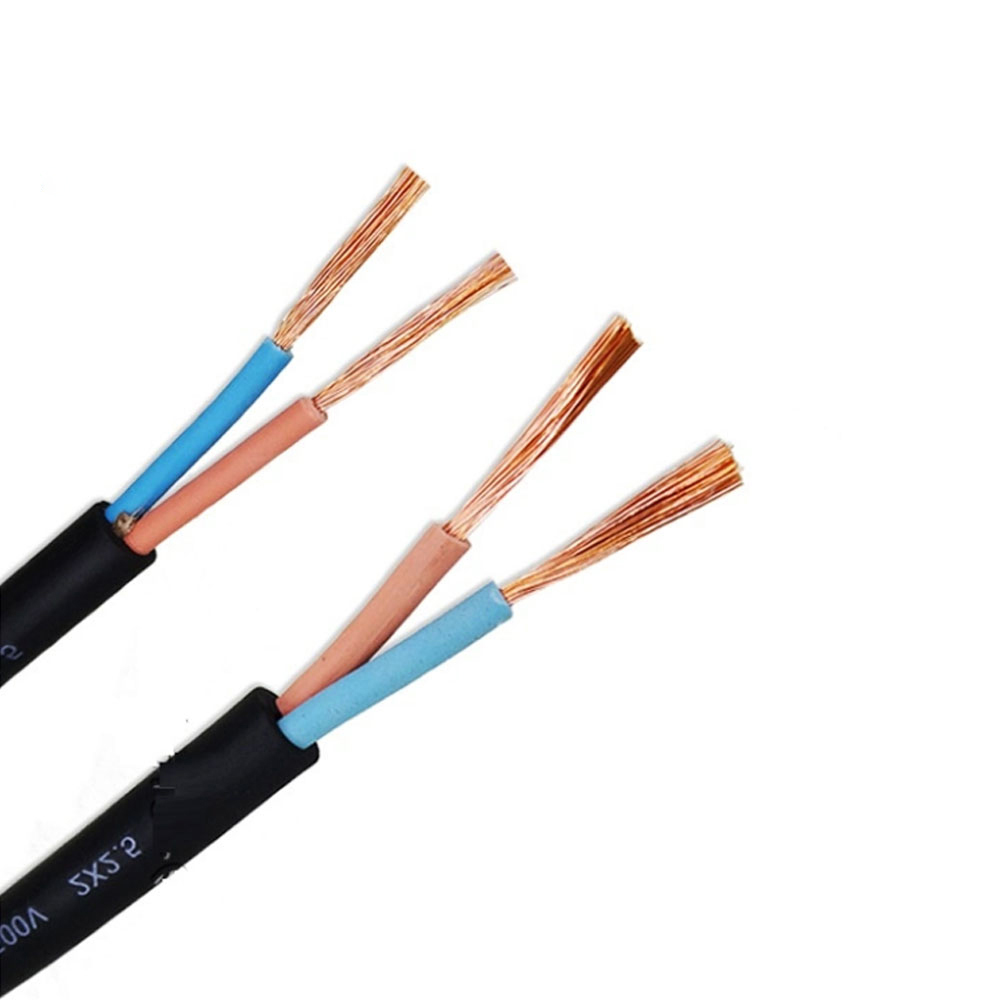
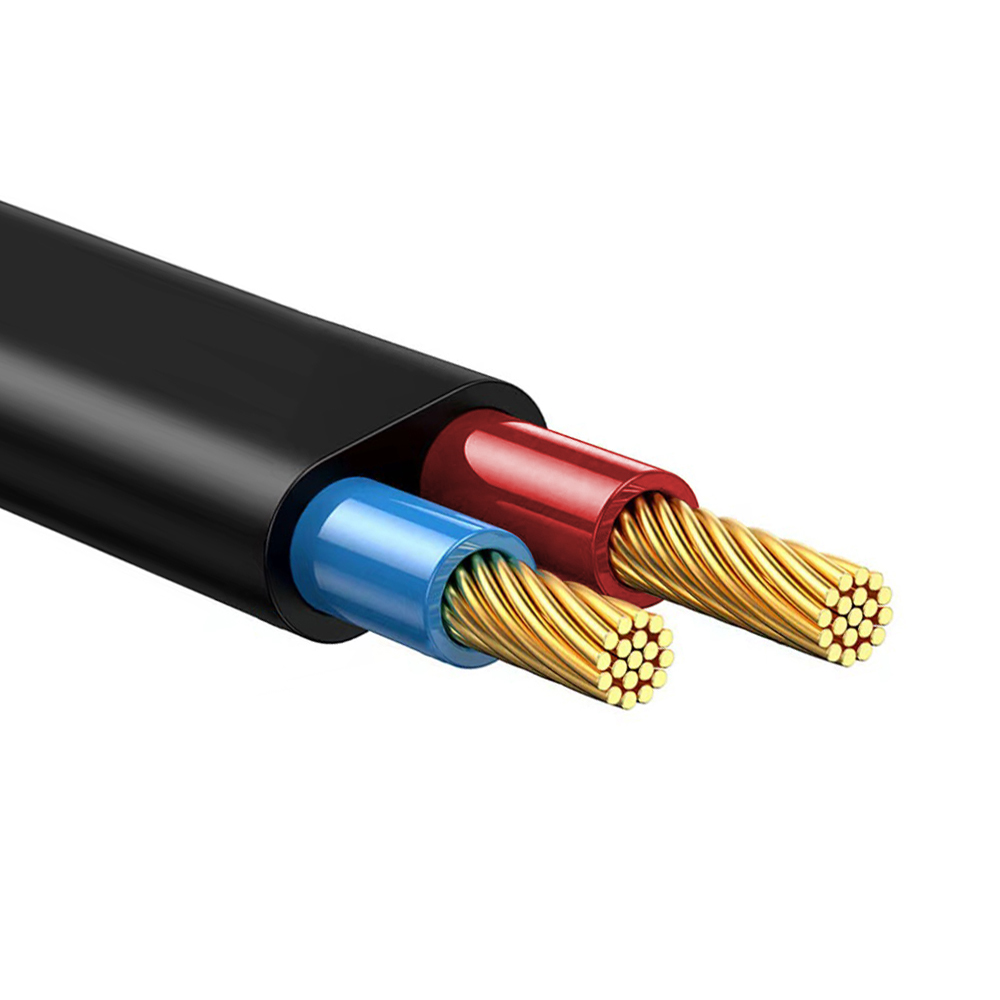
Stranded conductor is a bundle of thinner wires twisted together — Class 2 for standard stranded, Class 5 and Class 6 for the fine and extra-fine builds used in flexible cables. The stranding pattern matters as much as the strand count. Concentric stranding layers the wires in rings around a centre core and gives a rounder, more predictable profile; bunched stranding gathers them in one direction for maximum flexibility at the cost of a slightly irregular shape.
Here is the part buyers often miss: "stranded" covers an enormous range. A 7-strand 2.5 mm² conductor is only marginally more flexible than solid, while a 50-strand build of the same area bends like a shoelace. When a supplier quotes "stranded," always ask for the strand count and the conductor class, because that number decides whether the cable survives your application or fails at the first cable chain cycle.
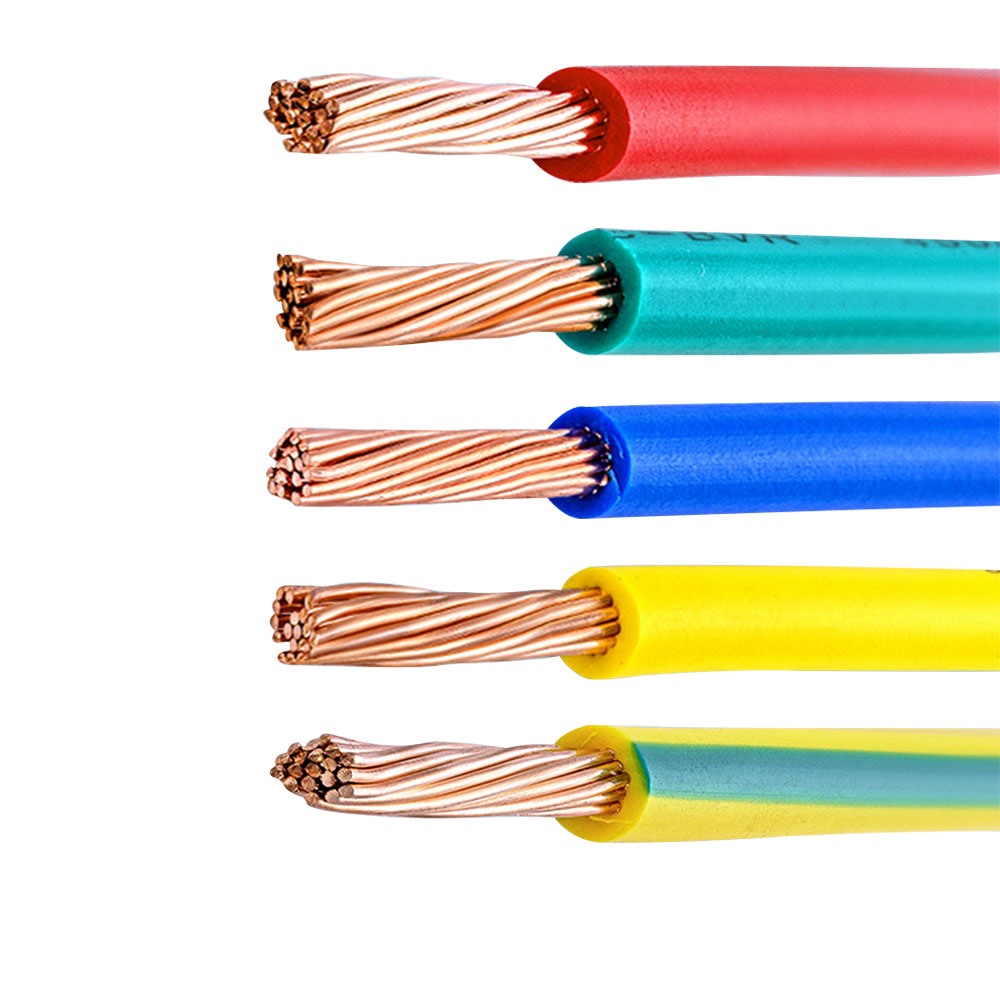 BVR and NH-BVR Flexible Building WireWhen strand count and conductor class matter, this fine-stranded BVR/NH-BVR cable provides flexible building wiring and a fire-resistant version.View Product →
Most of the confusion disappears once you line the two constructions up against the criteria that actually affect installation and service life. The table below reflects what we see in routine production testing and in customer feedback from the field.
| Characteristic | Solid Conductor | Stranded Conductor |
|---|---|---|
| Construction | One drawn core | Many twisted strands |
| Flexibility | Low, holds its shape | High, follows tight radii |
| DC resistance | Slightly lower | Slightly higher, strand gaps add a little length |
| High-frequency behaviour | Skin effect concentrated at the surface | Better current distribution with fine strands |
| Termination | Direct into screw or push-in clamps | Needs ferrules, tinning or suitable lugs |
| Vibration and flexing | Work-hardens and can crack | Excellent fatigue resistance |
| Relative cost | Lower per metre | Higher, extra stranding and terminating labour |
| Typical home | Fixed building wiring, long feeders | Machinery, panels, portable and moving cables |
For direct current and mains frequencies, a solid conductor of a given size has a small resistance advantage. The strands in a stranded build spiral rather than run perfectly parallel, so the current path is a fraction longer, and the tiny voids between wires reduce the effective copper area. In practice this is a few percent, which rarely decides a project on its own — but on very long feeders, that few percent adds up to measurable voltage drop and slightly warmer operation.
At higher frequencies the picture flips. Alternating current crowds toward the outer surface of a conductor, and fine strands give it far more surface to work with. This is why signal, instrumentation and encoder cables are almost always stranded: not because they need flexibility for its own sake, but because many small strands carry high-frequency signals with less loss and less sensitivity to conductor placement.
The same logic explains data cabling practice. Patch cords are stranded so they survive repeated handling, while permanent horizontal runs are solid because lower attenuation over long distances matters more than bendiness. If your installation mixes the two, keep the stranded cable short and the solid cable long.
This is where most field failures originate, and it has little to do with the cable and everything to do with the joint. A solid conductor slides cleanly under a screw head or into a push-in spring clamp. A stranded conductor, if stripped carelessly, leaves stray strands that bridge to the neighbouring terminal — a fault we see often enough to mention first in every installation briefing.
Three habits keep stranded joints reliable:
Solid wire has its own discipline. Strip carefully, avoid nicking the copper, and leave enough slack so nobody has to bend the same point twice during a later service visit. In cable trays and conduits, solid pulls straighter and stays put; stranded pulls more easily around bends but needs support so it does not sag into a kink.
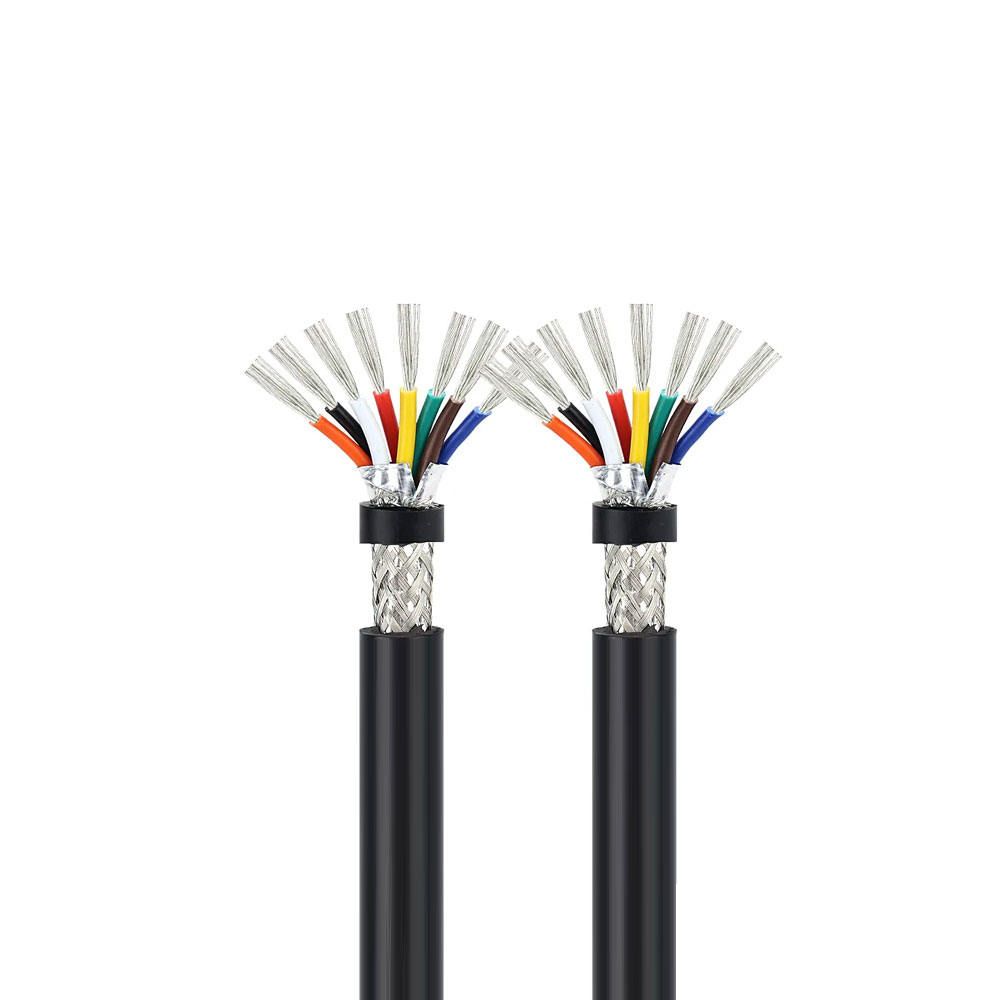
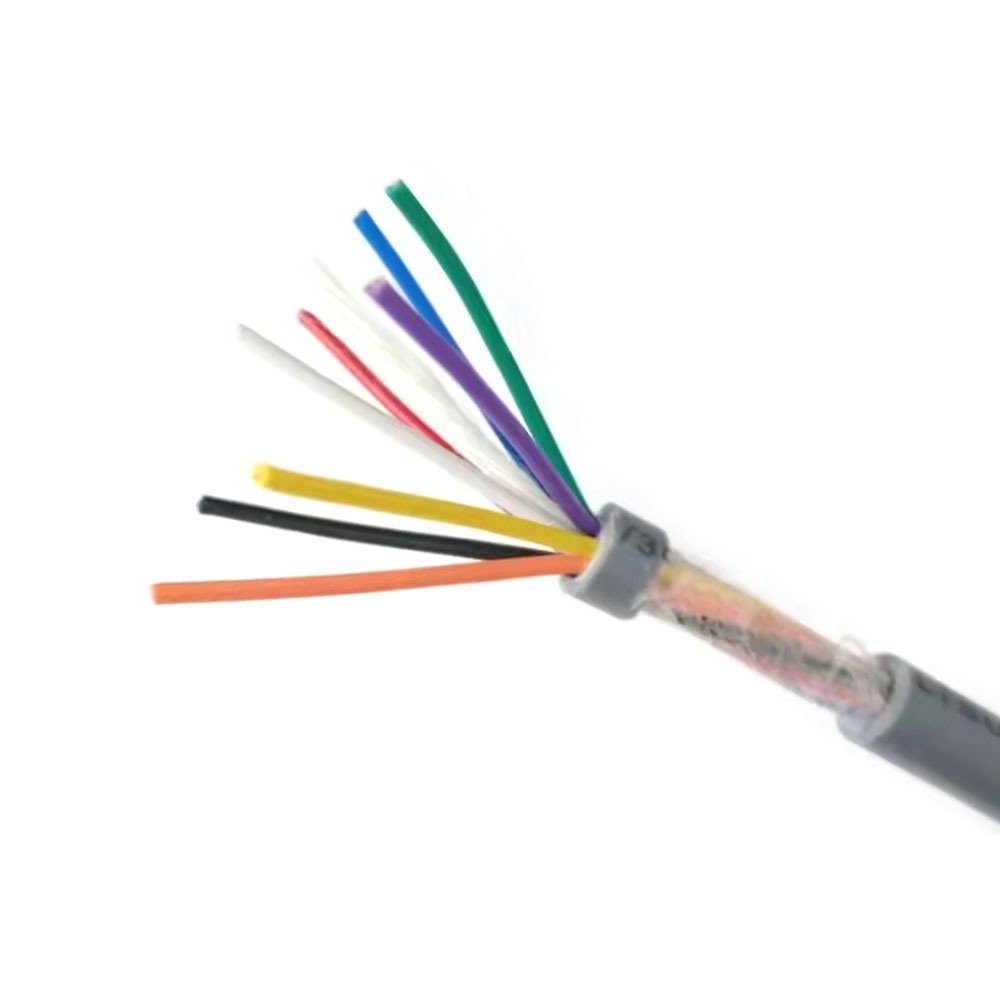 TRVV Drag Chain Cable for Elevator Traveling ApplicationsFor continuous-motion installations, this ultra-flexible TRVV cable combines power, control, signal, and communication cores with resistance to repeated bending in elevator shafts.View Product →
Continuous-motion applications deserve a special note. Standard Class 5 stranded cable is flexible, but not designed for millions of flex cycles. Drag chain cable uses a much finer stranding pattern with optimised lay length, and pairing it with the wrong conductor class is one of the fastest ways to turn a two-year service life into six months.
Solid wire is cheaper to buy and, on a fixed installation, cheaper to install because it terminates in seconds. Stranded wire costs more per metre and takes longer at each joint once ferrules and crimping are counted. Yet total project cost is rarely settled by the reel price. If a rigid conductor cracks in a vibrating panel, the repair bill dwarfs the saving on a few hundred metres of cable.
A few habits from our own production planning that translate well to the site:
If you take one thing from this article, let it be that neither construction is superior. Solid wire wins on conductivity, simplicity and cost in fixed installations; stranded wire wins on flexibility, fatigue life and high-frequency behaviour. The right answer comes from three questions: does it move, how is it terminated, and how long is the run?
As a manufacturer working across building wire, control cable, flexible and specialty lines, we usually end up supplying both from the same project — solid for the distribution backbone, fine stranded for everything downstream that vibrates or bends. If your application sits somewhere unusual, our automation cable solutions and customized heavy-industry builds are a good starting point, and our engineers are happy to look at a drawing or a routing diagram before you commit to a conductor class. Getting that decision right at the specification stage is always cheaper than correcting it after commissioning.

We firmly believe that good cables are not only a competition of materials, but also a reflection of craftsmanship, quality, and responsibility.

Links
Product
Send Inquiry
No. 29 Sankeshu Road, Xuanzhou District, Xuancheng City, Anhui Province, China
+86-18621104555/+86-563-2622999
 Electrical Cable Manufacturer
OEM/ODM Wire and Cable Solutions
 English
 Español
 عربى
 русский