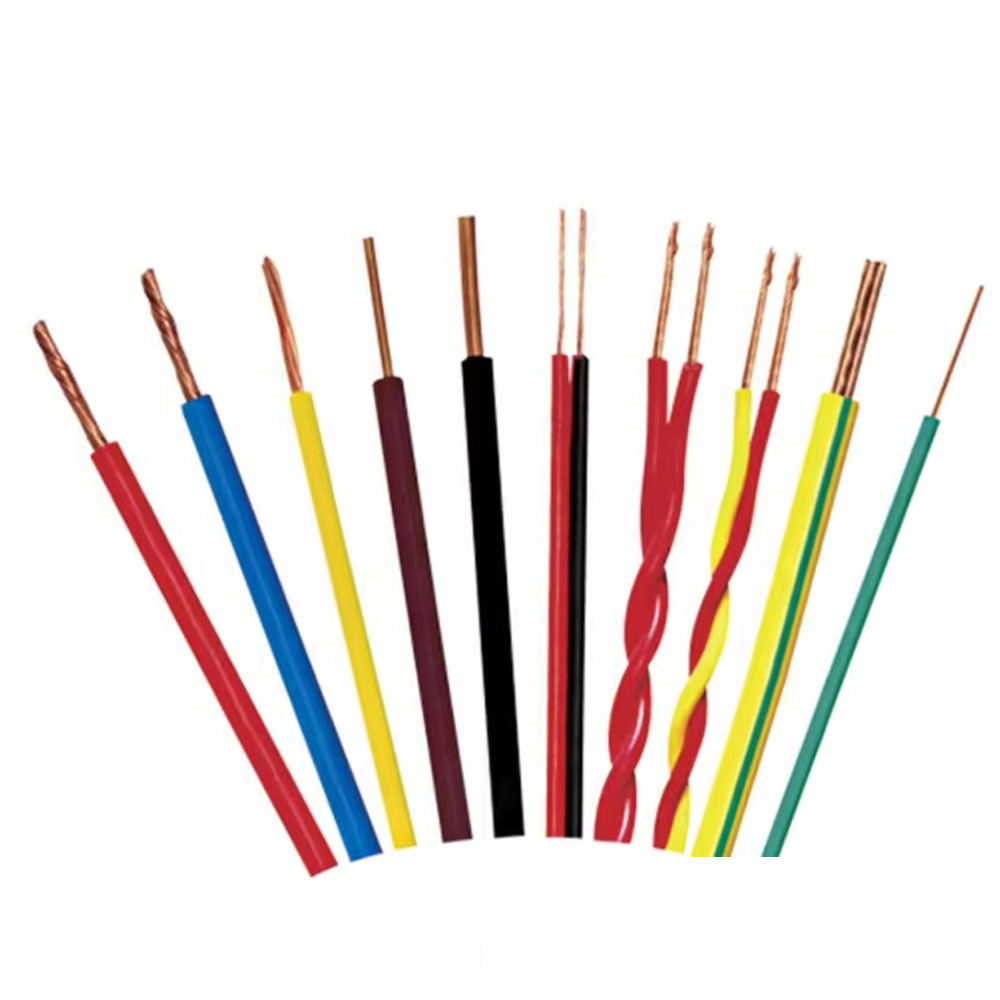
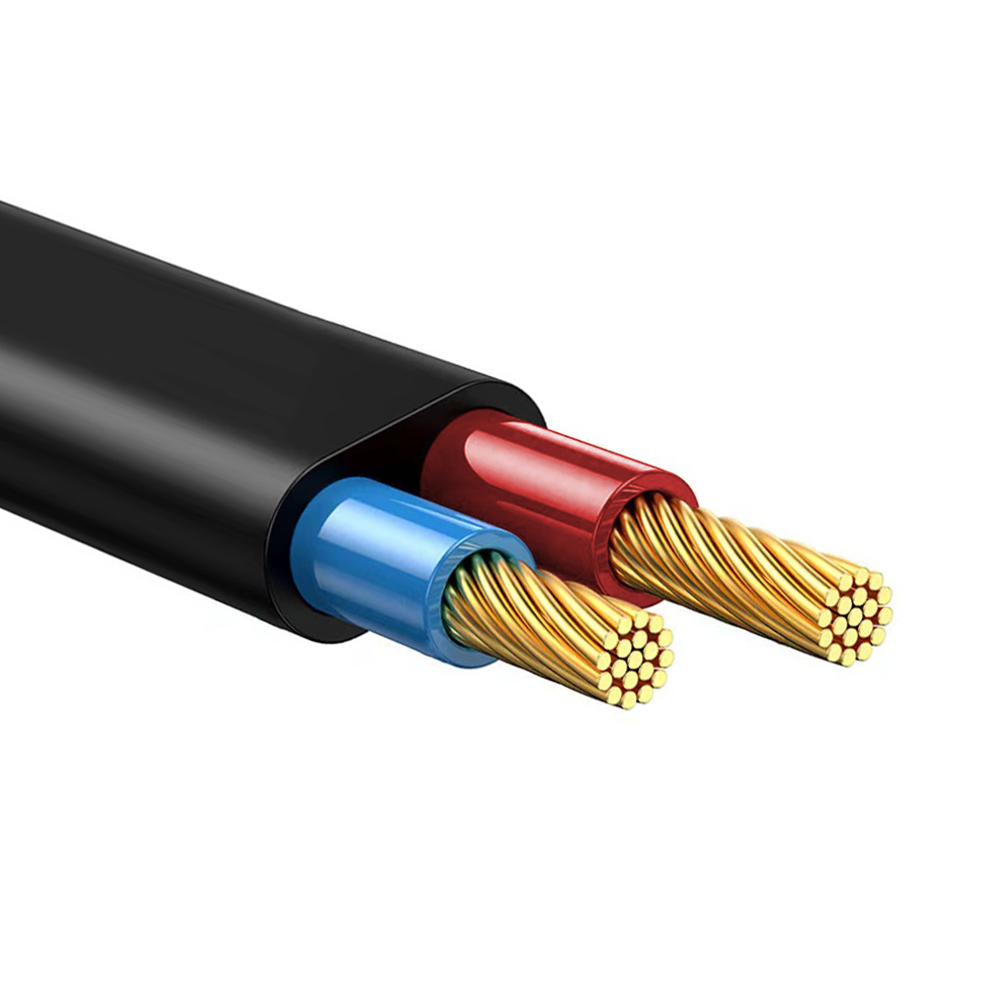
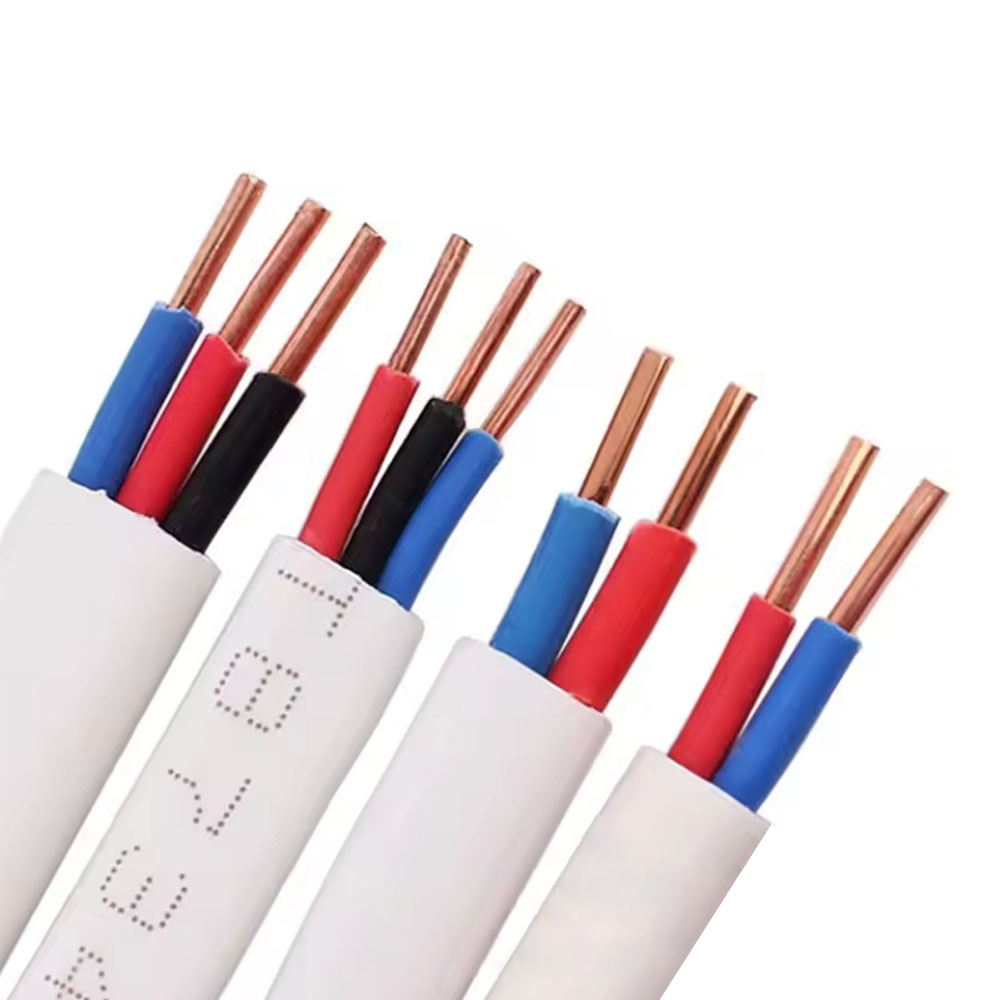
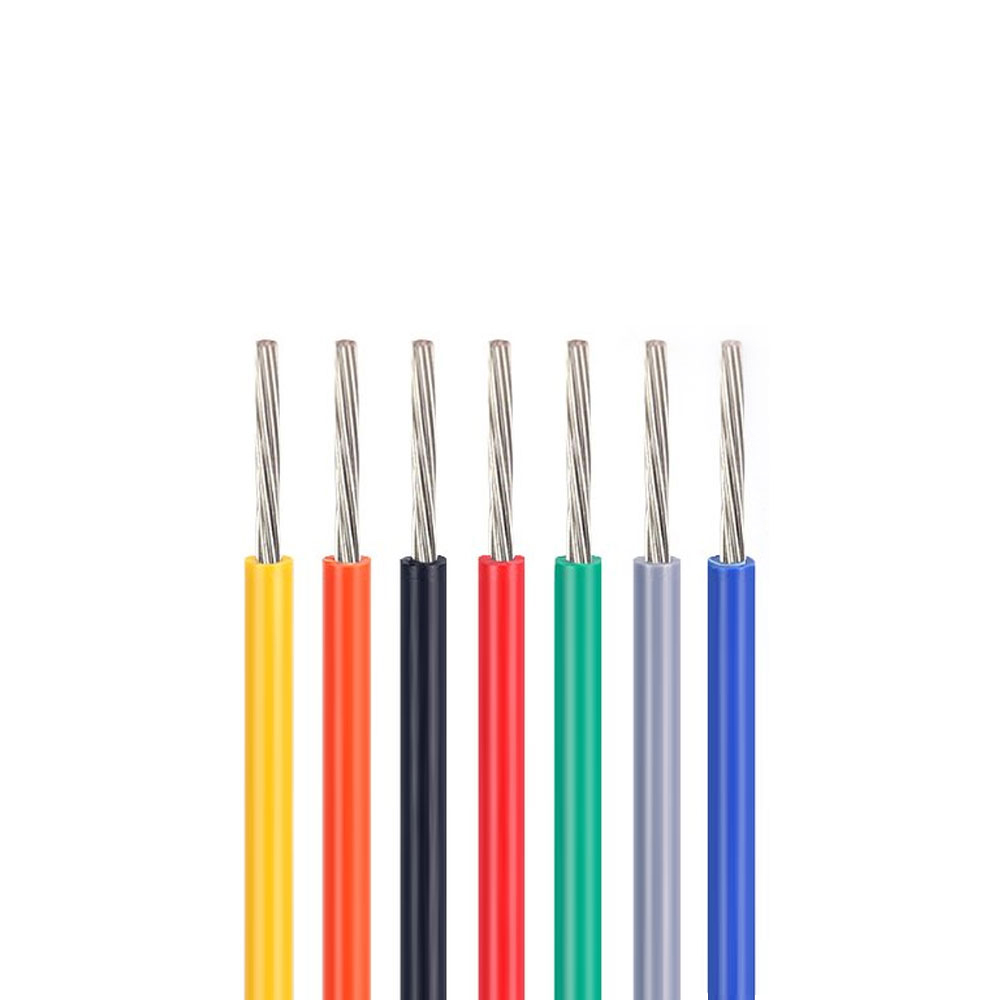
UL Certification Cable Comprehensive Introduction
I. Definition and Core Characteristics
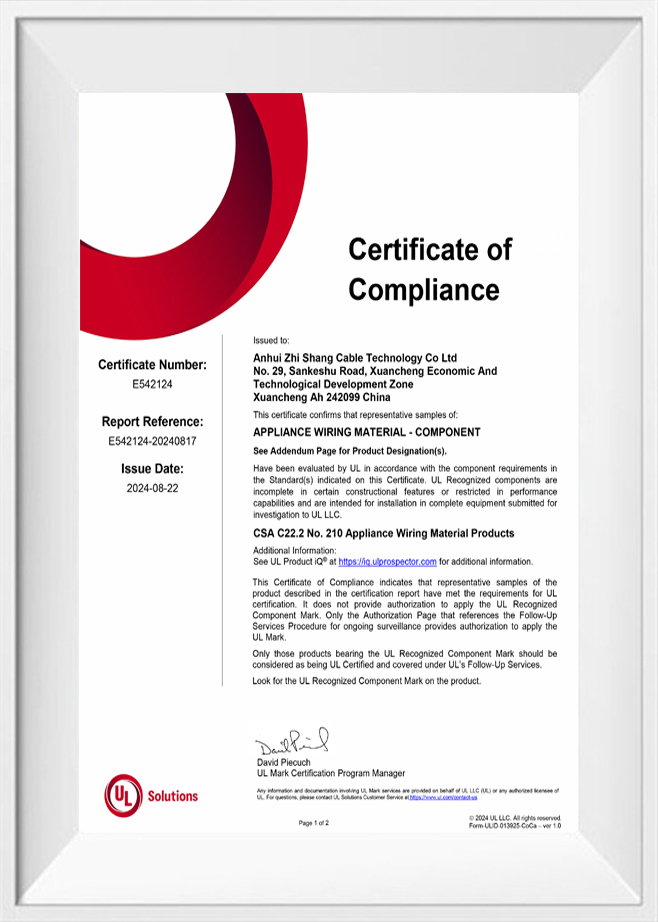
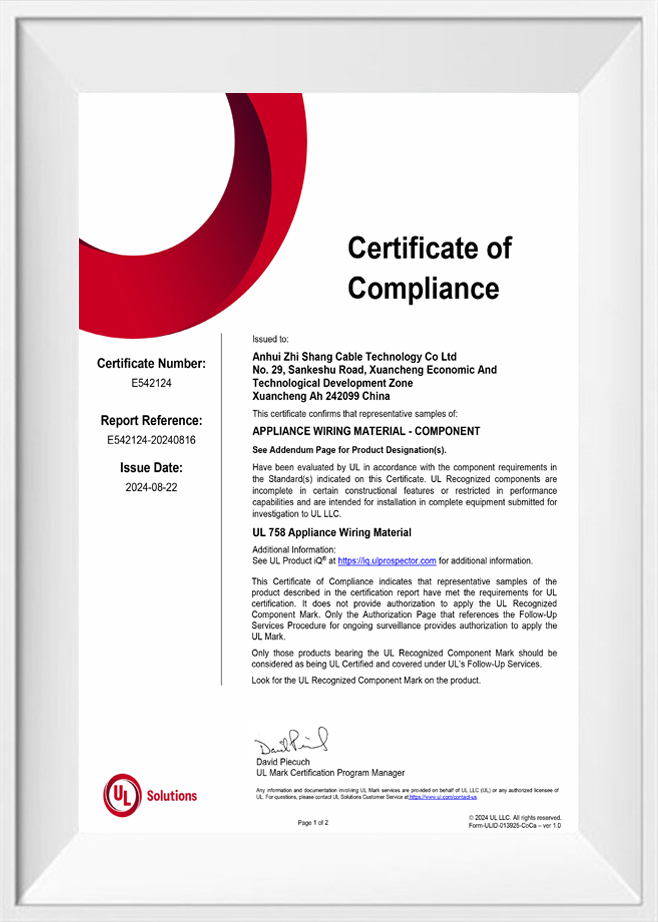
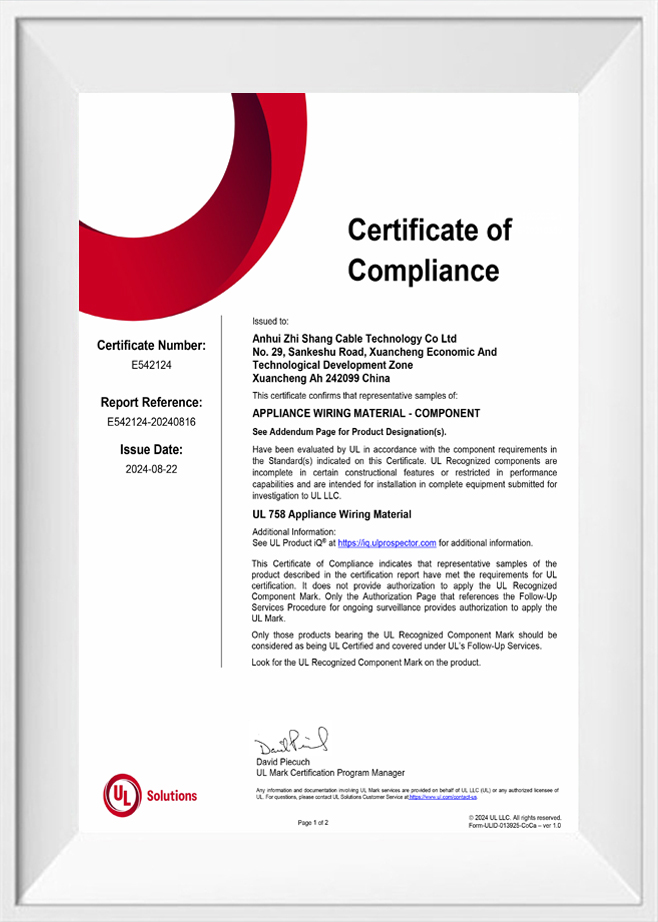
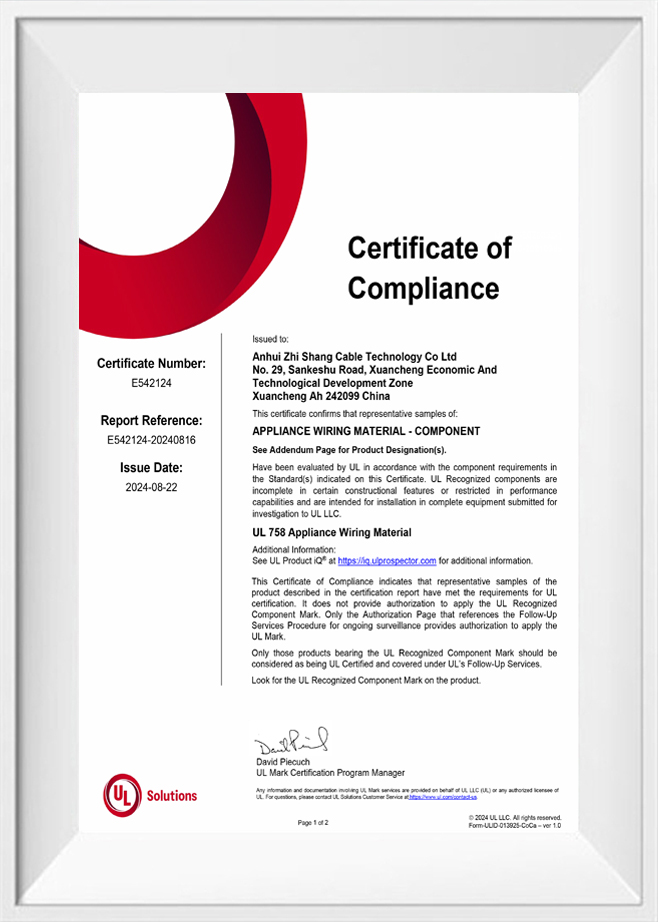
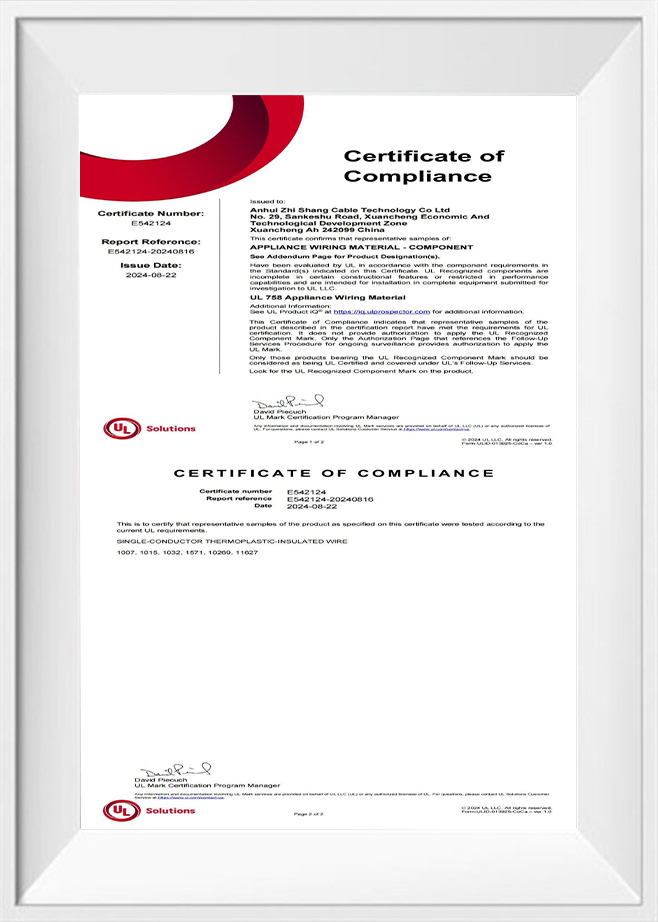
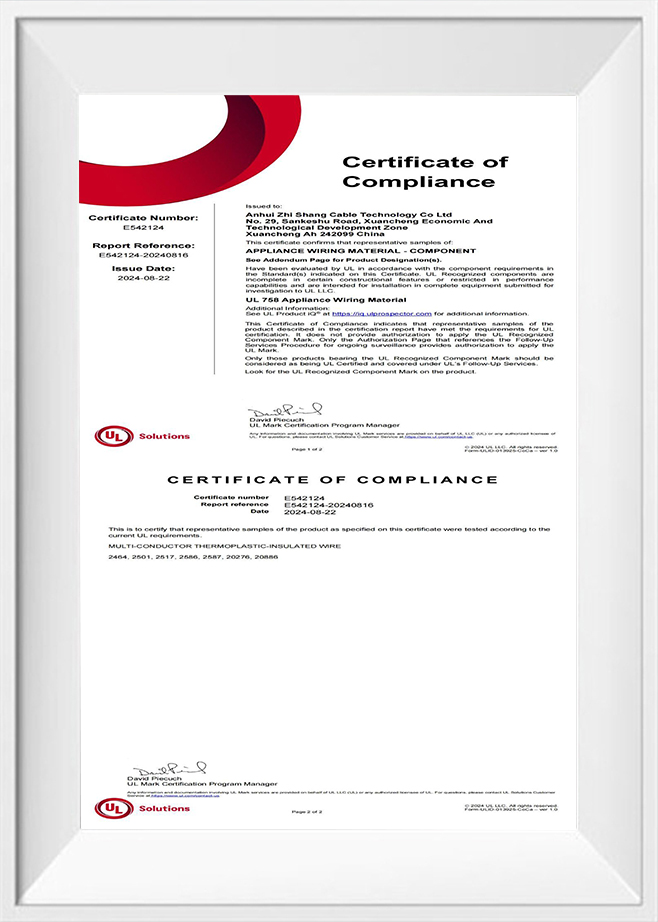
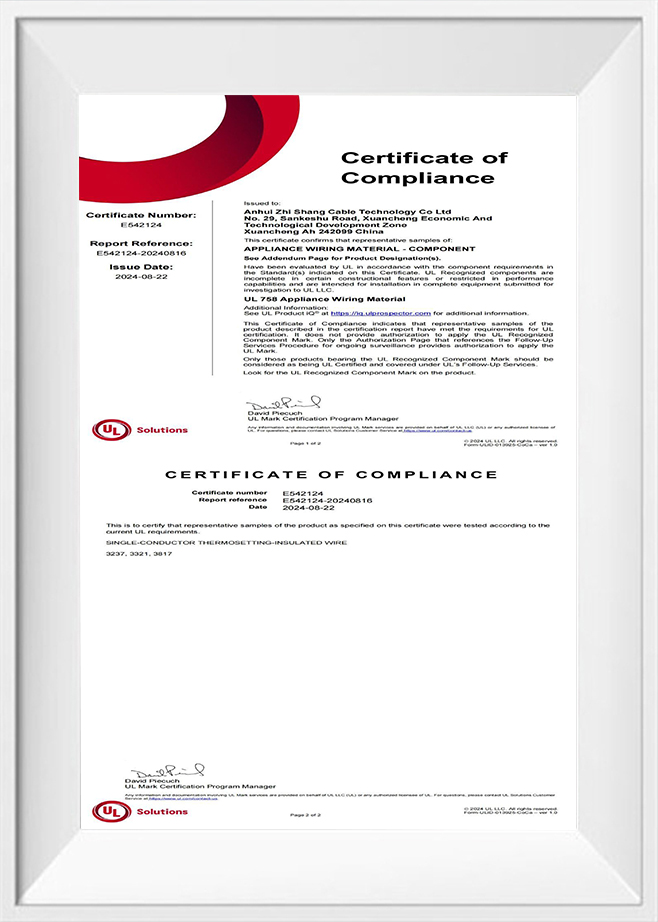
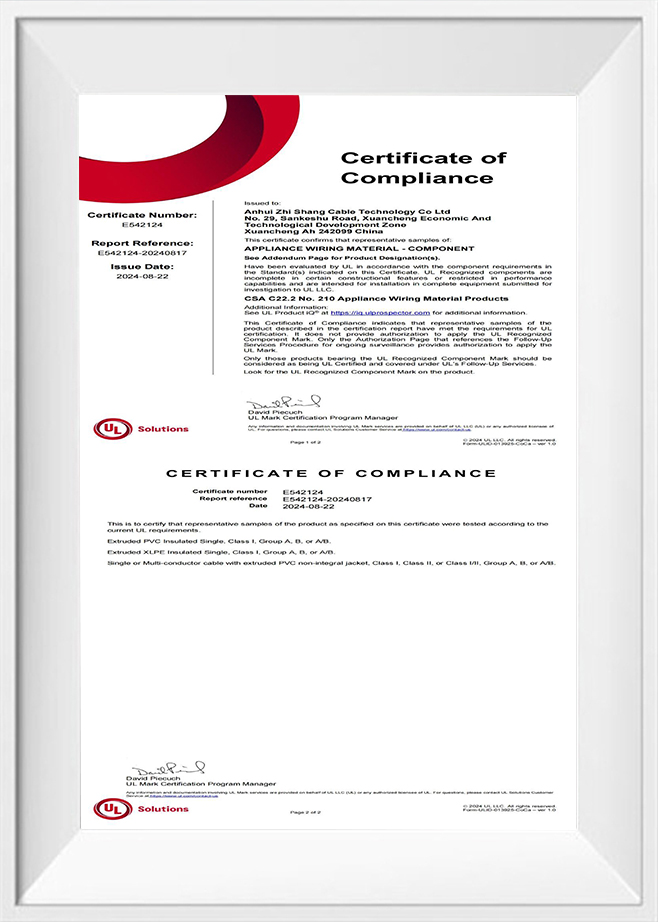
UL-certified cables refer to cable products that have been tested and evaluated by Underwriters Laboratories (UL) in accordance with relevant standards, confirming compliance with specific safety requirements, and are authorized to bear UL Listing, Classification, or Recognition marks. UL certification is a widely accepted safety certification in the United States and North America, indicating that cable samples meet UL safety standards and are subject to UL’s Follow-Up Services to ensure consistency in ongoing production.
Core Features:
Voluntary Market Certification: Not federally mandated but widely adopted or required by state regulations, building codes, purchasers, and insurers across North America, making it a de facto market entry condition.
Safety Standard Certification: Certification is based on specific UL safety standards (e.g., UL 83, UL 44, UL 62), covering electrical, mechanical, fire safety, and other performance aspects.
Ongoing Surveillance Service: After obtaining certification, manufacturers must agree to UL’s Follow-Up Services, allowing UL inspectors to conduct unannounced factory visits and product sampling to ensure continued compliance.
Diverse Certification Marks: Depending on the product type and application, UL Listing, Classification, or Component Recognition marks may be used.
II. Main Types and Application Scenarios
Certification Types and Applications:
UL Listed Cables: Indicate that the cable, as an independent product, complies with specific UL standards and is suitable for use in designated installation environments. The most common type.
Applications: Building internal wiring (e.g., THHN conductors), equipment power cords, communication cables, etc. Building codes (e.g., NEC) often mandate the use of UL-listed products for installations.
UL Classified Cables: Indicate that the cable possesses certain properties under specific conditions (e.g., specific fire hazard environments).
Applications: Primarily used for fire-resistant cables under specific fire conditions, such as cables with specific flame-retardant ratings.
UL Recognized Cables: Serve as components and require further evaluation by the equipment manufacturer for suitability in the final product.
Applications: Used for internal wiring in other UL-listed equipment, such as internal wiring of appliances.
Key Markets and Fields:
North American Market Access: Essential for meeting the requirements of the National Electrical Code (NEC) in the U.S. and the Canadian Electrical Code (CEC), enabling entry into the U.S. and Canadian markets.
Construction and Engineering Projects: Specified by architects, engineers, and contractors to meet local building codes and insurance requirements.
Industrial and Equipment Manufacturing: Used in industrial control systems, machinery (as part of whole-machine UL certification), data centers, etc.
Consumer and Commercial Products: Used as power cords or internal wiring in appliances and electronic products requiring UL certification.
III. Detailed Core Advantages
Market Access and Trust Advantage: The UL mark is a widely recognized safety symbol in the North American market, highly trusted by regulators, retailers, purchasers, and consumers, serving as a "passport" to enter and maintain a presence in the North American market.
Authoritative Verification of Safety Performance: Independent third-party (UL) rigorous testing validates that the cable’s safety performance (e.g., insulation integrity, flame-retardant rating, temperature rating) meets industry-recognized strict standards.
Risk and Liability Reduction: Using UL-certified cables helps construction developers, contractors, and equipment manufacturers fulfill their duty of care, reducing legal liability and insurance claim risks associated with product safety issues.
Ongoing Quality Assurance: UL’s Follow-Up Services provide an external, continuous manufacturing process oversight mechanism, encouraging manufacturers to maintain consistent product quality and enhancing buyer confidence.
Global Brand Extension Value: UL certification enjoys a strong global reputation, and obtaining it helps enhance brand image, serving as proof of high quality even in markets where UL is not mandatory.
In summary, UL-certified cables are a core element in meeting safety expectations in the North American market. Their value lies not only in the initial product testing compliance but also in UL’s ongoing surveillance system, which provides purchasers with long-term confidence in quality and safety, establishing UL certification as a benchmark for safe and reliable choices in the North American supply chain.

 English
 Español
 عربى
عربى
 русский