
Get more content that can help you
Content
A procurement manager recently shared an experience: a 200-meter medium-voltage cable run failed within 18 months of installation, not because the specification was wrong, but because the manufacturer had substituted insulation compound during a production peak. The direct repair cost exceeded $40,000, and the operational downtime was far higher. The failure was entirely avoidable with a more rigorous manufacturer evaluation process.
The decision to select a power cable manufacturer goes well beyond price comparison. Cable quality directly determines electrical safety, system longevity, and long-term maintenance expenditure. A cable that meets its design life under rated conditions protects personnel, prevents unscheduled outages, and preserves connected equipment. A substandard alternative introduces fire risk, voltage drop, and premature replacement costs that erase any initial savings. The core task is to verify that a manufacturer can consistently deliver compliance, not just a certificate.
Certifications are the most objective starting point for shortlisting a power cable manufacturer. For projects in European markets, CE marking against the applicable harmonized standards, such as those covering H07RN-F or H05VV-F constructions, is non-negotiable. For North American installations, UL listing according to standards like UL 1015 confirms that the cable has been tested for specific voltage, temperature, and flame ratings. Manufacturers should be able to supply valid test reports and factory surveillance records for each certified series, not just a general company certificate.
Beyond regional marks, verify whether the manufacturer can produce cable to low-smoke zero-halogen (LSZH) or flame-retardant requirements where the project specification demands it. A manufacturer with a tested, documented portfolio across multiple certification regimes reduces the compliance burden on the buyer. As an example, review our UL-certified cable series for North American projects to understand the level of documentation and test data you should expect.
A narrow product range introduces supply chain fragmentation. Project buyers often need low-voltage power cable, control cable, and building wire from a single source to simplify logistics and ensure consistent quality. A manufacturer that offers a coherent range from low-voltage distribution to medium-voltage transmission, plus specialized industrial cables, signals deeper engineering capability than a supplier limited to a handful of generic constructions.
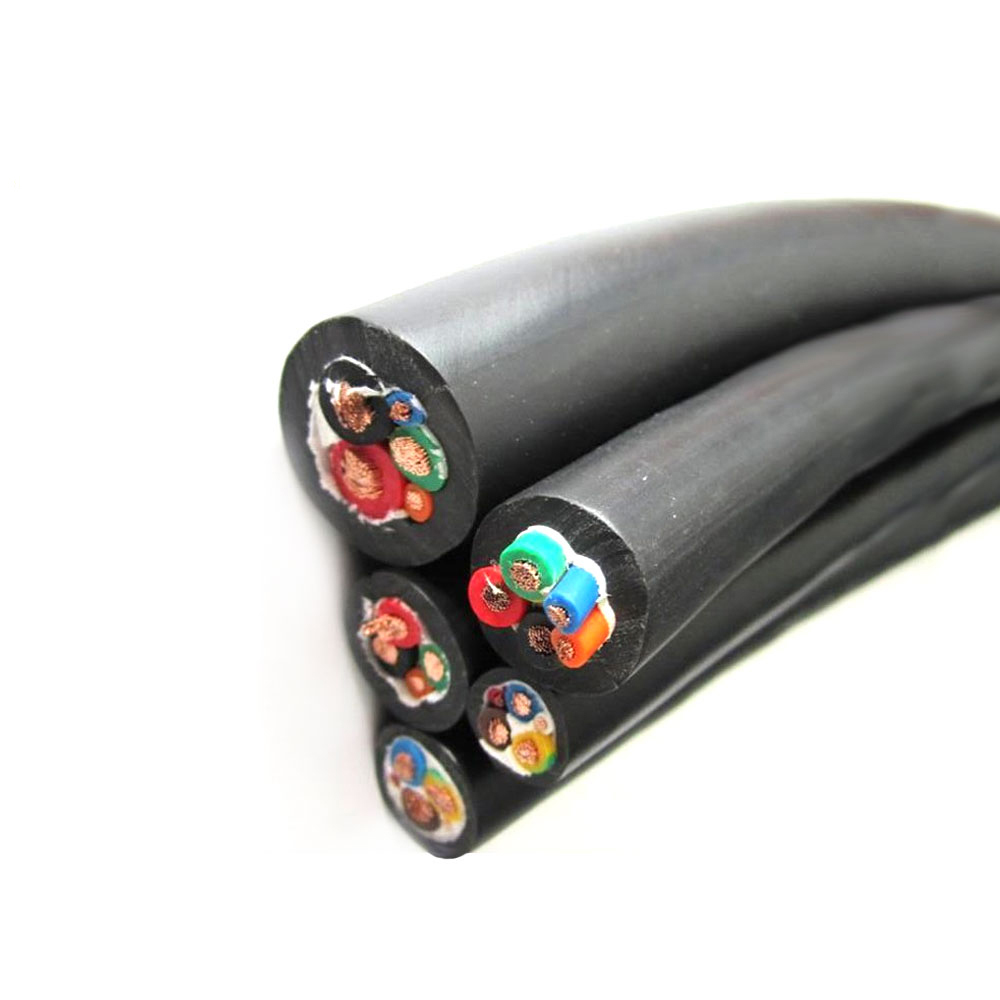
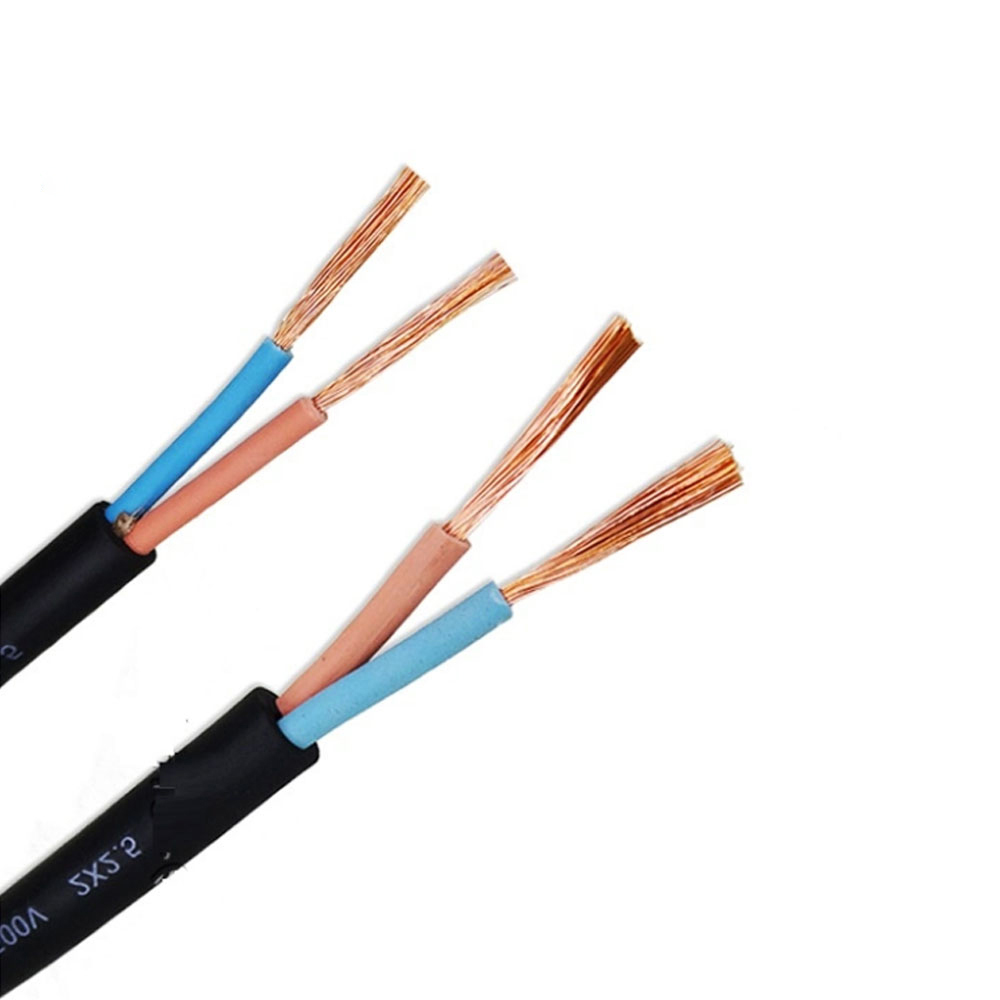
Look for coverage that spans PVC-insulated general-purpose power cable, XLPE-insulated cables for higher thermal and current ratings, control cables for signal and automation circuits, and specialty lines such as mining cable, photovoltaic cable, or flexible rubber-sheathed cable. This breadth matters when you move from tender to variation order. A manufacturer with in-house polymer compounding and conductor stranding capability can adjust designs without relying on third-party sub-suppliers. For heavy-duty circuits, browse our full XLPE power cable selection. For basic wiring needs, our BV building wire with flame-retardant properties demonstrates the type of standard product that should be part of any core portfolio.
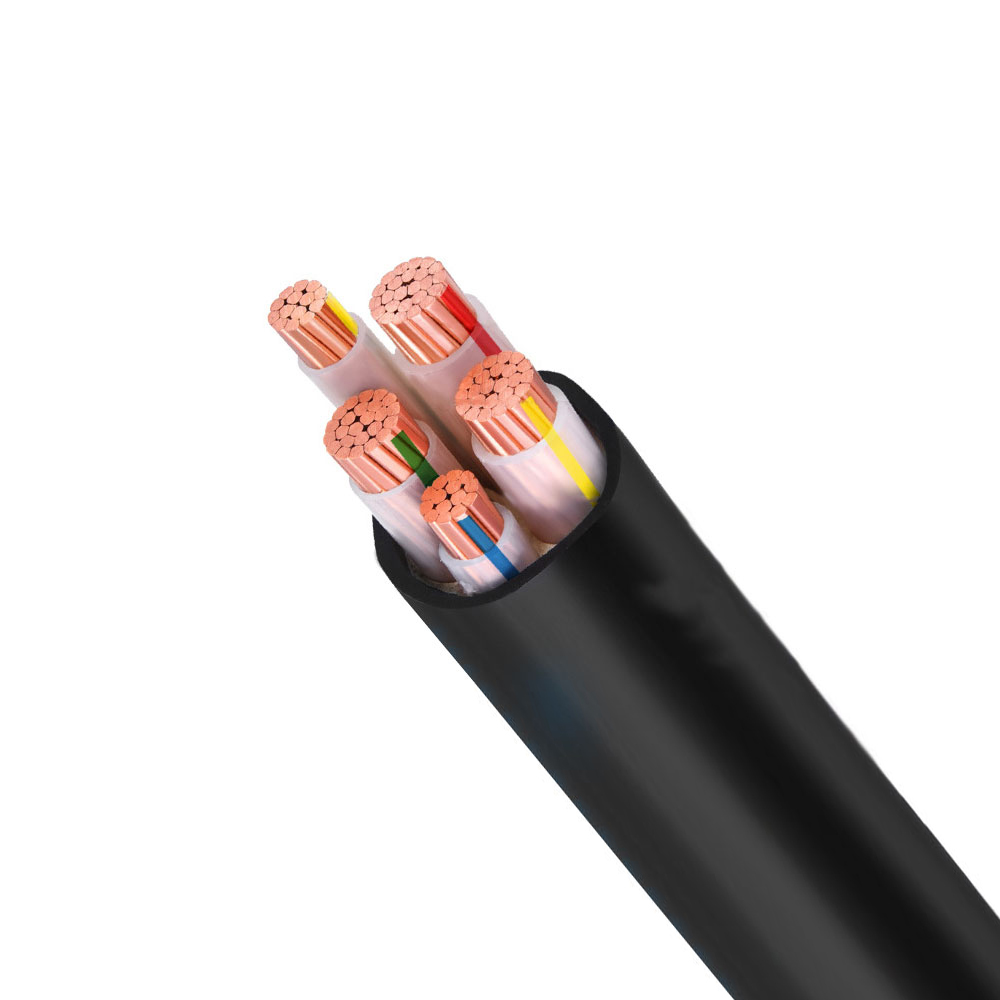 YJV Heat resistance XLPE Insulated and Sheathed Power Cable Suppliers, WholesaleZhishang Cable is Wholesale YJV Heat resistance XLPE Insulated and Sheathed Power Cable Suppliers and Factory in China,Excellent heat res...View Product →
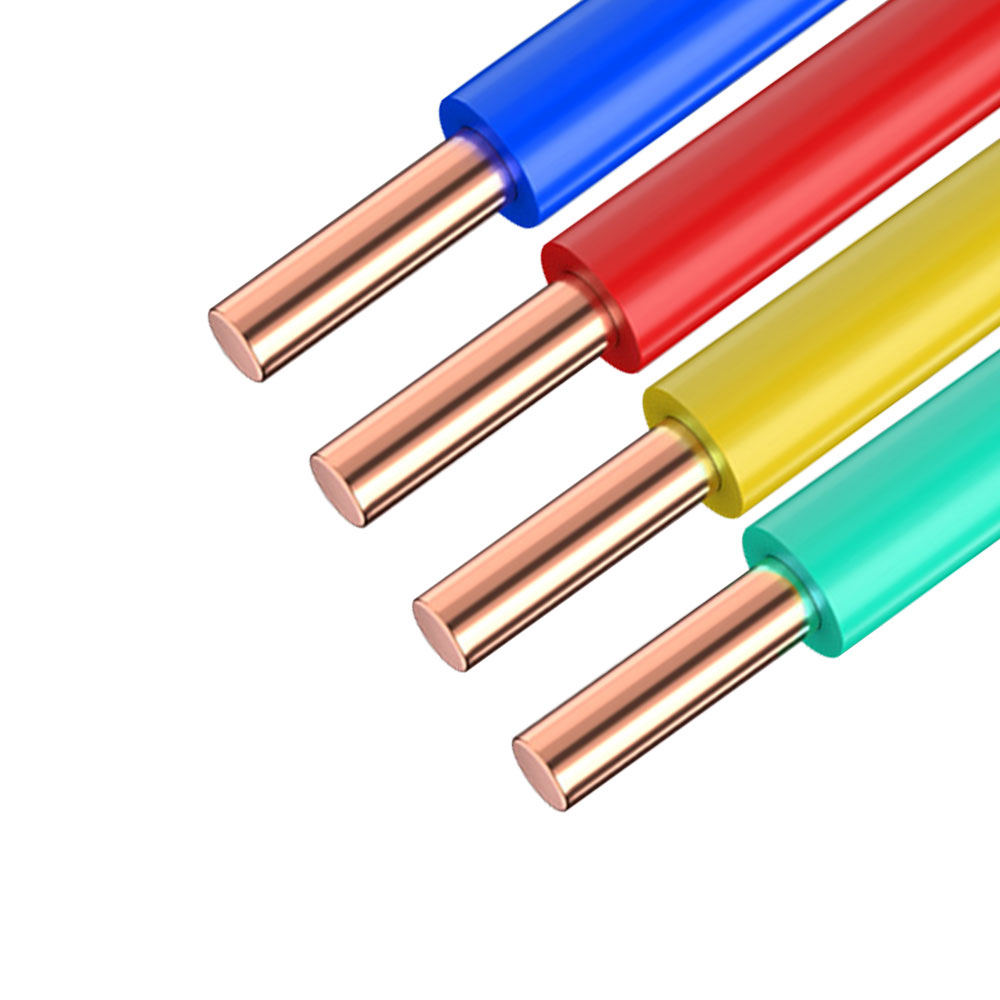 BV/NH-BV Flame retardant properties Building Wire Suppliers, Wholesale Factory -Zhishang Cable is Wholesale BV/NH-BV Flame retardant properties Building Wire Suppliers and Factory in China,BV/NH-BV Wire Characteristic...View Product →
Production capacity is not an abstract number; it is the ability to hit your delivery window without outsourcing or rushing. When assessing a power cable manufacturer, ask for specifics: total production floor area, number of active production lines, in-house testing laboratory equipment, and the ratio of quality engineers to total staff. A facility of approximately 5,000 square meters with a dedicated team of over 50 personnel, including R&D and quality engineers, indicates a scale suitable for consistent project supply without reliance on temporary third-party capacity.
Quality control should be traceable. Ask whether the manufacturer performs routine type tests on finished cable samples—spark testing, conductor resistance measurement, insulation thickness check, and high-voltage withstand testing—and whether they maintain batch records that tie raw material receipts to final cable drums. A manufacturer that cannot produce a batch traceability report on request is one that cannot guarantee repeatability. Learn more about our manufacturing capabilities as a reference baseline for what a structured quality system should include.
Matching the cable design to the actual operating conditions prevents the most common procurement mistakes. The table below summarizes three fundamental categories and where each fits in typical project specifications.
| Cable Type | Insulation Material | Primary Applications |
|---|---|---|
| PVC Power Cable | Polyvinyl Chloride | General low-voltage distribution, indoor wiring, conduit runs |
| XLPE Power Cable | Cross-linked Polyethylene | High-load feeders, high-temperature environments, underground transmission |
| Control Cable | PVC or XLPE | Signal transmission, industrial automation, instrumentation loops |
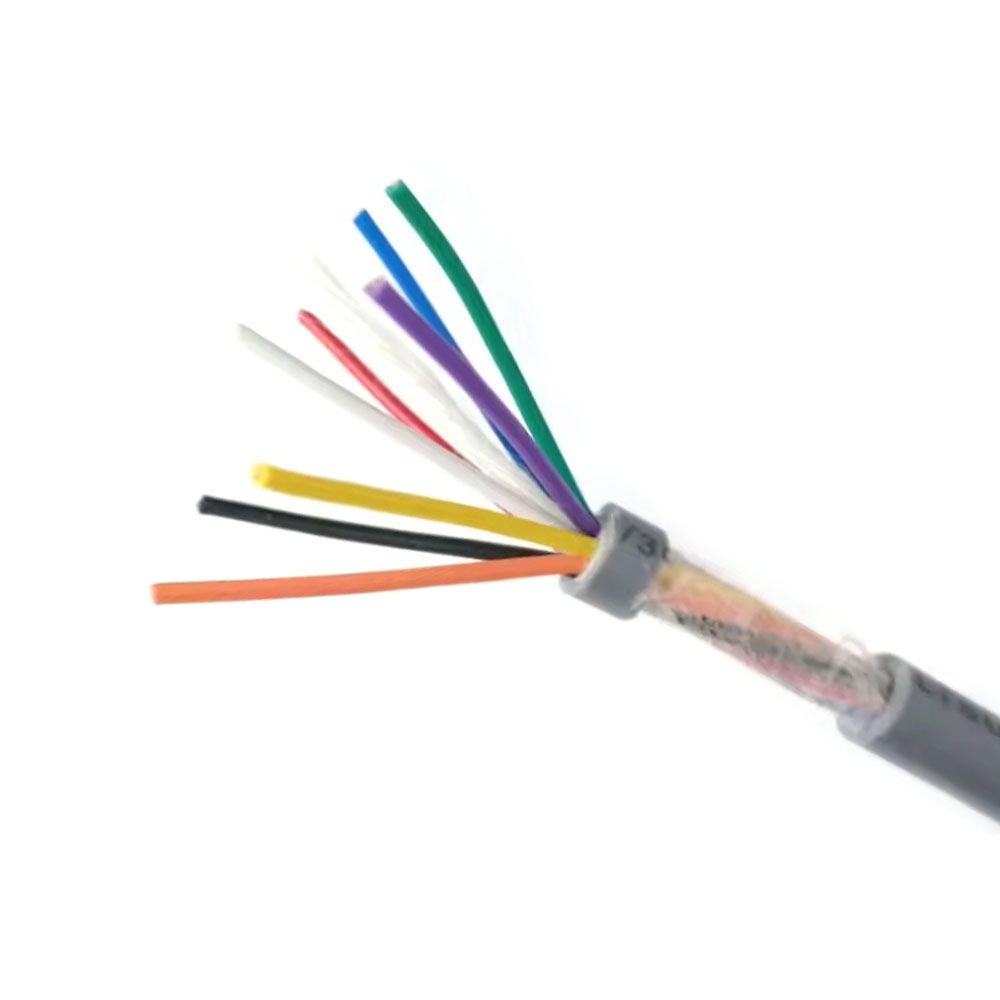
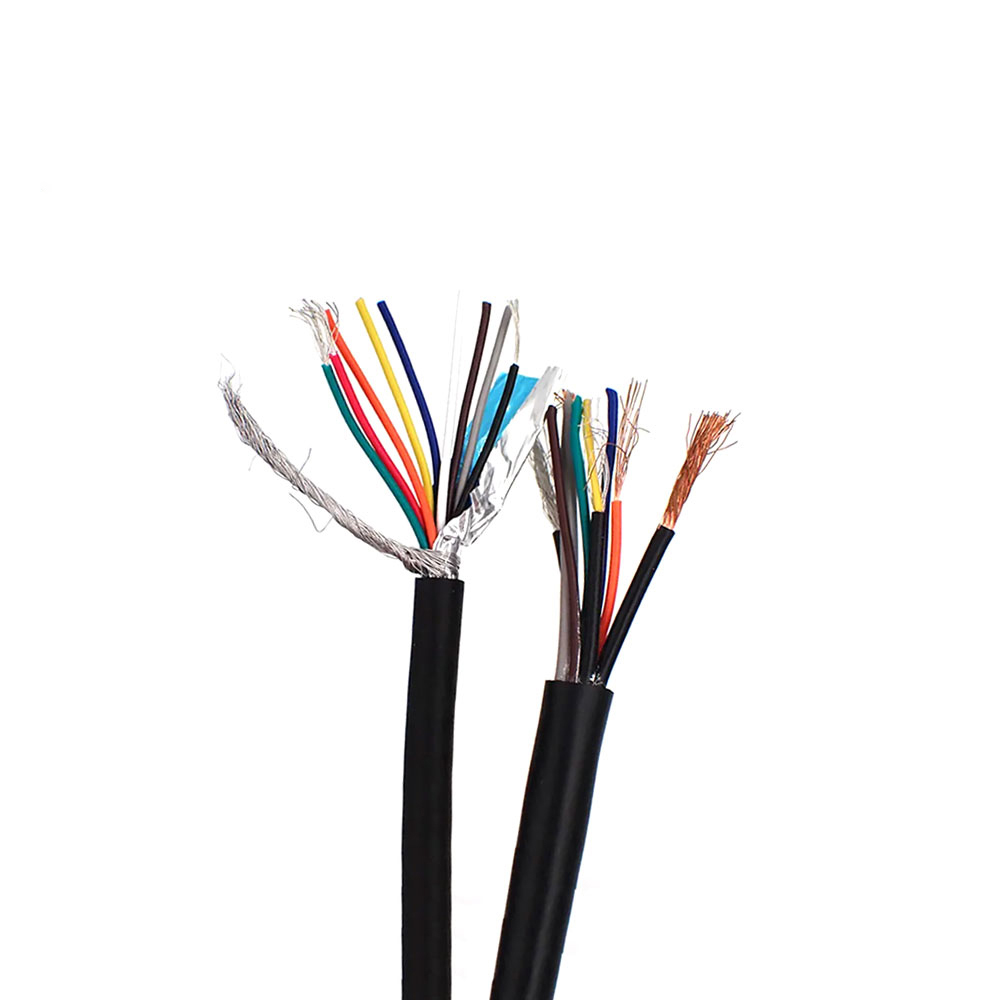
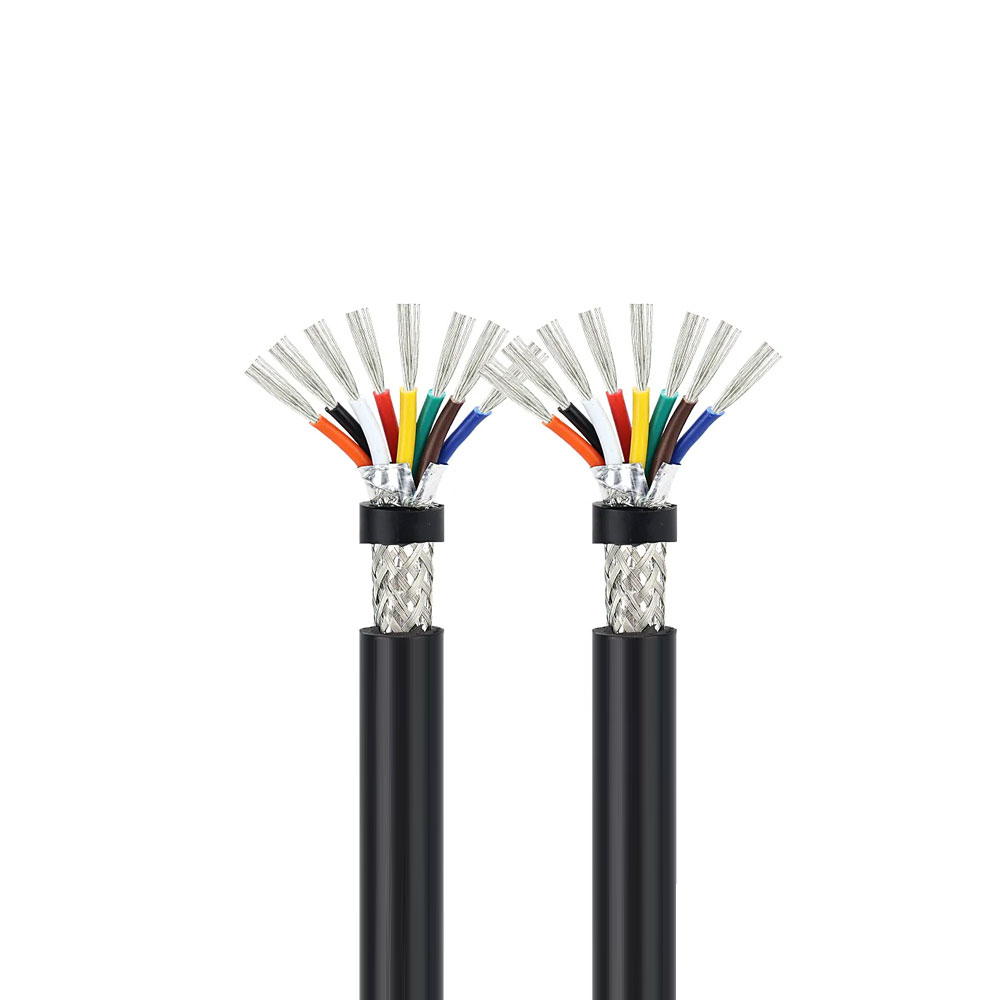
The insulation material determines the cable's thermal ceiling. PVC-insulated power cables are cost-effective for general purpose circuits operating at conductor temperatures up to 70°C. Where the load profile is higher or ambient temperatures are extreme, XLPE insulation is the standard choice, supporting continuous conductor temperatures of 90°C and offering better overload performance. For circuits where both power and signal integrity matter, a separate control cable design with multi-core shielding prevents noise coupling. A specific example is our YJV XLPE power cable for high-temperature applications, designed for feeder circuits that demand thermal headroom. In parallel, our KVVp control cable for stable signal transmission addresses scenarios where interference would compromise system control.
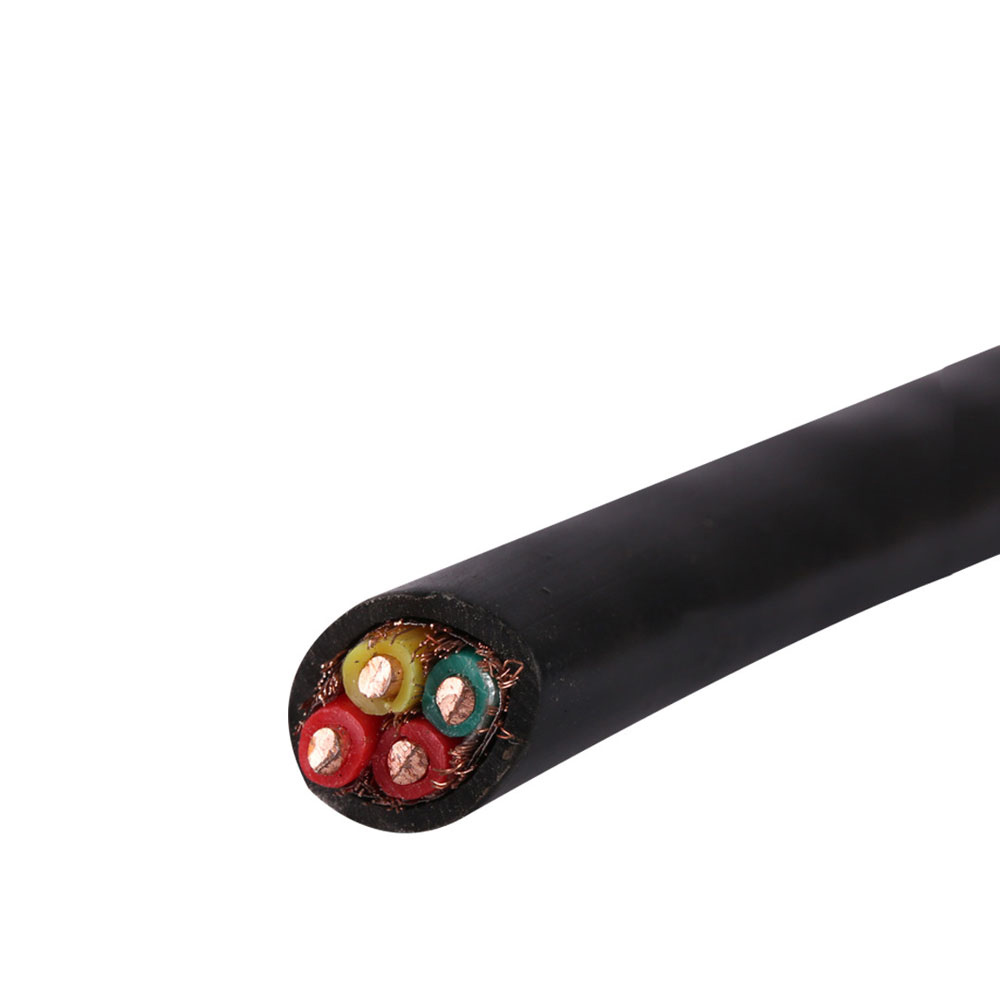 KVVP Stable and reliable structure Control Cable Suppliers, Wholesale Factory - Zhishang Cable is Wholesale KVVP Stable and reliable structure Control Cable Suppliers and Factory in China,Characteristics: KVVP is a sh...View Product →YJV Heat resistance XLPE Insulated and Sheathed Power Cable Suppliers, WholesaleZhishang Cable is Wholesale YJV Heat resistance XLPE Insulated and Sheathed Power Cable Suppliers and Factory in China,Excellent heat res...View Product →
Desktop evaluation alone is never sufficient for a critical power cable supply contract. Three verification steps separate a vetted partner from an unknown supplier.
Factory inspection. A visit to the production site reveals what a brochure cannot: the actual condition of extrusion lines, the calibration status of test equipment, and the organization of raw material storage. A facility located in a recognized industrial concentration like the Yangtze River Delta region, supported by an experienced workforce, reduces the risk of hidden subcontracting.
Sample and third-party testing. Before committing to a production batch, request a pre-production sample and have it tested to the key parameters of the applicable standard—conductor resistance, insulation tensile strength, and flame propagation if required. Compare the results against the manufacturer’s own type-test data for consistency.
Application references. Ask the manufacturer to provide recent solution cases that match your project profile. An automation cable solution deployed in an industrial plant, for instance, demonstrates practical engineering capability beyond a generic catalogue.
The differential between an audited, certified power cable manufacturer and an unverified commodity supplier becomes visible only under load and over time. The procurement decision should rest on a documented evaluation of certifications, product range breadth, in-house quality control capability, and willingness to open the factory for inspection. A manufacturer that combines CE and UL certified series, a diversified portfolio from building wire to medium-voltage XLPE, and a traceable production system gives the project team a foundation of technical assurance that a price-only comparison cannot offer. When your next specification or tender requires a power cable supplier, start the conversation with a technical inquiry, not a price request.

We firmly believe that good cables are not only a competition of materials, but also a reflection of craftsmanship, quality, and responsibility.

Links
Product
Send Inquiry
No. 29 Sankeshu Road, Xuanzhou District, Xuancheng City, Anhui Province, China
+86-18621104555/+86-563-2622999
 Electrical Cable Manufacturer
OEM/ODM Wire and Cable Solutions
Electrical Cable Manufacturer
OEM/ODM Wire and Cable Solutions
 English
 Español
 عربى
عربى
 русский