

Get more content that can help you
Content
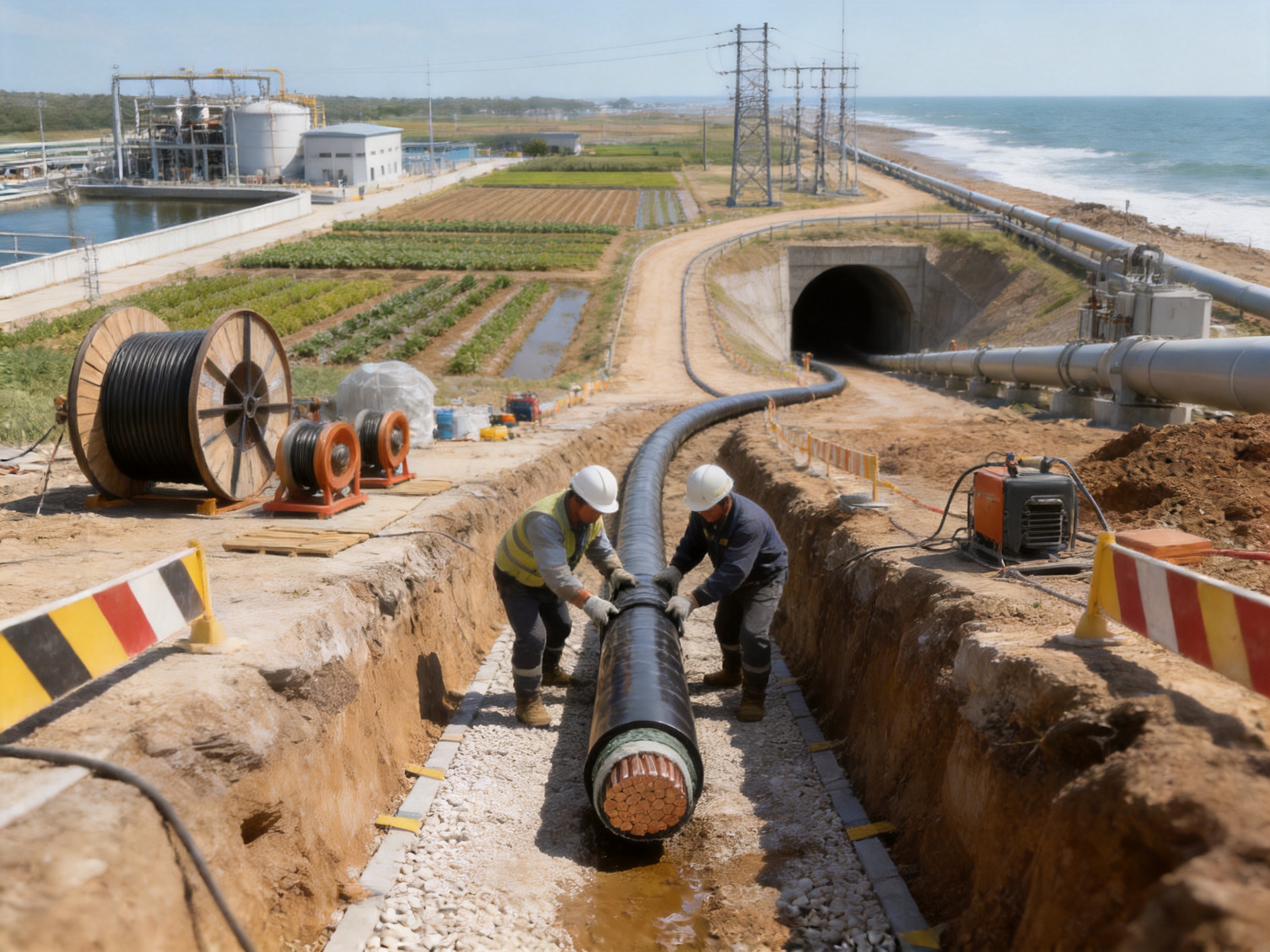
Modern power distribution systems increasingly require cables that can do more than carry electrical current. In many projects, the cable must also withstand moisture, chemical exposure, soil pressure, temperature changes, outdoor weather, and the mechanical stresses associated with direct burial. Wastewater treatment plants, agricultural irrigation systems, coastal facilities, industrial sites, tunnels, riverbanks, and outdoor substations all create installation conditions in which ordinary sheathed cables may not provide the desired level of long-term protection.
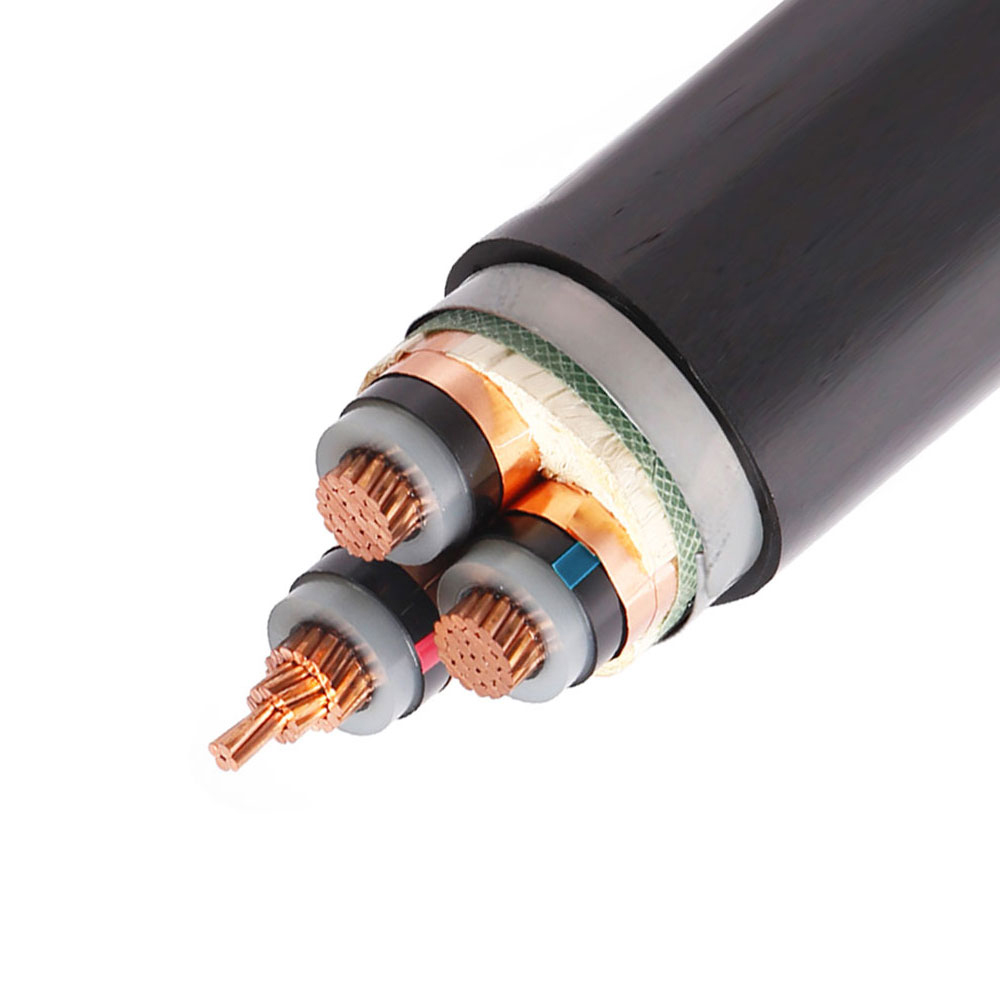
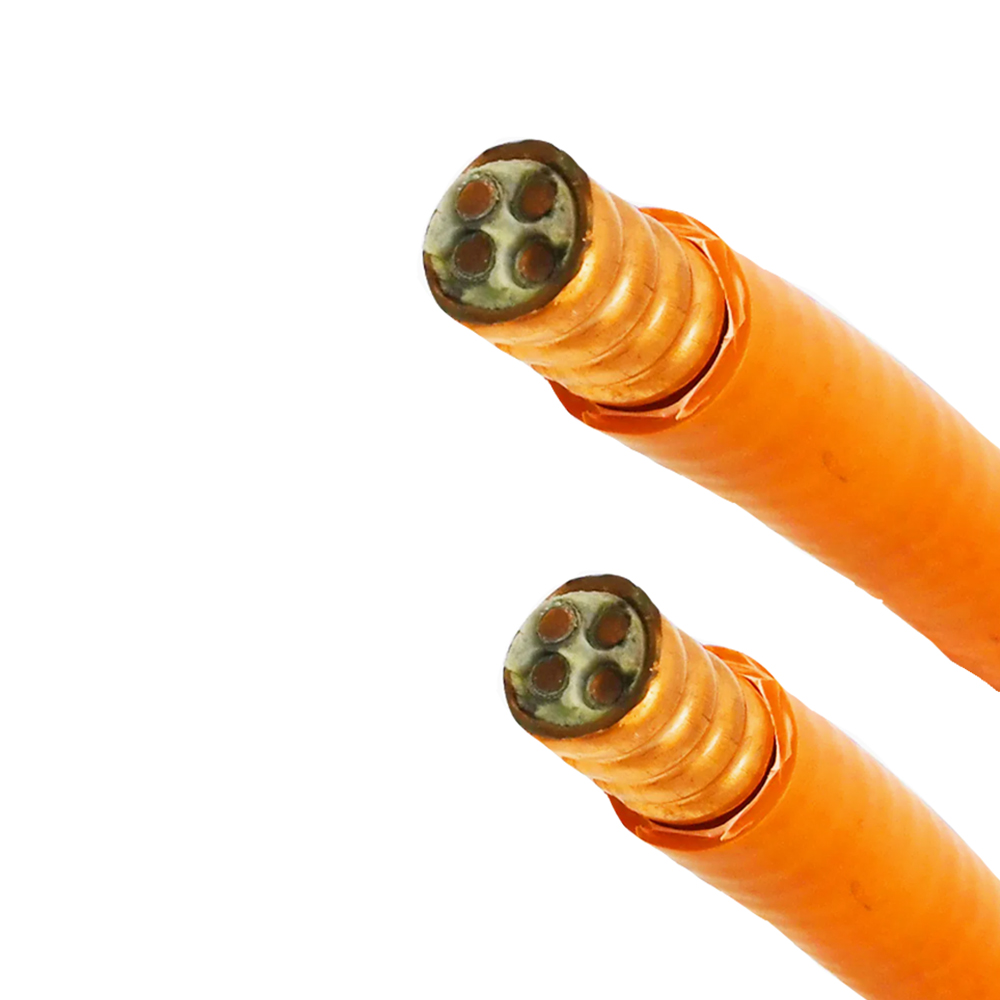
YJV23 is designed for these demanding conditions. It combines a copper conductor, cross-linked polyethylene insulation, copper tape shielding, single-layer galvanized steel tape armor, and a polyethylene outer sheath. This construction gives the cable a practical balance of electrical performance, water resistance, chemical corrosion resistance, mechanical protection, and installation flexibility.
The most important distinction between YJV23 and comparable PVC-sheathed armored cable constructions is the use of polyethylene for the outer sheath. Polyethylene provides strong resistance to moisture, many acids and alkalis, and environmental stress cracking. The result is a cable suitable for fixed power transmission where the installation environment is damp, exposed, buried, or moderately corrosive.
At the same time, YJV23 is not simply a replacement for every other armored power cable. Its single-layer steel tape armor offers lower crush resistance than a double-layer armored design, while the polyethylene sheath may require additional protection in locations where severe abrasion or repeated external impact is expected. Correct application, installation, and project-specific verification are therefore essential.
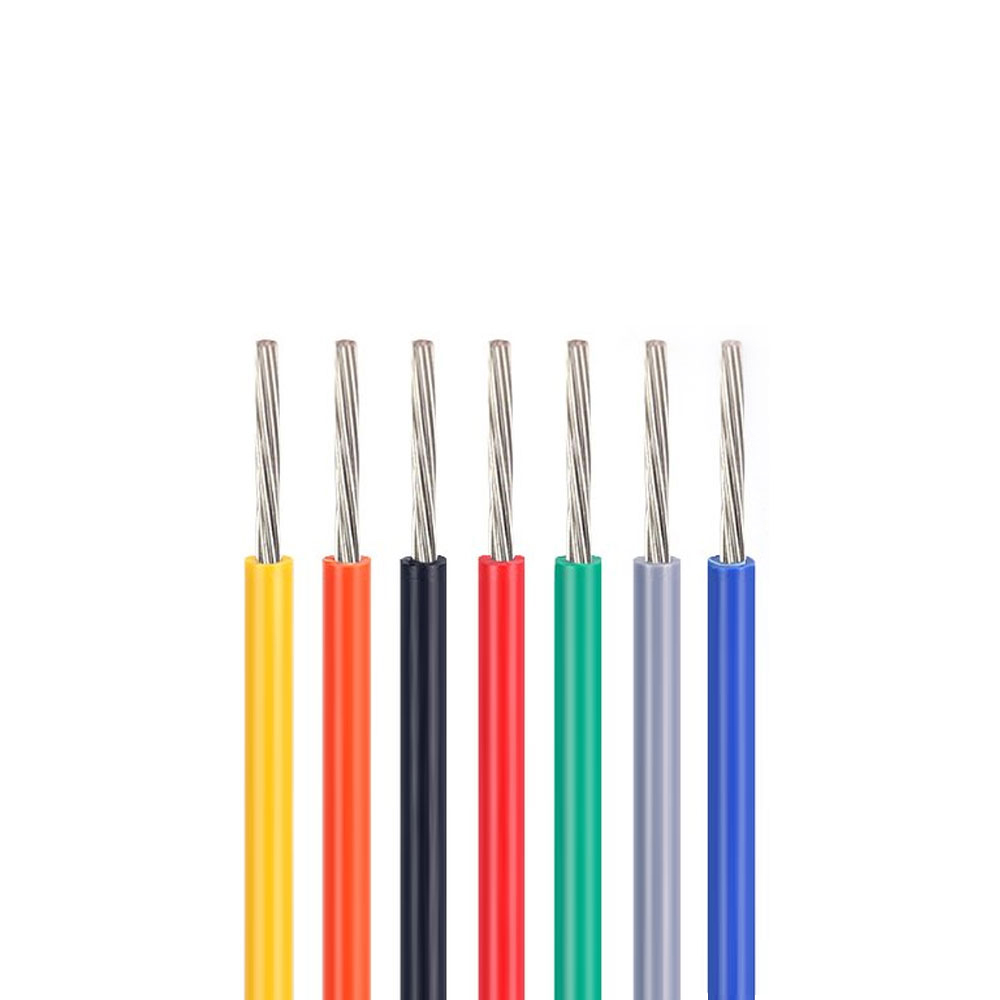
YJV23 is a copper-conductor, XLPE-insulated, steel-tape-armored, polyethylene-sheathed power cable. The cable is typically manufactured with a compacted round or sector-shaped copper conductor, depending on the required cross-sectional area and cable configuration.
The conductor provides the primary current-carrying path. Copper is selected because it combines high electrical conductivity, good connection reliability, mechanical strength, and compatibility with a wide range of terminals and accessories. A compacted conductor reduces the overall cable diameter compared with an uncompacted stranded conductor of similar electrical capacity. It can also help create a more uniform insulation interface.
Cross-linked polyethylene, commonly abbreviated as XLPE, forms the primary insulation system. XLPE has a higher long-term operating temperature than many traditional thermoplastic insulation materials and offers low dielectric loss, good insulation resistance, and stable electrical performance. Under normal conditions, the stated continuous conductor operating temperature is up to 90°C, while the short-circuit temperature can reach up to 250°C for a limited duration of five seconds, subject to applicable design and standard requirements.
A copper tape shield is wrapped around the insulated conductor or insulated core assembly. The shield helps control the electrical field, provides a path for fault current, and supports the safe operation of medium-voltage cable systems when correctly bonded and grounded. Shielding requirements can vary according to the rated voltage, system earthing method, fault level, and installation design.
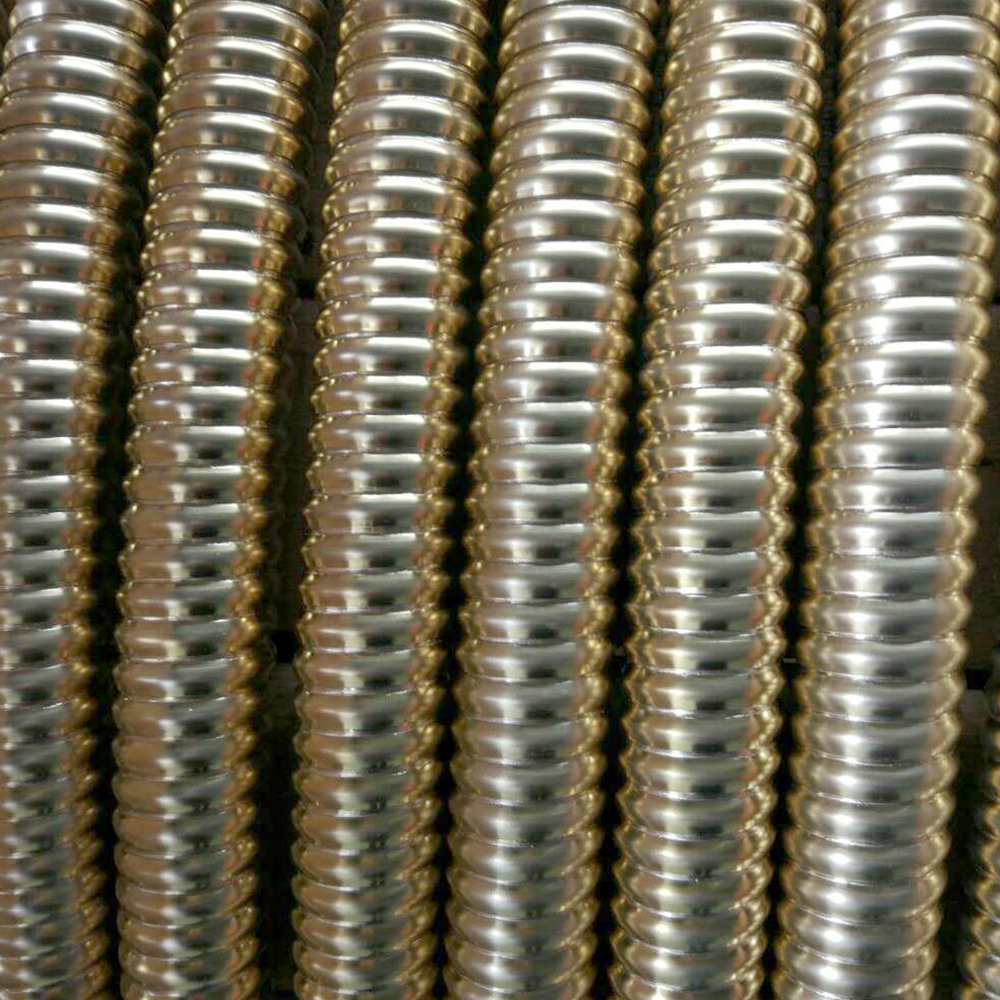
The armor consists of a single layer of galvanized steel tape wrapped around the cable structure. This armor improves resistance to external compression and impact compared with an unarmored cable. It also provides additional protection during direct burial and installation in areas where the cable may be exposed to moderate mechanical stress.
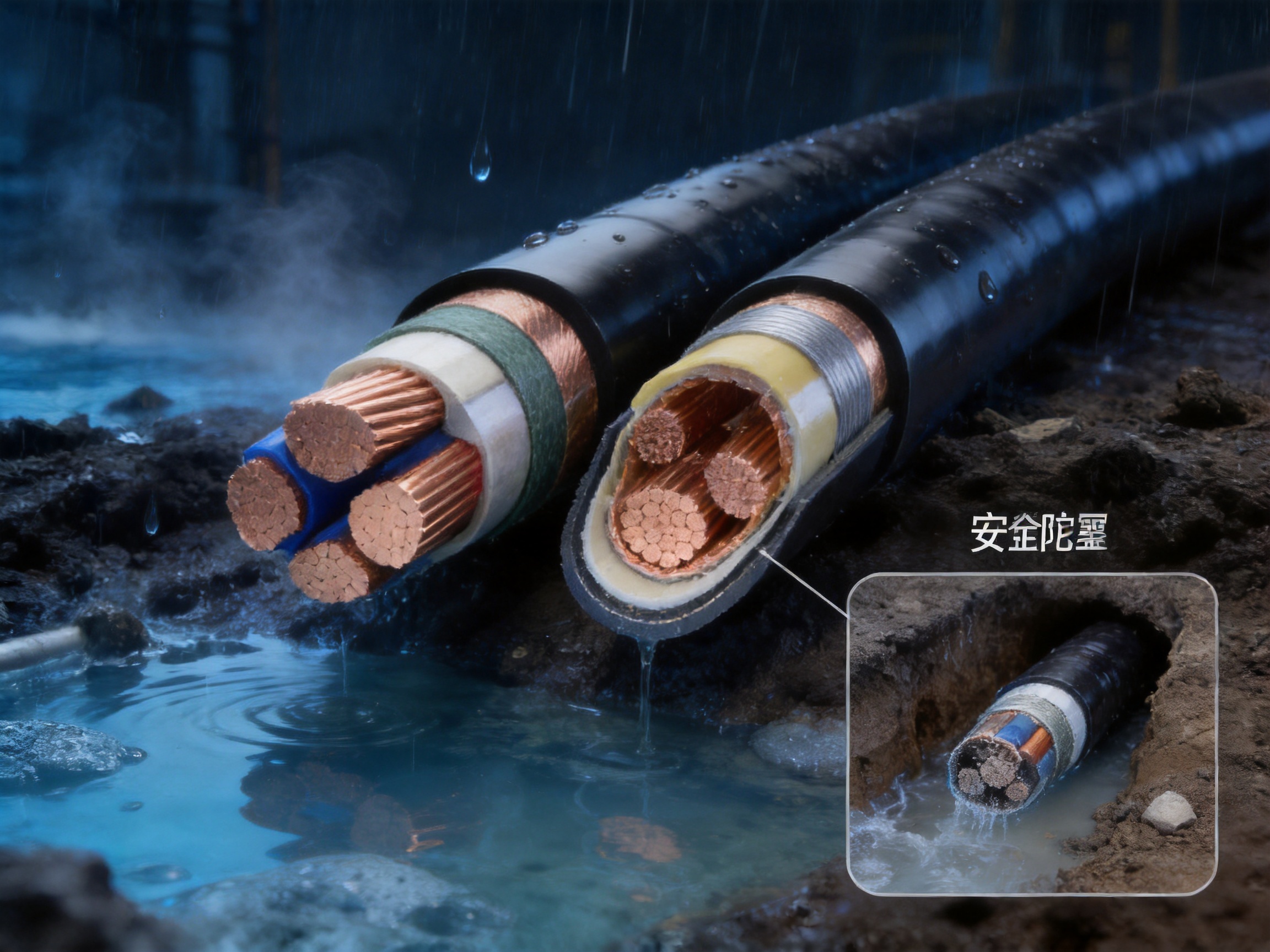
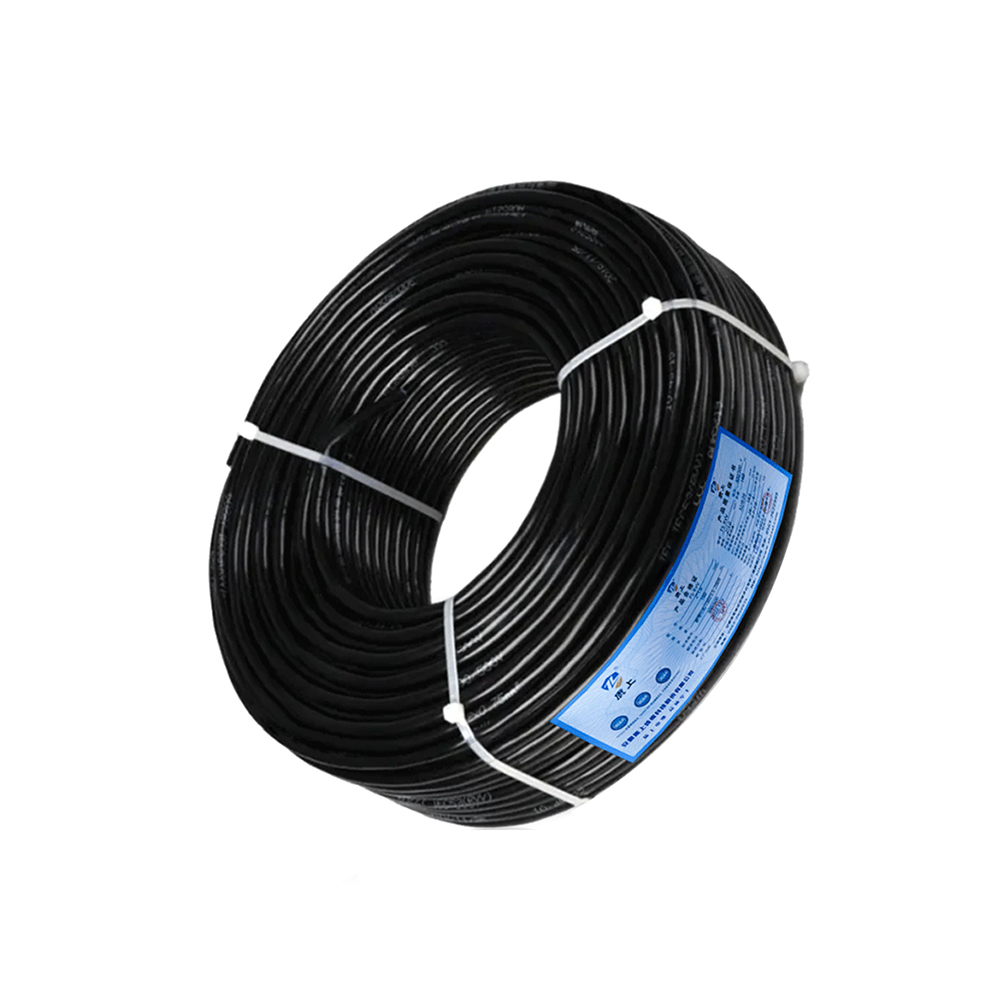
The outer sheath is made from polyethylene or flame-retardant polyethylene. This sheath is the primary environmental barrier. It helps prevent water penetration and protects the inner cable components from contact with soil, humidity, and many chemical substances. The standard sheath color is black, which supports outdoor use by helping the cable withstand normal exposure to sunlight and weather conditions.
The outer sheath is often the first part of a power cable to encounter the surrounding environment. A sheath failure can allow moisture or chemicals to reach the armor, shield, insulation, and conductor system. For direct-buried or outdoor installations, sheath performance can therefore be as important as conductor capacity.
Polyethylene has a naturally low moisture absorption rate. This characteristic makes it appropriate for cable routes where groundwater, rainwater, condensation, irrigation water, or high humidity may be present. Compared with conventional PVC sheaths, a PE sheath can provide stronger resistance to water penetration and environmental stress cracking in many applications.
YJV23 is also suitable for environments where the cable may encounter weakly corrosive or chemically active substances. Examples include certain wastewater facilities, agricultural areas exposed to fertilizer residues, industrial drainage zones, coastal locations, and soil with an elevated risk of chemical interaction. The exact chemical compatibility must always be checked against the concentration, temperature, exposure time, and composition of the substances involved.
The polyethylene sheath also performs well at low temperatures. This can make cable handling and construction more practical in cold regions, although the recommended installation temperature remains at least -10°C unless a project-specific installation procedure provides otherwise. A cable should not be bent or pulled aggressively when it has become excessively cold, because installation forces can damage the sheath or internal structure.
Polyethylene should not be treated as universally superior to PVC in every application. PVC can offer advantages in certain flame-retardant, indoor, or abrasion-related situations. For example, a densely installed indoor cable system may require a specially tested low-smoke, flame-retardant, or halogen-related design. YJV23 should therefore be selected because its environmental advantages match the project conditions, not simply because its sheath material is different.
Electrical efficiency begins with the conductor. The copper conductor in YJV23 has low resistivity, which helps reduce I²R losses during power transmission. Lower conductor resistance can contribute to improved energy efficiency, reduced voltage drop, and more stable performance over long cable routes, provided the conductor size is correctly selected.
The available cross-sectional range is approximately 1.5 mm² to 800 mm². This broad range allows the cable family to address different power requirements, from relatively small fixed circuits to high-capacity distribution feeders. Actual current-carrying capacity depends on conductor size, installation method, ambient temperature, soil thermal resistivity, grouping, number of loaded conductors, permissible voltage drop, and short-circuit conditions.
The listed rated-voltage options include 0.6/1 kV, 1.8/3 kV, 3.6/6 kV, 6/10 kV, 8.7/15 kV, and 12/20 kV. These options support a wide variety of low-voltage and medium-voltage power systems. Because product designations and regional standards can vary, the final voltage class, insulation thickness, shield arrangement, test requirements, and accessory compatibility should be confirmed before ordering.
XLPE insulation supports stable operation because it has good thermal properties and low dielectric loss. The insulation system is manufactured to the required thickness for the selected voltage and conductor cross-section. The stated construction is aligned with the relevant requirements of GB/T 12706.1 for applicable cable categories and voltage levels.
Insulation resistance is specified at not less than 1000 MΩ·km at 20°C. This value indicates a high level of insulation performance under the defined test conditions. Insulation resistance is influenced by temperature, cable length, moisture exposure, cleanliness, and test methodology. Installation teams should perform appropriate acceptance tests before energization and follow the requirements of the applicable electrical code.
The stated AC test voltage is 3.5U₀ for five minutes. Factory testing and site testing should be conducted using approved procedures and suitable equipment. High-voltage testing must be performed only by qualified personnel because incorrect test voltage, duration, or grounding can create safety risks or damage the cable system.
Direct-buried cables need more than electrical insulation. During transportation, trench preparation, backfilling, and later ground movement, the cable may be exposed to crushing forces, localized pressure, and impact. The steel tape armor in YJV23 provides a protective barrier around the internal components.
The galvanized steel tape helps resist external compression and impact. It can also support the cable during installation by reducing the likelihood that moderate mechanical forces will reach the insulation and conductor. The stated crush resistance is at least 3000 N/100 mm, subject to the applicable test method and product configuration.
Compared with a non-armored cable, YJV23 is better suited to direct burial and other fixed routes where mechanical protection is required. Compared with a double-layer armored construction such as YJV22, however, the single-layer armor generally provides lower crush resistance. This difference is important in roads, heavy-traffic areas, industrial yards, rocky ground, and locations where construction equipment may operate close to the cable route.
The single-layer structure also helps maintain a relatively manageable cable diameter and a useful degree of flexibility. A more flexible cable can be easier to route around bends, enter cable pits, and position in equipment rooms or outdoor distribution areas. Flexibility is still limited by the conductor size, armor, sheath, number of cores, and minimum bending radius.
For a typical multi-core configuration, the minimum bending radius is stated as 12 times the overall cable diameter. This value should be treated as a minimum under controlled conditions, not as a target bending radius for routine installation. A larger radius is preferable whenever space allows, especially during cold-weather installation or when the cable contains large conductors and heavy armor.
An unarmored PE-sheathed cable may provide good moisture and chemical resistance, but it does not offer the same level of mechanical protection. YJV23 adds steel tape armor for routes exposed to moderate compression, impact, or installation stress. This makes it more appropriate for direct burial and fixed outdoor systems where the cable cannot be placed inside a continuous protective conduit.
The advantage is particularly relevant during backfilling. Even when a trench is properly prepared, stones, soil movement, or accidental local pressure can affect the cable. The armor creates an additional protective layer between these external forces and the insulation system.
The most notable advantage over a PVC-sheathed armored cable is environmental resistance. The PE sheath offers strong water resistance and improved resistance to many chemical media. In wet or chemically influenced soil, this can support longer-lasting sheath integrity and reduce environmental deterioration.
PE also has strong resistance to environmental stress cracking. This characteristic is valuable when the cable experiences a combination of mechanical stress, temperature changes, and exposure to moisture or chemicals. The actual service life still depends on installation quality and the specific environmental substances present.
PVC may remain preferable where flame retardancy, indoor behavior, or certain mechanical properties are the primary concern. YJV23 can be supplied with flame-retardant polyethylene when specified, but the required flame performance must be confirmed through the relevant product testing and project standards.
A double-layer steel tape armored cable generally offers stronger resistance to crushing and external impact. However, it may also be heavier, less flexible, and more difficult to handle. YJV23 provides a practical alternative where the cable route requires environmental protection and moderate mechanical protection rather than maximum armor strength.
This balance can simplify installation in agricultural fields, riverbank routes, outdoor facilities, and tunnel sections where the cable is buried or supported but is not expected to face severe mechanical abuse. If the route passes under heavy vehicle traffic, through rock-filled ground, or close to excavation machinery, a stronger protection system may be more appropriate.
Copper conductors typically offer higher conductivity and better connection characteristics than aluminum conductors of the same cross-sectional area. Copper may allow a smaller conductor size for a given electrical load, although the final selection must account for installation cost, weight, voltage drop, thermal performance, and project standards.
Copper also provides reliable termination when suitable lugs, glands, and accessories are used. Proper torque, surface preparation, compatibility, and corrosion control remain essential. The conductor advantage is realized only when the entire connection system is correctly designed and installed.
YJV23 is mainly intended for fixed power transmission and distribution systems that require moisture resistance, chemical resistance, or direct-burial capability. It is suitable for installations where the cable will remain in a stable route and will not be repeatedly flexed during service.
Typical application areas include agricultural irrigation systems, wastewater treatment facilities, coastal infrastructure, riverbank installations, outdoor substations, industrial yards, tunnels, pipelines, and selected underground distribution routes.
In agricultural irrigation, cable routes may be exposed to wet soil, fertilizer residues, changing groundwater levels, and seasonal temperature variation. The PE sheath helps reduce moisture-related deterioration, while the steel tape provides protection during burial and routine maintenance activity near the route.
Wastewater treatment plants can contain humid atmospheres and chemical substances that may affect exposed cable sheaths. YJV23 can be considered for fixed feeders and outdoor or underground sections when the exact chemical environment is compatible with polyethylene and when the plant’s fire and safety requirements have been satisfied.
Coastal areas present a combination of humidity, salt exposure, wind, ultraviolet radiation, and potentially corrosive soil. The cable’s black PE sheath and galvanized steel armor can support outdoor and buried use, but cable ends, joints, glands, and exposed armor must receive equal attention. A high-performance sheath cannot compensate for poorly sealed terminations.
In tunnels and pipelines, environmental conditions may include dampness, confined routing, and limited maintenance access. The cable can be installed in cable trays, ducts, or buried sections according to the project design. Where tunnel fire performance is strictly regulated, the selected sheath and flame-retardant classification must be reviewed before approval.
For outdoor power systems, the cable may be placed underground or protected in a suitable route. Direct sunlight, standing water, animals, construction activity, and accidental impact should all be evaluated. If the cable is exposed above ground, mechanical support and protection should be designed rather than relying only on the steel tape armor.
| Item | Typical YJV23 Specification | Application Significance |
|---|---|---|
| Conductor | Copper, compacted round or sector-shaped | Provides high conductivity and reliable current transmission |
| Cross-section range | Approximately 1.5 mm² to 800 mm² | Supports a broad range of fixed power circuits |
| Rated voltage | 0.6/1 kV to 12/20 kV, according to product design | Suitable for selected low-voltage and medium-voltage systems |
| Insulation | Cross-linked polyethylene | Offers high insulation resistance and stable thermal performance |
| Shield | Wrapped copper tape shield | Supports electric-field control and fault-current paths |
| Armor | Single-layer galvanized steel tape, non-gap wrap | Provides resistance to moderate compression and impact |
| Outer sheath | Polyethylene or flame-retardant polyethylene | Improves moisture and chemical resistance |
| Continuous operating temperature | Up to +90°C | Supports higher operating temperature than many conventional materials |
| Short-circuit temperature | Up to 250°C for five seconds | Provides short-duration thermal fault tolerance |
| Insulation resistance | Not less than 1000 MΩ·km at 20°C | Indicates strong insulation performance under defined conditions |
| Minimum installation temperature | Recommended at or above -10°C | Reduces risk during cold-weather handling |
| Minimum bending radius | Typically 12 times the cable outer diameter for multi-core cable | Protects the internal structure during routing |
| Standard sheath color | Black | Suitable for common outdoor and buried applications |
The values in this table are general product characteristics. The approved technical data sheet for the selected conductor size, voltage grade, number of cores, and sheath option should govern procurement and installation.
Product performance depends not only on material selection but also on process control. A cable with high-quality copper, XLPE, shielding tape, armor, and PE compound can still fail if the conductor is contaminated, insulation thickness is uneven, the shield is poorly applied, or the sheath contains defects.
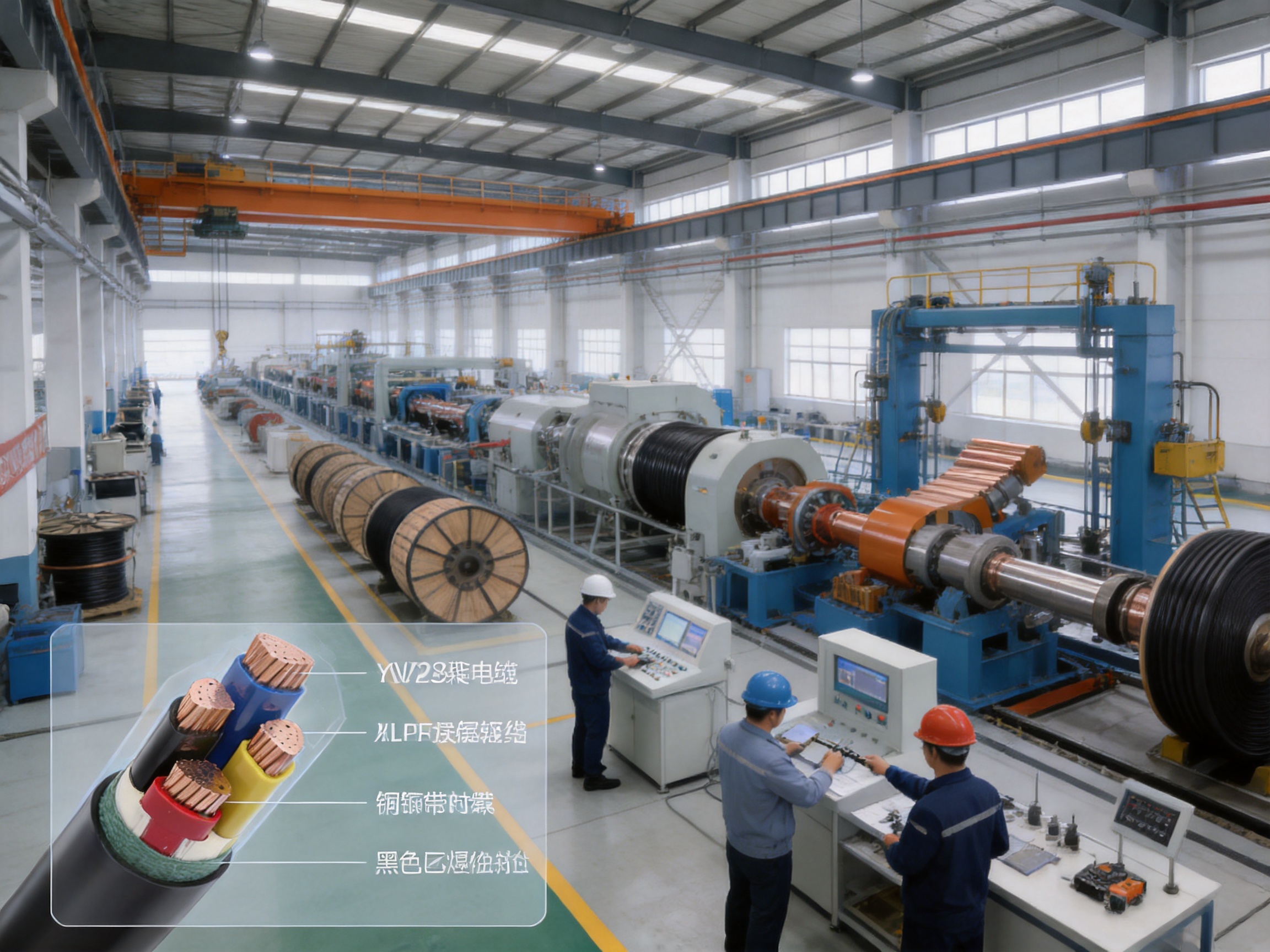
The manufacturer operates a modern production base of approximately 5,000 square meters and has more than 10 automated production lines. Reported monthly output can reach up to 10 million meters, allowing the company to support both standard orders and larger project requirements. Production capacity is important for customers who need consistent delivery across multiple cable sizes or phased construction schedules.
The manufacturing process begins with conductor preparation. Copper rod is drawn to the required diameter, stranded, and compacted where specified. Conductor dimensions, resistance, surface condition, lay length, compactness, and cleanliness must be controlled. For larger conductors, the sector-shaped construction can help optimize the geometry of multi-core cables.
After conductor formation, the XLPE insulation is applied through controlled extrusion. The extrusion process must maintain stable temperature, pressure, line speed, and concentricity. The insulation surface should be smooth and free from visible defects, while the insulation thickness must meet the requirements for the selected voltage grade.
For medium-voltage designs, insulation cleanliness is particularly important. Dust, moisture, foreign particles, and irregular interfaces can affect electrical performance. A controlled manufacturing environment, appropriate material handling, and continuous process monitoring help reduce these risks.
The insulated core is then shielded with copper tape or another specified shielding arrangement. The shield must be applied with consistent overlap and tension. Poor overlap can create discontinuities, while excessive tension may damage the insulation or distort the cable structure. Shield continuity and resistance are important quality-control considerations.
For armored construction, galvanized steel tape is wrapped around the cable using controlled tension and alignment. The non-gap arrangement creates continuous coverage over the underlying cable components. Armor application must be coordinated with cable diameter, bending requirements, and sheath extrusion so that the final product remains dimensionally stable.
The PE outer sheath is applied by extrusion over the armored structure. The sheath compound, extrusion temperature, cooling process, diameter, thickness, and surface finish are controlled during production. A stable extrusion process helps prevent pinholes, weak areas, eccentricity, surface roughness, and dimensional variation.
After the sheath is applied, the finished cable may undergo spark testing, dimensional inspection, conductor resistance testing, insulation resistance testing, voltage testing, and other routine examinations required by the applicable standard and product specification. Length marking, batch identification, packaging, and traceability support later installation and quality management.
Quality assurance is especially important for high-voltage and medium-voltage cable because failures after installation can be expensive and disruptive. Excavation, replacement, outage management, and equipment damage may cost far more than the original cable purchase. A disciplined inspection and testing system can reduce these risks.
The company emphasizes full-core, full-length, pure-copper specifications for standard cable models. Full-length production and inspection help support consistency from one end of the cable to the other. This is important because a localized defect may not be visible during normal handling.
Conductor resistance testing confirms that the copper conductor meets the required electrical characteristics. Dimensional checks evaluate conductor diameter, insulation thickness, shield placement, armor coverage, and outer sheath dimensions. Visual inspection can identify surface damage, extrusion irregularities, marking defects, and packaging problems.
Insulation resistance testing evaluates the condition of the insulation system under specified test conditions. AC voltage testing provides additional verification of dielectric strength. For the relevant cable type and voltage class, routine and type tests should be selected according to the governing standard, customer specification, and project requirements.
Quality engineers and research and development technicians with more than ten years of industry experience contribute to product development and technical support. This experience can be valuable when a customer needs a particular conductor arrangement, sheath material, voltage rating, packaging format, or installation recommendation.
Product test reports and warranty support are available for standard cable models, subject to the applicable commercial and technical conditions. Customers should request the exact test documentation for the ordered product rather than relying only on general catalog values.
Power projects rarely have identical requirements. A customer may need a specific conductor size, number of cores, rated voltage, armor configuration, sheath compound, flame-retardant grade, delivery length, drum size, or marking method. A flexible product development process can help align the cable with the actual project.
The manufacturer supports OEM and ODM development based on customer drawings or samples. Technical engineers can assist with product selection and cable design according to project conditions. This support may be useful when an international customer’s existing specification must be adapted to available standards or when a system requires a customized cable construction.
Customization should begin with a complete application review. Relevant information includes the system voltage, maximum load current, short-circuit current, installation depth, soil conditions, ambient temperature, grouping, route length, bend locations, chemical exposure, fire requirements, and expected maintenance conditions.
For corrosive environments, the customer should identify the chemicals involved rather than using a general term such as “corrosive soil.” Acids, alkalis, solvents, oils, salts, oxidizers, and biological wastewater may affect materials differently. Concentration and temperature are also significant. The supplier can then evaluate whether standard PE is sufficient or whether an enhanced sheath or additional protection is required.
For high-current circuits, the conductor cross-section should be selected through a complete electrical calculation. Ampacity is only one consideration. Voltage drop, short-circuit withstand, installation derating, harmonics, parallel cables, earthing, and termination temperature must also be evaluated.
For medium-voltage systems, the shield, screen bonding method, earthing arrangement, jointing system, and termination accessories must be designed together. A cable cannot be assessed independently from its accessories. Poorly matched terminations can create more risk than the cable construction itself.
Correct installation protects the cable’s electrical and mechanical properties. Before installation, inspect the cable drum, end seals, sheath, markings, and packaging. Confirm the cable type, size, voltage rating, length, and direction of unwinding. Cable ends should remain sealed until they are prepared for termination.
Storage should take place on firm, level ground protected from flooding and excessive mechanical damage. Drums should be positioned according to the manufacturer’s instructions, with the rolling direction clearly observed. Cable drums should not be dropped, dragged, or rolled over unsuitable surfaces.
The trench should be prepared with a stable bottom free of sharp stones and construction debris. Where the soil is rocky or likely to contain damaging objects, a suitable bedding material should be used. After placement, backfill should be introduced carefully so that the cable is not struck or displaced.
Although the steel tape armor provides protection, it should not be used as a reason to ignore route protection. Warning tape, protective tiles, ducts, marker posts, and route records may be required depending on local regulations and project practice. Additional conduits are recommended where the cable may experience severe friction, repeated impact, or interference from future excavation.
During pulling, the installation team should observe the permitted pulling tension and sidewall pressure. The cable should not be pulled around a bend that is tighter than the specified minimum radius. Rollers or other suitable handling equipment can reduce sheath abrasion and prevent excessive bending forces.
The recommended installation temperature is at least -10°C. If the cable has been stored in a colder environment, it should be allowed to reach an appropriate temperature before handling. Sudden bending of a cold cable can create damage even if the sheath appears intact.
At cable ends, the sheath, armor, shield, insulation, and conductor must be prepared with the correct tools and dimensions. The armor should be bonded or grounded according to the system design. Copper tape shields should be connected using the approved termination method. Moisture sealing is essential in damp and buried environments.
After installation, conductors should be tested before connection to energized equipment. Test procedures should be selected by qualified electrical personnel and should consider the cable voltage class, length, accessories, connected equipment, and applicable standards.
Every cable construction has limits. Understanding the limitations of YJV23 helps engineers use it effectively and avoid unsuitable applications.
The PE sheath has good moisture and chemical resistance, but its mechanical abrasion resistance may be lower than required for severe rubbing or repeated movement. In such locations, protective conduits, ducts, cable trays, guard plates, or a different sheath construction should be considered.
YJV23 is intended for fixed installation. It is not a substitute for a continuously flexible cable used in drag chains, robotic equipment, moving machinery, or repeated bending applications. A flexible cable designed for dynamic service should be selected for those conditions.
Single-layer armor offers less crush resistance than double-layer armor. If the cable will pass beneath heavy roads, railway lines, construction yards, or areas subject to high ground pressure, the project designer should evaluate stronger armor or additional mechanical protection.
Polyethylene is not automatically suitable for every indoor installation. Some buildings, tunnels, transit systems, and dense cable areas have strict flame-retardant, smoke, or toxicity requirements. A flame-retardant PE option may be available, but the exact classification and test evidence must match the project specification.
The cable should also not be installed in locations where the chemical environment has not been identified. PE is resistant to many substances, but no polymer is immune to all chemicals at all concentrations and temperatures. Chemical compatibility should be confirmed before final selection.
Energy efficiency and service life are important elements of cable sustainability. A correctly sized copper conductor can reduce transmission losses during operation. Stable XLPE insulation and a durable PE sheath can help extend service life by reducing the likelihood of moisture-related or environmental deterioration.
Longer service life can reduce the need for replacement, excavation, transportation, and disposal. However, sustainability also depends on responsible material use, accurate conductor sizing, efficient production, proper installation, and end-of-life recycling.
The manufacturer emphasizes green manufacturing and responsible production practices. Continuous improvement in automated production, process control, material utilization, and quality management can help reduce waste and improve consistency. Customers may request relevant environmental information when it is required for a construction or infrastructure project.
At the end of its service life, the copper conductor and steel armor have recycling value. Recycling should be performed through approved channels, with attention to sheath materials and local waste-management requirements. Cable selection should consider the complete life cycle rather than only the initial purchase price.
Availability and delivery reliability can influence project completion as much as technical performance. The manufacturer maintains standard cable inventory for fast shipment where applicable, while customized products generally require approximately 7 to 20 days of lead time, depending on construction, quantity, material availability, testing, and packaging requirements.
More than 50 employees, including production, quality, technical, and research personnel, support the company’s operations. The combination of production capacity and technical support allows the supplier to serve both standard replacement orders and customized project requirements.
For large projects, customers should provide a forecast covering cable sizes, lengths, delivery sequence, drum requirements, destination, and inspection documentation. Early technical confirmation can prevent delays caused by changes to conductor size, sheath type, voltage grade, or accessory compatibility.
International customers may also need commercial documents, packing lists, certificates, test reports, marking information, and shipping-related packaging. These requirements should be agreed before production begins, especially when the cable will be used in a regulated infrastructure project.
The first selection factor is system voltage. The cable’s rated voltage must be equal to or greater than the system requirement, and the insulation and shielding construction must be appropriate for that voltage class.
The second factor is load current. Engineers should calculate the required conductor cross-section according to the installation method and derating conditions. A larger conductor may be necessary where the route is long, the soil has poor thermal conductivity, or several circuits are installed together.
The third factor is the mechanical environment. Direct burial in normal soil may be suitable for the standard armored construction. Rocky soil, heavy traffic, construction zones, and high-risk excavation areas may require additional protection or a heavier armor design.
The fourth factor is environmental exposure. Moisture, groundwater, agricultural chemicals, industrial liquids, salt, ultraviolet radiation, and temperature variation should all be considered. PE is a strong choice for many wet and moderately corrosive locations, but the actual chemicals must be reviewed.
The fifth factor is fire performance. Indoor installations, tunnels, public infrastructure, and densely populated buildings may require a specified flame-retardant classification. The project’s fire code and cable schedule should determine whether a standard PE sheath or flame-retardant PE sheath is appropriate.
The sixth factor is accessory compatibility. Terminations, joints, glands, lugs, bonding kits, and grounding systems should be selected for the exact conductor size, insulation diameter, shield design, armor structure, and voltage rating.
YJV23 is a practical choice when a power cable must combine copper conductivity, XLPE insulation, moderate mechanical protection, and a water-resistant, chemically resistant outer sheath. Its construction addresses several common failure risks at the same time: conductor losses, insulation degradation, water ingress, chemical attack, and moderate external pressure.
Its main competitive advantage is the balance between environmental durability and manageable installation. A double-layer armored cable may offer greater crushing strength, but it can be heavier and less flexible. An unarmored cable may be easier to handle, but it may not provide adequate burial protection. A conventional PVC-sheathed cable may meet many general applications, but PE offers important benefits in wet, outdoor, and chemically influenced environments.
The product is supported by a manufacturer with automated production lines, a modern production base, engineering personnel, OEM/ODM capabilities, quality-control procedures, and international supply experience. These strengths are particularly relevant to customers who need more than a catalog product and require technical coordination, customized construction, documentation, and dependable delivery.
At the same time, responsible selection remains essential. YJV23 should be used within its mechanical, thermal, chemical, and fire-performance limits. When these conditions are properly evaluated, the cable can provide a durable and efficient solution for demanding fixed power transmission systems.

YJV23 Chemical corrosion resistance High-Voltage Cable
YJV23 generally refers to a copper-conductor, XLPE-insulated, steel-tape-armored, polyethylene-sheathed power cable. The exact construction and designation should be confirmed against the supplier’s technical data sheet and the standard used for the project.
The main difference is the outer sheath material. YJV23 typically uses polyethylene, while YJV22 commonly uses PVC. PE provides strong water resistance, chemical corrosion resistance, and environmental stress-cracking resistance. YJV22 may be preferred where different flame-retardant, indoor, or mechanical characteristics are required.
Yes. Its PE sheath and steel tape armor make it suitable for many direct-burial applications. The trench must be properly prepared, sharp objects should be removed, the cable should be installed within its bending and pulling limits, and additional protection should be provided where severe impact or crushing is possible.
It can be suitable for fixed power circuits in wastewater treatment facilities, especially where moisture and moderate chemical exposure are present. The exact wastewater chemistry, fire requirements, installation route, and accessory selection should be reviewed before approval.
YJV23 can be considered for coastal and outdoor applications because the PE sheath resists moisture and many environmental influences. However, salt exposure, exposed armor, cable joints, terminations, support hardware, and grounding connections must all be addressed in the project design.
The stated long-term operating temperature is up to +90°C for the conductor under the defined product conditions. Actual ampacity must be calculated according to the installation environment and applicable standard.
The stated short-circuit temperature is up to 250°C for five seconds. The actual short-circuit withstand must be checked against the conductor size, fault current, clearing time, installation configuration, and applicable calculation method.
The typical minimum bending radius for a multi-core configuration is 12 times the cable outer diameter. A larger radius is recommended whenever possible, especially during cold-weather installation or when routing large, heavily armored cables.
It can be used indoors when its construction meets the project’s electrical, mechanical, and fire requirements. It may not be the preferred choice for dense indoor installations with strict flame-retardant, low-smoke, or other special requirements. The applicable fire classification must be confirmed.
YJV23 has useful installation flexibility for an armored power cable, but it is designed for fixed installation rather than continuous movement. It should not be used in drag chains, robotic equipment, or applications involving repeated bending unless a specifically approved flexible design is provided.
The stated cross-section range is approximately 1.5 mm² to 800 mm². Availability depends on the voltage rating, number of cores, construction, production schedule, and customer requirements.
Yes. Customization may include conductor size, number of cores, voltage grade, sheath material, flame-retardant option, armor arrangement, cable length, marking, packing, and other technical details. Customer drawings or samples can be reviewed for OEM or ODM development.
Customers should request the applicable routine test reports and technical documentation for the exact product. Typical evaluations may include conductor resistance, dimensional inspection, insulation resistance, voltage testing, sheath inspection, and other tests required by the relevant standard or project specification.
Customized products typically require approximately 7 to 20 days of lead time, depending on the cable construction, quantity, materials, testing, and packaging. The final delivery schedule should be confirmed before purchase.
Protective conduits, ducts, cable trays, guard plates, warning systems, improved bedding, or heavier armor may be required where the cable faces severe abrasion, repeated impact, heavy traffic, rock-filled soil, or future excavation activity.
The project should identify the chemical type, concentration, temperature, exposure time, and contact conditions. The supplier can then evaluate the PE sheath and any additional materials. General statements about “corrosive conditions” are not sufficient for final material approval.
YJV23 is engineered for fixed power transmission systems where environmental protection is a central design requirement. Its copper conductor supports efficient current transmission, XLPE insulation provides stable electrical and thermal performance, copper tape shielding supports medium-voltage system integrity, and single-layer galvanized steel tape armor provides practical mechanical protection.
The polyethylene outer sheath is the product’s defining advantage. It offers strong resistance to water, humidity, chemical exposure, and environmental stress cracking, making the cable suitable for many direct-buried, outdoor, agricultural, coastal, tunnel, pipeline, and wastewater applications.
Its competitive value comes from a balanced construction rather than from one isolated feature. Compared with unarmored cable, it provides more mechanical protection. Compared with conventional PVC-sheathed cable, it offers stronger environmental resistance in many wet and corrosive conditions. Compared with heavier double-layer armored cable, it can provide easier handling and greater flexibility where extreme crush resistance is not required.
Supported by automated production, experienced technical personnel, quality-control procedures, customization capability, and international supply experience, the product can serve both standard distribution requirements and specialized project applications. Proper engineering review remains essential, particularly for fire performance, chemical compatibility, short-circuit withstand, mechanical loading, and cable accessory selection.
When correctly specified, manufactured, installed, and maintained, YJV23 can provide a reliable and durable cable solution for power networks operating in challenging environmental conditions.
GB/T 12706.1, Power Cables with Extruded Insulation and Their Accessories for Rated Voltages from 1 kV to 35 kV.
GB/T 19666, General Rules for Flame-Retardant and Fire-Resistant Electric Wires and Cables.
IEC 60502-1, Power Cables with Extruded Insulation and Their Accessories for Rated Voltages from 1 kV up to 3 kV.
IEC 60502-2, Power Cables with Extruded Insulation and Their Accessories for Rated Voltages from 6 kV up to 30 kV.
IEC 60228, Conductors of Insulated Cables.
IEC 60840, Power Cables with Extruded Insulation and Their Accessories for Rated Voltages Above 30 kV and up to 150 kV.
Manufacturer technical information for YJV23 copper-conductor XLPE-insulated, steel-tape-armored, polyethylene-sheathed power cable.
Standard engineering practices for cable selection, direct burial, cable pulling, grounding, shielding, termination, and acceptance testing.

We firmly believe that good cables are not only a competition of materials, but also a reflection of craftsmanship, quality, and responsibility.

Links
Product
Send Inquiry
No. 29 Sankeshu Road, Xuanzhou District, Xuancheng City, Anhui Province, China
+86-18621104555/+86-563-2622999
 Electrical Cable Manufacturer
OEM/ODM Wire and Cable Solutions
 English
 Español
 عربى
 русский