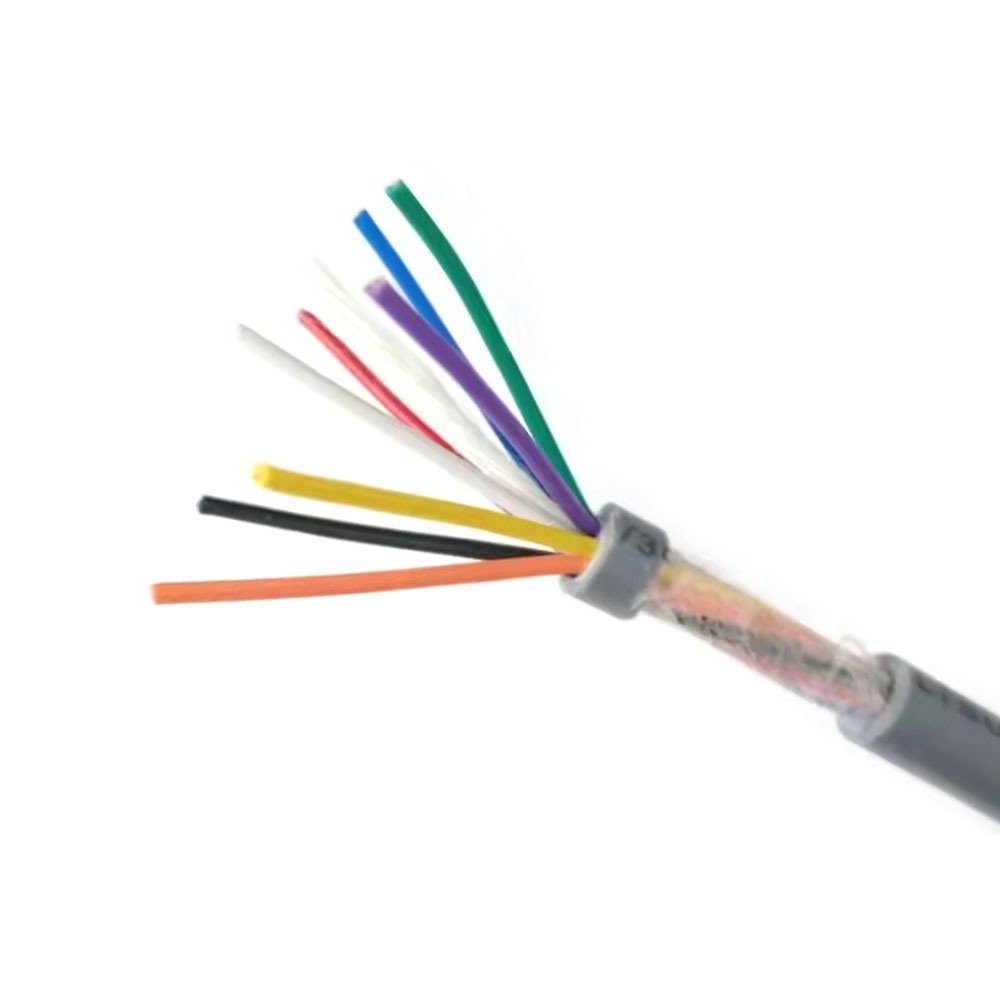
Get more content that can help you
Content
Modern industrial automation depends on control cables that can transmit signals reliably while enduring continuous movement, vibration, torsion, abrasion, oil exposure, and temperature changes. In applications such as robotics, CNC machinery, automated conveying systems, cable carriers, and mobile production equipment, a cable is not simply a passive connection between components. It is a working part of the machine. Every bend, twist, acceleration, and contact with industrial fluids can influence its service life and the stability of the control system.
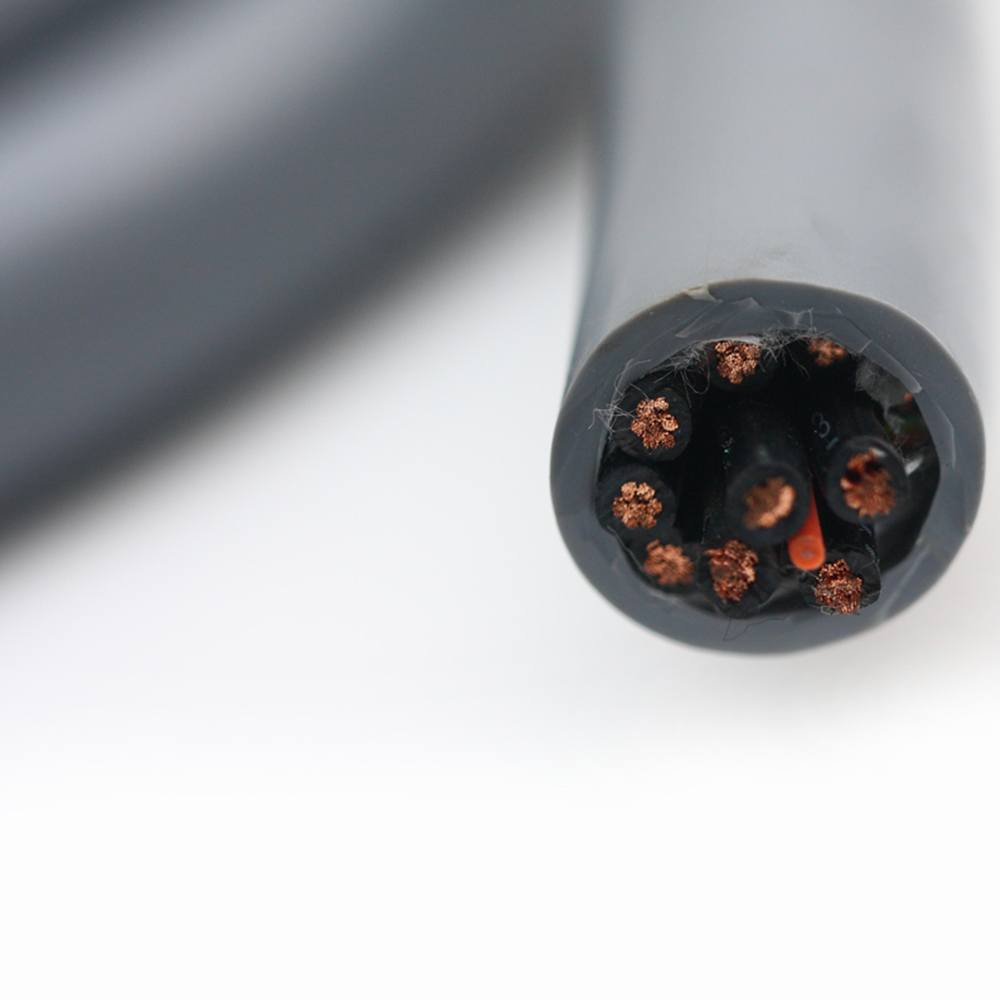
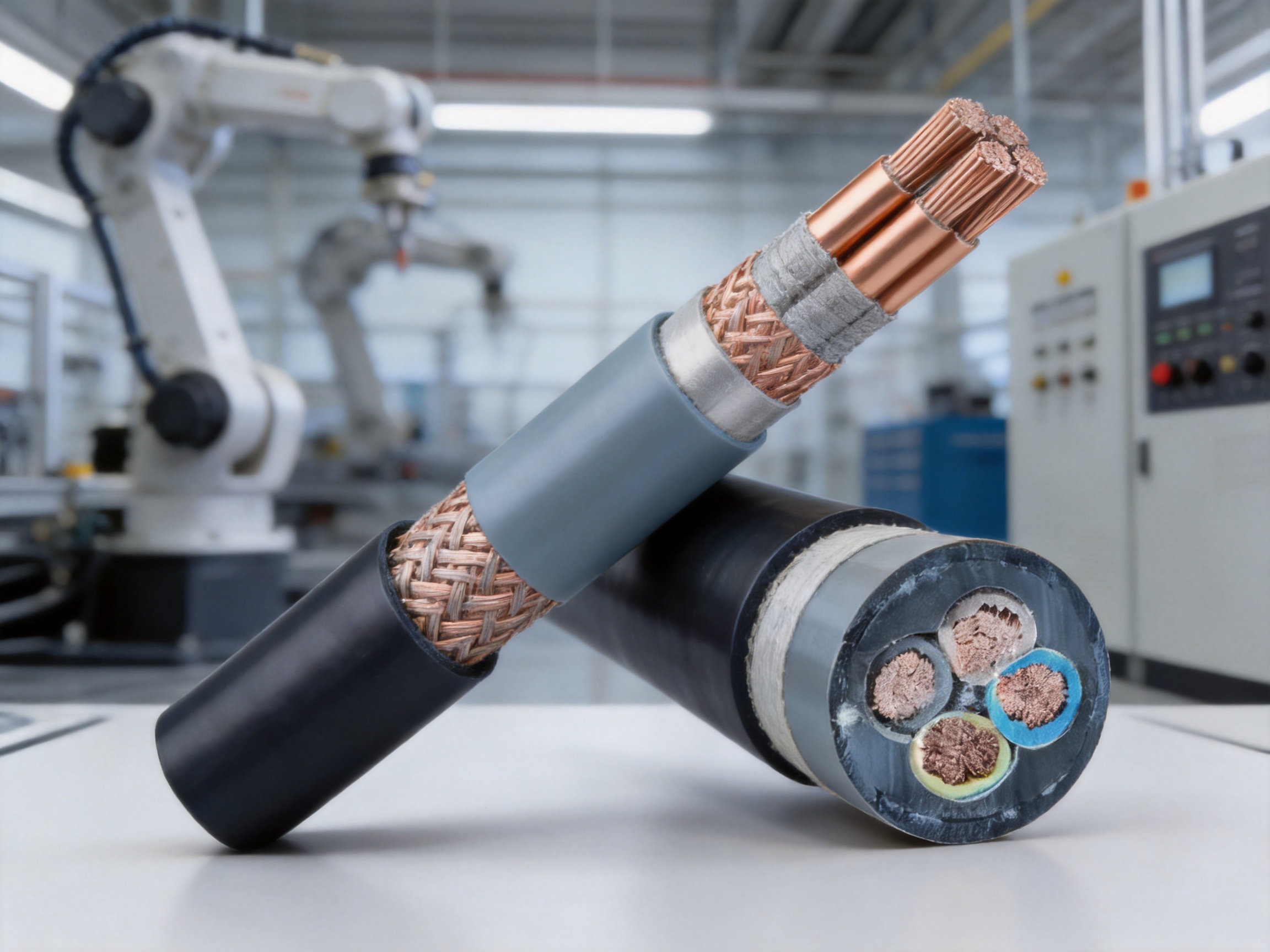
The KC 500 P PUR Control Cable is designed for these demanding conditions. It is a 300/500 V flexible control cable using special polyurethane insulation and a special polyurethane outer sheath. Its fine-stranded tinned copper conductors, braided tinned copper shield, flexible construction, and durable PUR jacket provide a combination of electrical performance and mechanical resistance for applications involving frequent movement.
Unlike general-purpose fixed-installation cables, this cable is developed for industrial environments in which flexibility, abrasion resistance, oil resistance, chemical resistance, and electromagnetic compatibility are essential. It is suitable for control connections in machinery and equipment that may move continuously or repeatedly throughout a production cycle.
The cable is manufactured by Anhui Zhishang Cable Technology Co., Ltd., a Chinese cable manufacturer integrating product development, production, testing, and sales. The company supplies standard cable products and supports customized OEM and ODM cable development based on technical drawings, samples, or defined project requirements. Its production capabilities include multiple automated production lines, quality engineering support, and experience in supplying cable solutions for industrial automation, intelligent manufacturing, power engineering, appliance equipment, and weak-current applications.
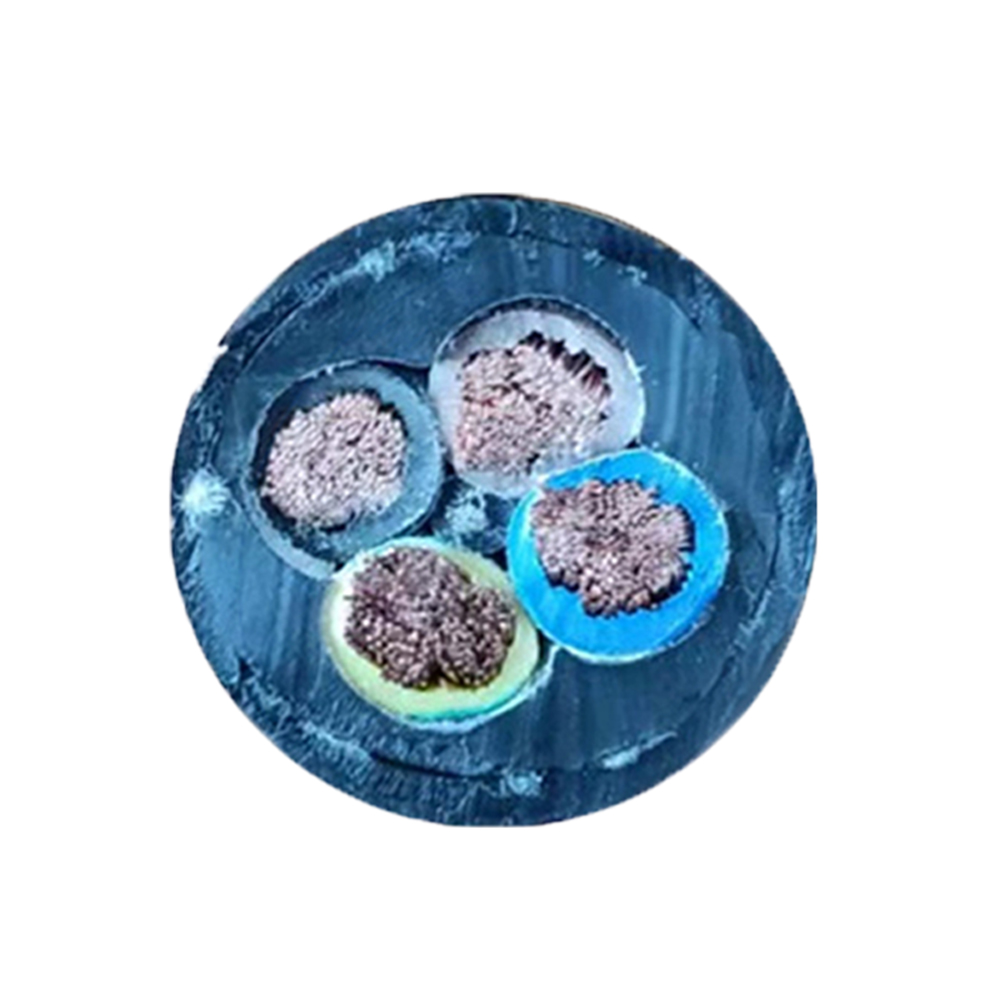
KC 500 P PUR Control Cable
Control cables used in industrial machinery are exposed to a different set of stresses from those encountered by ordinary building wires. A fixed cable installed inside a wall may remain stationary for decades, while a cable installed on a robot or cable carrier may bend thousands or millions of times. The cable may also be exposed to oil mist, metal particles, coolant, cleaning agents, vibration, and repeated acceleration.
When a cable is not designed for dynamic operation, several problems may occur. The conductor strands can fatigue and break. The insulation can crack or deform. The sheath may wear through as it rubs against a guide or adjacent cable. Shielding can lose continuity, leading to electromagnetic interference in sensitive control circuits. Once one of these failures develops, the result may be intermittent signals, machine downtime, unplanned maintenance, or damage to connected equipment.
The KC 500 P PUR Control Cable addresses these risks through a coordinated construction rather than relying on one material alone. Fine-stranded copper improves bending performance. Tinning helps protect the copper surface in demanding environments. PUR insulation provides flexibility and resistance to environmental attack. The braided tinned copper shield supports electromagnetic interference control. Finally, the PUR sheath provides mechanical protection against abrasion, tearing, oil, chemicals, and weathering.
This combination makes the cable appropriate for control circuits in industrial equipment where reliable transmission and mechanical durability must be achieved at the same time.
Repeated bending creates mechanical fatigue in conductors and insulation. A cable intended for moving applications must distribute bending stress across many fine strands rather than concentrating stress in a small number of rigid conductors. The KC 500 P uses fine-stranded copper conductors to improve flexibility and reduce the mechanical strain associated with repeated movement.
The specified minimum bending radius is four times the cable diameter for fixed installation and six times the cable diameter for flexible installation. These values provide useful guidance during equipment design and installation. Actual bending performance will also depend on the cable size, travel distance, movement speed, acceleration, torsion, support arrangement, and whether the cable is installed in a properly designed cable carrier.
Industrial machinery often contains variable-frequency drives, servo motors, switching power supplies, relays, contactors, and high-current conductors. These components can create electromagnetic fields that interfere with low-level control signals. Uncontrolled interference may result in false commands, unstable communication, sensor errors, or interruptions in automation sequences.
The KC 500 P incorporates a tinned copper braid shield with a specified coverage of at least 85 percent. The shield provides a conductive barrier around the insulated cores and helps reduce electromagnetic coupling between the control cable and nearby electrical equipment. Correct termination and grounding of the shield remain essential. A high-quality shield cannot compensate for poor installation practices, unsuitable connectors, or an incorrect grounding strategy.
Oil, grease, coolant, cleaning agents, and other industrial substances can damage unsuitable cable materials. Some plastics become brittle, swollen, soft, or sticky after prolonged chemical exposure. Surface wear can also become severe when a cable moves repeatedly against a guide, carrier, machine structure, or neighboring cable.
Special polyurethane is selected for both insulation and sheath in this product. PUR is widely used in dynamic industrial cable applications because it can combine flexibility with strong resistance to abrasion, tearing, oil, and many chemicals. The supplied product specifications identify excellent oil resistance in accordance with IEC 60811-404 and resistance to many oils, greases, acids, alkalis, and solvents. Specific chemical compatibility should still be confirmed for unusual fluids, elevated temperatures, or long-term immersion.
The KC 500 P is rated at 300/500 V and is intended for control applications rather than high-voltage power transmission. Its construction is optimized for signal and control connection requirements in industrial machinery, automation systems, mobile equipment, and related installations.
Product characteristic | Specification |
Product type | Flexible polyurethane control cable |
Rated voltage | 300/500 V |
Conductor | Fine-stranded tinned copper |
Cross-section range | 0.5 mm² to 2.5 mm² |
Insulation | Special polyurethane |
Insulation thickness | 0.6 mm to 0.8 mm |
Shield | Tinned copper braid, coverage at least 85 percent |
Outer sheath | Special polyurethane |
Sheath thickness | 1.0 mm to 1.2 mm |
Test voltage | 2,000 V at 50 Hz |
Insulation resistance | At least 20 MΩ·km at 20°C |
Operating temperature | -40°C to +90°C |
Short-circuit temperature | Up to +150°C for a maximum of five seconds |
Capacitance | Not more than 120 nF/km |
Flame behavior | IEC 60332-1-2 single vertical burning requirement |
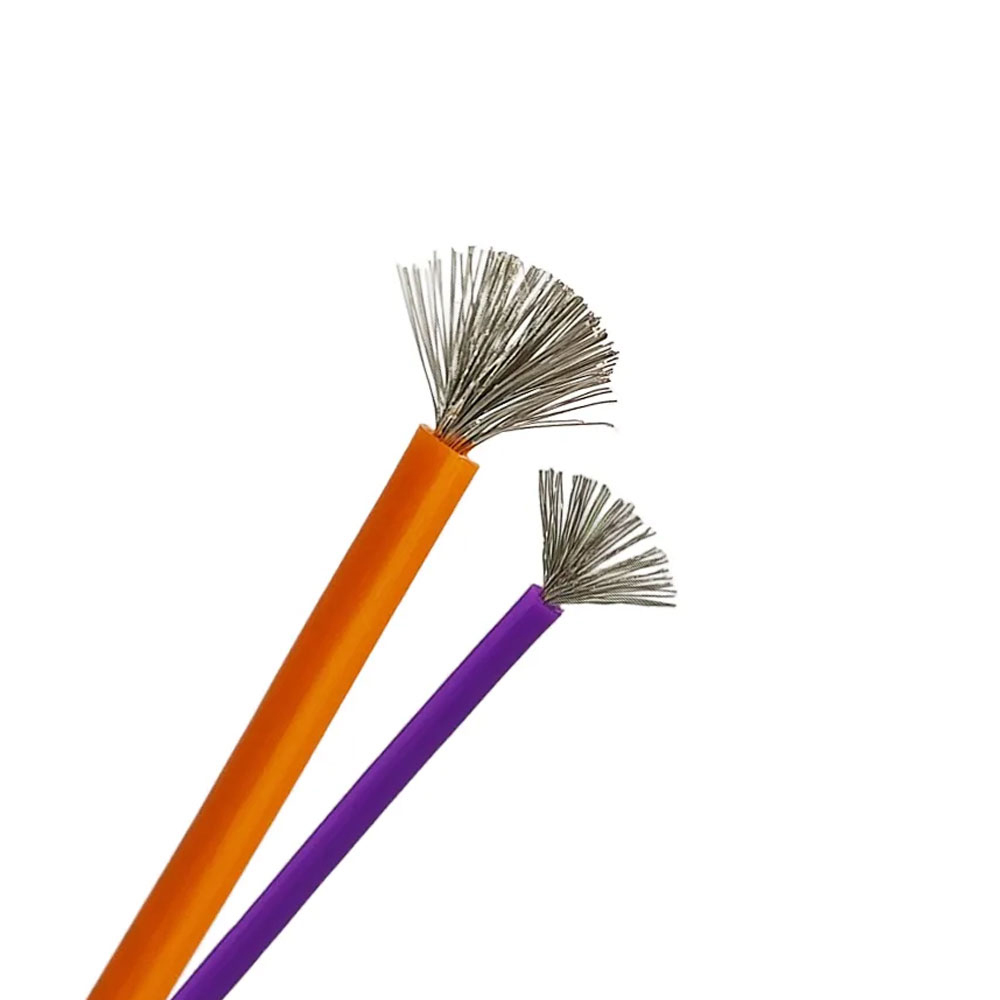
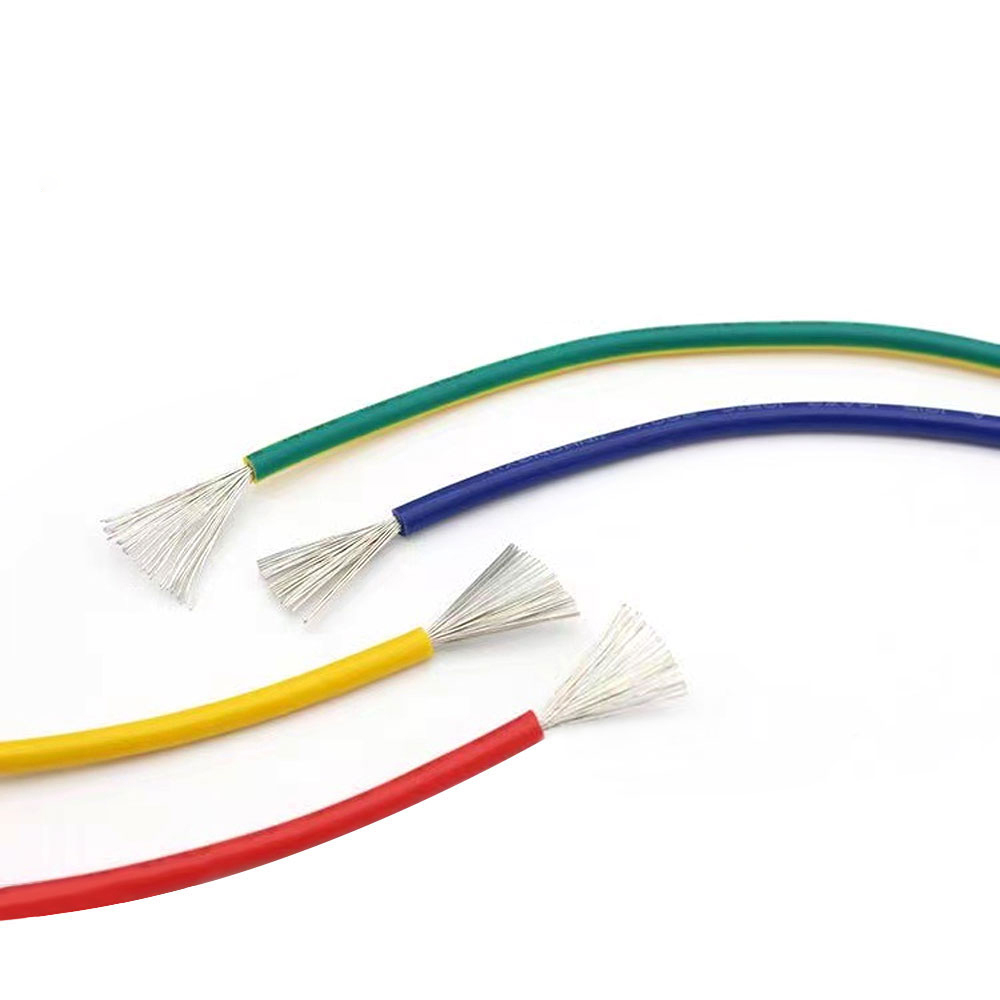
The conductor is made from fine-stranded copper with a tinned surface. Fine stranding allows the conductor to flex more easily than a solid conductor or a coarse-stranded construction. This is particularly important when the cable follows a moving axis, travels through a cable carrier, or bends around a small installation path.
The tinned surface provides additional protection to the copper strands. It can help reduce oxidation and support more stable termination performance in humid, contaminated, or chemically challenging environments. Tinned conductors are also useful when cables may be stored for extended periods or assembled in conditions where moisture control is difficult.
Available conductor cross-sections range from 0.5 mm² to 2.5 mm². This range covers many control, sensor, actuator, signal, and auxiliary power requirements. Final conductor selection should be based on current, voltage drop, ambient temperature, grouping, installation method, short-circuit conditions, and the requirements of the equipment manufacturer.
The insulation separates individual conductors and maintains electrical integrity throughout the service life of the cable. Special PUR insulation is used to support the cable’s flexibility and resistance to oil, chemicals, hydrolysis, and mechanical stress.
The specified insulation thickness ranges from 0.6 mm to 0.8 mm, depending on the selected conductor size and construction. Proper extrusion control is important because insulation must be sufficiently thick and uniform to provide dielectric protection without making the cable unnecessarily stiff. Excessive variation could affect stripping, termination, flexibility, and electrical performance.
The braided shield is designed to reduce interference in control systems. A braid is mechanically flexible and can tolerate repeated movement more effectively than some rigid shielding arrangements. The use of tinned copper supports corrosion resistance and termination reliability.
Shield coverage of at least 85 percent provides substantial protection while preserving a flexible cable structure. The shield may be connected to ground through an appropriate connector, gland, clamp, or termination system. The selected installation method should be evaluated for the operating frequency, expected interference sources, machine grounding, and applicable electrical safety practices.
The outer sheath is the cable’s first line of defense against the surrounding environment. The special PUR sheath is designed to resist abrasion and tearing while maintaining flexibility across the stated operating temperature range. This makes it appropriate for cable carriers, robotics, machine tools, automated production lines, and other areas where a cable may rub or move repeatedly.
The specified sheath thickness ranges from 1.0 mm to 1.2 mm. A suitable sheath thickness must balance protection and flexibility. A sheath that is too thin may provide insufficient mechanical protection, while a sheath that is excessively heavy may increase bending force and reduce movement efficiency. The KC 500 P construction is intended to provide a practical balance for dynamic control applications.
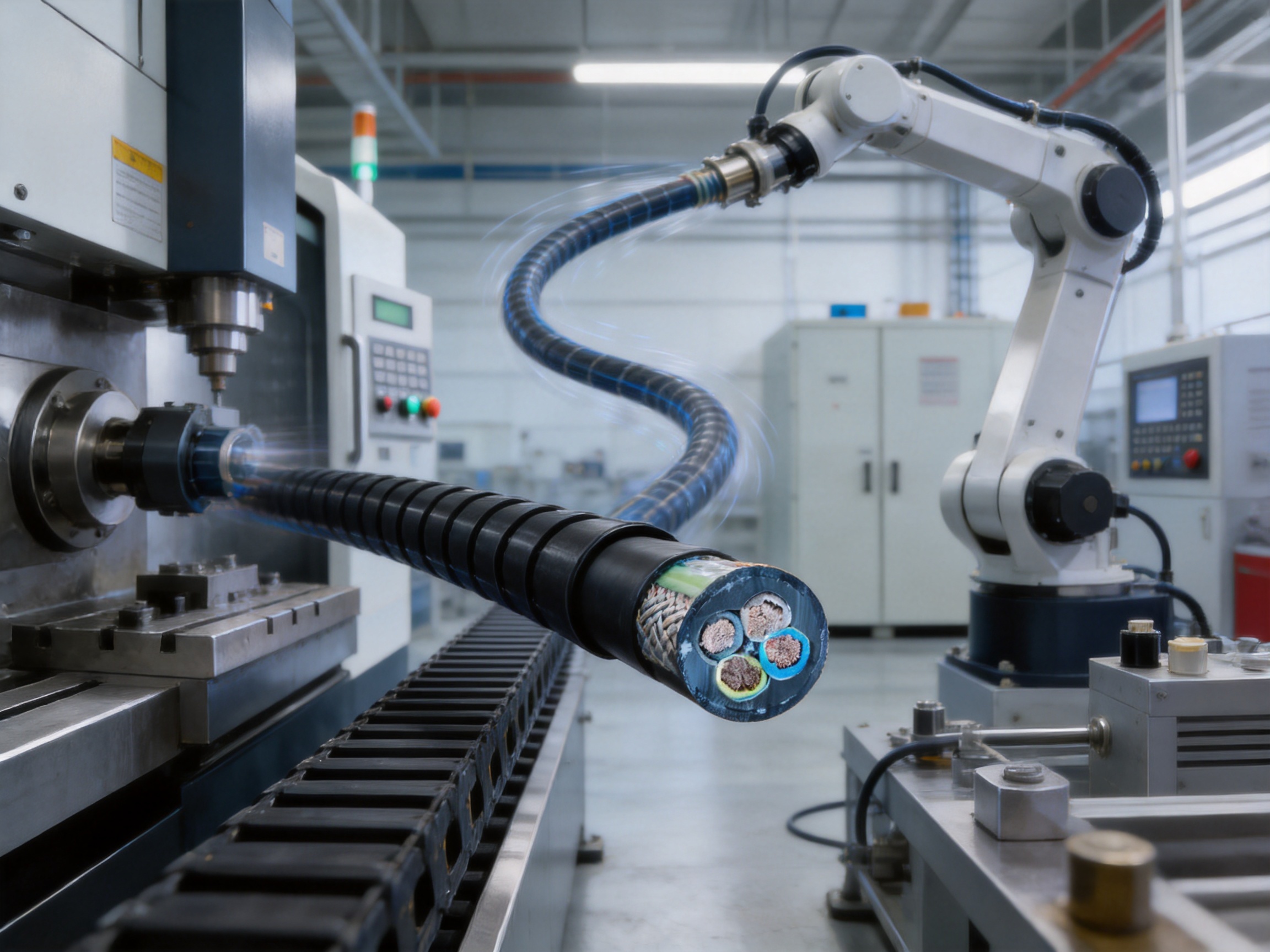
Product selection should always be based on the actual application, and no single cable is ideal for every installation. However, the KC 500 P has several advantages over ordinary PVC control cables or cables designed only for fixed installation.
Many standard control cables are intended for stationary use or occasional movement. Their conductor construction, insulation, sheath, and bending radius may not be suitable for continuous travel. Using them in a cable carrier or robot can shorten their service life.
The KC 500 P is designed around flexibility and repeated movement. Fine-stranded conductors, flexible PUR materials, a braided shield, and a dynamic bending recommendation make it better suited to applications in which the cable moves as part of normal machine operation. The product information specifies a high bending cycle life of at least five million cable-carrier cycles, subject to appropriate installation and application conditions.
PVC can be suitable for many economical fixed-installation cables, but a PUR sheath often offers stronger mechanical resistance in demanding dynamic environments. The KC 500 P sheath is specified as highly abrasion-resistant and suitable for applications with repeated contact and movement.
In a production line, the outer sheath may encounter sharp edges, vibration, dust, metal chips, and movement within a guide. Stronger resistance to abrasion and tearing helps preserve the insulation system and shielding beneath the sheath. This can reduce the probability of early cable replacement and help lower maintenance interruptions.
Oil resistance is particularly valuable in CNC machine tools, hydraulic equipment, automotive production lines, metalworking machinery, and industrial assembly systems. The KC 500 P uses PUR materials selected for resistance to oil, grease, many chemicals, and hydrolysis.
Resistance does not mean that the cable is unaffected by every substance. Concentration, temperature, exposure time, pressure, and mechanical movement can change material performance. Nevertheless, PUR construction provides a stronger starting point than many general-purpose cable materials for installations exposed to common industrial contaminants.
The stated long-term operating temperature range is -40°C to +90°C. This allows the cable to operate in cold workshops, unheated equipment areas, and warm machine enclosures, provided that the actual application remains within the stated limits.
The short-circuit temperature is specified as +150°C for a maximum of five seconds. This specification applies to short-circuit conditions and should not be interpreted as a continuous operating temperature. Proper circuit protection remains necessary to limit fault energy and protect the cable and connected equipment.
The tinned copper braid improves shielding performance compared with an unshielded cable. In automation equipment, stable control signals may be essential for position feedback, sensor measurement, valve operation, motor control, and machine communication.
Shielding is especially beneficial where the cable is routed near motor power cables or switching equipment. The final result depends on the complete installation, including separation from noise sources, shield termination, grounding continuity, connector design, and control system architecture.
The purchase price of a cable is only one part of its cost. A lower-cost cable that fails frequently can create much higher costs through downtime, troubleshooting, emergency inventory, labor, and production losses.
The KC 500 P is designed for long service in demanding applications. Its abrasion-resistant PUR sheath, dynamic construction, chemical resistance, and stated bending cycle capability can support a lower total cost of ownership when the cable is correctly specified and installed. The long-life approach is particularly valuable in automated equipment where cable replacement requires machine shutdown or complex disassembly.
Cable carriers guide cables along a defined travel path and protect them from uncontrolled movement. They are common in machining centers, transfer systems, packaging machines, storage systems, and automated production lines.
For cable-carrier service, the cable should be installed with the correct travel length, adequate separation, and appropriate support. It should not be twisted or forced into a radius smaller than the recommended minimum. The KC 500 P’s flexible construction and PUR sheath make it suitable for this type of dynamic installation when the carrier and movement profile are correctly selected.
Robotic systems may expose cables to simultaneous bending, torsion, acceleration, and rapid directional changes. The demands are more complex than simple linear travel. Robot dress packs and cable management systems must be designed around the robot’s axes, movement envelope, speed, and programmed cycle.
The KC 500 P is suitable for control connections requiring frequent bending and torsional movement. For highly specialized robotic wrist axes or extreme three-dimensional torsion, the cable design should be reviewed with the manufacturer and tested under the actual motion profile before full-scale deployment.
CNC equipment commonly exposes cables to cutting fluids, lubricants, metal chips, vibration, and repetitive axis movement. The combination of PUR sheath, oil resistance, abrasion resistance, and flexible conductors makes the cable suitable for control connections in machine-tool environments.
Routing should keep the cable away from sharp edges and excessive heat. Where metal chips or hot materials are present, additional protective measures may be appropriate. Cable carriers should be selected so that the cable lies freely without crossing, flattening, or being compressed by neighboring cables.
Conveyors, sorting equipment, automated storage systems, and logistics machinery often include moving sensors, actuators, scanners, motors, and control panels. These systems may operate continuously for long periods, making cable reliability important for throughput and system availability.
The KC 500 P can be used for control and signal connections in moving sections of these systems. Its shield can help protect signals from nearby motor and drive equipment, while the PUR sheath supports resistance to abrasion and industrial contamination.
Mobile machinery may experience vibration, repeated flexing, temperature changes, moisture, and exposure to oil or dirt. The cable’s broad temperature range and environmental resistance can be useful in mobile equipment control circuits.
Engineers should evaluate whether the selected cable size is sufficient for current and mechanical load, and whether the installation requires additional protection from impact, crushing, or direct exposure to severe weather conditions.
Smart factories depend on the coordination of sensors, controllers, actuators, drives, inspection systems, and communication equipment. A reliable control cable helps preserve the connection between these components, especially when the equipment is modular or includes moving machine sections.
The KC 500 P can support wiring layouts that require flexibility and electromagnetic interference control. It may be used in equipment cabinets, moving machine modules, robotic cells, automated inspection stations, and production-line control systems.
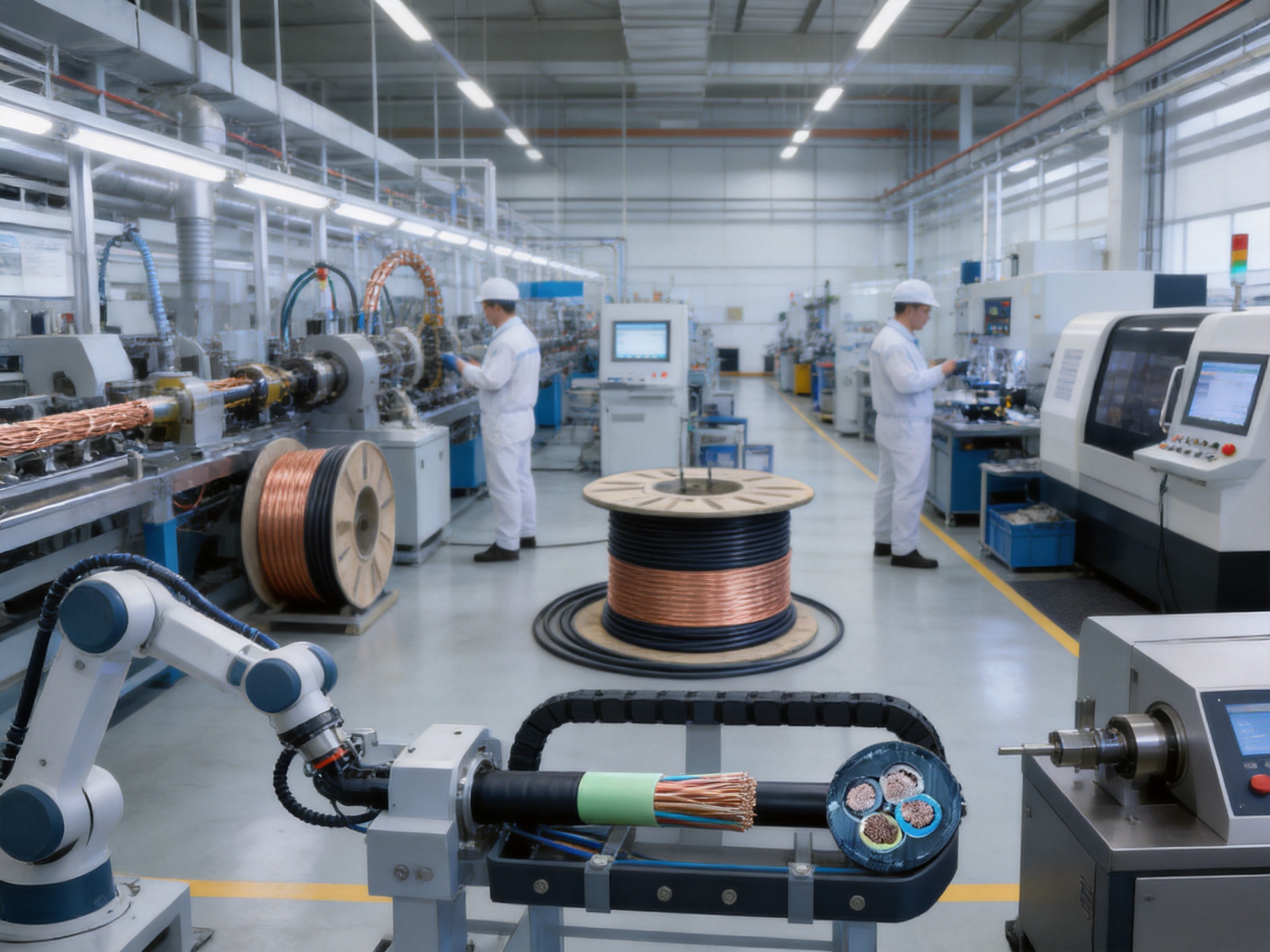
The performance of a dynamic cable is influenced by the quality of its raw materials, the precision of its manufacturing equipment, and the consistency of process control. Anhui Zhishang Cable Technology Co., Ltd. integrates research and development, manufacturing, and sales. Its production base covers approximately 5,000 square meters and includes 10 automated production lines.
The company reports a monthly production capacity of up to 10 million meters. This capacity supports both standard product supply and project-based production planning. Standard cable models may be stocked for faster shipment, while customized products generally require a lead time of approximately 7 to 20 days, depending on design complexity, material availability, order quantity, testing requirements, and customer approval procedures.
Conductor quality begins with the selection and processing of copper. Fine stranding requires controlled wire drawing, stranding tension, pitch, and lay length. Consistent stranding helps produce a conductor that bends predictably and maintains stable electrical resistance.
For tinned copper conductors, the coating process must be controlled to promote uniform coverage without creating excessive stiffness or surface defects. Conductor inspection may include dimensional checks, resistance testing, visual examination, and verification of strand integrity.
PUR extrusion requires control of material preparation, temperature, pressure, line speed, cooling, and dimensional stability. Variations in extrusion can affect insulation thickness, concentricity, flexibility, surface quality, and electrical performance.
For the KC 500 P, the insulation and sheath are both based on special PUR materials. The production process must ensure that the material is properly processed and that the resulting layers are continuous and free from defects. Online monitoring and final inspection help identify dimensional or surface irregularities before shipment.
Braiding is a critical step because shield coverage, braid angle, tension, and continuity affect both electromagnetic performance and mechanical flexibility. Excessive braid tension may make a cable unnecessarily stiff, while insufficient control may reduce coverage or create an uneven shield.
The cable assembly process must also maintain proper alignment between conductors, insulation, shielding, and sheath. Consistent geometry helps control the finished cable diameter and supports predictable bending behavior. This is important when cables are installed in standardized cable carriers, connectors, glands, and automated equipment.
The product specifications include a 2,000 V test voltage, insulation resistance of at least 20 MΩ·km at 20°C, capacitance of not more than 120 nF/km, and compliance with IEC 60332-1-2 single vertical burning requirements. These parameters provide reference points for electrical integrity, signal behavior, and flame performance.
Quality control should be applied throughout production rather than only at the final stage. Incoming material inspection, process monitoring, dimensional measurement, electrical testing, appearance inspection, and documentation all contribute to consistent product quality.
Anhui Zhishang states that it provides product test reports and warranty support for standard cable models. Customers purchasing customized cable should define the required inspection documents, test items, packaging, labeling, and acceptance criteria before production begins.
The company has a team that includes quality engineers and research and development technicians with more than 10 years of industry experience. This experience supports product selection, construction optimization, and customization for customer-specific applications.
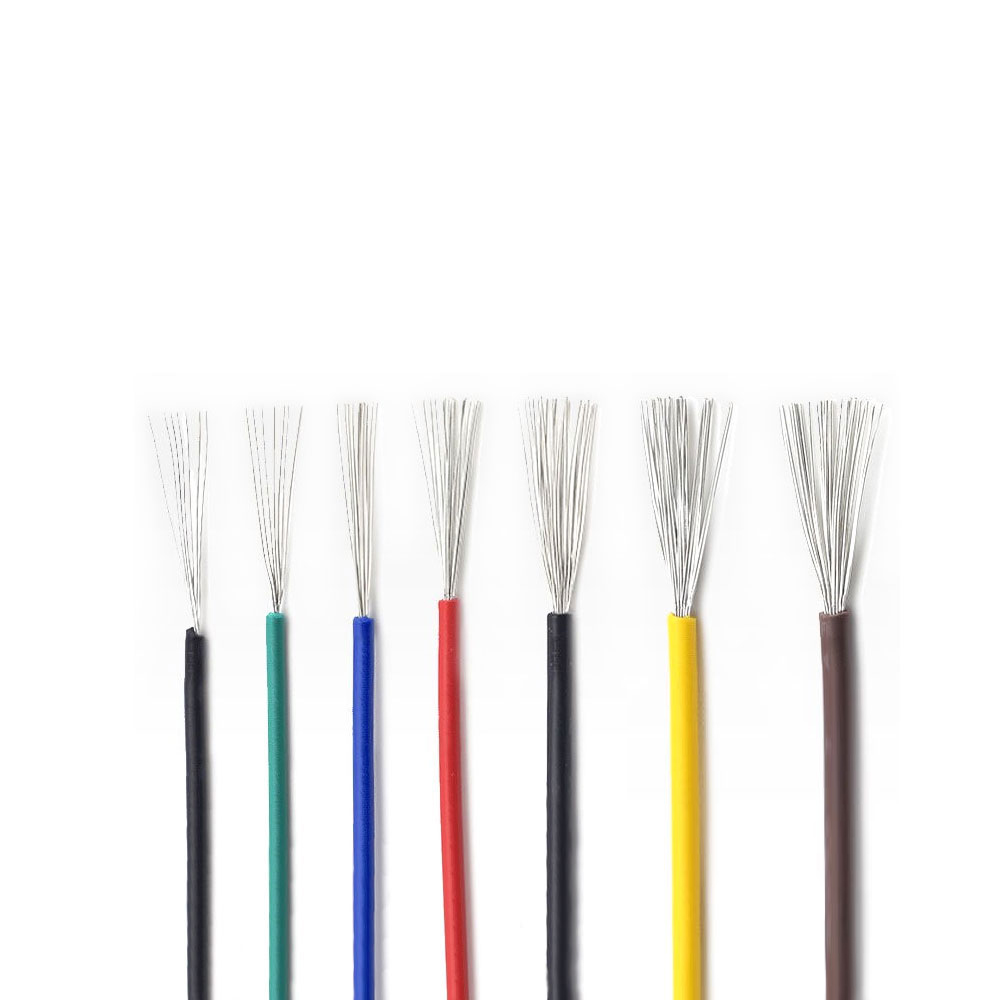
OEM and ODM services are available based on customer drawings or samples. Customization may involve conductor size, number of cores, color coding, shielding, sheath color, marking, packaging, finished length, connector assembly, or other construction requirements. Each change should be evaluated for electrical safety, mechanical performance, manufacturing feasibility, and applicable standards.
Before selecting the cable, determine the system voltage, control current, conductor cross-section, number of cores, expected voltage drop, and protection method. The 300/500 V rating defines the cable’s intended voltage class, but the equipment circuit must also comply with the requirements of the relevant machine and electrical standards.
For long cable runs, voltage drop and capacitance may influence signal quality or actuator performance. The specified capacitance is not more than 120 nF/km, but actual circuit behavior also depends on conductor arrangement, connected devices, signal frequency, and termination components.
Dynamic cable selection should consider travel length, bend radius, speed, acceleration, cycle frequency, torsion, and the number of operating cycles. A cable that performs well in a slow linear cable carrier may not be suitable for rapid robotic torsion.
When the application is unusual or severe, sample testing under representative conditions is recommended. The test should reproduce the expected routing, load, temperature, movement, and environmental exposure as closely as possible.
For flexible installation, the specified minimum bending radius is six times the cable diameter. The cable should not be bent below this value during installation or operation. The bend should be smooth, without sharp transitions or localized kinks.
Repeatedly forcing the cable below the recommended radius can shorten conductor and sheath life even if the cable appears undamaged during initial inspection. Installation teams should also avoid pulling the cable under tension while simultaneously bending it around a small radius.
In a cable carrier, the cable should lie freely and should not be pressed against another cable or trapped between carrier compartments. Different cable types should be separated when their diameters, weights, or movement characteristics differ significantly.
The cable should be supported at both ends according to the equipment design. Excessive unsupported length can allow the cable to whip, twist, or rub. The carrier should be selected with sufficient internal width and height to prevent compression while allowing the cable to move naturally.
The braided shield should be terminated using a method that maintains electrical continuity and mechanical stability. A long unshielded pigtail may reduce high-frequency shielding effectiveness. The grounding arrangement should be coordinated with the machine’s protective earth and electromagnetic compatibility design.
Where shield grounding requirements are complex, the system designer should consider operating frequency, controller recommendations, safety requirements, ground potential differences, and the risk of circulating currents.
The specified installation temperature is at least -5°C. PUR can remain flexible at low operating temperatures, but installation below the stated minimum may increase the risk of damage during pulling, bending, or stripping. If installation must occur in colder conditions, the cable should be stored and conditioned according to the manufacturer’s instructions before handling.
Regular inspection should look for sheath cuts, flattening, unusual discoloration, exposed braid, excessive dust accumulation, abnormal noise in the cable carrier, or changes in movement resistance. A visible defect should be investigated before it develops into an electrical failure.
Maintenance teams should record installation date, machine location, movement conditions, inspection results, and replacement history. This information helps determine actual service life and supports more accurate future cable selection.
Industrial customers often need more than a standard catalog cable. Equipment builders may require a particular number of cores, a defined color sequence, a special marking, a nonstandard finished length, a custom shield arrangement, or a cable assembly prepared for direct installation.
Anhui Zhishang supports OEM and ODM development based on drawings or samples. Its engineering team can assist with cable selection and tailor-made solutions according to project requirements. A successful customization process normally begins with a complete technical specification.
Information to define | Examples of relevant requirements |
Electrical system | Voltage, current, signal type, frequency, insulation resistance, capacitance |
Conductor design | Number of cores, cross-section, copper type, stranding, color identification |
Mechanical movement | Travel distance, bending radius, speed, acceleration, torsion, cycle count |
Environment | Temperature, oil, coolant, chemicals, moisture, ultraviolet exposure, abrasion |
Shielding | Braid material, coverage, grounding method, electromagnetic compatibility needs |
Compliance | Applicable national, international, machine, flame, and customer requirements |
Delivery | Finished length, packaging, labels, test reports, inspection documents, forecast |
Clear requirements reduce the risk of selecting a cable that is electrically acceptable but mechanically unsuitable. They also help the manufacturer determine the correct materials, tooling, testing method, and production schedule.
For standard cable models, the company offers quality assurance through full-core and full-length specifications, pure copper construction, product test reports, and warranty support. Stock availability and lead time should be confirmed for each order, especially when a project requires large quantities or scheduled deliveries.
Industrial sustainability is closely connected to product service life. A cable that fails early may require replacement materials, additional transportation, machine downtime, and disposal of the original product. A durable cable that remains in service longer can reduce the frequency of these impacts.
The KC 500 P’s long-life design focuses on durability under mechanical and environmental stress. Its abrasion-resistant sheath, chemical resistance, flexible conductor construction, and dynamic bending capability are intended to reduce premature replacement in suitable applications.
The manufacturer also emphasizes green manufacturing and responsible production practices. Its facilities and production lines are intended to support repeatable manufacturing at scale while maintaining quality control. Customers seeking formal environmental declarations, restricted-substance documentation, or project-specific sustainability evidence should request the applicable documents during the technical review stage.
Reliable production is also a sustainability factor. Stable processes reduce material waste, rework, rejected products, and inconsistent batches. A manufacturer with integrated research, production, inspection, and customer support can respond more effectively when a product requires adjustment or when a project involves multiple cable types.
A specialized PUR control cable is justified when the operating environment creates risks that ordinary cables cannot adequately manage. These risks include continuous movement, high bending frequency, torsion, oil contamination, abrasive contact, chemical exposure, temperature variation, and electromagnetic interference.
The KC 500 P combines several features that address these conditions:
First, fine-stranded tinned copper conductors support repeated bending and provide improved surface protection. Second, special PUR insulation and a PUR sheath help combine flexibility with resistance to oil, chemicals, hydrolysis, abrasion, and tearing. Third, the tinned copper braid provides a shield with at least 85 percent coverage for control signal protection. Fourth, the cable supports a wide long-term operating range from -40°C to +90°C. Fifth, the stated minimum bending radius and cable-carrier cycle capability provide useful guidance for dynamic machine design.
These features are valuable not only because they improve individual cable performance, but also because they support the reliability of the entire automated system. Stable cabling helps reduce intermittent faults, troubleshooting time, emergency repairs, and unplanned production interruptions.
The product is therefore a practical option for machine builders, automation integrators, electrical distributors, maintenance departments, and industrial end users that require a flexible, shielded, polyurethane control cable for demanding environments.
The KC 500 P is a 300/500 V flexible PUR control cable. It uses fine-stranded tinned copper conductors, special polyurethane insulation, a tinned copper braid shield, and a special polyurethane outer sheath.
Yes. It is designed for high-flexibility applications, including cable carriers, provided that the cable carrier is correctly selected and the installation follows the recommended bending radius, support, separation, and movement requirements. The product information specifies a bending cycle life of at least five million cable-carrier cycles under suitable application conditions.
It is suitable for control connections in robots and other equipment requiring frequent bending and torsion. For high-speed, multi-axis robotic movement, the complete application should be reviewed because robot motion can create more severe torsional loads than linear cable-carrier movement.
The stated cross-section range is 0.5 mm² to 2.5 mm². The correct size depends on circuit current, voltage drop, temperature, installation conditions, connected equipment, and applicable electrical requirements.
Yes. The cable uses a braided tinned copper shield with coverage of at least 85 percent. Proper shield termination and grounding are necessary to obtain the best electromagnetic compatibility performance.
The long-term operating temperature range is -40°C to +90°C. The specified short-circuit temperature is up to +150°C for a maximum of five seconds. The installation temperature is specified as at least -5°C.
Yes. The PUR sheath is specified as having excellent oil resistance and compliance with IEC 60811-404. Compatibility with a specific oil, coolant, solvent, or chemical should be confirmed when exposure is severe, prolonged, heated, or combined with mechanical stress.
The specified minimum radius is four times the cable diameter for fixed installation and six times the cable diameter for flexible installation. The cable should not be forced below these values during installation or operation.
Yes. OEM and ODM development is available based on customer drawings, samples, or defined technical requirements. Possible customization areas include conductor arrangement, cross-section, color coding, shielding, marking, finished length, packaging, and other project-specific features.
The product specifications include a 2,000 V test voltage, insulation resistance of at least 20 MΩ·km at 20°C, capacitance of not more than 120 nF/km, and IEC 60332-1-2 single vertical burning performance. Customers can request relevant test reports and inspection documentation during the purchasing process.
PUR is often preferred for dynamic industrial applications because it can provide strong abrasion, tear, oil, and chemical resistance while retaining flexibility. PVC remains suitable for many fixed or less demanding applications. The best choice depends on movement, environment, temperature, electrical requirements, standards, and cost objectives.
Customers should provide the required conductor size and number, voltage, movement type, travel distance, speed, bending radius, environmental exposure, shielding requirements, cable length, order quantity, packaging needs, and any required testing or compliance documents. Detailed information allows the manufacturer to recommend the most suitable construction.
The KC 500 P PUR Control Cable is engineered for industrial control applications in which mechanical movement and environmental exposure are major concerns. Its 300/500 V rating, fine-stranded tinned copper conductors, special PUR insulation, tinned copper braid shield, and PUR outer sheath provide a balanced solution for flexible and shielded control connections.
Its key advantages include suitability for continuous movement, excellent abrasion and tear resistance, resistance to oil and many chemicals, a wide operating temperature range, strong shielding performance, and a design intended for long service life. These characteristics make it suitable for cable carriers, robots, CNC machines, automated logistics systems, mobile industrial machinery, and intelligent manufacturing equipment.
The product is supported by a manufacturer with integrated research and development, production, quality control, and sales capabilities. With approximately 5,000 square meters of manufacturing facilities, 10 automated production lines, monthly output of up to 10 million meters, and OEM and ODM development support, the company can serve both standard cable requirements and customized industrial projects.
For the best results, cable selection must consider the complete application rather than relying on product type alone. Electrical load, movement profile, bending radius, shielding termination, temperature, chemicals, installation method, and maintenance conditions should all be reviewed before approval. When correctly specified and installed, the KC 500 P can help improve control-system stability, extend maintenance intervals, and support reliable operation in demanding industrial environments.
1. IEC 60332-1-2, Tests on Electric and Optical Fibre Cables under Fire Conditions, Single Vertical Flame Test.
2. IEC 60811-404, Electric and Optical Fibre Cables, Test Methods for Non-Metallic Materials, Mineral Oil Resistance Test.
3. ISO 6722-2, Road Vehicles, 60 V and 600 V Single-Core Cables, Test Methods and Requirements.
4. DIN 47100, Identification of Insulated and Sheathed Wires and Cables by Colour.
5. VDE 0293, Core Identification in Cables and Flexible Cords.
6. Product technical data for the KC 500 P PUR Control Cable, including electrical, mechanical, environmental, and dimensional specifications.
7. Manufacturer information concerning polyurethane cable production, OEM and ODM development, quality assurance, production capacity, and industrial cable applications.

We firmly believe that good cables are not only a competition of materials, but also a reflection of craftsmanship, quality, and responsibility.

Links
Product
Send Inquiry
No. 29 Sankeshu Road, Xuanzhou District, Xuancheng City, Anhui Province, China
+86-18621104555/+86-563-2622999
 Electrical Cable Manufacturer
OEM/ODM Wire and Cable Solutions
 English
 Español
 عربى
 русский