Comprehensive Introduction to Low-Voltage Wiring Cables
I. Definition and Core Characteristics
Low-voltage wiring cables refer to insulated wires and cables with a rated voltage of AC 50Hz, 450/750V and below (or the corresponding DC voltage level), primarily used for fixed installations inside buildings and equipment. They serve as the end-connection medium of the power distribution system, responsible for safely and reliably transmitting electrical energy to end-use terminals, forming the "capillary network" of the power system.
Core Characteristics:
Fixed Installation: Designed for long-term fixed installation, primarily installed via conduits, embedded in walls, cable trays, trunking, or cable trenches.
Clear Voltage Rating: Rated voltage is typically 300/500V or 450/750V.
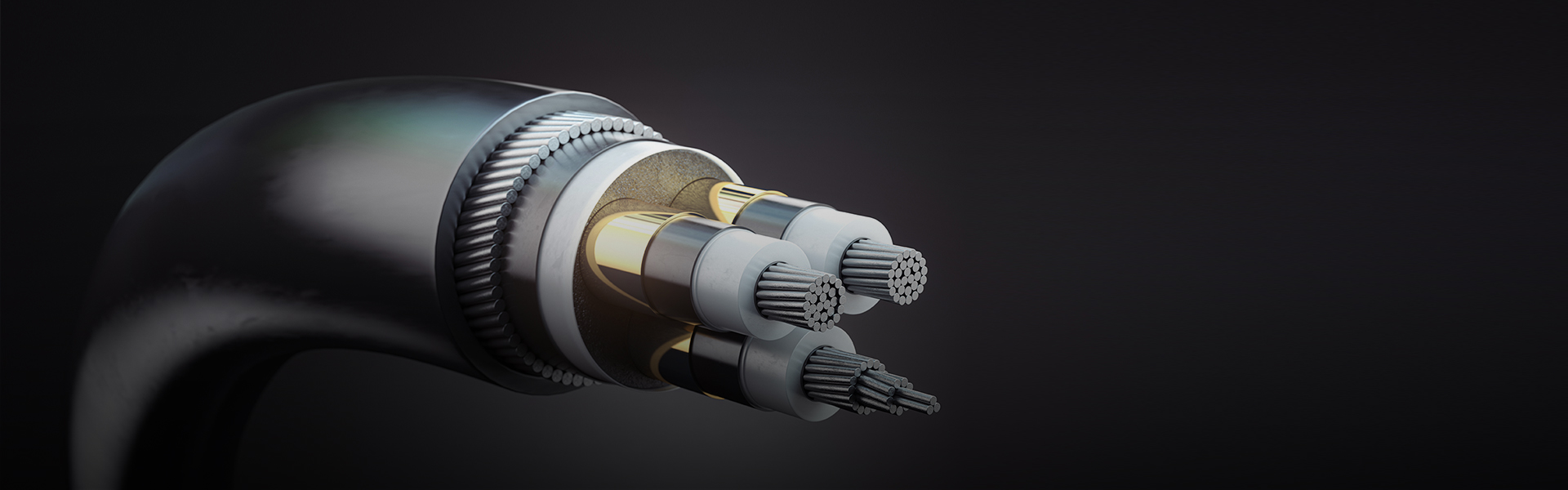
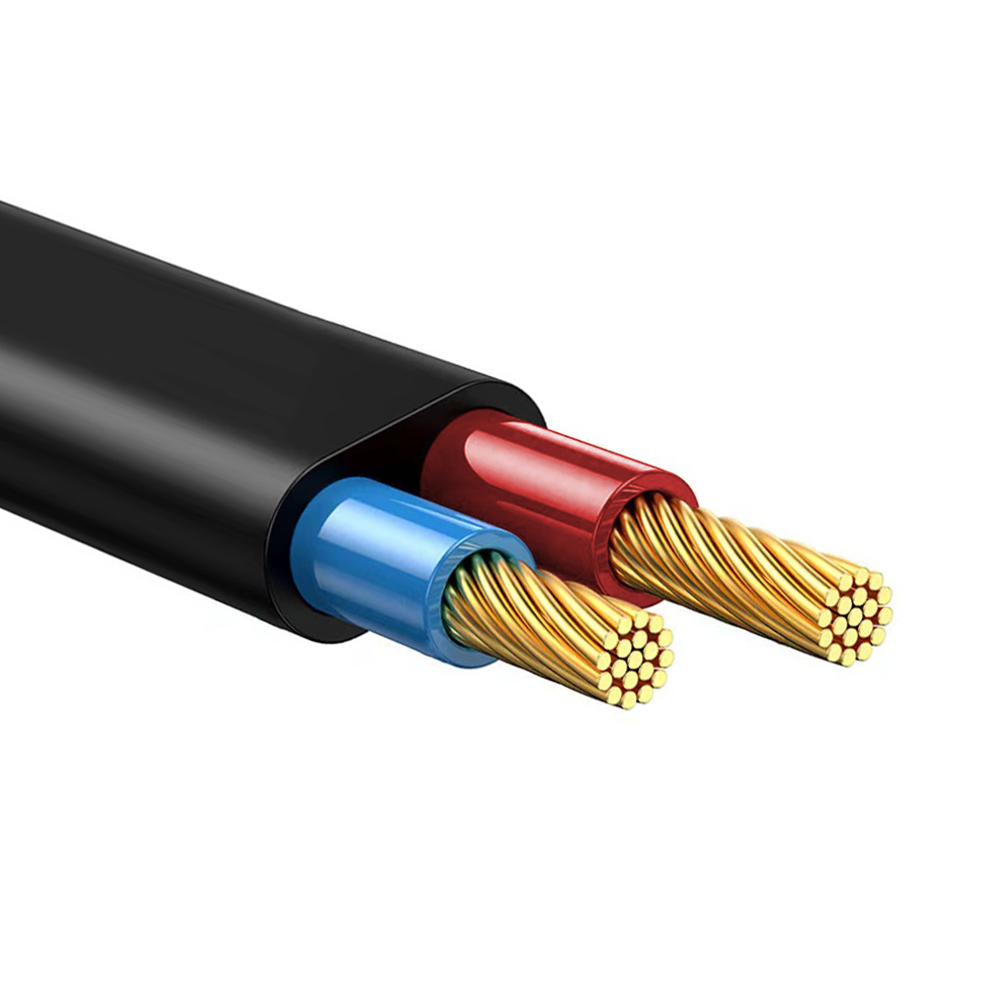
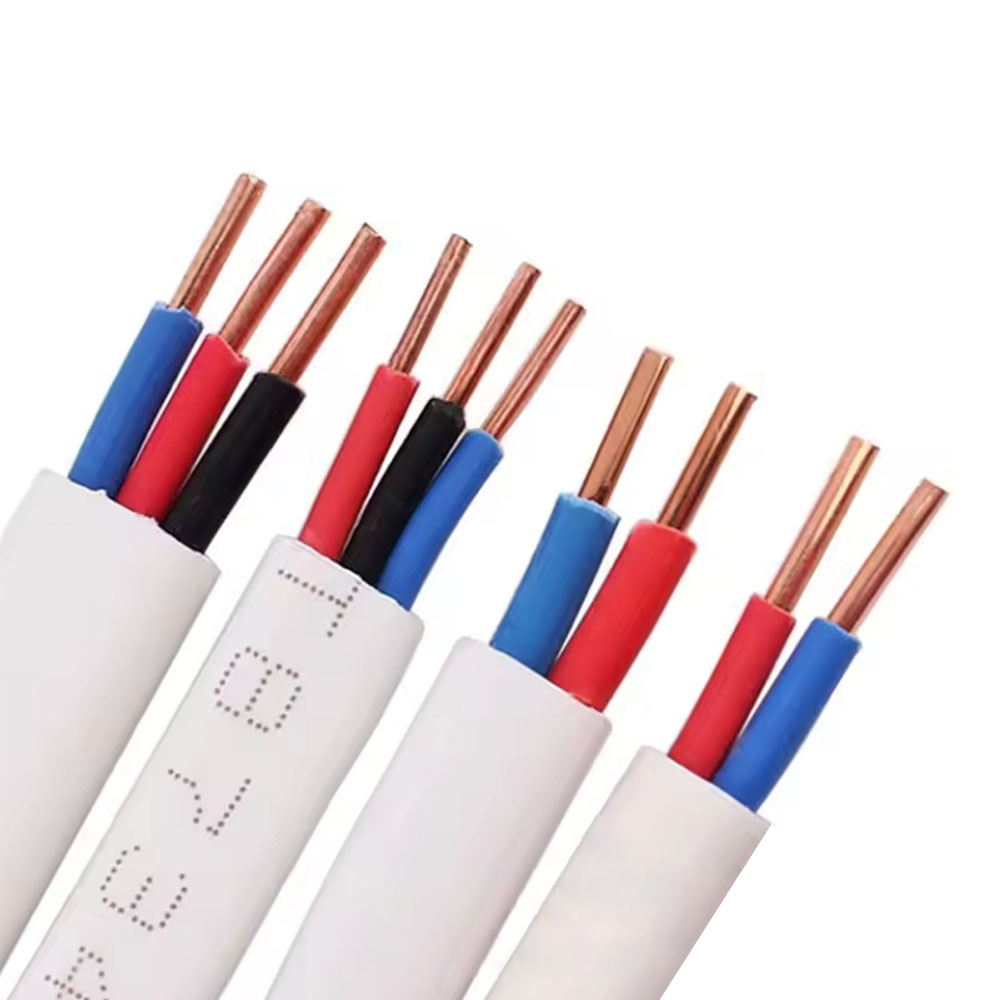
Relatively Simple Structure: Mostly single-core or multi-core twisted structures, usually without complex metal shielding layers or armor.
Stringent Safety Standards: Must comply with strict safety and environmental standards such as flame retardancy, fire resistance, low smoke, and halogen-free properties.
II. Main Types and Application Scenarios
By Conductor Material:
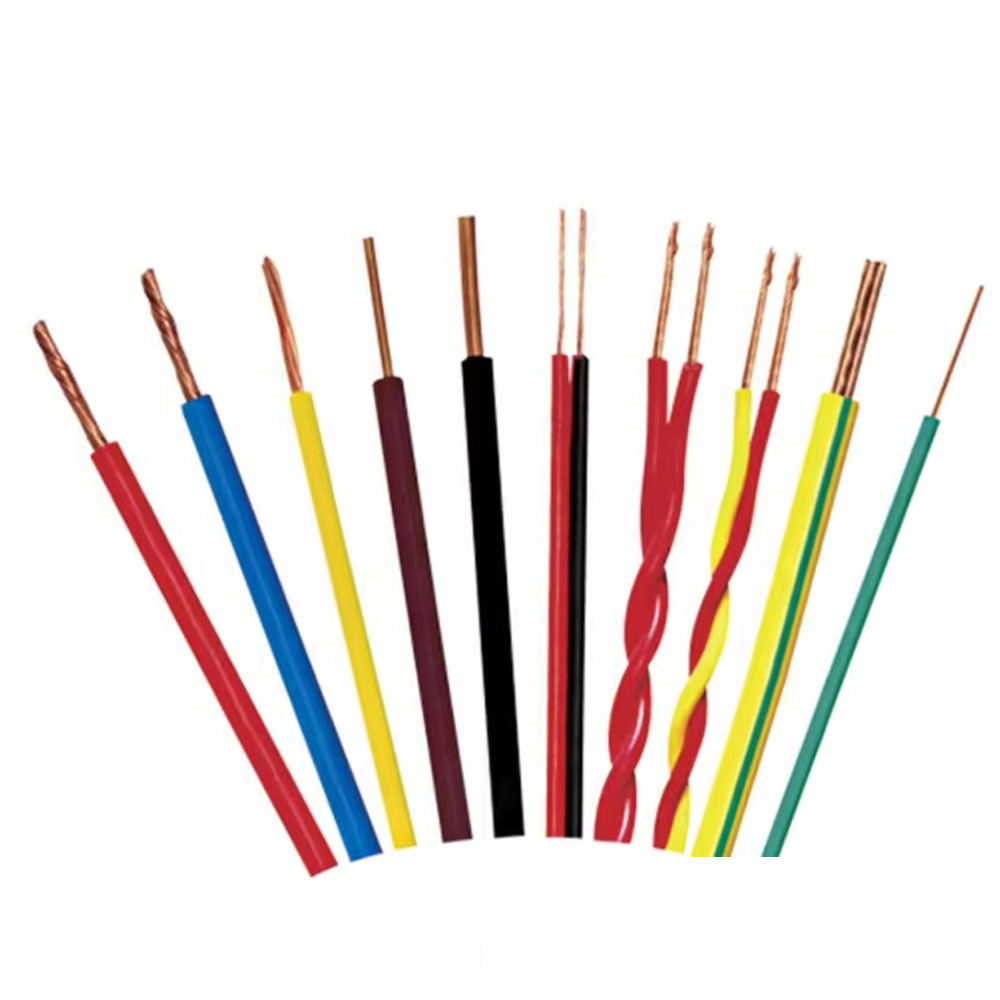
Copper-core cables: High conductivity, good mechanical properties, corrosion-resistant, and the absolute mainstream.
Aluminum-core cables: Lightweight, low cost, used in specific applications with large cross-sections and long-distance fixed wiring.
By Conductor Hardness:
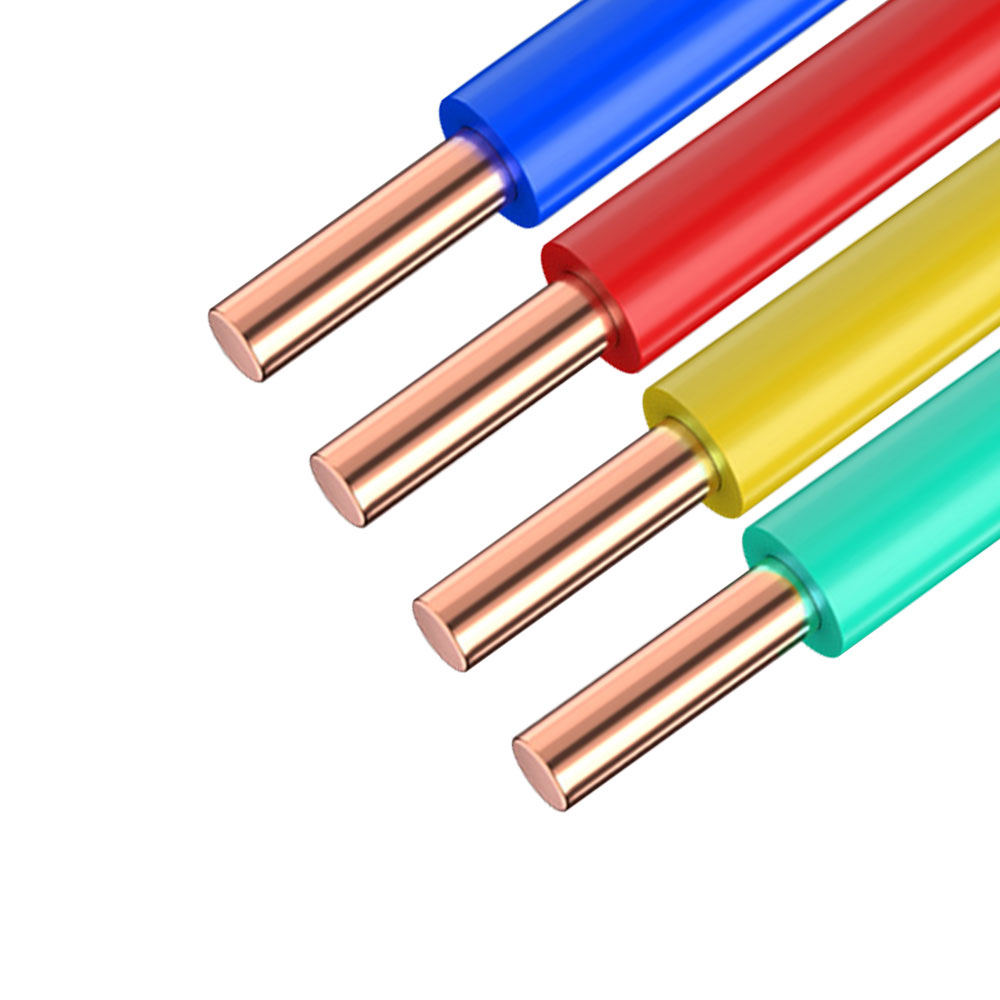
Hard conductor cables (e.g., BV): Used for fixed wiring with good mechanical strength.
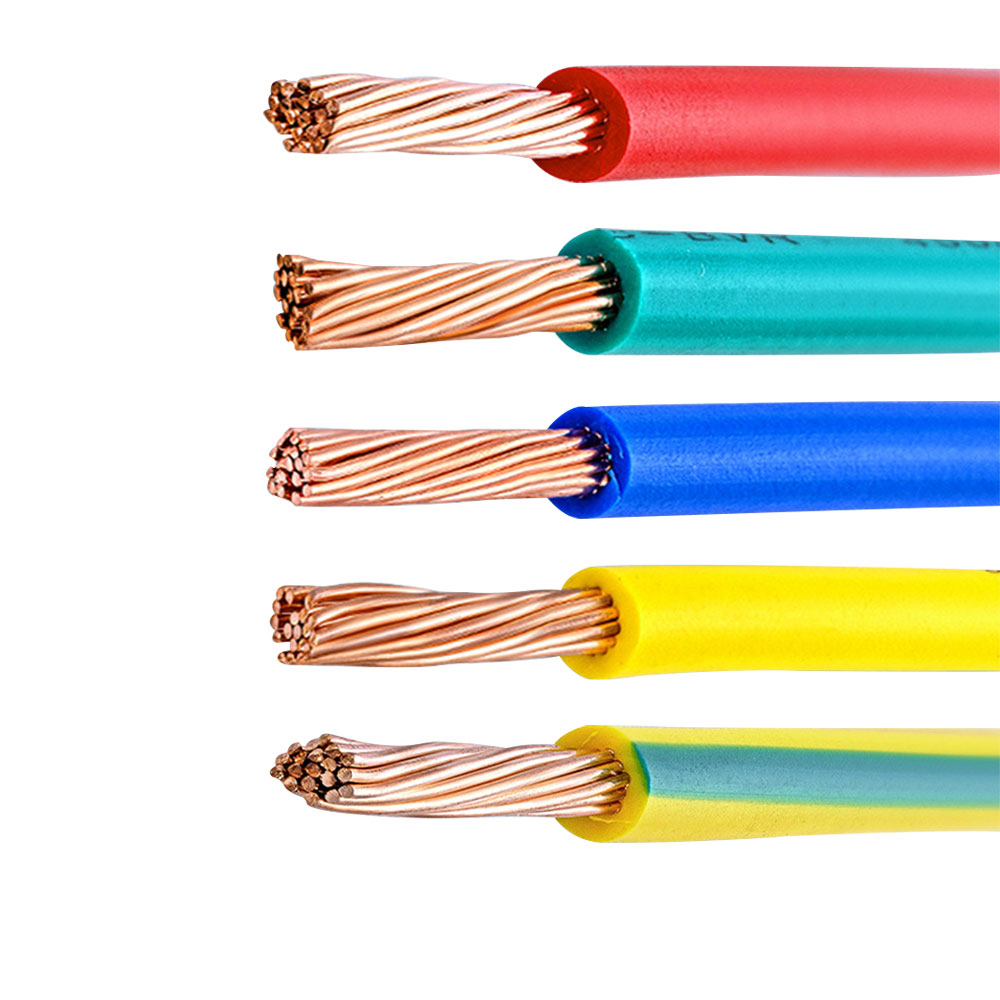
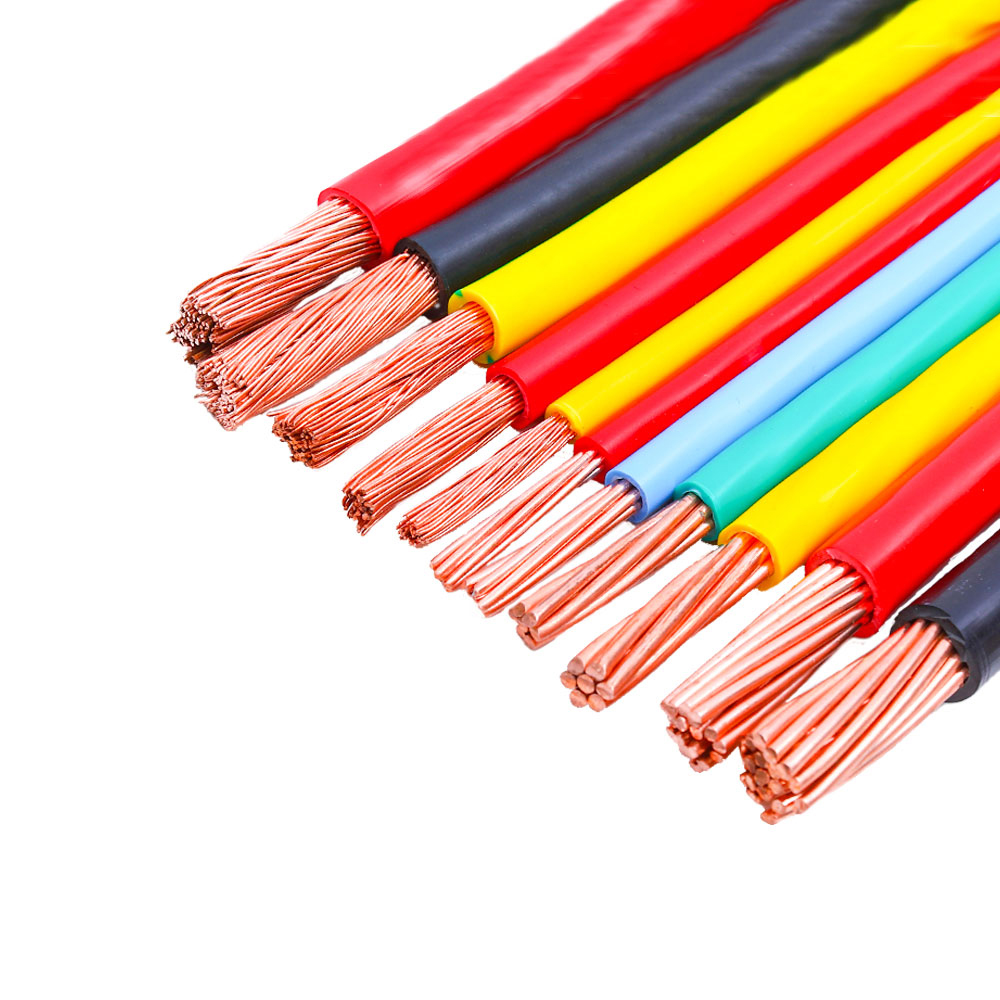
Soft conductor cables (e.g., BVR, RV): Used for fixed wiring requiring some flexibility or in slightly mobile applications.
By Insulation and Sheath:
Unsheathed single-core wires (e.g., H05V-U): Installed in conduits or cable trays.
Lightweight sheathed cables (e.g., BVV, RVV): Can be directly surface-mounted without conduits, facilitating installation.
Special performance cables: Flame-retardant (ZR), fire-resistant (NH), low-smoke halogen-free (WDZ).
Typical Application Areas:
Residential and commercial buildings: Lighting circuits, socket circuits, air conditioning, and household appliance power supply.
Office buildings and public facilities: Connections from floor distribution boxes to end devices.
Industrial plants: Equipment control circuits, lighting systems, auxiliary power supplies.
Infrastructure: Internal power distribution networks in transportation hubs, hospitals, and schools.
III. Key Production Process Controls
Conductor Manufacturing: Uses high-quality oxygen-free copper rods, processed through drawing, annealing, and stranding, with strict control over conductor diameter, roundness, and DC resistance.
Insulation Extrusion: Selects standard-compliant materials such as PVC or XLPE, precisely controlling insulation thickness uniformity to avoid eccentricity and ensure insulation resistance and voltage withstand performance.
Cabling (for multi-core cables): Controls twisting pitch and direction during multi-core stranding to maintain a stable and rounded structure, with fillers added as necessary.
Sheath Extrusion (if applicable): Controls sheath thickness, surface smoothness, and printing clarity.
Key Testing: 100% testing for conductor continuity, insulation voltage withstand, and insulation resistance. Sampling for structural dimensions, mechanical and physical properties, and combustion performance testing.
IV. Technical Services and Support
Selection Consultation: Provides selection solutions based on load current, installation environment (dry/humid), fire rating, and mechanical protection requirements.
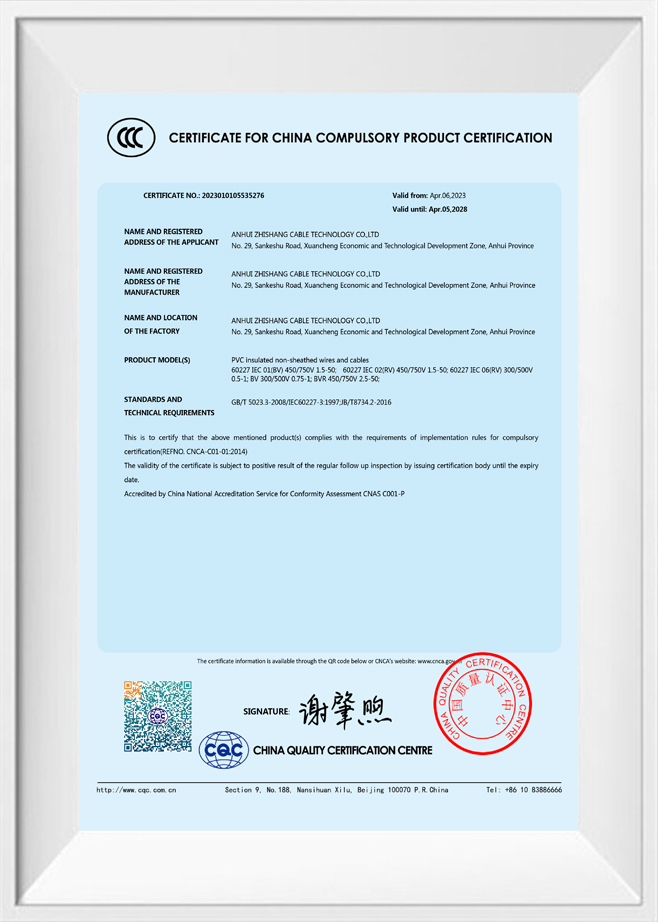
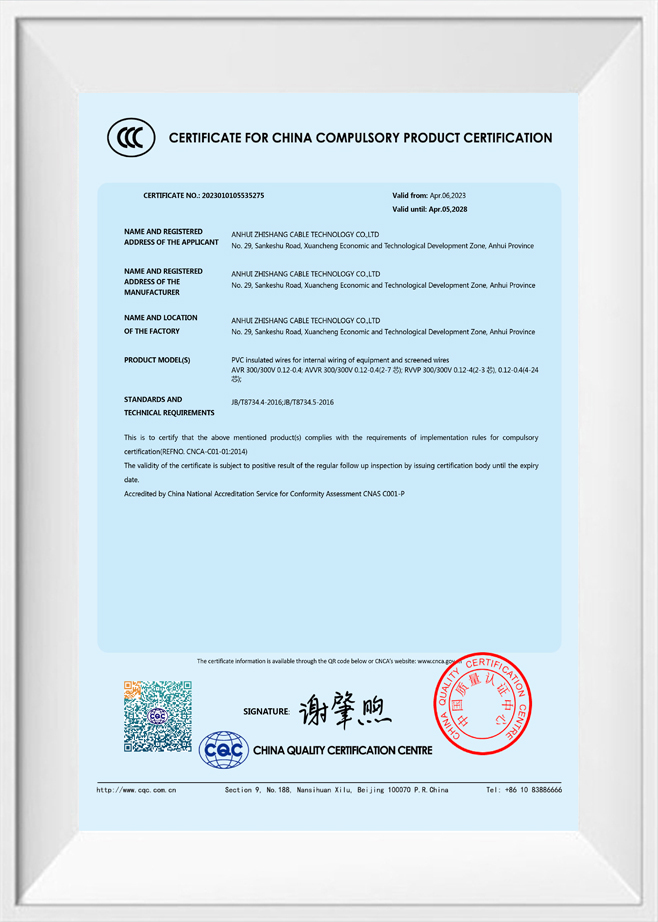
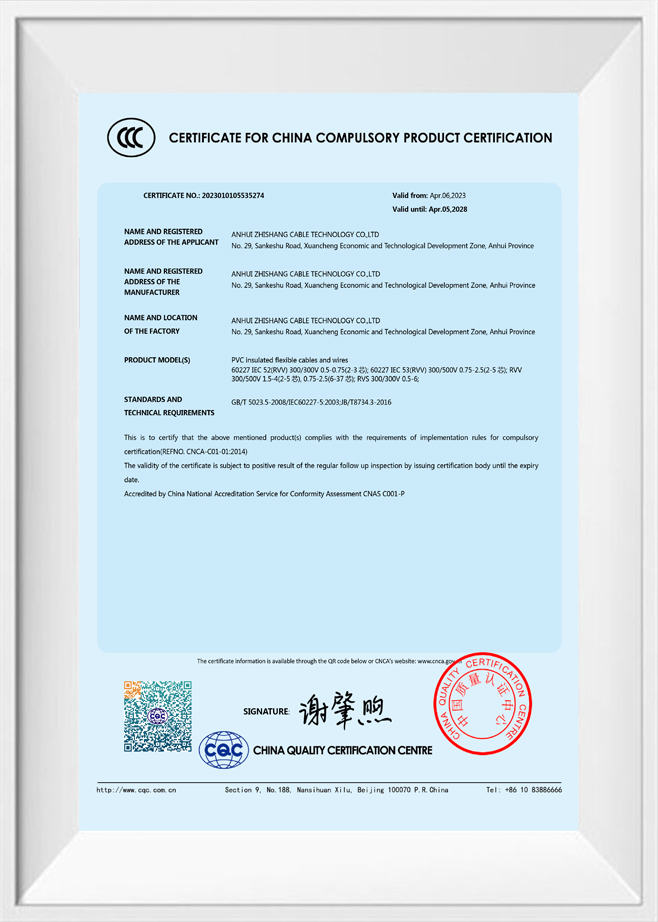
Customized Production: Supports non-standard lengths, special colors, specific packaging, and products compliant with specific certifications (e.g., CCC, CE, CPR).
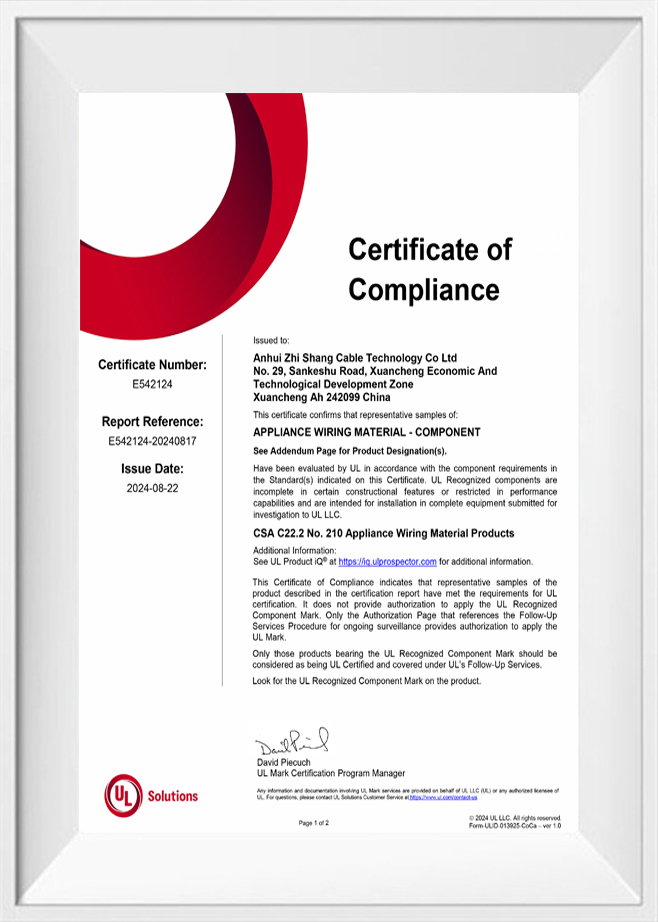
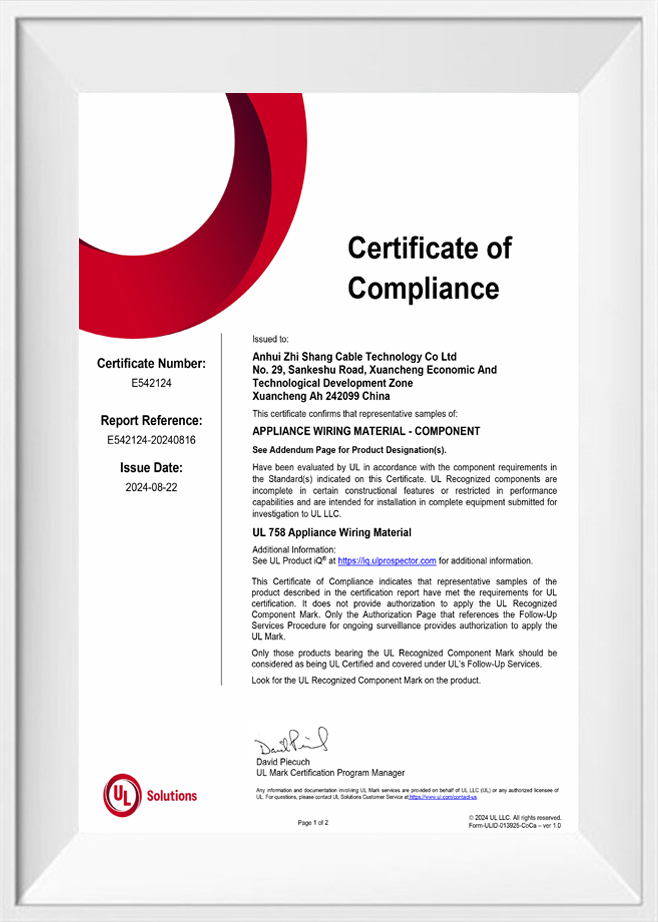
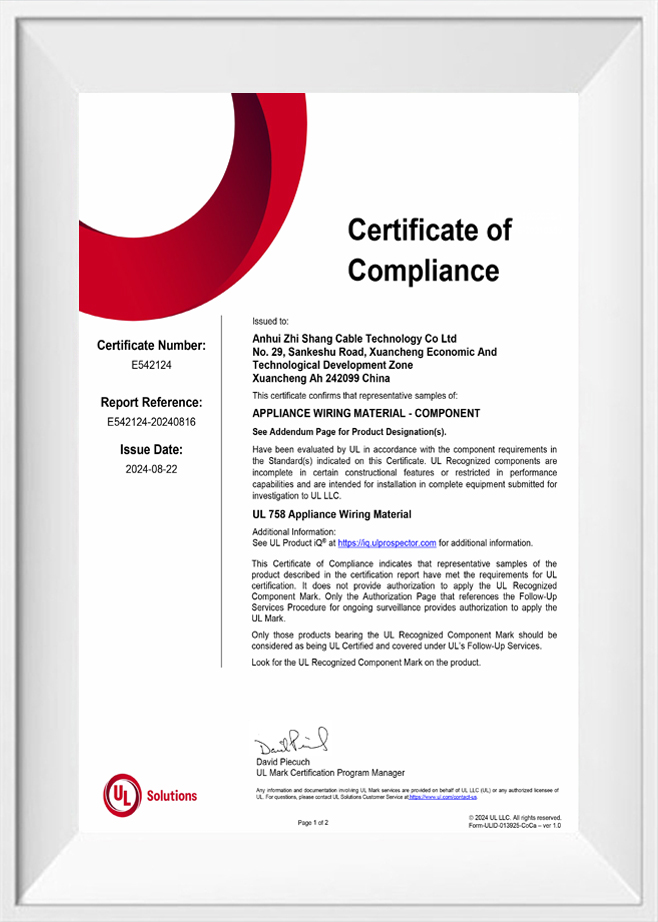
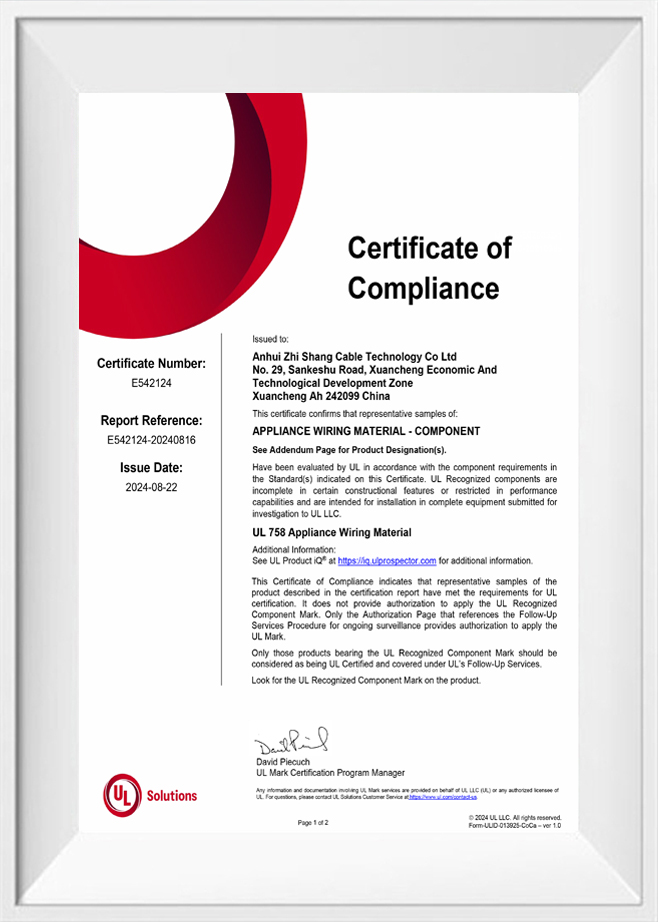
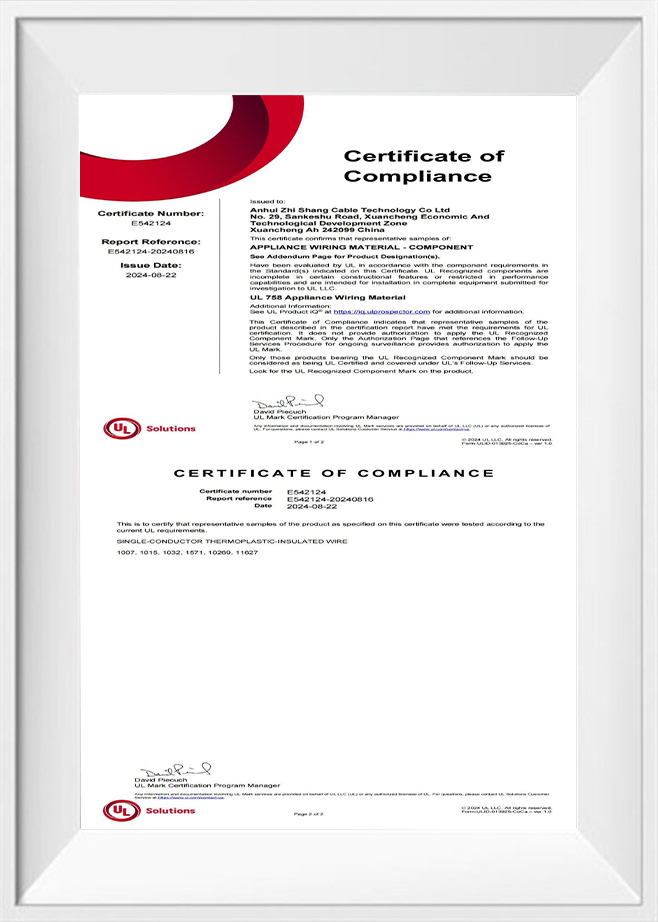
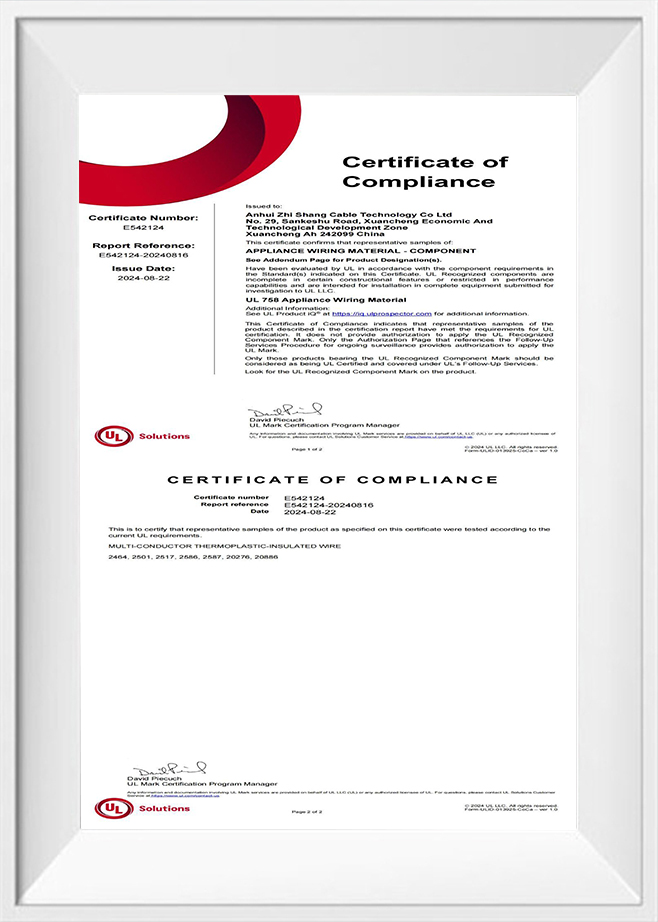
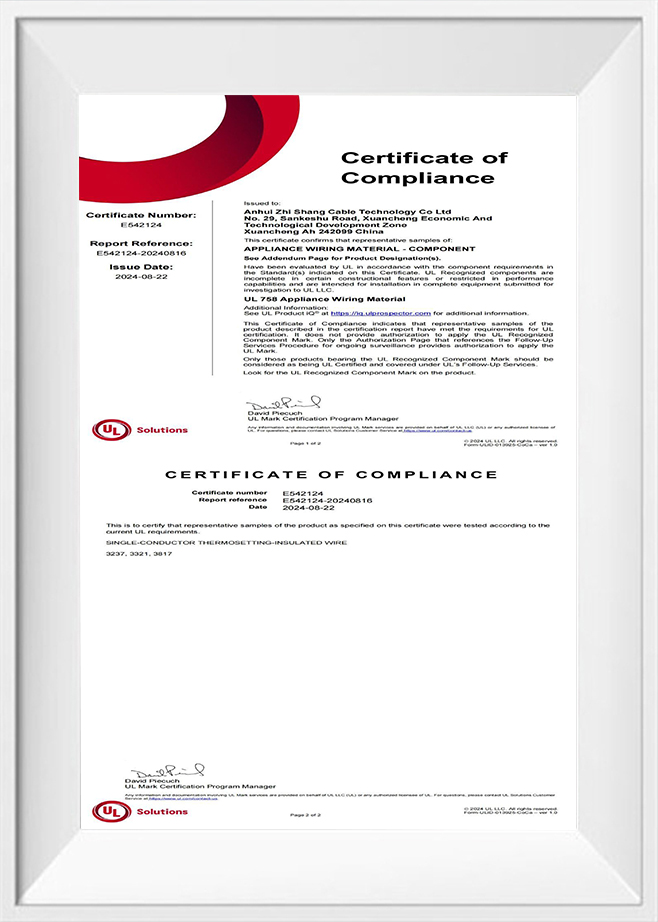
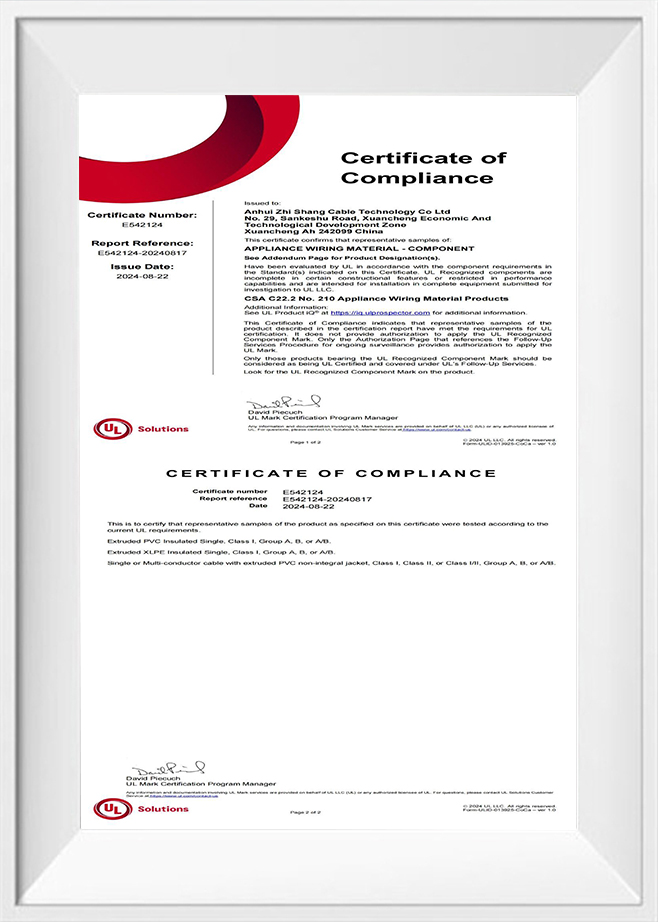
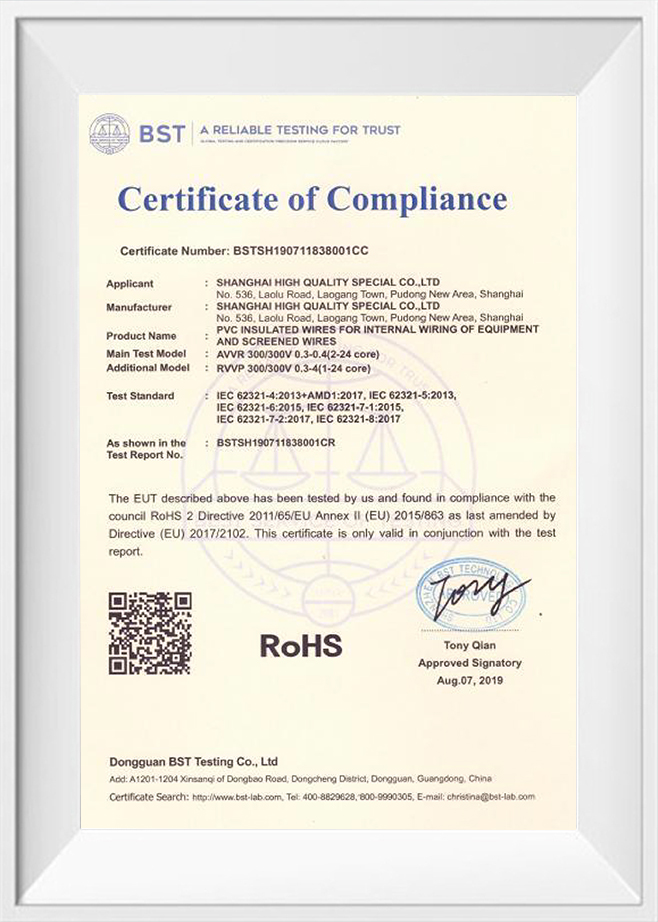
Testing and Certification: Provides factory inspection reports, assists customers in completing sample testing, and ensures products meet market access requirements such as CCC, CE, and CPR.
V. Core Advantages
Safety and Reliability: Complies with national and international safety standards, excellent insulation performance, low failure rate, and stable long-term operation.
Cost-Effectiveness: High cost-performance ratio, simple installation, effectively reducing construction and maintenance costs.
Flexibility and Adaptability: Product series cover the vast majority of building and industrial low-voltage power distribution needs, meeting specific requirements for different environments (heat resistance, oil resistance, flame retardancy).
Standardization and Compatibility: Uniform specifications, good compatibility with electrical accessories such as switches, sockets, and terminals, facilitating design selection and inventory management.
Environmental Sustainability: Modern products widely use low-smoke halogen-free and recyclable materials, meeting green building and environmental requirements.

 English
 Español
 عربى
عربى
 русский