Electronic Computer Cable
Introduction
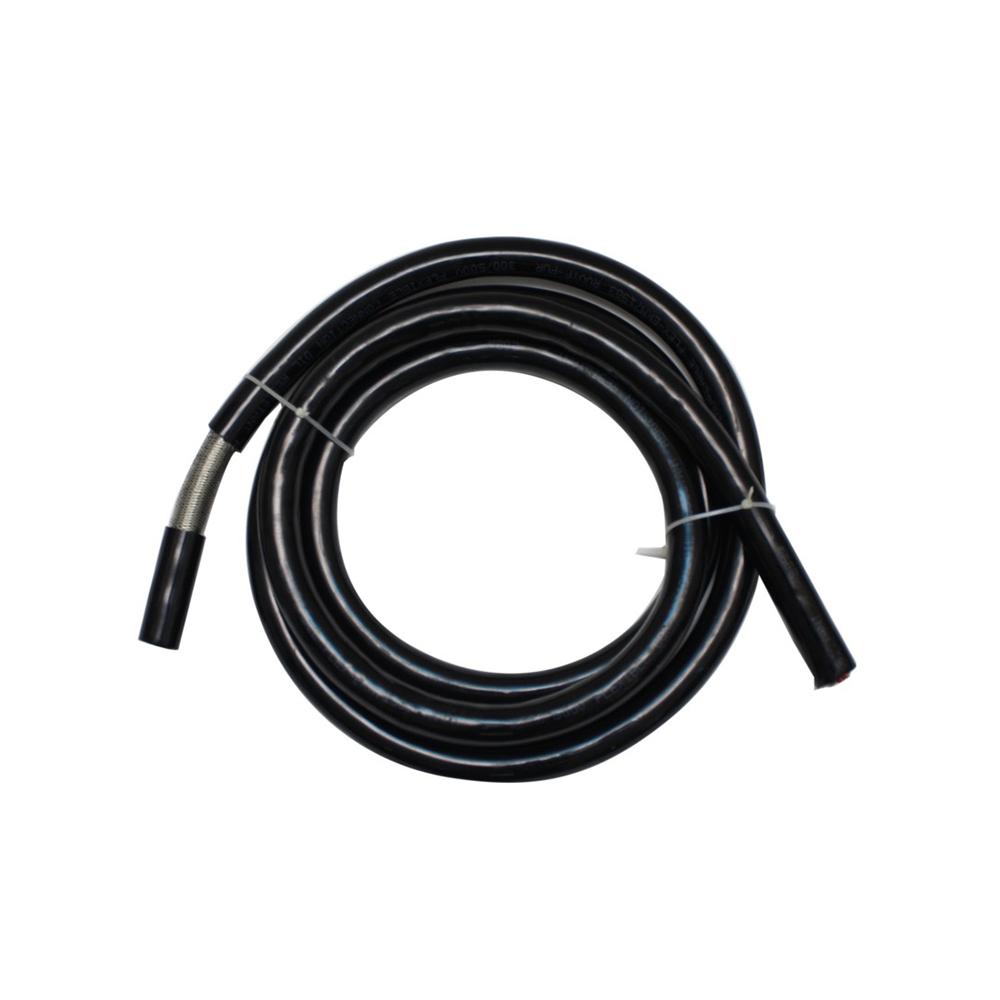
Electronic computer cables, commonly known as computer cables, are specifically designed for transmitting analog and digital signals and low-speed control connections between computer systems, automation instruments, and electronic equipment. Their core characteristic is the use of twisted-pair structures and widespread application of shielding technology, aimed at suppressing electromagnetic interference and ensuring data transmission accuracy and system anti-interference capability. Unlike communication cables, they focus more on signal stability and noise resistance in industrial environments.
Applications
Widely used in signal transmission scenarios requiring high anti-interference performance.
Typical application scenarios include: computer distributed control systems (DCS), industrial process control systems, automation instrumentation devices, signal connections for electric drive systems, signal circuits in nuclear and conventional power plants, low-voltage system connections in office buildings, and connections between electronic equipment in any industrial environment with electromagnetic interference.
Production
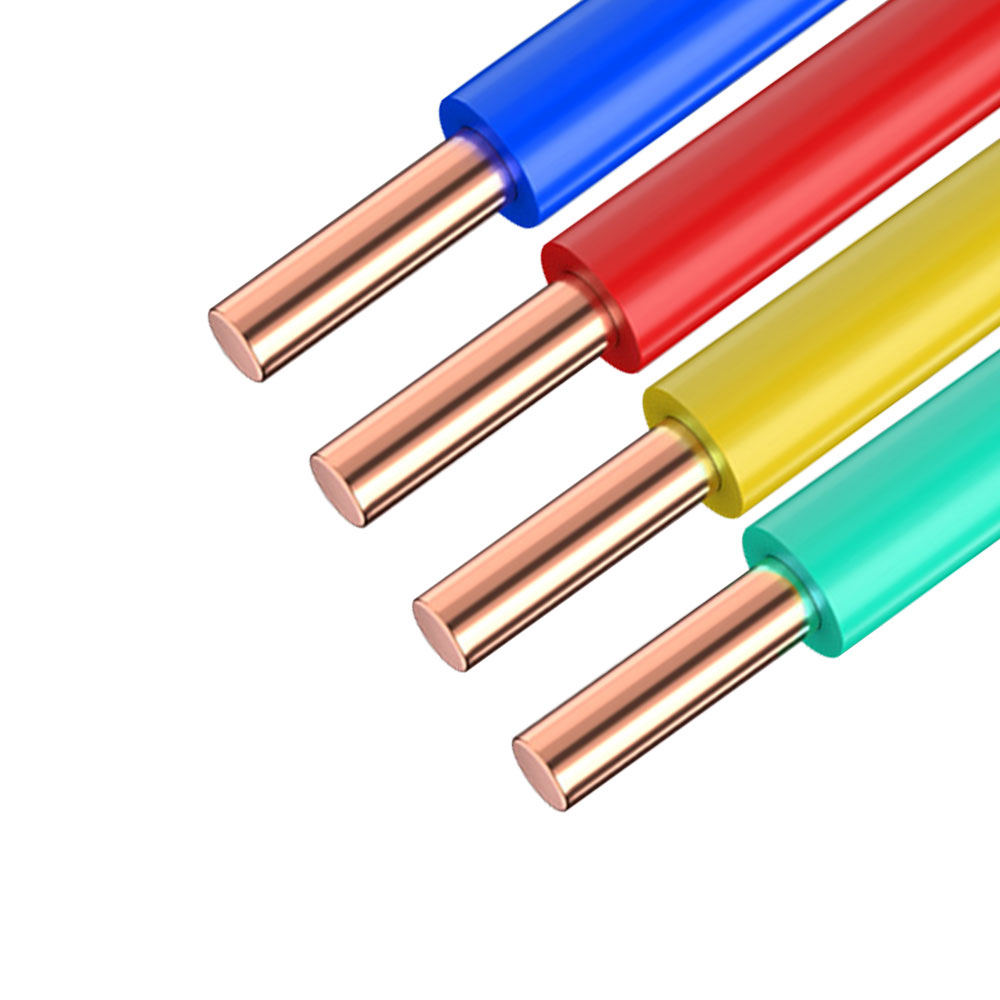
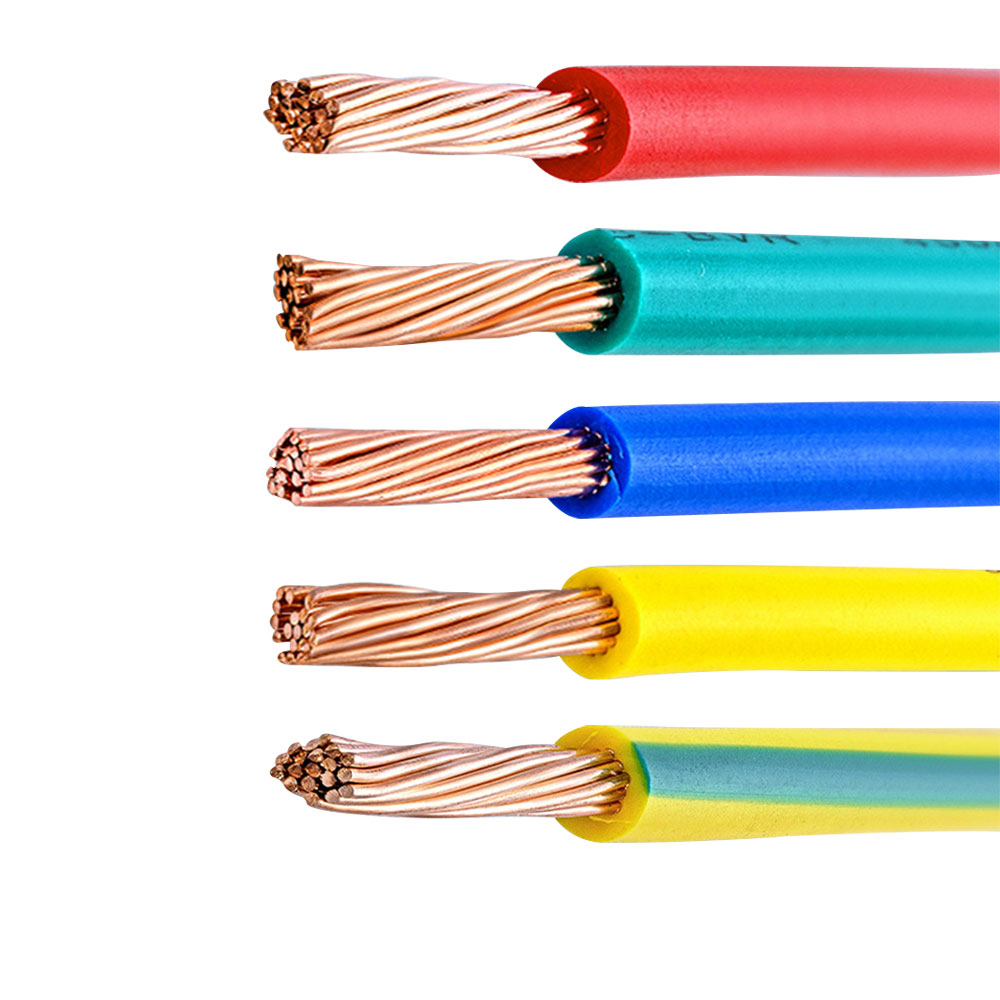
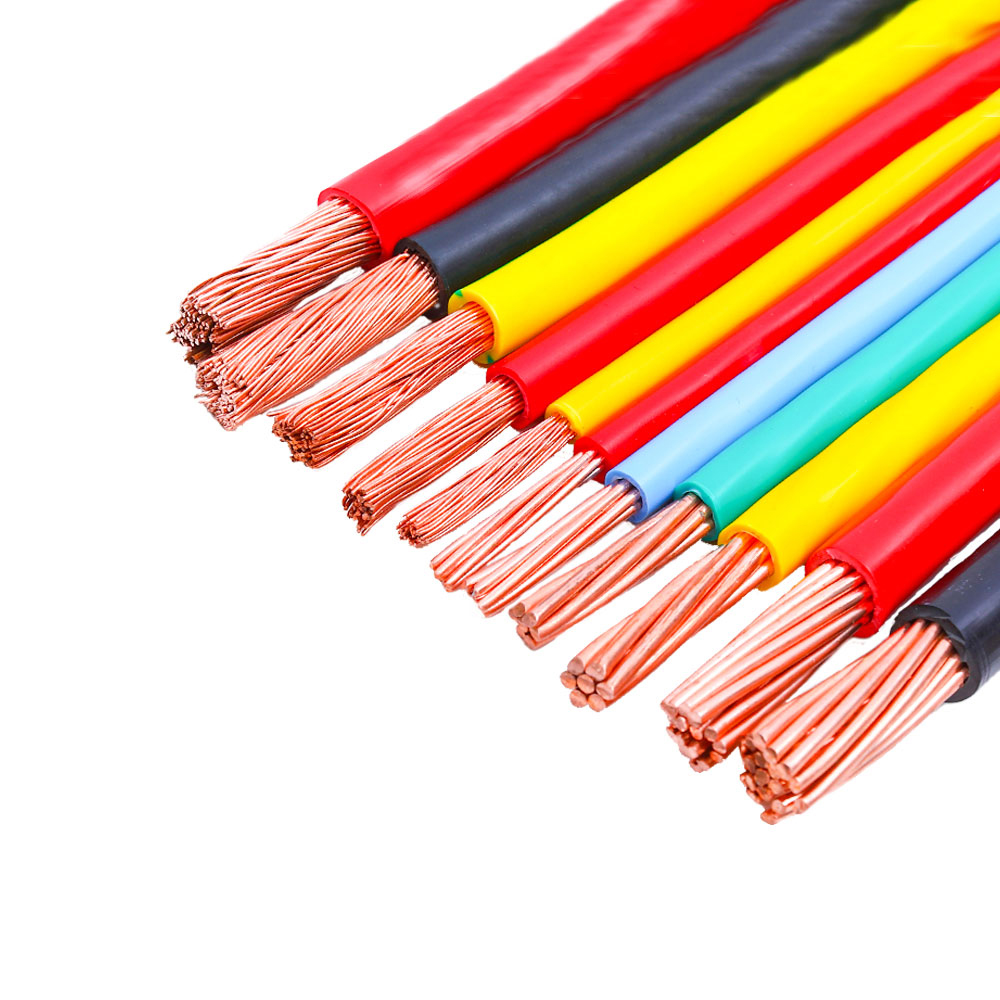
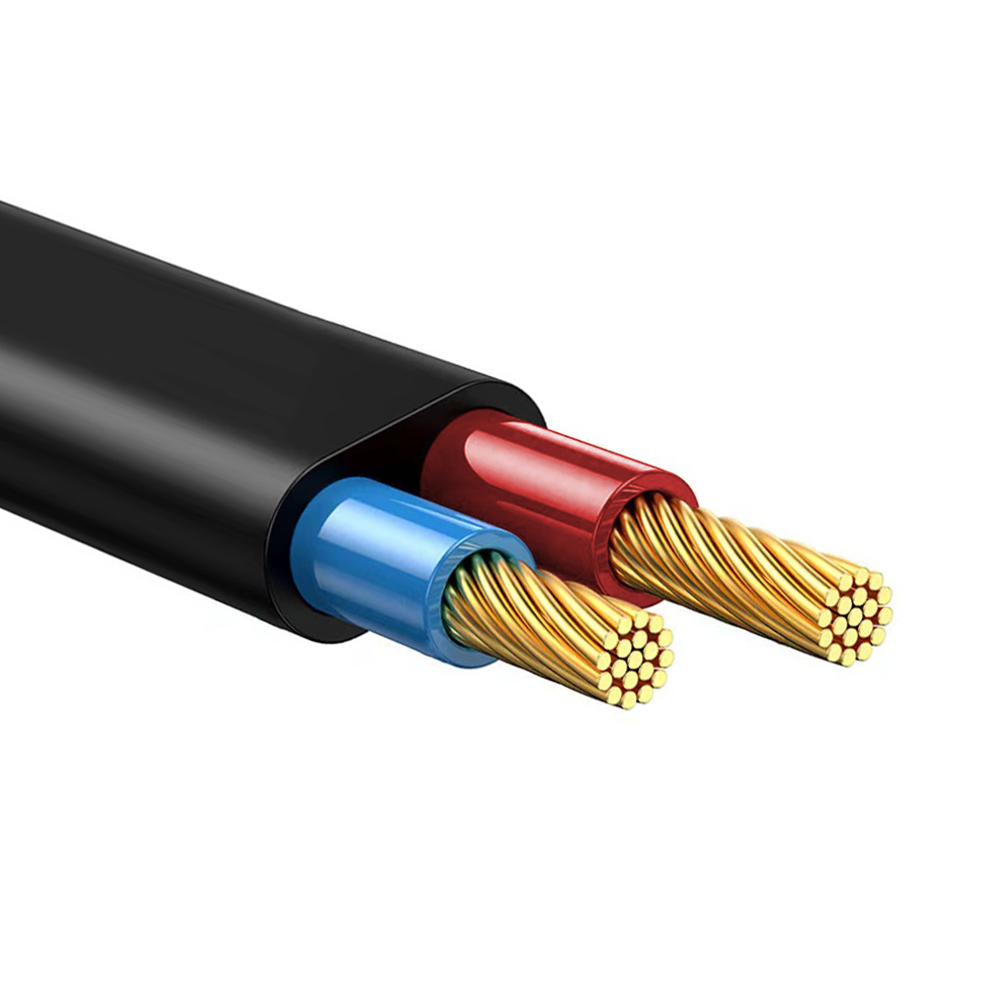
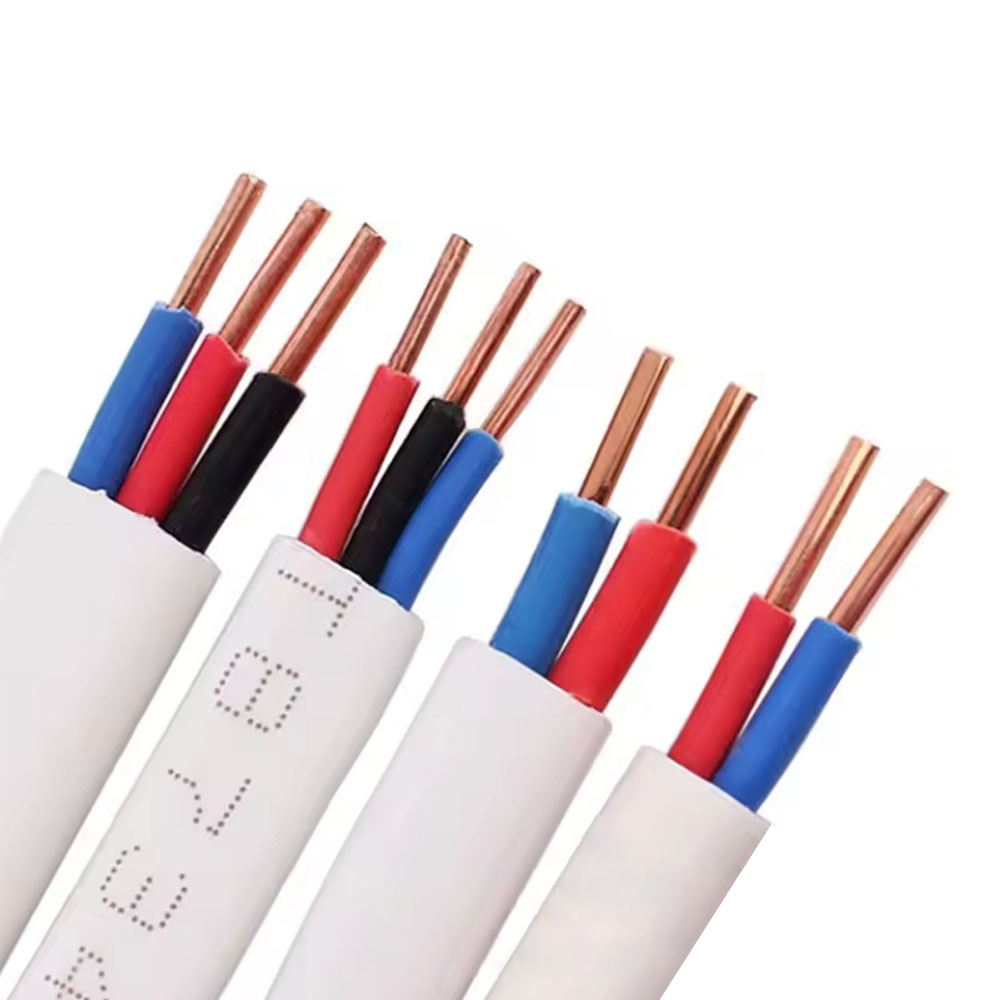
Conductor: Uses annealed soft copper wires, either single or multi-strand twisted, to ensure good conductivity and flexibility.
Insulation: Extruded with materials such as polyethylene (PE), polyvinyl chloride (PVC), or cross-linked polyethylene (XLPE), providing stable insulation performance.
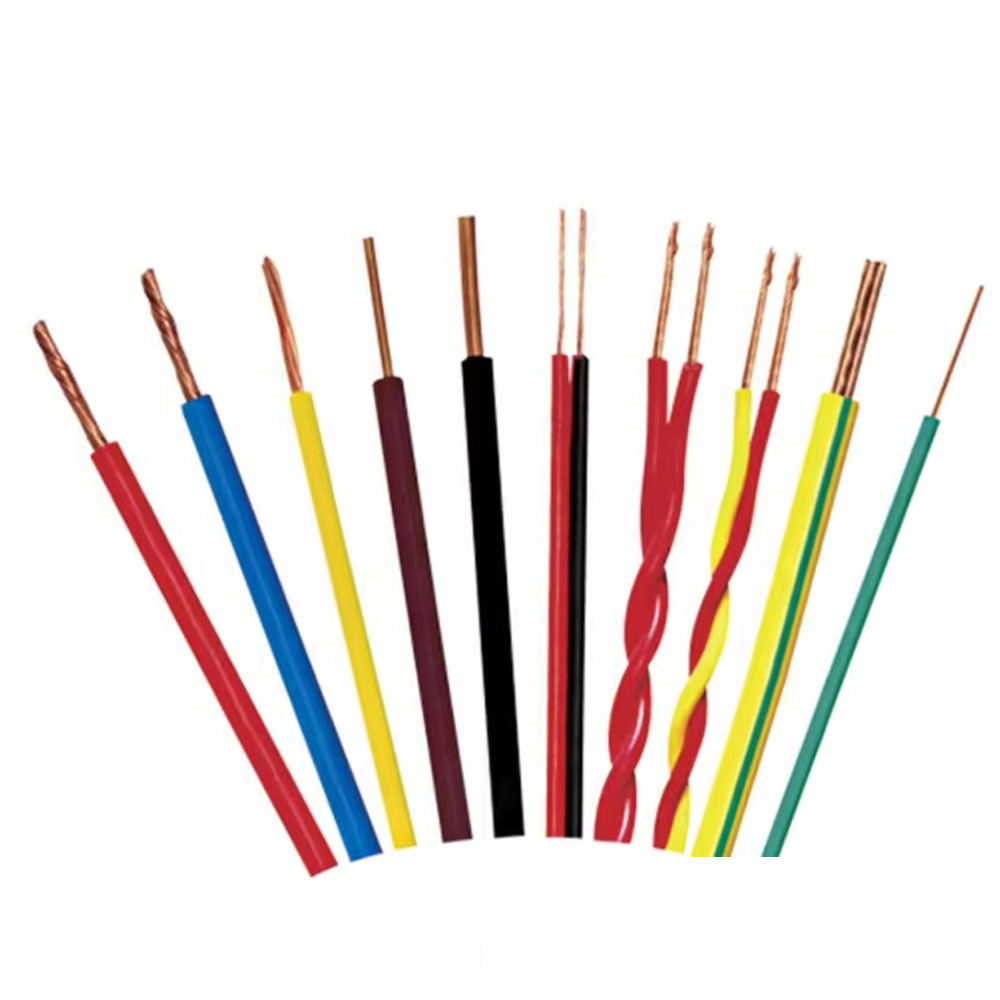
Twisted Pair: Single insulated cores are twisted into pairs at specific pitches to counteract common-mode interference, forming one of the core anti-interference structures.
Cabling: Twisted pairs and filler materials are twisted together to form a compact and symmetrical cable core.
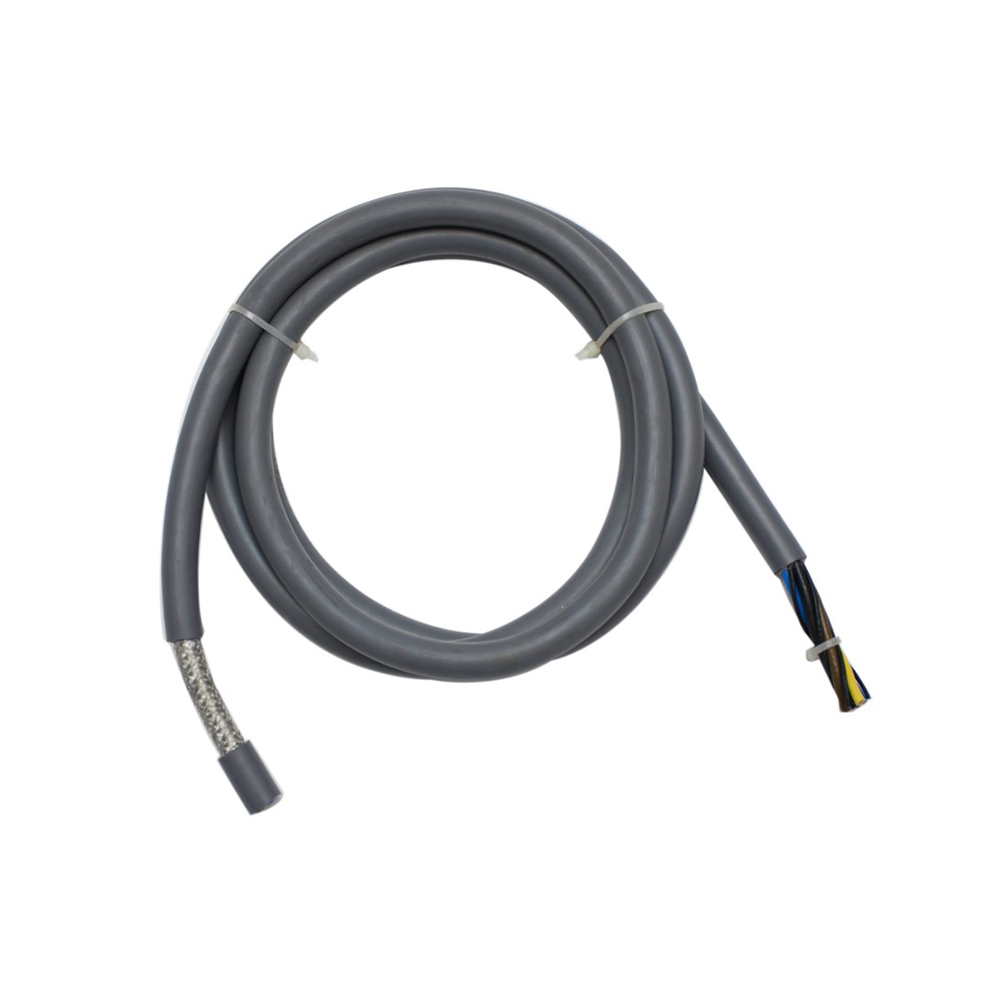
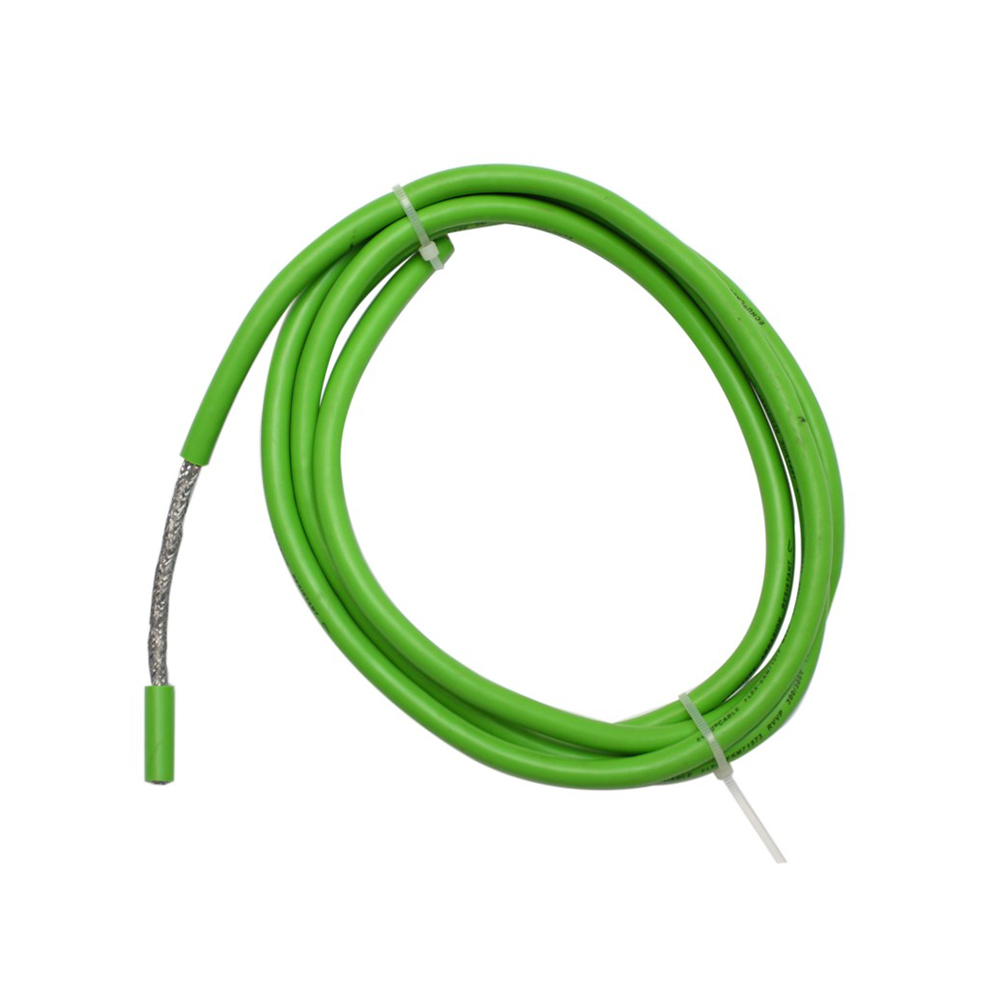
Shielding: Pair shielding (individual shielding for each pair) and/or overall shielding is applied outside the twisted pairs. Shielding methods include copper wire braiding, aluminum-plastic composite tape wrapping, or a combination of both (composite shielding).
Sheath: Extruded polyvinyl chloride (PVC) or low-smoke zero-halogen (LSZH) sheath provides mechanical and environmental protection.
Key Process Controls: Strictly control the uniformity of the twisting pitch; ensure the coverage rate (braided shielding typically ≥80%) and continuity of the shielding layer; conduct 100% tests for conductor DC resistance, insulation withstand voltage, insulation resistance, and working capacitance; perform shielding suppression coefficient or transfer impedance tests for shielded cables.
Services
Selection Consultation: Provide recommendations for pair shielding, overall shielding, or composite shielding based on signal type (analog/digital), signal level, environmental interference intensity, grounding methods, and installation conditions (e.g., whether parallel to power cables).
Customized Production: Support customization of non-standard core counts, special shielding structures, specific sheath colors, and performance characteristics (e.g., flame-retardant Class A, cold resistance).
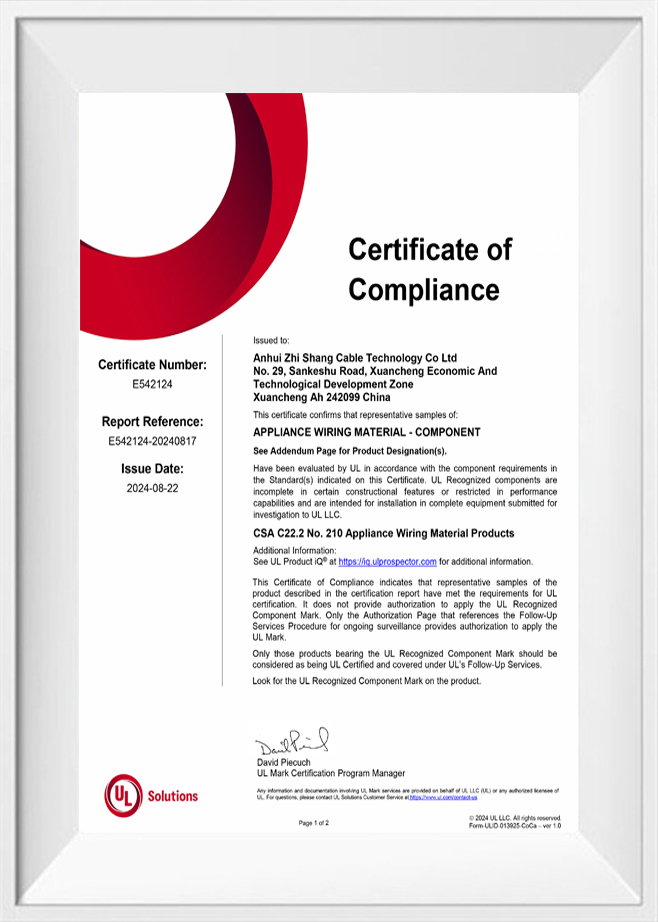
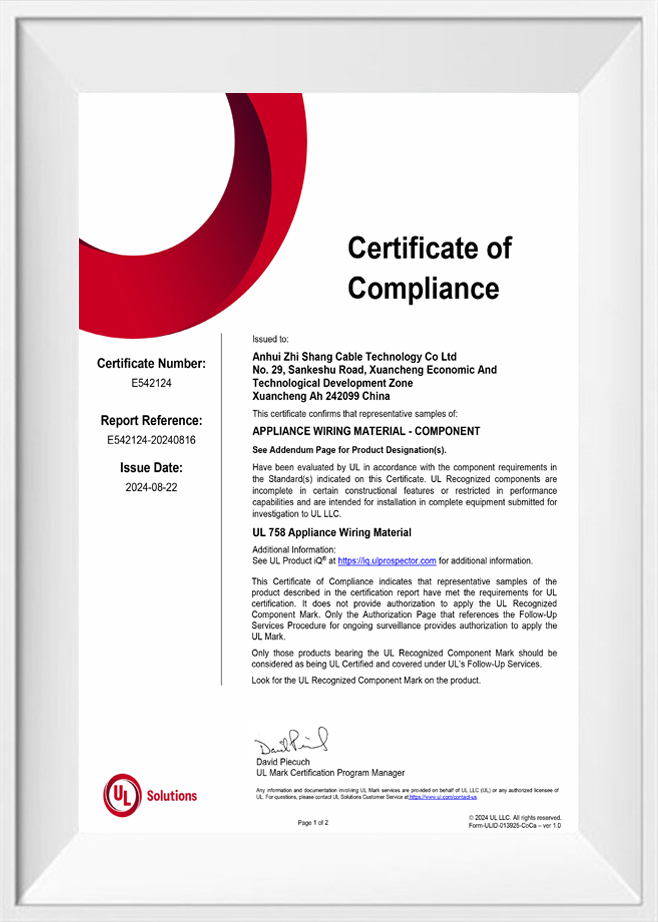
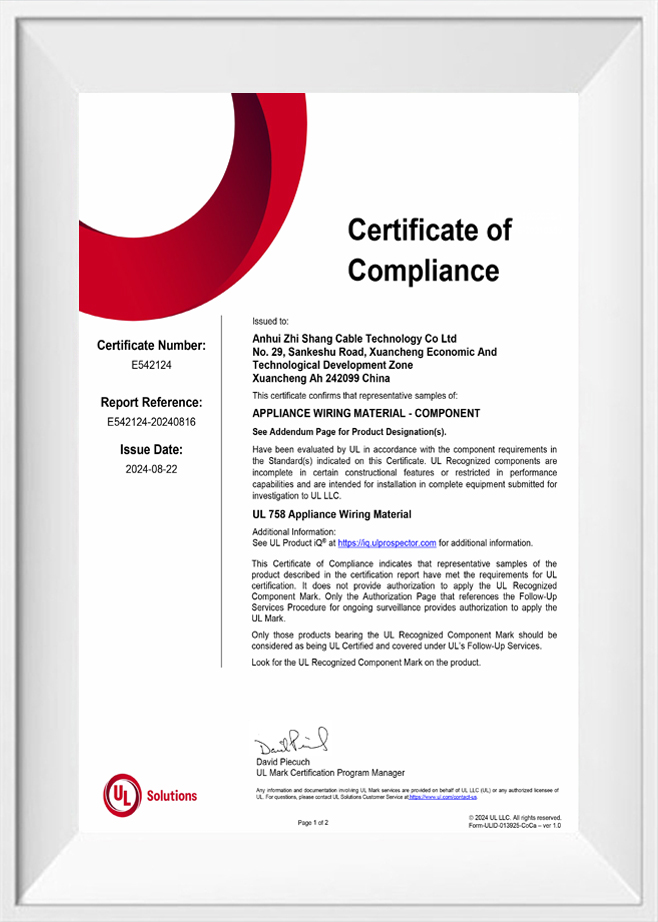
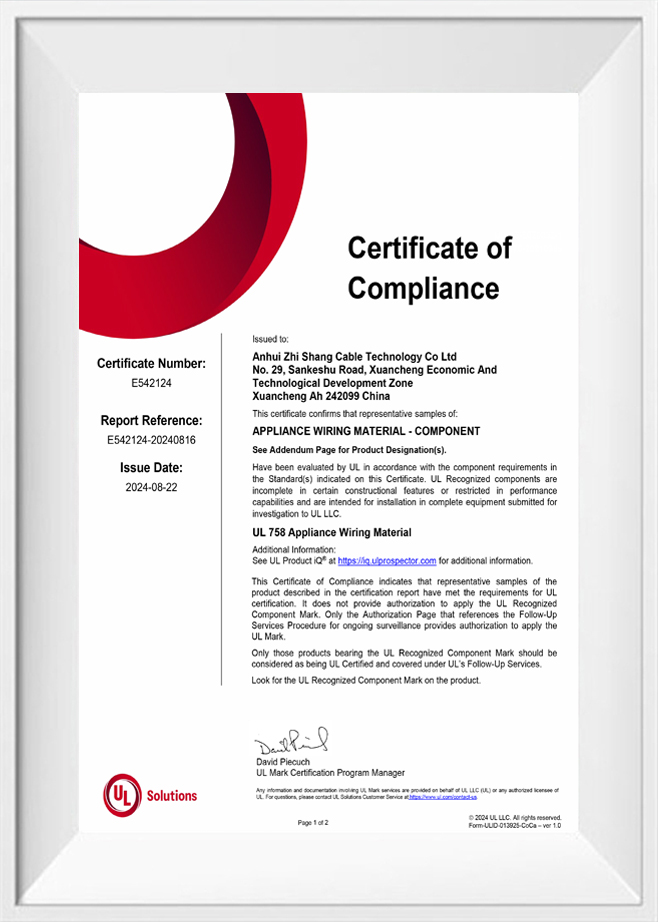
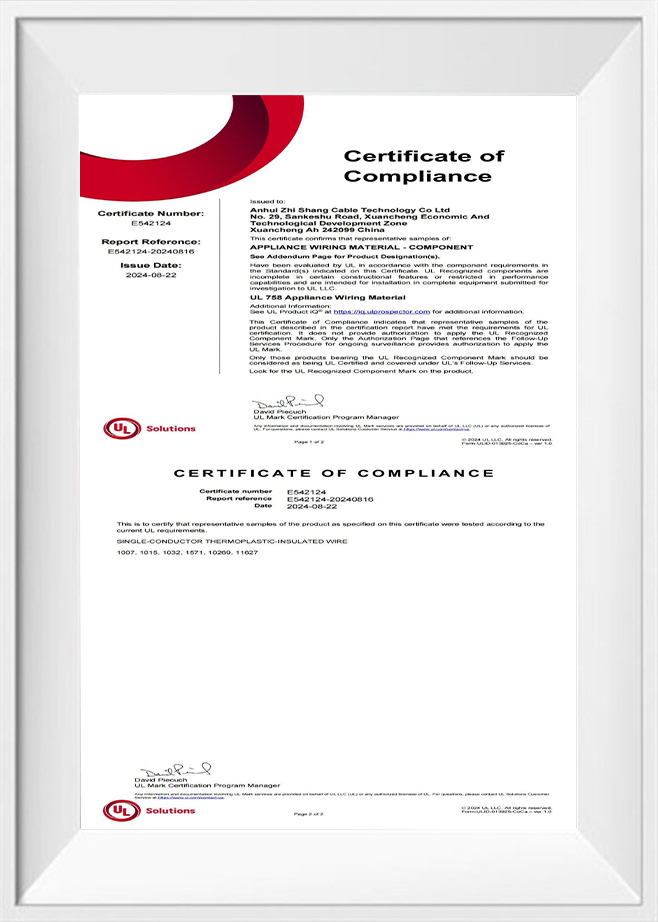
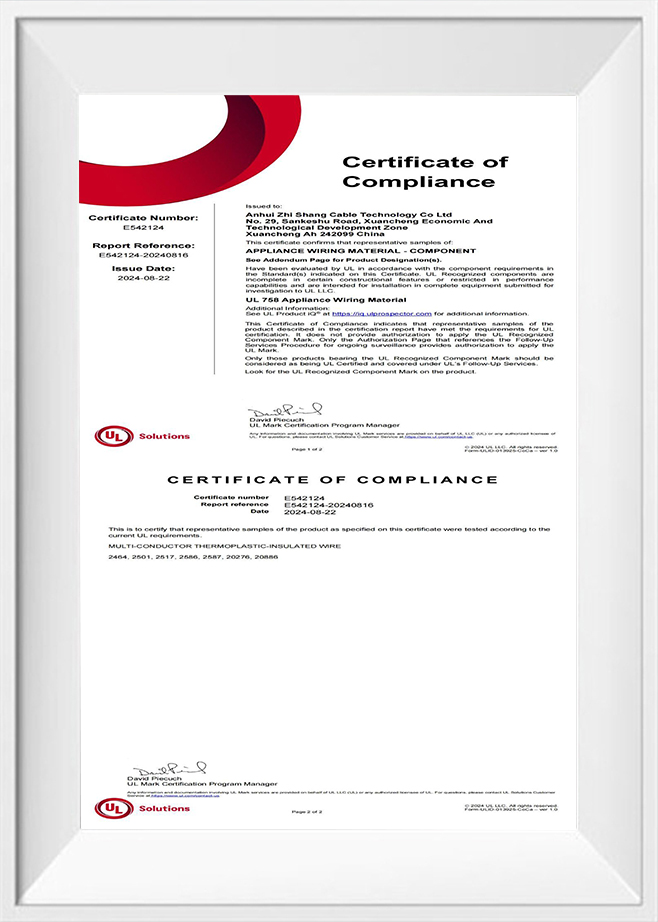
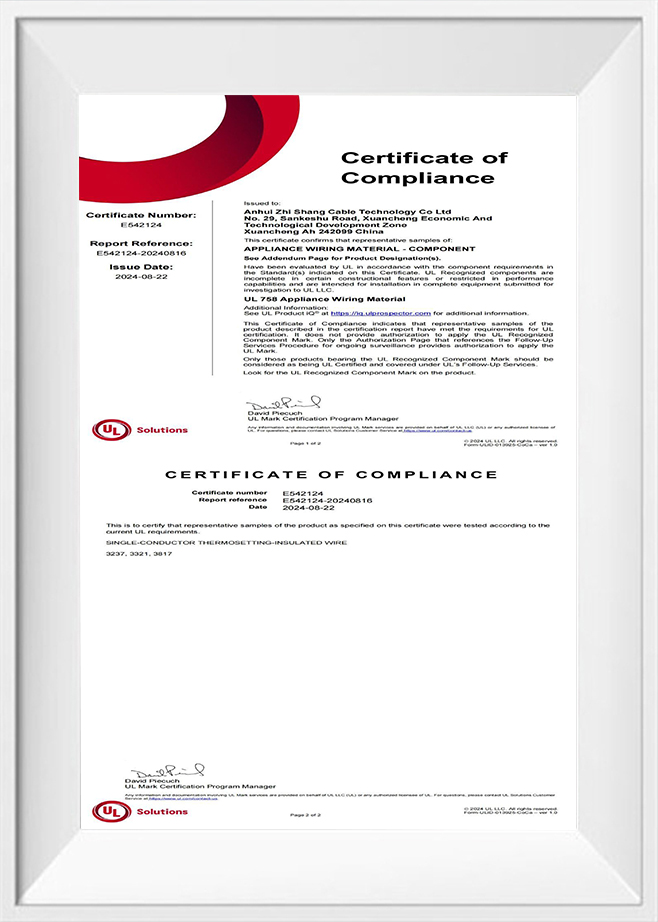
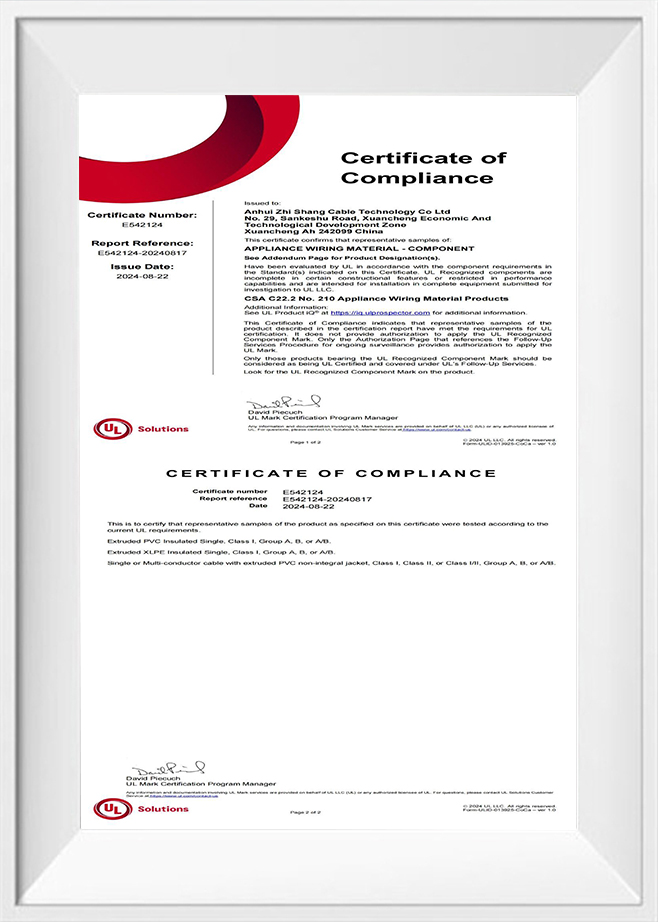
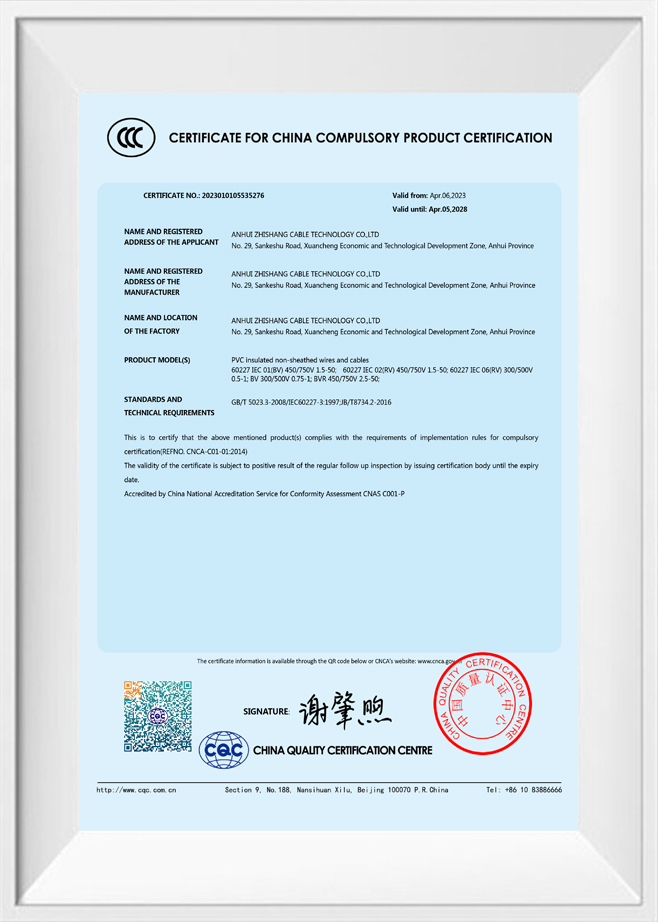
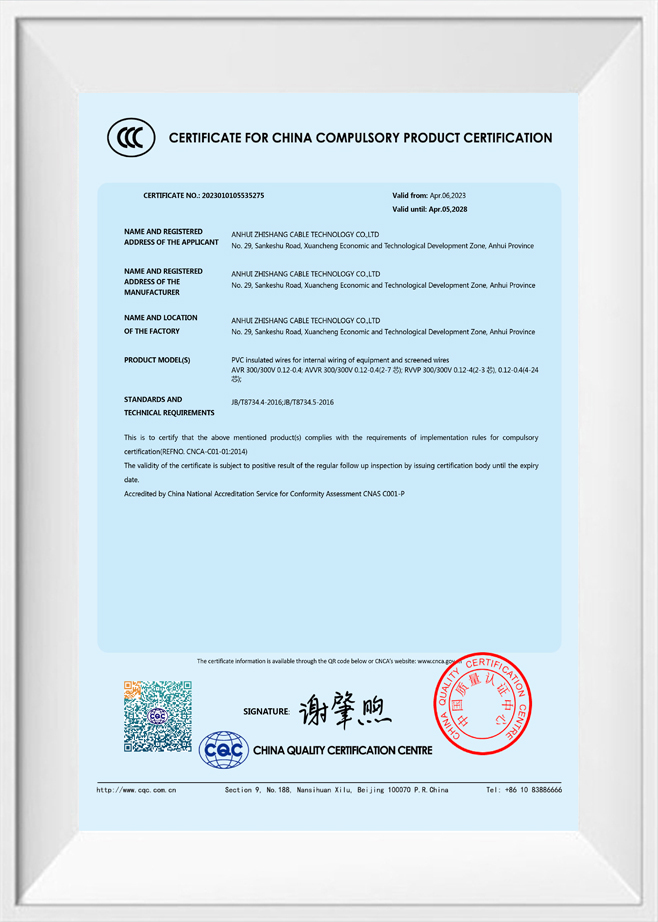
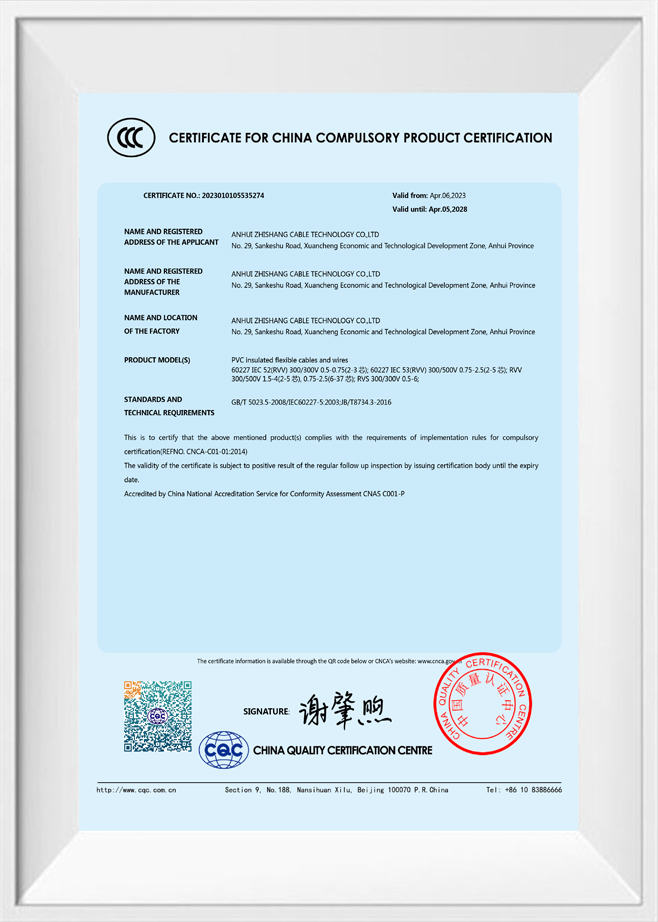
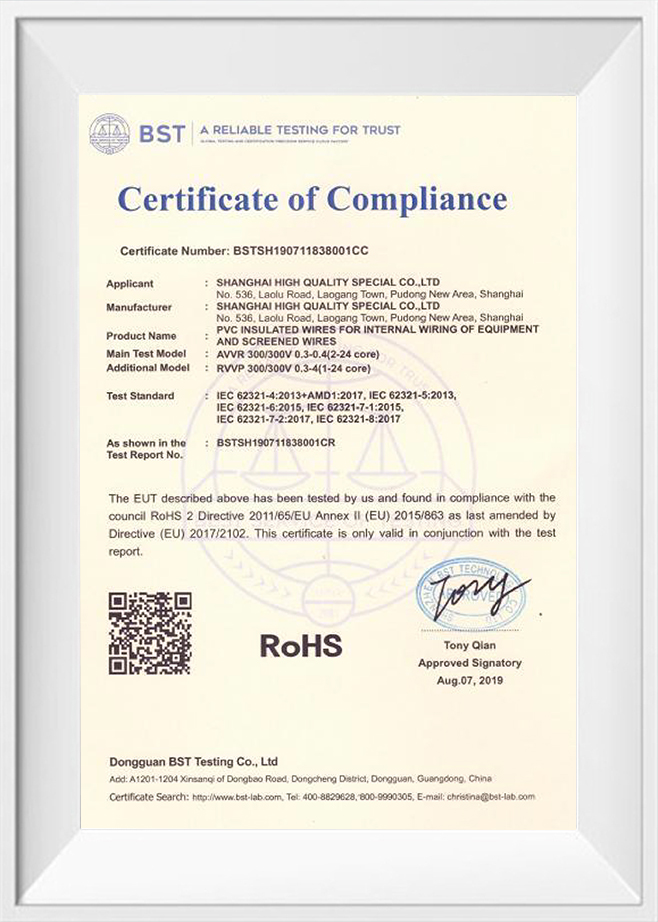
Testing and Certification: Provide product test reports compliant with national standards (e.g., GB/T 9330) or industry specifications.
Advantages
Excellent Anti-Interference Performance: The twisted-pair and multi-layer shielding structures effectively suppress external electromagnetic interference and crosstalk between internal pairs, ensuring signal transmission quality.
Stable and Reliable Transmission: Low working capacitance and good insulation properties reduce signal attenuation and distortion during transmission, making them suitable for precise transmission of medium- and low-frequency signals.
Flexible Structural Design: Core count and shielding methods (pair shielding, overall shielding, pair + overall shielding) can be flexibly combined based on anti-interference requirements, adapting to signal circuits of varying complexity.
Strong Environmental Adaptability: The sheath can feature flame retardancy, oil resistance, moisture resistance, low-smoke zero-halogen properties, etc., meeting various industrial environments and safety requirements.
Standardization and Compatibility: Compliance with relevant national and industry standards ensures good compatibility with common computer systems and automation instrument interfaces, facilitating system integration and maintenance.

 English
 Español
 عربى
عربى
 русский