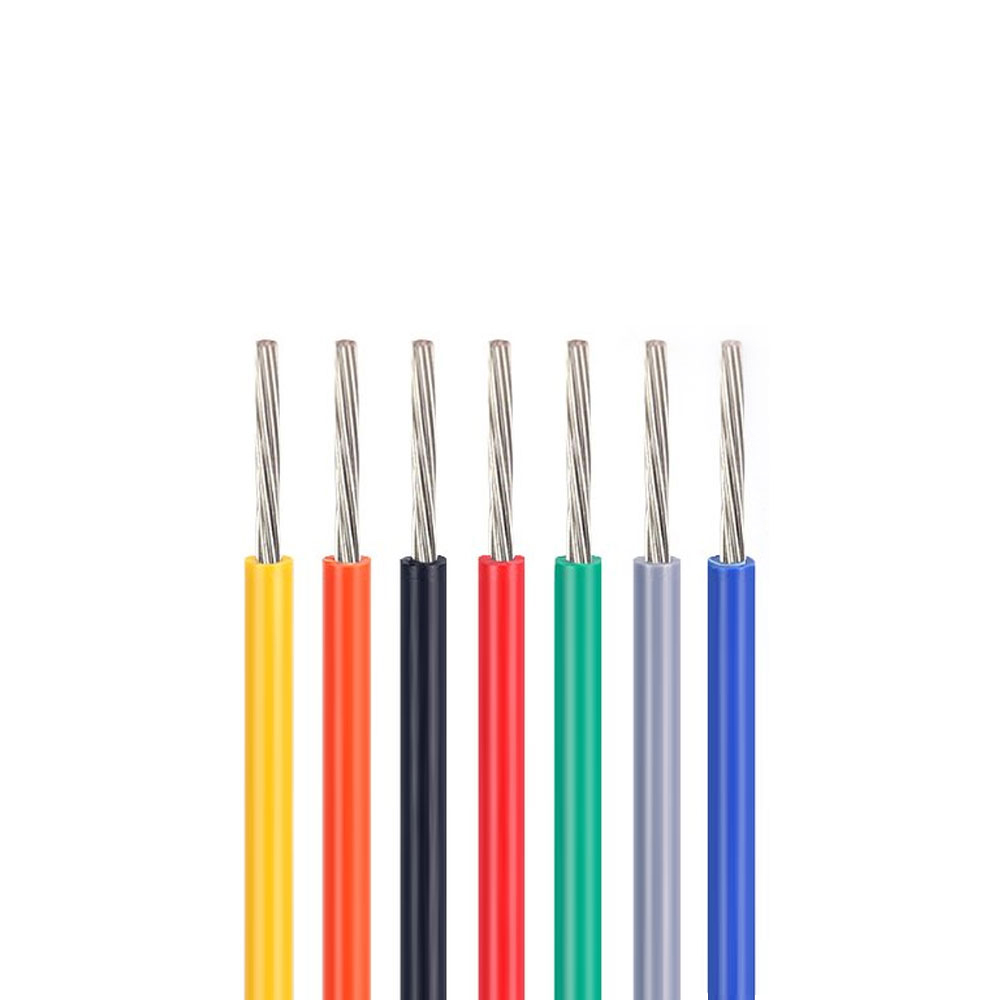

Get more content that can help you
Content
A high-temperature resistant control cable is a specialized type of electrical cable engineered to maintain reliable signal transmission and control functions in environments where standard cables would fail due to excessive heat. These cables are designed to operate continuously at temperatures that typically range from 150°C to over 450°C, depending on the materials used in their construction. Unlike conventional control cables, which use standard PVC or polyethylene insulation, high-temperature variants rely on advanced materials such as silicone, PTFE (polytetrafluoroethylene), fiberglass, mica, or cross-linked polymers that retain their electrical and mechanical integrity under thermal stress.
Control cables in general are multi-conductor cables used to transmit low-voltage signals for monitoring, automation, and control purposes — connecting sensors, actuators, switches, and control panels in industrial systems. When these systems operate near furnaces, engines, turbines, or other heat-generating equipment, the cable insulation must withstand the ambient temperature without melting, cracking, or losing dielectric strength. High-temperature resistant control cables fill this critical role, ensuring that control systems continue to function safely and accurately regardless of the thermal environment.
The performance of a high-temperature resistant control cable is directly tied to the materials chosen for each layer of its construction. Every component — from the conductor to the outer jacket — must be selected for thermal stability, flexibility, and compatibility with the specific operating environment.
The conductors in high-temperature control cables are typically made from tinned copper, nickel-plated copper, or solid nickel. Tinned copper conductors offer good conductivity with moderate heat resistance, while nickel-plated or solid nickel conductors are preferred for extreme temperatures above 300°C. Nickel has a higher melting point than copper and maintains its electrical properties at temperatures where bare copper would oxidize rapidly, leading to increased resistance and eventual failure.
The insulation layer is the most critical component for thermal performance. Common insulation materials used in high-temperature control cables include:
Many high-temperature control cables include a metallic shield — typically braided or foil copper or aluminum — to protect signal integrity from electromagnetic interference (EMI). The outer jacket is usually made from silicone, PTFE, or a fiberglass braid impregnated with a thermal compound. In applications where the cable may be exposed to oils, chemicals, or abrasion in addition to heat, armored versions with stainless steel braid or corrugated metal sheathing are available.
High-temperature resistant control cables stand apart from standard cables through a combination of performance characteristics that make them indispensable in demanding applications. The following table summarizes the most important features and their practical significance:
| Feature | Detail | Practical Benefit |
| High thermal stability | Rated from 150°C to 450°C+ | Reliable operation near furnaces and engines |
| Flame retardancy | Self-extinguishing materials | Prevents fire spread in emergency conditions |
| Chemical resistance | Resistant to oils, solvents, and acids | Suitable for chemical and petrochemical plants |
| Flexibility at temperature | Silicone retains flex under heat | Easier installation in confined spaces |
| EMI shielding | Braided or foil metallic shield | Accurate signal transmission in noisy environments |
| Long service life | Resistance to thermal aging | Lower maintenance and replacement costs |
A common point of confusion is the difference between heat-resistant and fire-resistant control cables. Heat resistance refers to a cable's ability to function continuously at elevated ambient temperatures without degradation. Fire resistance, on the other hand, refers to the cable's ability to maintain circuit integrity even when directly exposed to flames during a fire event — a property critical for emergency systems such as fire alarms, evacuation lighting, and safety shutdown circuits.
High-temperature resistant control cables can be engineered to meet both requirements simultaneously. Cables with mica-taped insulation under their outer jacket, for example, are classified as both heat-resistant and fire-resistant because the mica layer continues to insulate the conductors even after the outer silicone or PTFE has been consumed by fire. When selecting a cable for safety-critical systems, it is essential to verify whether the specification requires heat resistance, fire resistance, or both, as each demands different construction approaches and testing standards.
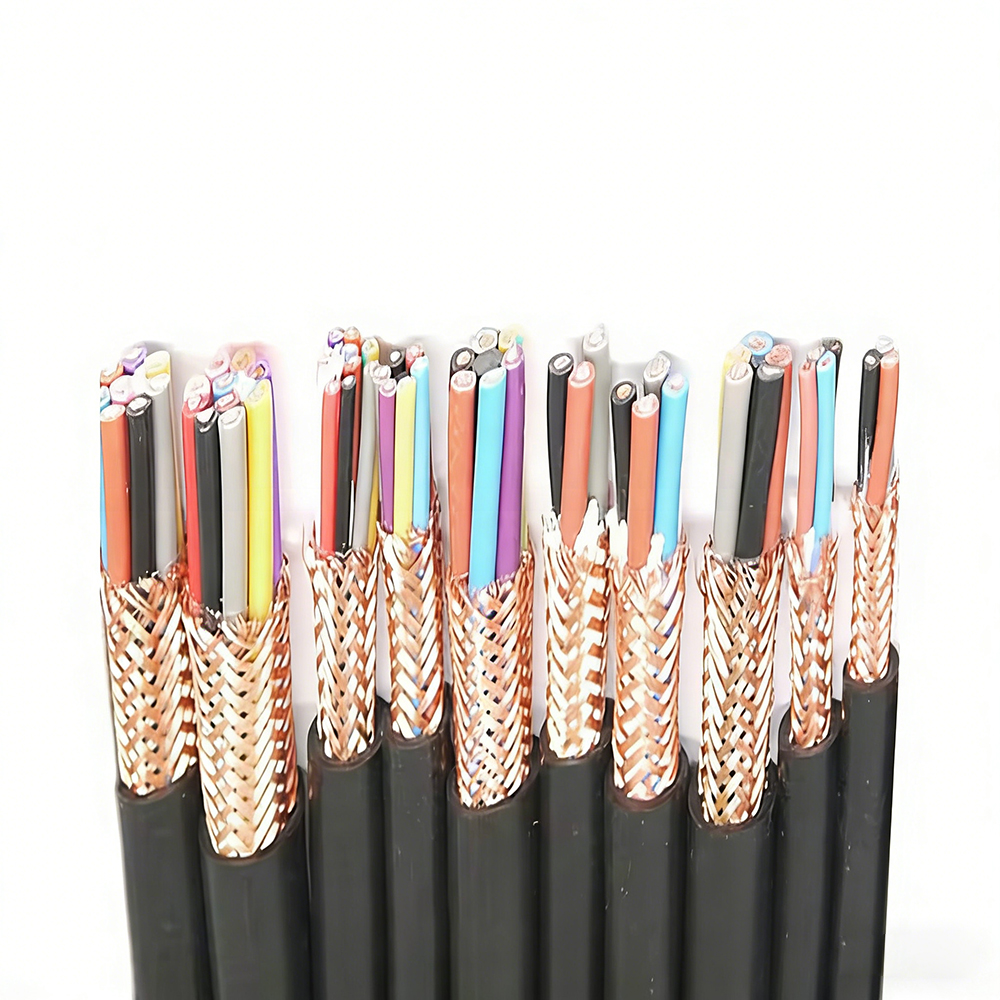
The demand for high-temperature resistant control cables spans a wide range of industries where heat, fire risk, or extreme operating conditions are unavoidable. Their ability to maintain signal and control functions under thermal stress makes them essential in the following sectors.
Steel mills and foundries operate furnaces and smelting equipment at temperatures far exceeding what standard cables can tolerate. High-temperature control cables are used to connect temperature sensors, automated valve controllers, conveyor drive systems, and process monitoring equipment throughout these facilities. The cables must withstand not only radiant heat from molten metal but also thermal cycling as equipment heats up and cools down repeatedly over the course of daily operations.
In coal-fired, gas, and nuclear power plants, control cables run throughout boiler rooms, turbine halls, and generator areas where temperatures are consistently elevated. These cables transmit critical control signals for turbine speed regulation, pressure monitoring, and safety shutdown systems. In nuclear facilities, cables must also meet strict radiation resistance standards in addition to thermal performance requirements, making material selection even more demanding.
Oil refineries and chemical processing plants expose cables to a combination of high temperatures and aggressive chemicals. High-temperature resistant control cables with PTFE insulation are particularly well-suited to these environments because PTFE is virtually inert to chemical attack while simultaneously offering excellent thermal performance. These cables connect instrumentation, flow controllers, pressure transmitters, and emergency isolation systems across the facility.
Aircraft engines, rocket propulsion systems, and military vehicles generate intense heat in confined spaces. Control cables in these applications must be lightweight, highly flexible, and capable of withstanding extreme temperatures while maintaining signal accuracy. Nickel-conductor cables with PTFE insulation are frequently specified for aerospace applications due to their combination of heat resistance, chemical stability, and proven reliability in mission-critical environments.
The kilns and annealing ovens used in glass and ceramic production operate at temperatures commonly between 700°C and 1,600°C. While the cables themselves are not placed inside the kiln, they must route through areas immediately adjacent to these heat sources. Fiberglass-insulated cables with nickel conductors are commonly used in these environments to control burner systems, conveyor speeds, and temperature regulation equipment reliably over long production runs.
In commercial buildings and industrial facilities, fire-resistant control cables are required by building codes to ensure that life safety systems — including fire alarms, emergency lighting, smoke control fans, and sprinkler controls — continue to function during a fire. Mica-insulated high-temperature cables are specifically designed to maintain circuit integrity for a defined period (typically 30 to 120 minutes) under direct flame exposure, giving occupants and emergency responders critical time to respond safely.
When selecting a high-temperature resistant control cable, verifying compliance with relevant international standards ensures that the product meets tested and proven performance criteria. Key standards include:
High-temperature resistant control cables are a foundational component of safe, reliable industrial operations in heat-intensive environments. By combining advanced conductor materials with specialized insulation systems such as silicone, PTFE, mica, or fiberglass, these cables deliver consistent control signal performance where conventional cables would quickly degrade. Their applications span steel mills, power plants, refineries, aerospace systems, and building fire safety networks — anywhere that reliable control functions must coexist with extreme thermal conditions. Selecting the right cable for a specific application requires careful consideration of the maximum operating temperature, chemical exposure, flexibility requirements, and applicable safety standards to ensure both performance and long-term durability.

We firmly believe that good cables are not only a competition of materials, but also a reflection of craftsmanship, quality, and responsibility.

Links
Product
Send Inquiry
No. 29 Sankeshu Road, Xuanzhou District, Xuancheng City, Anhui Province, China
+86-18621104555/+86-563-2622999
 Electrical Cable Manufacturer
OEM/ODM Wire and Cable Solutions
Electrical Cable Manufacturer
OEM/ODM Wire and Cable Solutions
 English
 Español
 عربى
عربى
 русский