
Get more content that can help you
Content
Electrical power cables are one of those parts of a project that everyone depends on but few people think about until something goes wrong. In simple terms, they carry electrical energy from a source—a transformer, switchgear, generator, or distribution board—to the equipment that needs it. Behind that simple job sits a surprising amount of engineering: conductor size, insulation material, shielding, sheath, and installation conditions all have to line up. We have built cables for buildings, factories, renewable projects, and harsh industrial sites, and the same lesson repeats: a cable that is right for one route may be wrong for another. This guide covers the practical basics without turning into a textbook.
At its simplest, an electrical power cable is a conductor with insulation around it. In real projects, it is a layered assembly designed to survive years of heat, moisture, mechanical stress, and electrical load. Each layer has a job, and skipping one usually shows up later as a failure.
| Layer | Main job |
|---|---|
| Conductor | Carries current with low resistance. |
| Insulation | Contains voltage and prevents leakage. |
| Bedding or filler | Holds cores in shape and cushions them. |
| Armor or shield | Adds mechanical or electromagnetic protection. |
| Outer sheath | Blocks moisture, chemicals, and sunlight. |
Copper remains the common choice for conductivity and termination reliability, while aluminium often suits larger distribution runs where weight and cost matter. The insulation and sheath, however, usually decide how the cable behaves in the field.
The names can feel like alphabet soup, but most projects come back to a few familiar families.
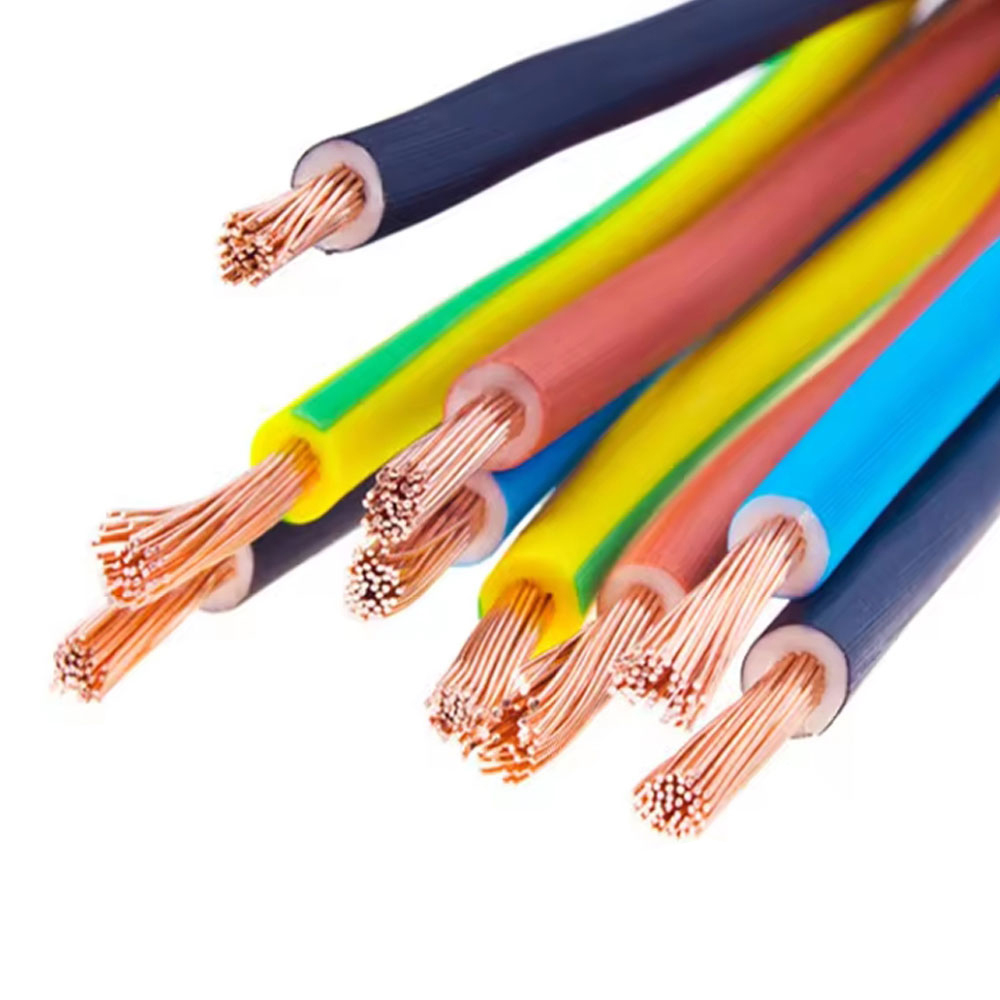
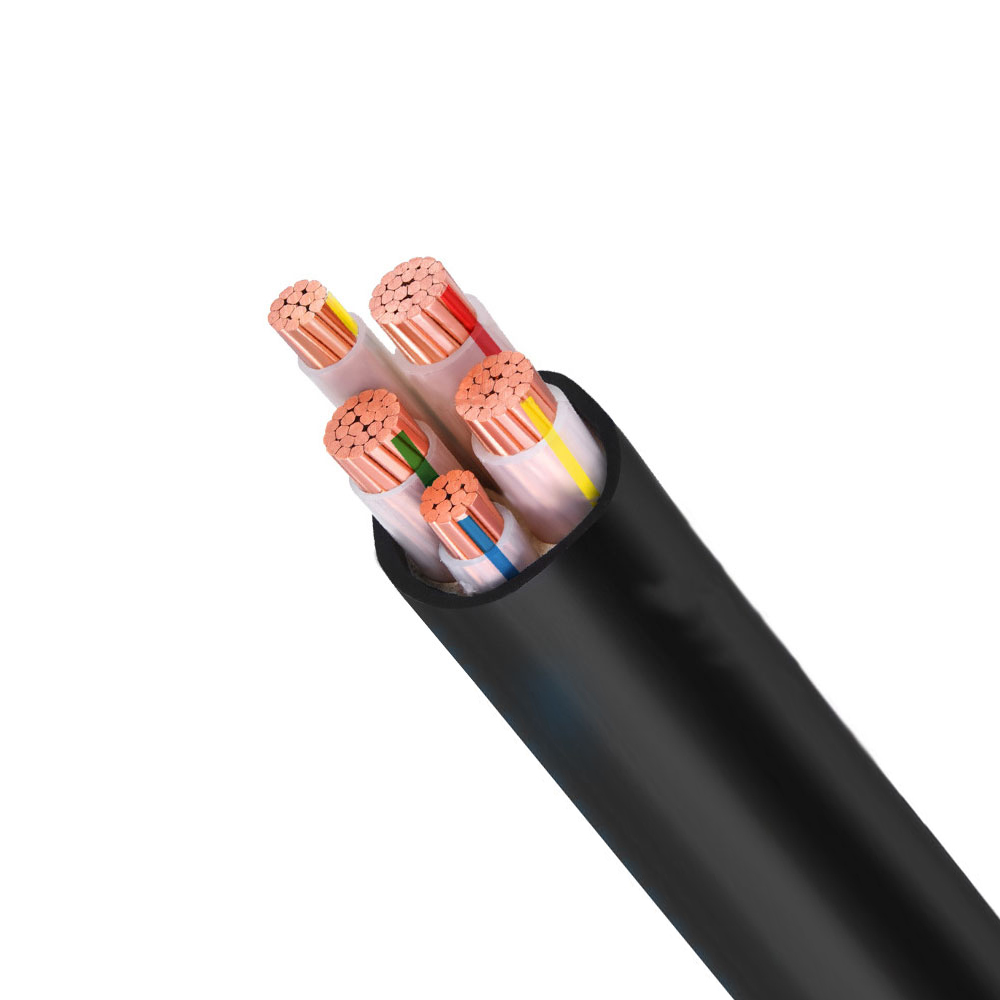
PVC-insulated cables are the practical workhorses for many low-voltage building and industrial circuits. They install easily, terminate with familiar methods, and handle general indoor routes well. Where heat, sunlight, or chemical exposure is mild, they remain a cost-effective choice.
 VV PVC Insulated and Sheathed Power CableA cost-effective low-voltage cable for ordinary fixed indoor or outdoor routes where PVC insulation, basic moisture resistance, and familiar termination suit general distribution.View Product →
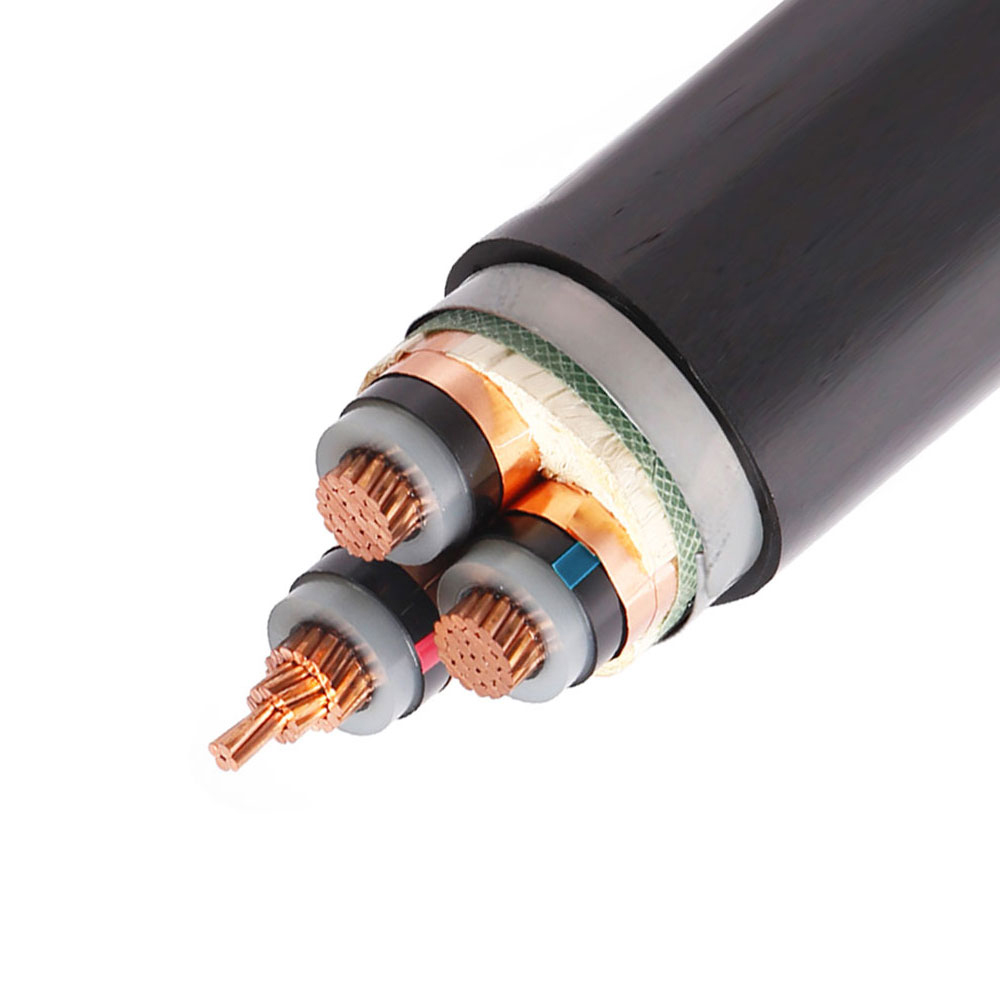
XLPE insulation allows higher conductor temperatures and generally better resistance to heat and moisture. That makes these electrical power cables popular for distribution feeders, industrial plants, and routes where overload margin matters. The trade-off is that terminations and installation details deserve more attention.
 YJV Heat-Resistant XLPE Insulated Power CableA 90°C XLPE cable for fixed power distribution, offering higher current capacity and overload margin than PVC while suiting industrial feeders and modern systems.View Product →
Armored cables add a steel tape or wire layer for mechanical protection, which helps on buried routes, exposed walls, and areas with rodent or impact risk. Overhead insulated cables serve a different need: distribution across poles and open ground without a full buried route.
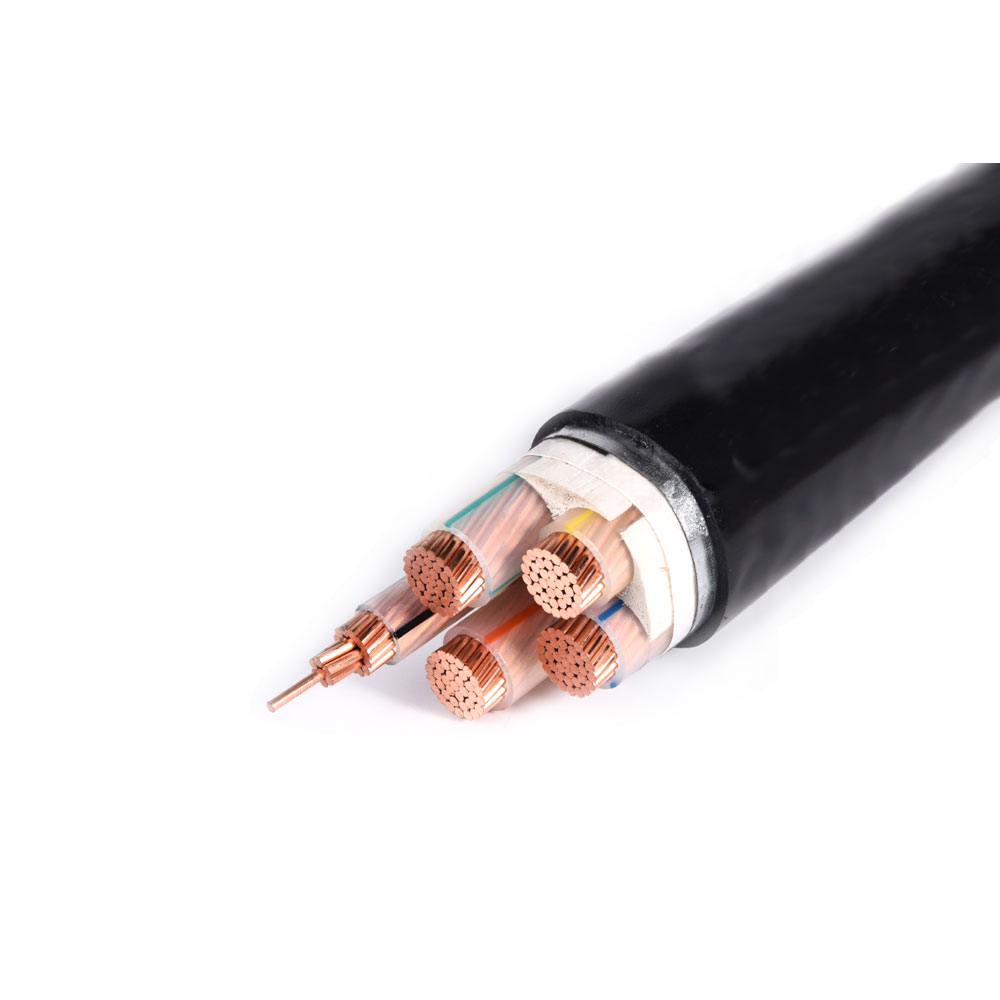 YJV22 Steel-Tape Armored XLPE Power CableA steel-tape-armored XLPE cable for direct burial and mechanically stressed fixed routes, retaining 90°C heat resistance and high current capacity.View Product →
Neither material wins everywhere. The right answer depends on temperature, routing, budget, and the way the cable will be protected.
| Consideration | PVC | XLPE |
|---|---|---|
| Typical conductor temperature | 70°C | 90°C |
| Flexibility | Generally easier to bend | Stiffer, especially in larger sizes |
| Heat and moisture resistance | Good for general duties | Better for demanding routes |
| Common applications | Building services and light industry | Distribution, feeders, and industrial plants |
| Relative cost | Often lower | Usually higher |
Selection is not just a matter of matching a cable to a load. The route and the environment often decide the outcome.
Power cables rarely exist alone. They support the wider system around them.
Many cable problems begin during installation, long before the system is energized. A few field habits make a real difference.
Good cable selection becomes easier when the manufacturer can answer technical questions rather than just quote a part number. Anhui Zhishang Cable Technology Co., Ltd. produces a broad range of electrical power cables from a facility in Xuancheng, Anhui, with a team that includes quality engineers and research staff. That mix helps when a project needs a standard cable, a CE or UL design, or a construction adjusted for a specific route.
We still believe the basics matter most: the right conductor, the right insulation, and a sheath that suits the site. You can learn more about our cable manufacturing background and how we approach custom work.
Sometimes the conductor size can be reduced because XLPE runs hotter, but terminations, bending radius, and mechanical protection must be checked. It is not a simple swap.
Look for a UV-resistant sheath, suitable water protection, and a route design that avoids standing water. Sunlight and moisture are long-term tests, not short-term ones.
Voltage drop and fault-loop impedance often become the limiting factors. Check them early, before the cable size is fixed.

We firmly believe that good cables are not only a competition of materials, but also a reflection of craftsmanship, quality, and responsibility.

Links
Product
Send Inquiry
No. 29 Sankeshu Road, Xuanzhou District, Xuancheng City, Anhui Province, China
+86-18621104555/+86-563-2622999
 Electrical Cable Manufacturer
OEM/ODM Wire and Cable Solutions
 English
 Español
 عربى
 русский