
Get more content that can help you
Content
If you have spent time around electrical panels, EV chargers, or solar combiner boxes, you have probably met 6 AWG wire. It quietly does a lot of heavy lifting: small enough to pull through conduit without a fight, yet large enough for a 60-amp circuit, a subpanel feeder, or a Level 2 charger. But “6 AWG” tells only part of the story. The conductor material, insulation, temperature rating, and installation conditions all decide what the wire can actually do.
Here is a practical, field-friendly look at 6 AWG wire — what the number means, where it fits, and how to avoid the small mistakes that turn a straightforward install into a callback.
AWG stands for American Wire Gauge, a logarithmic system where smaller numbers mean larger conductors. A 6 AWG conductor has a nominal diameter of about 0.162 inches (4.11 mm) and a cross-sectional area near 13.3 mm². That makes it substantially larger than 10 or 12 AWG building wire, but still manageable for hand pulling in short runs.
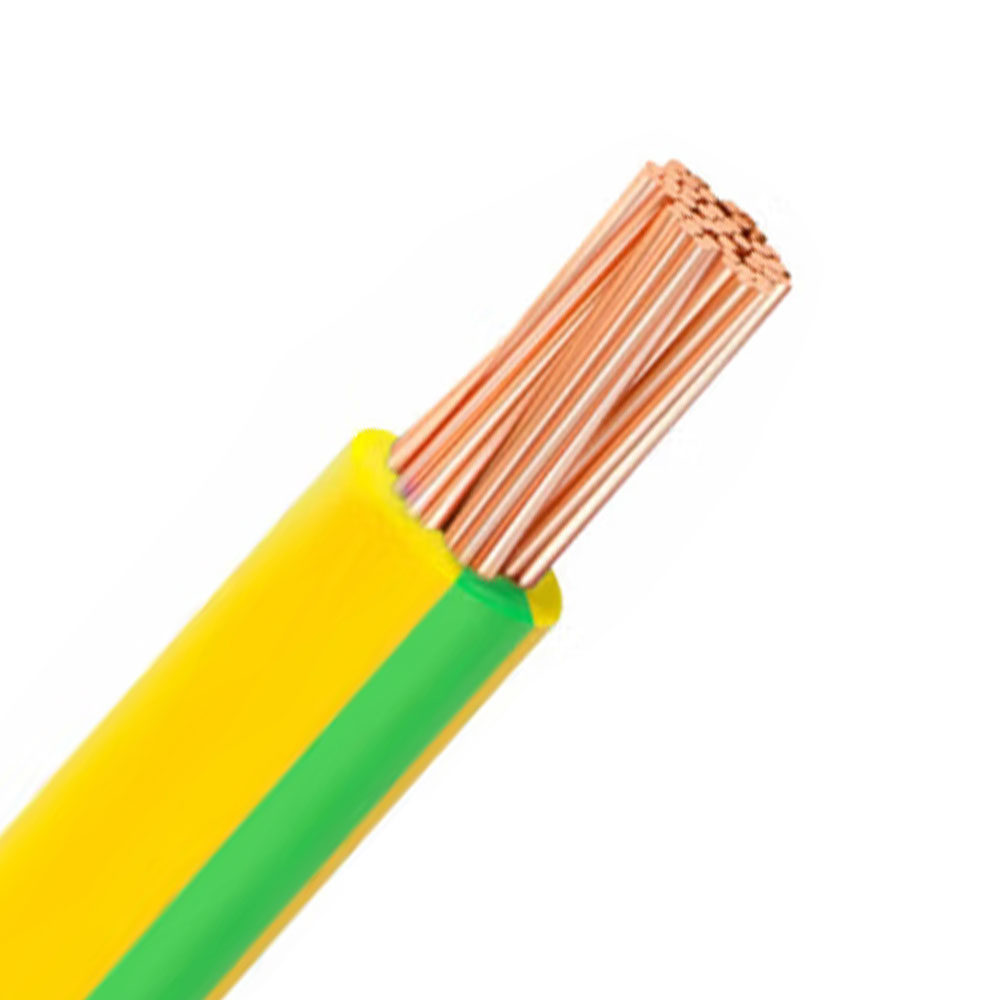
You will see 6 AWG in solid and stranded forms. Solid 6 AWG is stiff and best for straight runs, panel work, and places where the wire will not be flexed. Stranded 6 AWG costs a little more, but it bends more easily, pulls through conduit with less effort, and is usually the better choice for feeders, chargers, and equipment connections. Finer stranding gives you a more flexible conductor; coarser stranding is common in standard building wire.
| Conductor | 60°C | 75°C | 90°C |
|---|---|---|---|
| Copper 6 AWG | 55 A | 65 A | 75 A |
| Aluminum 6 AWG | 40 A | 50 A | 55 A |
The numbers in the table are a starting point, not a free pass. Ampacity depends on insulation temperature rating, ambient temperature, the number of current-carrying conductors bundled together, and the temperature rating of the terminals. A 90°C conductor may have a 75-amp free-air rating, but the terminals, breaker, or device may be rated only for 75°C — in that case, the 75°C column is the one that matters. Local code always has the final word.
For many projects, 6 AWG copper is the sweet spot for a 60-amp circuit. At 75°C, copper 6 AWG is typically rated around 65 amps, which leaves headroom for a continuous load after the 125% sizing factor. That is why 6 AWG copper THHN/THWN is so common on a 48-amp Level 2 EV charger: the charger draws 48 amps continuously, the circuit is sized at 60 amps, and the conductor and terminals are matched to the application.
Voltage drop is the other half of the conversation. A conductor that looks fine in a short panel-to-disconnect run can become marginal on a long garage, barn, or backyard run. The longer the circuit and the higher the current, the more voltage you lose. If the run is long, stepping up to 4 AWG is often more economical than living with excessive drop or a charger that keeps derating. Do the calculation before the trench is backfilled, not after.
Six-gauge wire shows up in more places than most homeowners expect. Common applications include:
For projects that combine EV charging, solar, and storage, our new energy cable solutions page is a useful next stop. Picking a gauge is one thing; matching the jacket, temperature rating, and approvals to the environment is another.
The same 6 AWG copper conductor behaves very differently depending on what surrounds it. THHN/THWN is the familiar nylon-jacketed building wire used in conduit. XHHW-2 offers cross-linked polyethylene insulation with good moisture and heat performance. USE-2 and PV wire are built for sunlight, wet locations, and outdoor exposure. RHW-2 is a heavier rubber-insulated option for wet or corrosive settings. Portable cord such as SOOW adds a flexible jacket for temporary power and equipment drops.
For single-conductor applications where a flexible PVC jacket and a 600-volt rating are useful, a UL1015-style wire is a common starting point. It is often used in panel wiring, appliance leads, and internal equipment connections where a tough, oil-resistant conductor is helpful.
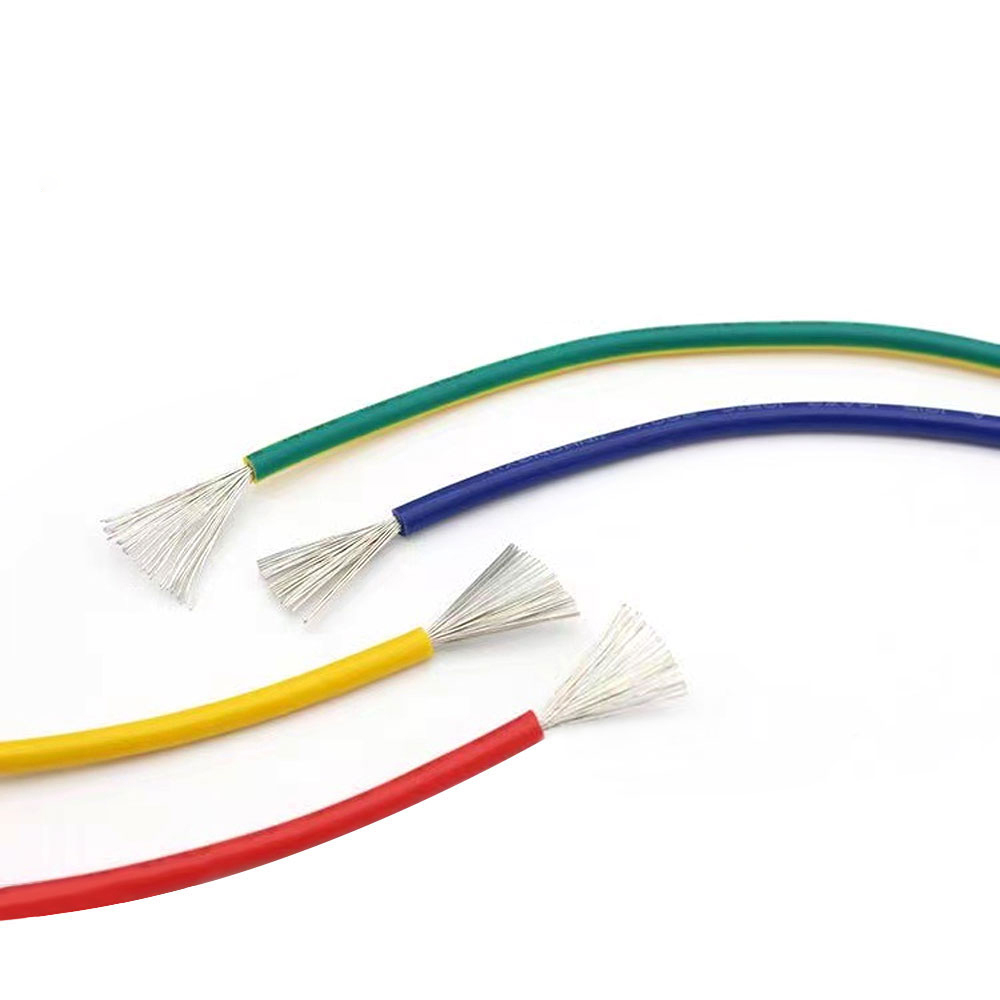 UL1015 600V PVC Single-Core WireUL-certified 600V PVC single-core wire for panel wiring, appliance leads, and internal equipment connections, rated 105°C with VW-1 flame resistance.View Product →
In industrial areas where oil, coolant, or cleaning chemicals are present, the jacket matters as much as the copper. A wire with tested oil and chemical resistance will last longer in a machine shop or processing line than a general-purpose building wire. That is where a UL10269-style construction can make sense.
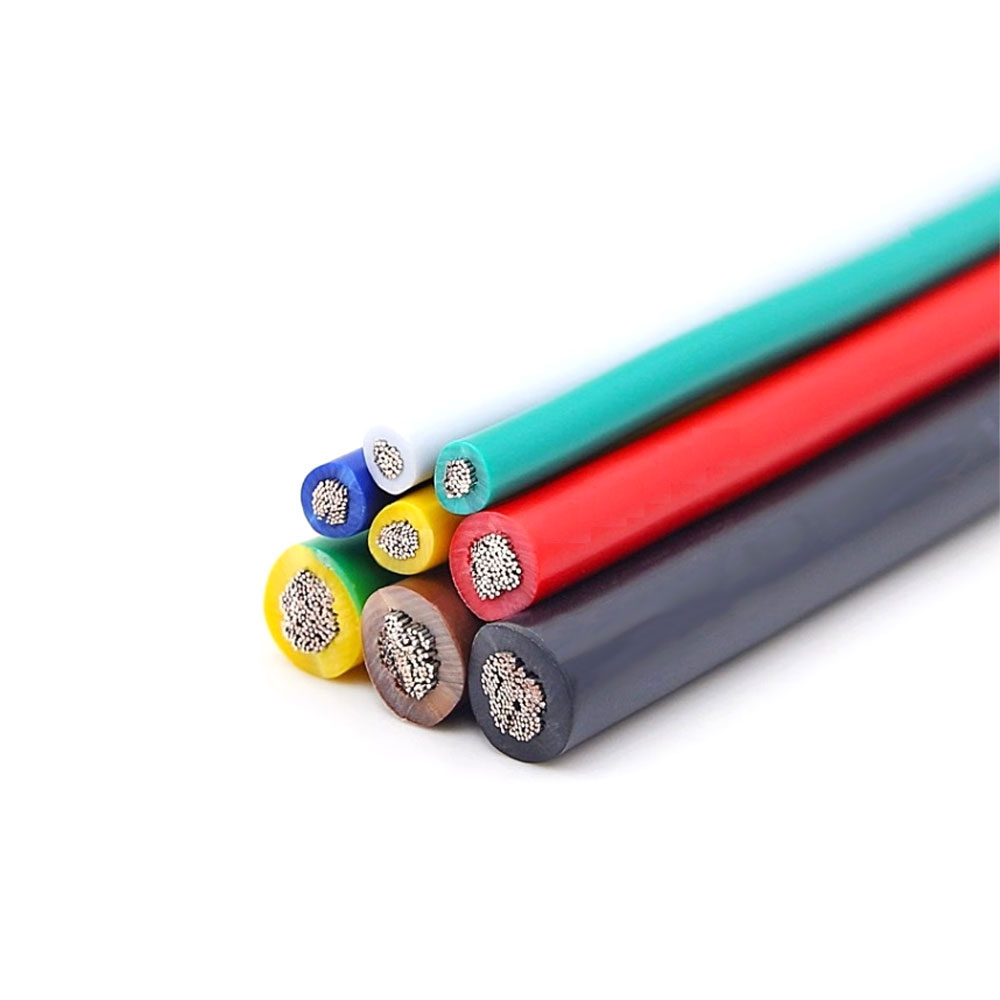 UL10269 Oil- and Chemical-Resistant Silicone WireFlexible 60V silicone-insulated wire for high-temperature internal wiring, offering oil and chemical resistance and VW-1 flame performance in appliance and sensor leads.View Product →
High-temperature areas call for a different approach again. Near ovens, furnaces, motors, and heat-producing equipment, the insulation must hold up without becoming brittle or flowing. A high-temperature UL11627-style wire is one option to discuss with your supplier when the ambient temperature is above the ordinary building-wire range.
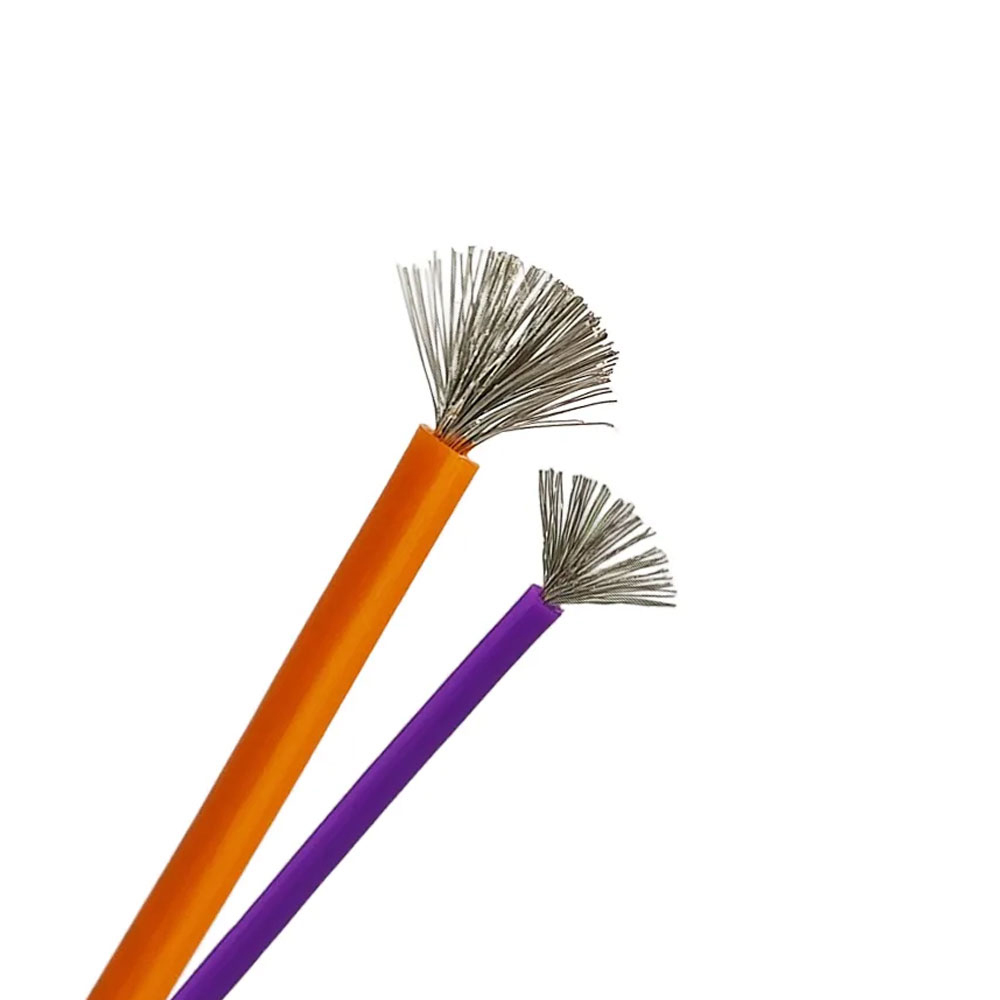 UL11627 Shielded XLPE High-Temperature Cable150V XLPE-insulated shielded cable for precision signal wiring in control, medical, test, and communication equipment, rated 105°C with VW-1 flame resistance.View Product →
Six-gauge wire is available in both copper and aluminum, and the two are not interchangeable without checking the numbers. Aluminum is lighter and often less expensive, which is why it shows up in service entrance conductors and large feeders. But aluminum has lower conductivity than copper, so a 6 AWG aluminum conductor carries less current than a 6 AWG copper conductor of the same insulation rating.
| Property | 6 AWG Copper | 6 AWG Aluminum |
|---|---|---|
| Typical ampacity at 75°C | 65 A | 50 A |
| Weight | Heavier | Lighter |
| Terminations | Standard copper lugs | Aluminum-rated lugs |
| Common use | Feeders, EV chargers, equipment grounding | Service entrance, large feeders |
If you replace copper with aluminum, you will usually need to go up a size or two to match ampacity. You also need terminals and lugs listed for aluminum, and many installers use an antioxidant compound before termination. Do not assume a copper-rated lug will accept aluminum just because the wire fits.
Six-gauge wire is stiff enough that installation habits matter. Keep bends generous, use a pulling rope designed for the job, and do not force solid 6 AWG around a tight corner. Respect conduit fill and derating; a conductor that fits does not always belong. Torque terminals to the manufacturer’s specification, because loose lugs heat up and over-tightened lugs damage strands. Match the terminal to the wire: aluminum needs aluminum-rated lugs, and fine-stranded cable may need ferrules. In wet locations, use a wet-rated jacket and listing, not a dry-location building wire pulled through a wet raceway.
The most common mistakes are simple: using the 90°C ampacity column when terminals are rated 75°C, treating 6 AWG aluminum as a direct swap for copper, and ignoring voltage drop on long runs. A few minutes with the code book and a calculator prevent all three.
Before you order, answer six questions: What is the circuit amperage and continuous load? What is the run length? What is the ambient temperature? Is the location wet, oily, sunny, or corrosive? What are the terminal ratings? And what listing does the inspector or project spec require? Those answers usually narrow the choice to one or two constructions.
Our factory in Anhui builds UL and CE certified cable constructions for building, industrial, and new-energy applications. We are not here to talk you into a heavier gauge than you need. We would rather help you match conductor, insulation, and jacket to the real conditions so the installation passes inspection and stays reliable. To learn more about the team behind our cables, visit our about page.
Six-gauge wire is a workhorse, but it is not a one-size-fits-all answer. Treat ampacity, voltage drop, insulation, and terminations as a package, and 6 AWG will do exactly what you need it to do — quietly, safely, and for a long time.

We firmly believe that good cables are not only a competition of materials, but also a reflection of craftsmanship, quality, and responsibility.

Links
Product
Send Inquiry
No. 29 Sankeshu Road, Xuanzhou District, Xuancheng City, Anhui Province, China
+86-18621104555/+86-563-2622999
 Electrical Cable Manufacturer
OEM/ODM Wire and Cable Solutions
 English
 Español
 عربى
 русский