
Get more content that can help you
Content
Modern industrial equipment depends on control cables that can transmit signals reliably while tolerating heat, movement, electrical interference, and demanding installation conditions. In automated production lines, test systems, movable machinery, instrumentation cabinets, and industrial control assemblies, a cable is not simply a conductor covered by insulation. It is an engineered component that influences equipment stability, maintenance frequency, signal quality, safety, and operating life.
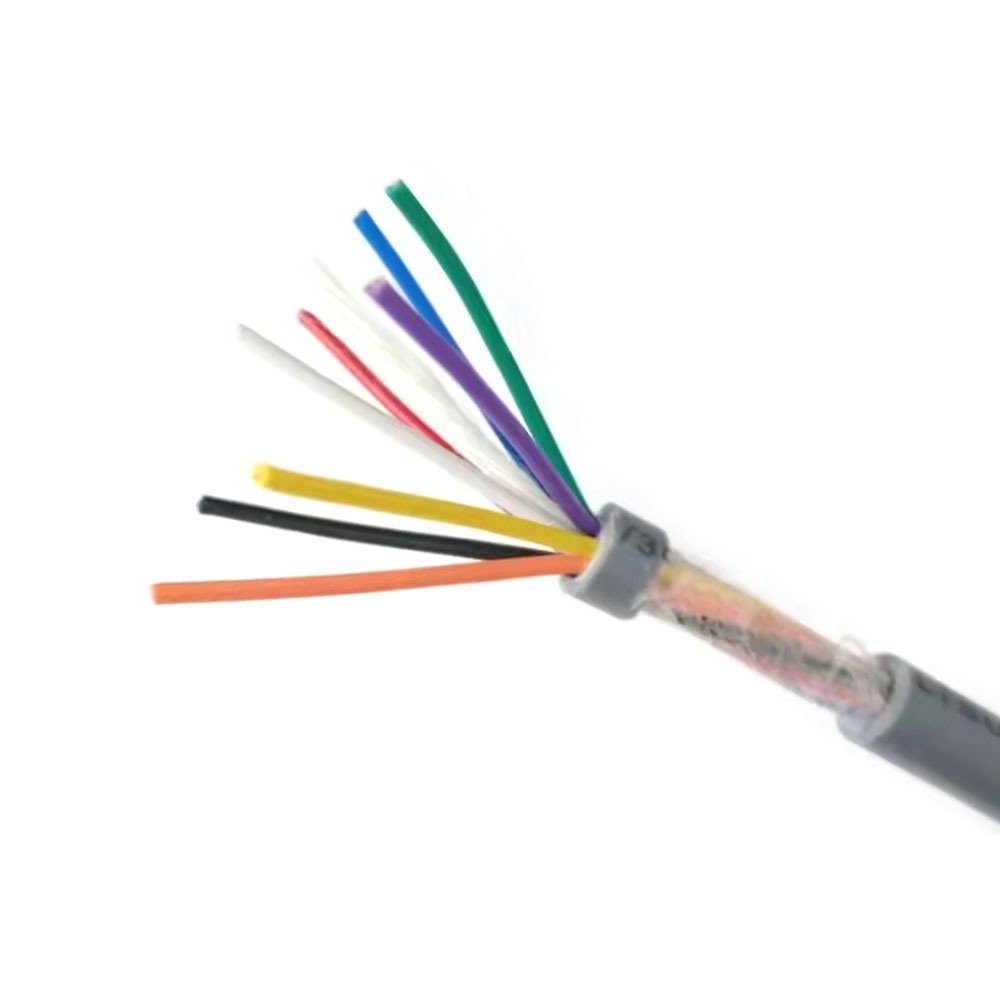
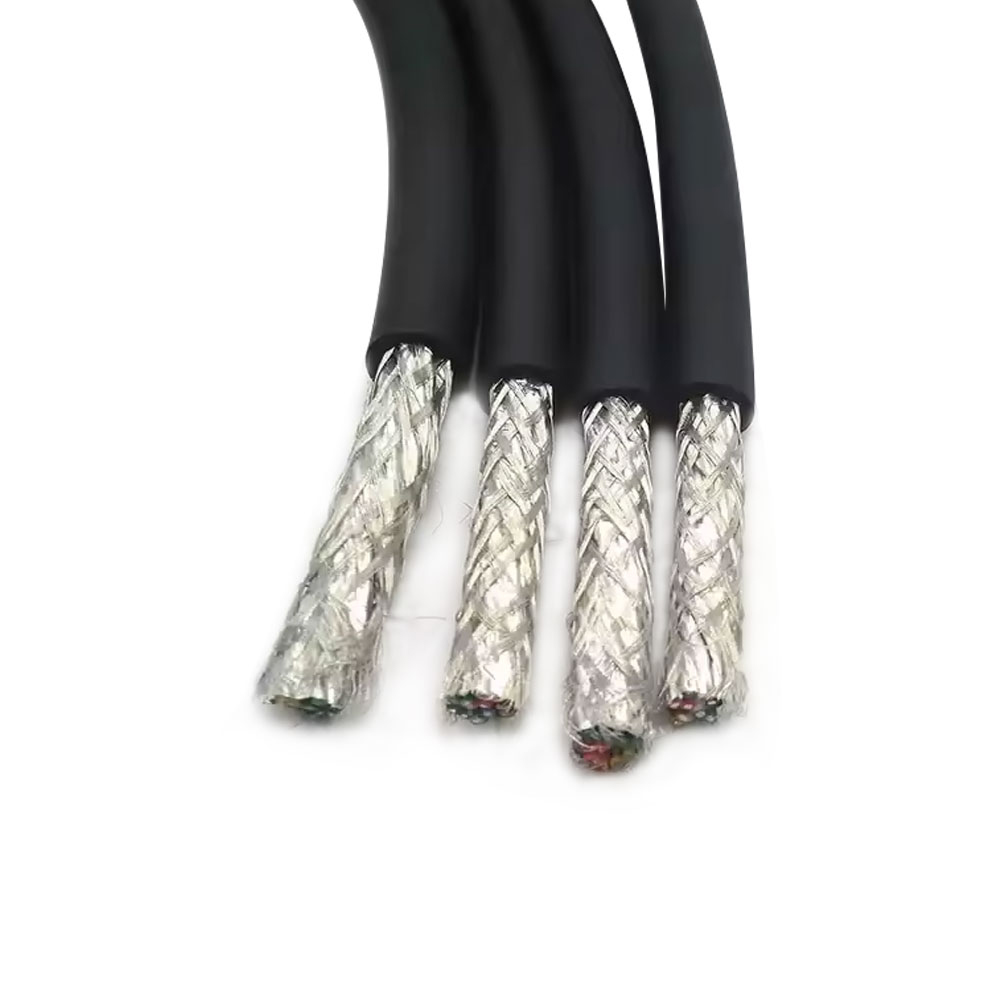
KYJVRP is a flexible shielded control cable designed for industrial applications that require a combination of electrical stability, temperature resistance, mechanical flexibility, and electromagnetic protection. It uses fine-stranded annealed copper conductors, cross-linked polyethylene insulation, copper braid shielding, and a protective PVC sheath. This structure gives the cable a balanced performance profile for high-temperature mobile wiring and control circuits exposed to moderate environmental stress.
With a rated voltage of 450/750V, an allowable long-term operating temperature of 90°C, a test voltage of 3.0kV AC for one minute, and a bending endurance of at least 10,000 cycles under flexible installation conditions, KYJVRP is suitable for a wide variety of industrial signal and control applications. Its conductor cross-section range of 0.5 mm² to 6.0 mm² and core-count range of 2 to 37 cores also support different circuit designs and equipment configurations.
Unlike ordinary PVC control cables intended primarily for fixed, low-temperature installations, KYJVRP is designed with a stronger emphasis on flexible movement, heat resistance, and interference suppression. It is particularly useful where motors, sensors, actuators, testing mechanisms, robotic subassemblies, or movable machine components require dependable cable connections.
KYJVRP Stable electrical performance Control Cable
Control cables carry electrical signals and low-to-moderate power between control panels, sensors, instruments, actuators, relays, switches, machines, and automation systems. Although control circuits may not always carry the same current as power cables, their reliability is equally important. A small signal interruption, false trigger, unstable sensor reading, or communication disturbance can stop a production process or create an unsafe operating condition.
Industrial control cables often work in environments where several stresses occur at the same time. A cable may be repeatedly bent, routed through a narrow machine compartment, exposed to elevated temperatures, installed near motors and variable-frequency drives, or placed alongside high-current conductors. These conditions can damage insulation, increase electrical noise, accelerate conductor fatigue, or reduce signal quality.
KYJVRP addresses these challenges through four main design principles:
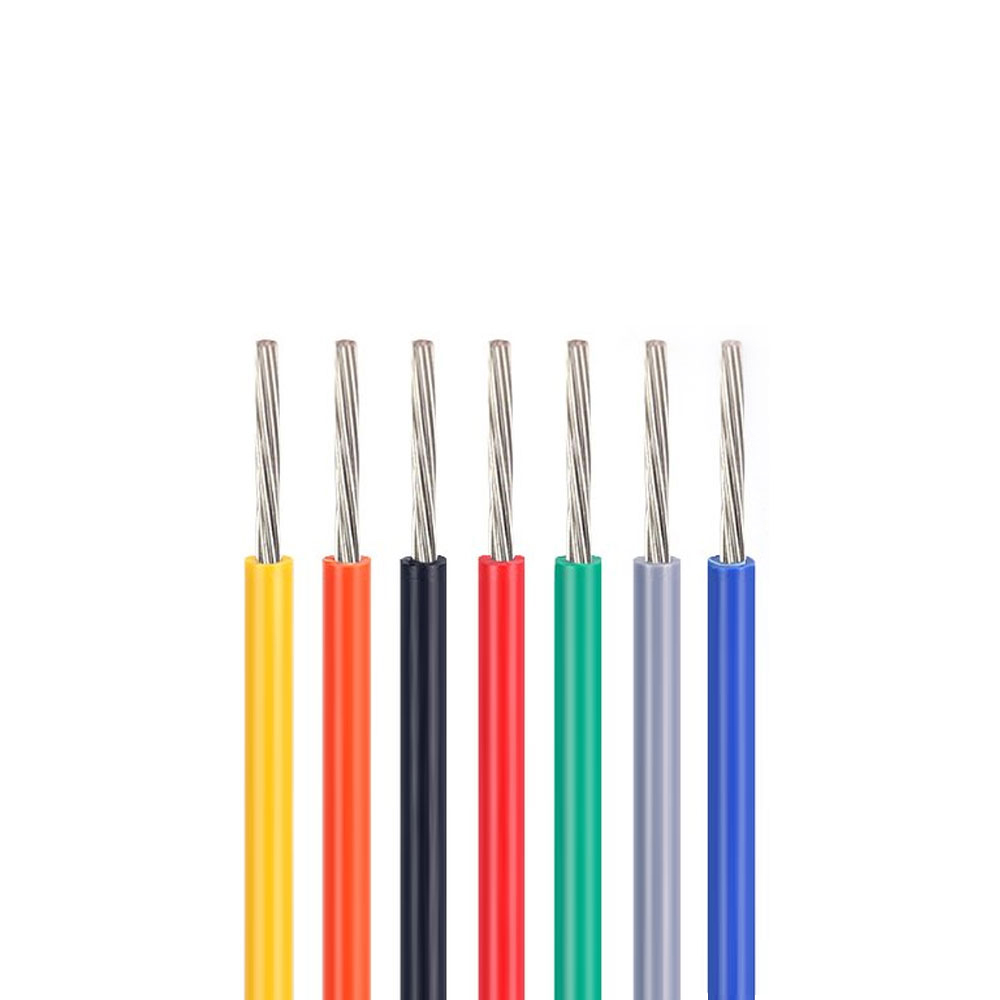
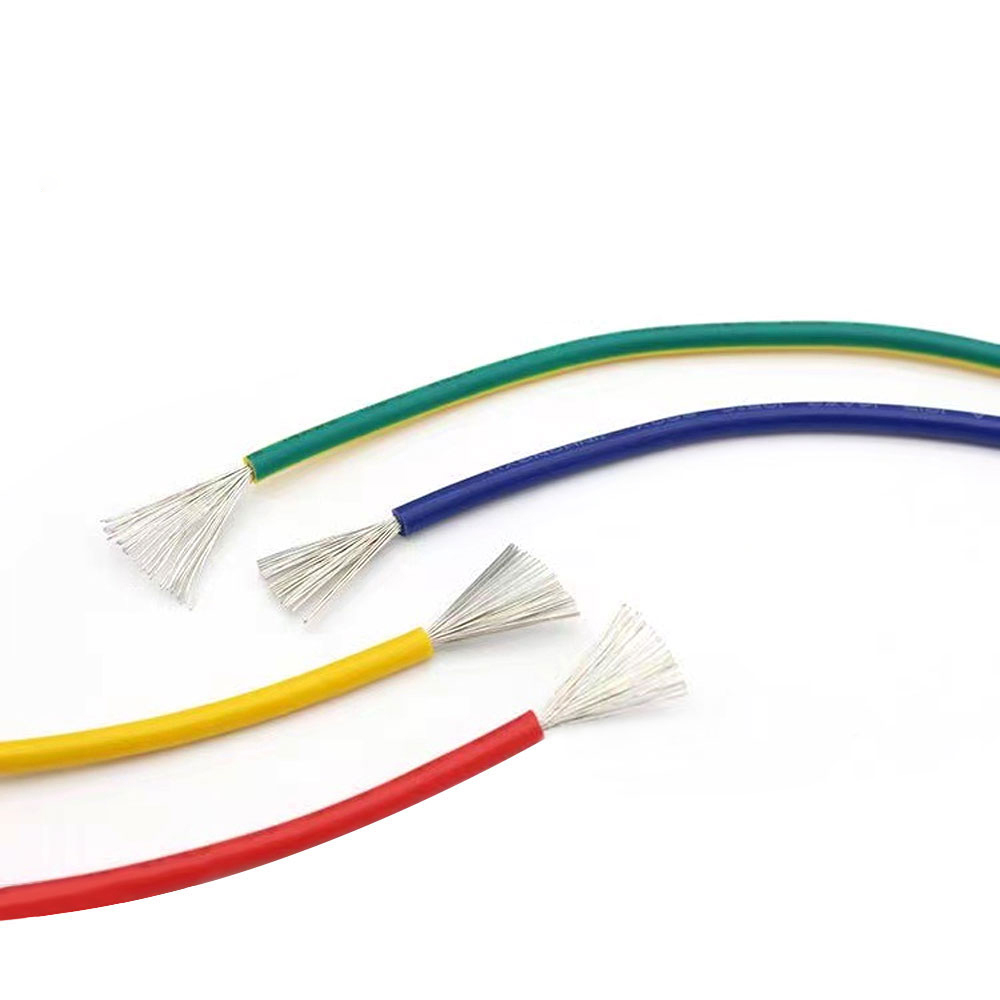
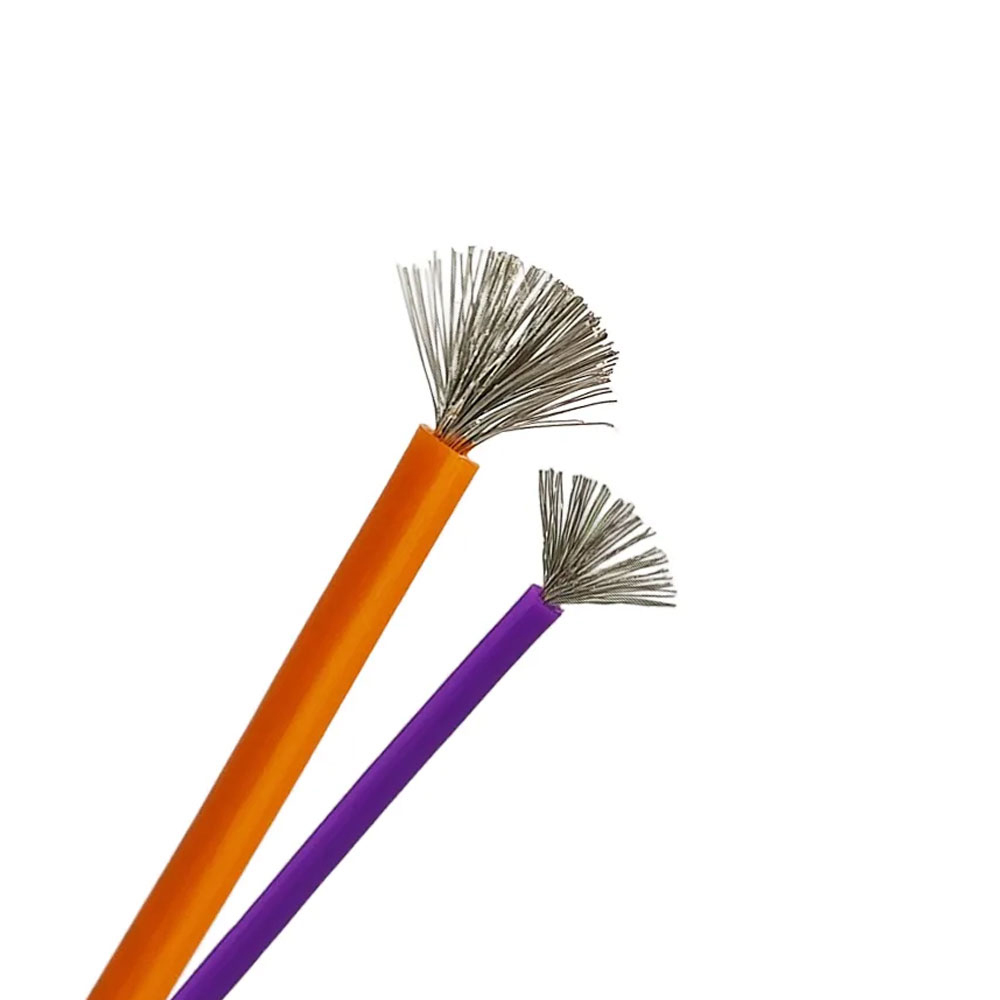
First, the cable uses fine-stranded copper conductors. A fine-stranded construction divides the conductor into many small wires, allowing the cable to bend more easily than a comparable cable made with a rigid or less flexible conductor.
Second, the insulation is made from cross-linked polyethylene, commonly identified as XLPE. XLPE provides a higher long-term operating temperature than ordinary PVC insulation and offers strong dielectric performance, low dielectric loss, and good resistance to electrical stress.
Third, the cable includes a copper braid shield with coverage of at least 80 percent. The shield helps reduce electromagnetic interference and protects sensitive control signals from disturbances generated by nearby electrical equipment.
Fourth, the cable has a PVC outer sheath designed to provide practical protection against moisture and wear in indoor and mild industrial environments. The sheath also contributes to the cable’s handling performance during installation.
These features work together rather than functioning as isolated advantages. The fine-stranded conductor supports movement, XLPE supports thermal and electrical stability, the braid limits interference, and the sheath protects the internal structure from ordinary industrial handling and environmental exposure.
The conductor is made from stranded annealed copper. Copper is widely used in control and power wiring because it combines high electrical conductivity, good thermal performance, mechanical workability, and compatibility with common terminals and connection systems.
Annealing softens the copper and improves its flexibility. The fine-stranding process then divides the conductor into numerous smaller strands. Compared with a solid conductor or a coarse-stranded conductor, this arrangement can better tolerate repeated bending and routing around equipment structures.
Fine stranding is especially valuable in movable applications. When a cable is bent, the individual strands can shift slightly in relation to one another, reducing the concentrated mechanical stress that would occur in a rigid conductor. This makes installation easier and helps support repeated motion when the cable is routed according to the specified minimum bending radius.
The available conductor range of 0.5 mm² to 6.0 mm² allows the cable to serve different control circuit requirements. Smaller cross-sections can be used for instrumentation, sensor wiring, and signal circuits, while larger sizes can support control loads with higher current requirements. Correct conductor sizing should always be determined according to load current, voltage drop, ambient temperature, installation method, circuit protection, and applicable electrical regulations.
The insulation system is based on cross-linked polyethylene. During cross-linking, the polymer structure is modified to improve thermal and mechanical stability. The resulting material can operate continuously at temperatures up to 90°C under the specified conditions.
This thermal rating is a significant advantage over many ordinary PVC flexible cables. Standard PVC products may be adequate in normal indoor environments, but their long-term performance can be reduced when exposed to sustained heat. Higher temperatures may accelerate aging, soften the insulation, increase deformation, or shorten service life. XLPE maintains a more stable structure at elevated temperatures and provides a wider thermal margin for demanding installations.
XLPE also has favorable dielectric properties. Its high insulation resistance supports separation between conductors and reduces the risk of leakage current. The specified insulation resistance is at least 1000 MΩ·km at 20°C, demonstrating a strong insulation barrier under the stated test conditions.
Low dielectric loss is useful in control and instrumentation systems because it contributes to stable electrical behavior. Although cable selection must be based on the requirements of the complete circuit, an insulation material with stable dielectric characteristics can help maintain reliable signal transmission over long operating periods.
The specified insulation thickness ranges from 0.6 mm to 1.2 mm, depending on the selected construction. This thickness is designed to provide electrical separation while maintaining a practical overall cable diameter and reasonable flexibility.
KYJVRP incorporates a copper braid shield with coverage of at least 80 percent. The braid is formed by interlacing copper wires around the insulated core assembly. This creates a conductive barrier that helps intercept and redirect electromagnetic disturbance.
Industrial facilities commonly contain sources of electromagnetic interference, including motors, contactors, switching power supplies, servo drives, variable-frequency drives, inverters, welding equipment, and high-current busbars. These devices can generate electric and magnetic fields that couple into nearby control wiring. The result may be an unstable analog value, an unexpected relay operation, a communication error, or a false sensor signal.
A braided copper shield provides a practical solution for many industrial control applications. It can reduce the amount of external interference reaching the signal conductors and can also help limit emissions from the cable itself. The specified shielding attenuation factor is no greater than 0.8 at 1 MHz under the stated test conditions.
Shielding performance depends not only on the braid but also on correct grounding and installation. The shield should be terminated using a suitable method for the equipment and interference environment. Poor shield termination, excessive unshielded pigtails, incorrect grounding, or routing alongside strong noise sources can reduce the effectiveness of even a well-designed shielded cable.
The outer sheath is made from polyvinyl chloride. PVC is widely used in industrial cable construction because it provides a practical balance of flexibility, abrasion resistance, processability, electrical insulation, and cost control.
The specified sheath thickness ranges from 1.0 mm to 1.8 mm. The sheath protects the inner conductors, insulation, and shield from ordinary contact, handling, moisture, and wear. It is suitable for indoor installations and mild industrial environments where the cable is not exposed to severe chemicals, continuous outdoor weathering, oil immersion, extreme impact, or harsh mining conditions.
The PVC sheath also contributes to the cable’s cost-effectiveness. Compared with specialized jackets made for severe chemical exposure, extreme cold, continuous outdoor use, or demanding robotic torsion, PVC can provide an economical solution when the environment falls within its intended range.
The following table summarizes the principal technical characteristics of KYJVRP. Actual product selection should be confirmed against the final construction, installation method, applicable standards, and project requirements.
| Product type | Flexible shielded control cable |
| Conductor | Stranded annealed copper conductor with fine stranding |
| Conductor cross-section | 0.5 mm² to 6.0 mm² |
| Number of cores | 2 cores to 37 cores |
| Rated voltage | 450/750V |
| Test voltage | 3.0kV AC for 1 minute |
| Insulation material | Cross-linked polyethylene |
| Insulation thickness | 0.6 mm to 1.2 mm |
| Shielding structure | Copper braid with at least 80% coverage |
| Sheath material | Polyvinyl chloride |
| Sheath thickness | 1.0 mm to 1.8 mm |
| Temperature range for fixed installation | -15°C to +90°C |
| Temperature range for flexible installation | -5°C to +90°C |
| Minimum bending radius for fixed installation | At least 8 times the cable outer diameter |
| Minimum bending radius for flexible installation | At least 12 times the cable outer diameter |
| Insulation resistance | At least 1000 MΩ·km at 20°C |
| Shielding attenuation factor | No greater than 0.8 at 1 MHz |
| Bending endurance | At least 10,000 cycles under flexible installation conditions |
| Capacitance | No greater than 170 nF/km |
| Long-term operating temperature | 90°C |
| Short-circuit temperature | Maximum conductor temperature of 250°C for up to 5 seconds |
| Tensile strength | At least 12 N/mm² |
| Thermal deformation | Passes a 150°C, 4-hour thermal deformation test |
The specifications demonstrate that the cable is designed as a balanced control solution rather than as a basic fixed wiring product. Its electrical rating supports common industrial control systems, while the fine-stranded construction and bending endurance support installations where regular movement is expected.
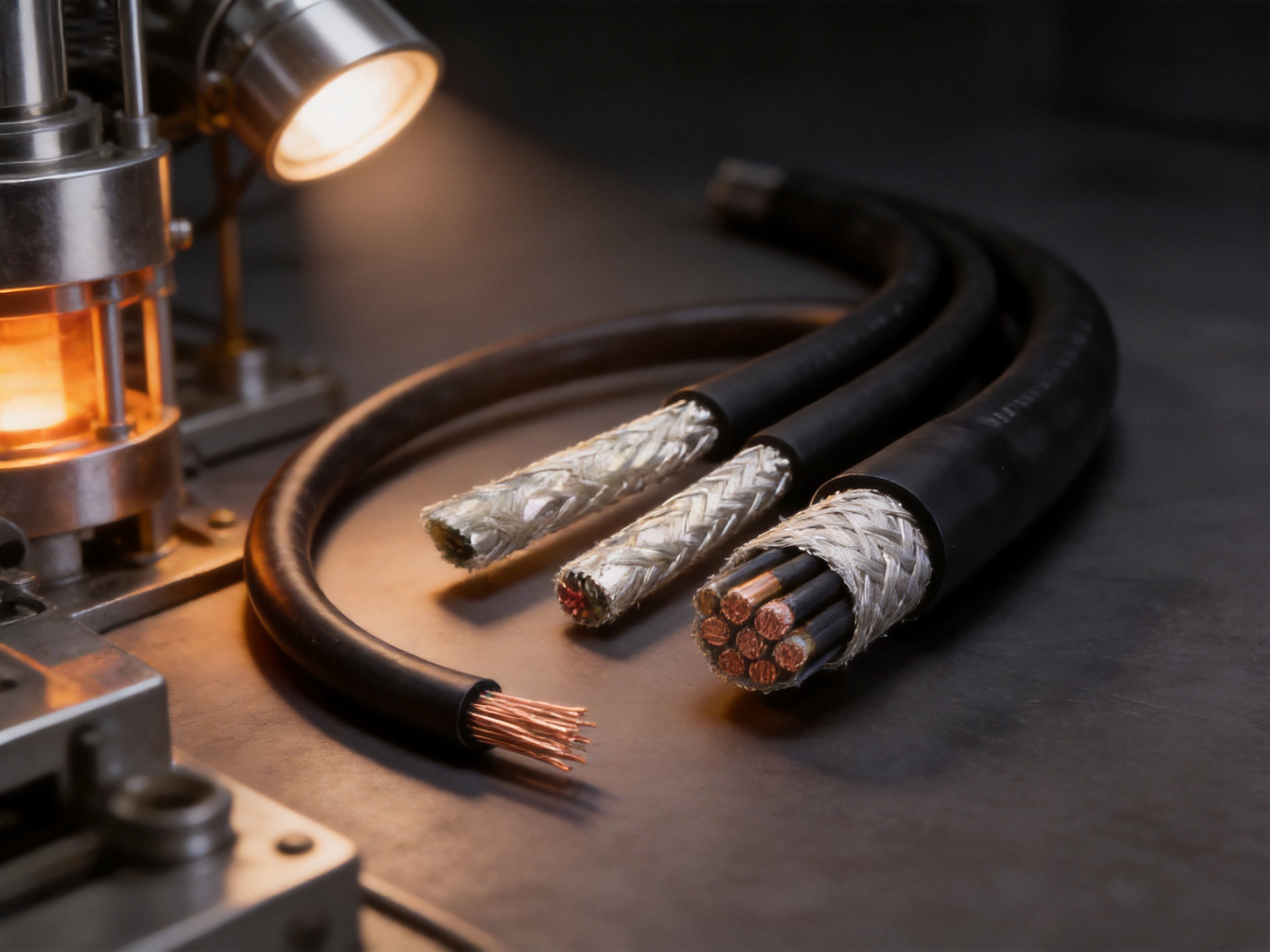
One of the main differences between KYJVRP and many general-purpose flexible control cables is its 90°C long-term operating temperature. In an environment where a conventional PVC cable is approaching its thermal limit, XLPE insulation provides additional operating margin.
Higher temperature capability can be valuable around heated machinery, ovens, production tools, test equipment, electrical cabinets with limited ventilation, and equipment installed close to motors or power electronics. It may also help reduce the need for immediate cable replacement when ambient temperatures fluctuate above normal room conditions.
A higher temperature rating does not mean that the cable can be installed without considering heat transfer or derating. Conductors installed in bundles, enclosed conduits, or areas near heat sources may require a detailed thermal assessment. Nevertheless, the XLPE construction gives designers more flexibility than a comparable low-temperature PVC-insulated cable.
Many control cables are intended primarily for fixed installation. They may work satisfactorily inside a stationary cabinet but become unsuitable when repeatedly bent or moved. KYJVRP uses fine-stranded conductors to support flexible installation and provides a stated bending endurance of at least 10,000 cycles.
This makes it a practical choice for movable components, testing mechanisms, sliding machine parts, adjustable fixtures, and equipment doors or panels that are opened and closed regularly. The cable remains easier to route through tight spaces and around equipment frames than a rigid conductor construction.
Flexibility does not remove the need for proper cable management. The cable should not be twisted beyond its design capability, crushed by clamps, bent below the specified radius, or pulled by unsupported equipment. When the installation follows good routing practice, the fine-stranded construction can significantly improve handling and service performance.
Unshielded control cables may pick up unwanted electrical signals when installed near high-power equipment. This is particularly problematic for analog sensors, measurement circuits, pulse signals, industrial controllers, and low-level instrumentation.
The copper braid shield in KYJVRP provides a conductive layer around the core assembly. With a coverage level of at least 80 percent, it offers substantially better interference protection than an unshielded cable. This advantage is important in automated production environments where multiple power and signal systems operate in close proximity.
Compared with a simple foil-only construction, a copper braid can also offer useful mechanical strength and flexibility. Copper braid is well suited to cable assemblies that may experience movement because the interwoven structure can flex without behaving like a rigid metal tube.
The XLPE insulation, fine copper conductors, and controlled cable construction support stable electrical performance over the product’s intended service range. High insulation resistance helps reduce leakage and preserves electrical separation between cores. The 3.0kV AC test voltage provides a verification point for insulation integrity during testing.
The specified capacitance of no more than 170 nF/km is relevant to signal behavior and circuit design, particularly where cable length, signal frequency, or control-system response must be considered. Actual circuit performance depends on the connected equipment, conductor arrangement, installation length, termination quality, and operating frequency.
Some high-temperature, shielded, flexible cables are engineered for extreme environments and consequently carry a higher cost. They may use specialized jackets, exotic insulation systems, stainless-steel armor, low-smoke materials, or advanced robotic cable constructions.
KYJVRP is positioned as a balanced solution for applications that require high-temperature resistance, flexibility, and shielding but do not require every feature of an extreme-duty cable. Its XLPE insulation and copper braid provide meaningful performance benefits, while the PVC sheath helps maintain controlled costs.
This balance can be advantageous for machine builders, panel manufacturers, automation integrators, maintenance departments, and OEMs seeking dependable performance without overspecifying the cable for an environment that does not require specialized chemical, outdoor, or continuous torsion resistance.
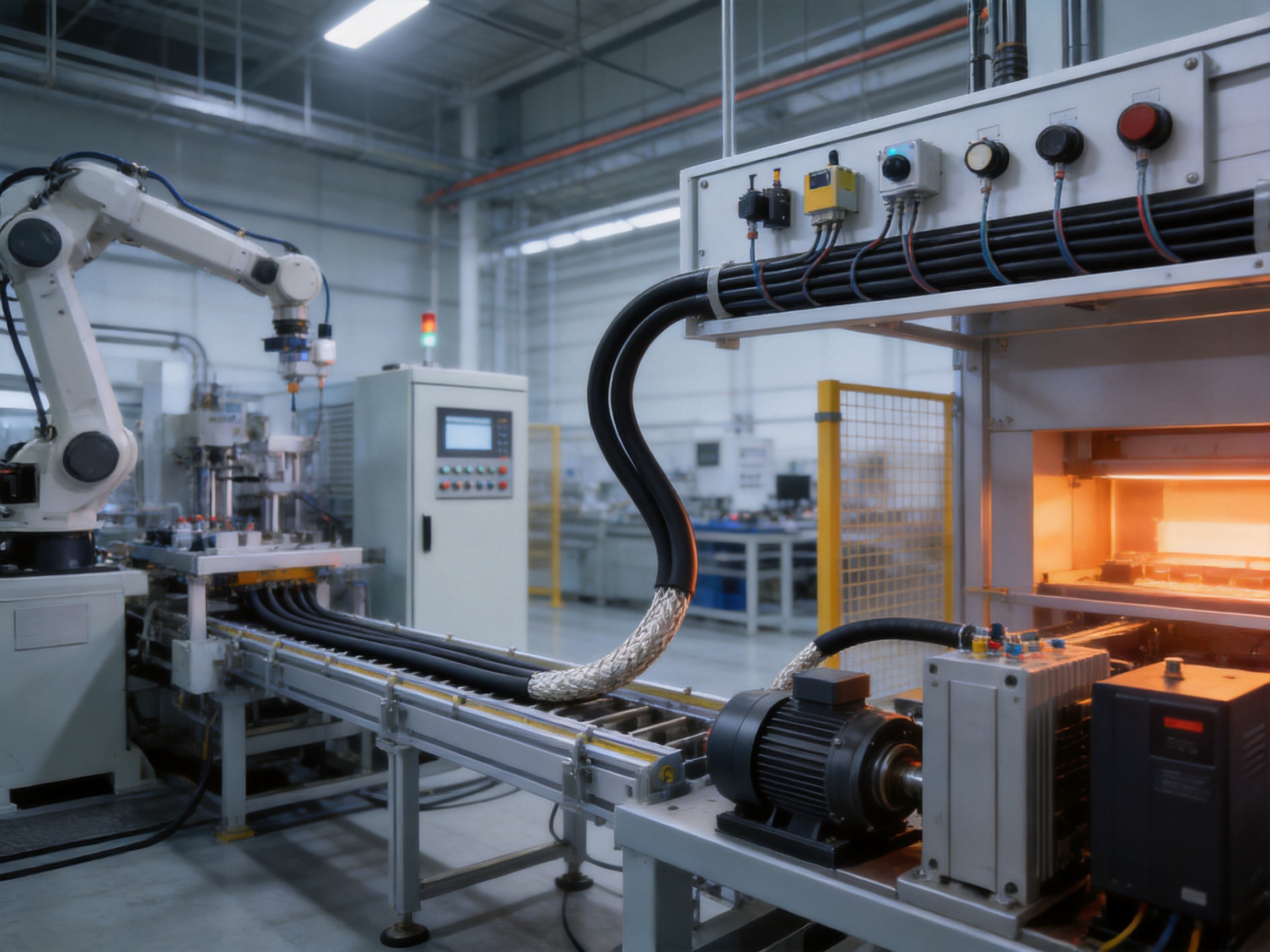
Automated production lines contain sensors, switches, actuators, controllers, motors, and inspection systems that must work together continuously. Control cables may be routed between fixed panels and moving machine sections, often near sources of electromagnetic noise.
KYJVRP can be used for control connections on automated equipment where a flexible, shielded, and temperature-resistant cable is required. Its multiple-core configurations allow several control signals to be grouped within a single cable, simplifying routing and reducing the number of separate cable runs.
Equipment operating near heating elements, thermal processing areas, drying systems, hot tooling, or high-temperature machinery can expose cables to elevated ambient temperatures. The 90°C long-term operating rating provides a suitable foundation for these applications when the installation remains within the specified environmental conditions.
For mobile components in warm areas, the flexible conductor design helps accommodate movement while the XLPE insulation maintains electrical separation. Engineers should still evaluate radiant heat, direct contact temperature, cooling conditions, and the distance between the cable and the heat source.
Test equipment often uses sensitive measurement circuits and movable probes, fixtures, or inspection heads. A cable that lacks shielding may allow external electrical noise to affect readings. A cable that lacks flexibility may restrict the movement of the test fixture or suffer premature fatigue.
KYJVRP combines copper braid shielding with fine-stranded conductors, making it suitable for connections where signal stability and repeated movement are both important. It can be used between instruments, control boxes, movable test stations, and machine-mounted sensors.
Industrial instruments and sensors can produce low-level signals that are vulnerable to interference. Shielded cable helps reduce the possibility of external noise entering the signal path. Proper grounding, separation from power conductors, and correct selection of conductor pairs or cores remain essential.
The broad range of core counts, from 2 to 37 cores, allows the cable to support simple two-wire circuits as well as more complex instrumentation and control assemblies. Designers can select a construction that reduces cable congestion and supports organized wiring.
Doors, slides, fixtures, grippers, lifting mechanisms, adjustable tables, and other machine elements may move during normal operation. The cable must be routed to avoid sharp bends, abrasion, crushing, and excessive tensile loading.
KYJVRP’s stated flexible-installation bending radius is at least 12 times the cable outer diameter. This requirement should be respected throughout the entire motion path. Where the cable is installed in a drag chain or subjected to rapid continuous torsion, the system designer should confirm that the selected cable construction is suitable for the exact motion profile.
For fixed installation, the minimum bending radius is at least eight times the cable outer diameter. For flexible installation, the minimum is at least twelve times the cable outer diameter. These values should be treated as minimum limits, not recommended targets for every situation.
Using a larger radius can reduce mechanical stress and improve long-term service life. The cable should be bent gradually rather than forced around sharp corners. Bending during cold conditions should receive special attention because the sheath and insulation may become less flexible at lower temperatures.
Cables should be supported during installation and should not be pulled by the conductors or shield. Excessive tensile force may stretch the conductor assembly, damage the insulation, deform the braid, or weaken terminations.
The specified tensile strength of at least 12 N/mm² provides a reference for the material’s mechanical capability, but installation pulling tension should be controlled according to the complete cable design and project procedure. Pulling socks, rollers, guides, and appropriate support equipment can help prevent damage.
The copper braid shield must be terminated in a way that matches the grounding strategy of the control system. A long, thin pigtail can increase inductive impedance and reduce high-frequency shielding performance. Where appropriate, a short and wide termination or a suitable EMC gland may provide better results.
Grounding practices vary according to system design, signal type, frequency, safety requirements, and potential differences between equipment sections. Shield connections should therefore be designed by a qualified electrical engineer rather than applied identically to every installation.
Shielding is valuable, but it should not be treated as a substitute for good routing. Control and instrumentation cables should be separated from high-current power cables whenever practical. When crossing is unavoidable, crossing at approximately right angles can reduce the length of parallel exposure.
Motors, drives, contactors, transformers, and switching devices should be considered when planning cable routes. Cable trays, partitions, grounded metal conduits, and organized cabinet layouts can further improve electromagnetic compatibility.
The PVC sheath provides protection against ordinary wear, but it should not be dragged across sharp metal edges or compressed by unsuitable clamps. Cable clamps should hold the cable securely without deforming the outer sheath.
When the cable passes through a panel or enclosure wall, a properly sized gland, grommet, or protective edge system should be used. The entry point should prevent abrasion and should maintain the enclosure’s required protection level.
The long-term operating temperature is 90°C, but conductor current capacity can be affected by ambient temperature, grouping, enclosure ventilation, and installation method. A cable operating in a tightly packed bundle may dissipate heat less effectively than a cable installed in open air.
Electrical designers should apply appropriate current-carrying capacity calculations and derating factors. The cable should not be operated continuously above its stated temperature range, and the short-circuit temperature limit should be considered only for the specified maximum duration of five seconds.
Product performance depends not only on material selection but also on manufacturing consistency. Small variations in conductor stranding, insulation extrusion, shield coverage, sheath thickness, or core identification can influence installation quality and service reliability.
Anhui Zhishang Cable Technology Co., Ltd. integrates research and development, production, and sales. Its production base covers approximately 5,000 square meters and includes ten automated production lines. The company reports a monthly output of up to 10 million meters, providing the capacity to support both standard products and larger OEM or ODM requirements.
Fine-stranded conductors require controlled drawing, annealing, stranding, and surface management. Consistent strand diameter and lay length help achieve predictable flexibility and electrical resistance. Clean copper surfaces also support reliable termination and stable conductivity.
During production, conductor dimensions and construction should be controlled to ensure that the finished cable meets the required cross-section and electrical characteristics. A stable conductor process also helps maintain consistent cable diameter during subsequent insulation and sheathing operations.
XLPE insulation must be applied uniformly around each conductor. Extrusion conditions influence thickness, concentricity, surface quality, and electrical integrity. A stable extrusion process helps prevent thin spots, voids, surface defects, and dimensional variations.
After extrusion and cross-linking, the insulation can be evaluated through dimensional inspection, spark testing, insulation resistance measurement, and other applicable quality-control procedures. These checks help confirm that the insulation remains continuous and suitable for the specified voltage rating.
For multicore control cables, core arrangement and identification are important to installers and maintenance personnel. Correct color coding, numbering, or marking reduces wiring errors and simplifies troubleshooting.
The cores must be assembled in a controlled manner so that the cable maintains consistent geometry. Uneven assembly can affect flexibility, shield coverage, outer diameter, and capacitance. Careful core handling also reduces the risk of insulation scuffing before the shield is applied.
The copper braid must be applied with consistent coverage and tension. Coverage of at least 80 percent provides a defined level of shielding performance, but the braid must also remain flexible enough for the intended installation.
Quality control may include braid coverage checks, visual inspection, continuity verification, dimensional measurement, and electrical shielding evaluation. The braid should not contain unacceptable gaps, broken wires, excessive looseness, or areas of abnormal compression.
The outer PVC sheath is applied after the core assembly and shielding operations. Stable extrusion ensures that the sheath thickness remains within the specified range of 1.0 mm to 1.8 mm, depending on the product construction.
The sheath should have a smooth and consistent surface without cracks, blisters, exposed braid, excessive eccentricity, or embedded foreign material. Dimensional control is important because outer diameter affects bending radius, cable gland selection, tray capacity, and installation planning.
Finished cable testing is an essential part of quality assurance. Relevant inspections may include conductor resistance, insulation resistance, voltage withstand, structural dimensions, sheath integrity, shield continuity, capacitance, mechanical properties, thermal deformation, and appearance.
The product specifications include a 3.0kV AC test for one minute, insulation resistance of at least 1000 MΩ·km at 20°C, and a thermal deformation test at 150°C for four hours. These tests provide evidence that the cable structure and materials have been evaluated against important electrical and thermal criteria.
The company also supports product test reports and warranty support for standard cable models. For customers with defined technical requirements, documentation can assist with project approval, incoming inspection, maintenance planning, and traceability.
Different machines and industrial systems may require different conductor sizes, core counts, sheath colors, identification methods, shield structures, flame-retardant properties, or halogen-free materials. A standard cable may be sufficient for many installations, while other projects require a modified construction.
The company supports OEM and ODM development based on customer drawings or samples. Its technical engineers can assist with product selection and cable design according to project requirements. This approach is useful for equipment manufacturers that need cables integrated into a complete machine design rather than purchased as a generic commodity item.
Potential customization areas include conductor cross-section, number of cores, core arrangement, insulation thickness, shielding configuration, sheath color, marking, flame-retardant performance, and halogen-free options. The final feasibility of any modification must be confirmed through engineering review and testing.
Customization can also involve production length, packaging, labeling, documentation, and delivery schedules. Standard products may be stocked for faster shipment, while customized products typically require a lead time of approximately 7 to 20 days, depending on the construction and order details.
For OEM customers, early technical communication is valuable. Providing information about temperature, motion, bending radius, installation length, signal type, operating voltage, environmental exposure, and standards allows the manufacturer to recommend a more appropriate construction.
KYJVRP is suitable for indoor and mild industrial environments where moderate moisture and wear resistance are required. It should not automatically be treated as a universal cable for every harsh environment.
Applications involving continuous outdoor exposure, ultraviolet radiation, immersion, aggressive oils, solvents, corrosive chemicals, extreme cold, severe impact, mining conditions, or constant high-speed torsion may require a different sheath or cable family. In such situations, the cable should be reviewed against the specific environmental requirements before purchase.
The flexible-installation temperature range is specified as -5°C to +90°C, while the fixed-installation range is -15°C to +90°C. Movement at temperatures below the flexible-installation lower limit may increase the risk of sheath or insulation damage. Cold-weather installation should therefore be planned carefully, with the cable allowed to reach a suitable temperature where possible.
The flame performance information states compliance with GB/T 19666 non-flame-retardant requirements. If a project requires flame retardancy, low smoke, zero halogen, enhanced fire resistance, or a particular international fire classification, those requirements should be specified before production. The company indicates that structural extensions such as flame-retardant and halogen-free options can be considered for different industrial needs.
KYJVRP is a strong candidate when a project requires more than basic fixed control wiring but does not necessarily need a specialized extreme-duty cable. Its principal value comes from the combination of features rather than from one specification alone.
The 90°C XLPE insulation provides better thermal capability than ordinary PVC-insulated flexible cables. Fine-stranded copper conductors improve flexibility and support repeated movement. The copper braid offers electromagnetic protection for sensitive signals. The PVC sheath provides practical protection for indoor and mild industrial use. The 450/750V rating and broad range of core counts and conductor sizes support many control-system designs.
For machine builders, these characteristics can simplify cable selection and reduce the need to combine separate cables for temperature resistance, flexibility, and shielding. For system integrators, the cable provides a practical option for connecting sensors, control devices, instruments, and movable assemblies. For maintenance teams, stable availability, technical support, and standard product documentation can simplify replacement planning.
The company’s manufacturing capacity is another consideration. A production base with automated lines, experienced quality engineers, and research and development personnel can support repeat orders and customized designs. Its reported experience in industrial automation, intelligent manufacturing, appliance equipment, weak current engineering, and power engineering aligns with the needs of control-cable users.
In addition, the company serves international markets, including customers in North America, Australia, Japan, and parts of Eurasia. International supply experience can be valuable for companies that require export packaging, technical documentation, communication across time zones, and consistent production for overseas equipment projects.
Before ordering KYJVRP, buyers should confirm the required conductor cross-section. The correct size depends on current, voltage drop, circuit protection, conductor length, installation method, ambient temperature, and grouping conditions.
The number of cores should be selected according to the control architecture. Buyers should identify whether the cable will carry power, digital signals, analog signals, sensor circuits, interlocks, or a combination of functions. In some applications, separating different signal types into different cables may improve electromagnetic compatibility.
The operating temperature should be reviewed at the actual cable location, including heat from nearby equipment and possible temperature increases inside cabinets or conduits. The 90°C rating should not be interpreted as permission for uncontrolled exposure to every heat source.
The expected movement should also be documented. Important information includes travel distance, bending radius, cycle frequency, speed, acceleration, torsion, drag-chain use, and whether the cable is supported or freely hanging. A cable suitable for occasional movement may not be suitable for continuous high-speed robotic motion.
Shield grounding requirements should be agreed with the electrical designer. The buyer should identify whether the shield will be grounded at one end, both ends, through an EMC gland, or according to a specific equipment manufacturer’s instructions.
Environmental conditions should be described accurately. Moisture, oil, chemicals, abrasion, sunlight, dust, vibration, impact, and outdoor exposure can influence sheath selection. If flame-retardant or halogen-free performance is required, it should be included in the purchase specification rather than assumed from the standard product name.
Finally, buyers should request the relevant product construction, test documentation, packaging information, delivery schedule, and warranty terms. Clear technical communication reduces the risk of selecting a cable that is electrically suitable but mechanically or environmentally unsuitable.
KYJVRP is mainly used for flexible control and signal wiring in industrial equipment. Typical applications include automated production lines, testing equipment, instrumentation, movable machine components, high-temperature mobile equipment, and control systems that require electromagnetic interference protection.
The long-term allowable operating temperature is 90°C. The fixed-installation temperature range is specified as -15°C to +90°C, while the flexible-installation range is -5°C to +90°C.
XLPE provides higher thermal resistance and stable dielectric performance compared with ordinary PVC insulation. It supports long-term operation at 90°C, provides high insulation resistance, and helps maintain electrical reliability under elevated-temperature conditions.
Yes, it is designed for flexible installation and uses fine-stranded copper conductors. Its specified bending endurance is at least 10,000 cycles under flexible installation conditions. The cable must be installed with a minimum bending radius of at least 12 times its outer diameter for flexible applications.
The copper braid shield reduces electromagnetic interference entering or leaving the cable. It is useful near motors, drives, switching devices, and other sources of electrical noise. The specified braid coverage is at least 80 percent, with a shielding attenuation factor of no greater than 0.8 at 1 MHz under the stated test conditions.
No cable shield can guarantee the elimination of every interference source. Shield performance also depends on grounding, termination, cable routing, separation from power circuits, equipment design, and installation quality. Correct system-level electromagnetic compatibility practices remain necessary.
The stated cross-section range is 0.5 mm² to 6.0 mm². The correct size should be selected according to current, voltage drop, installation conditions, temperature, and applicable electrical requirements.
KYJVRP is available in constructions ranging from 2 cores to 37 cores. The final core count should be selected according to the control circuit design and the required separation of signals.
The standard construction is primarily intended for indoor and mild industrial environments. Outdoor, ultraviolet-exposed, immersed, chemically aggressive, or severe-weather applications should be reviewed separately to determine whether a different sheath or customized construction is required.
The listed standard construction complies with the stated GB/T 19666 non-flame-retardant requirements. Flame-retardant and halogen-free structural options can be considered when required, but these properties should be confirmed in the technical specification before ordering.
The listed specifications include a 3.0kV AC test for one minute, insulation resistance of at least 1000 MΩ·km at 20°C, shield-performance evaluation, bending endurance of at least 10,000 cycles, capacitance control, tensile strength testing, and a 150°C, 4-hour thermal deformation test.
Yes. Customization may include conductor size, core count, structural arrangement, sheath properties, marking, flame-retardant features, halogen-free materials, and other project-defined requirements. OEM and ODM development can be based on customer drawings or samples after technical review.
Customized products typically require approximately 7 to 20 days, depending on the design, materials, order quantity, testing requirements, and production schedule. Standard products may be available for faster shipment subject to stock status.
A quotation request should include conductor cross-section, core count, rated voltage, cable length, expected quantity, operating temperature, movement conditions, bending radius, shielding requirements, sheath requirements, applicable standards, packaging needs, and delivery destination.
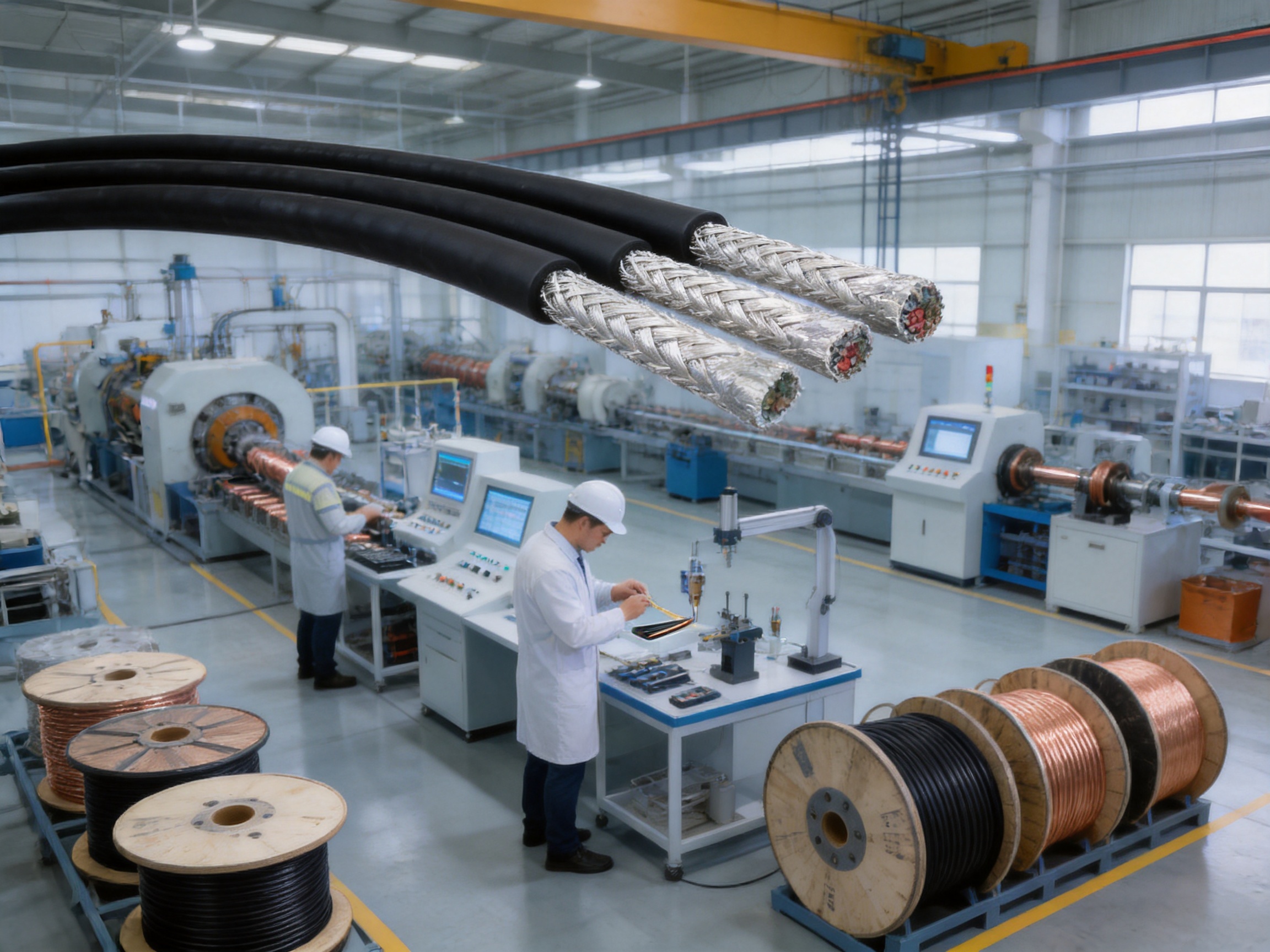
KYJVRP is engineered for industrial control applications where ordinary flexible cable performance may not be sufficient. Its fine-stranded copper conductors provide practical flexibility, its XLPE insulation supports long-term operation at 90°C, its copper braid shielding helps protect signals from electromagnetic interference, and its PVC sheath provides economical protection for indoor and mild industrial environments.
The cable is suitable for automated production lines, high-temperature mobile equipment, testing systems, instruments, sensors, and movable machine components. Its 450/750V rated voltage, 3.0kV AC test voltage, 0.5 mm² to 6.0 mm² conductor range, 2 to 37 core configurations, and minimum 10,000-cycle bending endurance give designers a broad set of options for industrial wiring.
Its competitive advantage lies in the balance between performance, flexibility, shielding, thermal capability, and cost. It is more capable than a basic unshielded or low-temperature fixed cable, while remaining practical for applications that do not require the specialized construction of an extreme-duty robotic or chemical-resistant cable.
Manufacturing capability also contributes to the product’s value. With integrated research and development, automated production lines, technical personnel, quality engineers, standard product support, and OEM/ODM customization, the manufacturer can support both routine orders and project-specific cable requirements.
For the best results, the cable should be selected and installed according to its rated temperature range, minimum bending radius, shielding requirements, environmental conditions, current capacity, and applicable standards. When these factors are properly considered, KYJVRP can provide stable electrical performance and dependable service in demanding industrial control systems.
1. GB/T 19666, General Rules for Flame Retardant and Fire-Resistant Wires and Cables.
2. IEC 60228, Conductors of Insulated Cables.
3. IEC 60332 Series, Tests on Electric and Optical Fibre Cables under Fire Conditions.
4. IEC 60502 Series, Power Cables with Extruded Insulation and Their Accessories.
5. IEC 60227 Series, Polyvinyl Chloride Insulated Cables of Rated Voltages up to and Including 450/750V.
6. IEC 61000 Series, Electromagnetic Compatibility Requirements and Testing Principles.
7. Industrial Cable Installation Practices for Control, Instrumentation, and Automation Systems.
8. Manufacturer-provided technical specifications for KYJVRP flexible shielded control cable.

We firmly believe that good cables are not only a competition of materials, but also a reflection of craftsmanship, quality, and responsibility.

Links
Product
Send Inquiry
No. 29 Sankeshu Road, Xuanzhou District, Xuancheng City, Anhui Province, China
+86-18621104555/+86-563-2622999
 Electrical Cable Manufacturer
OEM/ODM Wire and Cable Solutions
 English
 Español
 عربى
 русский