
Get more content that can help you
Content
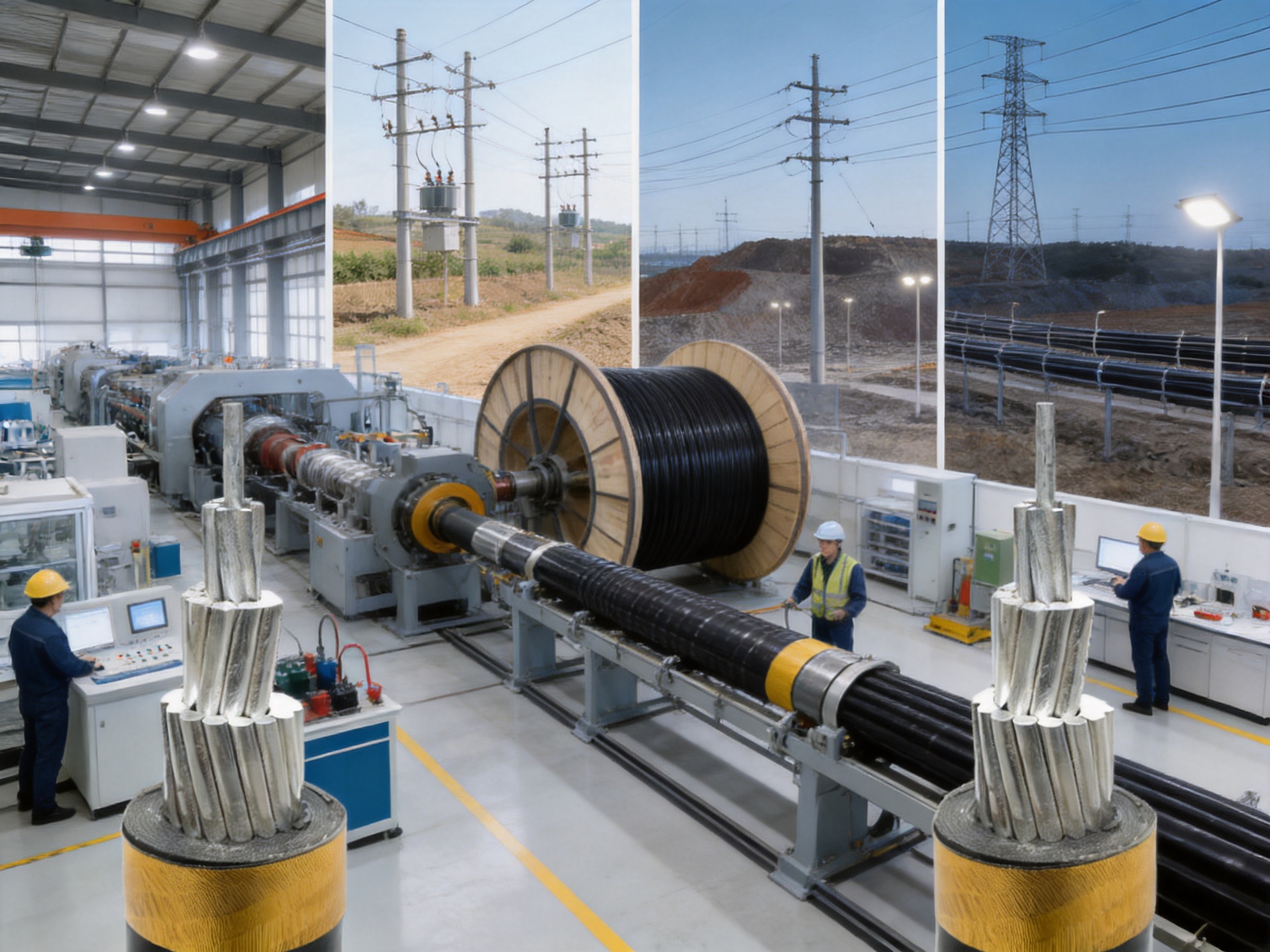
Reliable low-voltage power distribution depends on more than conductor size alone. Outdoor cables must withstand sunlight, rain, temperature changes, mechanical stress, installation tension, and long periods of continuous electrical loading. They must also remain economical enough for rural grids, street lighting systems, mining-area networks, and other projects where many kilometers of cable may be required. The JKLYJ aerial insulated cable rated at 1 kV and below is designed for these conditions, combining an aluminum conductor with cross-linked polyethylene insulation to provide a practical solution for overhead low-voltage power distribution.
With a rated voltage of 0.6/1 kV, a conductor cross-section range of 10 mm² to 500 mm², and a long-term operating temperature of up to 90°C, this cable supports a broad range of distribution requirements. Its XLPE insulation offers high dielectric strength, strong insulation resistance, UV resistance, moisture resistance, and improved resistance to environmental aging. Compared with conventional uninsulated overhead conductors or heavier copper-based alternatives, it can provide a more integrated balance of safety, weight, installation efficiency, and total project cost.
This article examines the structure, performance, applications, technical specifications, manufacturing strengths, installation considerations, and purchasing value of JKLYJ aerial insulated cable. It also explains how Anhui Zhishang Cable Technology Co., Ltd. supports the product through production automation, quality control, engineering assistance, OEM/ODM capability, and responsive supply services.
JKLYJ is an aluminum conductor aerial insulated cable using cross-linked polyethylene as its primary insulation material. The designation identifies a low-voltage overhead cable intended for outdoor power distribution at rated voltages of 1 kV and below. The cable is generally supplied as a single-core product, while complete overhead systems may use multiple single-core cables arranged according to the circuit design.
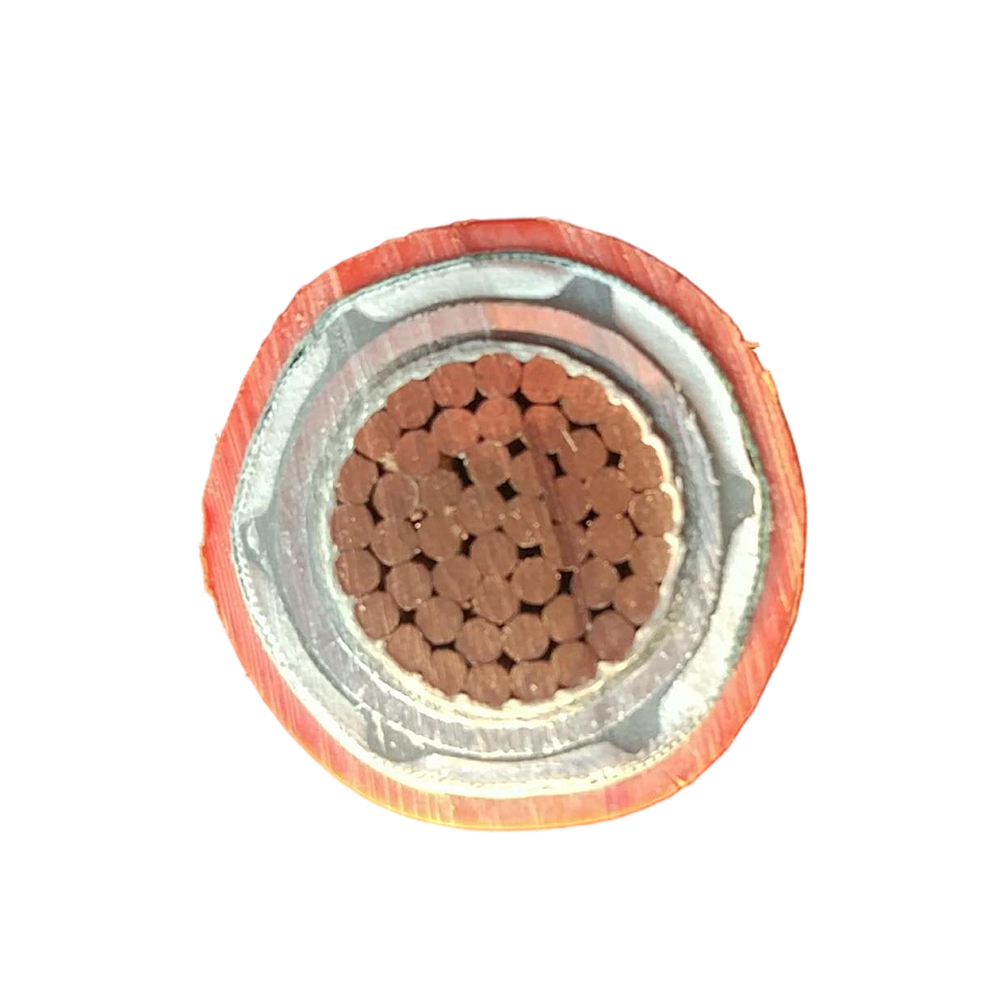
The conductor can be manufactured in solid or stranded aluminum, depending on the required cross-section, flexibility, electrical characteristics, and installation conditions. For larger sizes, stranded construction is generally more suitable because it provides improved handling and bending performance during transportation and installation. The aluminum conductor offers lower density than copper, making the cable lighter for equivalent conductive applications and reducing the mechanical burden on overhead structures.
The insulation is made from cross-linked polyethylene, commonly known as XLPE. Unlike ordinary thermoplastic insulation, XLPE is cross-linked during manufacturing to improve its thermal stability, mechanical performance, and resistance to deformation. The material is suitable for outdoor exposure and is normally supplied in black to improve resistance to ultraviolet radiation. Other insulation colors can be customized according to circuit identification or project requirements.
JKLYJ is intended for use in environments where a dependable outdoor insulation system is required without the cost and weight associated with some copper conductor solutions. It is especially appropriate for low-voltage overhead lines, rural distribution systems, street lighting, mining-area power networks, and long-distance feeder lines.
Traditional overhead distribution may use bare conductors supported on insulators. Although this approach can be cost-effective, the conductors remain exposed to accidental contact, tree branches, birds, windborne debris, and short-term environmental contamination. Aerial insulated cable adds a protective insulation layer around the conductor, helping reduce the risk of direct contact and improving the safety margin in crowded or environmentally challenging areas.
Insulated overhead cable can also simplify certain network layouts. In locations where the line passes near buildings, trees, roadways, agricultural land, or other infrastructure, insulation can provide additional protection against incidental contact. It does not remove the need for proper clearances, hardware, grounding, and electrical safety procedures, but it can support a more controlled and reliable distribution design.
For long rural lines, weight and construction cost are important considerations. Aluminum has a lower density than copper, and the use of aluminum can reduce the weight of conductors and associated handling requirements. The lower material cost of aluminum can also improve the economic feasibility of larger conductor cross-sections, which may be useful when a project requires lower voltage drop or greater current-carrying capacity.
The use of XLPE insulation further supports outdoor performance. The material is designed to retain its electrical and mechanical properties over a wide temperature range and to resist common environmental stresses. This combination of aluminum and XLPE makes JKLYJ a practical choice for overhead lines that need a balance of performance, durability, and budget control.
The conductor is the current-carrying component of the cable. JKLYJ uses aluminum conductors that may be solid or stranded. Aluminum provides favorable conductivity relative to its weight and is widely used in overhead power distribution. Its lower density can make long cable lengths easier to transport, lift, route, and install compared with equivalent copper conductors.
Conductor cross-sections are available from 10 mm² to 500 mm². This broad range allows the product to serve small lighting or branch circuits as well as larger distribution feeders. Correct conductor selection should be based on the continuous load current, permissible voltage drop, short-circuit conditions, installation span, ambient temperature, mechanical loading, and applicable electrical codes.
Aluminum conductors require connection accessories designed specifically for aluminum. Properly selected lugs, clamps, terminals, connectors, and compression fittings help prevent problems associated with incompatible materials, contact oxidation, insufficient pressure, or thermal cycling. Installation teams should follow the fitting manufacturer’s instructions and use the specified preparation, torque, and compression procedures.
XLPE insulation is the key protective layer around the conductor. It provides electrical isolation while also contributing to the cable’s resistance to heat, moisture, ultraviolet exposure, mechanical wear, and environmental stress cracking. The insulation thickness ranges from approximately 0.7 mm to 2.0 mm, depending on the conductor cross-section and design requirements.
The insulation is engineered to provide a high level of dielectric strength and insulation resistance. The stated insulation resistance is at least 500 MΩ·km at 20°C. This characteristic helps reduce leakage current and supports stable operation when the cable is correctly selected, installed, and maintained.
Black is the standard insulation color because it provides favorable outdoor UV performance. Other colors may be produced for identification or project-specific requirements. Color customization should be agreed during the technical specification stage because it may influence production planning, material selection, and delivery time.
Self-supporting versions can be produced for applications that require additional mechanical support. These configurations may include a galvanized steel strand messenger wire. The messenger component can help carry mechanical tension while the insulated conductor performs the electrical function.
The appropriate arrangement depends on span length, wind and ice loading, support spacing, installation method, local regulations, and the selected hardware system. A cable supplier should receive the project’s mechanical and electrical requirements before confirming the final construction. Self-supporting arrangements can be particularly useful where separate support infrastructure is limited or where the line must follow a complex overhead route.
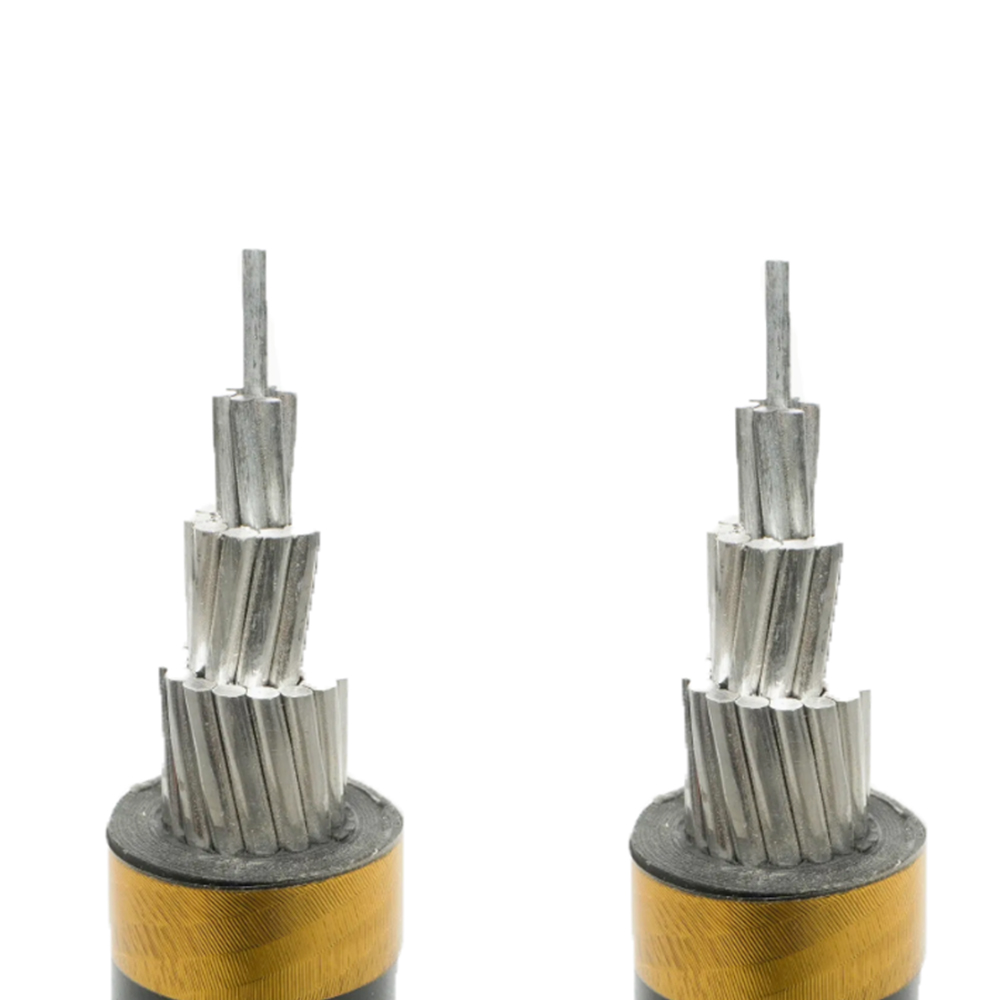
JKLYJ Outstanding heat resistance Aerial Insulated Cable Rated 1KV and Below
One of the principal advantages of JKLYJ is its long-term operating temperature rating of up to 90°C. This provides useful thermal headroom for outdoor networks exposed to sunlight, warm ambient conditions, or sustained electrical loading. The cable is also specified for a short-circuit temperature of up to 200°C for a maximum duration of five seconds, subject to the correct system design and fault protection.
A higher operating temperature capability can help distribution engineers manage load variation and seasonal changes. It does not mean that the cable should be operated continuously beyond the calculated ampacity. Current capacity must still be determined using conductor size, installation arrangement, ambient temperature, wind conditions, solar heating, spacing, and local standards. However, the XLPE insulation provides a stronger thermal platform than many ordinary PVC-insulated solutions.
XLPE insulation provides high dielectric strength, high insulation resistance, and low dielectric loss. These properties support efficient power transmission and help maintain circuit stability in outdoor environments. The specified power-frequency withstand voltage is 3.5 kV for five minutes, providing an important verification step during testing.
Reduced insulation losses and stable dielectric performance can contribute to efficient distribution over long distances. In practice, overall efficiency also depends on conductor resistance, load profile, conductor cross-section, operating temperature, connection quality, and line length. A properly sized JKLYJ cable can therefore form part of a low-loss distribution system without requiring excessive conductor mass.
Outdoor cables are continuously exposed to ultraviolet radiation, rain, humidity, ozone, dust, and temperature cycling. The JKLYJ insulation is designed to resist these environmental influences. The stated outdoor UV resistance rating is at least Grade 7, and the insulation is intended to maintain stable performance during long-term exposure.
Moisture resistance is also important. The product specification identifies an insulation resistance change rate of no more than 20% after 24 hours of immersion testing. This indicates that the insulation system is designed to limit performance deterioration when exposed to water. Nevertheless, cable ends, connections, and accessories must be properly sealed because many outdoor cable failures originate at poorly protected termination points rather than along the intact cable body.
The XLPE insulation is tough and resistant to wear, helping protect the conductor during handling and service. The cable can be used in overhead routes that include corners, changing spans, and complex terrain, provided that the correct bending radius and mechanical support are maintained.
The minimum bending radius is specified as 12 times the cable outer diameter during installation and 18 times the cable outer diameter during operation. These requirements are important because excessive bending can damage insulation, deform the conductor, increase local electrical stress, or reduce the cable’s service life. Installation crews should use suitable rollers, guides, and pulling methods rather than dragging the cable over rough surfaces or forcing it around sharp supports.
Compared with copper conductors of similar electrical purpose, aluminum conductors can reduce material cost and cable weight. The benefits become more significant in long-distance distribution projects where thousands of meters of cable may be required. Lower weight can also reduce handling effort and may simplify logistics, lifting, and temporary storage.
The most economical choice should not be based only on purchase price. Engineers should consider conductor resistance, voltage drop, accessory cost, installation labor, support design, expected service life, maintenance requirements, and replacement risk. JKLYJ is valuable because its design addresses several of these factors at the same time: aluminum reduces material weight and cost, while XLPE provides long-term thermal and environmental performance.
The product is designed for a service life typically exceeding 30 years under suitable operating and environmental conditions. Actual service life depends on electrical loading, ultraviolet intensity, mechanical stress, installation quality, accessory performance, pollution, weather, and maintenance practices.
Long service life improves the full-cycle economics of a distribution project. A cable that maintains insulation integrity and mechanical performance over many years can reduce unplanned outages, emergency repairs, and replacement work. Its resistance to aging, ozone, UV exposure, and moisture supports dependable operation in outdoor networks.
Product selection should always be based on the complete project specification rather than a simple claim that one cable is universally superior. Nevertheless, JKLYJ offers several practical advantages when compared with common alternatives used in low-voltage distribution.
Evaluation Factor |
JKLYJ Aerial Insulated Cable |
Typical Bare Overhead Conductor |
Typical PVC-Insulated Cable |
Copper Conductor Alternative |
Conductor Material |
Aluminum |
Often aluminum or other overhead conductor material |
Copper or aluminum, depending on design |
Copper |
Insulation |
Cross-linked polyethylene |
Normally uninsulated |
Thermoplastic PVC |
May use XLPE or other insulation |
Outdoor UV Protection |
Designed for outdoor exposure; UV resistance rating at least Grade 7 |
No insulation layer |
Depends on formulation and product design |
Depends on insulation design |
Long-Term Operating Temperature |
Up to 90°C |
Depends on conductor and system design |
Often lower than XLPE designs |
Depends on insulation and construction |
Weight and Material Cost |
Favorable due to aluminum conductor |
Often favorable, but requires additional safety and support considerations |
Varies by conductor and insulation |
Generally higher material cost and weight |
Typical Application |
Low-voltage outdoor overhead distribution |
Open overhead networks with suitable clearances and insulators |
Indoor, buried, or selected outdoor applications |
Applications requiring copper’s conductivity or connection characteristics |
Compared with bare overhead conductors, JKLYJ provides an insulation layer that can improve protection against incidental contact and environmental exposure. Compared with standard PVC-based solutions, XLPE offers higher thermal capability and favorable aging performance for outdoor use. Compared with copper conductor cable, aluminum generally offers lower density and material cost, making it attractive for long runs and larger cross-sections.
These comparisons do not eliminate the need for proper engineering. Bare conductors may be preferred in specific transmission or distribution designs, copper may be selected where space is limited or connection requirements favor it, and PVC may be suitable for applications with lower thermal or environmental demands. JKLYJ is most advantageous when the project requires insulated outdoor distribution, broad conductor sizing, heat resistance, and cost-conscious construction.
Specification |
JKLYJ Value |
Product Type |
Aluminum conductor XLPE-insulated aerial cable |
Number of Cores |
Single-core |
Conductor |
Aluminum, solid or stranded |
Conductor Cross-Section |
10 mm² to 500 mm² |
Rated Voltage |
0.6/1 kV |
Test Voltage |
3.5 kV AC for five minutes |
Long-Term Operating Temperature |
-40°C to +90°C |
Short-Circuit Temperature |
Up to 200°C for five seconds |
Insulation Material |
Cross-linked polyethylene |
Insulation Thickness |
Approximately 0.7 mm to 2.0 mm, depending on cross-section |
Insulation Resistance |
At least 500 MΩ·km at 20°C |
Minimum Bending Radius During Installation |
12 times the cable outer diameter |
Minimum Bending Radius During Operation |
18 times the cable outer diameter |
UV Resistance |
Outdoor insulation UV resistance rating at least Grade 7 |
Water Resistance |
Insulation resistance change rate no more than 20% after 24-hour immersion |
Insulation Color |
Black as standard; other colors available for customization |
Outer Diameter Tolerance |
±10% |
Flame Test |
Passes IEC 60332-1 single vertical flame test |
Conductor Resistance |
Complies with GB/T 3956 for the corresponding cross-section |
The figures above should be treated as the product’s stated design and testing parameters. The final technical data for a specific order should be confirmed through the approved product drawing, manufacturing specification, inspection report, and applicable national or international standard. Conductor class, diameter, insulation thickness, finished outer diameter, packaging length, and accessory selection may vary by project.
Rural distribution networks often cover long distances and serve dispersed loads. Construction budgets may be limited, while reliability requirements remain important. JKLYJ can provide an economical insulated overhead solution for feeder extensions, village distribution lines, agricultural facilities, and rural public services.
The availability of large conductor cross-sections can support longer lines and higher loads. Engineers can select the conductor size according to voltage-drop calculations and expected future demand. The lightweight aluminum conductor may also simplify transportation to remote locations where access for heavy equipment is limited.
Mining areas may involve challenging terrain, dust, temperature variation, temporary facilities, and changing power requirements. Outdoor overhead lines can be used to supply processing equipment, workshops, lighting, pumping systems, accommodation areas, and auxiliary buildings.
JKLYJ’s abrasion-resistant insulation and environmental performance can support these applications when the cable is installed with appropriate mechanical protection and support. Mining installations require additional attention to grounding, mechanical impact, fault protection, hazardous areas, and local safety regulations. The cable should be selected as part of a complete electrical system rather than as an isolated component.
Street lighting systems commonly require long, continuous outdoor cable routes. Exposure to sunlight, rain, vehicle activity, maintenance work, and seasonal temperature changes makes weather-resistant insulation desirable. JKLYJ can be used for low-voltage overhead lighting feeders where the route and support arrangement are suitable.
Its single-core construction allows designers to arrange phase, neutral, and protective conductors according to the selected network topology. Proper identification, termination, and separation are essential for safe maintenance and reliable operation.
Industrial sites, agricultural zones, construction areas, and public infrastructure projects may need low-voltage power over significant distances. The combination of aluminum conductivity, broad cross-section availability, XLPE insulation, and outdoor durability makes JKLYJ appropriate for these feeder applications.
Before specifying the cable, designers should calculate voltage drop, short-circuit withstand, thermal capacity, mechanical loading, and support spacing. A larger conductor may be justified when the line is long or when future load growth is expected.
Although the product is designed for long-term service, it may also be considered for expandable infrastructure where the network will be extended in stages. Examples include new industrial zones, temporary construction power systems, agricultural development, and phased public works. Its relatively low weight and flexible installation options can support efficient deployment, provided that temporary installations follow the same electrical safety principles as permanent ones.
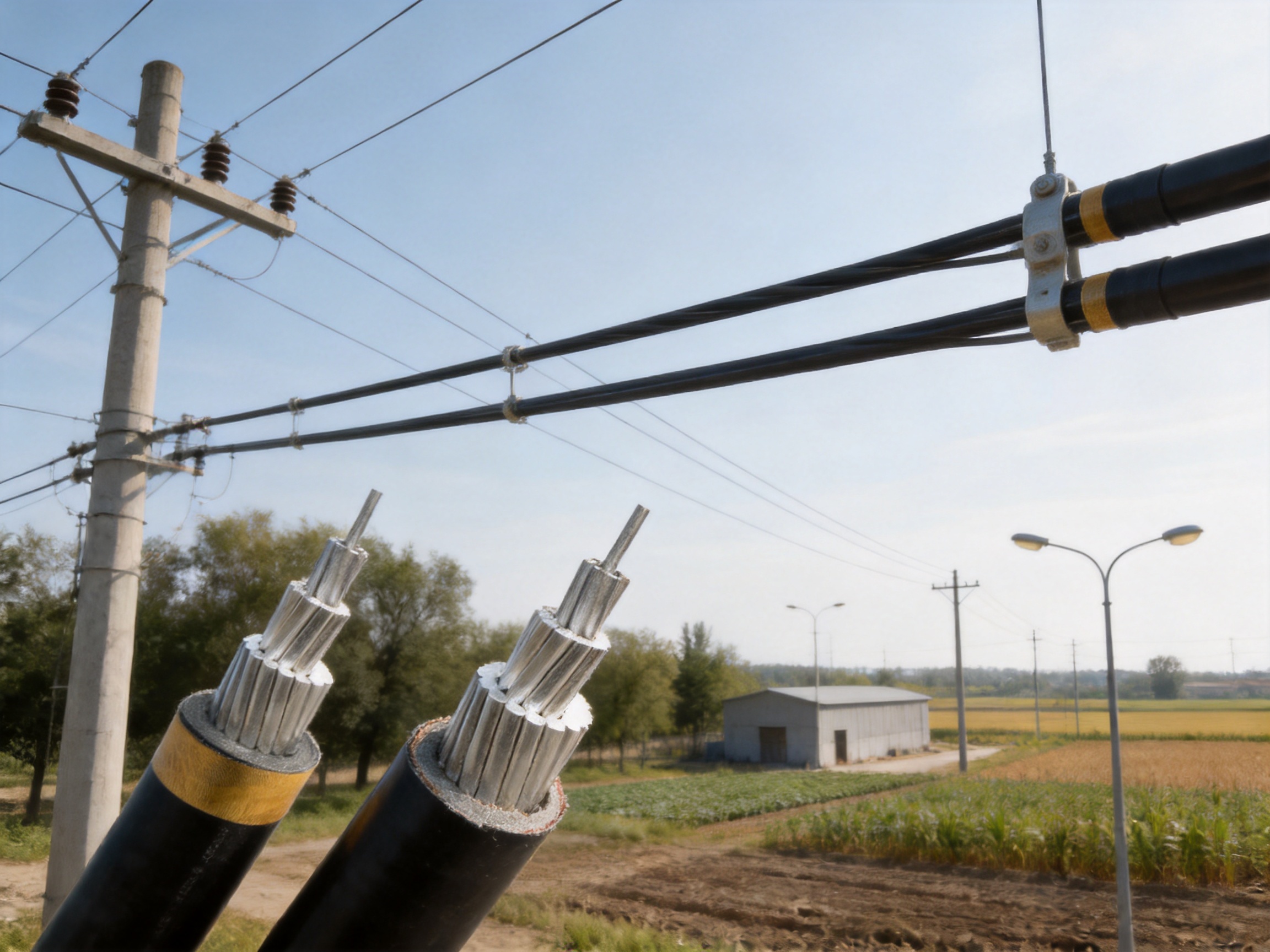
Anhui Zhishang Cable Technology Co., Ltd. integrates product research and development, manufacturing, and sales. This structure allows technical requirements to move more directly from customer communication into engineering review, production planning, inspection, and delivery. For customized cable projects, an integrated organization can reduce communication gaps between the buyer, design team, production department, and quality personnel.
The company supports wire and cable solutions for industrial automation, weak-current engineering, intelligent manufacturing, appliance equipment, power engineering, and related applications. This broader cable experience is useful when a project requires more than a standard product, such as special colors, customized conductor construction, self-supporting arrangements, or coordinated cable assemblies.
The company operates a modern production base of approximately 5,000 square meters. Its manufacturing resources include 10 automated production lines and a stated monthly output capacity of up to 10 million meters. Automated production supports consistent processing, repeatable dimensional control, stable extrusion conditions, and efficient handling of standard product orders.
For aerial insulated cable, process control is important at several stages. Conductor stranding must maintain the required lay and dimensional consistency. Insulation extrusion must achieve uniform coverage, stable thickness, and a smooth surface. Cooling and take-up conditions must be controlled to prevent deformation or residual stress. Finished cable handling must avoid crushing, excessive bending, and surface damage.
The company employs more than 50 people, including quality engineers and research and development technicians with more than 10 years of industry experience. Experienced technical personnel can contribute to material selection, conductor design, insulation formulation, process optimization, product testing, and customer-specific engineering.
Quality engineers also help coordinate inspection activities. These may include conductor resistance testing, insulation resistance testing, voltage withstand testing, dimensional inspection, visual examination, material verification, and finished cable length checks. The exact inspection plan should be determined by the product specification, order requirements, and applicable standards.
Insulation extrusion is one of the most important processes in the production of JKLYJ cable. The conductor must pass through the extrusion line at a controlled speed while the XLPE insulation is applied evenly around its surface. Temperature, pressure, line speed, cooling, and take-up tension must be coordinated to produce a stable cable structure.
Dimensional control is important because insulation thickness affects dielectric strength, mechanical protection, outer diameter, weight, and compatibility with accessories. The stated outer diameter tolerance is ±10%, but specific production drawings may establish tighter requirements for individual orders. Online monitoring and final inspection can help identify irregularities before the cable is released.
Testing helps verify that the finished cable meets its electrical, mechanical, and environmental requirements. Conductor DC resistance should comply with the applicable GB/T 3956 requirements for the selected conductor cross-section. Insulation resistance should meet the stated value at the specified temperature. Power-frequency withstand testing verifies the insulation system’s ability to tolerate the specified voltage for the required duration.
Additional checks may include UV resistance evaluation, water immersion performance, single vertical flame testing, dimensional inspection, surface quality inspection, and verification of marking and packaging. The product specification identifies compliance with IEC 60332-1 for the single vertical flame test. Buyers requiring additional tests should define them before production so the inspection plan can be incorporated into the order.
The company states that it provides quality assurance through full-core and full-length production control for standard cable models. This approach is valuable because cable quality must remain consistent throughout the entire reel or drum, not only in a short sample. Continuous process monitoring, controlled raw material input, production records, and final inspection all contribute to traceability and reliability.
For critical projects, customers may request product test reports, inspection records, material certificates, sample approval, or third-party verification. Such documentation can support project acceptance, maintenance planning, and future procurement. Documentation requirements should be agreed during the quotation and contract stages.
Different distribution projects may require variations in conductor construction, insulation color, cable length, marking, packaging, mechanical support, or delivery format. The manufacturer supports OEM and ODM development based on customer drawings or samples. This is particularly useful for contractors, distributors, engineering companies, and equipment manufacturers that need cable products adapted to an established system.
Possible customization areas include solid or stranded conductor construction, cross-section, insulation color, identification marking, self-supporting configurations, galvanized steel messenger wire, reel size, packaging length, and inspection documentation. The feasibility of each request depends on electrical performance, applicable standards, production capacity, minimum order quantity, and delivery schedule.
Customers should provide as much technical information as possible when requesting a customized product. Useful information includes rated voltage, conductor material, conductor class, cross-section, insulation material, insulation color, operating environment, expected current, installation method, span length, temperature range, applicable standards, required tests, packaging requirements, and target delivery date.
OEM/ODM cooperation can also include technical selection guidance. Engineers can review drawings or samples, identify performance requirements, and recommend a suitable cable structure. This reduces the risk of selecting an oversized or undersized product and helps align the cable with available connectors, supports, and installation tools.
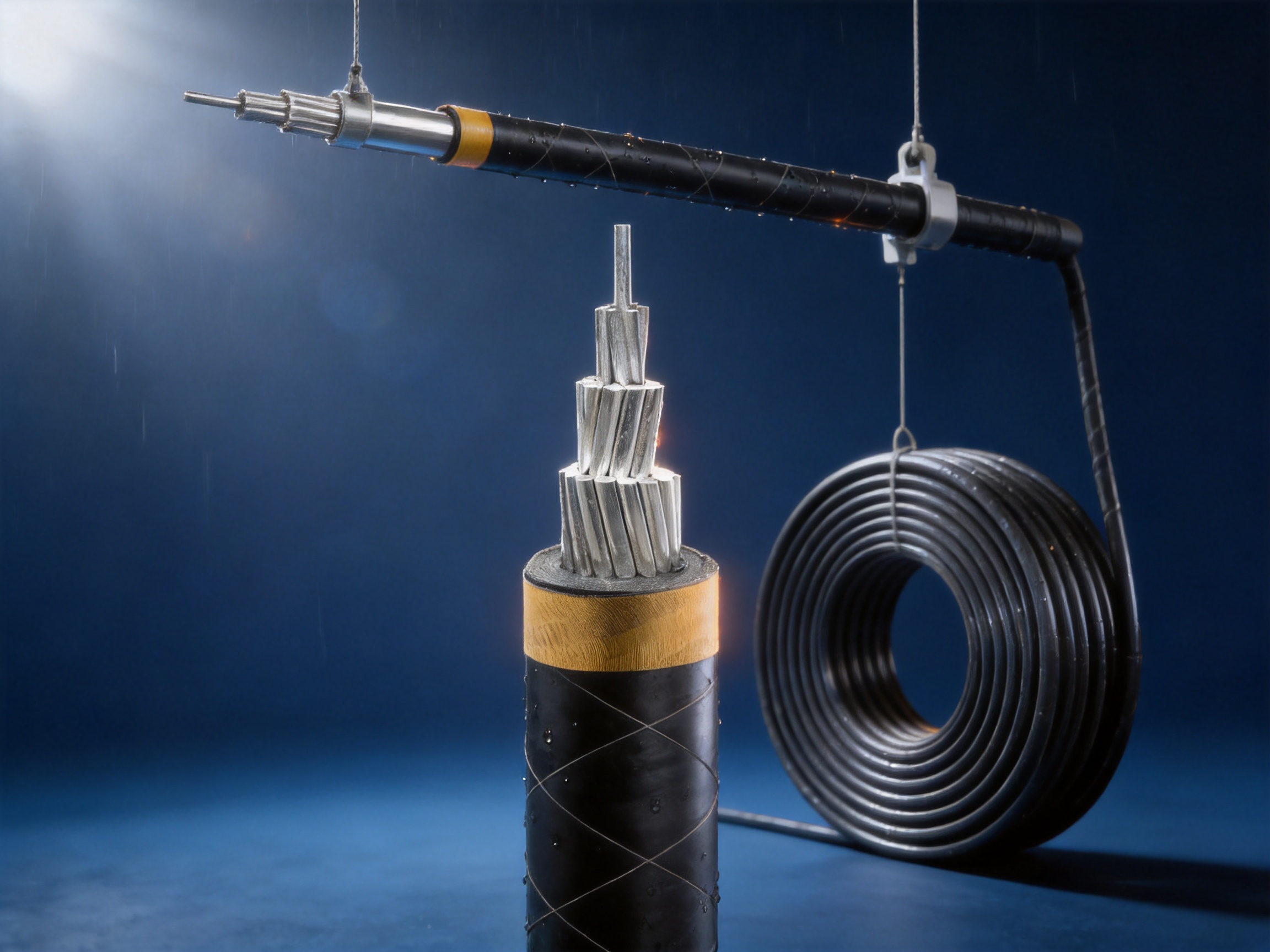
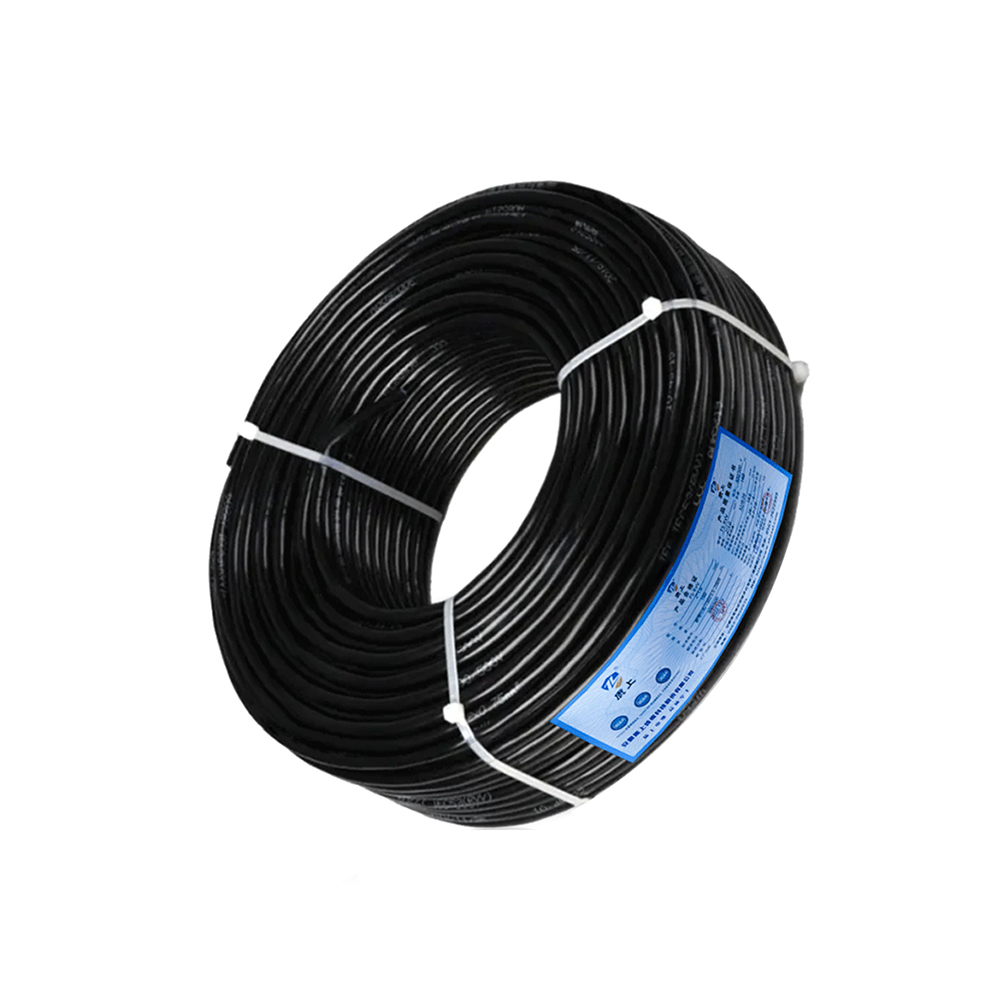
Cable drums should be stored on firm, level surfaces that prevent rolling or collapse. The cable should be protected from impact, contamination, prolonged standing water, and unauthorized handling. Drum flanges should remain intact, and cable ends should remain sealed to prevent moisture from entering the conductor or insulation system.
Storage conditions should avoid unnecessary exposure to extreme heat or direct sunlight. Even when the insulation is designed for outdoor use, cable products should not be left in conditions that exceed the manufacturer’s recommended storage limits. Drum markings should remain legible so that the cable can be identified before installation.
During installation, the cable should be paid out from the drum in the correct direction and supported with suitable rollers or guides. Dragging the cable across the ground can damage the insulation surface. Pulling tension should remain within the approved limit, and the cable should not be twisted, kinked, flattened, or forced around sharp corners.
The minimum installation bending radius is 12 times the cable outer diameter. Once the cable is installed and operating, the specified minimum bending radius is 18 times the outer diameter. These values should be incorporated into route planning and support hardware selection.
Aluminum conductors require dedicated connection fittings. The use of unsuitable copper-only connectors can create contact instability, corrosion, overheating, and premature failure. Approved bimetallic or aluminum-compatible fittings should be selected according to the conductor size, system voltage, current, environmental exposure, and termination type.
Connection surfaces should be prepared according to the fitting manufacturer’s instructions. Compression tools must be appropriate for the selected connector, and the completed connection should be inspected for correct compression, alignment, sealing, and mechanical support. Where required, oxide-inhibiting compound or other approved preparation methods should be used.
Overhead cable installation requires correct support spacing, sag, tension, and clearance. These parameters depend on cable weight, span length, temperature, wind, ice, support strength, and local regulations. The cable should not be installed under excessive tension because thermal expansion, wind loading, and mechanical vibration may increase stress during service.
Self-supporting versions with galvanized steel messenger wire must be installed using compatible suspension and anchoring hardware. The messenger wire and insulated conductor should not be treated as interchangeable components. The mechanical load path must be understood before installation begins.
After installation, technicians should inspect the entire route for damaged insulation, incorrect sag, inadequate clearance, poor termination, loose fittings, and contact with trees or structures. Electrical tests should be performed according to the project commissioning plan. Depending on the system, tests may include continuity, insulation resistance, phase identification, voltage withstand, grounding verification, and functional load testing.
Any cable section with visible damage should be evaluated before energization. Small surface cuts, compression marks, or abrasions may develop into larger insulation failures under electrical and environmental stress. Repairs or replacement should follow the cable manufacturer’s and project engineer’s instructions.
JKLYJ is specified for an ambient temperature range of approximately -40°C to +90°C and an altitude of up to 1,000 meters. These conditions provide a useful reference for common outdoor distribution environments. Projects outside these limits may require derating, alternative materials, special mechanical design, or additional engineering review.
Temperature affects both electrical capacity and mechanical behavior. At elevated temperatures, conductor resistance increases and insulation experiences greater thermal stress. At low temperatures, materials may become less flexible during handling. Installation teams should consider the actual ambient conditions at the time of construction and follow the recommended temperature limits for bending and pulling.
Altitude, solar radiation, wind, humidity, pollution, and icing may also affect system performance. A project in a coastal, desert, high-altitude, or heavily polluted area should be reviewed using local environmental data. The cable’s stated UV, water, and temperature performance provides a strong starting point, but the entire system—including connectors, supports, seals, and terminals—must be evaluated as a whole.
The purchase price of cable is only one component of total project cost. A complete evaluation should include raw material cost, transportation, handling, support structures, installation labor, accessories, testing, maintenance, energy losses, downtime risk, and replacement requirements.
JKLYJ contributes to life-cycle value in several ways. Aluminum reduces conductor material cost and weight. XLPE supports a higher operating temperature and outdoor durability. The broad cross-section range allows closer matching to the required current and voltage-drop performance. The cable’s expected service life can reduce replacement frequency when the product is properly selected and installed.
Lower weight may also reduce logistics costs for remote projects. Cable drums can be transported more easily, and installation crews may need less lifting equipment. However, the final result depends on the cable size, drum length, route, support design, and local labor conditions. A project-specific cost comparison is recommended before final selection.
Aerial insulated cable is a safety-critical electrical product. Manufacturing consistency is important because defects in conductor resistance, insulation thickness, material quality, or surface condition can affect service performance. An experienced manufacturer can combine process knowledge, material control, testing capability, and technical support to reduce these risks.
Anhui Zhishang Cable Technology Co., Ltd. has built its business around research, manufacturing, and sales of wire and cable products. Its production base, automated lines, experienced technical personnel, and stated monthly capacity support both standard orders and customized projects. The company’s product range covers low-voltage wiring cable, flexible cable, power cable, automotive cable, communication cable, flat cable, control cable, computer cable, specialty cable, bus cable, aerial insulated cable, mining cable, fluoroplastic cable, wire harnesses, and battery box products.
This broader product portfolio can be valuable for customers managing multiple cable requirements within one project or supply chain. Instead of coordinating every cable type with a separate supplier, a customer may be able to consolidate technical communication, quality documentation, packaging, and delivery planning through one manufacturer.
The company also emphasizes quality orientation, integrity, stable production, and long-term customer cooperation. Its products are supplied to markets including the United States, Canada, Australia, Japan, and parts of Eurasia. International supply experience can help a manufacturer understand varied documentation, packaging, communication, and project coordination requirements.
Before placing an order for JKLYJ cable, the buyer should confirm the following information:
Rated voltage and system voltage.
Required conductor cross-section.
Solid or stranded aluminum conductor construction.
Required current-carrying capacity and voltage-drop limit.
Installation method, span length, and support arrangement.
Requirement for a self-supporting configuration or galvanized steel messenger wire.
Operating temperature, ambient temperature, altitude, wind, and environmental conditions.
Insulation color and identification marking.
Required cable length per reel or drum.
Applicable standards and inspection requirements.
Required test reports or certificates.
Delivery location, packaging conditions, and target schedule.
Standard products may be available for fast shipment, while customized products typically require a lead time of approximately 7 to 20 days according to the stated company information. Actual delivery depends on product construction, order volume, raw material availability, testing requirements, packaging, and production scheduling. Buyers should request a formal quotation and technical confirmation before making procurement commitments.
JKLYJ is used for low-voltage outdoor overhead power distribution at rated voltages of 1 kV and below. Common applications include rural power grids, street lighting, mining-area distribution, agricultural facilities, and long-distance low-voltage feeder lines.
The 0.6/1 kV rating identifies the cable’s rated voltage in relation to earth and between conductors under the applicable cable system designation. The cable is intended for systems rated at 1 kV and below. The final application must comply with the electrical system design and applicable regulations.
Aluminum offers favorable conductivity relative to its weight and generally costs less than copper. Its lower density can reduce cable weight, transportation requirements, and handling effort, especially on long distribution routes and larger conductor sizes.
Yes. The cable is designed for outdoor overhead installation. Its XLPE insulation provides resistance to UV exposure, moisture, ozone, environmental stress cracking, and aging. Proper installation, suitable accessories, and adequate mechanical support are still essential for reliable outdoor performance.
The stated long-term operating temperature range is -40°C to +90°C. Actual continuous current capacity must be calculated according to conductor size, installation conditions, ambient temperature, solar exposure, wind, and applicable standards.
The stated short-circuit temperature is up to 200°C for five seconds. Short-circuit performance also depends on conductor size, fault current, protective device clearing time, installation conditions, and the complete system design.
Black is the standard insulation color, but other colors can be customized. Color requirements should be confirmed before production because they may affect material preparation and scheduling.
Yes. Self-supporting models can be produced, including configurations using galvanized steel strand messenger wire. The correct arrangement depends on span, mechanical loading, support hardware, and project requirements.
The specified minimum bending radius is 12 times the cable outer diameter during installation and 18 times the outer diameter during operation. The cable should not be sharply bent, kinked, crushed, or twisted.
Yes. Aluminum conductors require dedicated aluminum-compatible or approved bimetallic connection fittings. The correct connector, preparation method, compression procedure, and sealing method must be selected according to the conductor and installation system.
The product information references GB/T 3956 for corresponding conductor DC resistance requirements and IEC 60332-1 for the single vertical flame test. The stated power-frequency withstand test is 3.5 kV for five minutes. Additional standards may apply depending on the destination market and project specification.
Yes. The company supports OEM and ODM development based on customer drawings or samples. Customization may include conductor construction, cross-section, insulation color, self-supporting configuration, marking, packaging, and testing documentation.
The design life is typically stated as more than 30 years under suitable operating, environmental, and installation conditions. Actual service life depends on electrical loading, weather, mechanical stress, accessory quality, maintenance, and compliance with the specified operating limits.
Selection should consider continuous current, voltage drop, short-circuit withstand, route length, installation conditions, future load growth, ambient temperature, and mechanical requirements. A qualified electrical engineer should confirm the final size for each project.
The aluminum conductor helps reduce material weight and cost, while the XLPE insulation provides thermal and outdoor durability. The available cross-section range supports appropriate matching to the required load, and the cable can be used in overhead routes with suitable installation hardware.
JKLYJ aerial insulated cable provides a balanced solution for low-voltage outdoor power distribution. Its aluminum conductor reduces weight and material cost, while XLPE insulation supplies high dielectric strength, strong insulation resistance, heat resistance, UV resistance, moisture resistance, and long-term aging performance. With a rated voltage of 0.6/1 kV, cross-sections from 10 mm² to 500 mm², a long-term operating temperature of up to 90°C, and optional self-supporting configurations, it can serve diverse rural, industrial, mining, lighting, and infrastructure projects.
The product’s value extends beyond its material design. Reliable production depends on stable conductor processing, controlled insulation extrusion, dimensional inspection, electrical testing, environmental verification, and careful finished-cable handling. Anhui Zhishang Cable Technology Co., Ltd. supports these requirements through an integrated research, production, and sales structure, approximately 5,000 square meters of manufacturing facilities, 10 automated production lines, experienced technical and quality personnel, OEM/ODM support, and international supply experience.
For project owners, contractors, distributors, and electrical engineers, the best results come from treating cable selection as part of a complete distribution system. Conductor size, accessories, support structures, environmental conditions, installation radius, testing, and maintenance must all be considered together. When these factors are properly managed, JKLYJ can deliver a durable, economical, and technically dependable solution for insulated overhead power distribution at 1 kV and below.
GB/T 3956, Conductors of Insulated Cables and Cords—Requirements for Electrical Resistance and Conductor Construction.
IEC 60332-1, Tests on Electric and Optical Fibre Cables Under Fire Conditions—Test for Vertical Flame Propagation for a Single Insulated Wire or Cable.
IEC 60502-1, Power Cables with Extruded Insulation and Their Accessories for Rated Voltages up to and Including 1 kV.
Product technical information for JKLYJ aluminum conductor XLPE-insulated aerial cable, rated 1 kV and below.
Manufacturer technical and quality information for Anhui Zhishang Cable Technology Co., Ltd.

We firmly believe that good cables are not only a competition of materials, but also a reflection of craftsmanship, quality, and responsibility.

Links
Product
Send Inquiry
No. 29 Sankeshu Road, Xuanzhou District, Xuancheng City, Anhui Province, China
+86-18621104555/+86-563-2622999
 Electrical Cable Manufacturer
OEM/ODM Wire and Cable Solutions
 English
 Español
 عربى
 русский