High-Voltage Cable
Introduction
High-voltage cables are specifically designed and manufactured for transmitting high-voltage, high-capacity electrical energy. Their rated voltage typically starts at 35 kilovolts (kV) or higher, with some reaching hundreds of kilovolts. The core characteristic is their excellent electrical insulation performance, mechanical strength, and environmental tolerance, enabling them to withstand high electric field stress and ensuring the safety and stability of long-distance, high-power electricity transmission.
Applications
Primarily used for main transmission lines in urban and regional power grids, as well as for power connections in large-scale industrial and energy projects.
Typical application scenarios include: urban underground transmission networks, incoming and outgoing lines of high-voltage substations, power output from hydroelectric, thermal, and nuclear power plants, cross-sea or cross-river transmission projects, power supply for large industrial parks, and step-up collector lines connecting wind farms or photovoltaic power stations.
Production
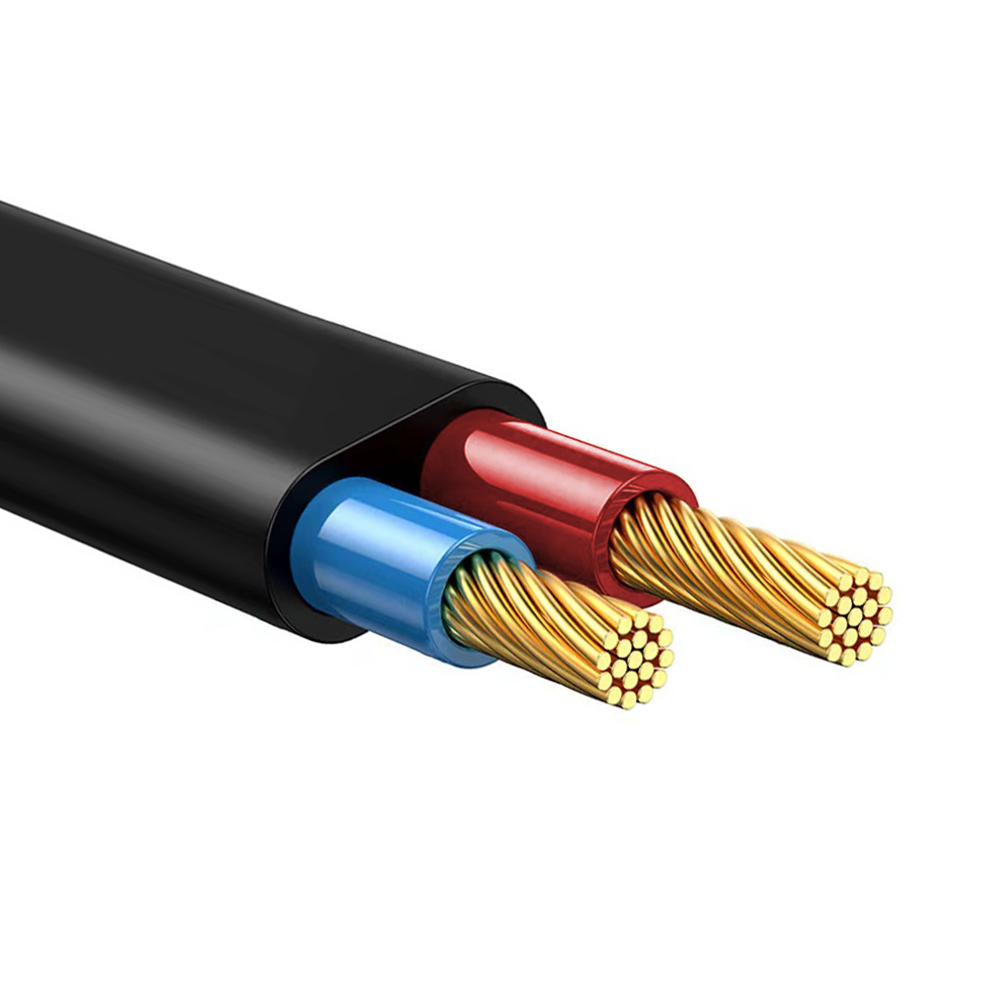
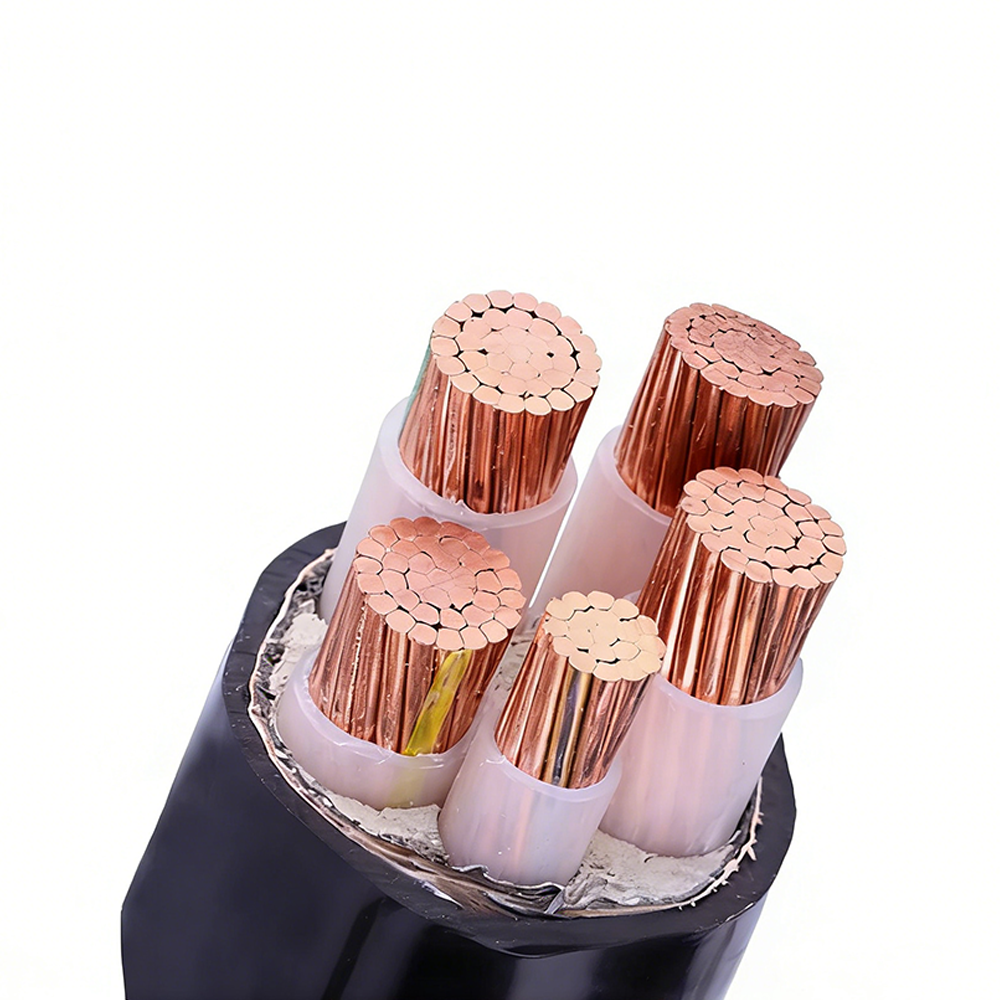
Conductor: Made from high-purity electrolytic copper or aluminum, formed through compact stranding. The cross-section is large, with a smooth surface to ensure uniform electric field distribution.
Insulation: This is the core process. Typically, ultra-pure cross-linked polyethylene (XLPE) is used, extruded in a single step using a triple-layer co-extrusion process (conductor shield + insulation + insulation shield) to form a defect-free, uniform insulation layer, thoroughly eliminating impurities and air gaps.
Metal Shielding: After tightly wrapping or extruding a semi-conductive shielding layer around the insulation, copper tape shielding or copper wire braided shielding is applied to uniform the electric field and provide a path for short-circuit currents.
Sheath: Extruded high-density polyethylene (HDPE), polyvinyl chloride (PVC), or specialized flame-retardant, anti-termite, and anti-corrosion outer sheaths provide mechanical and environmental protection.
Key Process Controls: Production environment requires extremely high cleanliness (clean room); strict control of raw material purity and XLPE cross-linking degree (achieved via CCV or VCV cross-linking production lines); 100% partial discharge testing and withstand voltage testing; online X-ray inspection of the insulation layer to eliminate defects.
Services
Selection Consultation: Provide professional recommendations for cable models, cross-sections, and structures based on transmission voltage levels, transmission capacity (current), installation methods (direct burial, tunnel, bridge, submarine), environmental conditions (temperature, corrosion, termites), etc.
Advantages
High Transmission Capacity and Long Distance: Capable of achieving high-voltage, low-loss long-distance power transmission, serving as the backbone of modern power grids.
Extremely High Safety and Reliability: Advanced materials and manufacturing processes ensure the stability of the insulation system under long-term high electric fields, resulting in a low failure rate.
Strong Environmental Adaptability: Through different sheath and armor designs, it can adapt to various complex installation environments such as direct burial, tunnels, shafts, and underwater.
Small Footprint: Compared to overhead lines, underground high-voltage cables do not occupy ground space and do not affect urban landscapes, offering significant advantages, especially in densely populated areas.
Relatively Low Operating and Maintenance Costs: Although the initial investment is high, their long lifespan (typically over 30 years), minimal impact from severe weather, and low need for frequent inspections result in competitive lifecycle costs.

 English
 Español
 عربى
عربى
 русский