
Get more content that can help you
Content
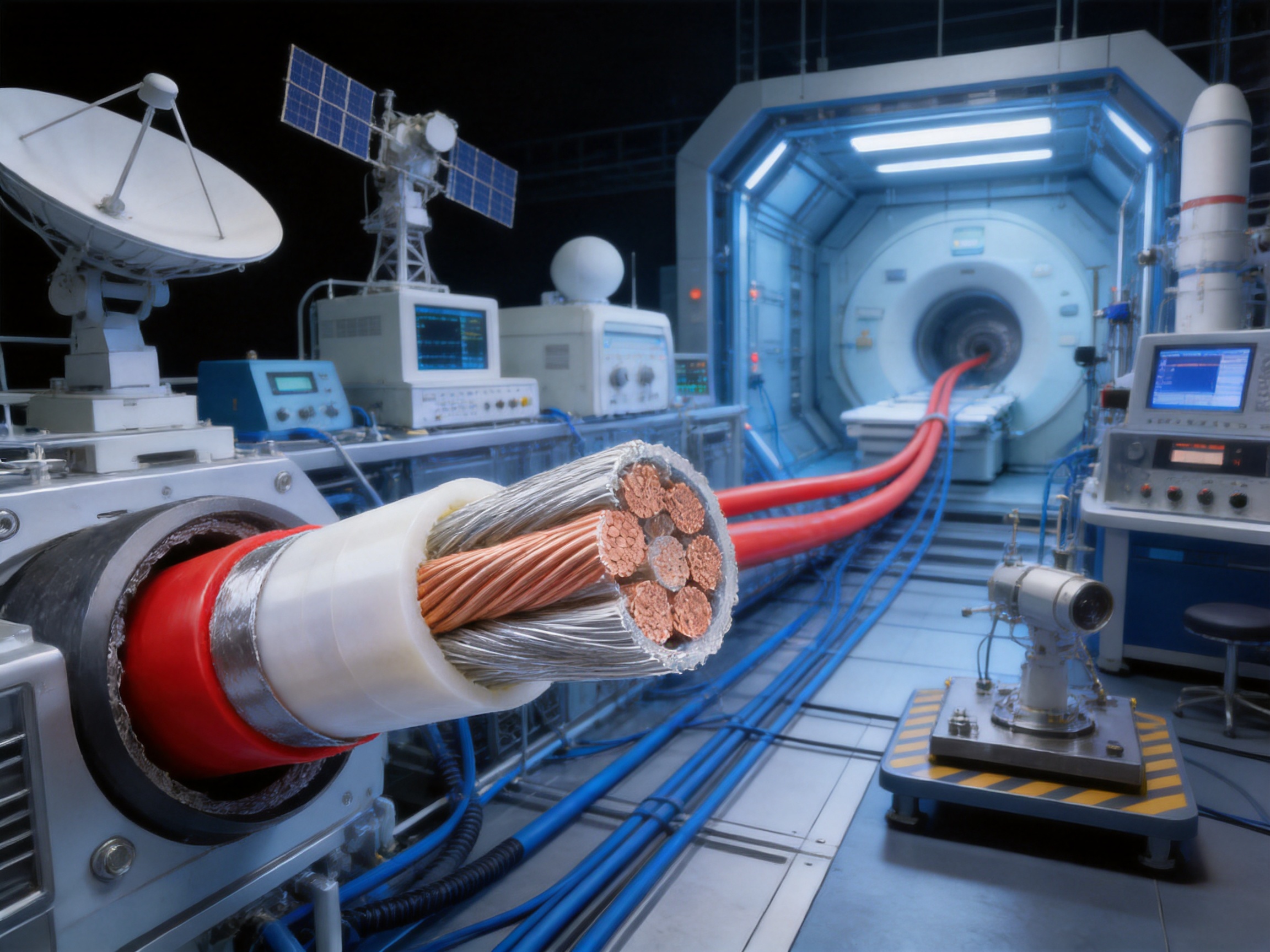
Modern electrical and electronic systems increasingly depend on cables that can perform reliably under conditions that exceed the capabilities of ordinary industrial wiring. Aerospace equipment, radar systems, medical imaging platforms, satellite communication devices, high-frequency test instruments, and military electronic systems may be exposed to extreme temperatures, intense vibration, repeated flexing, electromagnetic interference, chemical contaminants, radiation, and limited installation space. In these environments, a cable must do much more than conduct electricity. It must preserve signal integrity, resist environmental degradation, withstand mechanical stress, and remain dependable over a long service life.
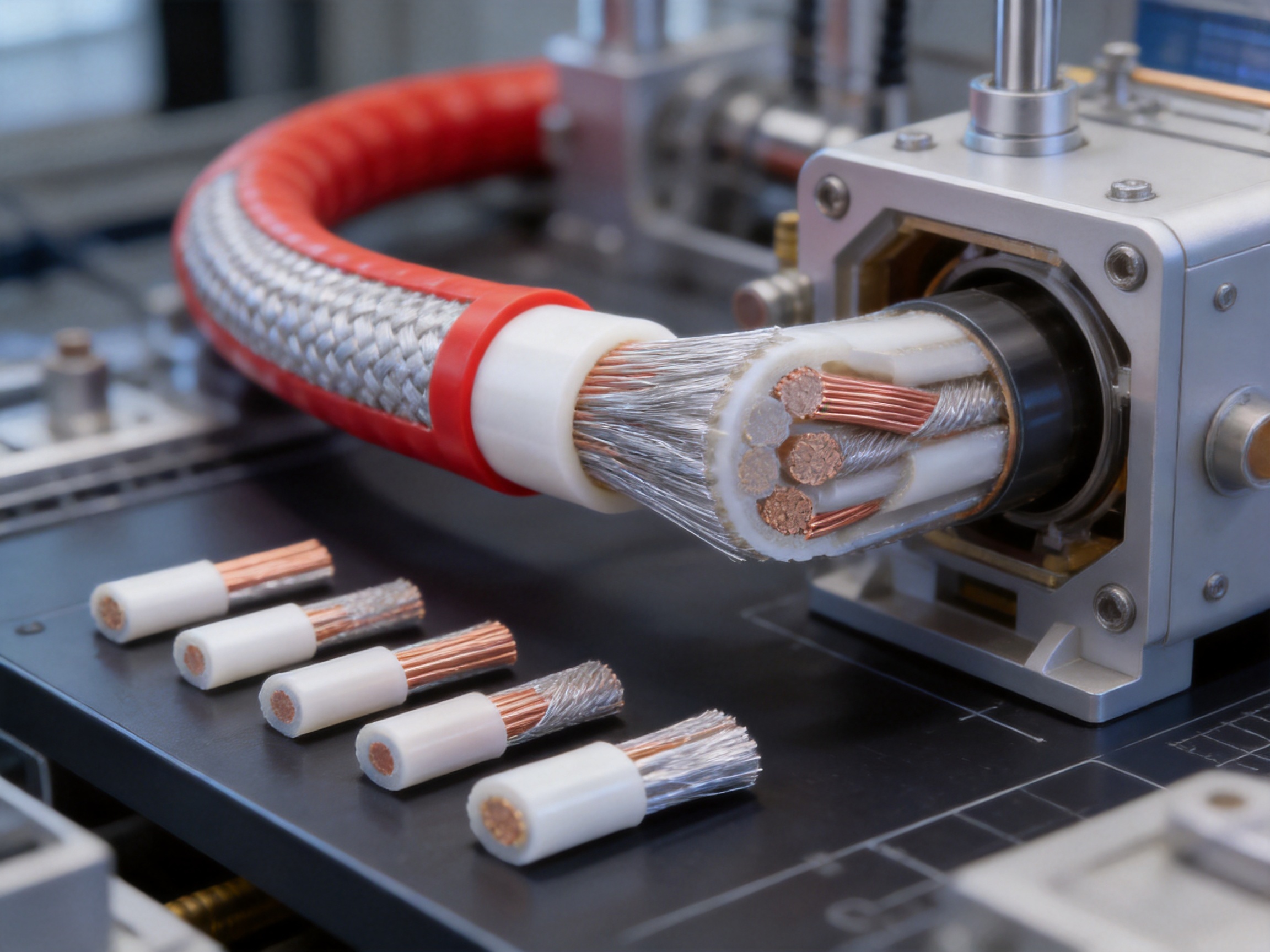
The JG and JHG series high-frequency cables are designed for applications requiring a combination of high electrical performance, flexibility, environmental resistance, and dependable insulation. Their construction uses polytetrafluoroethylene, commonly known as PTFE, or related fluoropolymer materials such as perfluoroalkoxy and fluorinated ethylene propylene. These materials provide a combination of thermal stability, low dielectric loss, chemical resistance, and high insulation performance that is difficult to achieve with conventional thermoplastic cable compounds.
Although the product is identified as a high-voltage cable series, its stated electrical ratings include 300/300 V and 300/500 V configurations. This makes careful product selection essential. In practice, the JG and JHG family is best understood as a specialized, high-reliability cable platform for high-frequency electrical and electronic systems, with configurations available for demanding signal, power, control, and equipment-interconnection requirements. The final construction can be customized according to voltage, impedance, conductor size, shielding, temperature, installation, and environmental requirements.
Produced by Anhui Zhishang Cable Technology Co., Ltd., the cable reflects an engineering approach that combines fluoropolymer insulation, silver-plated copper shielding, ultra-fine stranded conductors, controlled manufacturing, and application-specific design. The result is a cable intended for situations where ordinary PVC, rubber, or general-purpose polyethylene constructions may not provide sufficient temperature range, dielectric stability, chemical resistance, or electromagnetic compatibility.

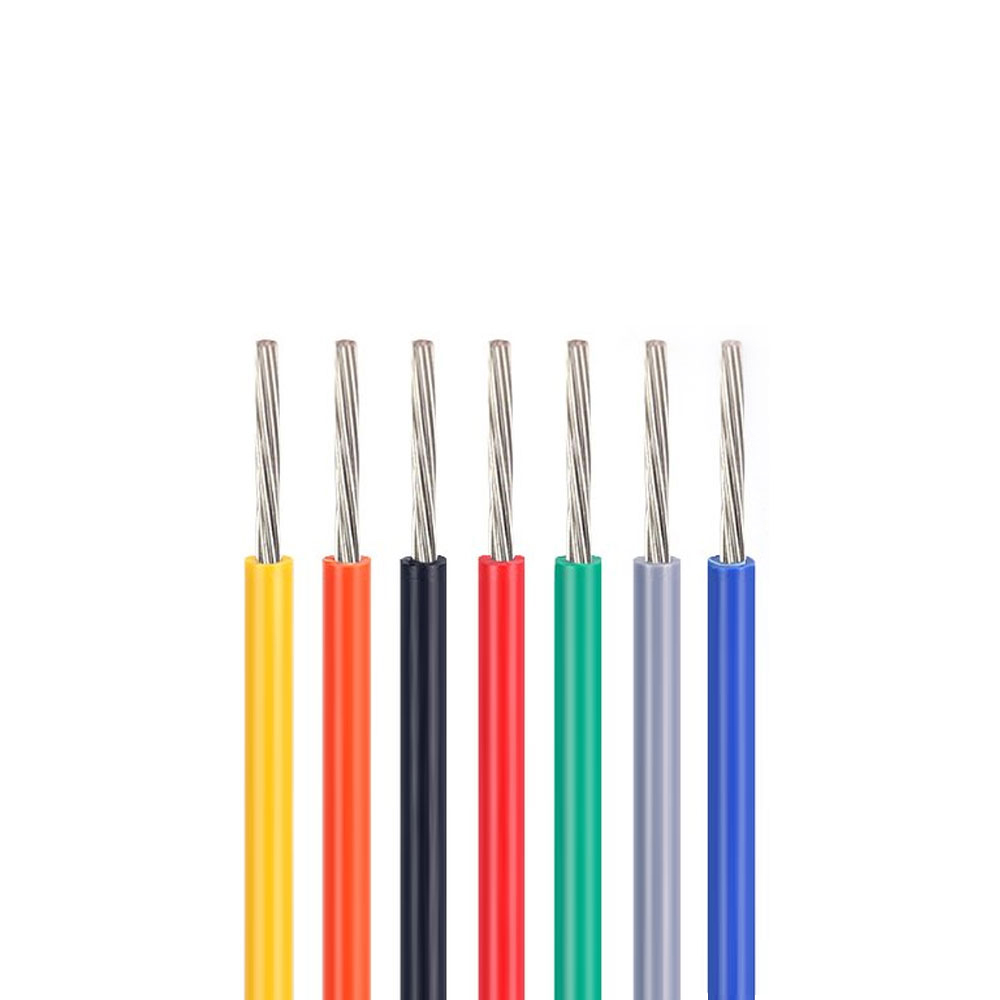
JG(JHG)Safe flame-retardant design High-Voltage Cable
In a basic low-speed circuit, a cable may be selected primarily according to conductor size, voltage rating, and approximate length. High-frequency and high-reliability systems require a broader analysis. The cable itself becomes part of the electrical circuit and can influence impedance, capacitance, signal delay, attenuation, electromagnetic compatibility, and the repeatability of equipment performance.
At higher frequencies, even small changes in geometry can affect signal transmission. Variations in conductor spacing, insulation thickness, dielectric constant, shielding coverage, or termination quality may cause impedance discontinuities and signal reflections. These problems can reduce the quality of data transmission, distort measurement results, or interfere with the operation of sensitive equipment.
Temperature creates another challenge. Materials expand and contract as temperature changes, and their electrical properties may also shift. A cable that performs adequately at room temperature may become less flexible in cold environments, soften at elevated temperatures, or experience changes in insulation resistance when exposed to heat, oil, moisture, or chemicals. PTFE and related fluoropolymers are valued because they retain useful electrical and mechanical properties across a very wide operating range.
Mechanical movement also affects service life. Equipment used in aerospace, robotics, test laboratories, medical systems, and mobile instrumentation may require repeated bending. A rigid cable can develop conductor fatigue, insulation cracks, shield damage, or termination stress. The JG and JHG designs use multi-stranded ultra-fine copper conductors and flexible insulation and sheath structures to support dynamic installation and frequent movement.
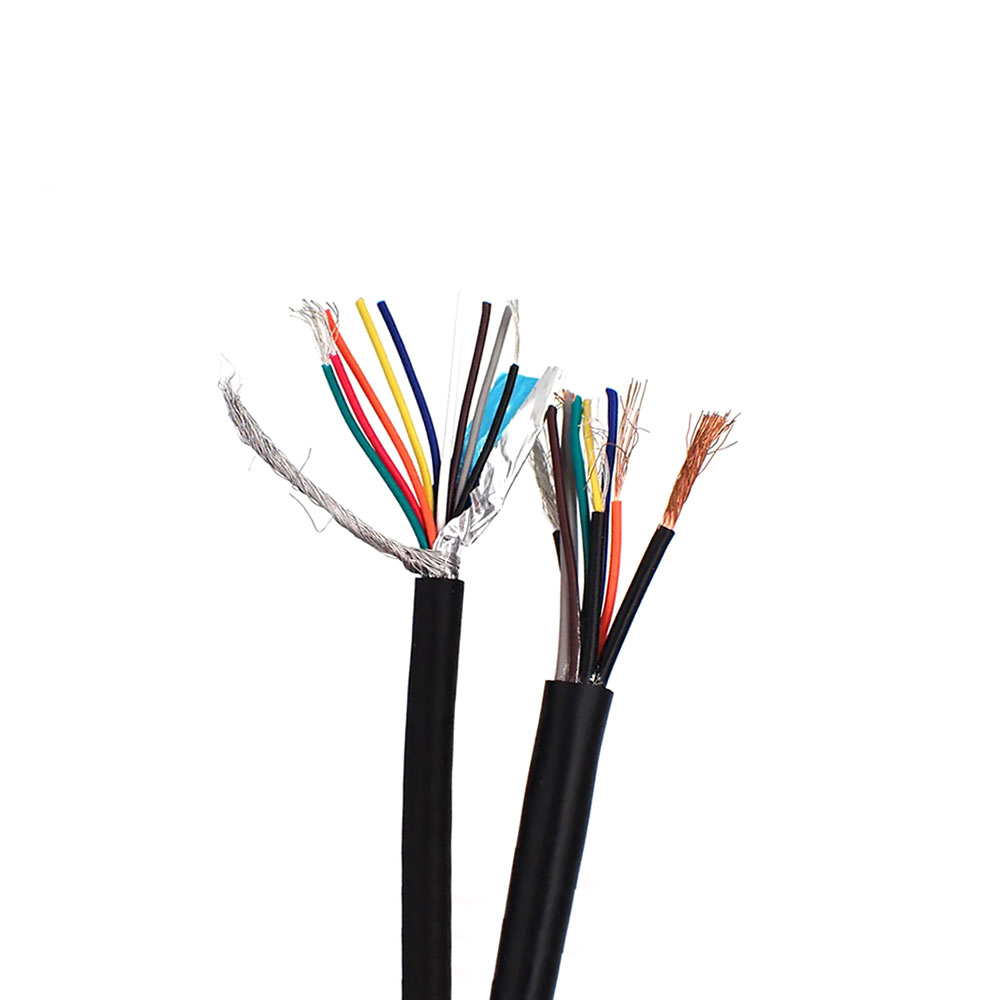
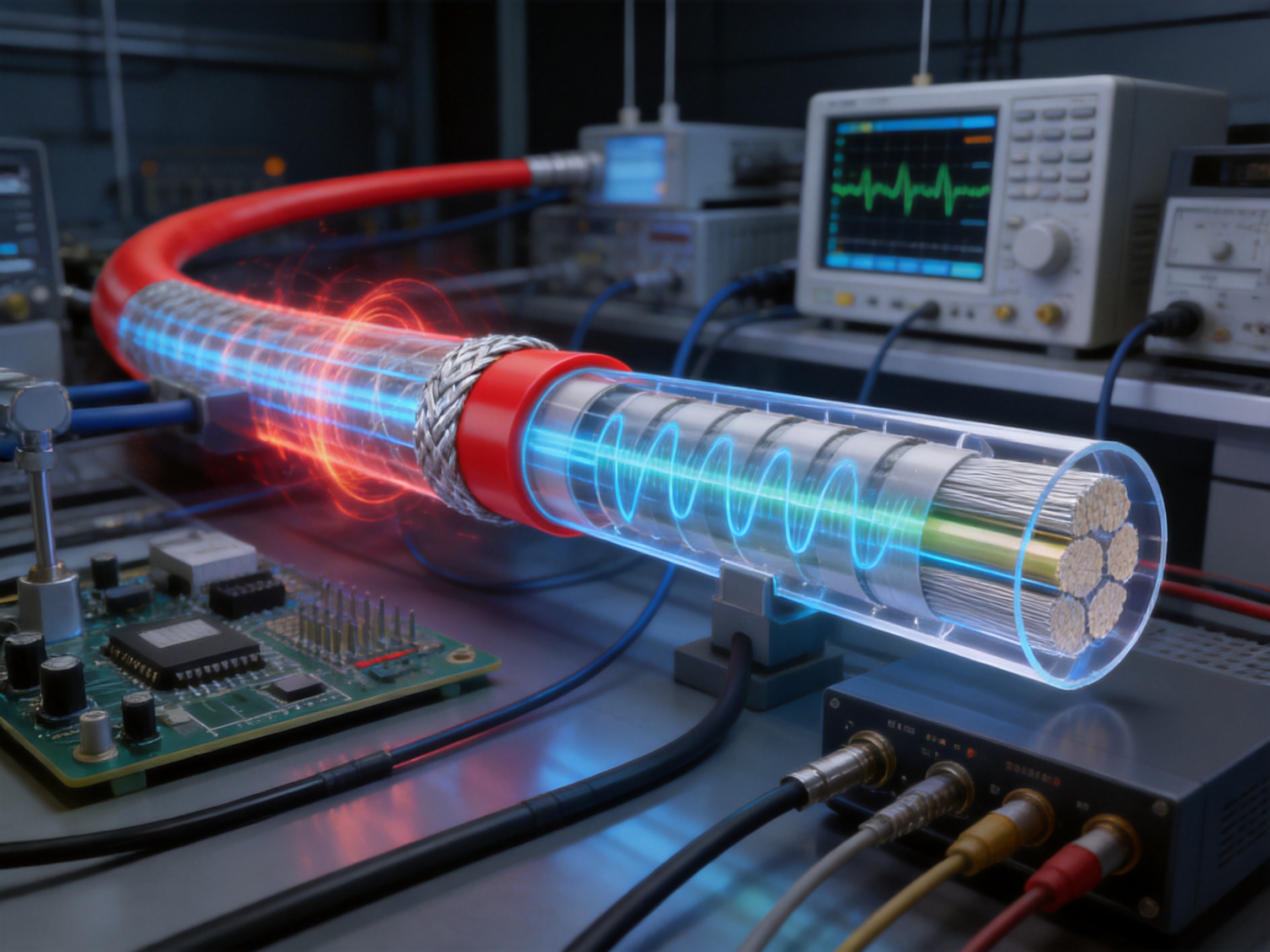
Electromagnetic interference is equally important. High-frequency systems can both emit and receive unwanted electromagnetic energy. A cable without effective shielding may radiate signals into nearby circuits or allow external interference to enter the system. The specified silver-plated copper braid shield, with coverage of at least 95 percent, provides a conductive barrier around the insulated conductors and supports improved electromagnetic compatibility when correctly terminated.
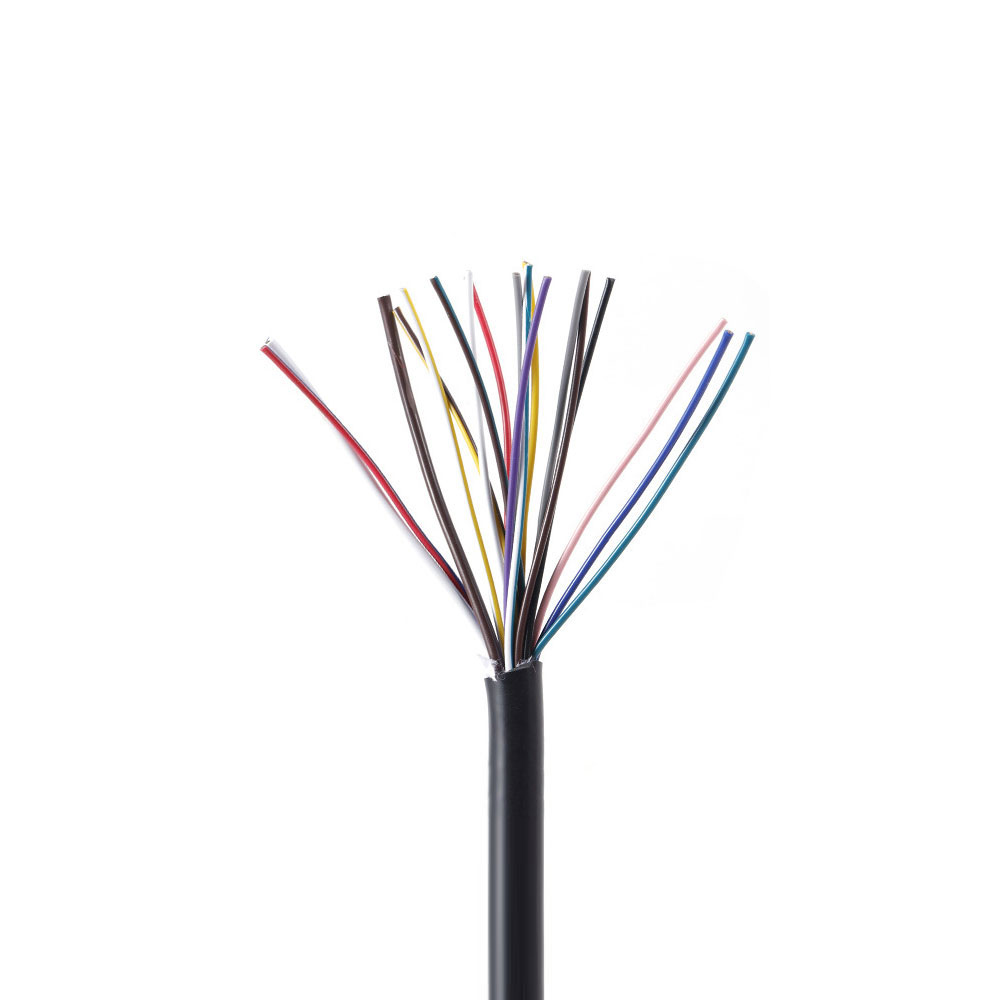
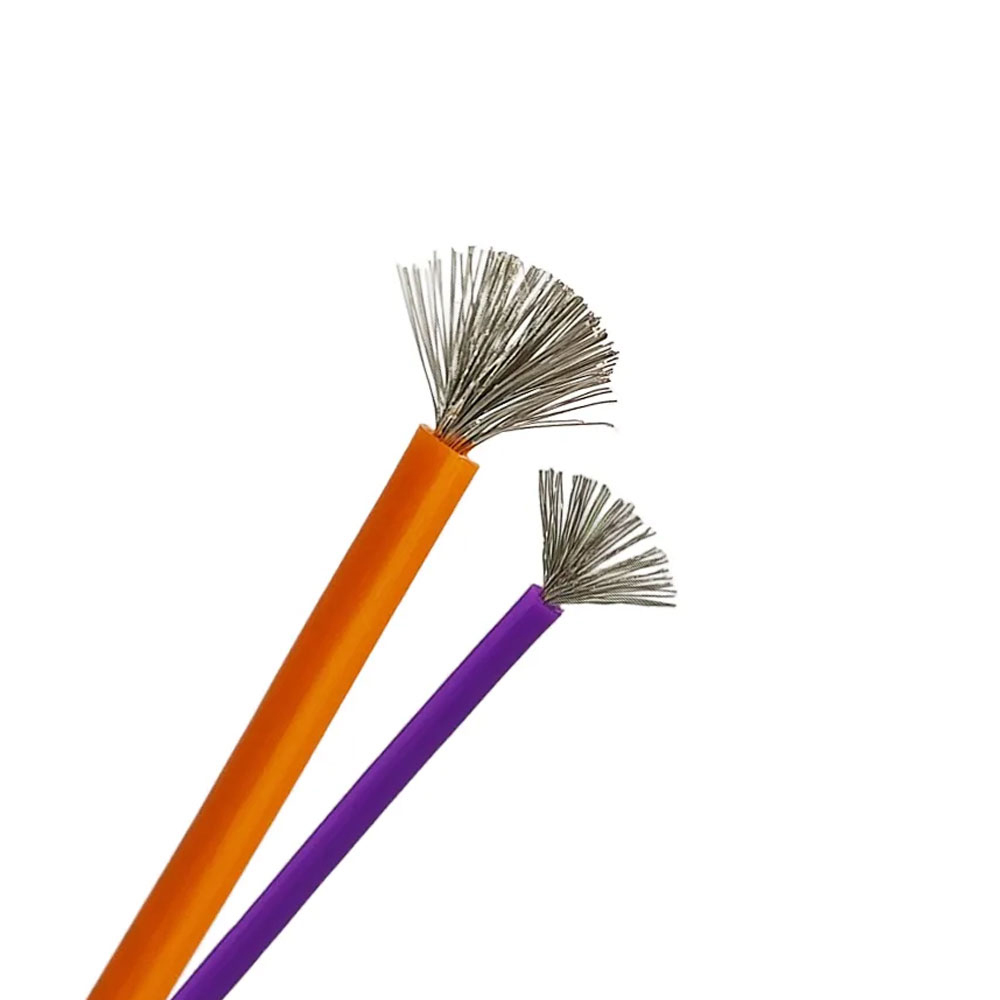
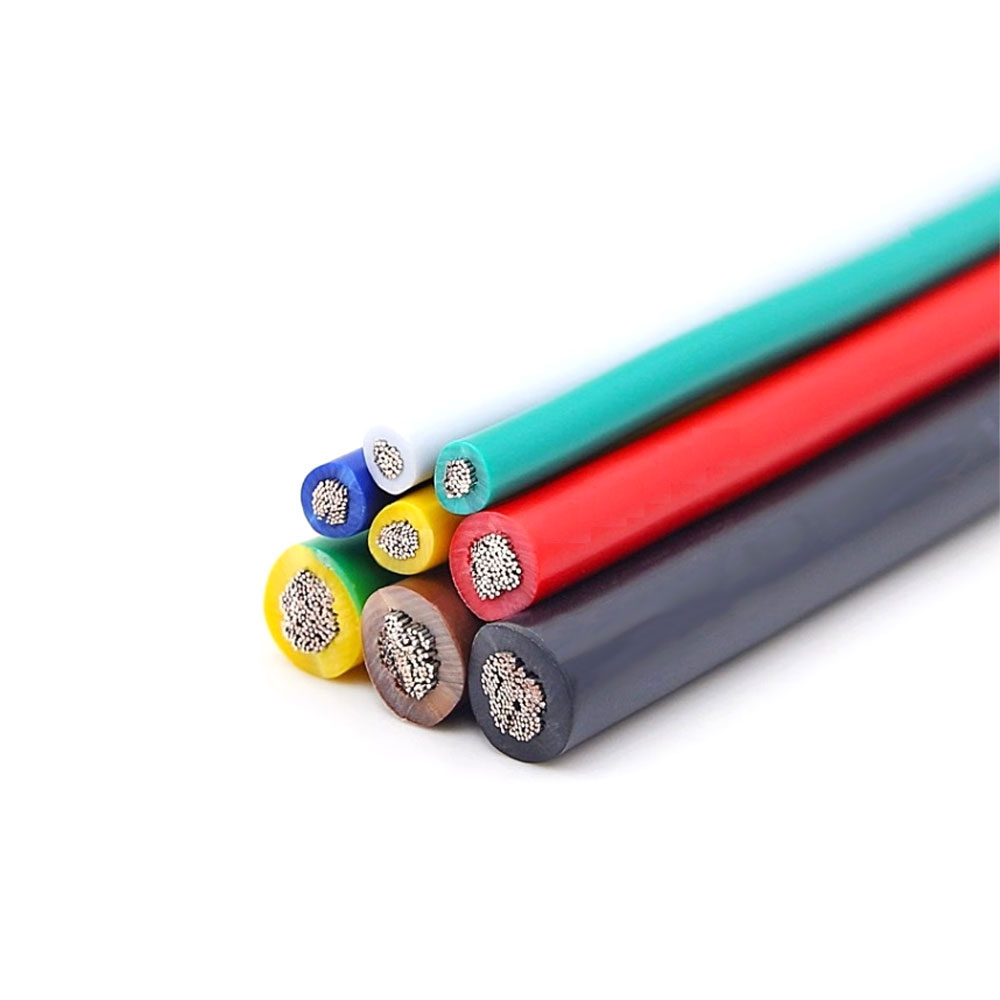
The conductor is made from copper and may use a multi-stranded ultra-fine flexible construction. Stranding divides the conductive path into multiple smaller wires, improving flexibility compared with a solid conductor or a large, coarse-stranded conductor. Ultra-fine strands are particularly useful when the cable must be routed through tight spaces, connected to moving equipment, or repeatedly bent during service.
Copper remains a practical conductor material because it combines high electrical conductivity, good solderability, mechanical workability, and broad availability. The conductor cross-section range is specified from 0.2 mm² to 50 mm², allowing the cable family to serve both relatively small electronic interconnections and larger power or equipment circuits. Actual current capacity depends on conductor size, ambient temperature, installation method, bundling, allowable temperature rise, and applicable design standards.
A flexible conductor is not simply a convenience feature. In a dynamic application, it reduces the bending force transferred

We firmly believe that good cables are not only a competition of materials, but also a reflection of craftsmanship, quality, and responsibility.

Links
Product
Send Inquiry
No. 29 Sankeshu Road, Xuanzhou District, Xuancheng City, Anhui Province, China
+86-18621104555/+86-563-2622999
 Electrical Cable Manufacturer
OEM/ODM Wire and Cable Solutions
 English
 Español
 عربى
 русский