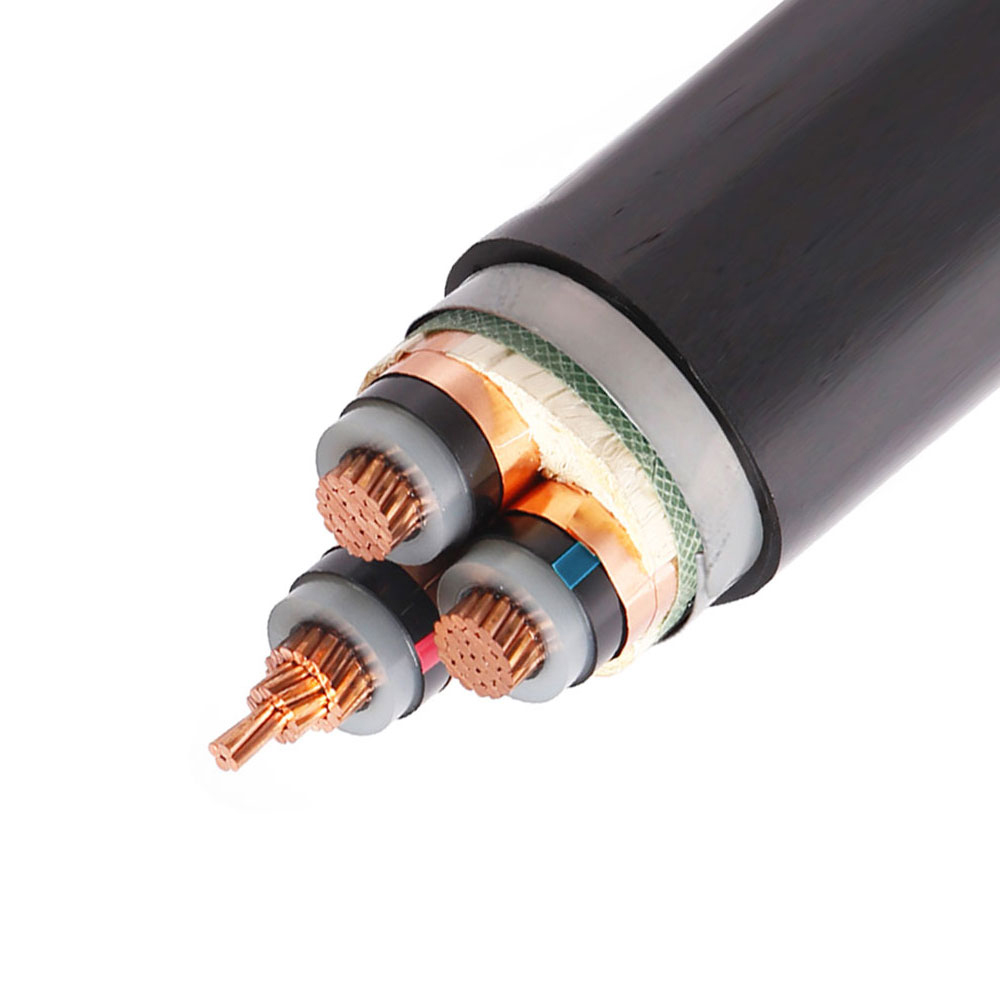
Get more content that can help you
Content
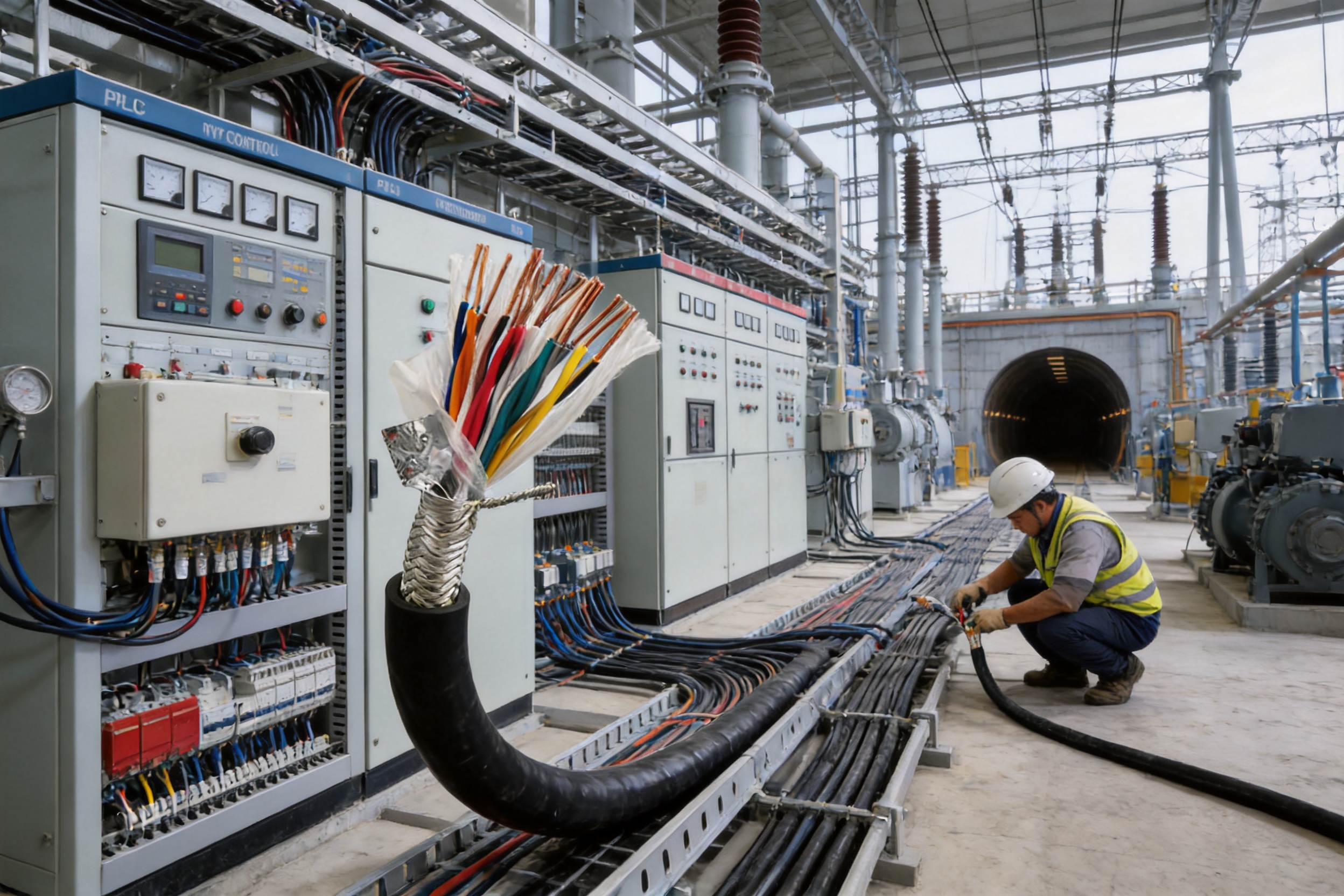
Control cables are essential components in industrial electrical systems. They transmit control signals, measurement information, interlocking commands, and auxiliary power between field equipment, instruments, switchgear, automation cabinets, and central control systems. Although control cables normally operate at lower power levels than power cables, their reliability is equally important. A single insulation fault, signal interruption, or damaged sheath can stop a production line, compromise equipment protection, or create costly maintenance work.
KYJV cross-linked polyethylene insulated, polyvinyl chloride sheathed control cable is designed for applications that require dependable electrical performance and improved temperature resistance. Its XLPE insulation supports a long-term conductor operating temperature of up to 90°C, while its PVC outer sheath provides practical protection against moisture, abrasion, and common installation conditions. The design combines the electrical stability of XLPE with the manufacturing familiarity, flexibility, and cost effectiveness of a PVC-sheathed control cable.
Compared with ordinary PVC-insulated control cables, KYJV offers a higher continuous operating temperature and stronger thermal performance. Compared with more specialized cable constructions, it can provide a balanced solution where extreme chemical resistance, continuous flexing, or heavy mechanical protection is not required. This makes KYJV suitable for industrial control systems, power stations, substations, metallurgical equipment, instrument connections, tunnel installations, indoor wiring, and outdoor fixed installations.
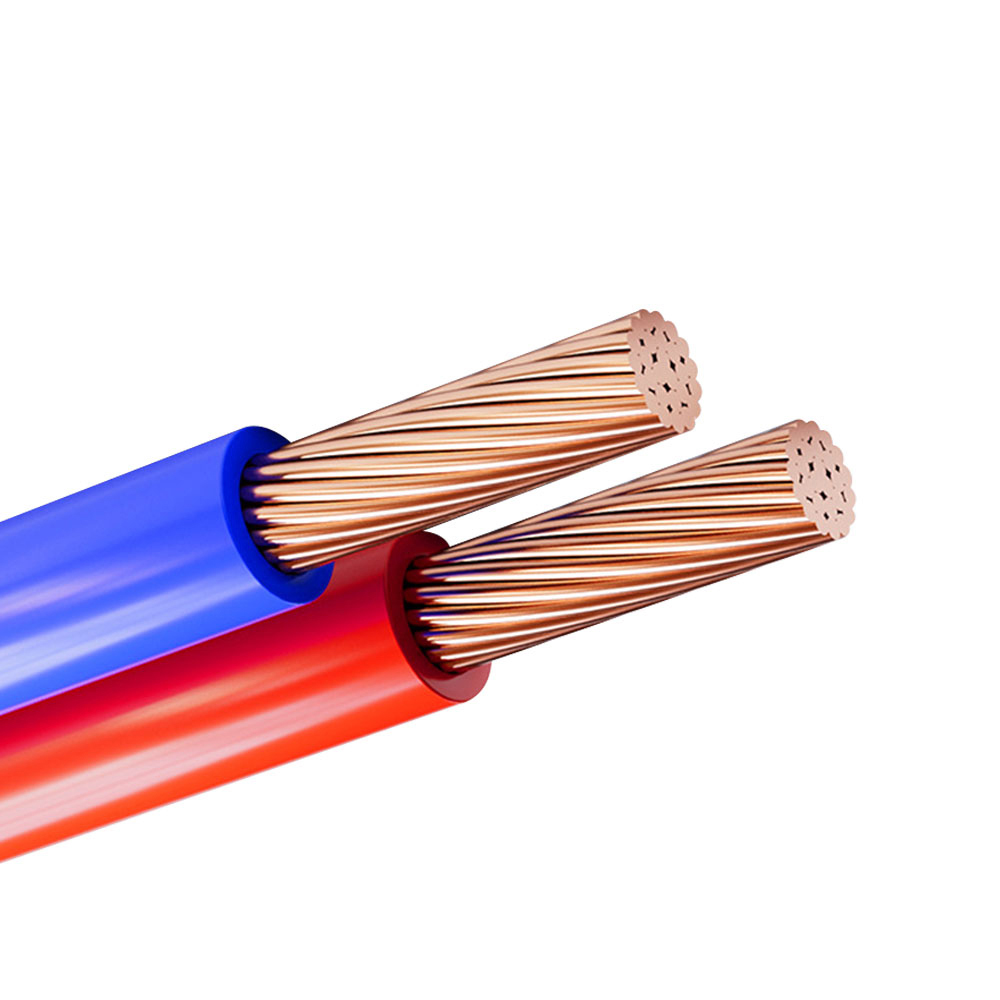
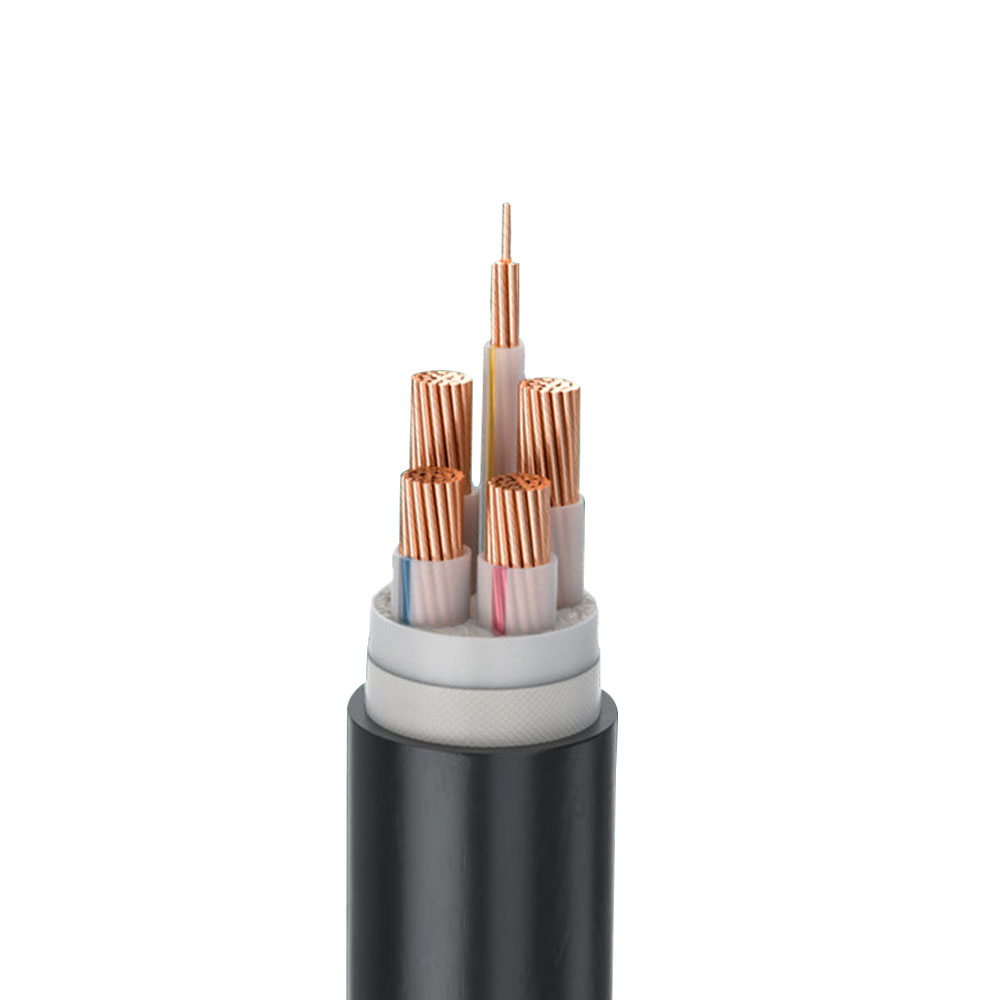
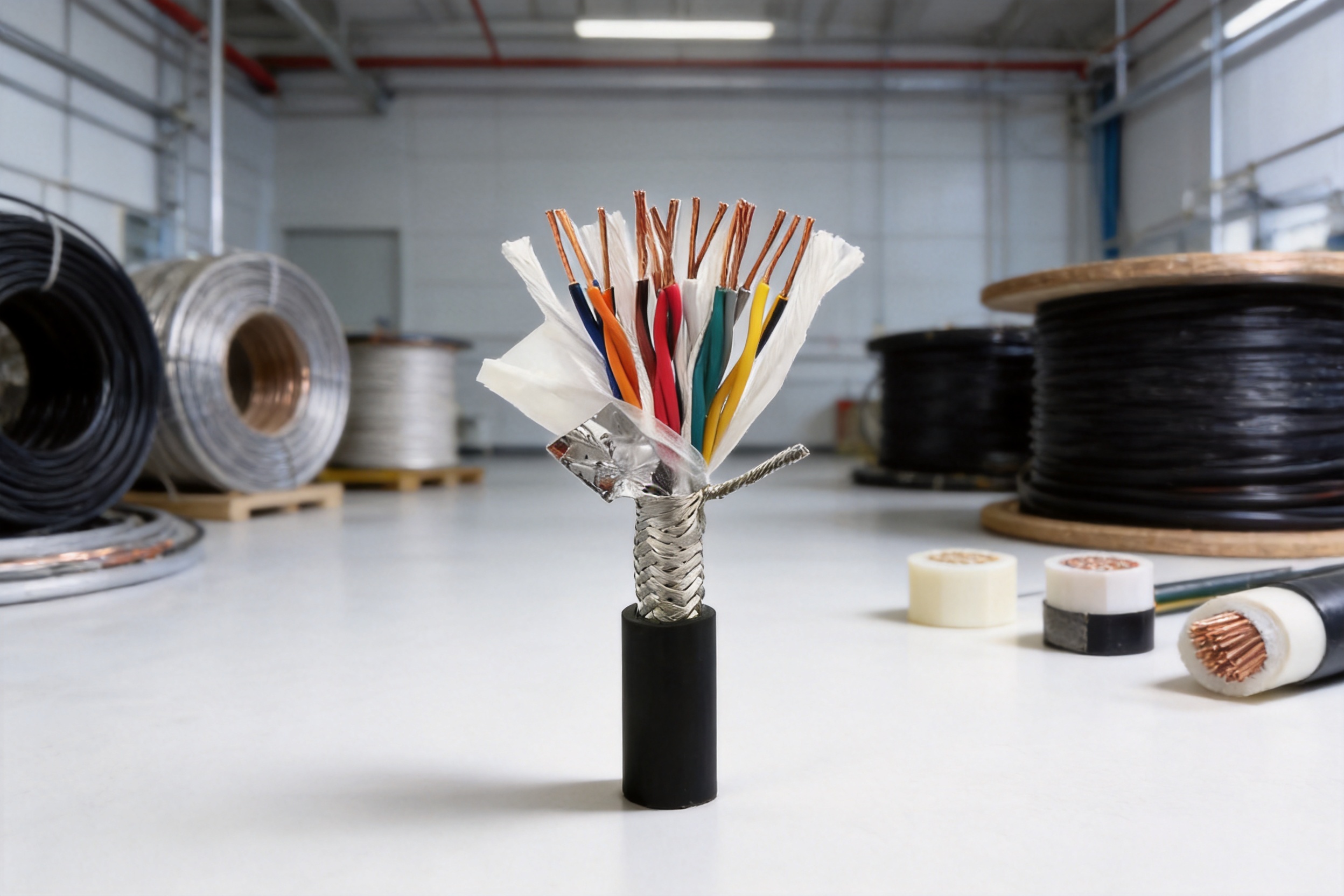
KYJV is a control cable construction based on copper conductors, XLPE insulation, and a PVC sheath. The copper conductor may be solid or stranded annealed copper, depending on the required cross-sectional area, installation method, and flexibility level. Individual conductors are insulated with cross-linked polyethylene, assembled into a multicore cable, and protected by an outer polyvinyl chloride sheath.
The cable is available in a broad range of configurations. The stated conductor cross-section range is 0.5 mm² to 10.0 mm², and the number of cores can range from 2 to 61 cores. This allows the same general cable family to be used for simple two-core control circuits, multi-point instrumentation connections, relay wiring, machine control systems, and complex industrial automation assemblies.
The rated voltage is 450/750V, with a 3.0kV AC test voltage applied for one minute. These values make the cable appropriate for many low-voltage control, monitoring, and auxiliary circuit applications. Final product selection should always be based on the actual system voltage, installation environment, local regulations, required current-carrying capacity, short-circuit conditions, and applicable project standards.
The “J” designation reflects the use of cross-linked polyethylene insulation, while the “V” designation is associated with the PVC sheath construction. In practical terms, the cable is intended to provide stable control-circuit performance without requiring the more specialized materials used in fluoroplastic, rubber, mineral-insulated, or heavily armored cable products.
Insulation is one of the most important elements in a control cable because it separates conductors, prevents leakage current, protects against short circuits, and maintains signal integrity. Ordinary PVC insulation is widely used because it is economical and versatile. However, its thermal performance is generally lower than that of XLPE insulation. When a cable is installed near hot equipment, inside crowded control cabinets, or in areas with elevated ambient temperatures, the insulation material becomes a significant design consideration.
XLPE is a thermosetting insulation material. During manufacturing, the polyethylene structure is cross-linked to improve thermal stability, dimensional stability, and resistance to deformation under heat. In KYJV cable, this allows long-term operation at up to 90°C under the stated conditions. The conductor temperature can reach 250°C during a short circuit, subject to a maximum short-circuit duration of five seconds and the correct engineering calculations.
Higher thermal capability provides practical advantages. The cable can maintain reliable insulation performance in warmer surroundings, tolerate temporary overload conditions more effectively than many ordinary PVC-insulated designs, and provide more thermal margin in cable trays or conduits where several cables are installed together. It may also reduce the need to oversize a cable solely because of a moderate temperature environment.
Thermal performance does not mean that the cable can be installed without regard to heat. Ambient temperature, grouping, ventilation, routing, conductor loading, and connection quality remain important. A cable designer must consider the total thermal environment rather than relying only on the nominal 90°C operating value. Correct termination and appropriate derating are also necessary for a safe and durable installation.
KYJV is designed to maintain consistent electrical insulation performance throughout long-term operation. The stated insulation resistance is at least 1000 MΩ·km at 20°C. High insulation resistance helps reduce leakage current and supports the separation required between control circuits. It is particularly valuable in systems containing sensitive instruments, relay logic, monitoring equipment, and automation inputs.
The XLPE insulation also offers low dielectric loss and resistance to partial discharge under appropriate operating conditions. In control systems, stable dielectric properties help reduce the possibility of insulation deterioration and unwanted electrical interaction between cores. This is important when many cores share a common sheath and operate near switching devices, contactors, variable-speed drives, motors, or other sources of electrical disturbance.
The capacitance value is specified as no more than 180 nF/km. Cable capacitance influences signal behavior, especially in long runs, fast switching circuits, analog measurement loops, and communication-related control applications. Lower and more consistent capacitance can help limit charging current and reduce the effect of cable characteristics on connected equipment. The actual suitability of the cable for a particular signal system should be confirmed with the equipment manufacturer and project engineer.
Voltage endurance is specified as no breakdown under long-term working voltage. In addition, the cable undergoes a 3.0kV AC test for one minute according to the stated specification. Such testing helps identify insulation weaknesses before the cable reaches the customer or is installed in a control system. Routine and type testing requirements may differ according to the relevant standard, cable design, and customer specification.
Control-system reliability depends on more than insulation resistance. Conductor quality, conductor continuity, concentricity, insulation thickness, sheath integrity, core identification, dimensional accuracy, and termination compatibility all influence performance. A stable manufacturing process must therefore control the complete cable structure rather than focusing on a single test value.
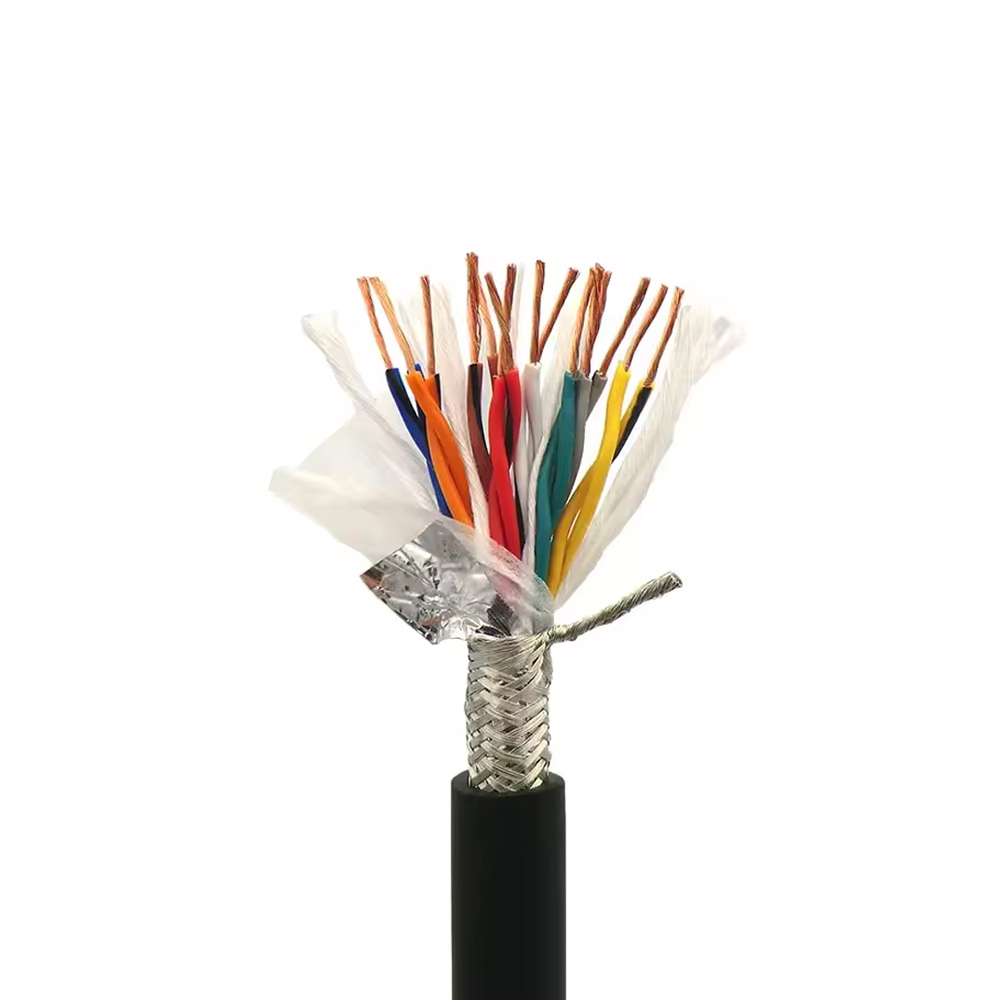
KYJV Stable electrical performance Control Cable
The stated temperature range for KYJV is -15°C to +90°C for fixed installation and -5°C to +90°C for flexible installation. The long-term allowable operating temperature is 90°C. These conditions are useful for applications where a cable may experience elevated operating temperatures but does not need to perform as a continuously moving cable.
The distinction between fixed and flexible installation is important. KYJV can accommodate moderate movement during routing and maintenance when installed according to its bending and temperature limitations, but it should not automatically be treated as a continuous-flex cable for robotic chains, drag chains, or repeated high-frequency movement. Applications involving continuous flexing require a cable specifically engineered for that service, with suitable conductor stranding, insulation design, lay length, jacket material, and flex-life testing.
The minimum bending radius is specified as at least six times the cable outer diameter for fixed installation and at least ten times the cable outer diameter for flexible installation. Maintaining the recommended radius prevents excessive stress on the insulation, sheath, conductor strands, and internal assembly. Bending below the recommended value can cause hidden damage even when the outer jacket appears intact.
Thermal deformation testing is specified at 150°C for four hours. This test evaluates the ability of the insulation or sheath system to maintain dimensional and structural stability during exposure to elevated temperature. It does not mean that the cable should be operated continuously at 150°C. Instead, it provides information about the material’s resistance to deformation under a defined test condition.
For short-circuit events, the specified maximum conductor temperature is 250°C for a maximum duration of five seconds. Short-circuit withstand depends on conductor size, conductor material, initial operating temperature, fault duration, installation conditions, and protective-device clearing time. Engineers should verify the calculated short-circuit withstand for each application rather than treating the general value as universal.
The PVC sheath forms the outer protective layer of the cable. It helps protect the internal cores from moisture, abrasion, dust, incidental contact, and ordinary environmental exposure. PVC is widely used in industrial cable production because it offers a practical combination of mechanical protection, processability, availability, and cost control.
The stated sheath thickness range is 1.2 mm to 2.5 mm, depending on cable size and construction. Adequate sheath thickness supports handling during transportation, pulling, routing, and termination. It also helps protect against minor surface damage that could otherwise expose the internal assembly.
KYJV is suitable for indoor installations, tunnels, pipelines, control rooms, equipment areas, and many outdoor fixed installations. Nevertheless, environmental compatibility should always be evaluated. Standard PVC may not be suitable for prolonged contact with oils, fuels, strong solvents, concentrated acids, extreme ultraviolet exposure, or severe mechanical impact unless the specific compound and design have been selected for those conditions.
Where the installation requires increased flame resistance, shielding, or mechanical reinforcement, the cable construction can be customized. Flame-retardant versions may be considered for buildings, cable galleries, industrial facilities, and areas where flame propagation must be limited. Shielded versions can help reduce electromagnetic interference in sensitive control circuits. Armored versions can provide additional mechanical protection in exposed routes or high-risk industrial environments.
These options allow the basic KYJV design to be adapted to project requirements without changing the fundamental advantages of XLPE insulation. The final selection should consider the required flame test, screen coverage, armor type, grounding method, outer diameter, bending radius, and installation accessories.
Industrial automation systems use large numbers of control cables to connect programmable logic controllers, sensors, actuators, motors, solenoid valves, switches, and safety devices. KYJV can be used for fixed connections between control cabinets and field equipment where stable insulation and reliable multicore identification are required.
Its broad core-count range supports both simple point-to-point control and larger assemblies. A two-core cable may be used for a basic switch or instrument loop, while a multicore cable with many conductors can connect a machine control panel to a remote terminal box. The selection of conductor area depends on current, voltage drop, circuit length, mechanical requirements, and terminal compatibility.
Power stations and substations contain control circuits for breakers, disconnectors, protection systems, monitoring instruments, alarms, and auxiliary equipment. These areas may include cable trenches, control rooms, relay panels, and equipment spaces with elevated temperatures or complex wiring arrangements.
KYJV’s XLPE insulation provides thermal margin for fixed control wiring in such environments. Where electromagnetic compatibility is especially important, a shielded version may be selected. Where fire performance or mechanical protection is a priority, flame-retardant or armored constructions may be specified. The appropriate product must be coordinated with the substation design, grounding system, fire-safety requirements, and relevant electrical codes.
Metallurgical plants often contain furnaces, rolling mills, casting equipment, heaters, and high-temperature process lines. Control cables routed near these systems may face higher ambient temperatures than cables installed in ordinary commercial buildings. KYJV can provide a practical solution when the cable route is fixed and the environmental temperature remains within the specified limits.
For extremely hot zones, additional measures may be needed, including greater separation from heat sources, metallic conduits, heat shields, specialized high-temperature cable, or water-cooled routing. XLPE insulation improves the available thermal margin, but it does not eliminate the need for proper heat management.
Instrumentation systems require consistent electrical behavior because measurement accuracy can be affected by leakage, interference, and unstable connections. KYJV can be used for suitable fixed instrument connections where its voltage, capacitance, insulation, and shielding characteristics meet the instrument manufacturer’s requirements.
For low-level analog signals, thermocouple circuits, resistance temperature detectors, or sensitive communication interfaces, cable selection must include conductor material, pair or triad configuration, shielding, twist geometry, grounding, and electromagnetic compatibility. A standard multicore control cable may be suitable for some applications but not for every precision measurement circuit.
Control cables installed in tunnels and pipelines may be exposed to moisture, restricted access, mechanical handling, and long routing distances. The PVC sheath helps provide practical protection during installation and operation. The cable can also be selected for fixed routes where maintenance access is limited and dependable insulation is important.
In these environments, designers should consider drainage, condensation, cable support spacing, fire performance, water exposure, and the possibility of chemical contamination. If the route is underground or exposed to significant mechanical impact, an armored or otherwise reinforced structure may be preferable.
| Product type | XLPE insulated, PVC sheathed control cable |
| Conductor | Solid or stranded annealed copper |
| Cross-section range | 0.5 mm² to 10.0 mm² |
| Number of cores | 2 cores to 61 cores |
| Rated voltage | 450/750V |
| Test voltage | 3.0kV AC for one minute |
| Insulation | Cross-linked polyethylene, XLPE |
| Insulation thickness | 0.6 mm to 1.4 mm |
| Sheath | Polyvinyl chloride, PVC |
| Sheath thickness | 1.2 mm to 2.5 mm |
| Temperature range | -15°C to +90°C for fixed installation; -5°C to +90°C for flexible installation |
| Minimum bending radius | At least 6 times outer diameter for fixed installation; at least 10 times outer diameter for flexible installation |
| Insulation resistance | At least 1000 MΩ·km at 20°C |
| Capacitance | No more than 180 nF/km |
| Short-circuit temperature | Maximum conductor temperature of 250°C for up to five seconds |
| Flame performance | Complies with the stated GB/T 19666 non-flame-retardant requirements |
| Thermal deformation | Passes 150°C, four-hour thermal deformation test |
The most direct advantage of KYJV is its 90°C long-term operating temperature. Many conventional PVC-insulated control cables are selected for lower continuous conductor temperatures. In a warm industrial environment, the higher XLPE rating can provide additional operating margin and improve the cable’s suitability for crowded routes.
This advantage can be especially valuable when cable replacement would be difficult. A cable with greater thermal capability may remain reliable as equipment loads increase or the surrounding installation becomes warmer, provided all current-carrying and environmental limits remain satisfied.
XLPE insulation provides high insulation resistance, low dielectric loss, and good resistance to thermal deformation. These characteristics contribute to stable performance over a long service period. For control systems, stable insulation can reduce the likelihood of leakage-related alarms, false signals, and insulation degradation.
Some projects require advanced properties that justify highly specialized cable materials. Other projects need dependable performance without the added cost, diameter, or installation complexity of exotic constructions. KYJV occupies a practical middle ground. It offers the thermal advantages of XLPE while retaining the familiar processing and general-purpose protection of a PVC-sheathed cable.
The availability of 2 to 61 cores and cross-sections from 0.5 mm² to 10.0 mm² allows engineers to specify a cable closely matched to the control system. The ability to customize shielding, flame retardance, and armor further improves its usefulness across different industries.
The cable’s moderate flexibility allows it to be routed through fixed installations, control cabinets, cable trays, tunnels, and conduits when the recommended bending radius is respected. Copper conductors support common termination methods, while the PVC sheath is familiar to installers and maintenance teams.
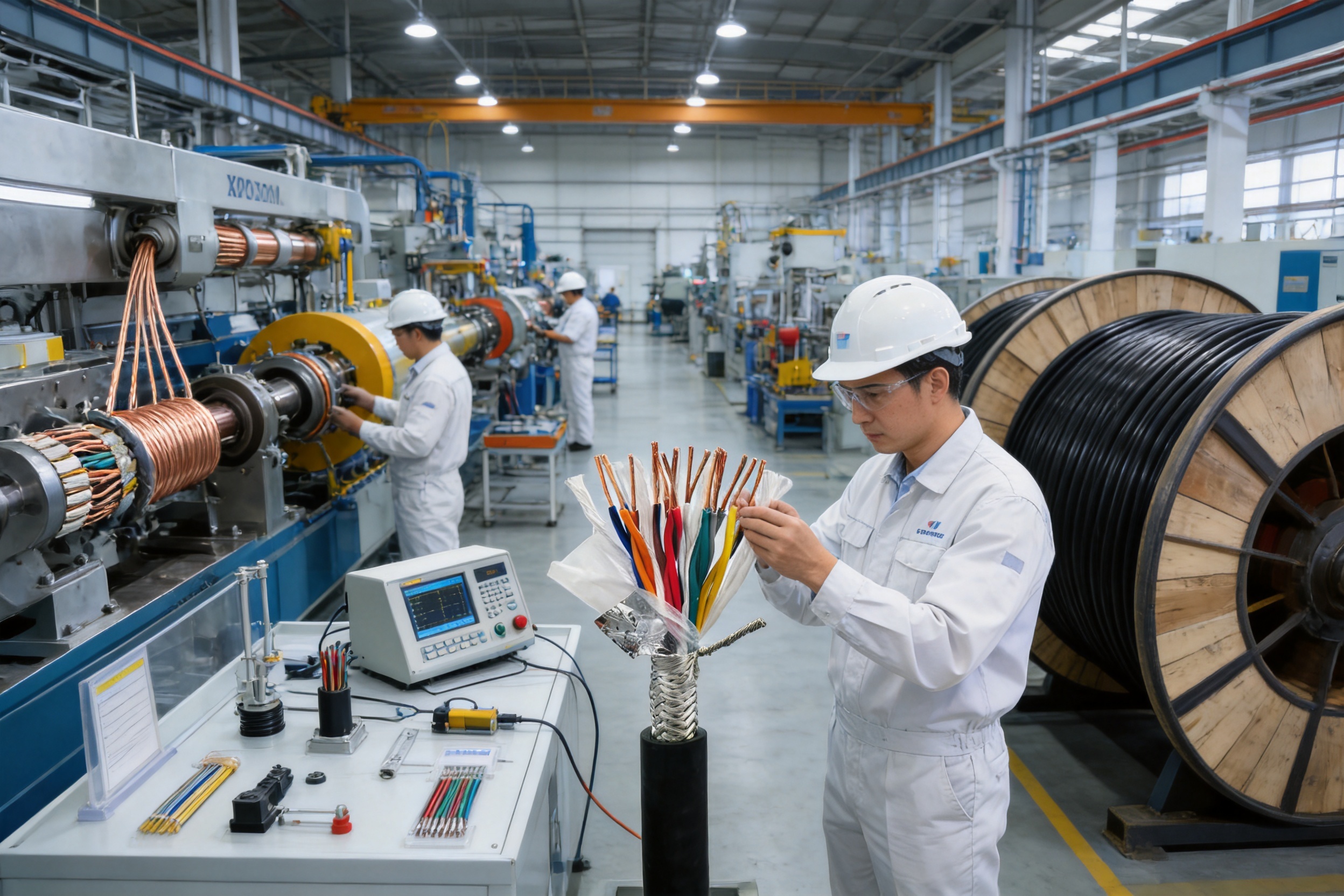
The performance of a control cable depends not only on its material specification but also on how consistently it is manufactured. Anhui Zhishang Cable Technology Co., Ltd. integrates research and development, production, and sales within its cable manufacturing operation. Its production base covers approximately 5,000 square meters and includes more than 10 automated production lines.
Automation helps improve consistency in conductor drawing, stranding, insulation extrusion, core assembly, sheathing, marking, and take-up. It can also reduce variation caused by manual handling and support repeatable production across different cable sizes. For multicore control cables, controlled assembly is particularly important because core arrangement, lay length, filler placement, and sheath concentricity all affect the final product.
The process begins with qualified annealed copper. Copper quality influences electrical resistance, flexibility, termination reliability, and current-carrying capability. Depending on the design, conductors may be manufactured as solid wires or stranded conductors. Stranding helps provide improved handling and routing characteristics, while solid conductors may be selected for certain smaller fixed installations.
Conductor diameter and resistance are controlled during drawing and stranding. Annealing restores suitable flexibility after drawing and helps achieve the required mechanical properties. Consistent conductor dimensions are necessary for stable insulation thickness and reliable extrusion performance.
During insulation extrusion, XLPE material is applied around each conductor with carefully controlled thickness and concentricity. The process must maintain a uniform insulating layer without voids, surface defects, contamination, or excessive eccentricity. The conductor and insulation interface is critical because defects at this stage may affect partial discharge resistance, dielectric strength, and long-term reliability.
Cross-linking conditions are also important. Temperature, pressure, line speed, curing conditions, and cooling must be controlled to achieve the intended material performance. After extrusion, the insulated cores are checked for dimensions, surface quality, electrical continuity, and insulation integrity.
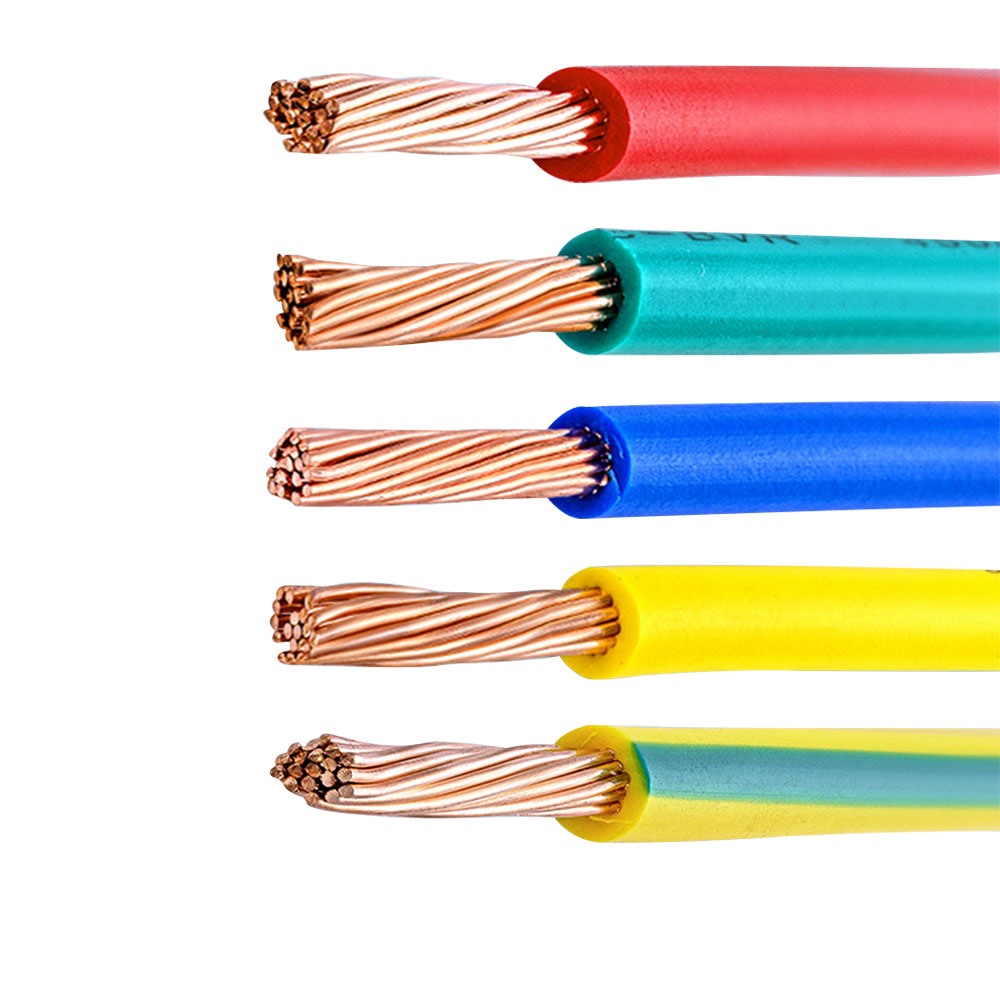
Control systems require clear core identification to reduce wiring errors and simplify maintenance. Core colors, numbers, or other marking methods can be selected according to customer requirements and applicable standards. The insulated cores are assembled with controlled lay length and arrangement to form the cable core.
Proper assembly helps maintain a round and stable cable profile. It also affects flexibility, capacitance, outer diameter, and ease of stripping during termination. Fillers and binding materials may be used where necessary to support the cable shape and protect the internal cores.
The outer PVC sheath is extruded over the assembled cores. Sheath thickness, surface smoothness, color, marking clarity, and concentricity are controlled during production. A properly applied sheath should protect the internal cable structure without creating excessive stiffness or dimensional inconsistency.
Product markings may include cable type, voltage rating, manufacturer information, core or size identification, and production details. Clear markings help with installation inspection, stock management, traceability, and future maintenance.
Quality assurance involves inspection of raw materials, in-process checks, and finished-cable testing. Depending on the product and customer requirements, tests may include conductor resistance, insulation resistance, voltage withstand, dimensional inspection, sheath integrity, thermal deformation, flame behavior, and visual examination.
Full-core and full-length production, pure copper specifications, product test reports, and warranty support are identified as quality-assurance features for standard cable models. These measures help provide customers with documented evidence that the supplied cable corresponds to the specified construction.
Testing should be understood as part of a broader quality system. Reliable cable production also requires controlled purchasing, calibrated instruments, trained operators, preventive maintenance, process records, nonconformance management, and traceability from raw material to finished product.
Anhui Zhishang Cable Technology Co., Ltd. has a team of more than 50 employees, including quality engineers and research and development technicians with more than 10 years of industry experience. Experienced technical personnel can help translate project requirements into practical cable designs, especially when customers need a particular core arrangement, shield, armor, sheath color, marking method, or packaging format.
The company reports a monthly production capacity of up to 10 million meters. This capacity is relevant to customers managing recurring industrial projects, equipment manufacturing programs, or large infrastructure orders. Production scale can support more consistent supply planning, although actual lead time depends on product complexity, material availability, order quantity, testing requirements, and production scheduling.
Standard products may be stocked for fast shipment, while customized products typically require seven to twenty days of lead time. This distinction helps customers plan procurement more accurately. Standard stock can support urgent maintenance requirements, while customized production allows the cable to be matched to an engineering drawing, sample, or specific project specification.
The company also supports OEM and ODM development. Customers may provide drawings, samples, technical schedules, or installation requirements for review. Engineers can then assist with conductor size, insulation, sheath, shielding, armor, flame performance, core count, marking, packaging, and other design decisions.
This customization capability is a significant advantage when standard catalog products do not fully match the installation. For example, an equipment manufacturer may need a fixed-length multicore cable with numbered cores and a special outer color. An automation integrator may require a shielded version with a defined drain-wire arrangement. A power project may need flame-retardant or armored construction. A responsive manufacturer can address these details before production rather than forcing the customer to modify the entire system design.
Before installation, confirm the route length, ambient temperature, cable grouping, support method, minimum bending radius, expected current, circuit voltage, and environmental conditions. Control cables should be routed away from unnecessary heat sources and protected from sharp edges, excessive compression, and avoidable mechanical impact.
Where power and control cables share a tray or conduit, separation should be evaluated. High-current power cables, variable-frequency drive cables, contactors, and switching equipment can create electromagnetic interference. Shielded cable, physical separation, suitable grounding, and careful routing may be required for sensitive circuits.
During pulling, the cable should not be dragged over rough surfaces or forced around tight corners. Pulling tension should be controlled, and the cable should be supported so that its weight does not create excessive stress. Drums should be unwound in the direction indicated by the packaging or manufacturer’s instructions.
Kinking is particularly harmful to multicore cable because it can distort the core assembly and place localized stress on the insulation and sheath. If the cable has been exposed to low temperatures, additional care may be necessary because PVC can become less flexible in cold conditions.
Use suitable stripping tools to avoid cutting or nicking the insulation of individual cores. Terminations should be selected according to conductor type, cross-section, terminal material, and equipment design. Loose terminals can create heat, voltage drop, intermittent signals, and long-term reliability problems.
After termination, verify core identification, continuity, insulation resistance, polarity where applicable, and circuit function. Cable ends should be protected from moisture and contamination during storage and installation. Any unused cores should be handled according to the project’s electrical safety procedures.
Maintenance personnel should inspect visible sheath damage, abnormal heating, loose supports, water accumulation, and signs of chemical exposure. Periodic insulation resistance testing may be appropriate for critical systems, but test voltage and procedure should be selected carefully to protect connected electronic equipment.
If a cable is repeatedly exposed to vibration, heat, oil, or mechanical movement beyond its design conditions, the inspection interval should be shortened. Early detection of sheath cracking, discoloration, hardening, or abrasion can prevent more serious insulation failure.
Ordinary PVC control cable is often economical and suitable for standard indoor conditions. KYJV generally provides a higher long-term operating temperature because of its XLPE insulation. This can make KYJV preferable in warm equipment areas, crowded cable routes, and industrial installations where thermal margin is important.
Rubber-insulated cables can offer excellent flexibility and resistance to certain mechanical conditions. They may be better suited to repeated movement or severe handling when specifically designed for that purpose. KYJV is generally more appropriate for fixed or moderately flexible installations where dimensional stability, electrical performance, and cost balance are priorities.
Fluoroplastic cables may provide superior chemical resistance, high-temperature performance, and low-friction surfaces. However, they are typically more expensive and may not be necessary for ordinary industrial control routes. KYJV can be a more economical choice where the environment remains within the limits of XLPE and PVC materials.
Armored cable provides additional mechanical protection against impact, crushing, rodents, or difficult outdoor routes. It may be required in industrial yards, underground routes, or exposed areas. KYJV without armor is easier to handle and may be more economical for protected indoor installations. Armored KYJV structures can be specified when the project requires additional protection.
Shielded cable is designed to improve electromagnetic compatibility by reducing the influence of external interference and limiting emissions from the circuit. Standard KYJV may be suitable for ordinary control circuits, while shielded KYJV should be considered for low-level analog signals, instrumentation, frequency-sensitive systems, and electrically noisy environments.
The standard KYJV design provides moderate environmental adaptability, but no single cable construction is suitable for every application. A complete assessment should include water exposure, oil and chemical contact, ultraviolet radiation, temperature cycling, vibration, fire requirements, mechanical impact, installation movement, and expected service life.
For outdoor installations, the customer should confirm whether the selected PVC compound has adequate resistance to sunlight and weathering. For areas with oil mist or industrial chemicals, compatibility testing or an alternative sheath material may be required. For fire-sensitive buildings, a flame-retardant, low-smoke, or halogen-conscious design may be more appropriate, depending on applicable regulations.
In mining, marine, offshore, or continuously moving applications, specialized cable types may be required. KYJV can be customized in some respects, but customization should not be assumed to replace a purpose-designed cable when the operating environment is severe.
When ordering KYJV control cable, customers should provide as much technical information as possible. Important details include conductor cross-section, number of cores, solid or stranded conductor preference, rated voltage, cable length, installation method, operating temperature, minimum bending radius, shielding requirement, armor requirement, flame performance, sheath color, core identification, marking, packaging, and applicable standards.
For equipment manufacturers, drawings or samples can help the supplier reproduce the required cable structure. For industrial projects, a cable schedule and environmental specification can reduce the risk of selecting an unsuitable construction. For replacement work, photographs and samples of the existing cable may assist with identification, but the final selection should be confirmed through technical review.
Customers should also request the relevant product data sheet, inspection documentation, test reports, packing information, and warranty terms. If the cable is destined for export, the project may require specific certification, labeling, customs documentation, or compliance evidence. These requirements should be clarified before production begins.
A specialized manufacturer can contribute more than a catalog item. It can help evaluate the electrical, thermal, mechanical, and environmental requirements of the application. This is especially valuable when the cable must be customized or when the project includes many cable sizes and core configurations.
Zhishang’s focus on wire and cable research, production, sales, and technical support allows it to provide integrated cable solutions for industrial automation, intelligent manufacturing, weak-current engineering, appliance equipment, power engineering, and related sectors. Its stated business philosophy emphasizes quality, integrity, stability, and long-term service.
The company serves domestic and international customers, with products reported to have been sold in the United States, Canada, Australia, Japan, and parts of Eurasia. International supply requires attention to packaging, communication, documentation, production scheduling, and quality consistency. Customers should still verify that the selected cable meets the specific standards and approval requirements of the destination market.
For buyers, the main value of working with an experienced manufacturer is the combination of product selection, customization, production capacity, and technical communication. A control cable is a relatively small component compared with a complete industrial plant, but its failure can have a disproportionately large effect. Selecting a supplier capable of consistent manufacturing and responsive technical support can reduce that risk.
The main advantage is the combination of XLPE insulation and a PVC sheath. XLPE provides a long-term operating temperature of up to 90°C, high insulation resistance, low dielectric loss, and stable electrical performance. PVC provides practical outer protection, installation familiarity, and cost effectiveness.
It can be used in industrial control systems, power plants, substations, metallurgical equipment, instrument connections, control rooms, tunnels, pipelines, and indoor or outdoor fixed installations. The selected construction must match the environmental, fire, mechanical, and electrical requirements of the project.
KYJV is intended primarily for fixed installation and moderate flexibility during routing or maintenance. It should not automatically be used in robotic chains, drag chains, or applications involving continuous repeated movement. Those applications require cable specifically designed and tested for continuous flexing.
The stated range is 0.5 mm² to 10.0 mm², with 2 to 61 cores. Actual availability may depend on the selected construction, order quantity, manufacturing schedule, and customization requirements.
Yes. Shielded, armored, and flame-retardant structures can be customized when required. The appropriate design depends on electromagnetic interference, mechanical impact, fire performance, grounding, outer diameter, and installation conditions.
The stated rated voltage is 450/750V. The cable also has a specified 3.0kV AC test voltage for one minute. The actual circuit voltage and applicable regulations must be reviewed before selection.
The stated minimum is at least six times the cable outer diameter for fixed installation and at least ten times the outer diameter for flexible installation. The cable should not be forced below these limits during routing or termination.
It is suitable for many outdoor fixed installations, but the environment must be assessed. Prolonged ultraviolet exposure, severe moisture, oil, chemicals, extreme cold, mechanical impact, and fire requirements may require a customized or alternative construction.
Customers can request product specifications, material information, inspection records, test reports, dimensional data, packaging details, and warranty terms. The exact documentation should be agreed before production, especially for export projects and regulated industries.
The stated typical lead time for customized products is seven to twenty days. Actual timing depends on the cable structure, quantity, raw material availability, testing requirements, and production schedule. Standard products may be available from stock for faster shipment.
Confirm the ambient temperature, conductor loading, cable grouping, heat sources, ventilation, route length, installation method, and required current capacity. The 90°C operating value provides thermal capability but does not remove the need for derating and proper heat management.
A cable manufacturer with research and development, production, and quality-control capabilities can review customer drawings, samples, and technical schedules. Zhishang provides OEM and ODM support for customized wire and cable requirements.
KYJV control cable is a practical solution for industrial systems that require stable electrical performance, improved thermal capability, and reliable multicore construction. Its XLPE insulation supports long-term operation at up to 90°C, while the PVC sheath provides practical protection for indoor, tunnel, pipeline, and many outdoor fixed installations. The available range of conductor sizes and core counts allows the product to serve applications from simple control circuits to complex industrial automation systems.
Its advantages over ordinary PVC control cable are most evident in elevated-temperature environments and installations where long-term insulation stability is important. At the same time, the cable retains a balanced cost, familiar installation behavior, and the option of customization. Shielded, armored, and flame-retardant structures can extend its suitability to more demanding project conditions.
The quality of the finished cable depends on both design and manufacturing discipline. Automated production lines, experienced engineering personnel, controlled XLPE extrusion, accurate core assembly, consistent PVC sheathing, and comprehensive testing all contribute to dependable performance. Anhui Zhishang Cable Technology Co., Ltd. combines these manufacturing resources with OEM and ODM capabilities, product testing support, stock availability for standard products, and customized production for project-specific needs.
For the best result, customers should define the electrical, thermal, mechanical, environmental, and regulatory requirements before ordering. When correctly specified, installed, and maintained, KYJV can provide a stable and durable connection backbone for control systems in industrial and energy applications.
1. GB/T 19666, General Rules for Flame Retardant and Fire Resistant Electric Wires and Cables.
2. IEC 60502-1, Power Cables with Extruded Insulation and Their Accessories for Rated Voltages from 1 kV up to 3 kV.
3. IEC 60228, Conductors of Insulated Cables.
4. IEC 60332 Series, Tests on Electric and Optical Fibre Cables under Fire Conditions.
5. Cable manufacturer technical data for KYJV XLPE insulated and PVC sheathed control cable.
6. Industrial cable installation, routing, bending-radius, and maintenance practices.

We firmly believe that good cables are not only a competition of materials, but also a reflection of craftsmanship, quality, and responsibility.

Links
Product
Send Inquiry
No. 29 Sankeshu Road, Xuanzhou District, Xuancheng City, Anhui Province, China
+86-18621104555/+86-563-2622999
 Electrical Cable Manufacturer
OEM/ODM Wire and Cable Solutions
 English
 Español
 عربى
 русский