Control Cable Comprehensive Introduction
I. Definition and Core Characteristics
Control cables are specifically designed for transmitting low-voltage commands, status feedback, measurement signals, and control signals within automation and control systems. They connect controllers (such as PLCs and DCS) with field devices like sensors and actuators (e.g., valves, motor starters), forming the "neural network" of control systems. Their core task is to ensure the precise transmission of control commands and the reliable feedback of equipment status.
Core Characteristics:
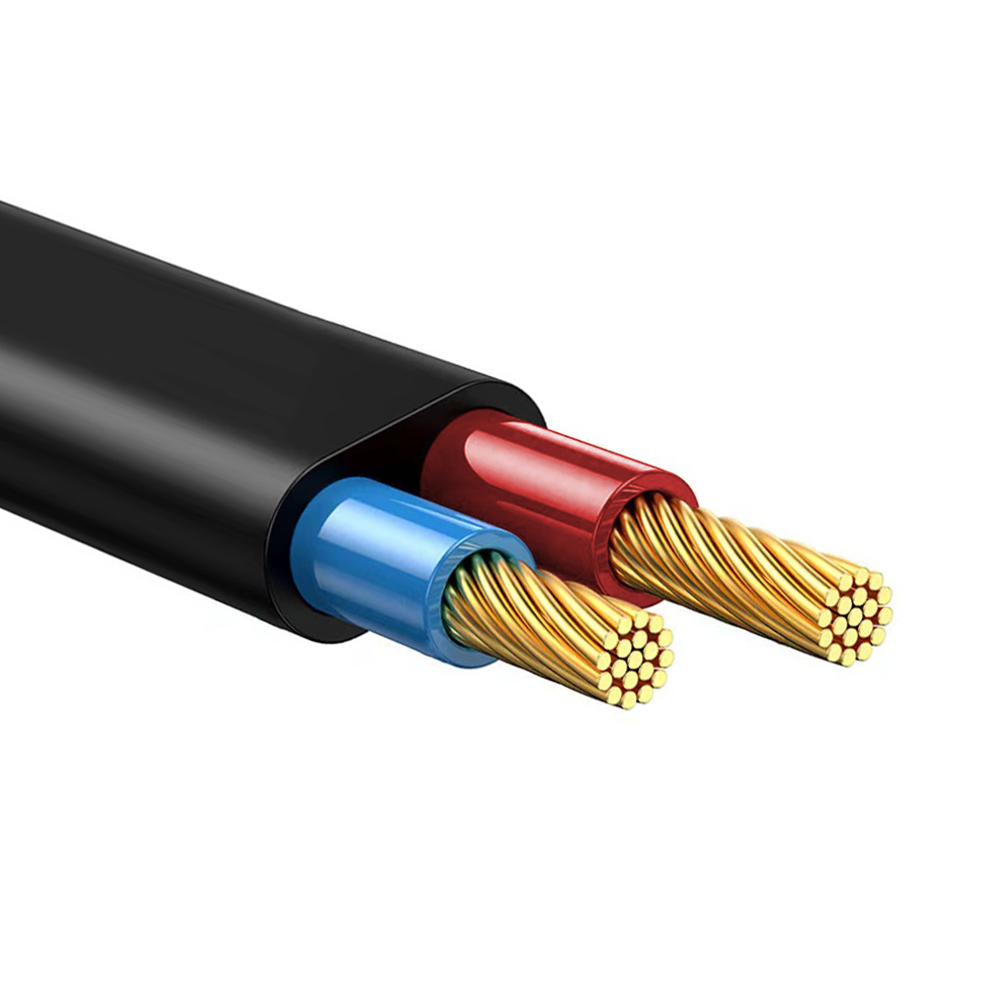
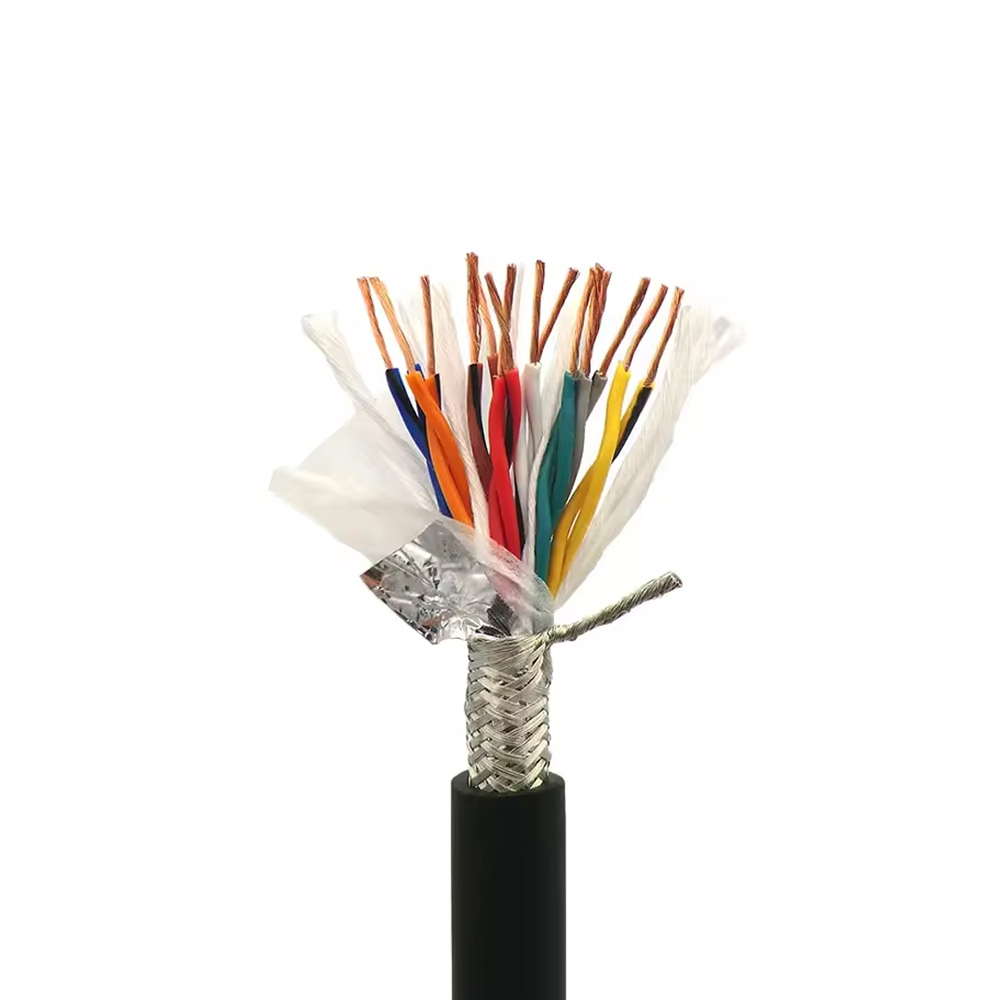
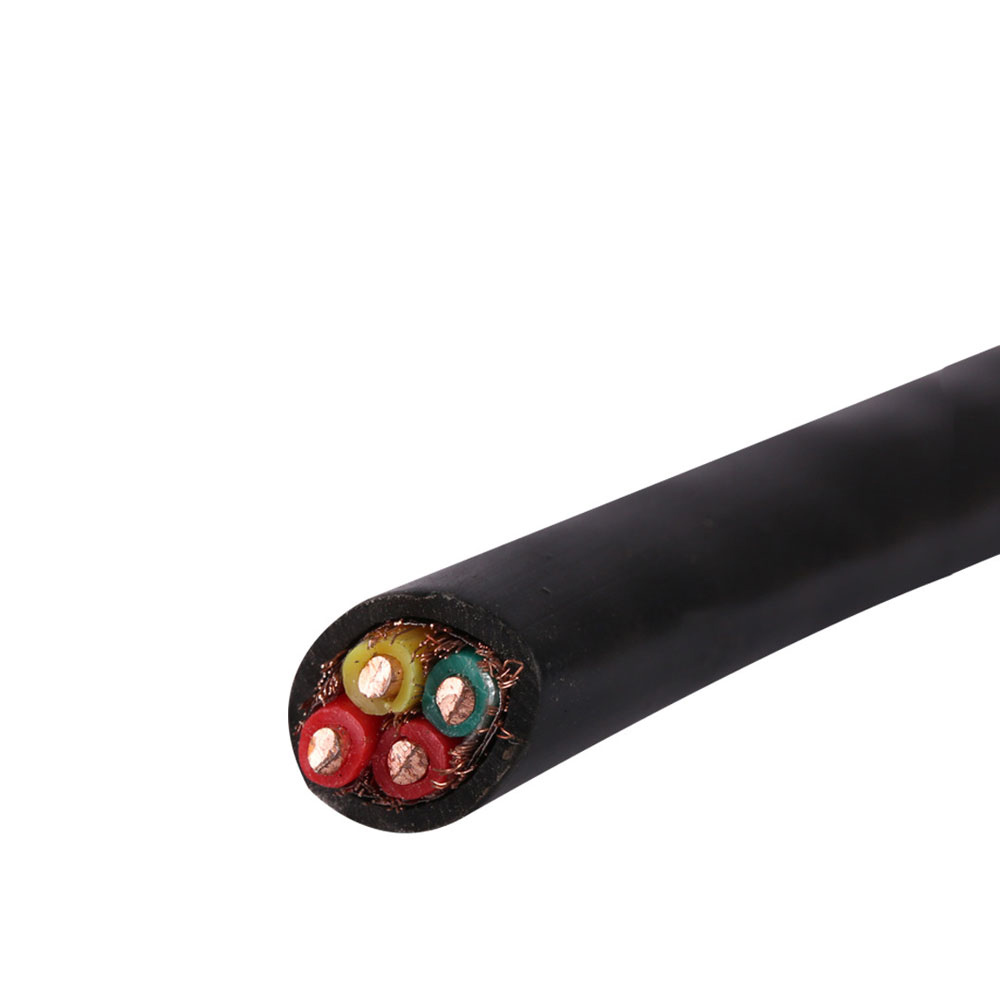
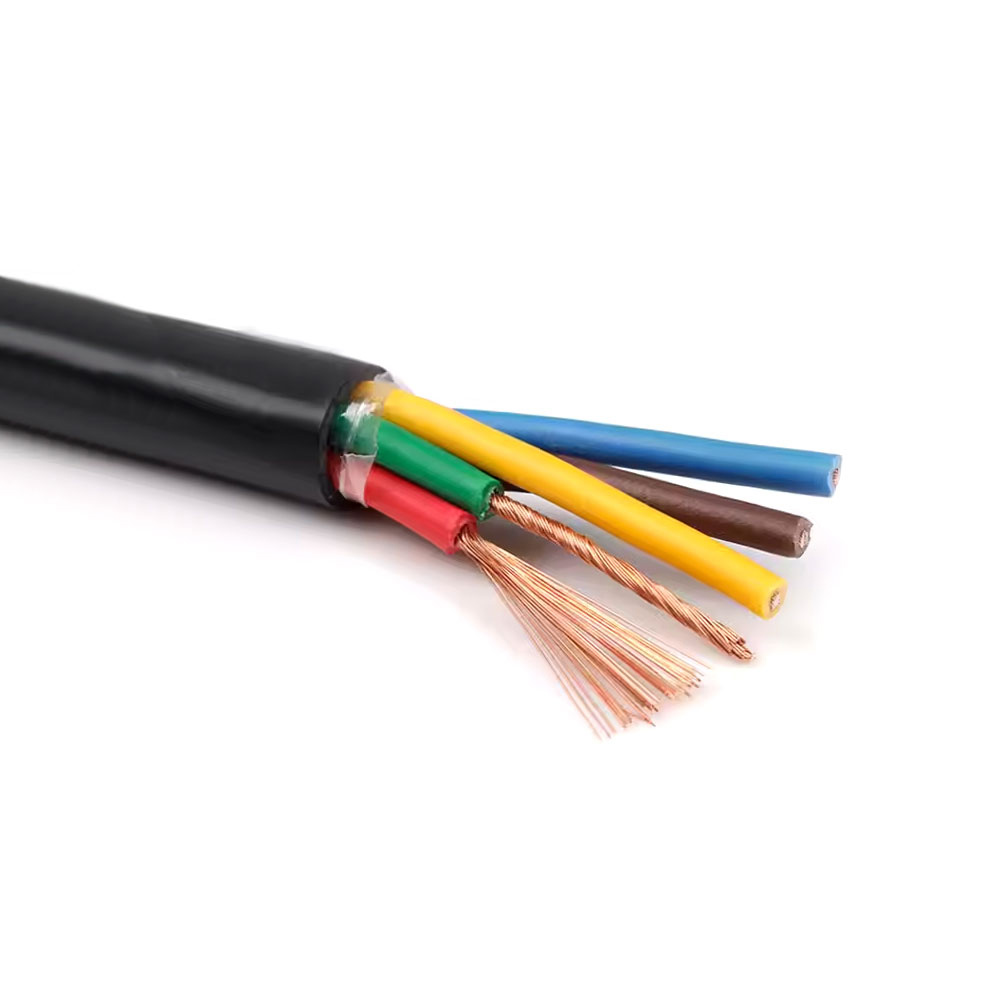
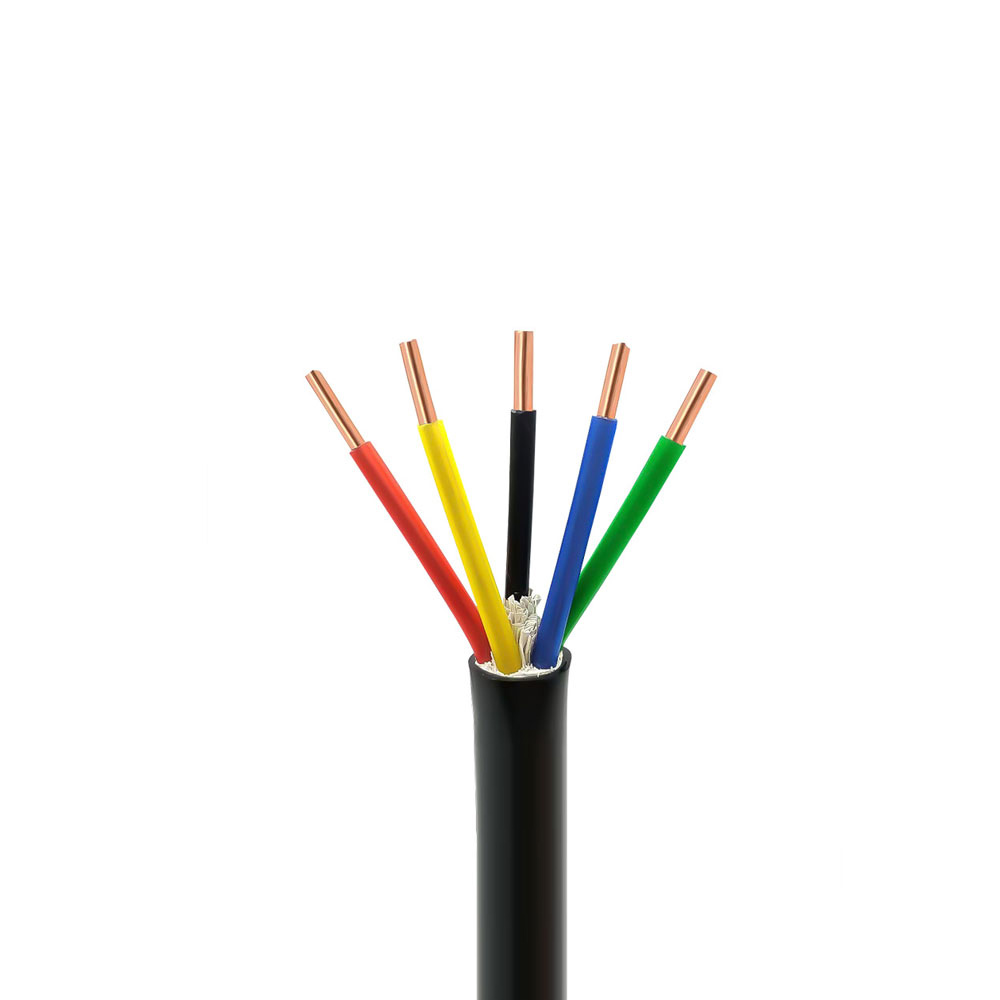
Multi-Core Structure: Typically includes 2 to 60 cores or more to meet the needs of complex control systems with multiple circuits.
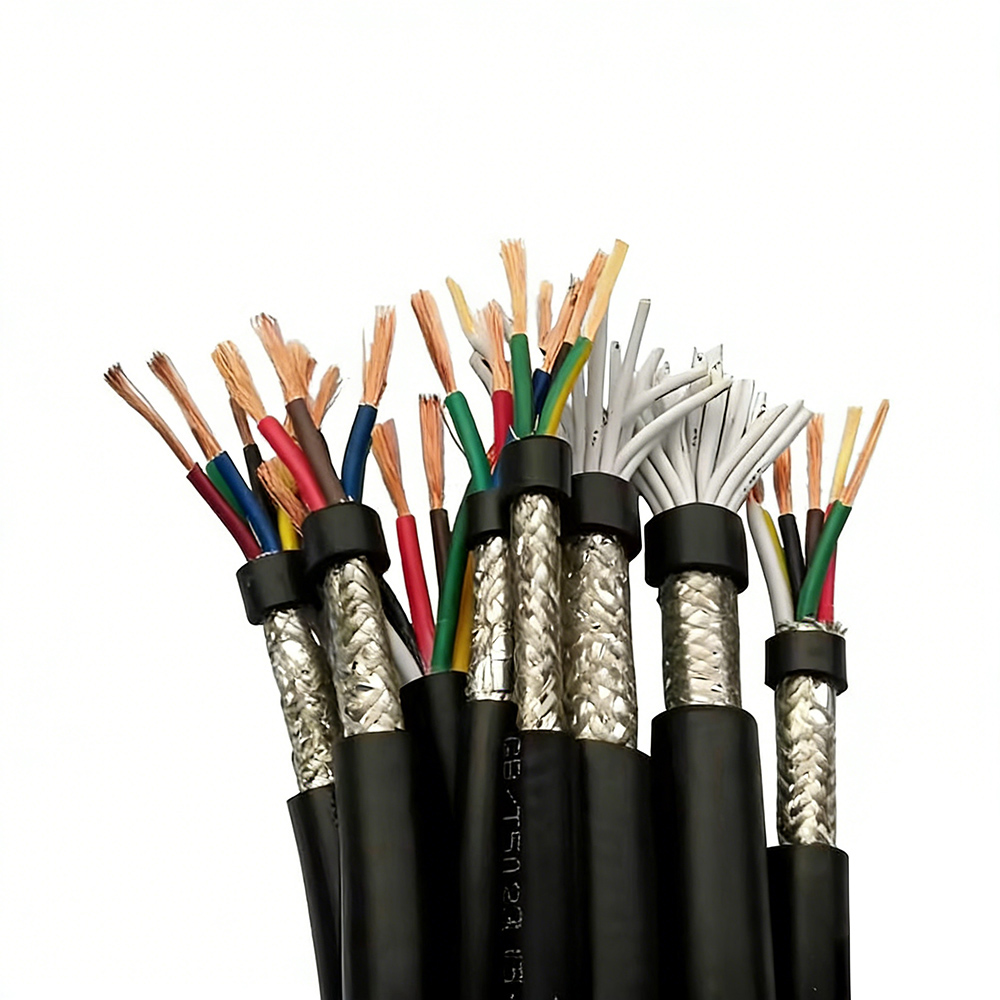
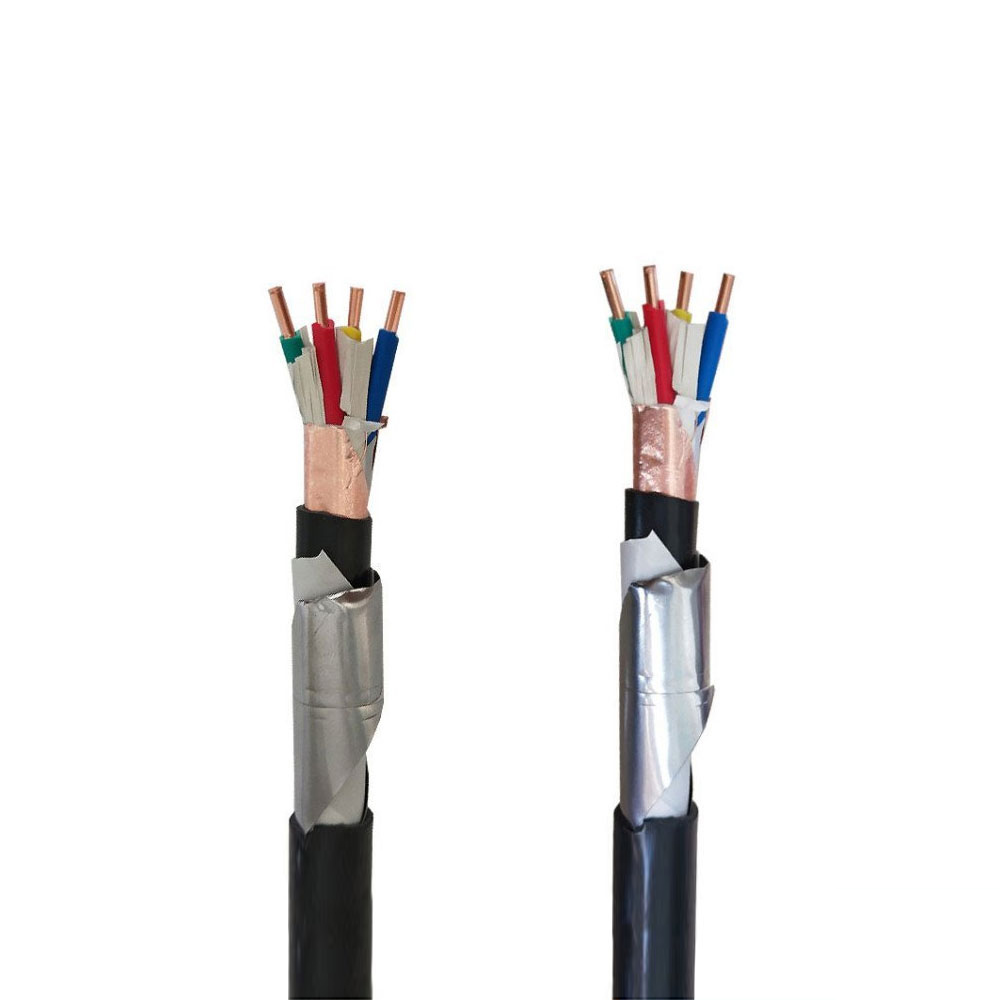
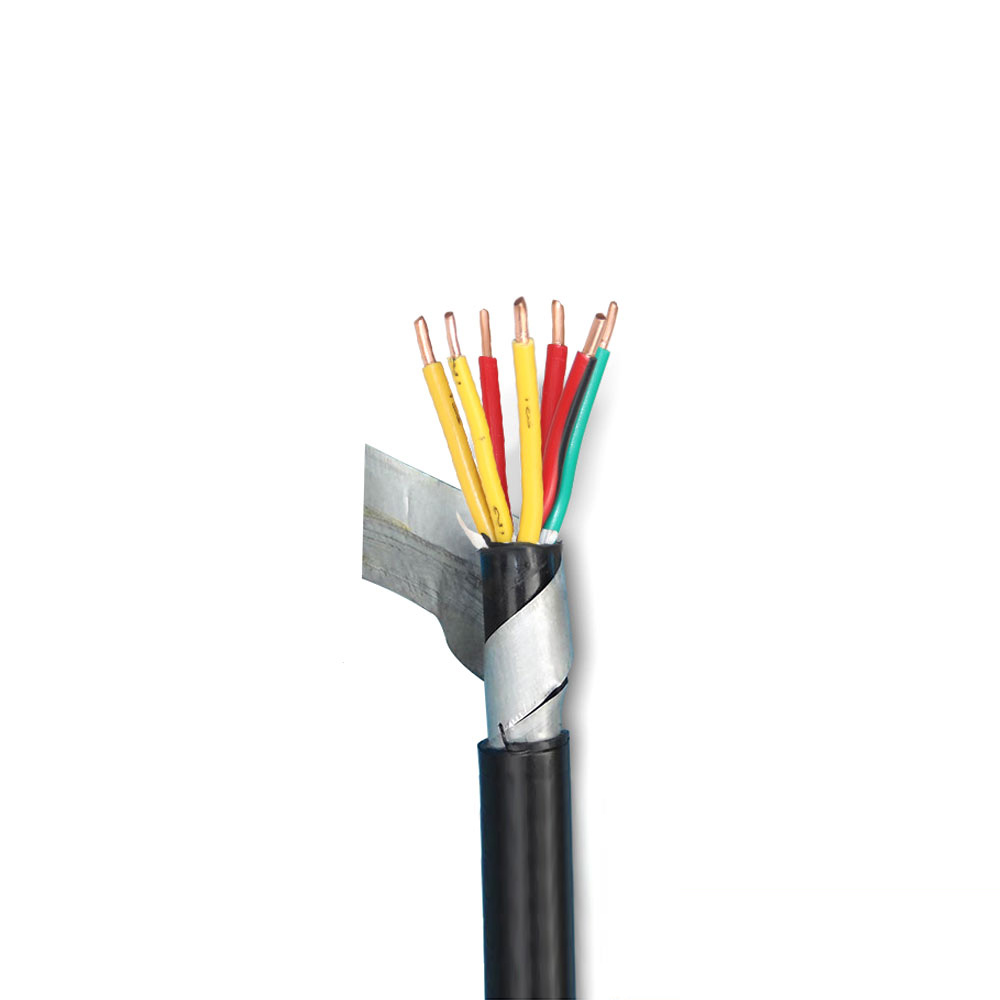
Anti-Interference Design: Commonly employs shielding structures (such as copper braiding or aluminum-plastic composite tape) to suppress electromagnetic interference and ensure signal integrity.
Signal Fidelity: Emphasizes low capacitance and low attenuation to reduce signal distortion and delay during transmission.
Mechanical Durability: Exhibits good flexibility and bend resistance, adapting to certain levels of mechanical stress and vibration environments.
Environmental Adaptability: Offers features such as oil resistance, flame retardancy, and halogen-free low-smoke characteristics to suit various industrial environments.
II. Main Types and Application Scenarios
Classification by Shielding Method:
Shielded Control Cables: Feature overall shielding or pair shielding combined with overall shielding, used in environments with strong electromagnetic interference, such as near frequency converters or factory workshops.
Unshielded Control Cables: Used in environments with minimal interference or lower requirements, offering lower cost.
Classification by Sheath Characteristics:
General Purpose Type: PVC sheath, suitable for general dry indoor environments.
Special Type: Includes oil-resistant, flame-retardant, halogen-free, low-smoke, and cold-resistant types, used in specific industries such as chemical, energy, and transportation.
Classification by Conductor Structure:
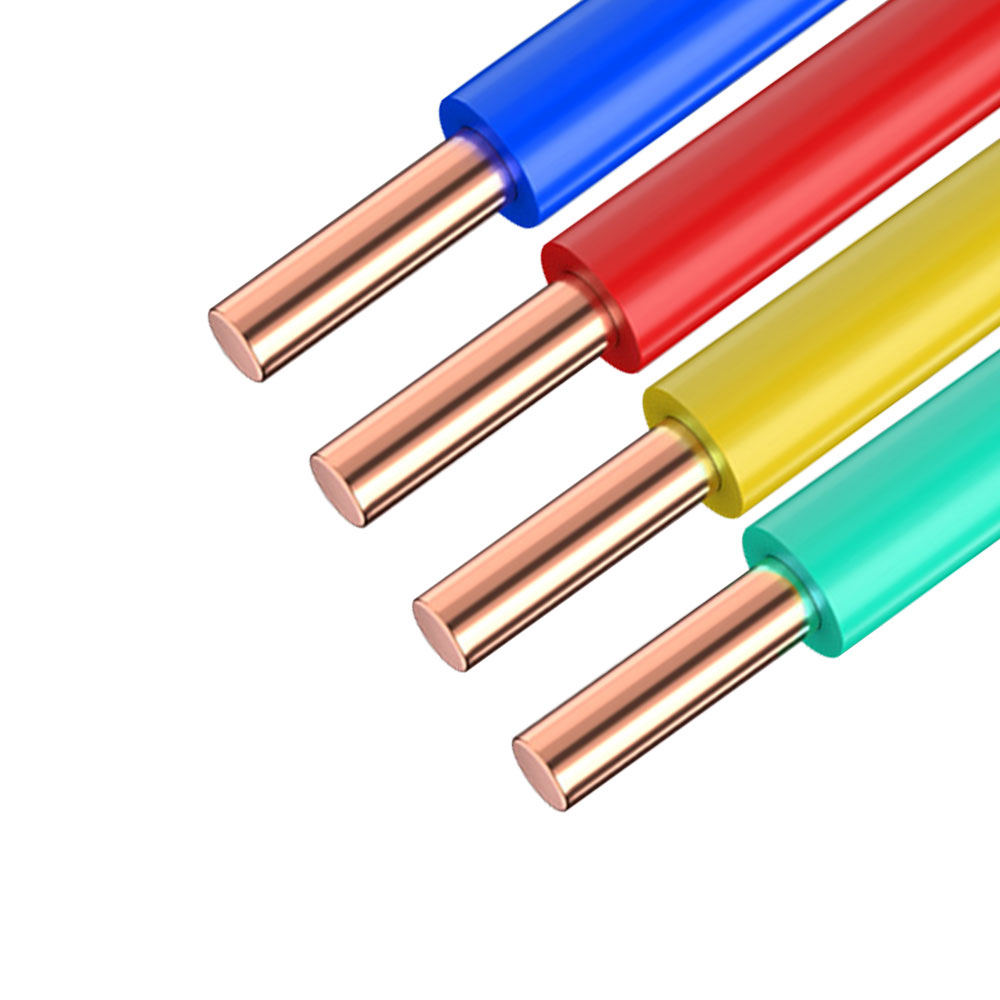
Hard Conductor: Used for fixed installations, offering good mechanical strength.
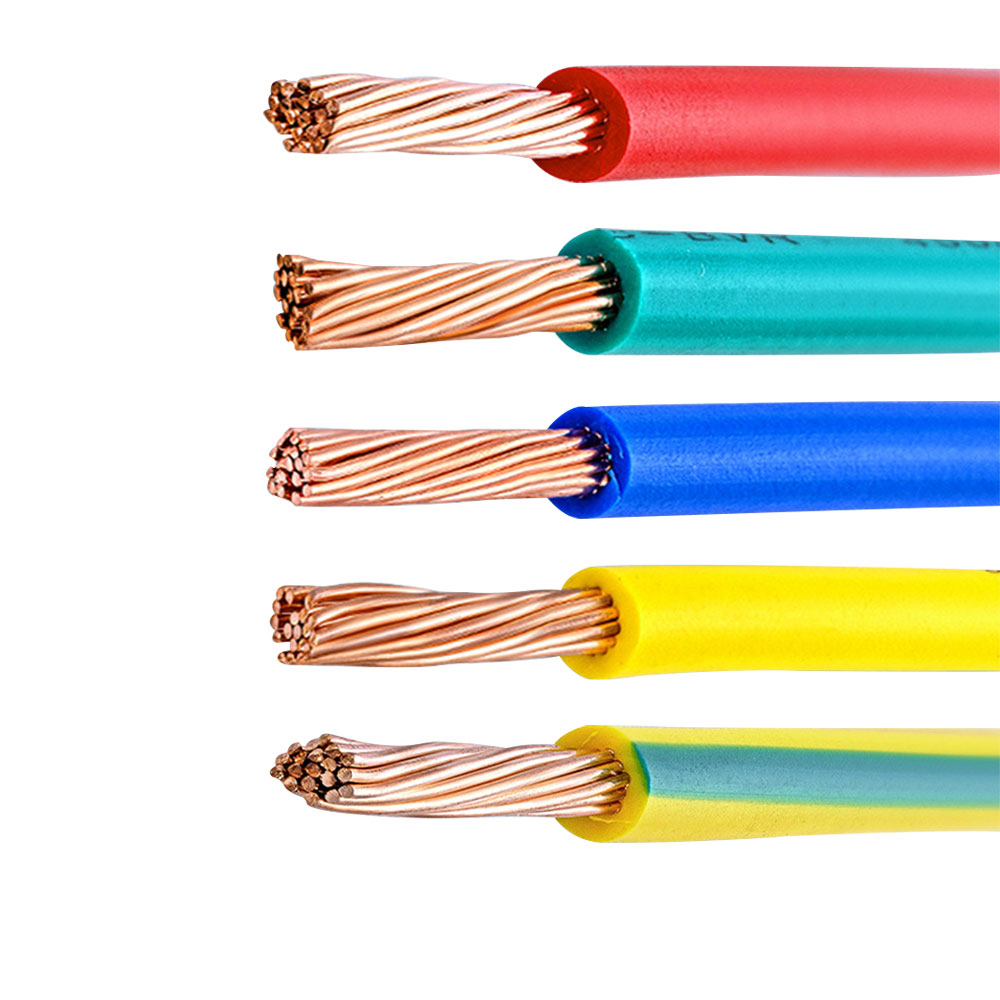
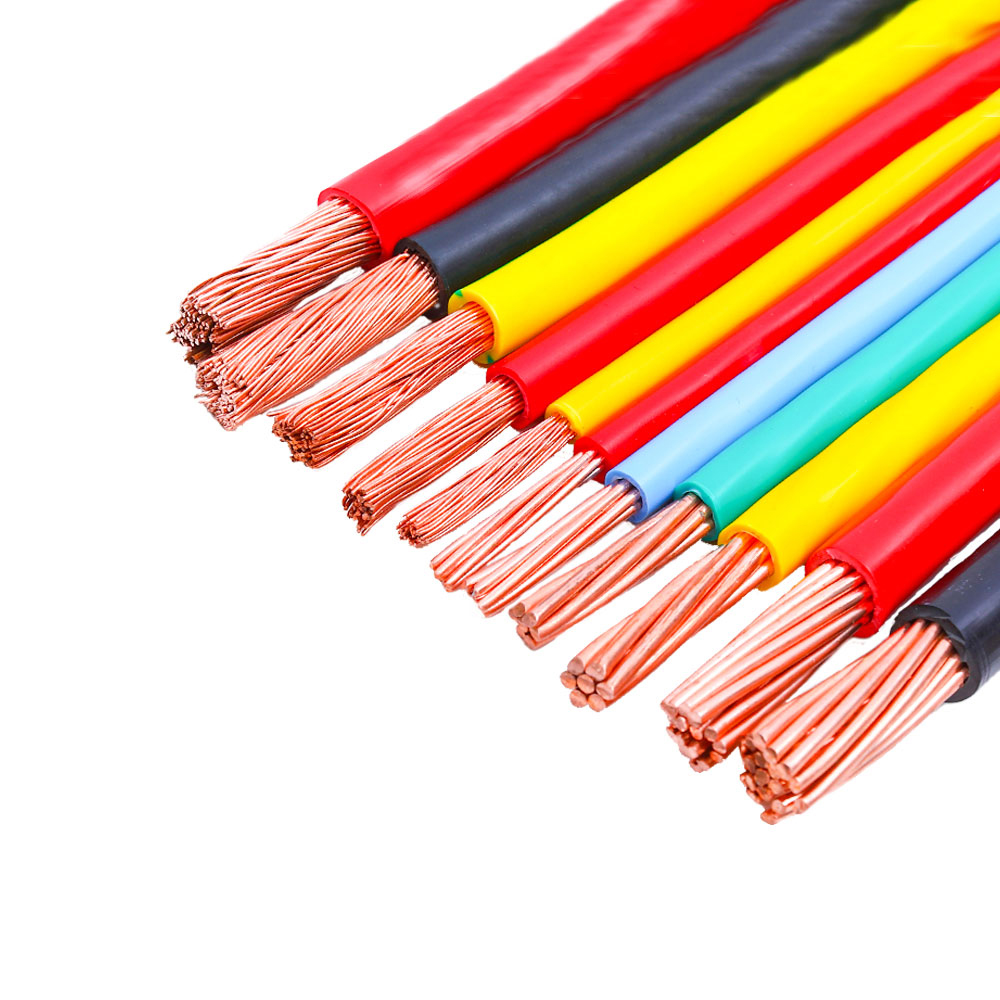
Flexible Conductor: Suitable for moving or frequently bent applications, providing excellent flexibility.
Typical Application Areas:
Industrial Automation Production Lines: Connecting PLCs to various sensors, buttons, indicator lights, solenoid valves, etc.
Process Control Systems: Used in industries such as chemical, petroleum, and pharmaceutical to connect DCS with transmitters and control valves.
Machinery Equipment Integration: Serving as internal control wiring for CNC machine tools, packaging machinery, and textile machinery.
Building Automation: Used in BA systems to connect DDC controllers with temperature and humidity sensors and actuators.
Energy and Power: Control, protection, and signal circuits in power plants and substations.
III. Key Production Process Controls
Conductor Manufacturing: Uses oxygen-free copper rods drawn and annealed to ensure conductivity and flexibility. Flexible conductors require multi-strand fine stranding.
Insulation Extrusion: Selects materials with stable electrical performance, such as PVC, PE, or XLPE, with precise control of insulation thickness and concentricity to ensure stable capacitance and insulation resistance.
Pair Twisting and Cabling:
Pair Twisting: For pairs transmitting analog or high-frequency signals, precise twisting is required to counteract electromagnetic interference.
Cabling: Multiple insulated cores are twisted with optimized pitches to control cable roundness, with fillers added as necessary to maintain structural stability.
Shielding Processing:
Braided Shielding: Tin-plated copper wire braiding with coverage typically ≥80% or higher to ensure shielding continuity and effectiveness.
Wrapped Shielding: Aluminum-plastic composite tape longitudinally applied with overlapping edges, combined with drain wires for effective grounding and shielding.
Sheath Extrusion: Suitable materials (e.g., PVC, PUR) are selected based on the usage environment. The extrusion process controls uniform outer diameter and ensures clear, wear-resistant printing.
Electrical Performance Testing: 100% testing for conductor continuity, insulation withstand voltage, and insulation resistance. For shielded cables, shielding effectiveness parameters such as transfer impedance are also tested.
IV. Detailed Core Advantages
Transmission Reliability and Stability: Optimized design and strict manufacturing processes ensure accurate and distortion-free transmission of control signals and measurement data in complex industrial electromagnetic environments, forming the foundation for reliable automation system operation.
Installation and Maintenance Convenience:
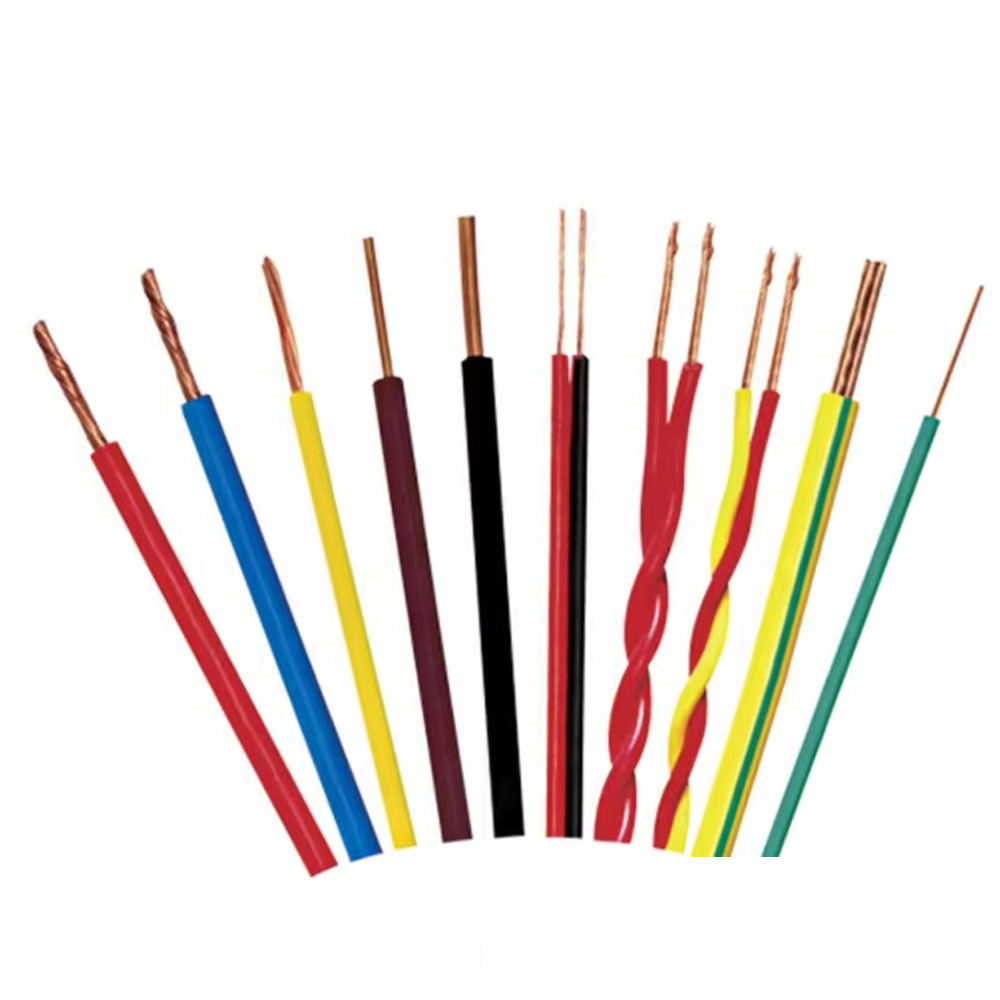
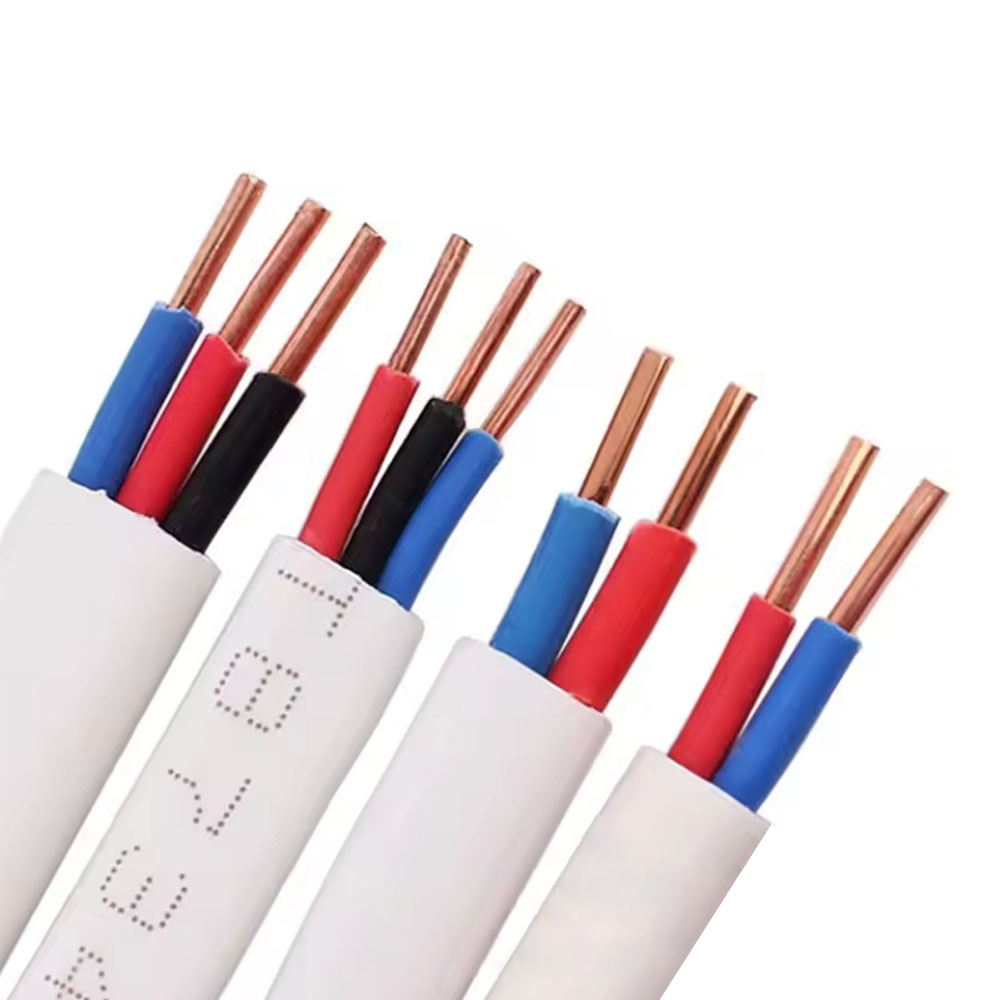
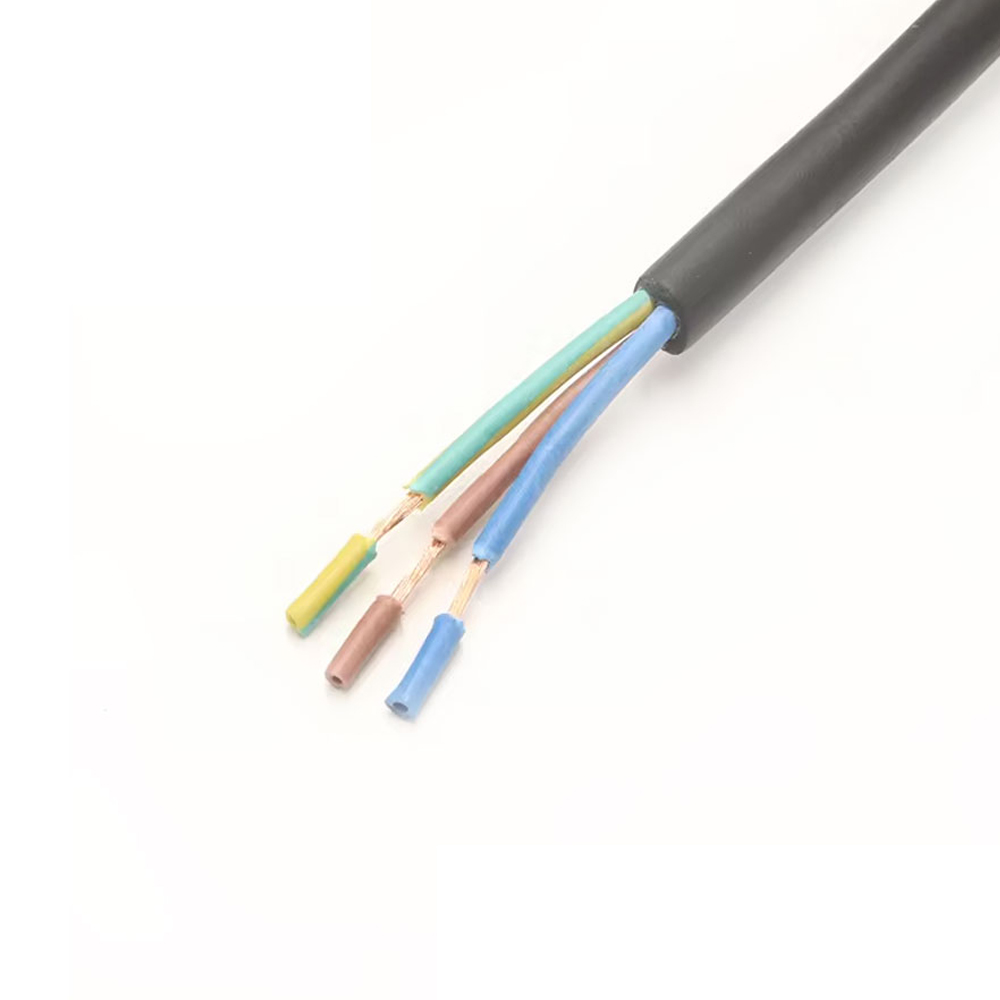
Clear core wire color codes or numerical labeling greatly simplify wiring and troubleshooting for multi-core cables.
Good flexibility facilitates wiring within control cabinets and cable trays.
Flexibility and Wide Applicability:
The number of cores, cross-section, shielding method, and sheath material can be flexibly selected and customized based on specific control circuit requirements and environmental conditions, offering strong applicability.
High Cost-Effectiveness: Provides a more cost-effective solution compared to many specialty cables while meeting industrial-grade performance requirements, making it the preferred choice for building reliable control networks.
Safety: By using flame-retardant, halogen-free, low-smoke materials, these cables meet fire safety requirements in different environments, reducing fire risks.
Summary
Control cables are the "blood vessels and nerves" of modern industrial automation and intelligent systems. Their value lies in ensuring stable and reliable signal transmission, guaranteeing the accurate execution of control logic, and the authenticity of data collection. When designing and building automation systems, high-quality control cables should be reasonably selected and invested in based on the nature of the control circuits, environmental conditions, and long-term operational requirements. This is often the most cost-effective approach to ensuring system stability and minimizing future maintenance challenges.


 English